河洛群俠傳 (Ho Tu Lo Shu : The Books of Dragon) similar games & best alternatives
河洛群俠傳 (Ho Tu Lo Shu : The Books of Dragon)
2018
Related articles
Quick resume
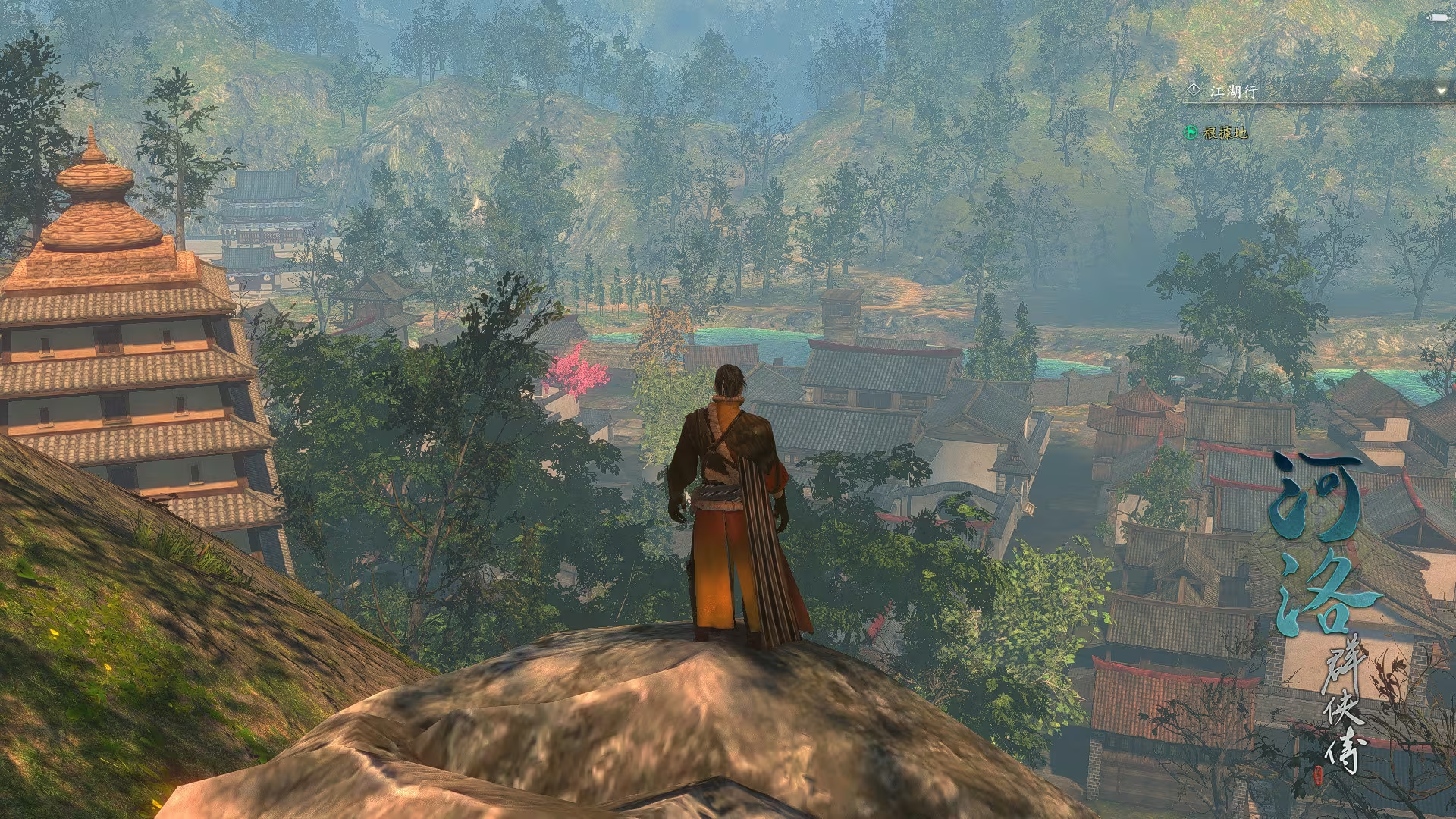
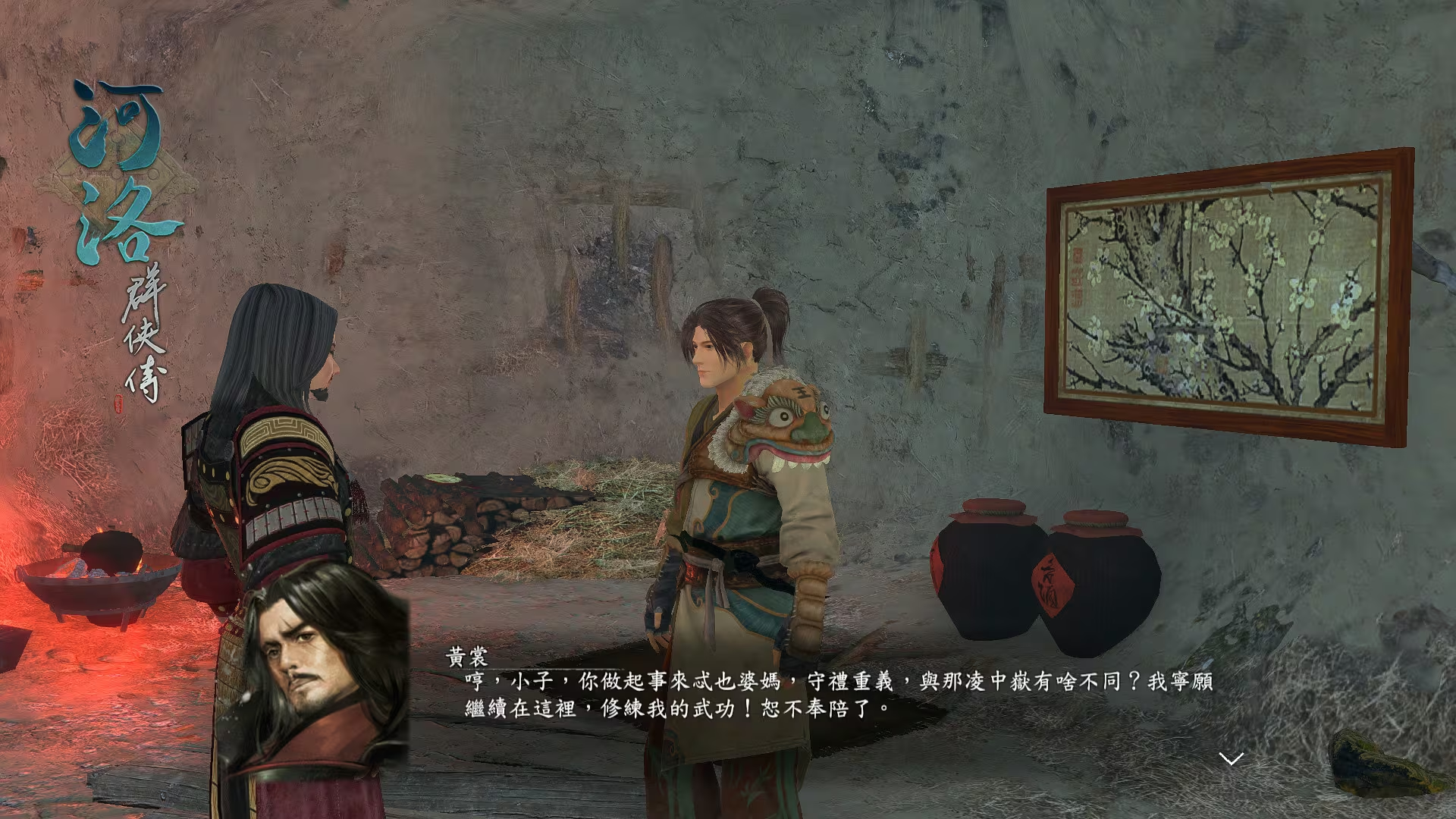
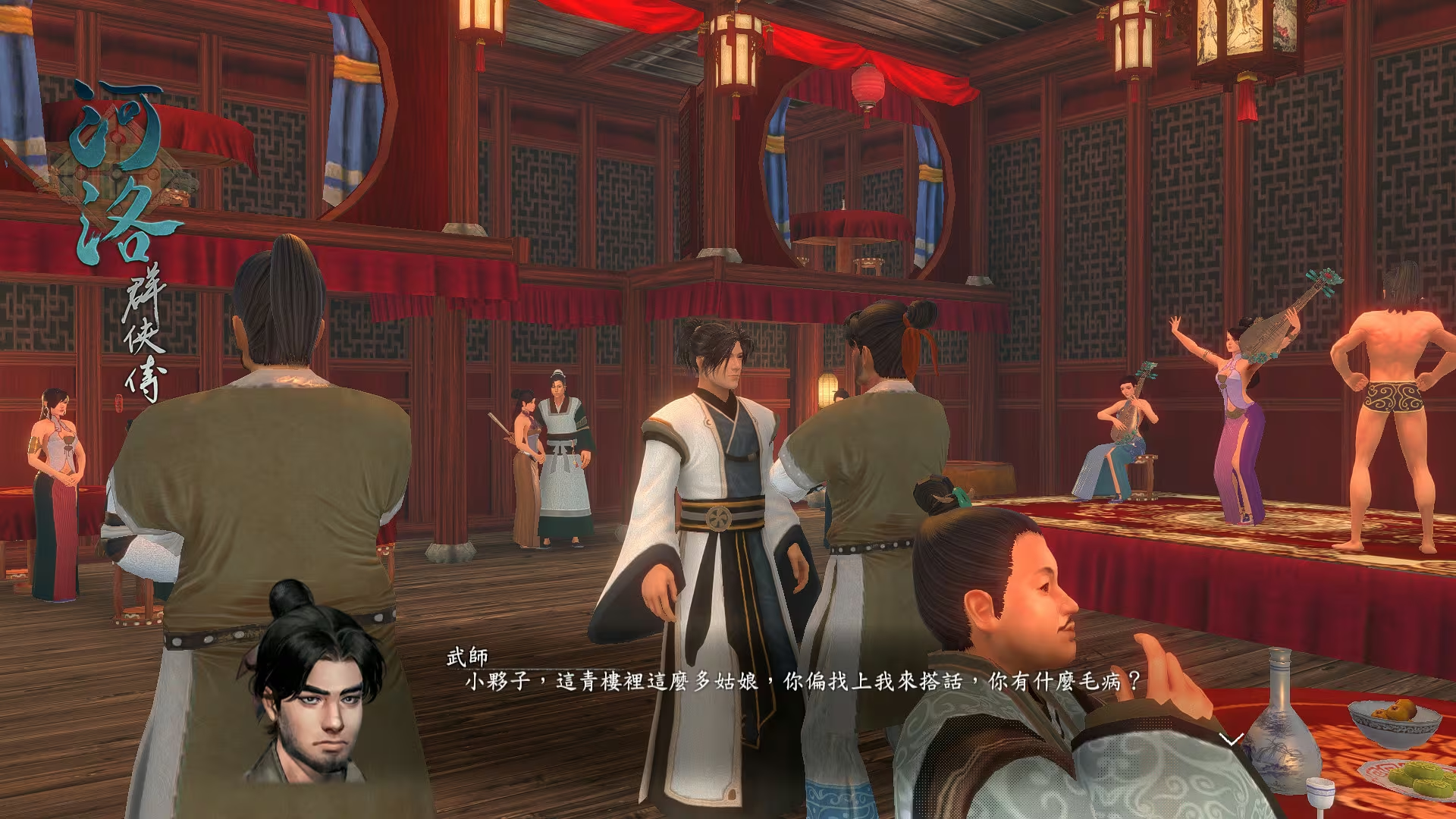
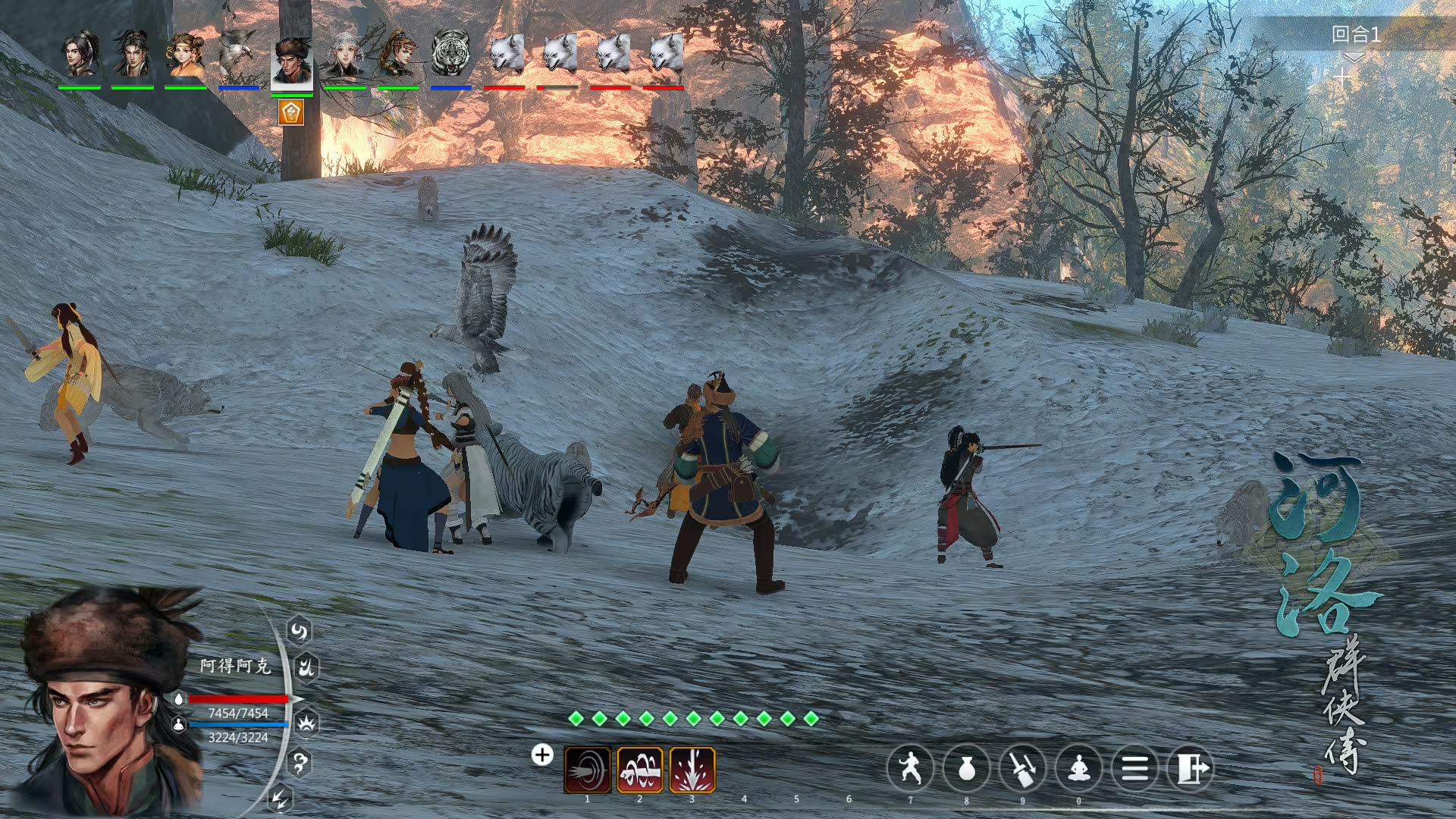
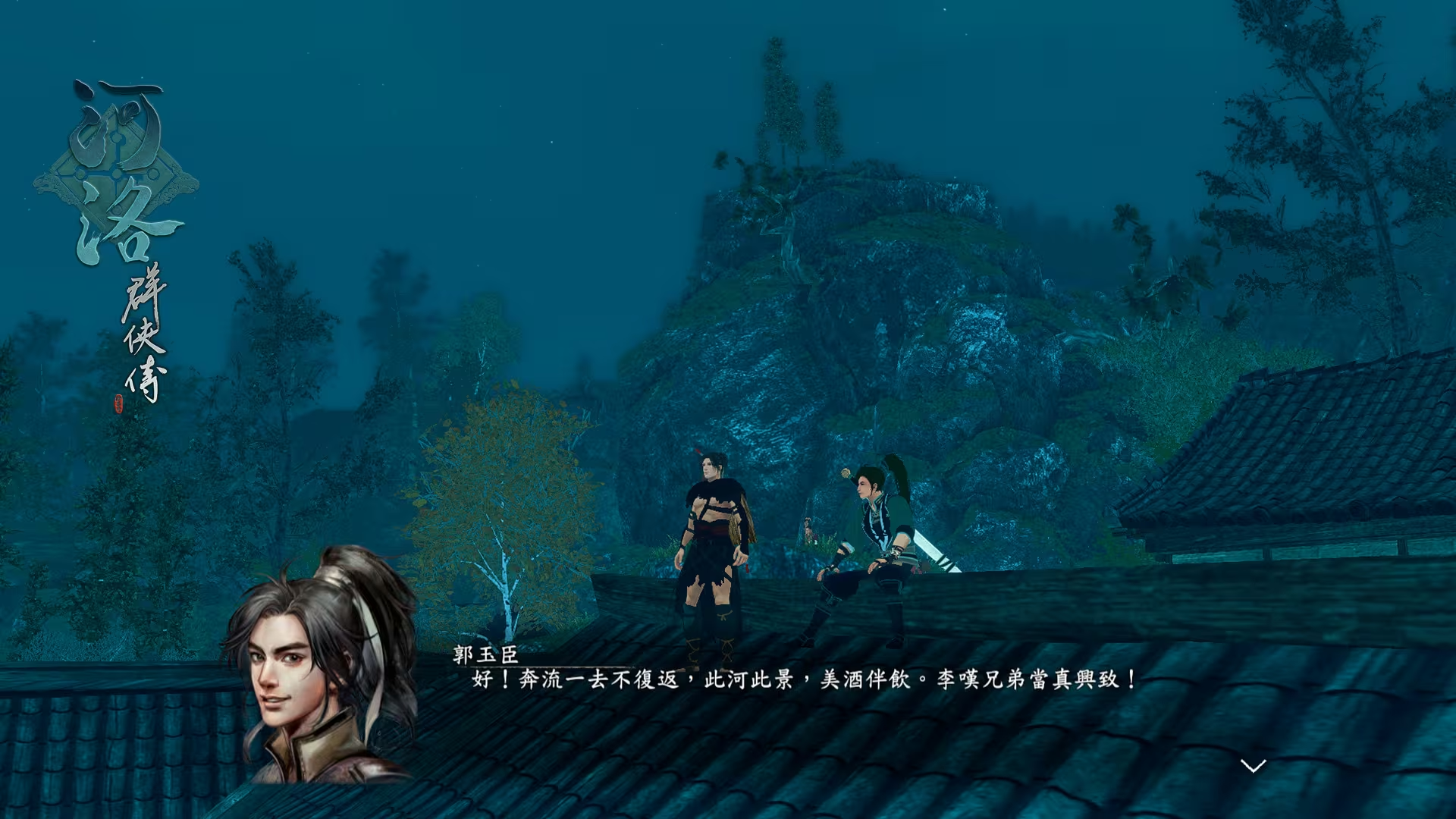
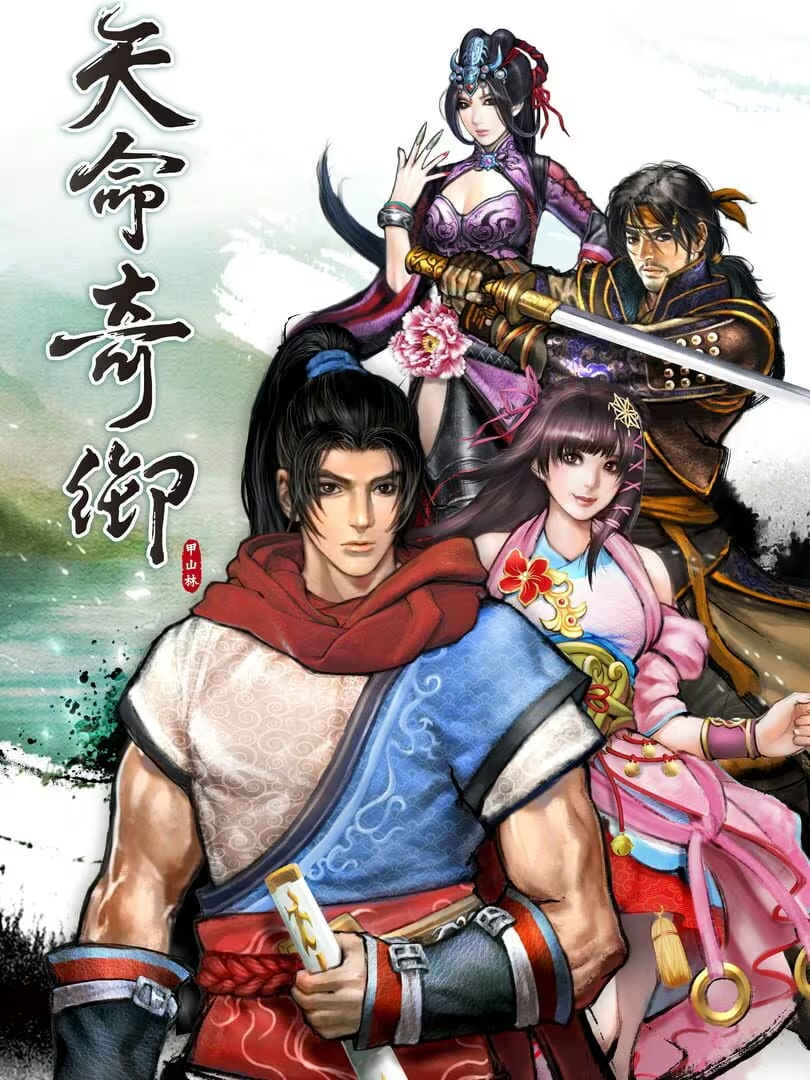
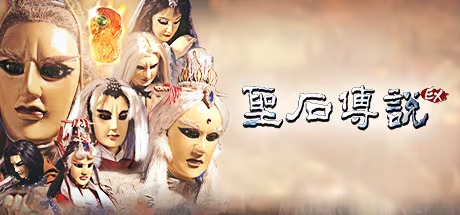
Ho Tu Lo Shu: The Books of Dragon offers a highly freedom to play in an wuxia style open world. With realistic art style and rich character development, you can explore a vast wuxia world and create your own adventure with the company of various memorable characters.
Global score
82/100
Genres
Adventure, Role-playing (RPG), Strategy
Similar games
Pros
- Deep wuxia setting and story
- Open world with many quests and secrets
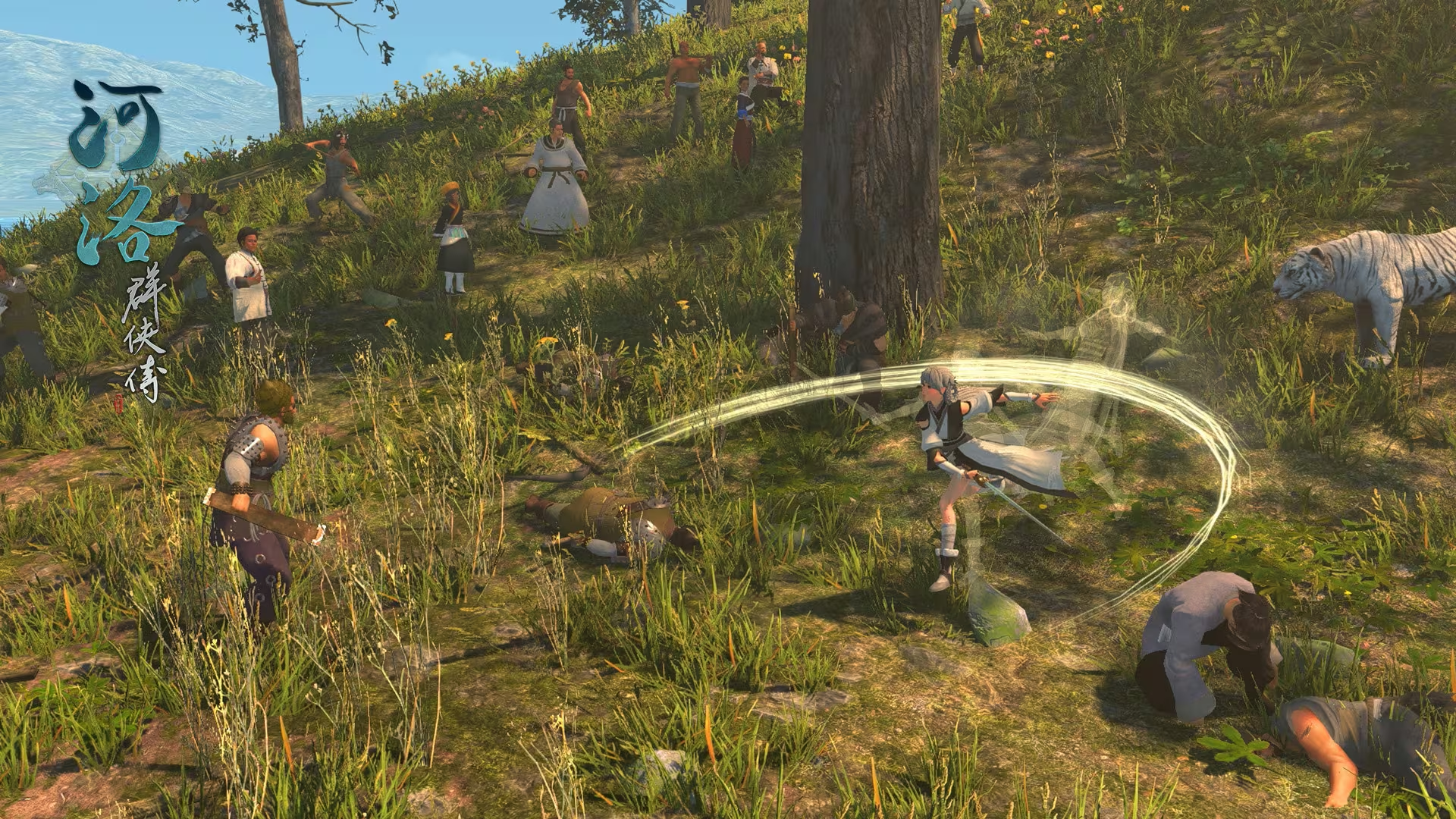
- Complex turn-based combat with skill customization
- High replayability and player freedom
- Active developer support and modding community
Cons
- Poor optimization and frequent bugs
- Outdated graphics and animations
- Lack of official english translation
- Slow pacing and grinding required
- Some quest bugs blocking progression
Analysis
A very typical example of its motivational profile. Motivations that often define this kind of title include Leadership, Survival, Violence, Strategy. Here, the score leans higher than usual among comparable games on Exploration. It leans lower than usual among comparable games on Survival, Domination.
How to use the graph
Similar games map
Each dot is a game. They are arranged from the same motivation profile as in the “Motivations” section below. Closer dots usually mean more similar reasons to play (exploration, competition, relaxation, etc.)—not that one game is “better” than another.
- Larger dot with a light outline: the game you are viewing.
- Colour: groups of games with comparable motivation patterns (statistical clusters).
- Hover a dot to see the game name; click to open its page.
- Scroll or double-click the chart to zoom out and see more games.
Why don’t the axes read like a score? This view uses t-SNE: it only keeps who is close to whom. The scales are not “good to bad” or hours played—they separate groups on the map. Read distance between dots, not the axis numbers.
Motivations
-
Autonomy4
"Players have a high degree of freedom to explore the open world, choose quests in any order, and develop characters with various skill and weapon builds."
-
Competence3
"The game features complex turn-based combat with strategic positioning and skill synergies, requiring player skill and offering feedback, though some grinding is needed."
-
Competition-4
"The game is single-player focused with no mention of PvP or leaderboards; players engage at their own pace without social comparison."
-
Continuation4
"Many players report long playtimes (100+ hours), high replayability, and habitual engagement despite bugs and optimization issues."
-
Cooperation-4
"The game is single-player with limited party interaction; cooperation is minimal and mostly AI-driven."
-
Creativity3
"Players can customize characters with various weapons, skills, and talent trees, creating unique builds and playstyles."
-
Domination-5
"No evidence of player dominance over others; interactions are single-player and balanced."
-
Escapism4
"The immersive wuxia world and story provide a strong escape from reality, appreciated by fans of the genre."
-
Expectation-4
"Players engage voluntarily out of personal interest and love for wuxia, not due to obligation or external pressure."
-
Experimenting3
"Players try different weapons, skills, and quest approaches, including multiple endings and varied story paths."
-
Exploration4
"Open world with many side quests, secrets, and dynamic day/night cycles encourage discovery and curiosity."
-
Expression2
"Character customization and build choices allow some self-expression, though cosmetic customization is limited."
-
Fantasy4
"Strong wuxia fantasy setting with martial arts powers and imaginative fiction elements."
-
Fellowship-4
"Minimal social interaction; the game is designed for solo play with AI companions."
-
Growth4
"Players develop characters through skill trees, learn new martial arts, and improve over long play sessions."
-
Health-4
"Game is sedentary with no physical activity elements; long sessions reported."
-
Idle-3
"Requires focused attention due to turn-based combat and quest management; not a casual or idle game."
-
Intimacy-4
"Limited party interaction and no evidence of deep social or emotional connections."
-
Leadership2
"Players can manage party members and make strategic decisions, though leadership is within a small group context."
-
Progression4
"Strong progression through leveling, skill acquisition, and item collection."
-
Relaxation1
"Some players find the game relaxing and immersive, though grinding and bugs can cause frustration."
-
Sensation1
"Visuals and sound are mixed; some enjoy the atmosphere but graphics and animations are often criticized."
-
Status-4
"No social status or recognition systems; focus is on individual experience."
-
Story4
"Rich narrative with multiple storylines, side quests, and player choices affecting outcomes."
-
Strategy4
"Turn-based combat requires tactical positioning, skill synergies, and planning."
-
Thrill2
"Combat and exploration provide some suspense and challenge, though pacing is often slow."
-
Value4
"Players feel the game offers good content and replayability for its price despite technical flaws."
-
Violence2
"Combat involves martial arts fighting and tactical battles, but not excessive or gratuitous violence."
-
Survival1
"Some resource and combat management required, but no extreme survival elements."
Last update: 29/04/2026