We. The Revolution similar games & best alternatives

We. The Revolution
2019
Related articles
Quick resume
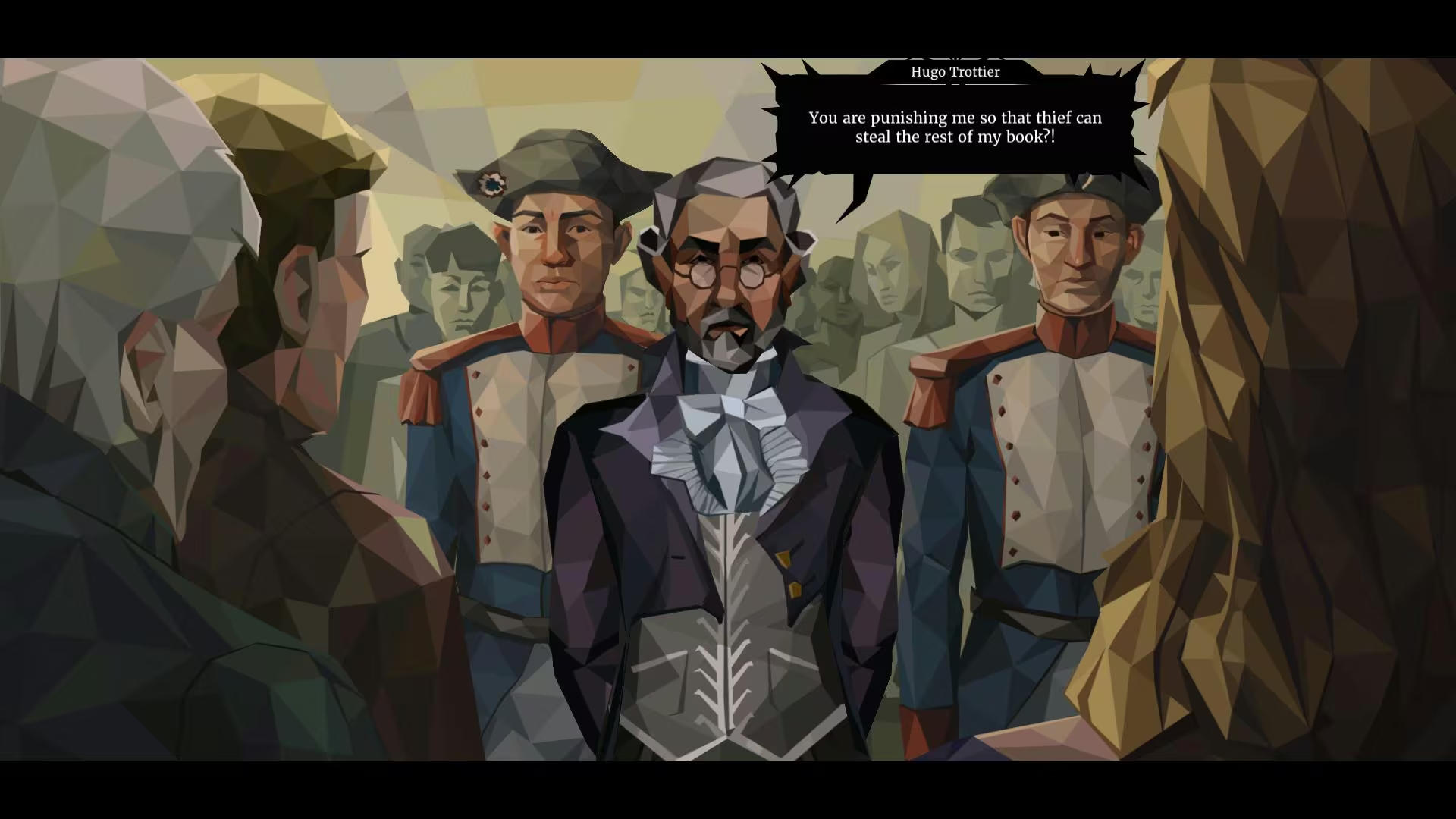
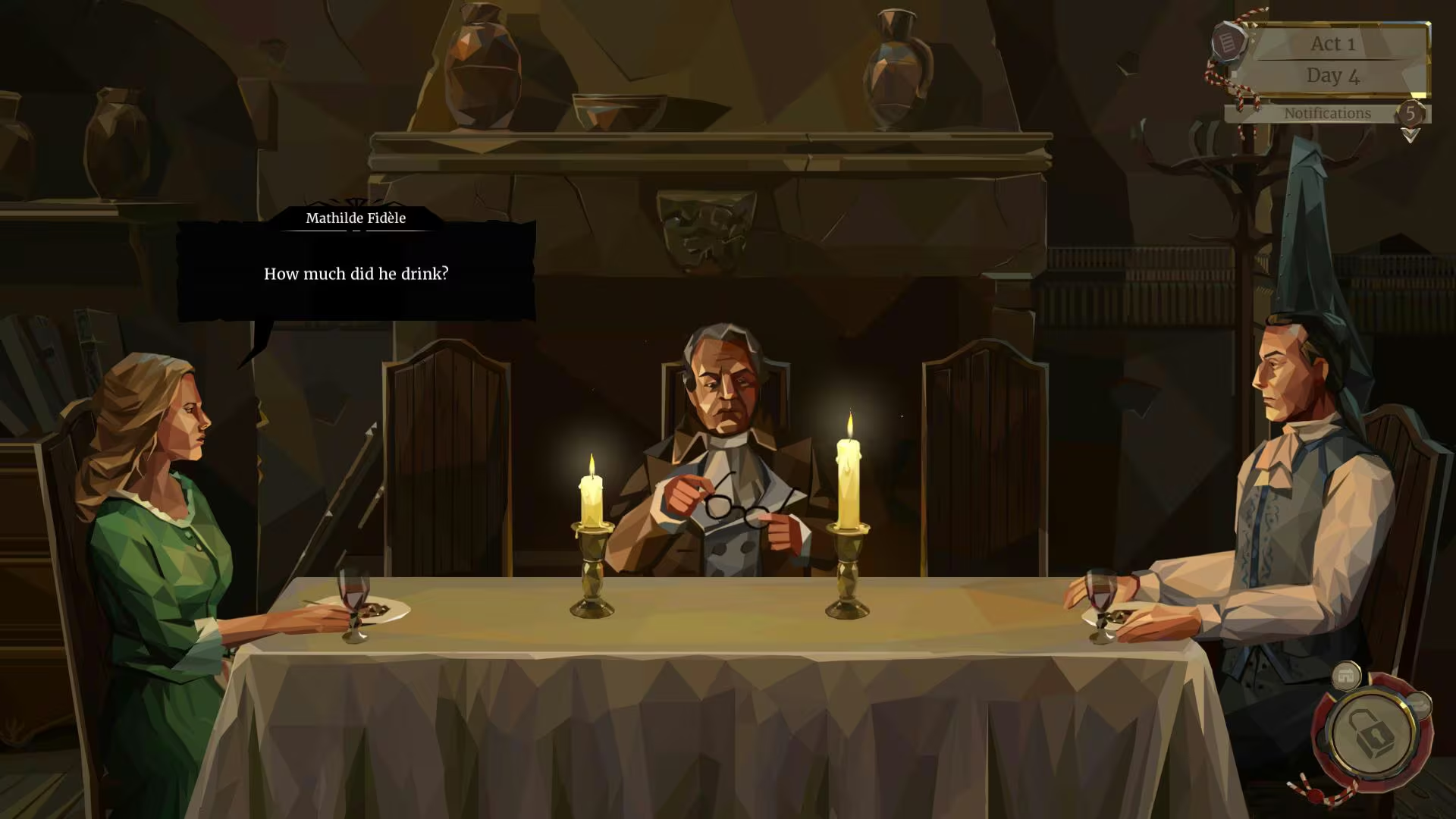
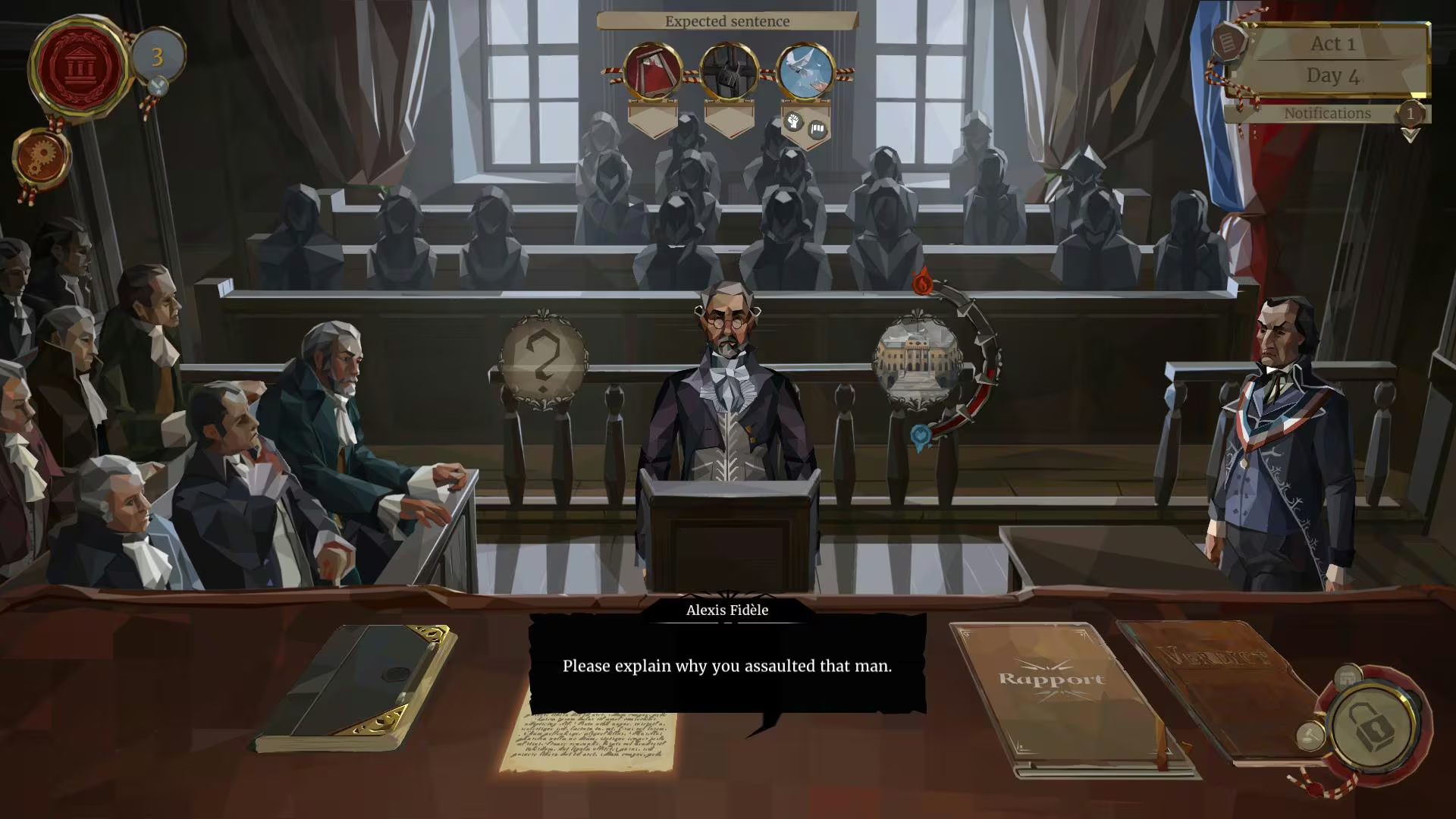
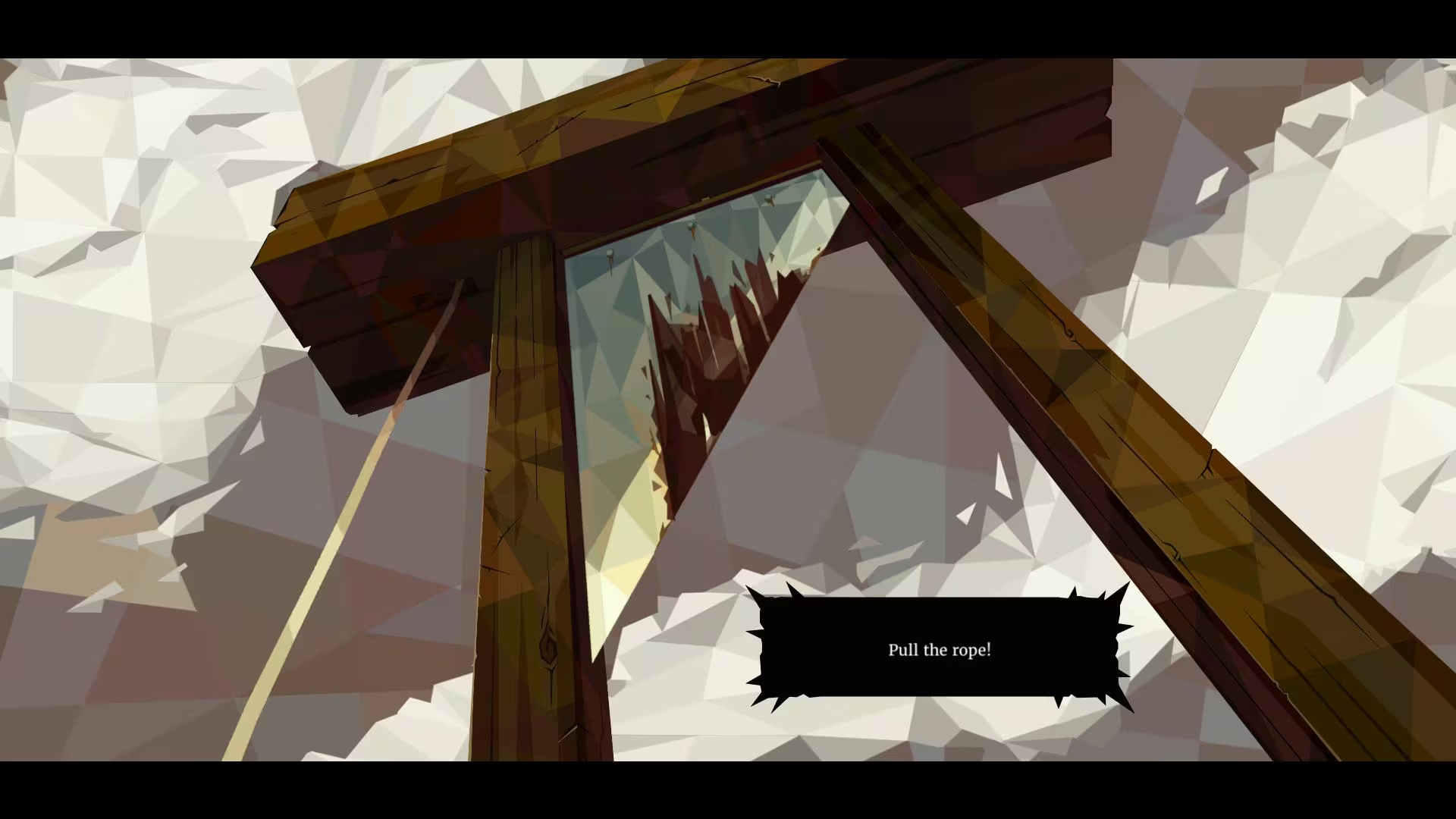
As a judge of the Revolutionary Tribunal, preside over complicated cases of ordinary citizens, dangerous criminals, and enemies of the revolution in revolutionary Paris. Make judgments, plot political intrigue, and try to not lose your own head!
Global score
75/100
Genres
Strategy, Adventure, Point-and-click, Role-playing (RPG), Simulator, Indie, Puzzle
Similar games
Pros
- Unique and immersive historical setting
- Engaging narrative with meaningful choices
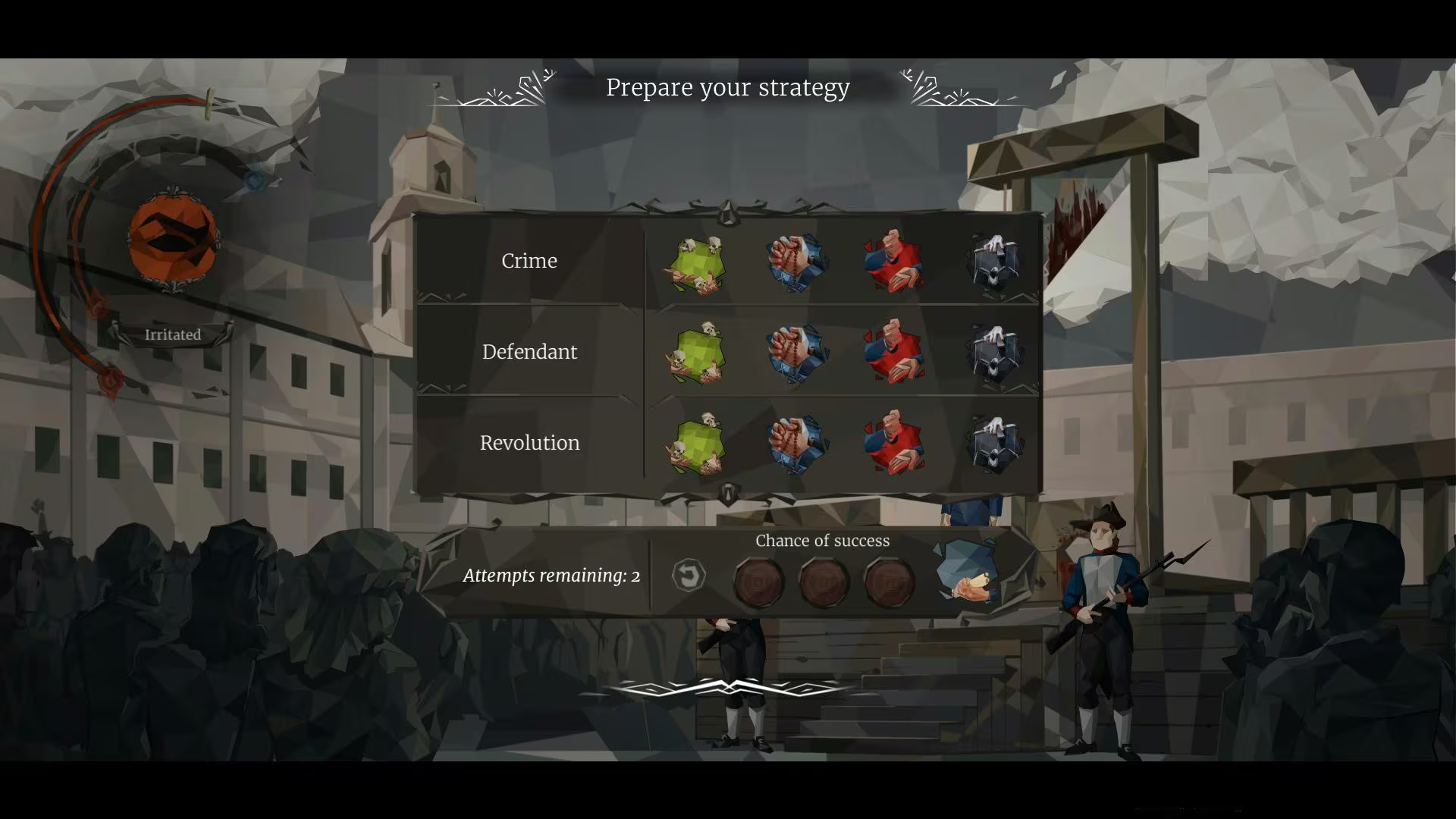
- Varied gameplay mechanics
- Strong art style and sound design
- Challenging political balancing
Cons
- Story becomes railroady in later acts
- Some gameplay mechanics feel underdeveloped
- Dice and battle minigames can be frustrating
- Limited replayability due to linear endings
- Heavy text reading may deter some players
Analysis
Less representative of its motivational profile, with noticeable differences. Motivations that often define this kind of title include Leadership, Survival, Violence, Strategy. Here, the score leans higher than usual among comparable games on Domination, Status. It leans lower than usual among comparable games on Expression.
How to use the graph
Similar games map
Each dot is a game. They are arranged from the same motivation profile as in the “Motivations” section below. Closer dots usually mean more similar reasons to play (exploration, competition, relaxation, etc.)—not that one game is “better” than another.
- Larger dot with a light outline: the game you are viewing.
- Colour: groups of games with comparable motivation patterns (statistical clusters).
- Hover a dot to see the game name; click to open its page.
- Scroll or double-click the chart to zoom out and see more games.
Why don’t the axes read like a score? This view uses t-SNE: it only keeps who is close to whom. The scales are not “good to bad” or hours played—they separate groups on the map. Read distance between dots, not the axis numbers.
Motivations
-
Autonomy3
"Players make decisions as a judge balancing factions and personal morality, but narrative railroading limits full freedom."
-
Competence3
"Gameplay involves skillful questioning, managing factions, and strategic decisions with meaningful feedback."
-
Competition-3
"Focus is on managing personal progress and survival rather than competing against others or leaderboards."
-
Continuation4
"Players report long sessions and engagement with complex mechanics and story, despite some pacing issues."
-
Cooperation-4
"Gameplay centers on individual decision-making as a judge with limited multiplayer or teamwork elements."
-
Creativity2
"Players creatively balance political factions and moral choices, but within structured narrative and mechanics."
-
Domination2
"Players exert political power and influence over factions, but interactions are balanced and story-driven."
-
Escapism4
"Strong immersion in historical setting provides escape from real life through narrative and gameplay."
-
Expectation-4
"Players engage voluntarily out of interest in history and story, not obligation or external pressure."
-
Experimenting3
"Players try different strategies and choices to explore outcomes and faction reactions."
-
Exploration2
"Exploration is mostly narrative and political intrigue rather than physical discovery."
-
Expression-3
"Limited customization; players express themselves mainly through choices rather than avatar or environment modification."
-
Fantasy1
"Set in a historical period with some fictionalized elements and dramatization."
-
Fellowship-4
"Experience is largely solitary with minimal social or community interaction."
-
Growth3
"Players learn mechanics, political balancing, and develop strategies over time."
-
Health-5
"Sedentary gameplay with no physical activity involved."
-
Idle-4
"Requires focused attention on reading, decision-making, and managing multiple systems."
-
Intimacy-3
"Limited emotional connections mainly through family relationships, but no deep social bonds."
-
Leadership3
"Players lead political factions and manage influence, though within narrative constraints."
-
Progression3
"Players accumulate influence, control over districts, and political power as they advance."
-
Relaxation-2
"Game can be tense and stressful due to balancing factions and survival, though some find it engaging."
-
Sensation1
"Visual style and sound design provide moderate sensory stimulation fitting the theme."
-
Status2
"Recognition within the game world via faction approval and political standing is important."
-
Story5
"Strong narrative immersion with complex characters, historical context, and plot twists."
-
Strategy4
"Requires planning, reasoning, and managing multiple political and social systems."
-
Thrill3
"Tension from high stakes decisions and survival creates suspense and emotional engagement."
-
Value4
"Players report good value for time and money with engaging gameplay and story."
-
Violence4
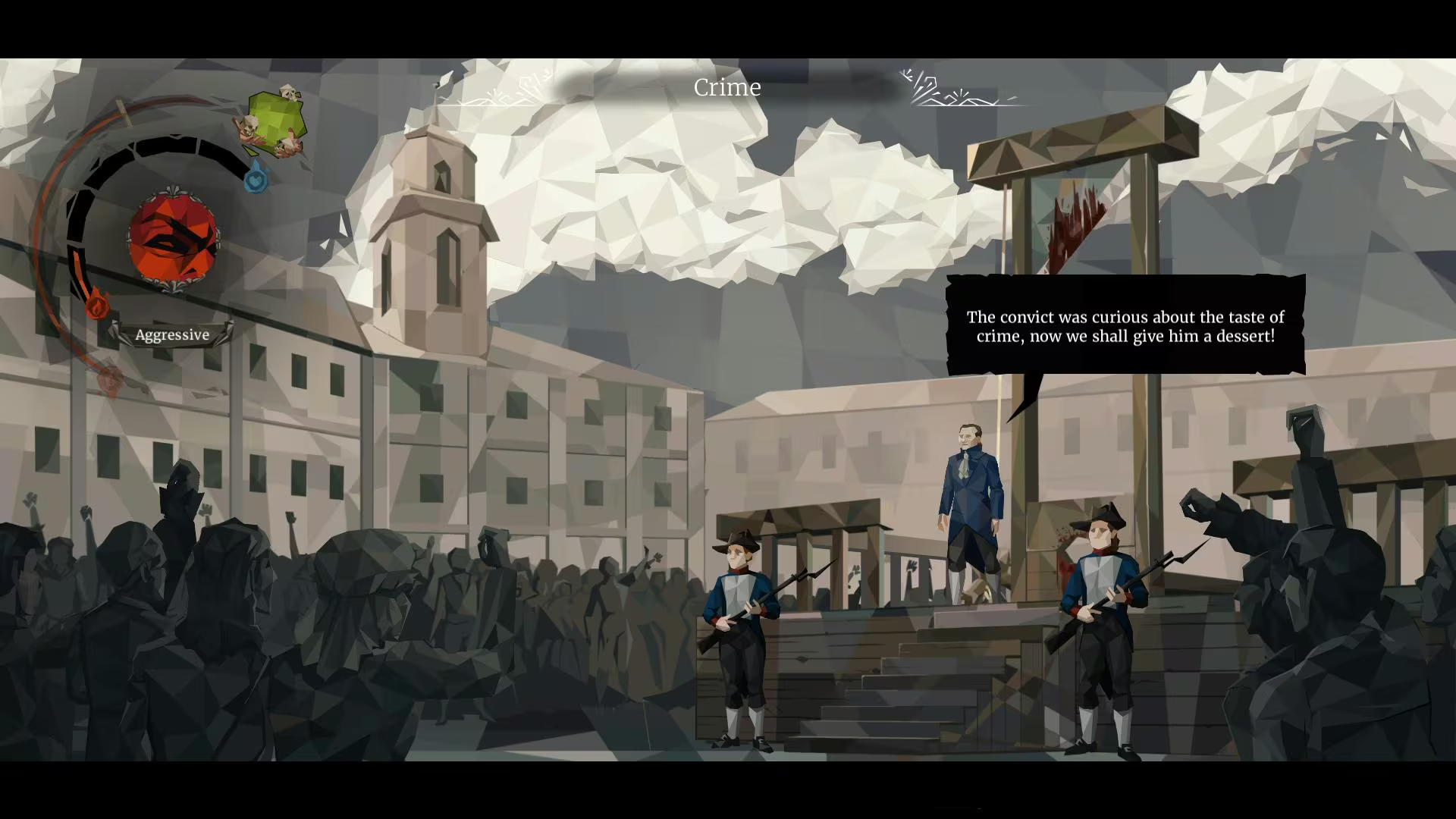
"Game centers on executions and political violence as core themes and mechanics."
-
Survival4
"Players must avoid losing political support and death, managing threats and resources."
Last update: 29/04/2026