Shogun Showdown Thumbnail

Shogun Showdown similar games & best alternatives
Shogun Showdown

PC (Microsoft Windows), Mac, iOS, PlayStation 4, Xbox One, Android, Xbox Series X|S, Nintendo Switch, Web browser, PlayStation 5, Linux • 2024

Related articles

Quick resume

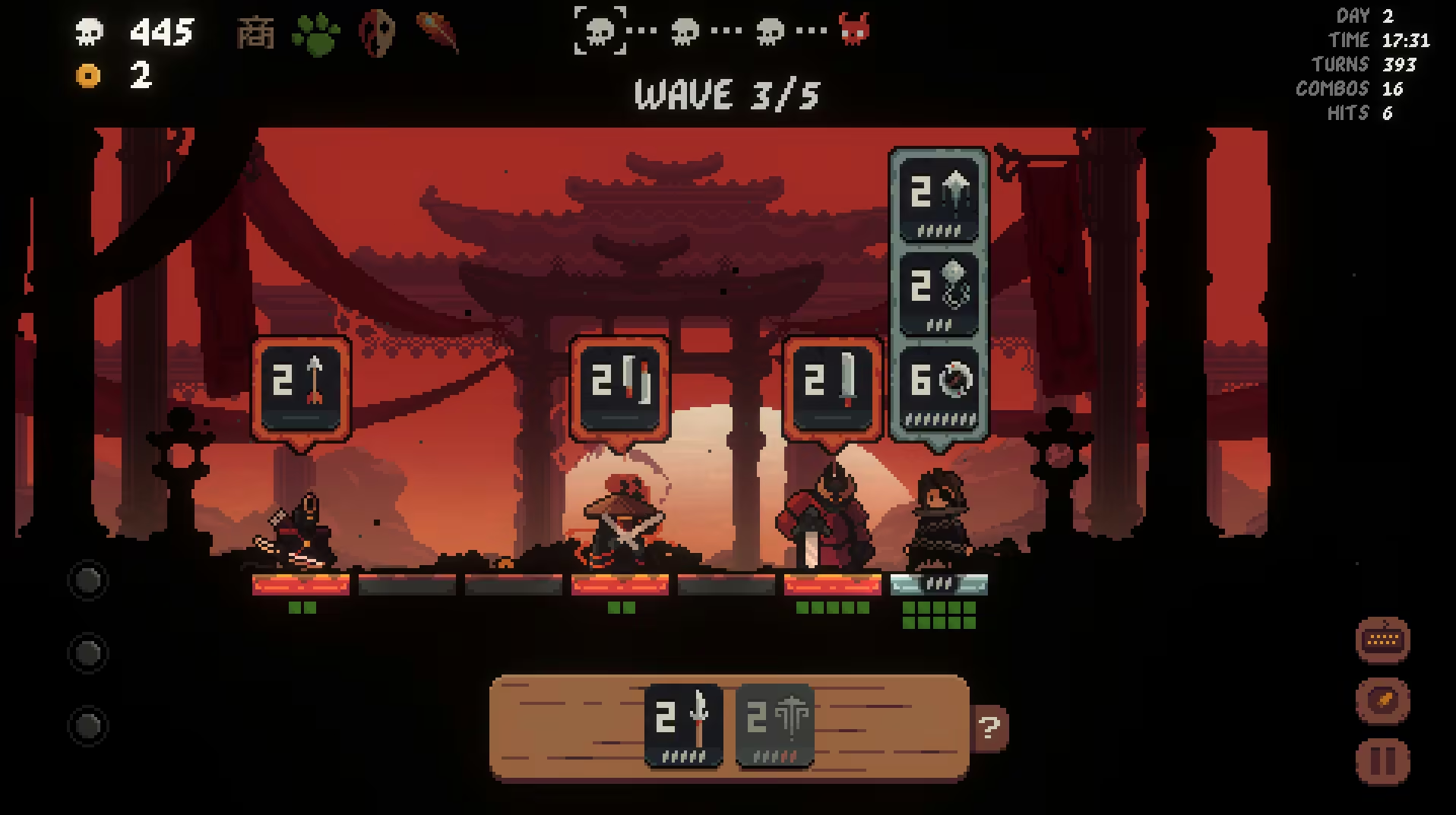
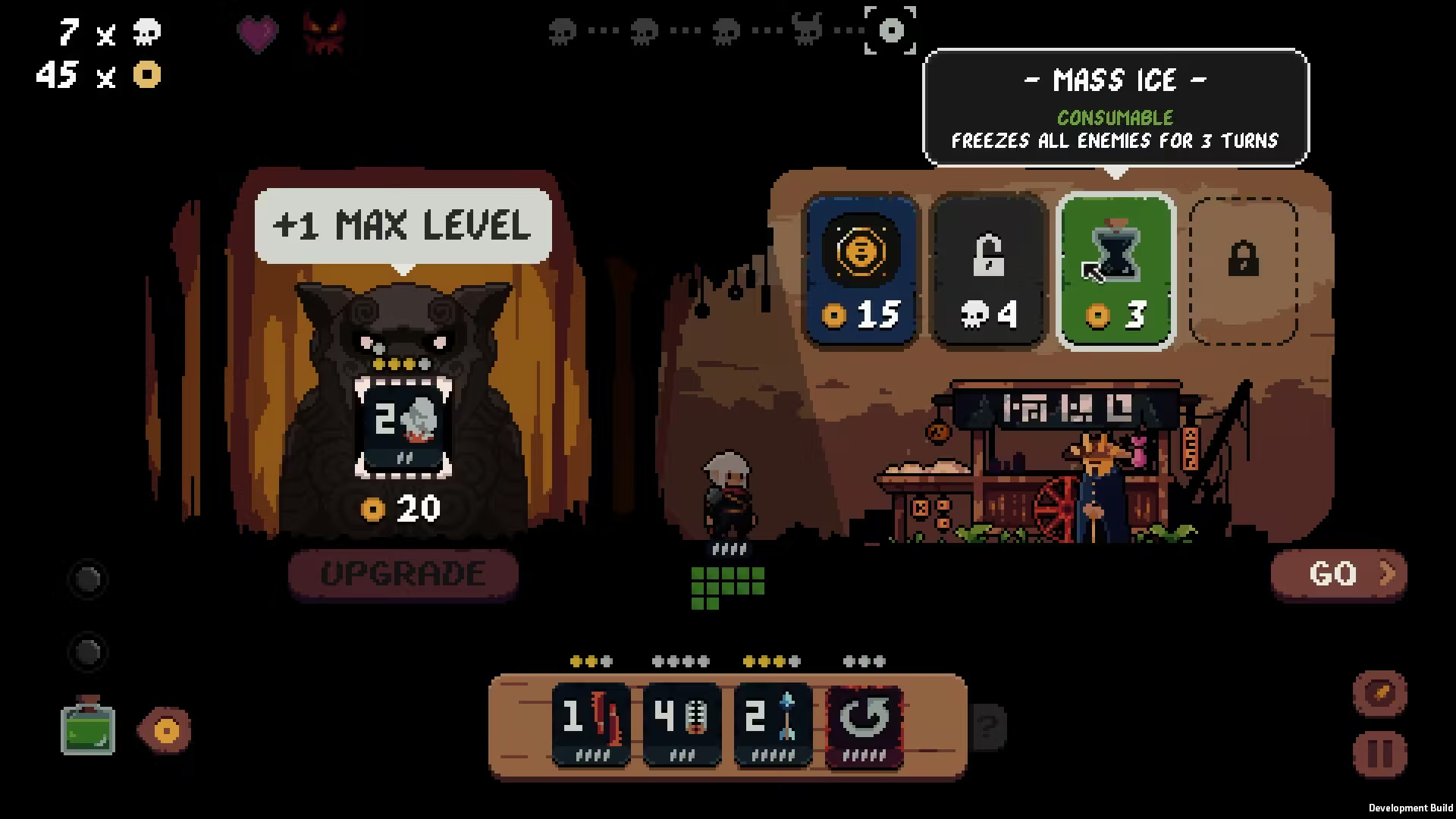
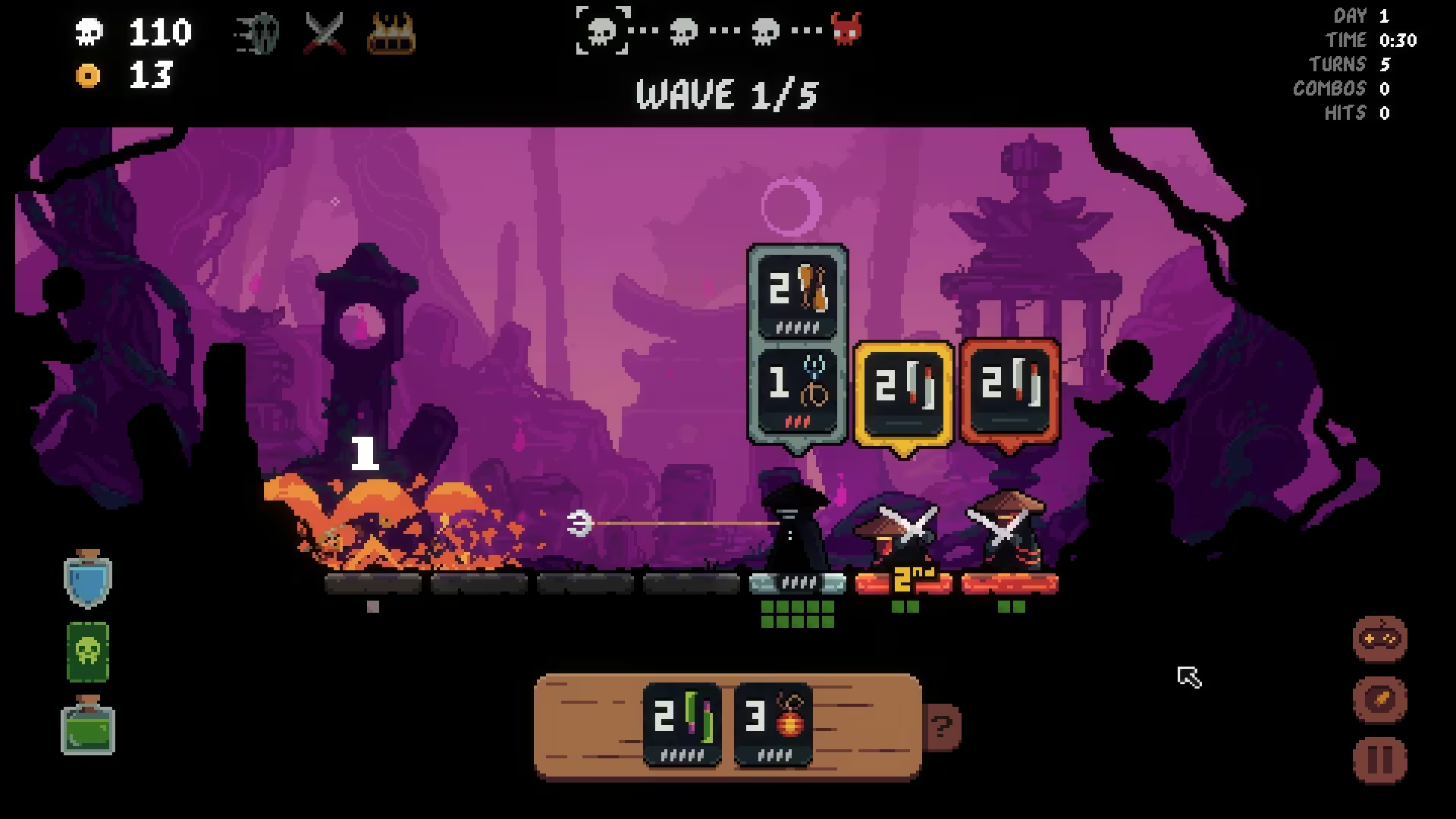
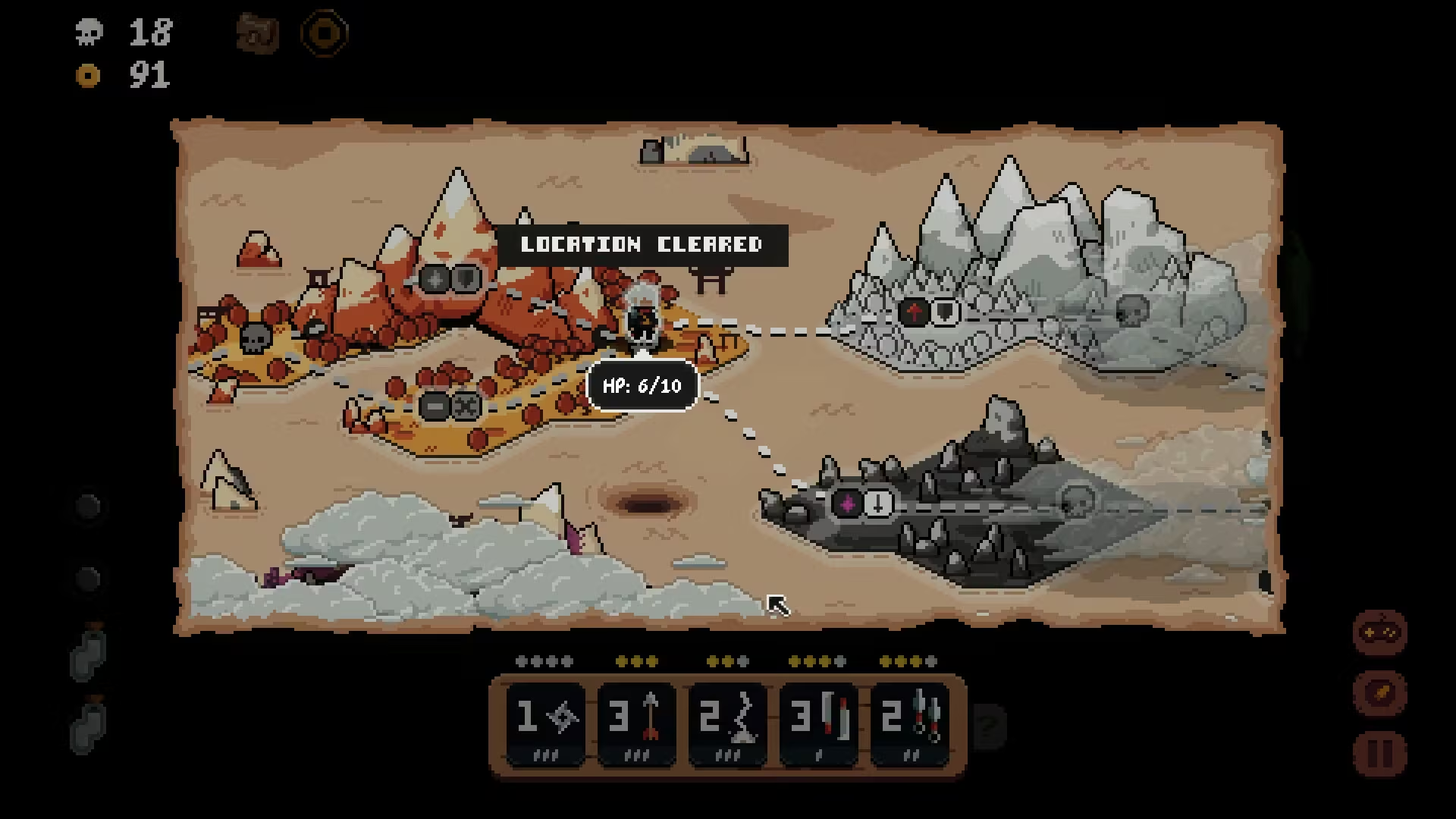
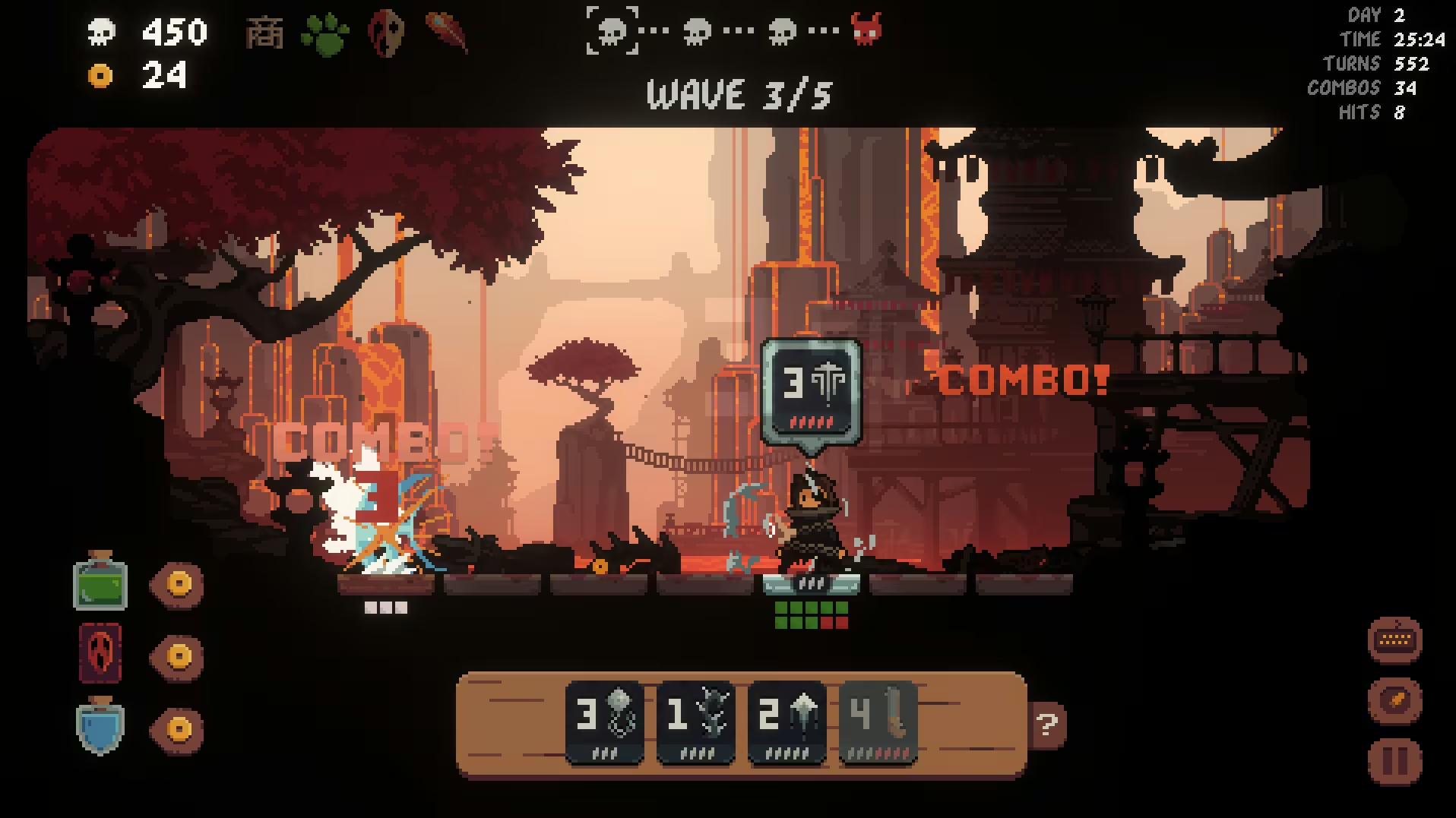
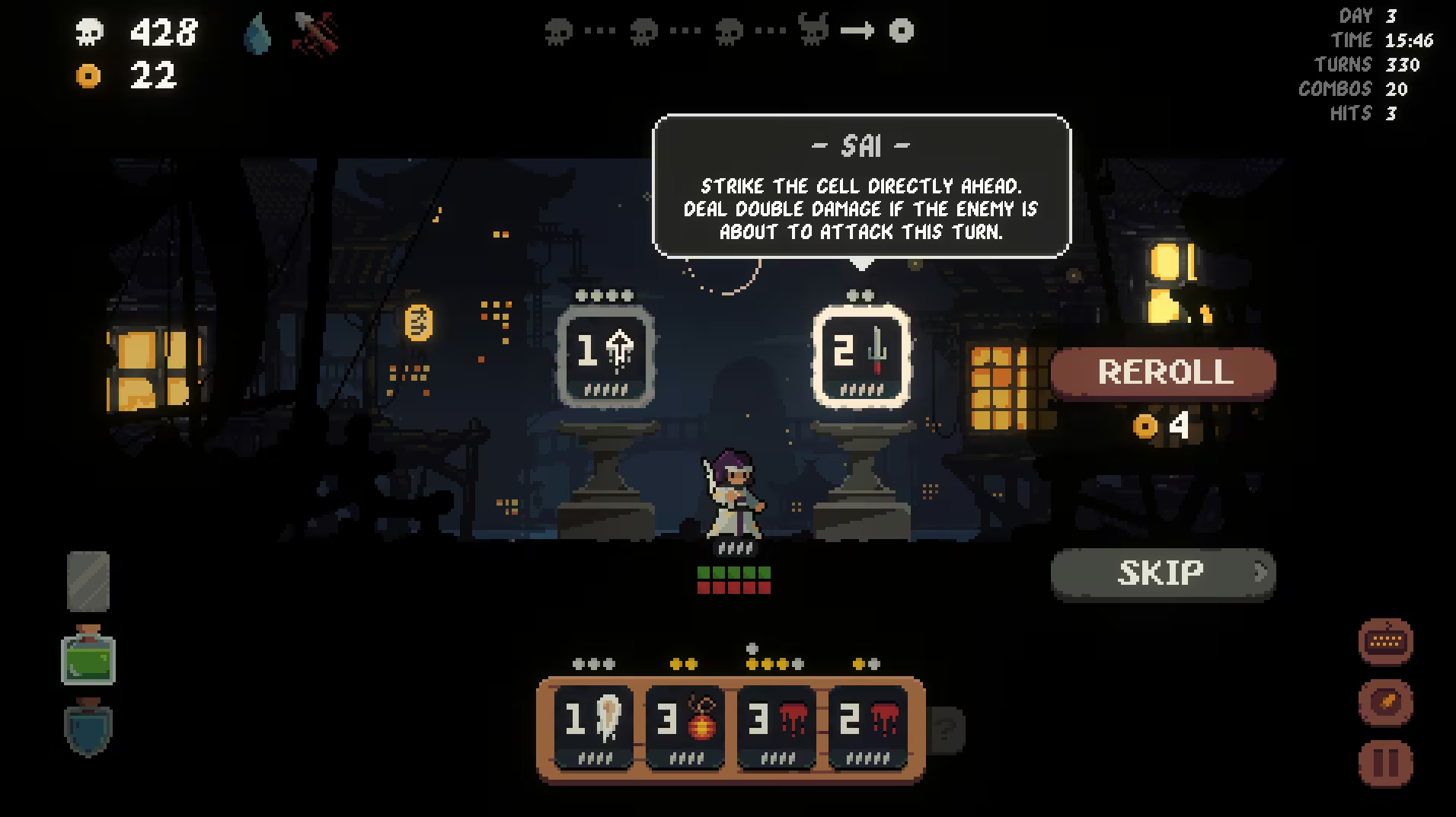
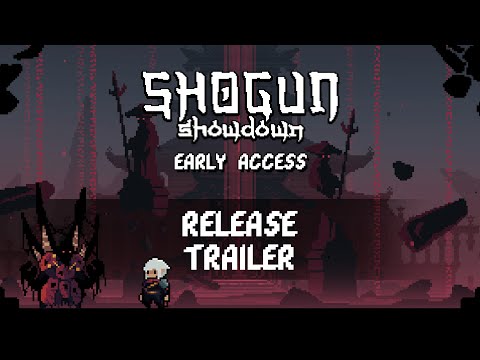
Shogun Showdown is a turn-based combat game with rogue-like and deck-building elements. Position yourself and attack at the right time, upgrade your tiles and combo them to get ready to face the Shogun!

Global score

95/100

Genres

Indie, Role-playing (RPG), Strategy, Turn-based strategy (TBS), Card & Board Game

Similar games

    Pros

    • Deep and satisfying tactical combat
    • High replayability with varied builds
    • Tight and polished gameplay mechanics
    • Engaging soundtrack and art style
    • Fair and skill-based challenge

    Cons

    • Limited content and variety in early access
    • Some ui and control quirks
    • Lack of narrative depth
    • No multiplayer or social features
    • Randomness in upgrades can frustrate planning

    Analysis

    Broadly representative of its motivational profile, with a few distinct shifts. Motivations that often define this kind of title include Fellowship, Cooperation, Leadership, Violence. Here, the score leans higher than usual among comparable games on Violence, Survival, Strategy.

    How to use the graph
    Similar games map

    Each dot is a game. They are arranged from the same motivation profile as in the “Motivations” section below. Closer dots usually mean more similar reasons to play (exploration, competition, relaxation, etc.)—not that one game is “better” than another.

    • Larger dot with a light outline: the game you are viewing.
    • Colour: groups of games with comparable motivation patterns (statistical clusters).
    • Hover a dot to see the game name; click to open its page.
    • Scroll or double-click the chart to zoom out and see more games.

    Why don’t the axes read like a score? This view uses t-SNE: it only keeps who is close to whom. The scales are not “good to bad” or hours played—they separate groups on the map. Read distance between dots, not the axis numbers.

    Motivations

    • Autonomy
      4

      "Players have strong control over their actions and decisions, including choosing characters, upgrading skills, and planning moves strategically."

    • Competence
      5

      "The game is challenging and rewards skillful play, strategic planning, and mastery of mechanics; mistakes are clearly player fault."

    • Competition
      -3

      "Focus is on personal mastery and self-improvement rather than direct competition or leaderboards."

    • Continuation
      5

      "Players report habitual play, long sessions, and strong attachment with repeated runs and high playtime."

    • Cooperation
      -5

      "The game is single-player focused with no cooperative multiplayer elements."

    • Creativity
      4

      "Players can customize and upgrade skills and weapons extensively, creating unique builds and strategies."

    • Domination
      -5

      "No evidence of exerting control or superiority over others; interactions are single-player and self-contained."

    • Escapism
      4

      "Players use the game as a satisfying distraction and immersive tactical experience, escaping real life stress."

    • Expectation
      -4

      "Players engage voluntarily out of intrinsic interest and enjoyment rather than obligation or pressure."

    • Experimenting
      5

      "Strong emphasis on trying new builds, experimenting with skill upgrades, and exploring different strategies."

    • Exploration
      2

      "Some exploration of different paths and choices on the map, but environments and enemies are mostly known and fixed."

    • Expression
      2

      "Limited cosmetic customization but players express themselves through unique skill and weapon build choices."

    • Fantasy
      4

      "The game immerses players in a stylized samurai/ninja fantasy world with imaginative combat and setting."

    • Fellowship
      -5

      "No social or community gameplay; experience is solitary and individual."

    • Growth
      5

      "Strong learning curve with skill acquisition, strategic thinking, and mastery over time."

    • Health
      -5

      "Typical sedentary gameplay with no physical activity or health-related features."

    • Idle
      -4

      "Requires focused attention and continuous engagement; not a background or idle game."

    • Intimacy
      -5

      "No social or emotional relationship building; purely individual gameplay."

    • Leadership
      -5

      "No leadership or group management roles; single-player experience."

    • Progression
      5

      "Players accumulate new skills, upgrades, and unlocks that enhance future runs."

    • Relaxation
      3

      "Game provides flow and satisfaction but also involves tension and challenge."

    • Sensation
      3

      "Visual and auditory feedback is engaging and satisfying, with impactful animations and music."

    • Status
      -5

      "No social recognition or status systems; achievements are personal."

    • Story
      1

      "Minimal narrative presence; story exists mainly as background flavor rather than core focus."

    • Strategy
      5

      "High emphasis on tactical planning, positioning, and problem solving."

    • Thrill
      3

      "Players experience suspense and excitement from challenging encounters and risk management."

    • Value
      4

      "Players perceive strong value for time and money with deep gameplay and replayability."

    • Violence
      4

      "Combat and defeating enemies are core gameplay elements, with satisfying attack animations."

    • Survival
      4

      "Players must avoid failure and manage threats carefully to progress."

    Last update: 29/04/2026