Afghanistan '11 Thumbnail

Afghanistan '11 similar games & best alternatives
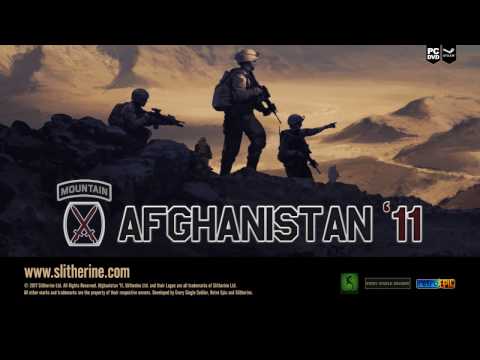
Afghanistan '11

PC (Microsoft Windows), iOS • 2017

Related articles

Quick resume

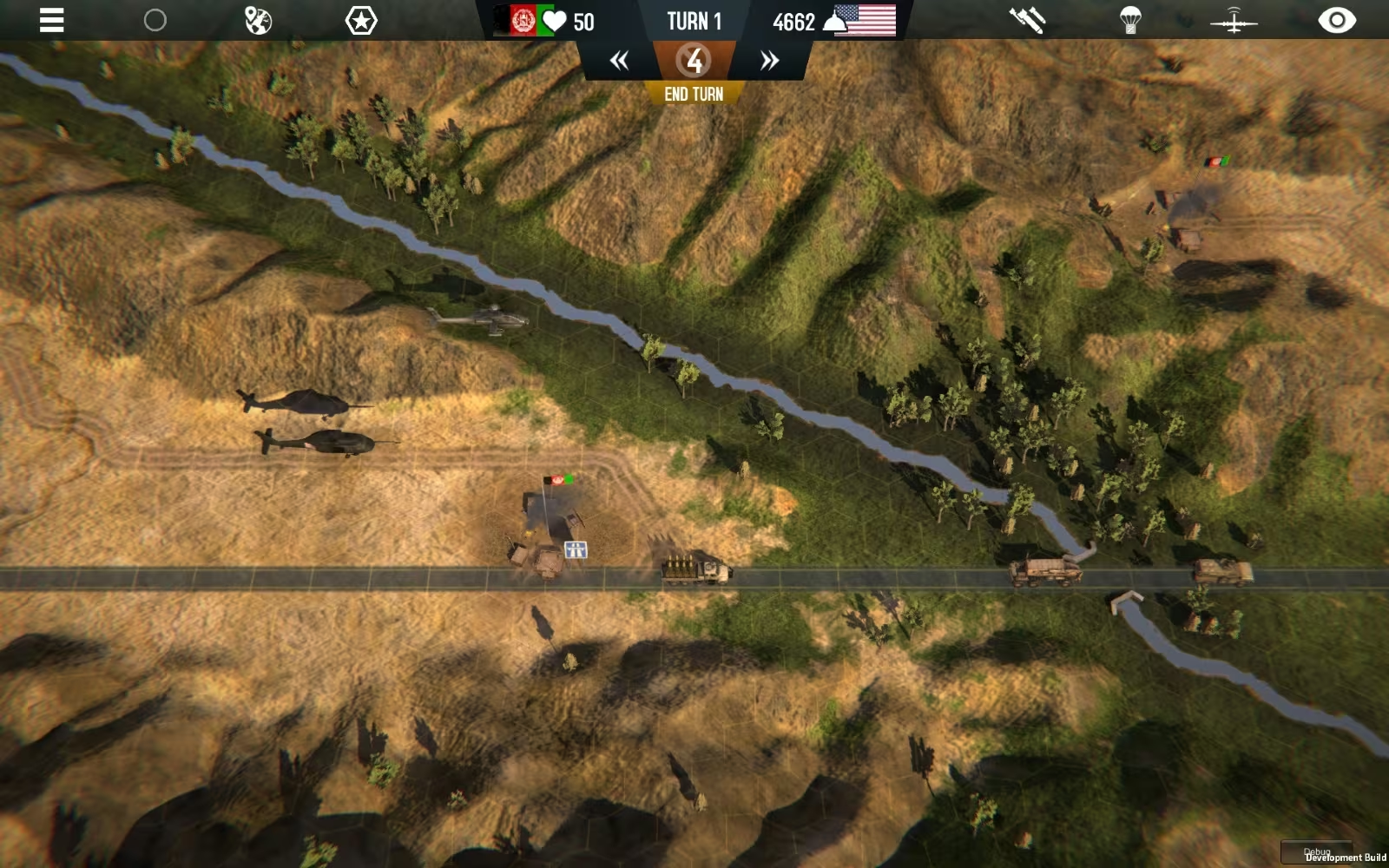
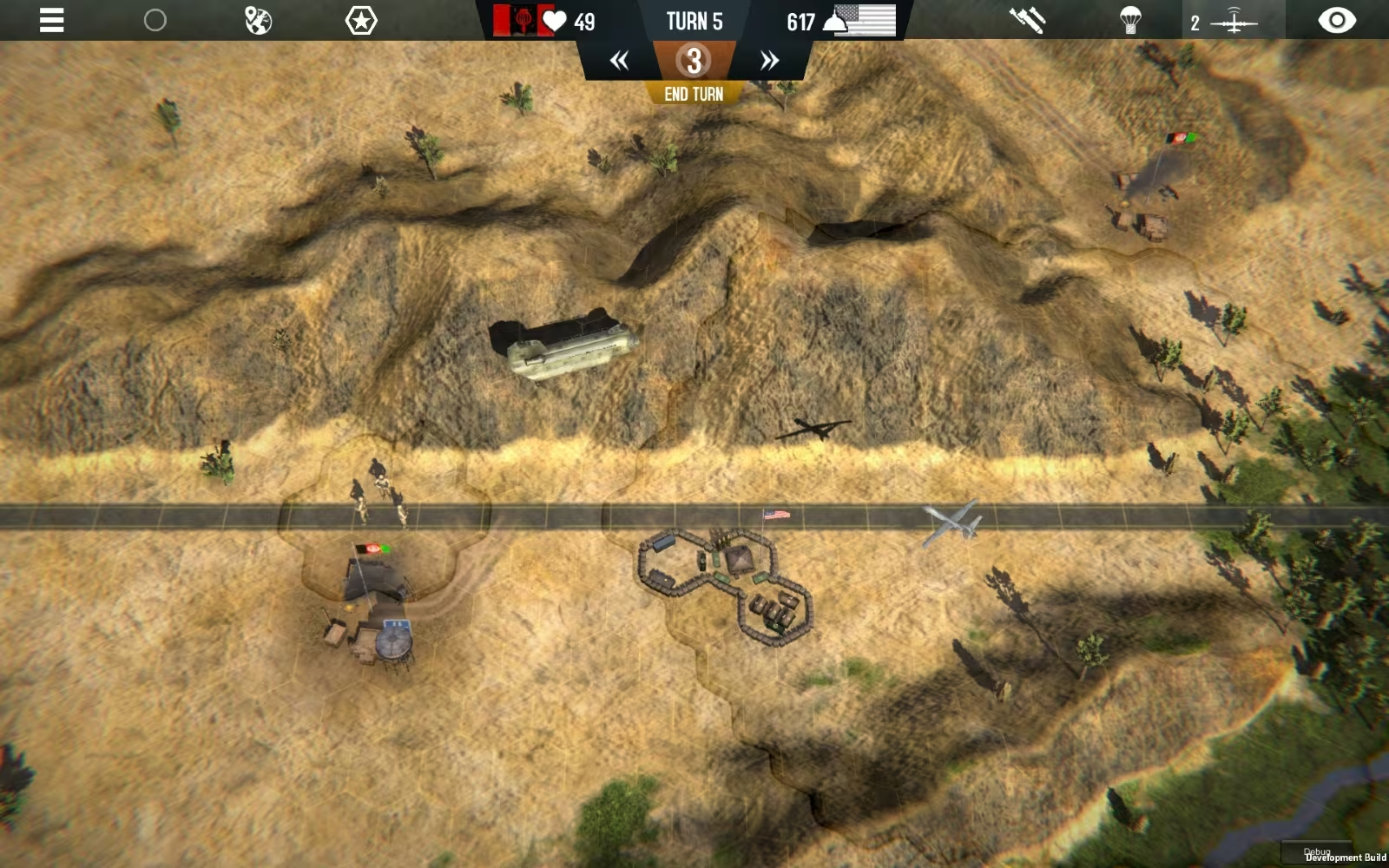
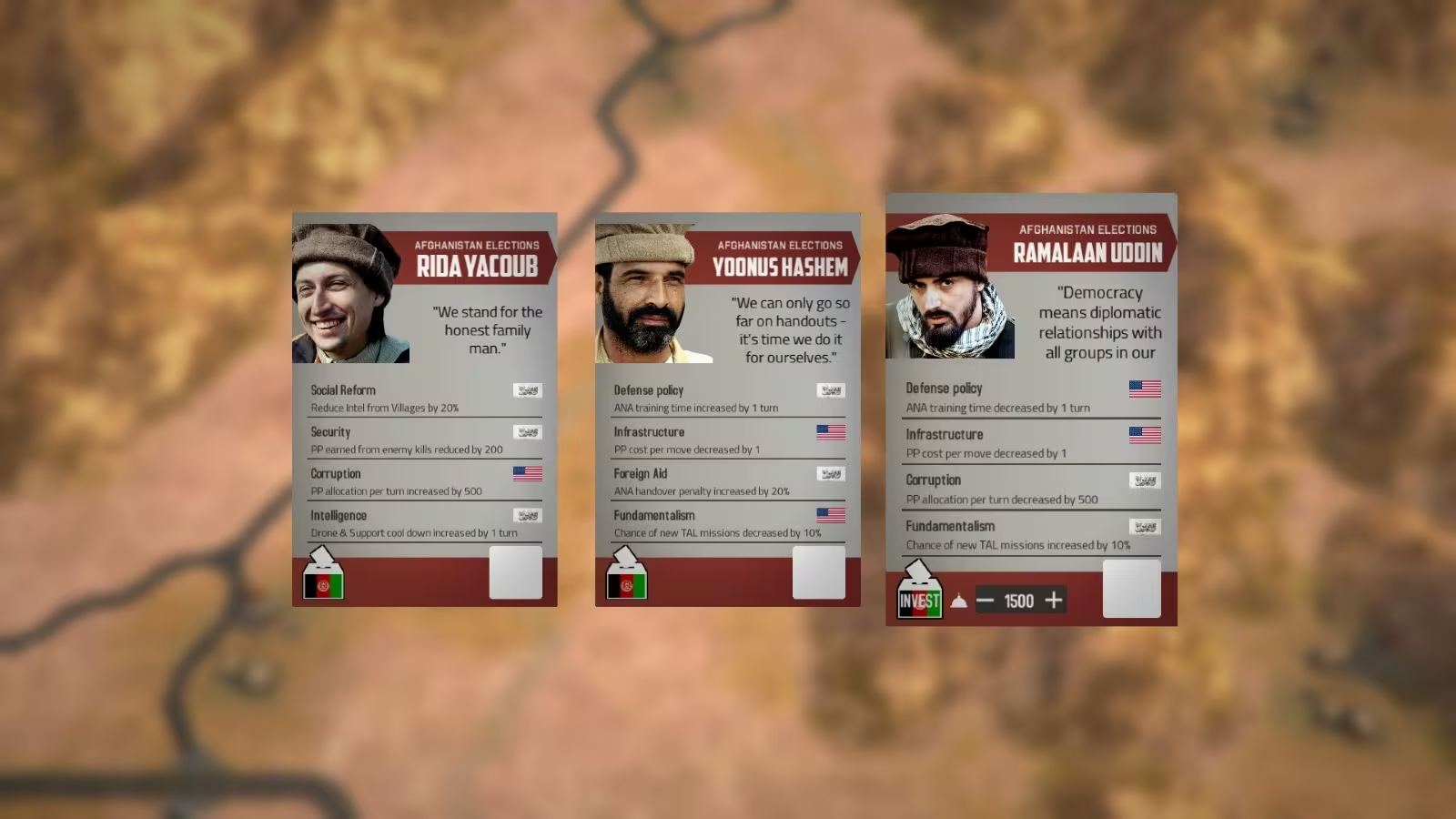
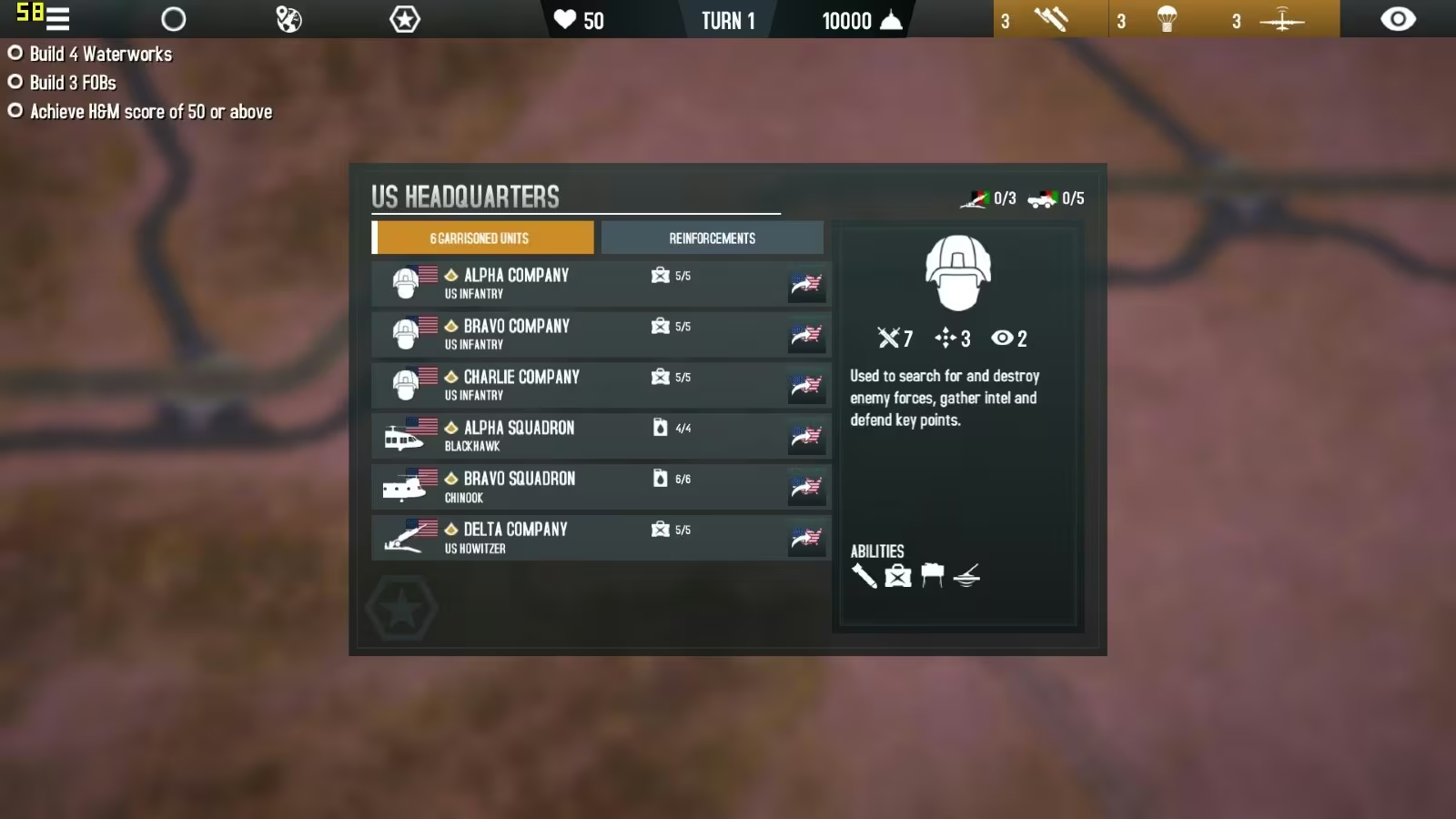
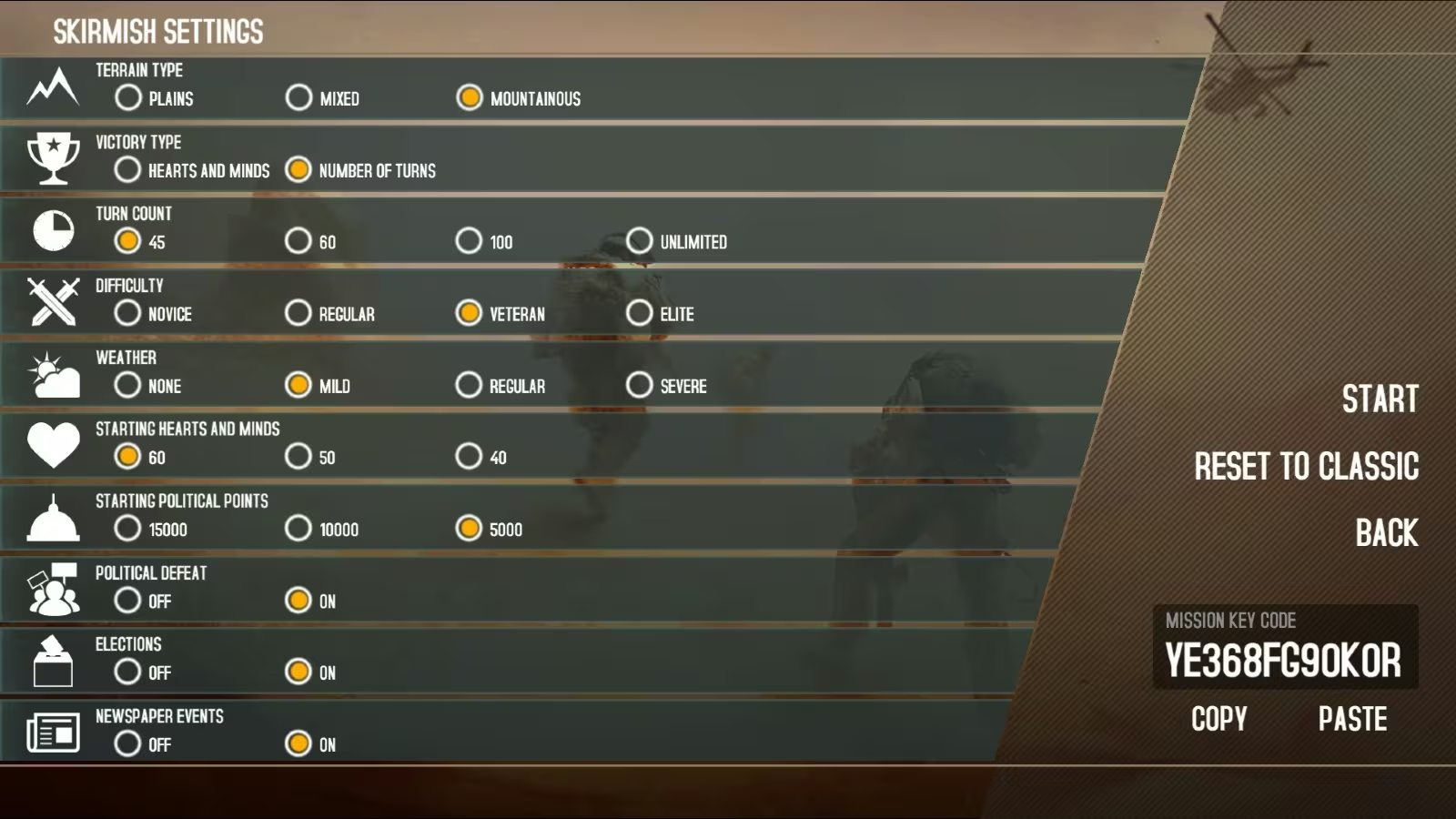
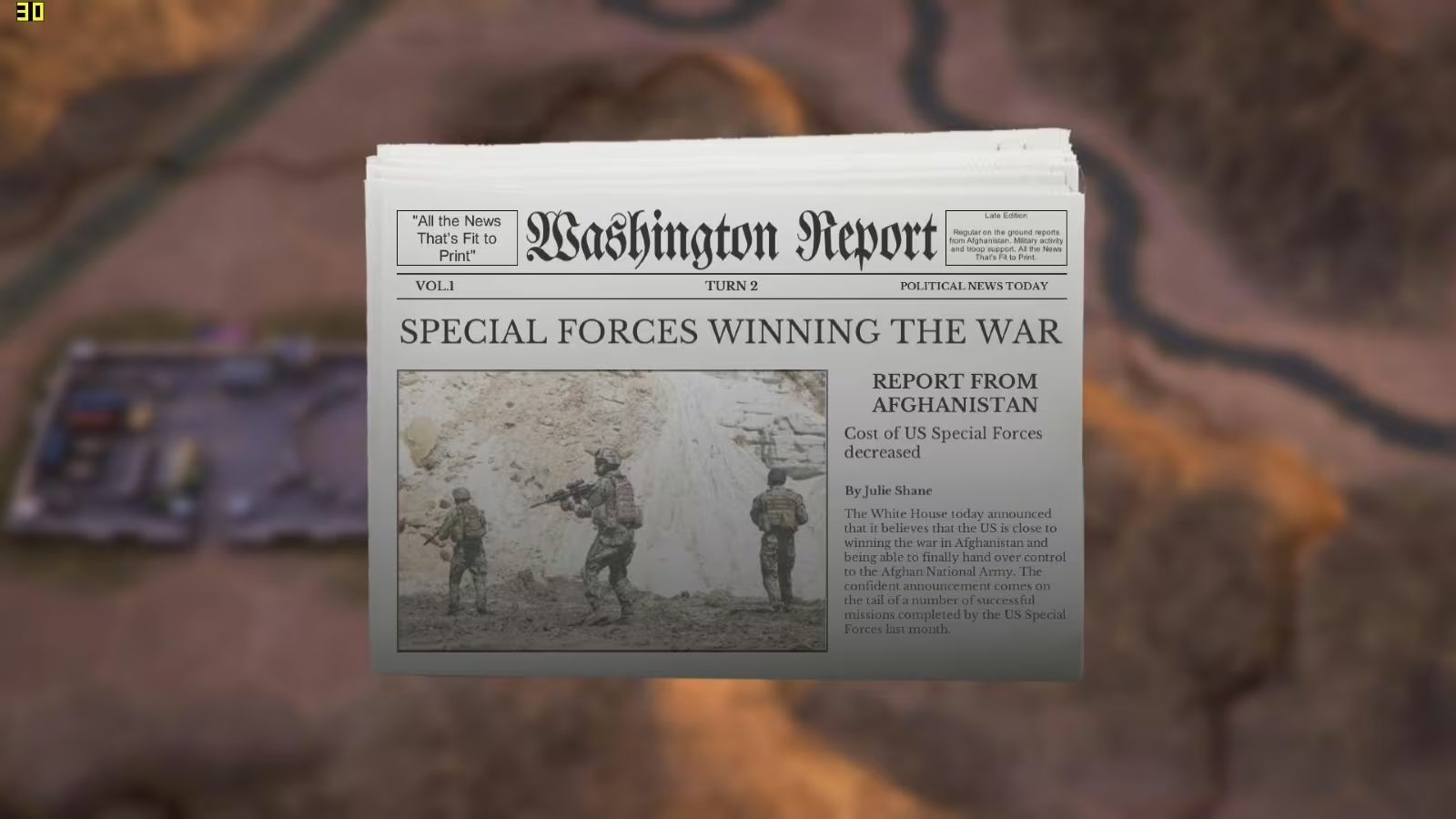
Afghanistan '11 is the sequel to the highly praised and innovative Vietnam '65. It enhances and builds on it: Afghanistan '11 changes the paradigm of wargaming and manages to bring Counter-Insurgency and guerrilla warfare to your screen, properly represented thanks to a revolutionary gameplay formula!

Global score

74/100

Genres

Indie, Strategy, Turn-based strategy (TBS), Simulator

Similar games

    Pros

    • Deep and challenging logistics and strategy
    • Realistic asymmetric warfare simulation
    • Engaging campaign and skirmish modes
    • Active developer support and updates
    • Immersive political and tactical mechanics

    Cons

    • Bugs and crashes reported
    • Tedious micromanagement and slow animations
    • Ui and quality of life issues
    • Some repetitiveness in scenarios
    • Lack of multiplayer or cooperative play

    Analysis

    Broadly representative of its motivational profile, with a few distinct shifts. Motivations that often define this kind of title include Leadership, Survival, Violence, Strategy. It leans lower than usual among comparable games on Fantasy, Relaxation, Intimacy.

    How to use the graph
    Similar games map

    Each dot is a game. They are arranged from the same motivation profile as in the “Motivations” section below. Closer dots usually mean more similar reasons to play (exploration, competition, relaxation, etc.)—not that one game is “better” than another.

    • Larger dot with a light outline: the game you are viewing.
    • Colour: groups of games with comparable motivation patterns (statistical clusters).
    • Hover a dot to see the game name; click to open its page.
    • Scroll or double-click the chart to zoom out and see more games.

    Why don’t the axes read like a score? This view uses t-SNE: it only keeps who is close to whom. The scales are not “good to bad” or hours played—they separate groups on the map. Read distance between dots, not the axis numbers.

    Motivations

    • Autonomy
      4

      "Players have significant control over strategic decisions, resource allocation, unit movements, and tactical planning, requiring personal freedom and decision-making."

    • Competence
      4

      "The game demands skillful management of logistics, combat tactics, and political resources with challenging AI and complex mechanics."

    • Competition
      -3

      "Focus is on personal strategic progress and scenario completion rather than direct competition or leaderboards."

    • Continuation
      4

      "Players report long play sessions, deep engagement, and replayability with campaign and skirmish modes."

    • Cooperation
      -4

      "Gameplay centers on individual management of forces and resources with no multiplayer or team-based cooperation."

    • Creativity
      3

      "Players customize FOBs, plan supply routes, and choose strategies, allowing creative problem solving within game systems."

    • Domination
      -4

      "Interactions are balanced and focused on managing forces rather than exerting control or superiority over other players."

    • Escapism
      3

      "Players use the game as a challenging distraction and to explore a complex war scenario, providing mental escape."

    • Expectation
      -4

      "Players engage voluntarily out of interest in the genre and subject matter, not due to obligation or external pressure."

    • Experimenting
      3

      "Players try different strategies, unit compositions, and logistics approaches to overcome challenges."

    • Exploration
      2

      "Players explore procedurally generated maps and discover enemy positions and village allegiances, though terrain is somewhat repetitive."

    • Expression
      1

      "Limited cosmetic customization; some personalization through unit and FOB management but no avatar or visual expression."

    • Fantasy
      -3

      "Game emphasizes realistic modern warfare and political dynamics rather than imaginative or fictional elements."

    • Fellowship
      -4

      "Primarily a single-player experience with minimal social interaction or community involvement."

    • Growth
      4

      "Players learn complex logistics, counterinsurgency tactics, and strategic planning, improving skills over time."

    • Health
      -5

      "Sedentary gameplay with no physical activity or health-related features."

    • Idle
      -3

      "Requires constant attention and micromanagement; players cannot easily disengage during sessions."

    • Intimacy
      -5

      "No close social relationships or emotional sharing; gameplay is solitary and task-focused."

    • Leadership
      4

      "Players lead and manage multiple units, bases, and resources, making authoritative decisions."

    • Progression
      4

      "Players accumulate units, build FOBs, upgrade infrastructure, and train Afghan forces over time."

    • Relaxation
      -2

      "Game is challenging and sometimes frustrating, with sustained tension from logistics and combat demands."

    • Sensation
      1

      "Moderate sensory stimulation from visuals and sound; not focused on excitement or hedonic pleasure."

    • Status
      -4

      "Achievements and progress are personal; no social recognition or leaderboards."

    • Story
      3

      "Campaign missions and historical context provide narrative immersion into the Afghanistan conflict."

    • Strategy
      5

      "Heavy emphasis on strategic planning, resource management, and problem solving in complex asymmetric warfare."

    • Thrill
      2

      "Some suspense and tension from ambushes, IEDs, and enemy attacks, but overall controlled scenarios."

    • Value
      3

      "Players report many hours of gameplay and replayability, justifying the price especially on sale."

    • Violence
      2

      "Combat and destruction are present but balanced with nation-building and logistics focus."

    • Survival
      4

      "Players must manage threats, avoid casualties, and maintain supply lines to survive and succeed."

    Last update: 29/04/2026