Rescue HQ - The Tycoon Thumbnail

Rescue HQ - The Tycoon similar games & best alternatives
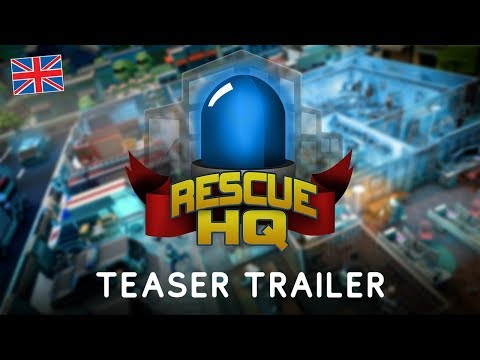
Rescue HQ - The Tycoon

PC (Microsoft Windows) • 2019

Related articles

Quick resume

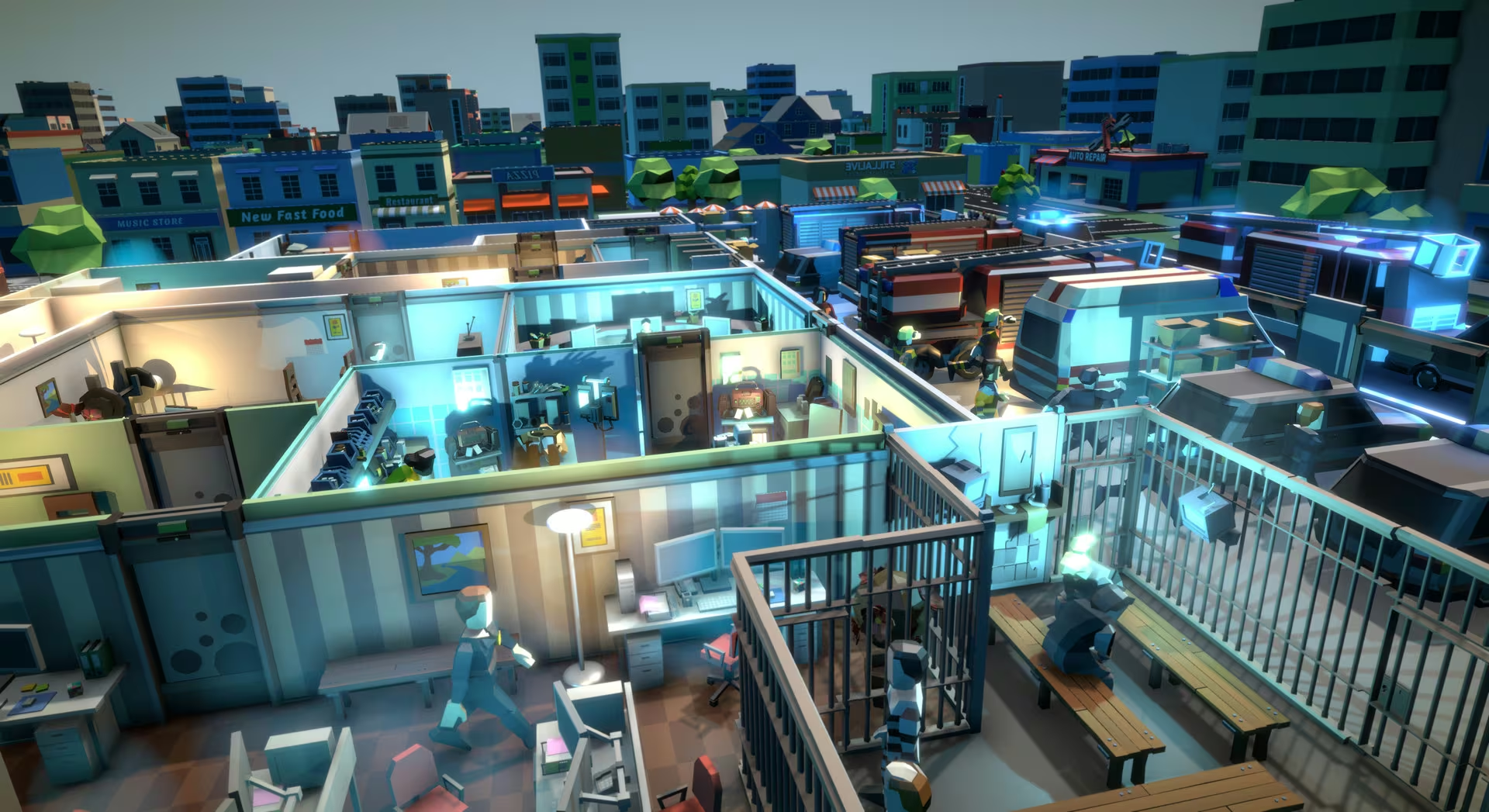
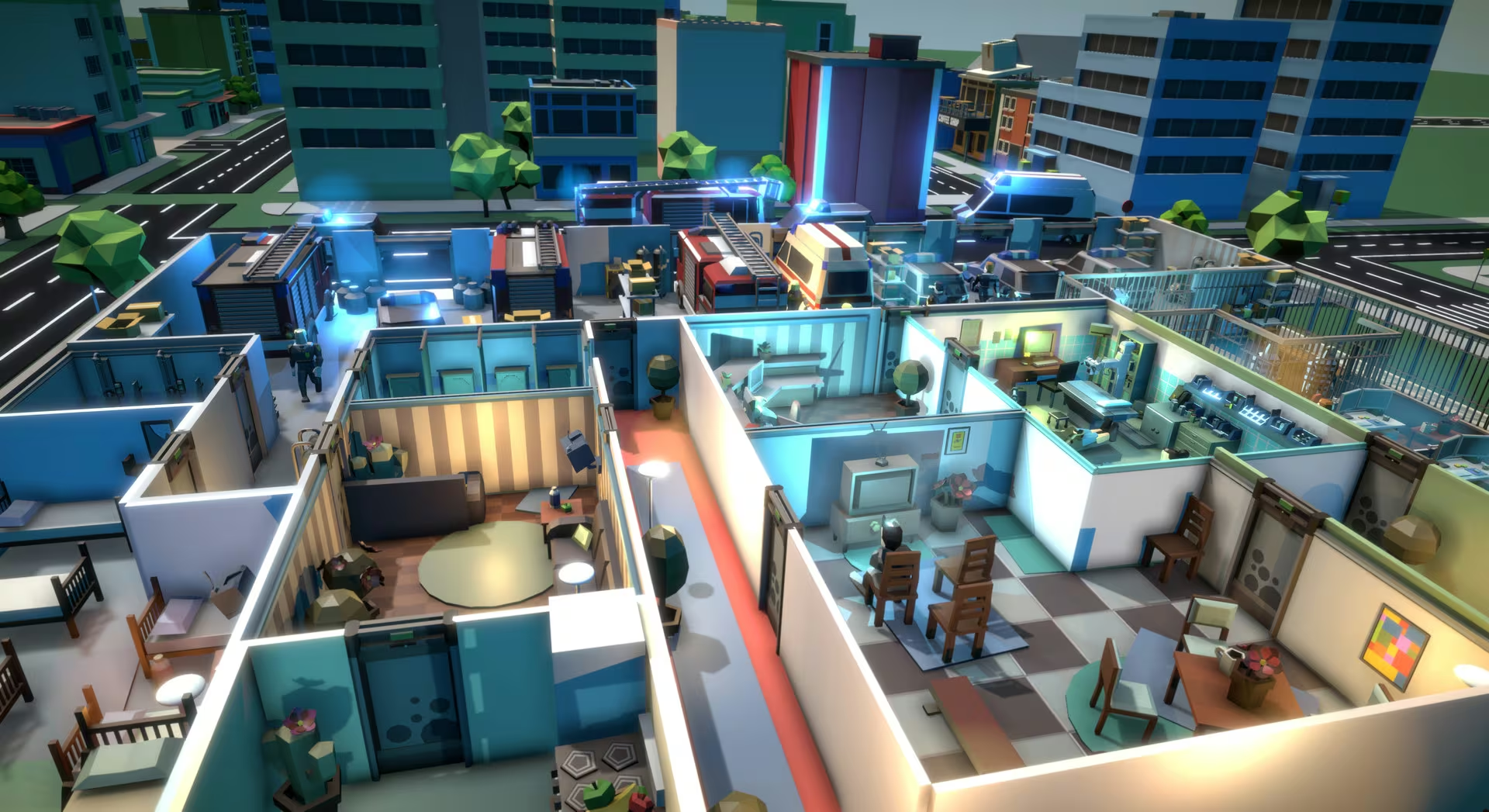
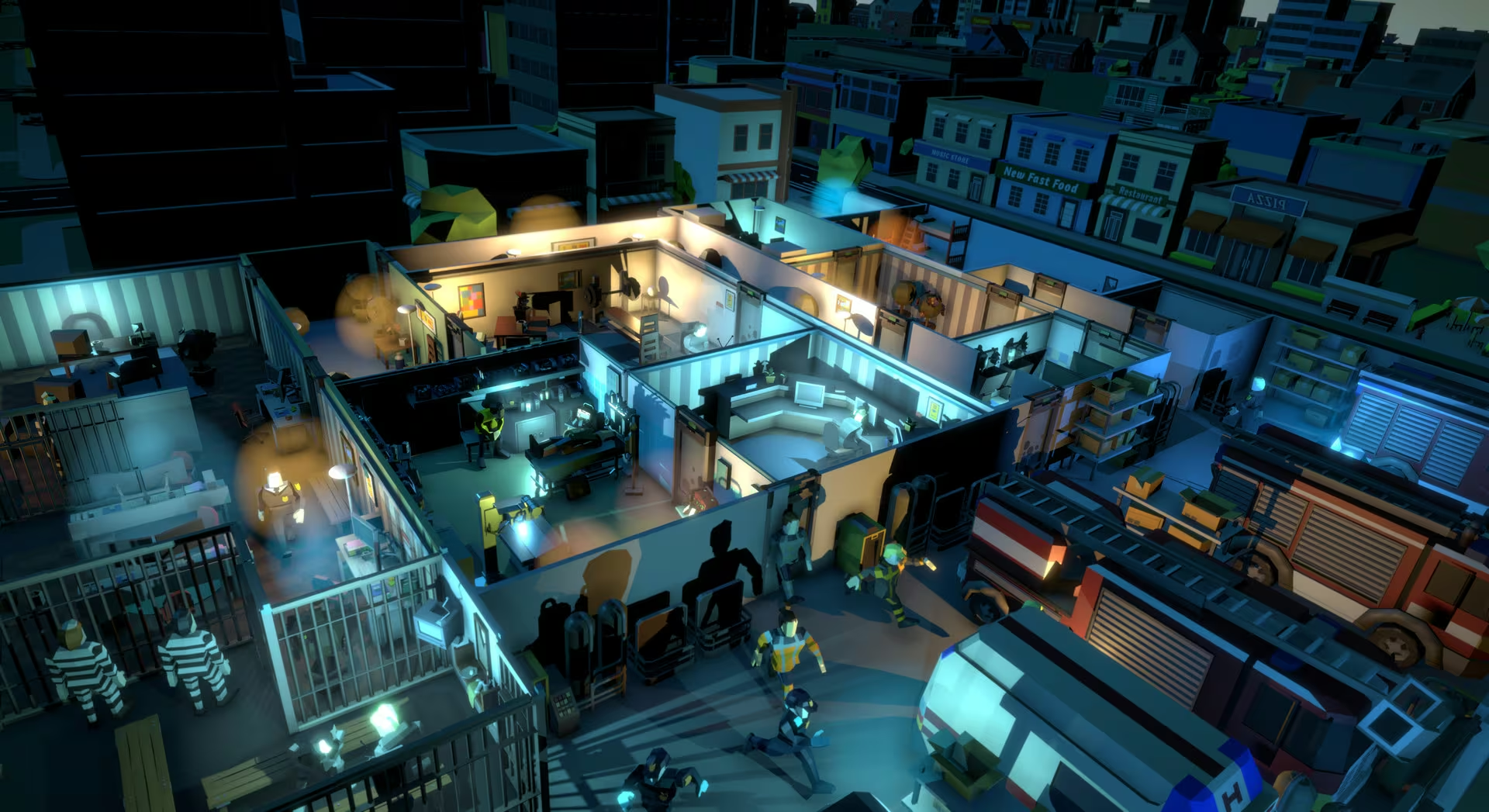
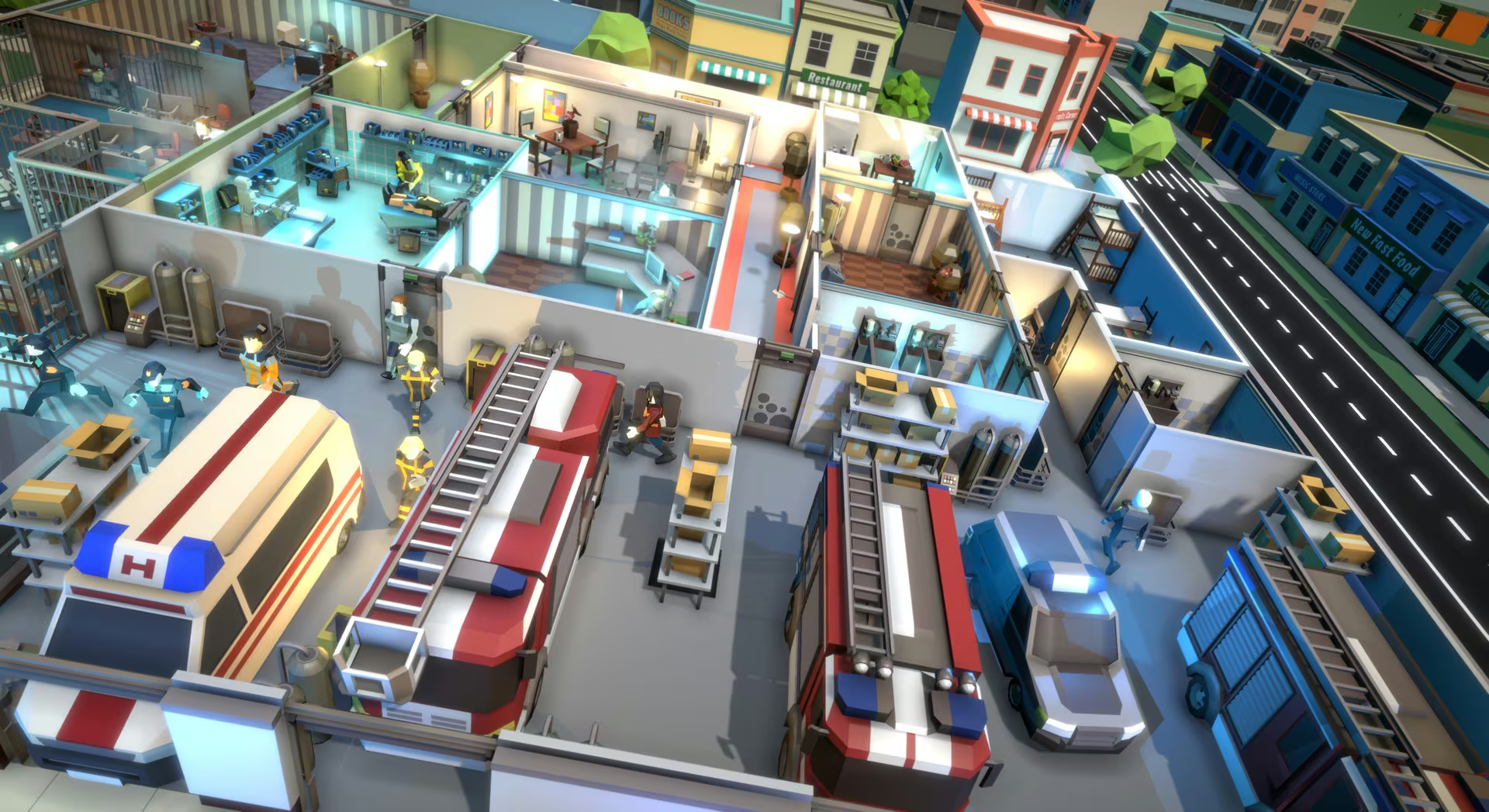
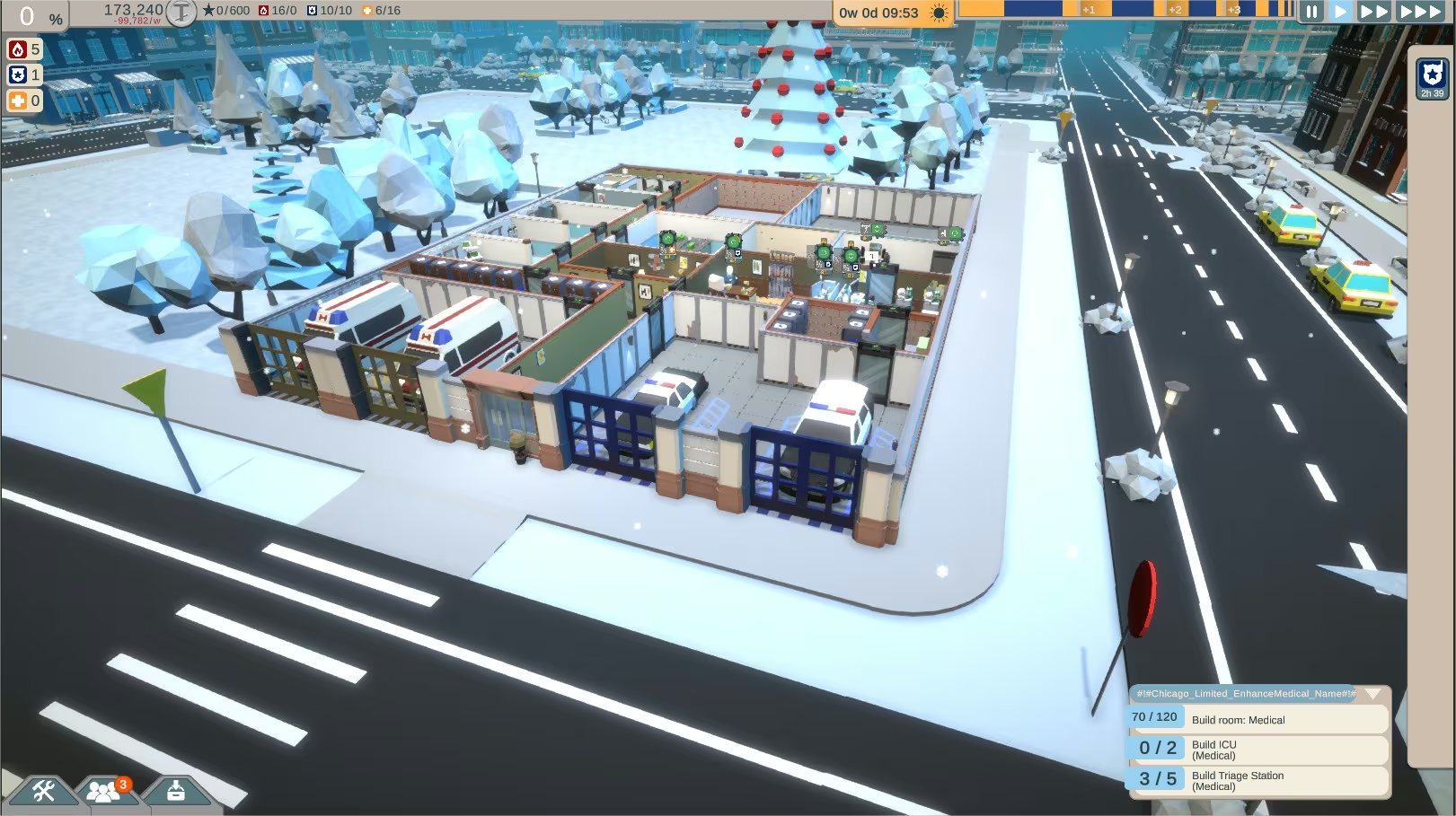
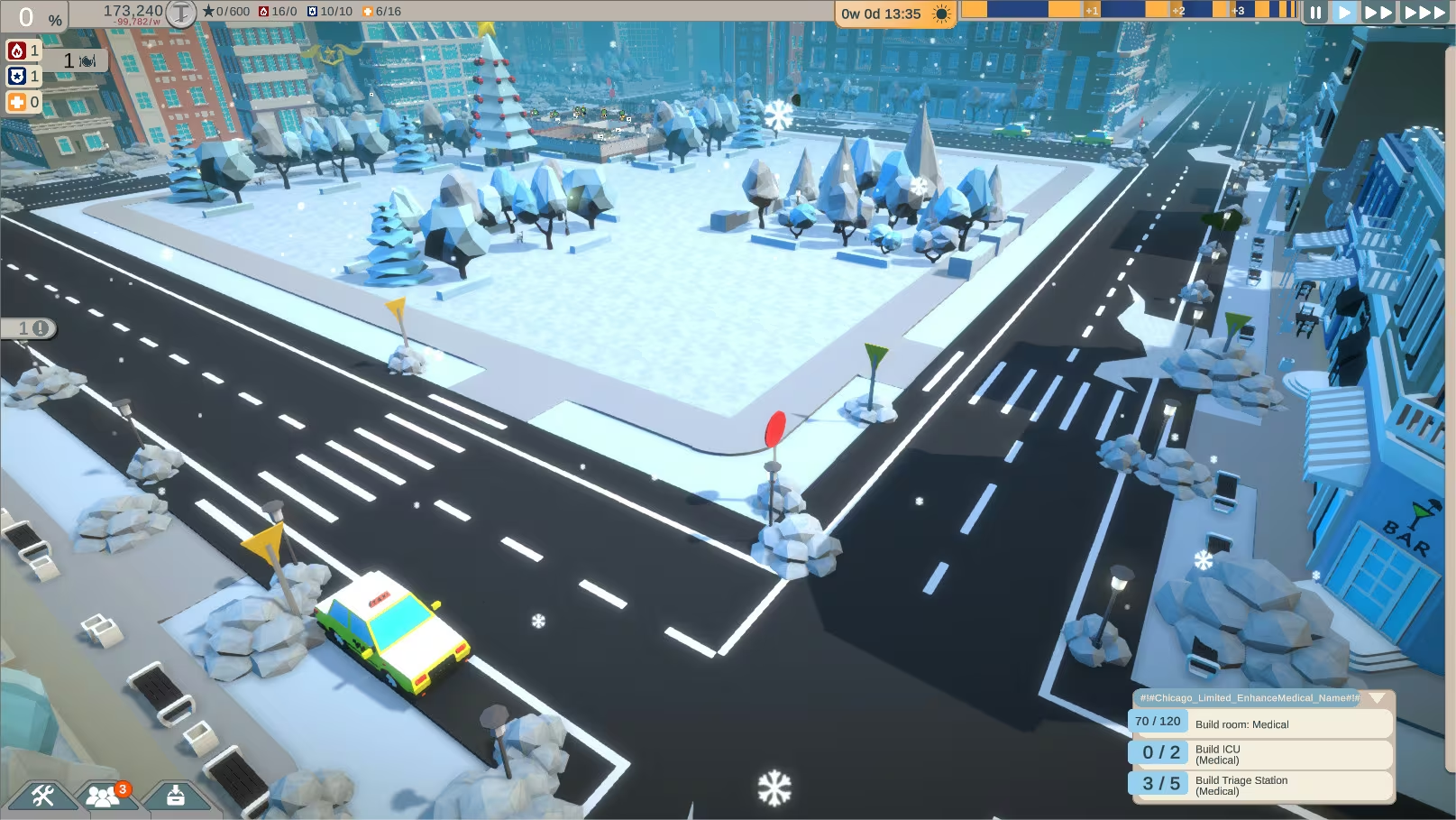
Build up your headquarters from scratch and design your own masterpiece. In Rescue HQ you build, organize and manage a joint station for firefighters, police and ambulance. Manage your resources wisely and master challenging emergencies to keep your city safe! Are you up to the challenge?

Global score

79/100

Genres

Casual, Indie, Simulator, Strategy

Similar games

    Pros

    • Engaging emergency management simulation
    • Intuitive building and dispatch system
    • Modding support and community
    • Variety of vehicles and equipment
    • Relaxing and casual gameplay

    Cons

    • Repetitive missions and scenarios
    • Performance and optimization issues
    • Limited map sizes and building space
    • Broken endless and sandbox modes
    • Lack of developer support and updates

    Analysis

    Less representative of its motivational profile, with noticeable differences. Motivations that often define this kind of title include Fantasy, Violence, Story, Thrill. Here, the score leans higher than usual among comparable games on Leadership. It leans lower than usual among comparable games on Continuation, Exploration.

    How to use the graph
    Similar games map

    Each dot is a game. They are arranged from the same motivation profile as in the “Motivations” section below. Closer dots usually mean more similar reasons to play (exploration, competition, relaxation, etc.)—not that one game is “better” than another.

    • Larger dot with a light outline: the game you are viewing.
    • Colour: groups of games with comparable motivation patterns (statistical clusters).
    • Hover a dot to see the game name; click to open its page.
    • Scroll or double-click the chart to zoom out and see more games.

    Why don’t the axes read like a score? This view uses t-SNE: it only keeps who is close to whom. The scales are not “good to bad” or hours played—they separate groups on the map. Read distance between dots, not the axis numbers.

    Motivations

    • Autonomy
      3

      "Players can freely build and manage their HQ layout and decide on staff, equipment, and mission responses, though some routine tasks like dispatching are repetitive."

    • Competence
      2

      "The game offers some challenge in managing resources, staff, and emergencies, but many reviews mention repetitive tasks and limited depth reducing skill variation."

    • Competition
      -4

      "Focus is on personal management and pacing without competitive elements or leaderboards."

    • Continuation
      -3

      "Many players report the game becomes repetitive and boring after several hours, with broken endless mode reducing long-term engagement."

    • Cooperation
      -5

      "Gameplay is primarily single-player with no multiplayer or cooperative features."

    • Creativity
      3

      "Players can design and customize their HQ layout and manage different departments, but limited map sizes and building options constrain creativity."

    • Domination
      -5

      "No evidence of exerting control or superiority over others; interactions are individual and management-focused."

    • Escapism
      3

      "The game provides a casual, relaxing distraction and immersion in emergency management simulation."

    • Expectation
      -4

      "Players engage voluntarily for fun and personal interest without obligation or pressure."

    • Experimenting
      2

      "Some experimentation with HQ layouts and resource management is possible, but repetitive mission structure limits novelty."

    • Exploration
      -4

      "Limited map sizes and repetitive scenarios reduce exploration; no open-world or discovery elements."

    • Expression
      2

      "Some self-expression through base design and vehicle/equipment selection, but character customization is minimal."

    • Fantasy
      -3

      "The game simulates realistic emergency services and management rather than imaginative or fictional scenarios."

    • Fellowship
      -5

      "No social or community gameplay elements; primarily solo experience."

    • Growth
      3

      "Players develop management skills and unlock new equipment and missions, though learning curve is moderate."

    • Health
      -5

      "No physical activity or health-related gameplay aspects."

    • Idle
      -3

      "Requires active management and attention; some micromanagement but no background or idle play."

    • Intimacy
      -5

      "No evidence of close social relationships or emotional sharing."

    • Leadership
      3

      "Players lead and manage multiple emergency departments and staff, making strategic decisions."

    • Progression
      4

      "Strong progression through unlocking new vehicles, equipment, and facilities as reputation and money increase."

    • Relaxation
      3

      "Many players find the game calming and enjoyable despite some stressful moments managing emergencies."

    • Sensation
      1

      "Visuals and animations are simple but pleasant; sensory stimulation is moderate."

    • Status
      -5

      "No social recognition or status systems present."

    • Story
      1

      "There is a campaign mode with some story elements, but overall narrative depth is limited."

    • Strategy
      3

      "Requires strategic planning in resource allocation, staff management, and responding to emergencies."

    • Thrill
      1

      "Some tension from managing emergencies but overall controlled and predictable gameplay."

    • Value
      1

      "Generally considered good value for price by some, but others feel price is high for limited content and bugs."

    • Violence
      -4

      "Focus is on constructive management and emergency response rather than combat or destruction."

    • Survival
      1

      "Players manage threats and emergencies but in an abstracted, low-risk simulation environment."

    Last update: 29/04/2026