Hearthlands similar games & best alternatives
Hearthlands
2017
Related articles
Quick resume
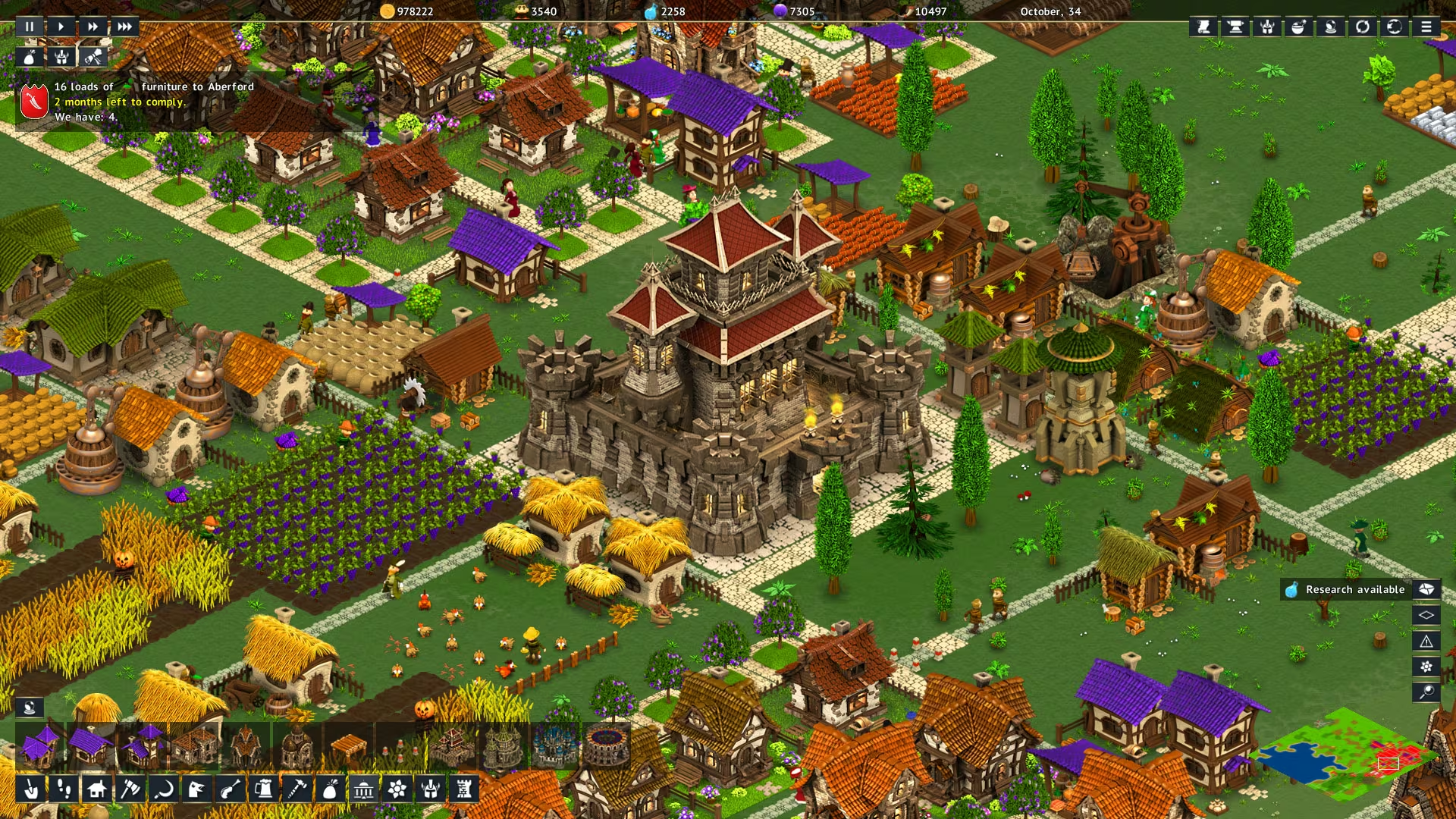
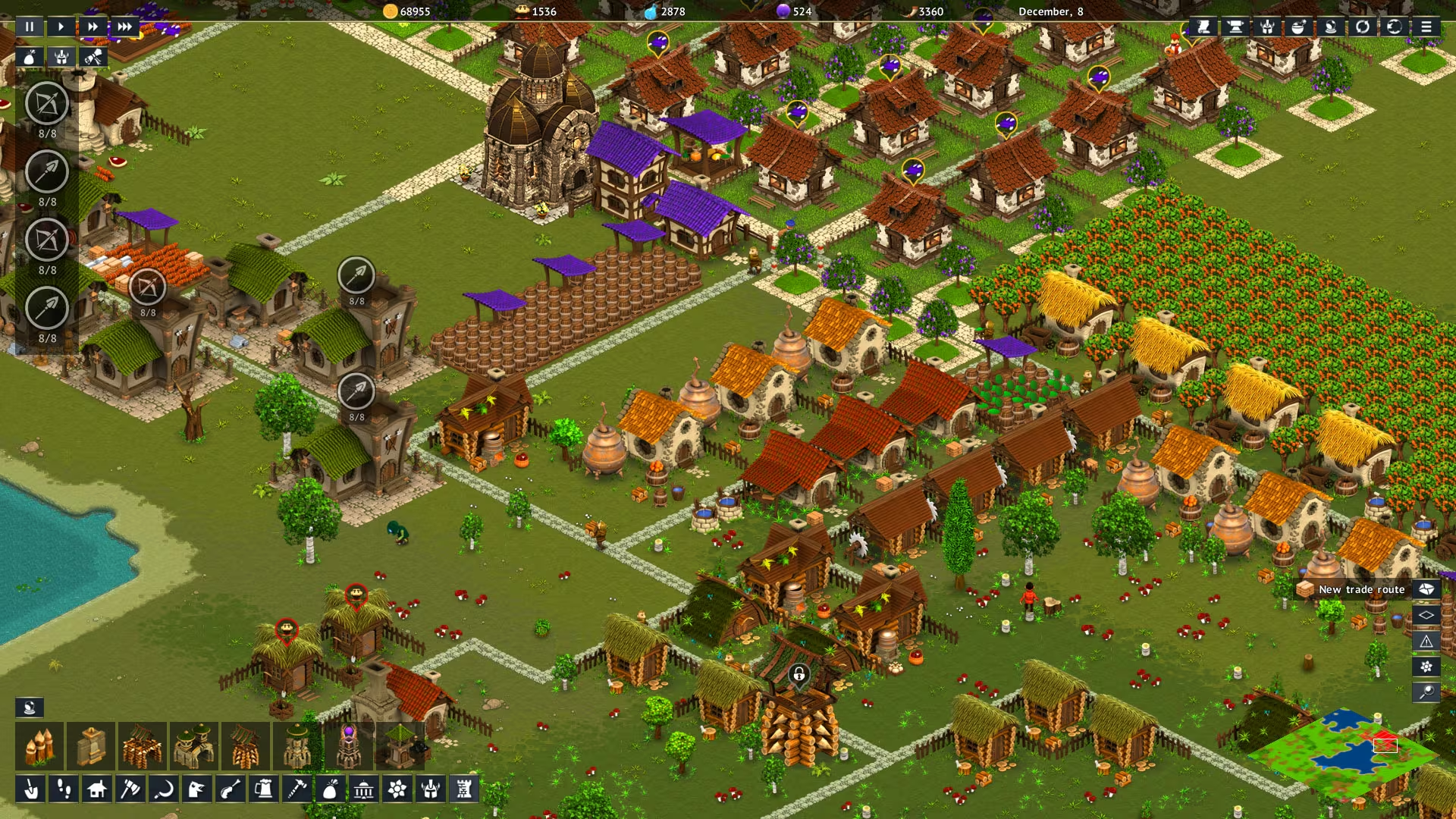
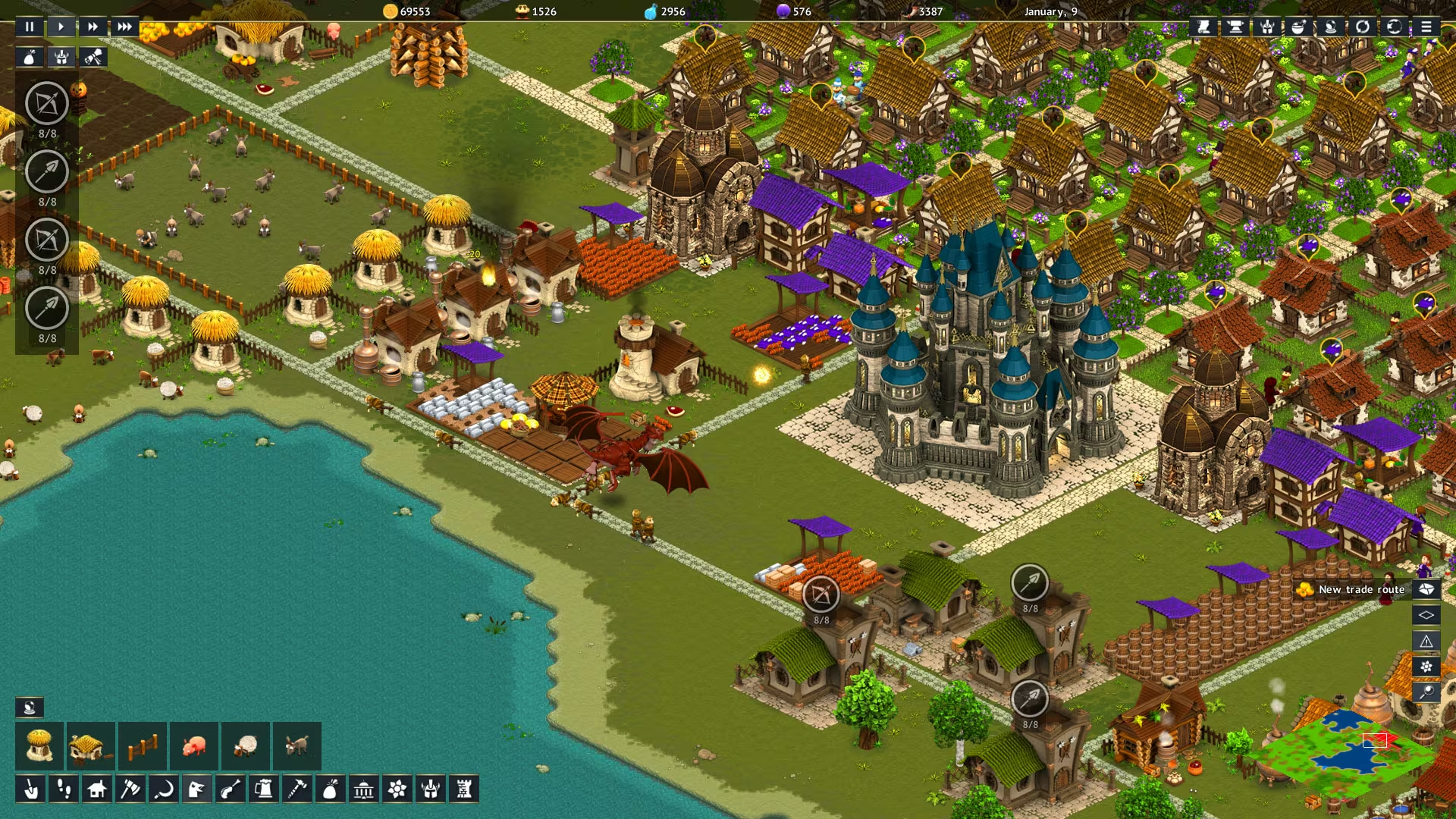
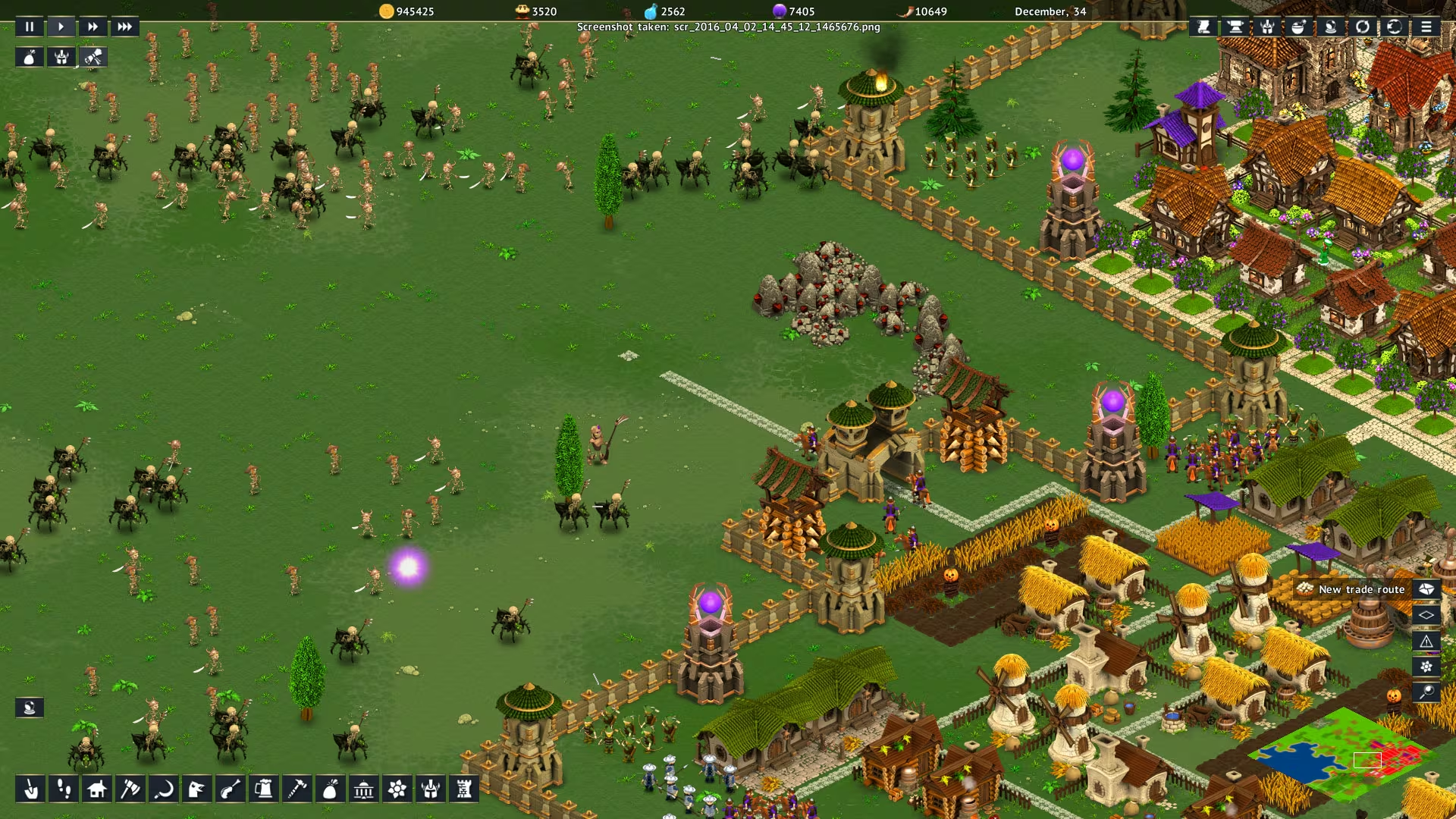
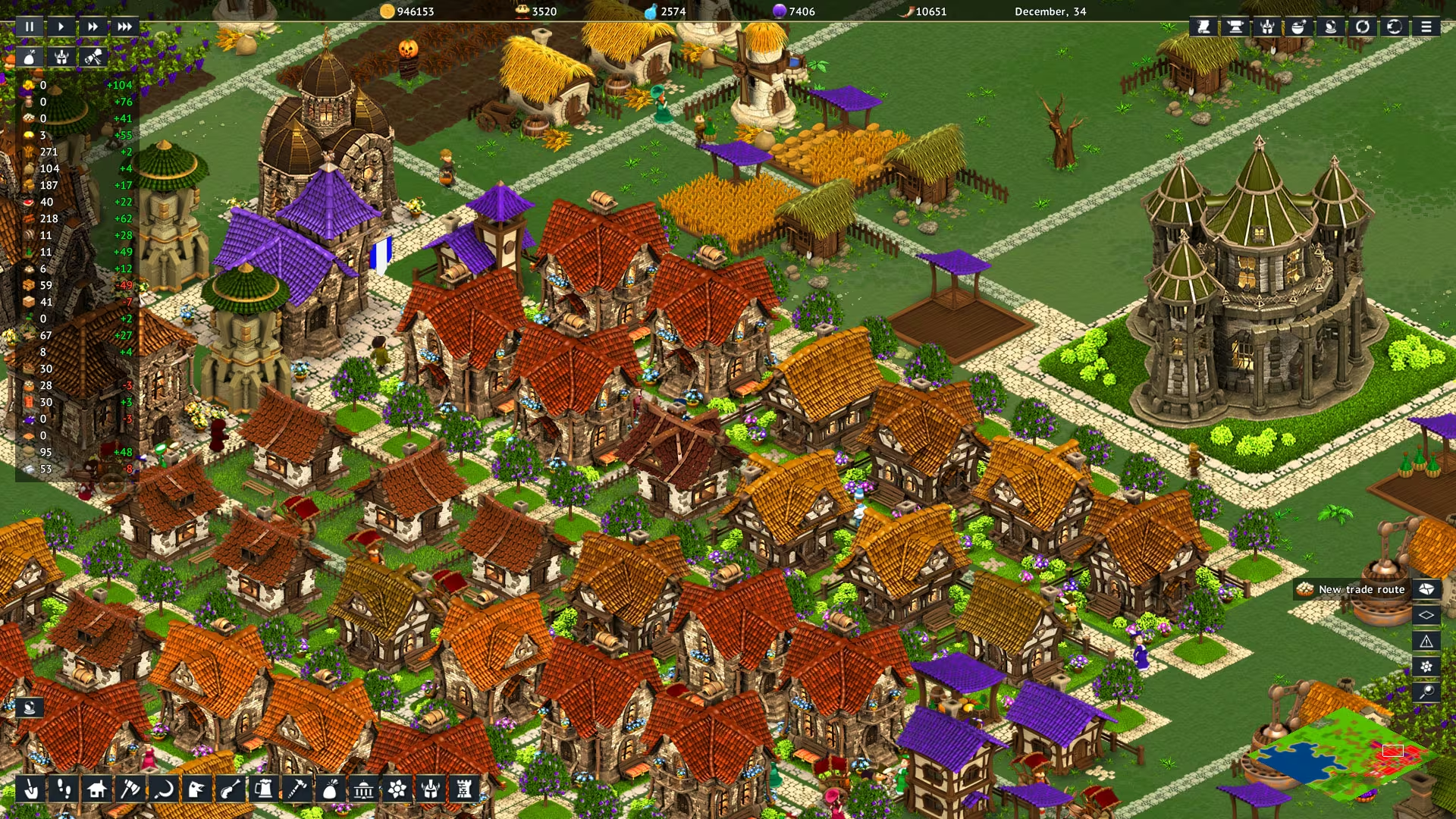
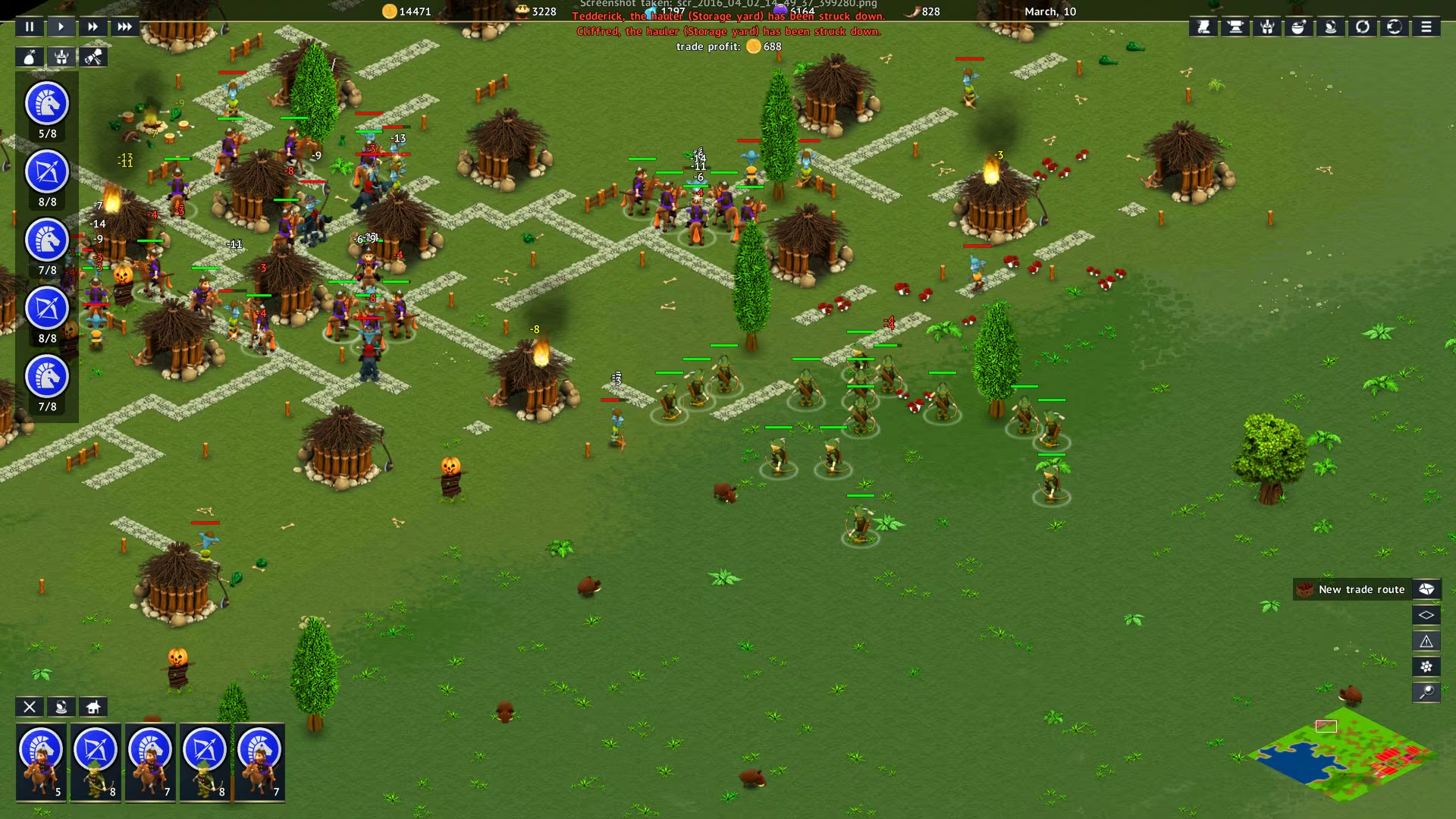
Hearthlands is a medieval/fantasy city-building real time strategy game in which you take a role of a king in a procedurally generated world. You can not control your subjects directly; instead you focus on city-building, resource management, diplomacy, heroes, magic and other things a typical king deals with on a daily basis.
Global score
83/100
Genres
Indie, Simulator, Strategy, Real Time Strategy (RTS)
Similar games
Pros
- Deep and engaging city building and resource management
- Nostalgic gameplay reminiscent of classic city builders
- Varied cultures and production chains
- Campaign and sandbox modes
- Active developer support and updates
Cons
- Limited military control and combat depth
- Some ui and tutorial shortcomings
- Graphics and audio are functional but not outstanding
- Performance issues on some systems
- Lack of advanced social or multiplayer features
Analysis
Less representative of its motivational profile, with noticeable differences. Motivations that often define this kind of title include Leadership, Survival, Violence, Strategy. Here, the score leans higher than usual among comparable games on Competition, Cooperation. It leans lower than usual among comparable games on Story.
How to use the graph
Similar games map
Each dot is a game. They are arranged from the same motivation profile as in the “Motivations” section below. Closer dots usually mean more similar reasons to play (exploration, competition, relaxation, etc.)—not that one game is “better” than another.
- Larger dot with a light outline: the game you are viewing.
- Colour: groups of games with comparable motivation patterns (statistical clusters).
- Hover a dot to see the game name; click to open its page.
- Scroll or double-click the chart to zoom out and see more games.
Why don’t the axes read like a score? This view uses t-SNE: it only keeps who is close to whom. The scales are not “good to bad” or hours played—they separate groups on the map. Read distance between dots, not the axis numbers.
Motivations
-
Autonomy4
"Players have freedom to build cities, manage economy, research, diplomacy, and military with many options and customizations."
-
Competence4
"Game involves complex resource management, logistics, military strategy, and economic balancing requiring skill and learning."
-
Competition2
"Includes combat and diplomacy with other cities, but combat is limited in control and more strategic than direct competition."
-
Continuation4
"Players report many hours of play, high replay value, and engaging campaign and sandbox modes encouraging long sessions."
-
Cooperation1
"Some trading and diplomacy with other cities, but mostly focused on individual city management rather than teamwork."
-
Creativity3
"Players design city layouts, manage production chains, and customize strategies, though building rotation and skins are limited."
-
Domination-2
"Military combat exists but is limited in player control and more about strategic planning than exerting authority over others."
-
Escapism4
"Game offers immersive city building and fantasy elements like magic and monsters for distraction and stress relief."
-
Expectation-3
"Players engage voluntarily for enjoyment and nostalgia; no indication of obligation or external pressure to play."
-
Experimenting3
"Players explore different cultures, production chains, trade dynamics, and military strategies, encouraging experimentation."
-
Exploration2
"Overworld map with other cities and monster lairs offers some discovery, though maps are randomized and somewhat familiar."
-
Expression2
"Limited customization of buildings and characters, but players can personalize city layouts and choose cultures."
-
Fantasy3
"Fantasy elements like magic, monsters, and spells enrich the medieval city building experience."
-
Fellowship-2
"Social interaction is limited to trading and diplomacy with AI or other players; main focus is solo city management."
-
Growth4
"Players learn complex economic and military systems, improving skills over time with a steep learning curve."
-
Health-4
"Primarily sedentary gameplay with no physical activity or health-related mechanics."
-
Idle-3
"Requires continuous attention to logistics, resource management, and defense; not suited for idle or background play."
-
Intimacy-4
"Minimal social or emotional connections; interactions are mostly strategic and transactional."
-
Leadership3
"Players lead their city and armies, managing resources and directing overall strategy."
-
Progression4
"Strong progression through building upgrades, research, army development, and expanding trade and territory."
-
Relaxation2
"Game can be relaxing with its pacing and city building, though some tension arises from invasions and resource management."
-
Sensation1
"Visuals and sounds are pleasant but not highly stimulating; focus is on strategic gameplay rather than sensory thrills."
-
Status-3
"Achievements and recognition are mostly personal; limited social status or visibility among other players."
-
Story1
"Campaign mode offers some narrative structure but overall story is minimal and secondary to gameplay."
-
Strategy5
"High emphasis on planning, resource management, logistics, military tactics, and diplomatic decisions."
-
Thrill2
"Some suspense from invasions and resource shortages, but combat is limited and outcomes often predictable."
-
Value4
"Players report good value for time and money with many hours of engaging gameplay and frequent updates."
-
Violence1
"Combat and destruction exist but are not the main focus; game emphasizes building and management."
-
Survival3
"Players must defend against threats and manage resources to avoid failure, adding survival elements."
Last update: 29/04/2026