Monster Slayers Thumbnail

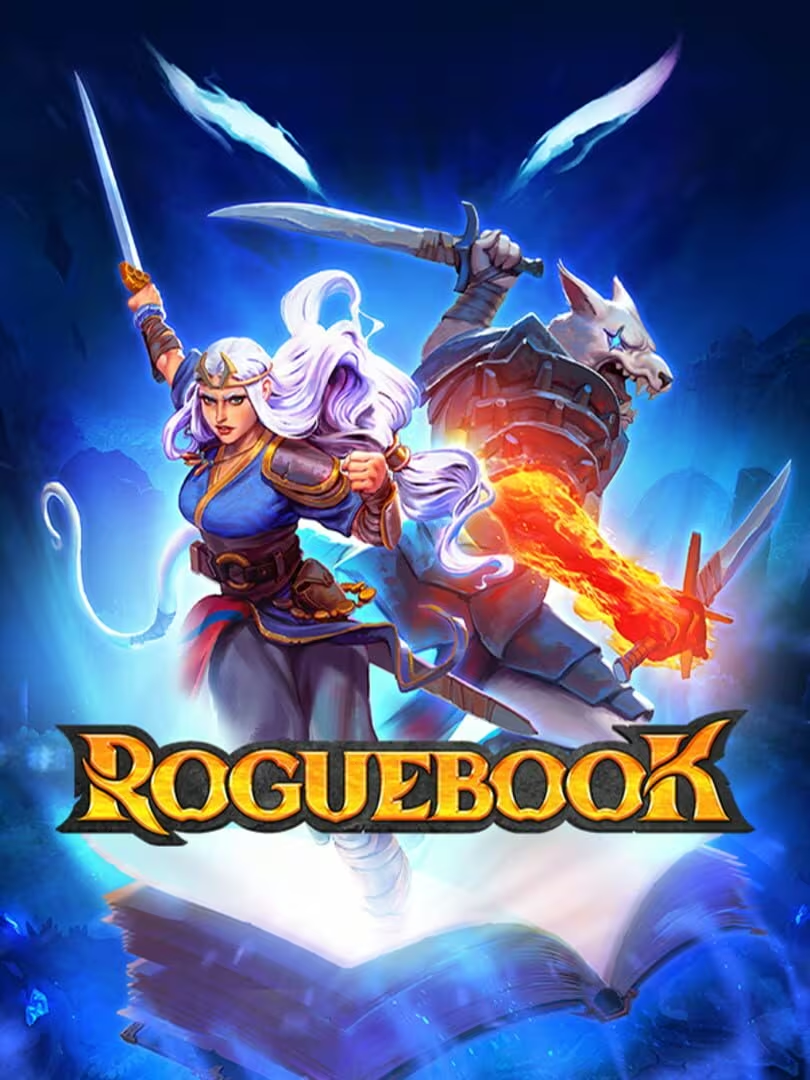
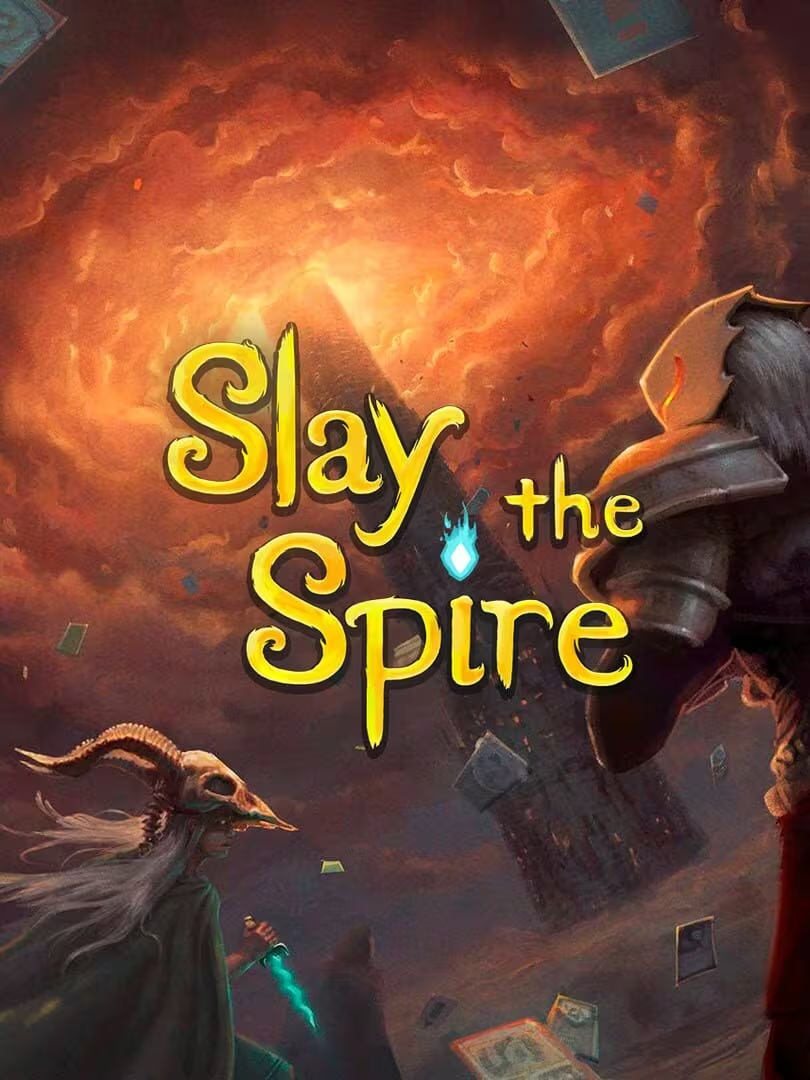
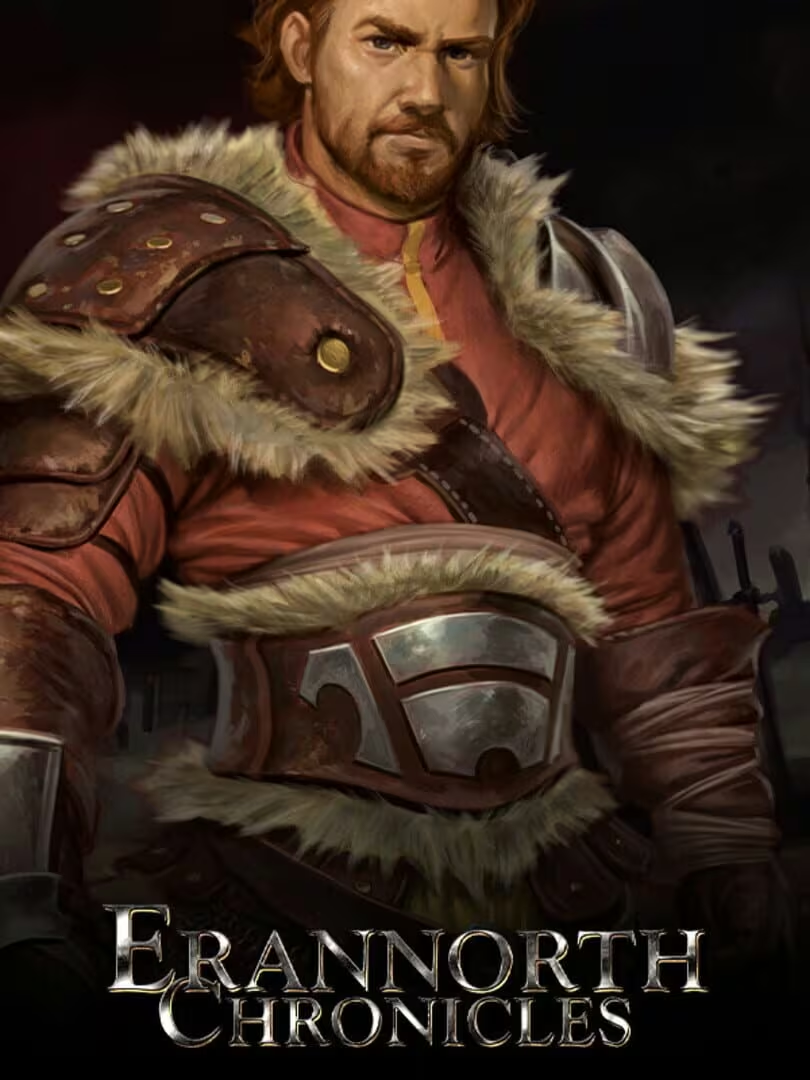
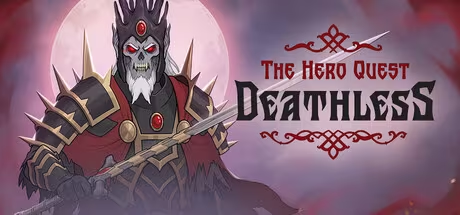
Monster Slayers similar games & best alternatives

Monster Slayers

PC (Microsoft Windows), Mac, PlayStation 4, Xbox One, PlayStation Vita, Nintendo Switch • 2017

Related articles

Quick resume

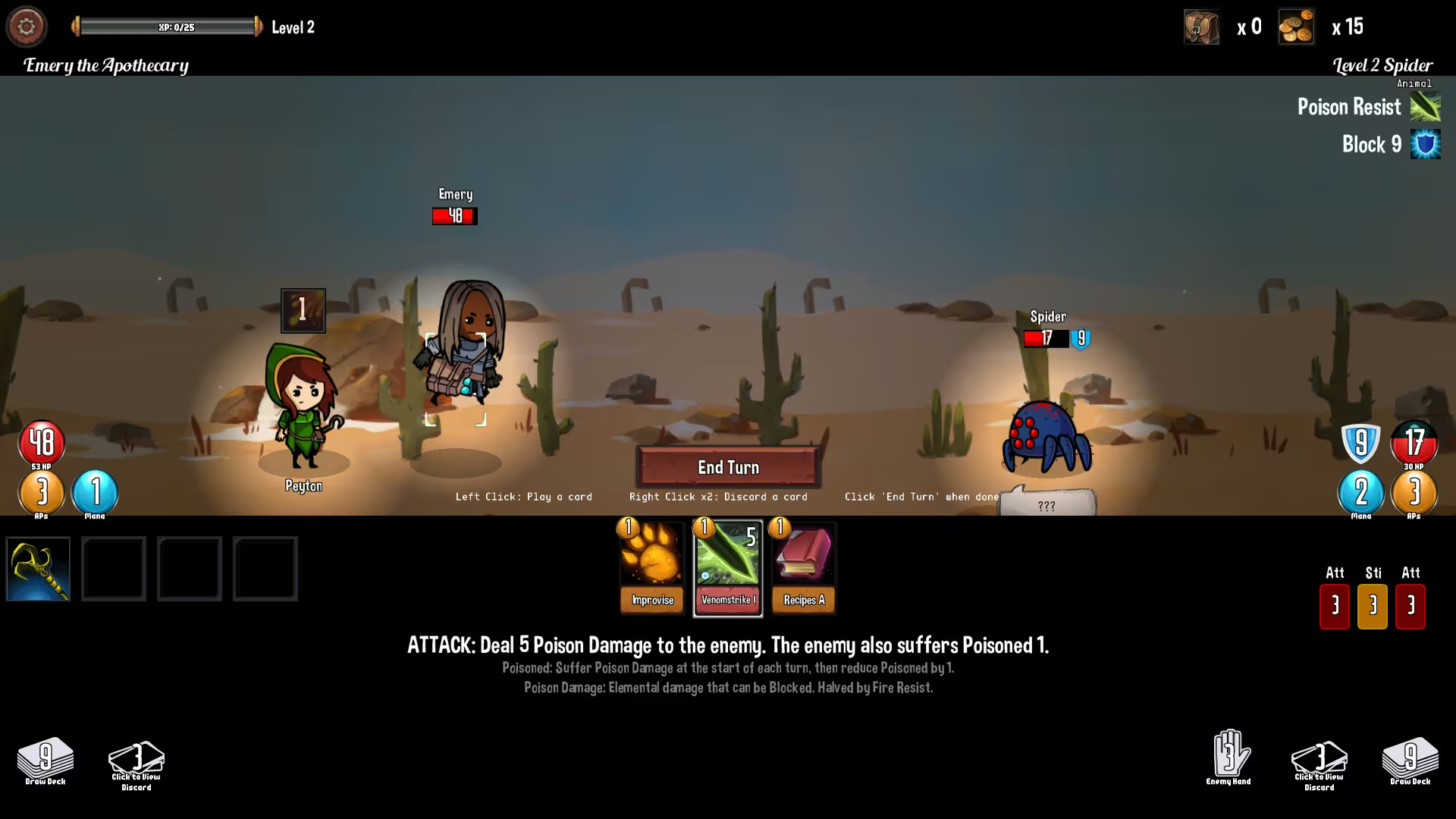
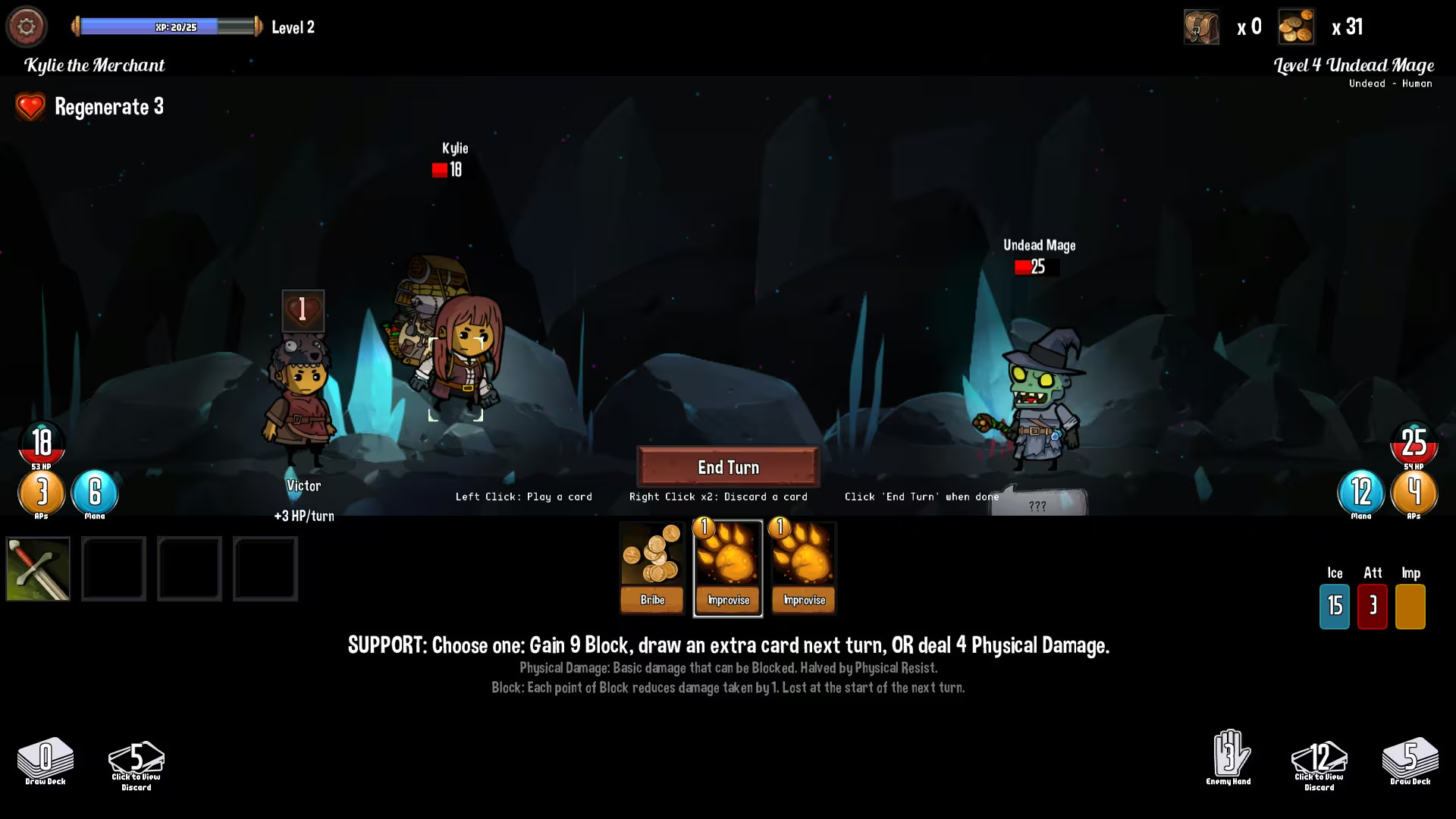
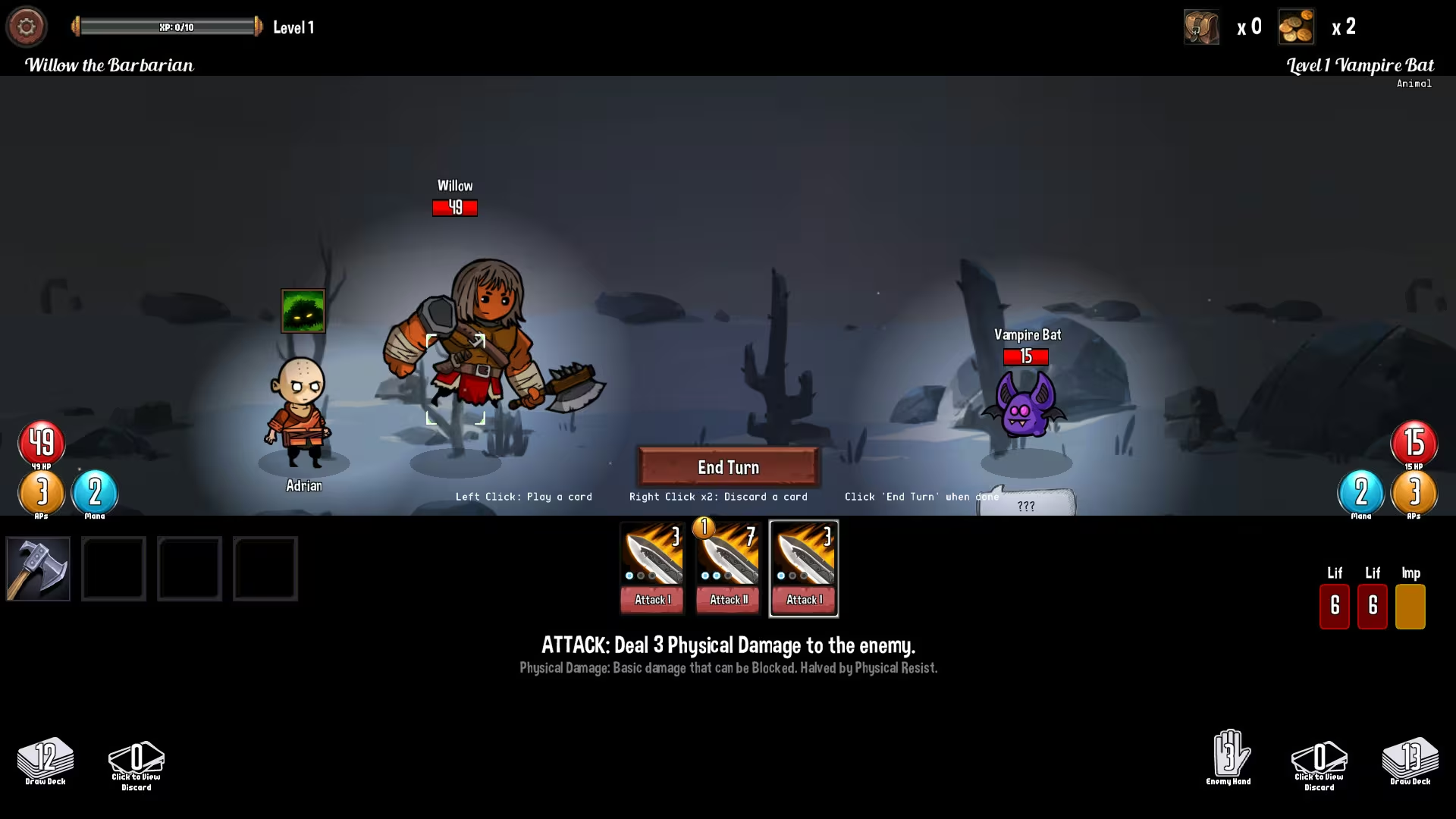
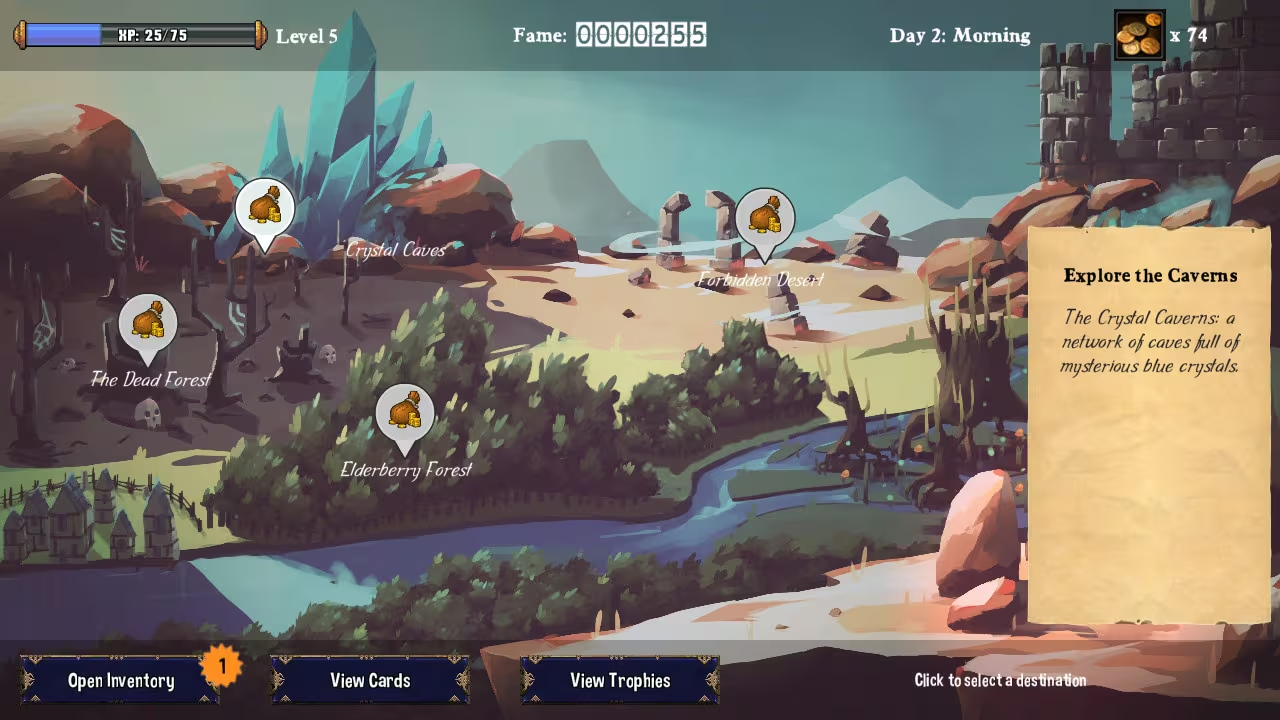
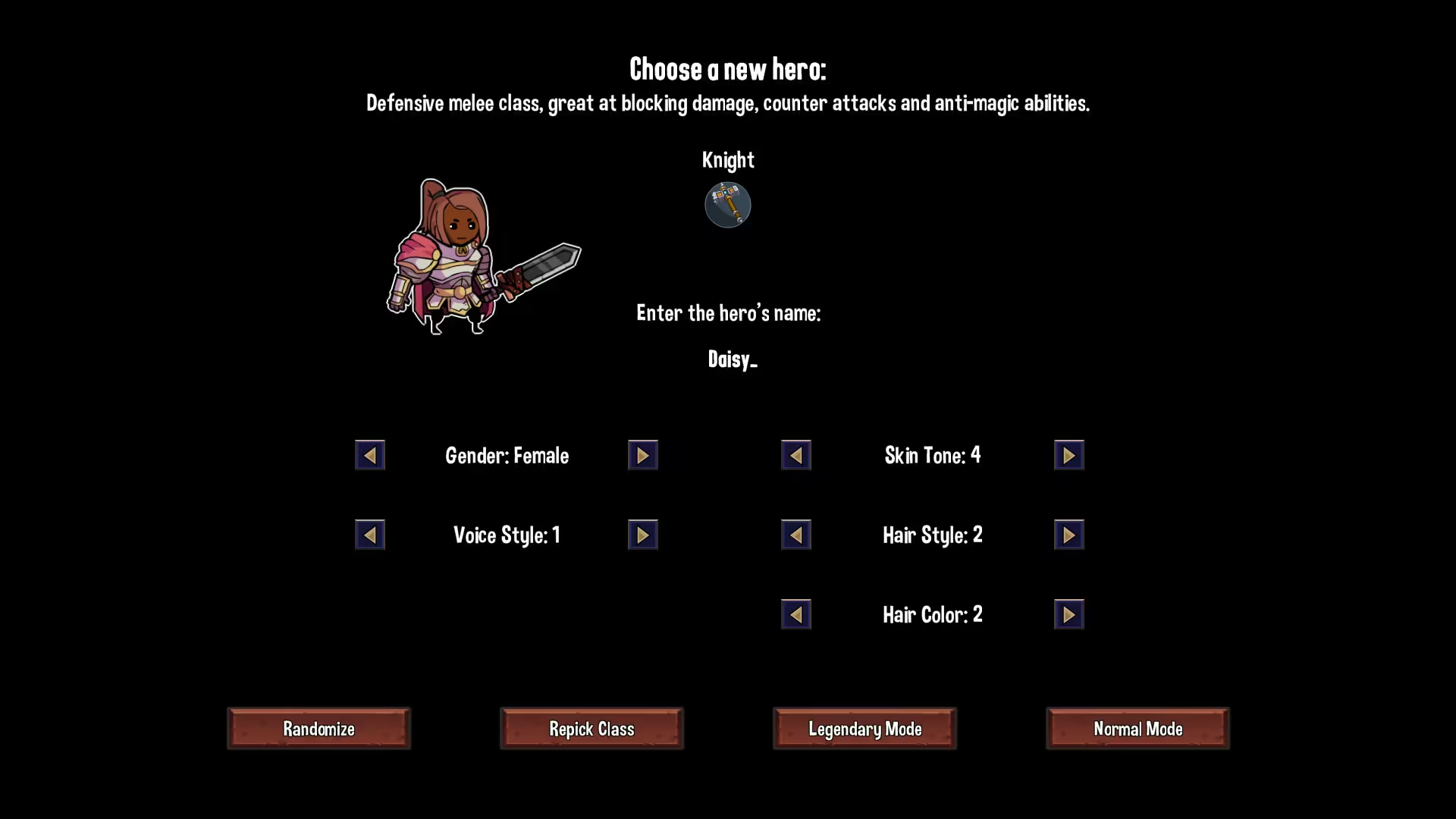
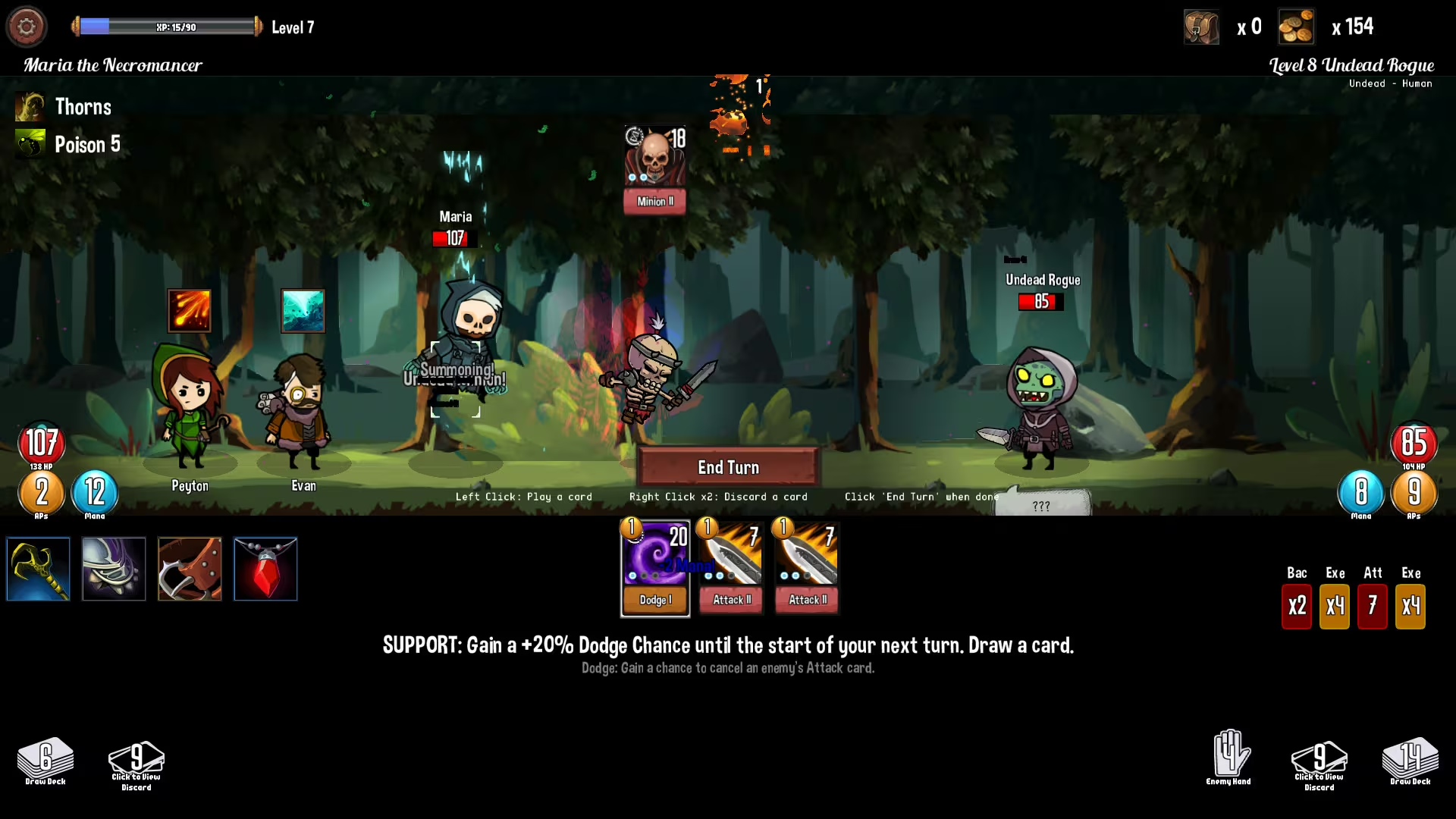
Monster Slayers is a rogue-like deck-building RPG adventure. Create a hero and choose your path through the perilous Northern Valley as you battle to become a true Monster Slayer.

Global score

79/100

Genres

Action, Indie, Adventure, Strategy, Role-playing (RPG), Arcade, Card & Board Game

Similar games

    Pros

    • Addictive roguelike deckbuilding gameplay
    • Many classes with distinct playstyles
    • Meaningful meta-progression and unlocks
    • Fast-paced, strategic card combat
    • Frequent updates and active developer

    Cons

    • Limited multiplayer or social features
    • Some ui and clarity issues
    • Grindy progression for some players
    • Art style is simple and unpolished
    • Some classes feel unbalanced

    Analysis

    Less representative of its motivational profile, with noticeable differences. Motivations that often define this kind of title include Fellowship, Cooperation, Leadership, Violence. Here, the score leans higher than usual among comparable games on Status, Competition. It leans lower than usual among comparable games on Expression.

    How to use the graph
    Similar games map

    Each dot is a game. They are arranged from the same motivation profile as in the “Motivations” section below. Closer dots usually mean more similar reasons to play (exploration, competition, relaxation, etc.)—not that one game is “better” than another.

    • Larger dot with a light outline: the game you are viewing.
    • Colour: groups of games with comparable motivation patterns (statistical clusters).
    • Hover a dot to see the game name; click to open its page.
    • Scroll or double-click the chart to zoom out and see more games.

    Why don’t the axes read like a score? This view uses t-SNE: it only keeps who is close to whom. The scales are not “good to bad” or hours played—they separate groups on the map. Read distance between dots, not the axis numbers.

    Motivations

    • Autonomy
      4

      "Players can freely choose classes, cards, equipment, companions, and map paths, allowing significant control over playstyle and decisions."

    • Competence
      4

      "The game offers meaningful skill-based deckbuilding, strategic card play, and progression requiring learning and mastery."

    • Competition
      1

      "There is a global ranking and leaderboards, but most play is focused on personal runs and progression rather than direct competition."

    • Continuation
      4

      "High replay value with addictive 'one more run' gameplay, meta-progression, and many classes encourage habitual play."

    • Cooperation
      -3

      "Gameplay is primarily single-player with limited companion support; no multiplayer or cooperative modes."

    • Creativity
      3

      "Players customize decks, choose equipment, and build strategies, though deckbuilding depth is somewhat limited."

    • Domination
      -4

      "Interactions are balanced and respectful; no evidence of trash talk or power imposition."

    • Escapism
      4

      "Players use the game as a fun distraction and stress relief with immersive fantasy card battles."

    • Expectation
      -4

      "Players engage voluntarily out of intrinsic interest and enjoyment rather than obligation or pressure."

    • Experimenting
      3

      "Players try different classes, decks, and strategies, experimenting with card combinations and equipment."

    • Exploration
      3

      "Randomly generated dungeons and map choices encourage discovery of new areas and encounters."

    • Expression
      -2

      "Limited character customization beyond class choice and equipment; art style is fixed and simple."

    • Fantasy
      4

      "Strong fantasy theme with imaginative classes, monsters, and card-based magical combat."

    • Fellowship
      -4

      "Primarily a solo experience with minimal social or community interaction."

    • Growth
      4

      "Players develop skills, unlock talents, and improve decks and equipment through repeated play."

    • Health
      -4

      "Sedentary gameplay with no physical activity; typical for card-based roguelikes."

    • Idle
      -3

      "Requires focused attention during battles and deck management; not a background or idle game."

    • Intimacy
      -5

      "No evidence of close social relationships or emotional sharing; single-player focus."

    • Leadership
      -4

      "No leadership roles; players manage their own character without directing others."

    • Progression
      5

      "Strong meta-progression system with unlockable skills, equipment, and classes that persist across runs."

    • Relaxation
      3

      "Gameplay balances challenge and flow, providing satisfying tension release and engagement."

    • Sensation
      2

      "Visuals and sounds are simple but enjoyable; animations and voice acting add sensory appeal."

    • Status
      1

      "Leaderboards and achievements provide some recognition, but social status is limited."

    • Story
      1

      "Minimal narrative; some thematic context but gameplay is mostly context-free card battles."

    • Strategy
      4

      "Requires planning, deckbuilding, resource management, and tactical decision-making in combat."

    • Thrill
      3

      "Players experience suspense and excitement from challenging battles and risk of defeat."

    • Value
      4

      "High perceived value for price with extensive content, replayability, and frequent updates."

    • Violence
      3

      "Combat involves defeating monsters with attacks and spells; violence is cartoonish and stylized."

    • Survival
      3

      "Players manage health, resources, and threats to survive increasingly difficult encounters."

    Last update: 29/04/2026