SPOOKWARE Thumbnail

SPOOKWARE similar games & best alternatives
SPOOKWARE

Nintendo Switch, PC (Microsoft Windows) • 2021

Related articles

Quick resume

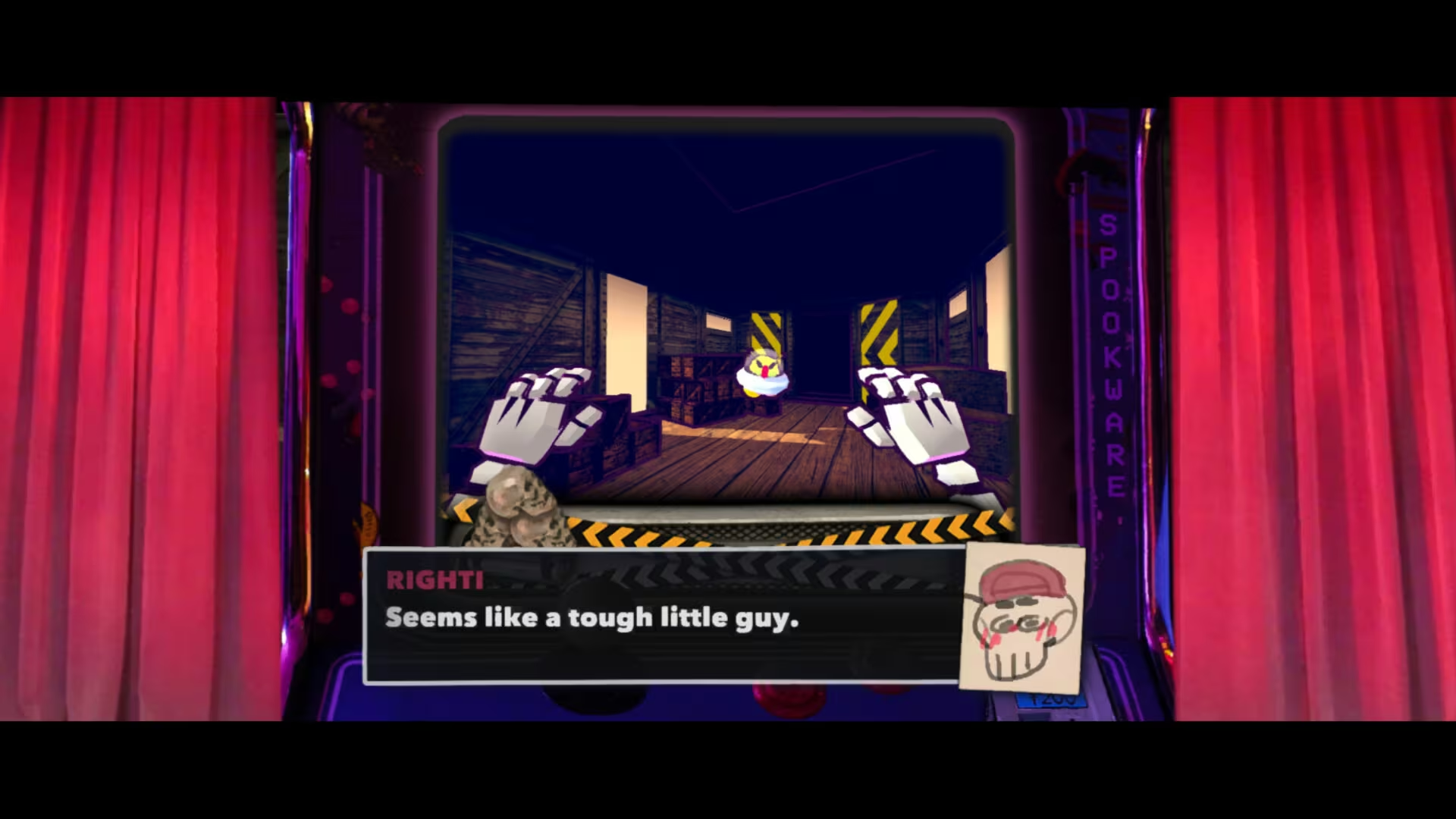
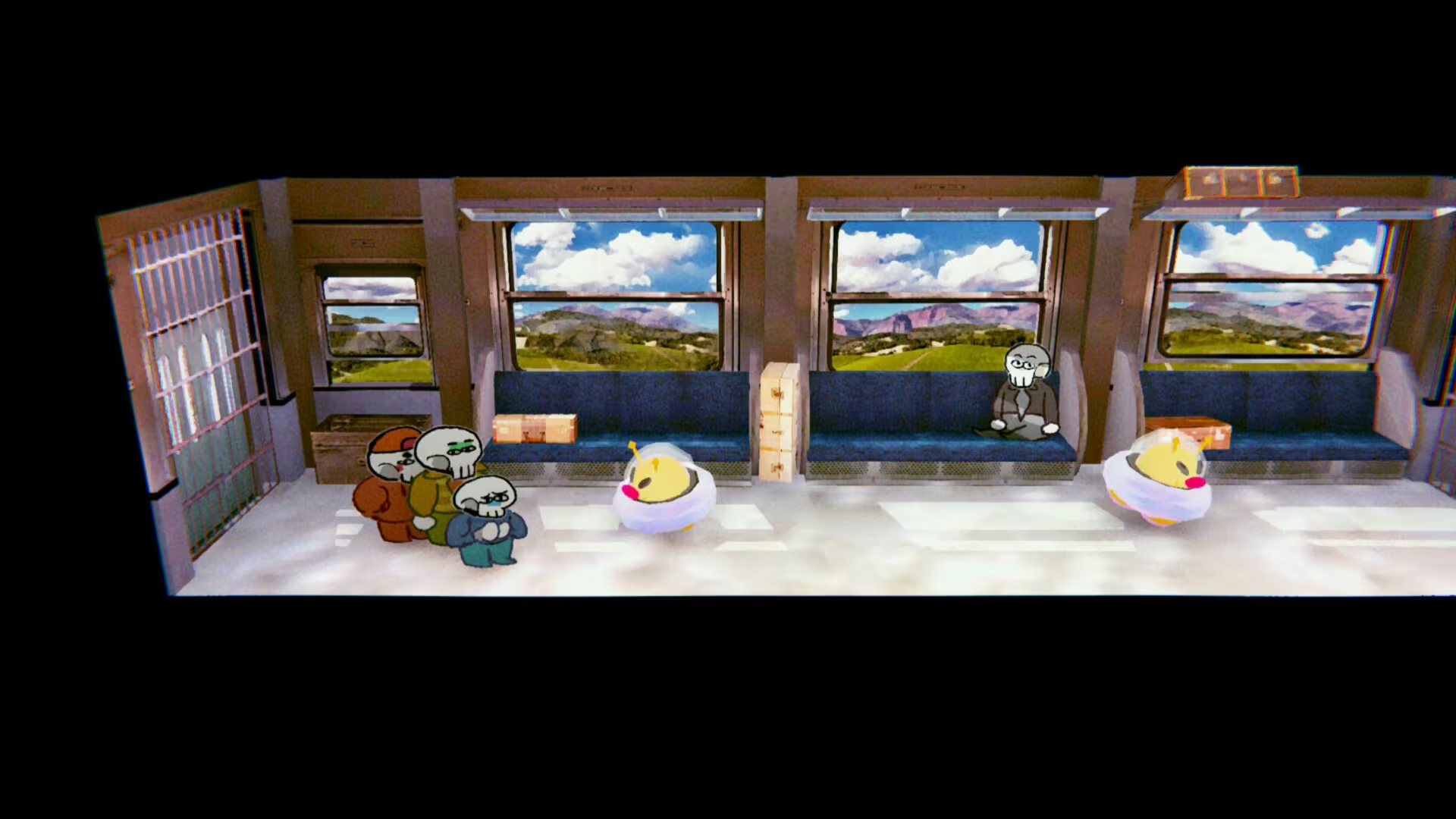
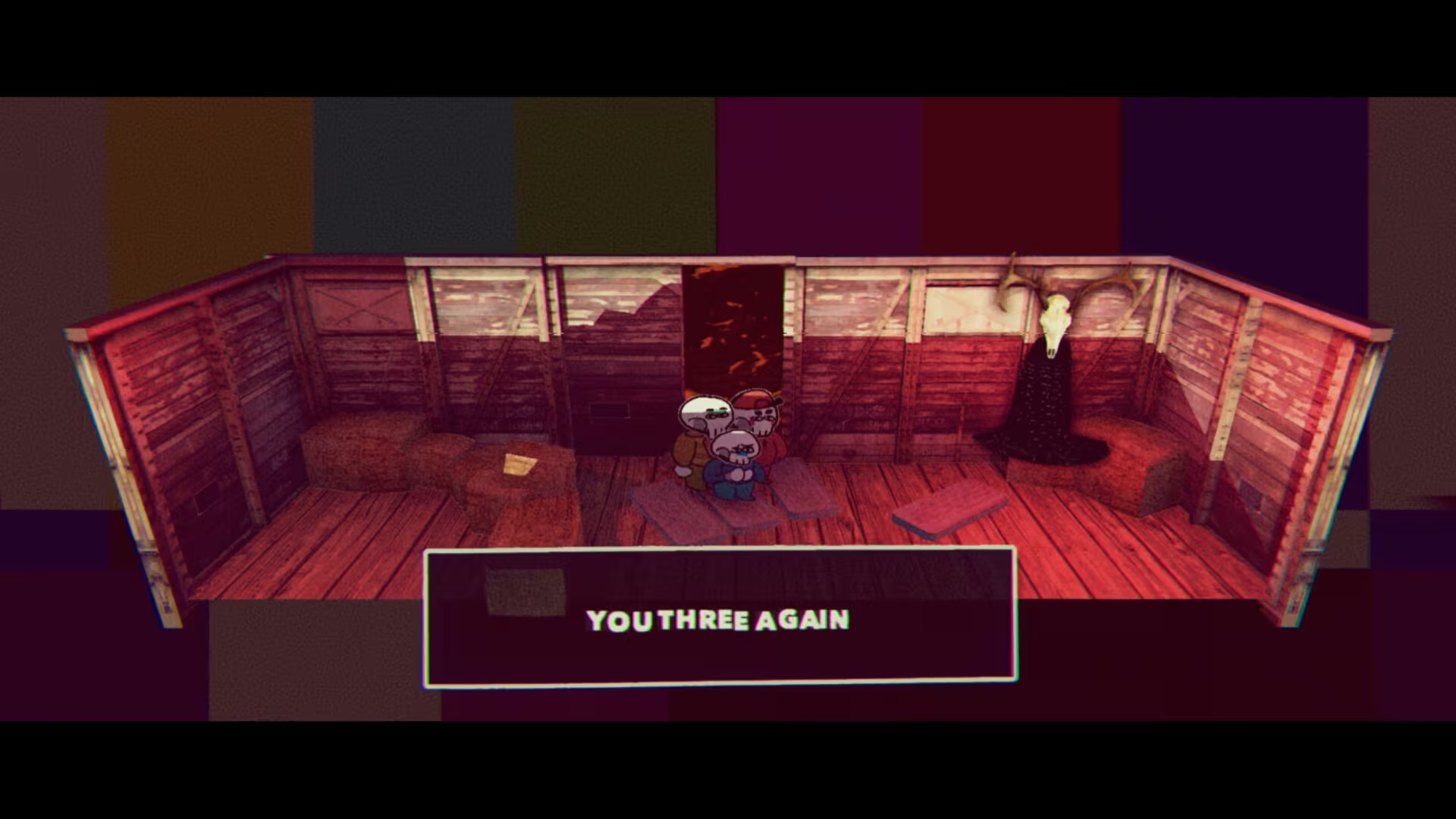
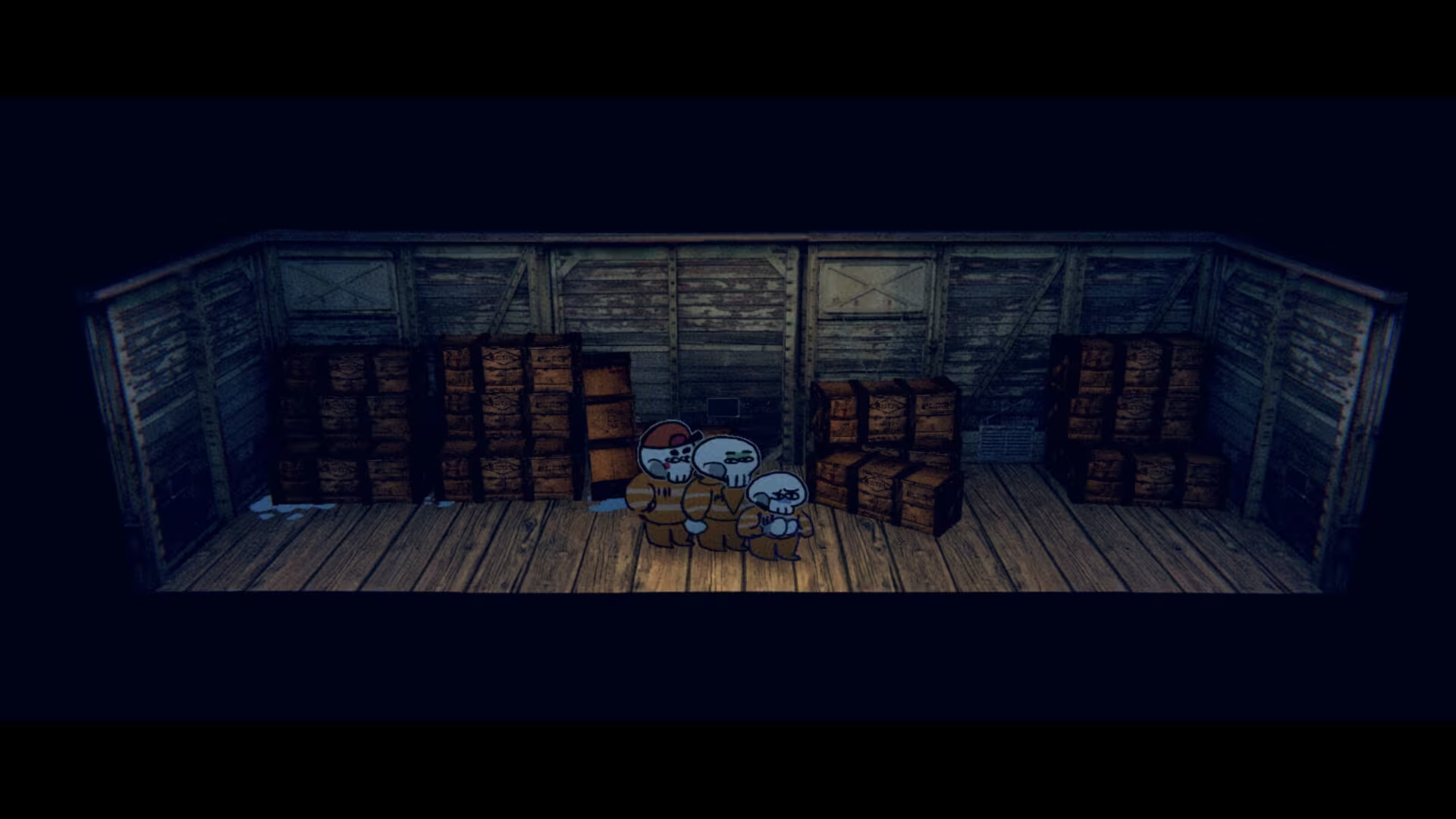
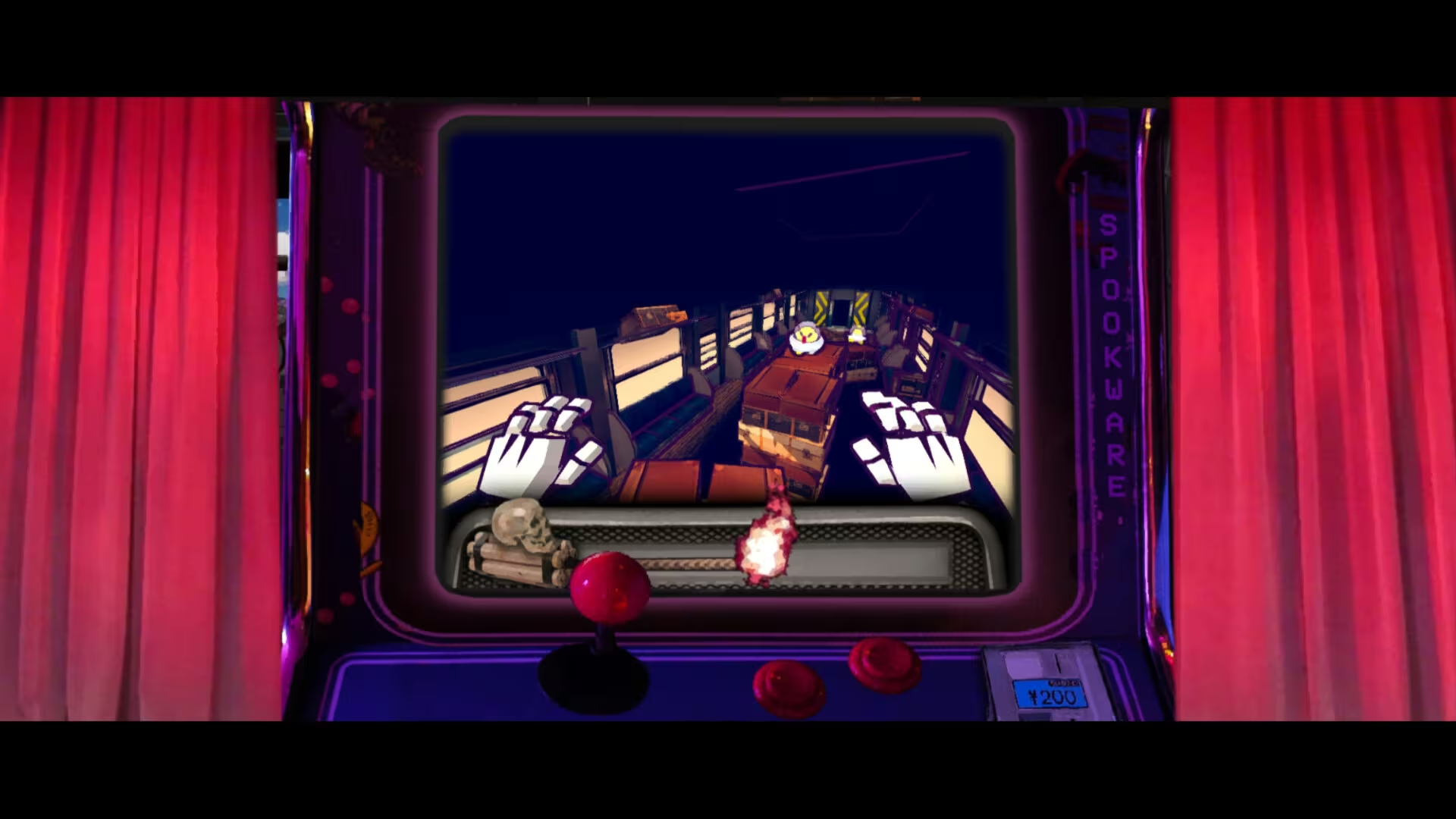
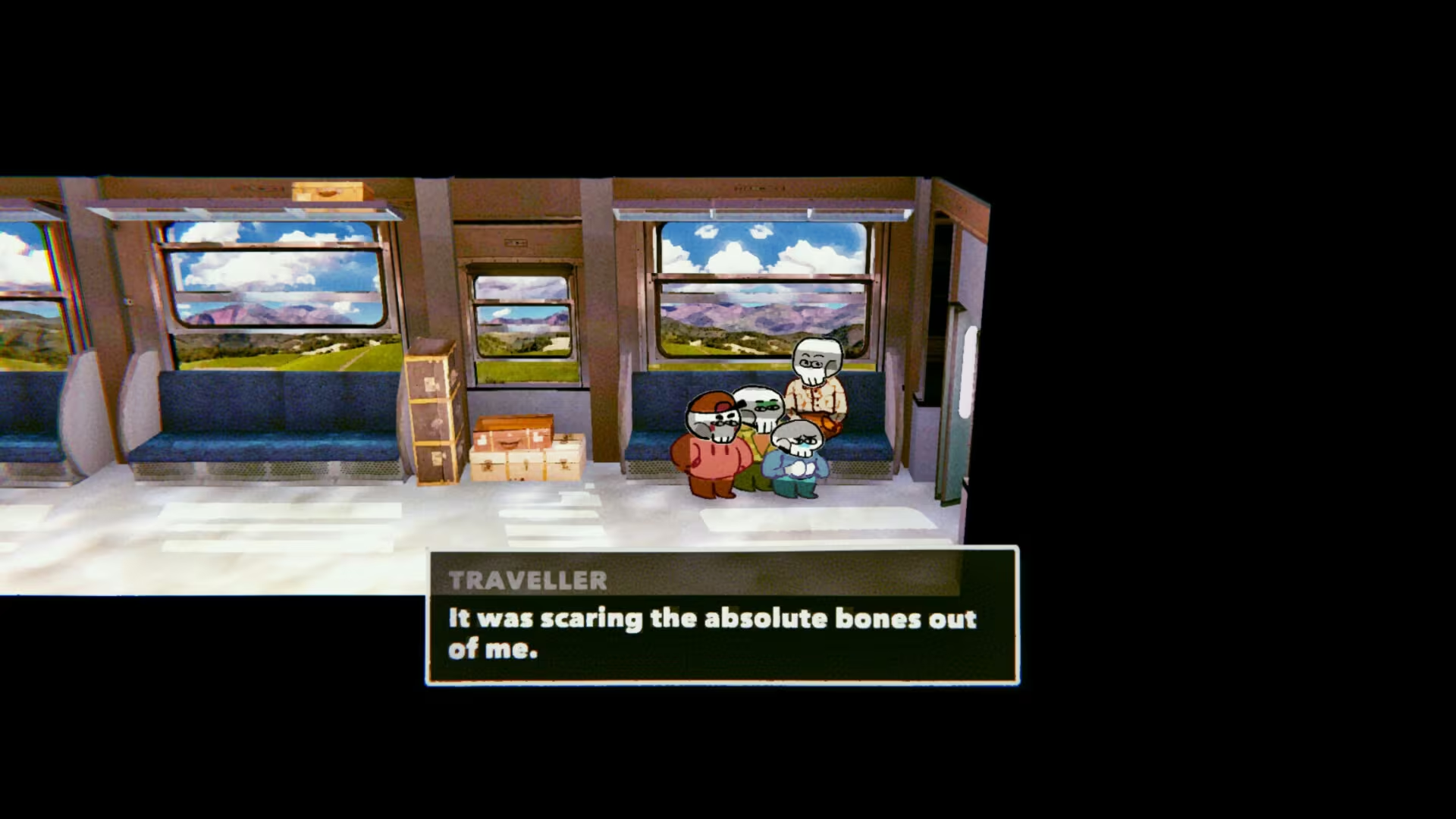
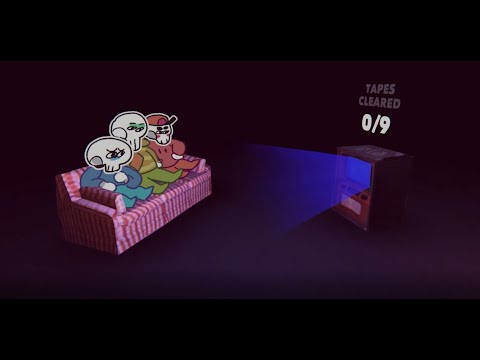
Play through loads of hand-crafted fast-paced microgames based on horror tropes, explore the world of the afterlife and help the skelebros live their death to the fullest.

Global score

79/100

Genres

Action, Adventure, Indie, Role-playing (RPG), Puzzle, Arcade

Pros

  • Charming art style and characters
  • Creative and varied microgames
  • Engaging story and humor
  • Good soundtrack and atmosphere
  • Affordable price

Cons

  • Game is unfinished with missing episodes
  • Some microgames can be frustrating or unclear
  • Exploration segments can feel slow or repetitive
  • Limited replayability beyond story
  • Controller support issues on some platforms

Motivations

  • Autonomy
    3

    "Players explore an overworld with freedom to interact with NPCs and choose when to engage microgames, indicating moderate control over actions."

  • Competence
    4

    "Microgames require skill, quick reflexes, and learning new mechanics; some are challenging and provide feedback on performance."

  • Competition
    -2

    "Focus is mostly on personal progression and enjoyment; some challenge modes exist but no strong emphasis on competing against others."

  • Continuation
    2

    "Players express desire to continue playing for story and microgames; some frustration due to unfinished status but attachment to characters remains."

  • Cooperation
    -4

    "Gameplay centers on single-player exploration and microgames with no mention of multiplayer or cooperative modes."

  • Creativity
    4

    "Game features creative horror-themed microgames, unique art style blending 2D and 3D, and varied chapter mechanics."

  • Domination
    -5

    "No evidence of exerting control or superiority over others; interactions are friendly and humorous."

  • Escapism
    4

    "Players use the game as a fun, lighthearted escape with charming story and quirky humor."

  • Expectation
    -4

    "Players engage voluntarily out of personal interest and enjoyment; no indication of obligation or pressure."

  • Experimenting
    3

    "Varied microgames and chapter mechanics encourage trying new gameplay styles and adapting to different challenges."

  • Exploration
    4

    "Exploration of different themed worlds and interaction with NPCs is a core part of the experience."

  • Expression
    2

    "Some character customization through clothing and accessories is noted, but limited; mostly standardized presentation."

  • Fantasy
    4

    "Game features imaginative skeleton characters, spooky themes, and humorous fictional scenarios."

  • Fellowship
    -3

    "Primarily a solo experience with minimal social connection; no multiplayer or community features mentioned."

  • Growth
    3

    "Players learn new microgame mechanics and improve skills over time; some challenge and progression."

  • Health
    -5

    "No physical activity involved; typical sedentary gaming experience."

  • Idle
    -3

    "Requires focused attention during microgames and exploration; not designed for background or idle play."

  • Intimacy
    -4

    "Social interactions are light and humorous with NPCs; no close relationships or emotional sharing."

  • Leadership
    -5

    "No leadership or group management roles; player controls only the three protagonists."

  • Progression
    3

    "Players progress through episodes, unlock microgames, and advance story; some collection of achievements."

  • Relaxation
    2

    "Generally lighthearted and charming, but some microgames are challenging and fast-paced, creating mixed tension."

  • Sensation
    3

    "Engaging visuals, music, and quirky sound design provide sensory stimulation and emotional fun."

  • Status
    -4

    "No social recognition or leaderboard focus; achievements are personal and not highly visible."

  • Story
    4

    "Strong narrative focus with lovable characters and episodic story segments integrated with gameplay."

  • Strategy
    2

    "Some microgames and puzzles require problem solving and planning, but many are reflex-based."

  • Thrill
    2

    "Fast-paced microgames provide moments of tension and excitement, balanced by exploration segments."

  • Value
    4

    "Players feel the game offers good content and enjoyment for its price, despite being unfinished."

  • Violence
    1

    "Some microgames involve combat or destruction in a cartoonish, humorous manner; not a primary focus."

  • Survival
    1

    "Microgames involve avoiding failure and managing limited lives, but overall low-risk environment."

Similar games

    Last update: 06/03/2026