Unsorted Horror Thumbnail

Unsorted Horror similar games & best alternatives
Unsorted Horror

PC (Microsoft Windows) • 2023

Related articles

Quick resume

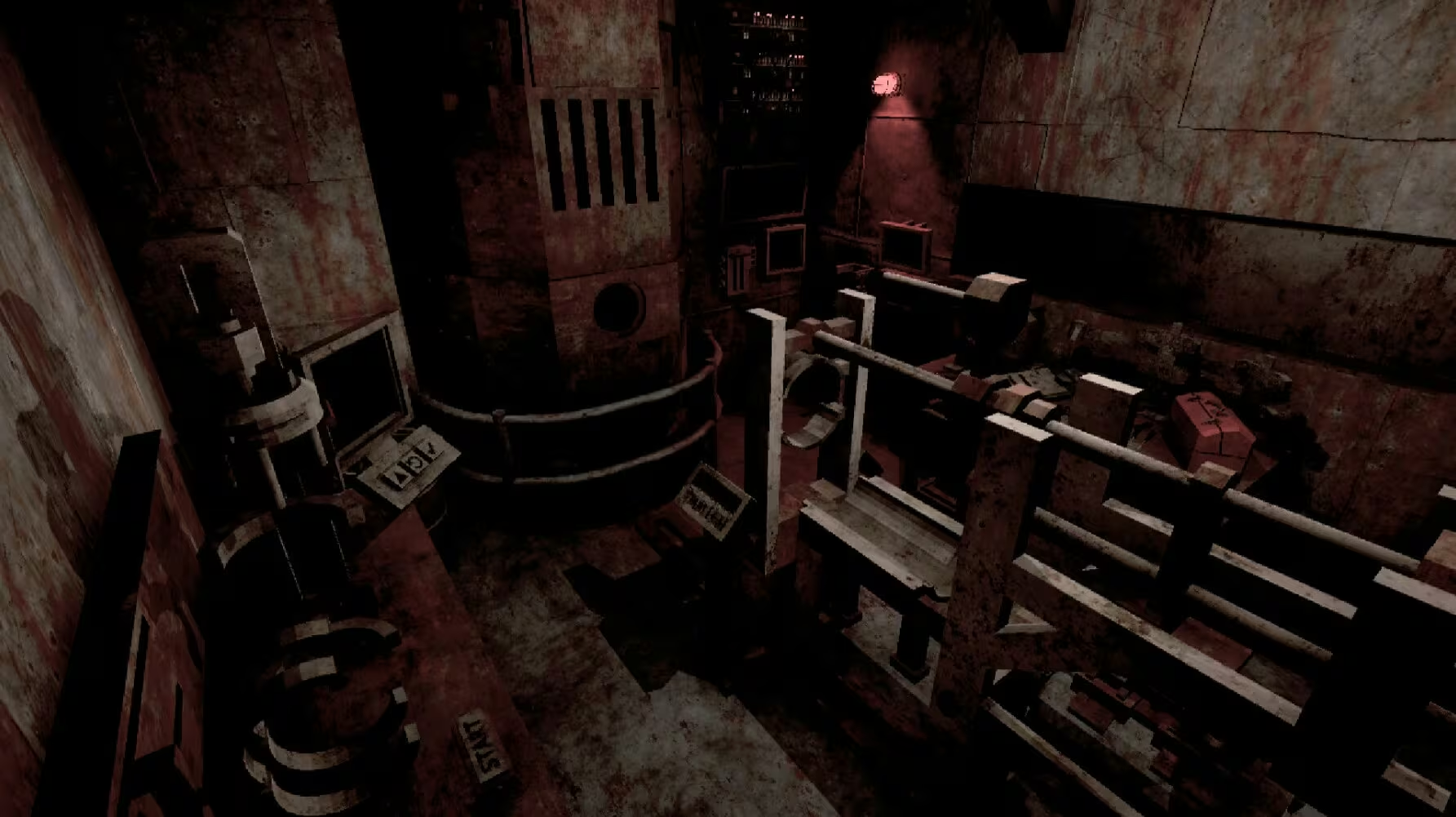
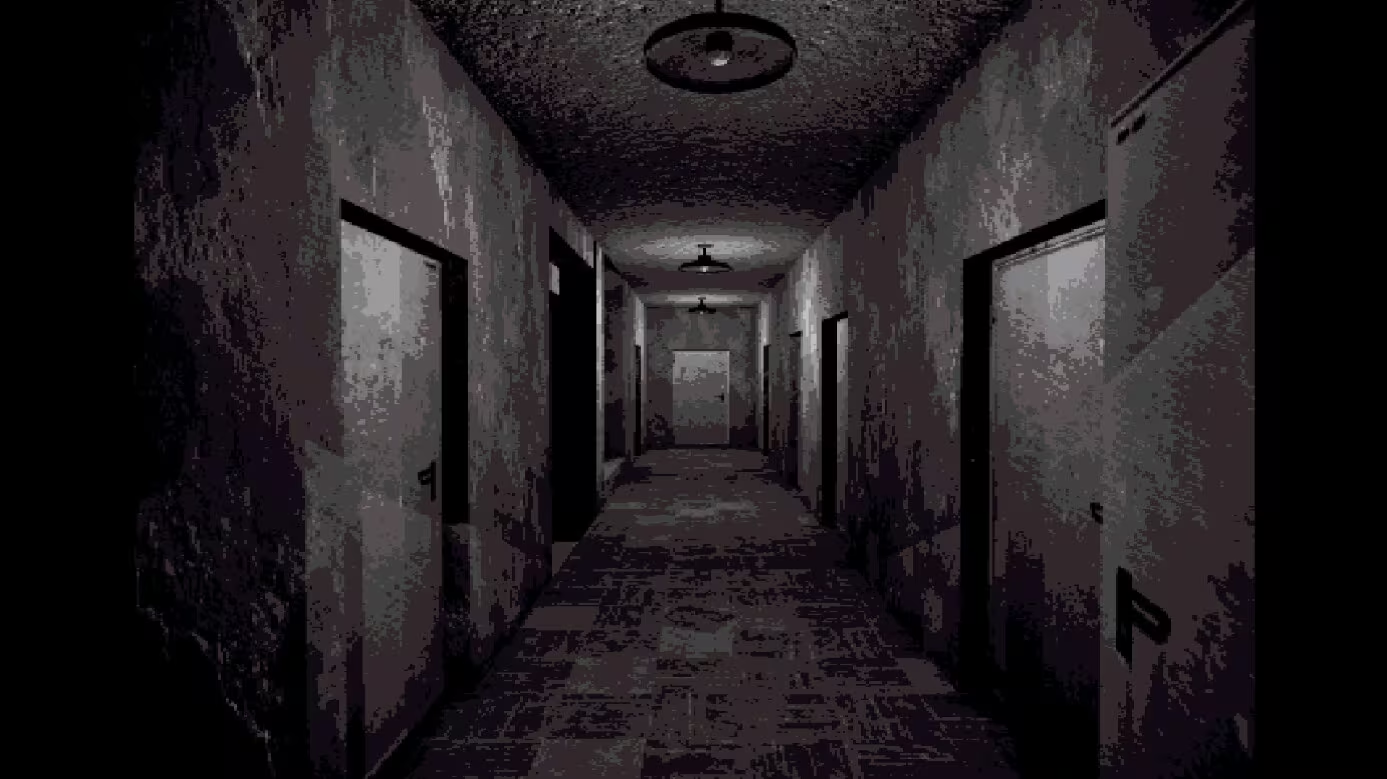
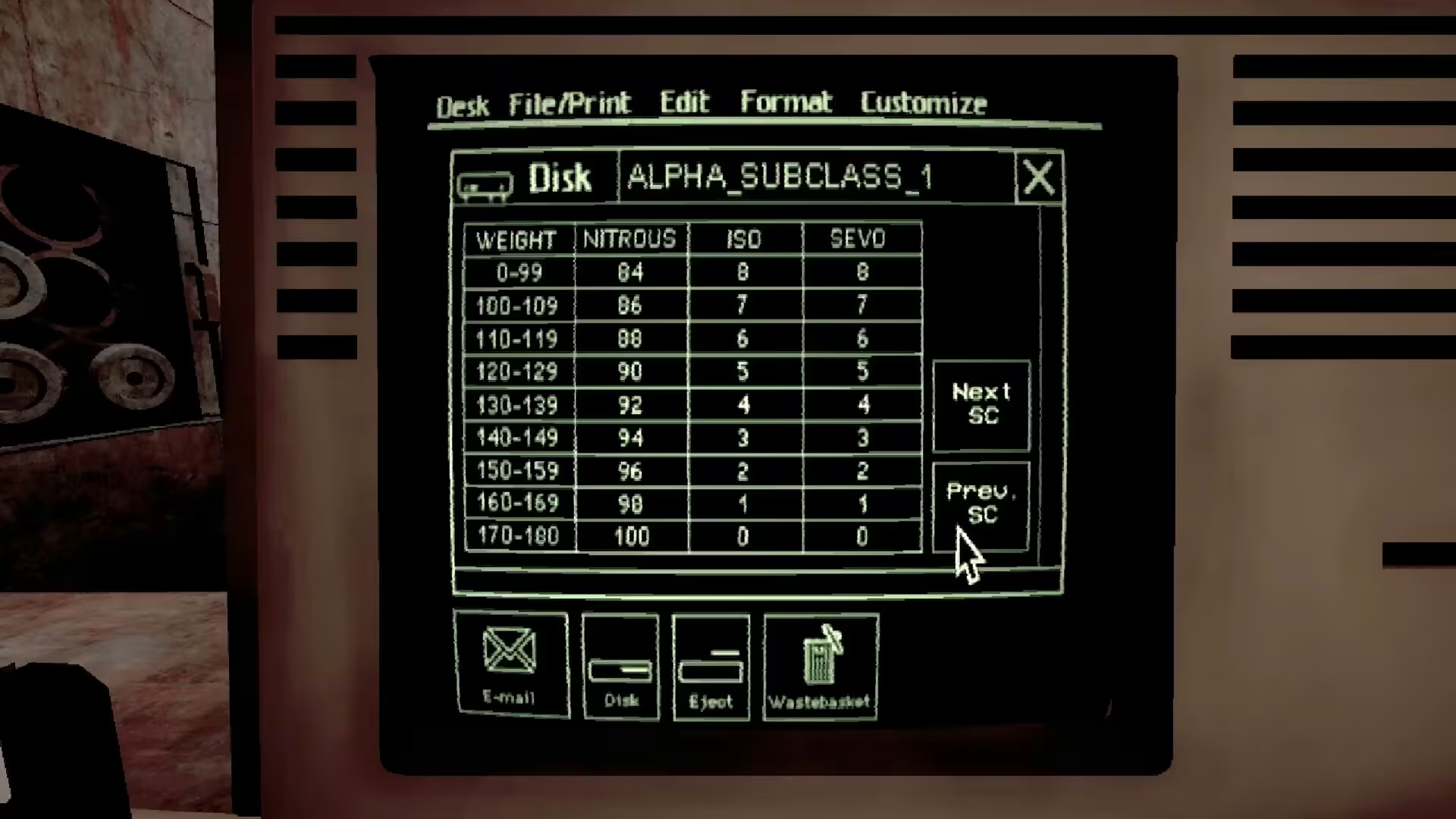
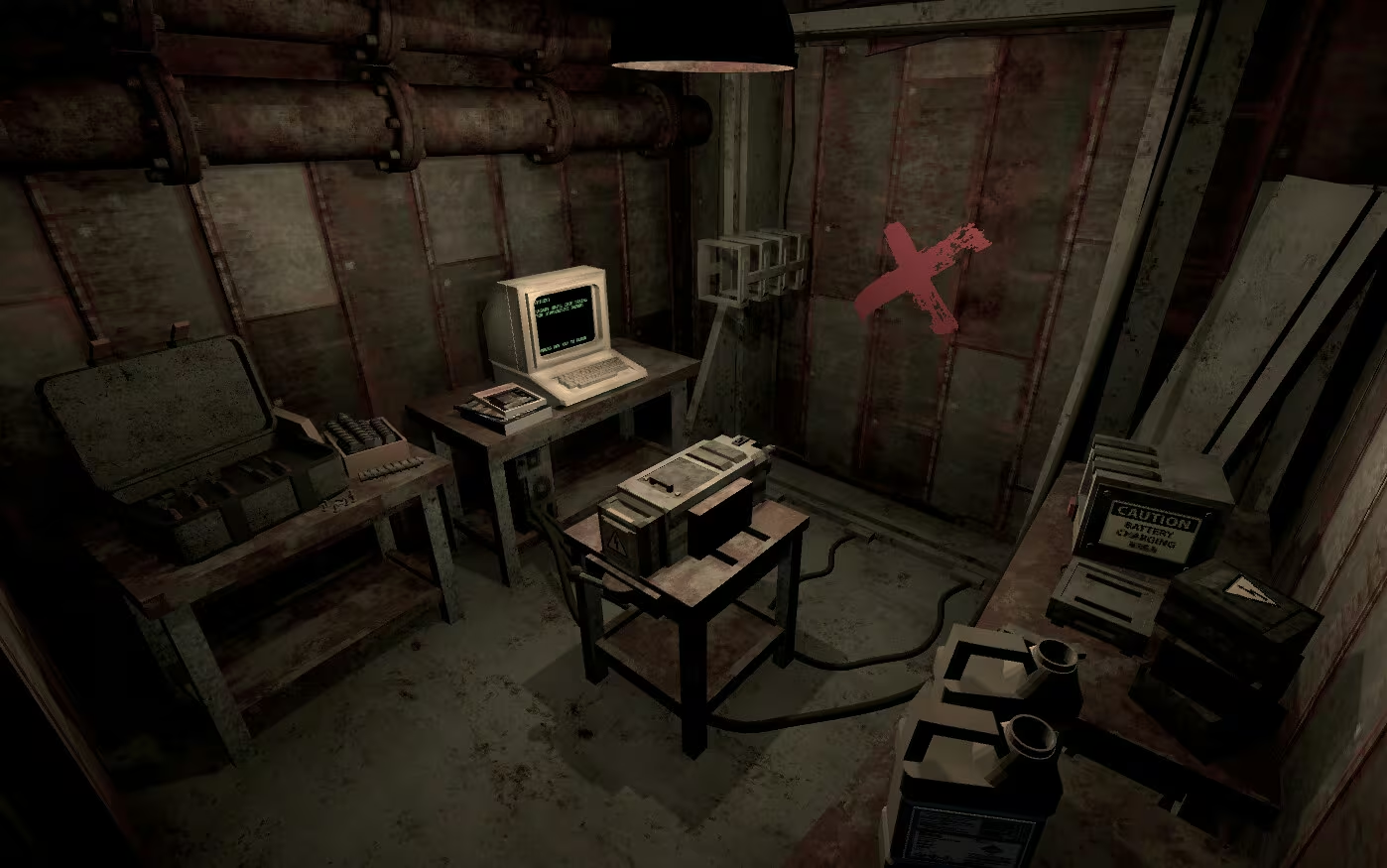
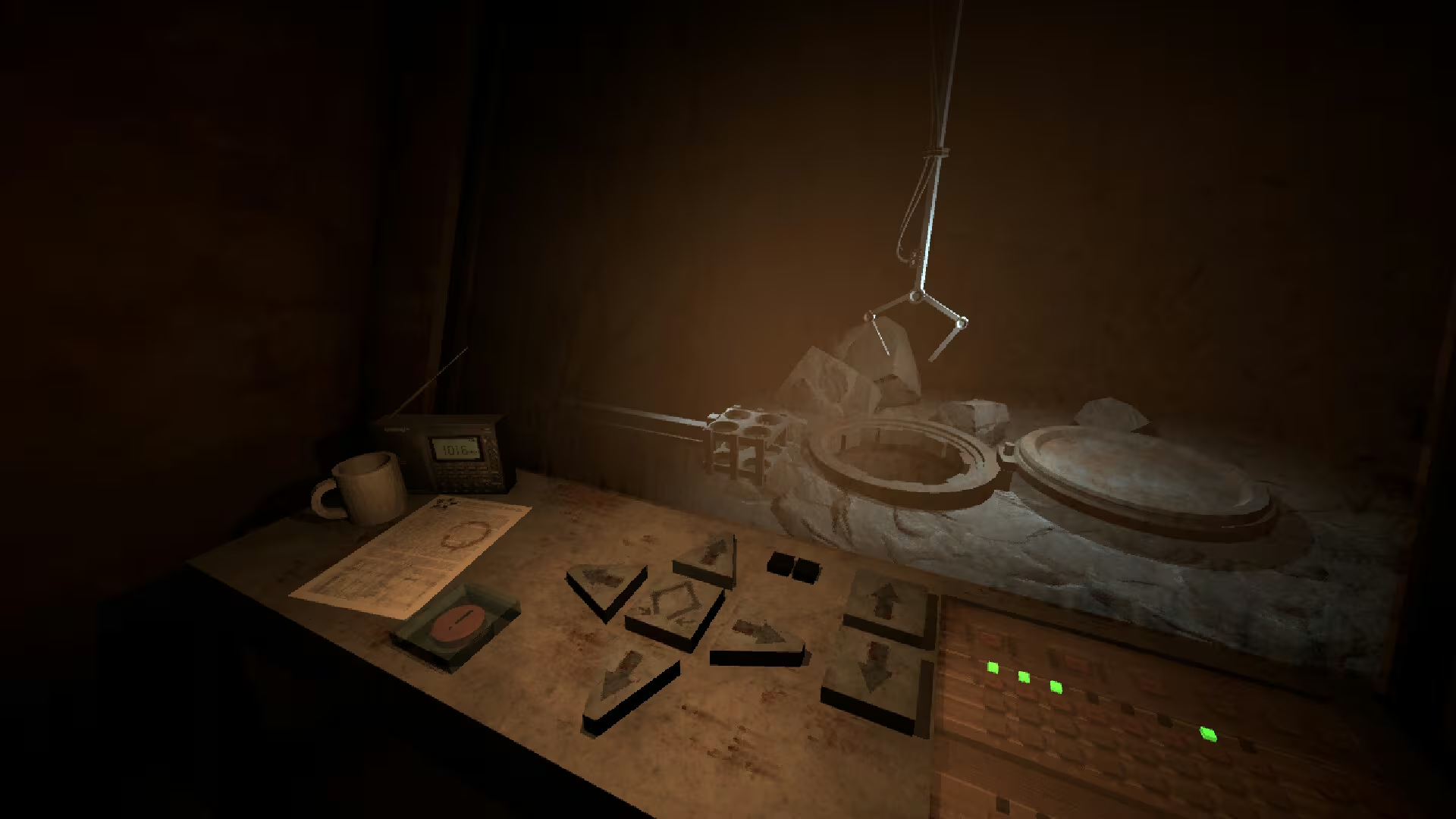
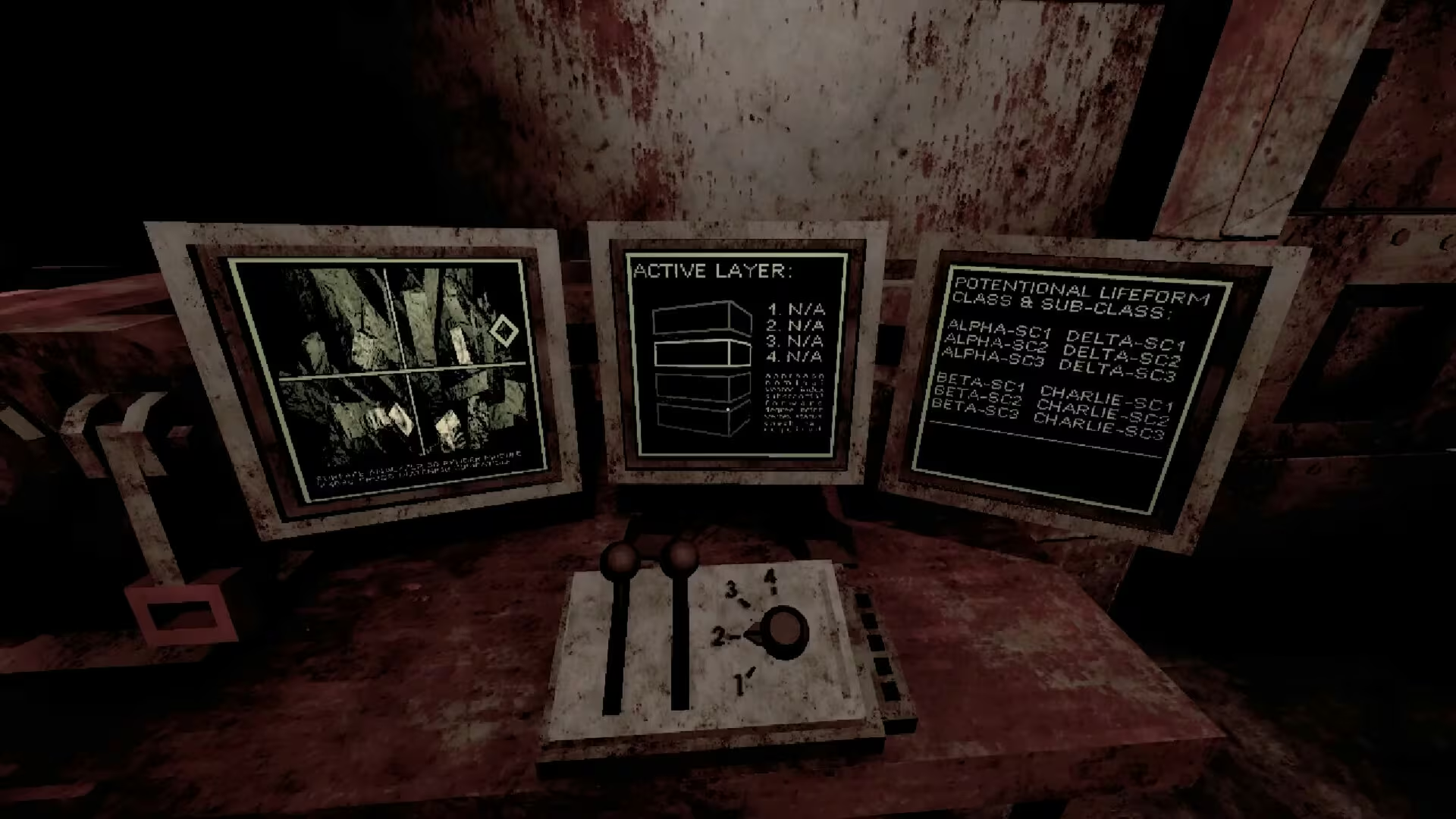
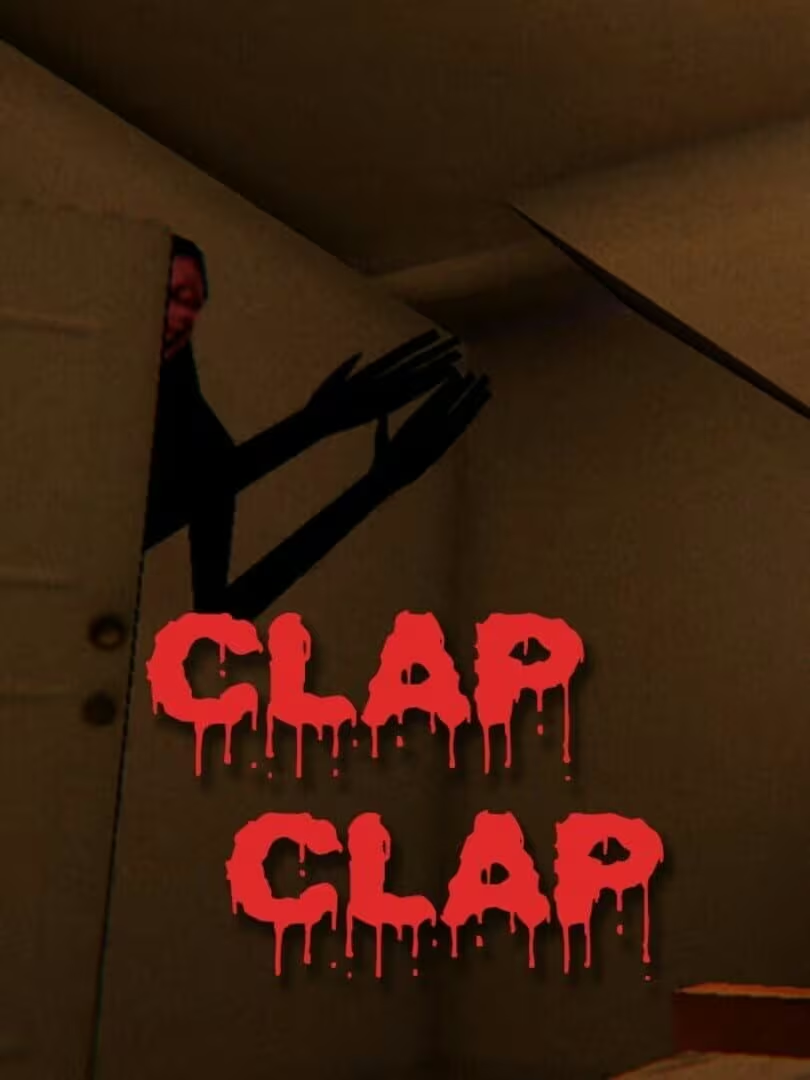
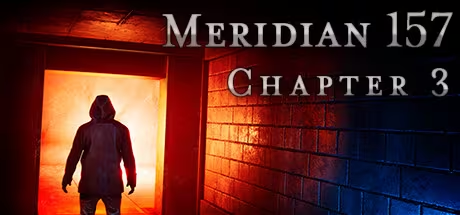
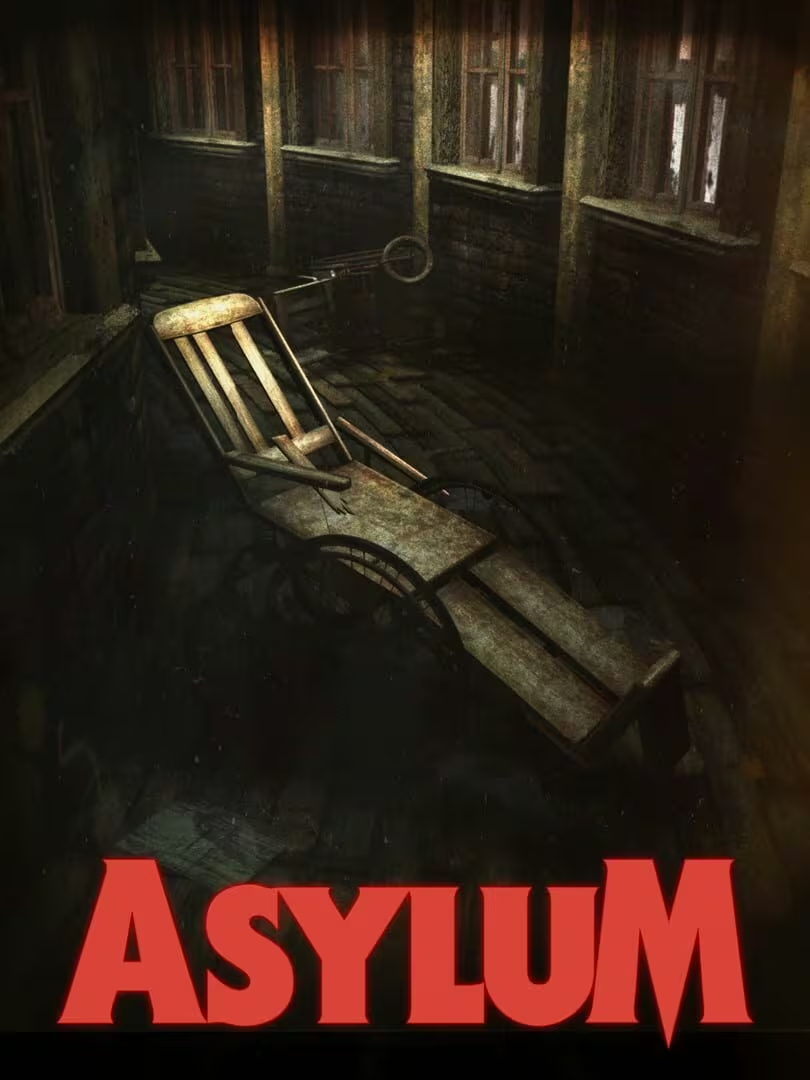
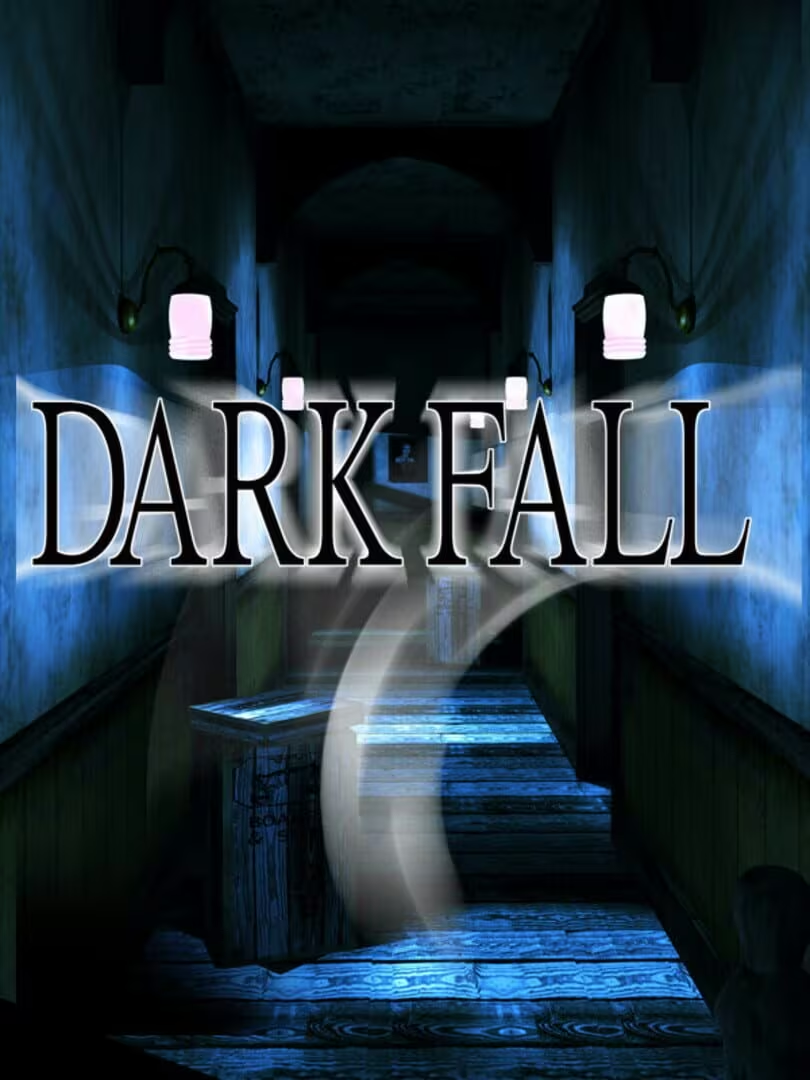
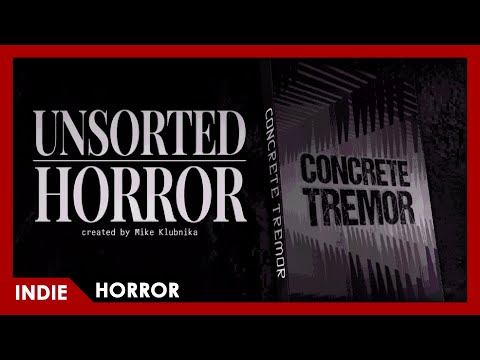
A collection of 5 short first-person horror games, that revolve around detailed machinery and dread.

Global score

98/100

Genres

Simulator, Puzzle

Similar games

    Pros

    • Highly creative and atmospheric horror experiences
    • Engaging puzzle and machinery mechanics
    • Free to play with excellent value
    • Short, digestible game lengths
    • Strong narrative and sound design

    Cons

    • Very short game length limits depth
    • Some games less engaging or confusing
    • Lack of customization or social features
    • No replayability beyond initial playthrough
    • Minor bugs and ui issues reported

    Analysis

    Less representative of its motivational profile, with noticeable differences. Motivations that often define this kind of title include Relaxation, Survival, Violence, Fellowship. Here, the score leans higher than usual among comparable games on Creativity. It leans lower than usual among comparable games on Violence, Expression.

    How to use the graph
    Similar games map

    Each dot is a game. They are arranged from the same motivation profile as in the “Motivations” section below. Closer dots usually mean more similar reasons to play (exploration, competition, relaxation, etc.)—not that one game is “better” than another.

    • Larger dot with a light outline: the game you are viewing.
    • Colour: groups of games with comparable motivation patterns (statistical clusters).
    • Hover a dot to see the game name; click to open its page.
    • Scroll or double-click the chart to zoom out and see more games.

    Why don’t the axes read like a score? This view uses t-SNE: it only keeps who is close to whom. The scales are not “good to bad” or hours played—they separate groups on the map. Read distance between dots, not the axis numbers.

    Motivations

    • Autonomy
      3

      "Players engage in puzzle-solving and machinery operation with some freedom to experiment and learn mechanics without heavy hand-holding."

    • Competence
      4

      "Games require learning and mastering various mechanical tasks under time pressure, providing skill challenges and feedback."

    • Competition
      -4

      "Focus is on individual experience and personal puzzle solving without leaderboards or player versus player elements."

    • Continuation
      2

      "Players often play all five short games in one sitting and express desire for more content, though each game is brief."

    • Cooperation
      -5

      "All games are single-player experiences with no cooperative or multiplayer elements."

    • Creativity
      5

      "Highly creative with unique dystopian horror themes, inventive mechanics, and atmospheric storytelling across distinct short games."

    • Domination
      -5

      "No elements of exerting control or superiority over others; gameplay is solitary and exploratory."

    • Escapism
      4

      "Strong atmospheric horror and tension provide immersive distraction from real life, with players appreciating the unsettling experience."

    • Expectation
      -5

      "Players engage voluntarily out of interest and intrinsic motivation; no obligation or external pressure noted."

    • Experimenting
      4

      "Players explore and learn mechanics through experimentation with machinery and tools without explicit instructions."

    • Exploration
      2

      "Some discovery of game mechanics and story elements occurs, though environments are limited and mostly linear."

    • Expression
      -4

      "Minimal customization or personalization; players use preset characters and environments without modification."

    • Fantasy
      3

      "Games present dystopian sci-fi and surreal horror scenarios with imaginative fiction rather than realistic settings."

    • Fellowship
      -5

      "No social or community features; entirely solo play with limited social interaction."

    • Growth
      3

      "Players develop skills in managing complex machinery and puzzles, learning through trial and error."

    • Health
      -5

      "Sedentary gameplay with no physical activity or health-related features."

    • Idle
      -3

      "Games require focused attention during short sessions; no background or idle play indicated."

    • Intimacy
      -5

      "No close relationships or emotional social interactions; solitary gameplay experience."

    • Leadership
      -5

      "No leadership or group management roles; players act independently."

    • Progression
      2

      "Some progression through story and puzzle completion, but limited item accumulation or upgrades."

    • Relaxation
      -3

      "Gameplay involves tension and time pressure, creating stress rather than relaxation or flow."

    • Sensation
      3

      "Strong atmospheric audio-visual design creates sensory stimulation and emotional engagement."

    • Status
      -5

      "No social recognition or status systems; achievements are personal and not socially emphasized."

    • Story
      4

      "Narrative immersion through dystopian and horror stories with intriguing lore and atmosphere."

    • Strategy
      3

      "Players engage in problem solving and planning to manage machinery and complete puzzles under pressure."

    • Thrill
      4

      "Tension and suspense are key elements, with timed challenges and horror atmosphere creating thrills."

    • Value
      5

      "Highly praised free content with quality exceeding expectations, perceived as excellent value for time."

    • Violence
      -3

      "Limited violence; some destructive elements in Concrete Tremor but overall focus on machinery and puzzles."

    • Survival
      3

      "Some games involve avoiding failure under time constraints and managing resources to survive challenges."

    Last update: 29/04/2026