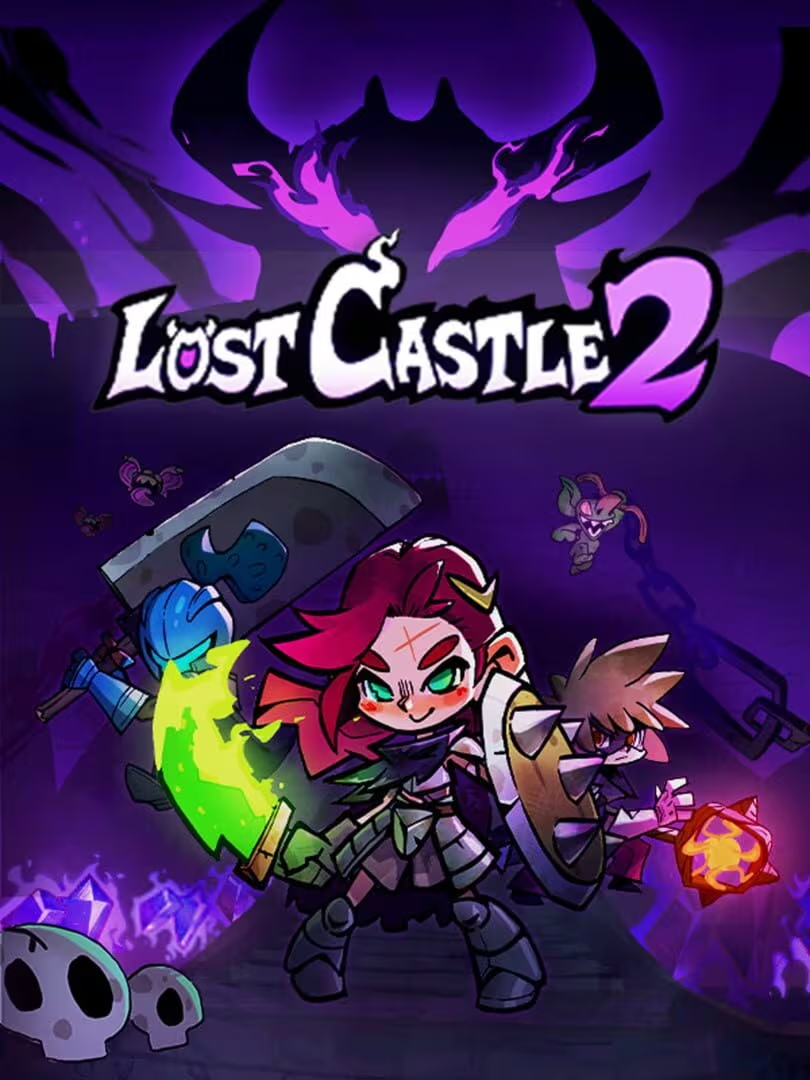
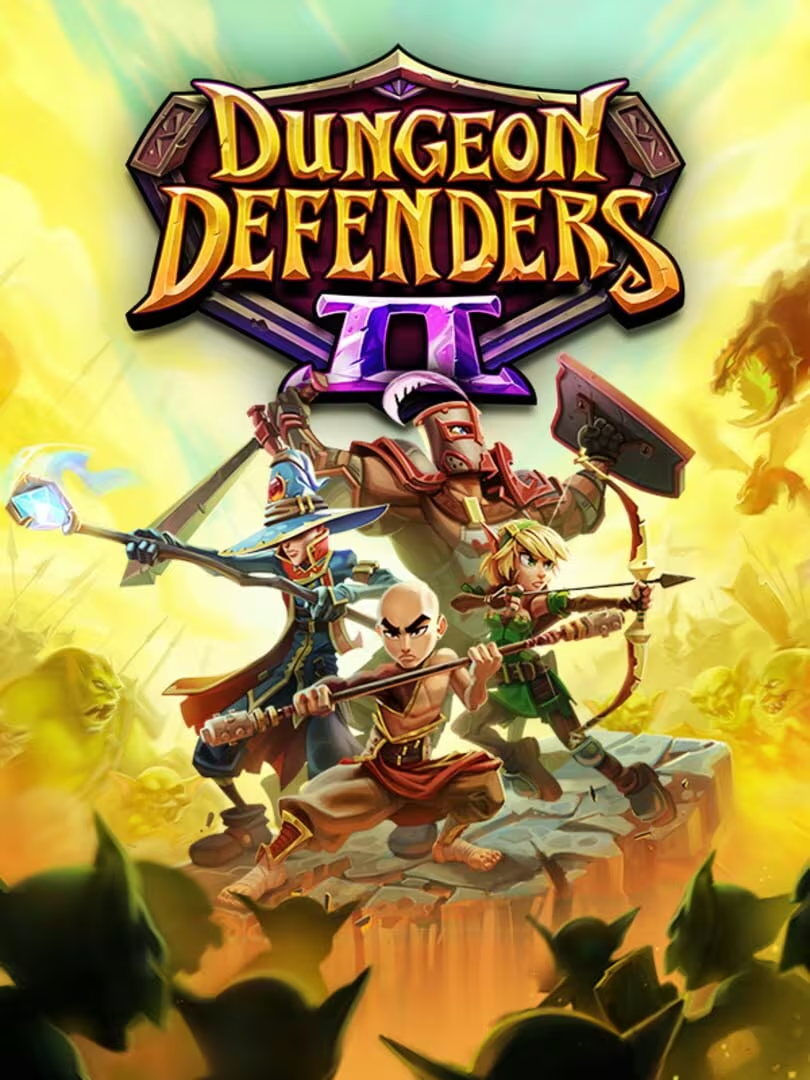
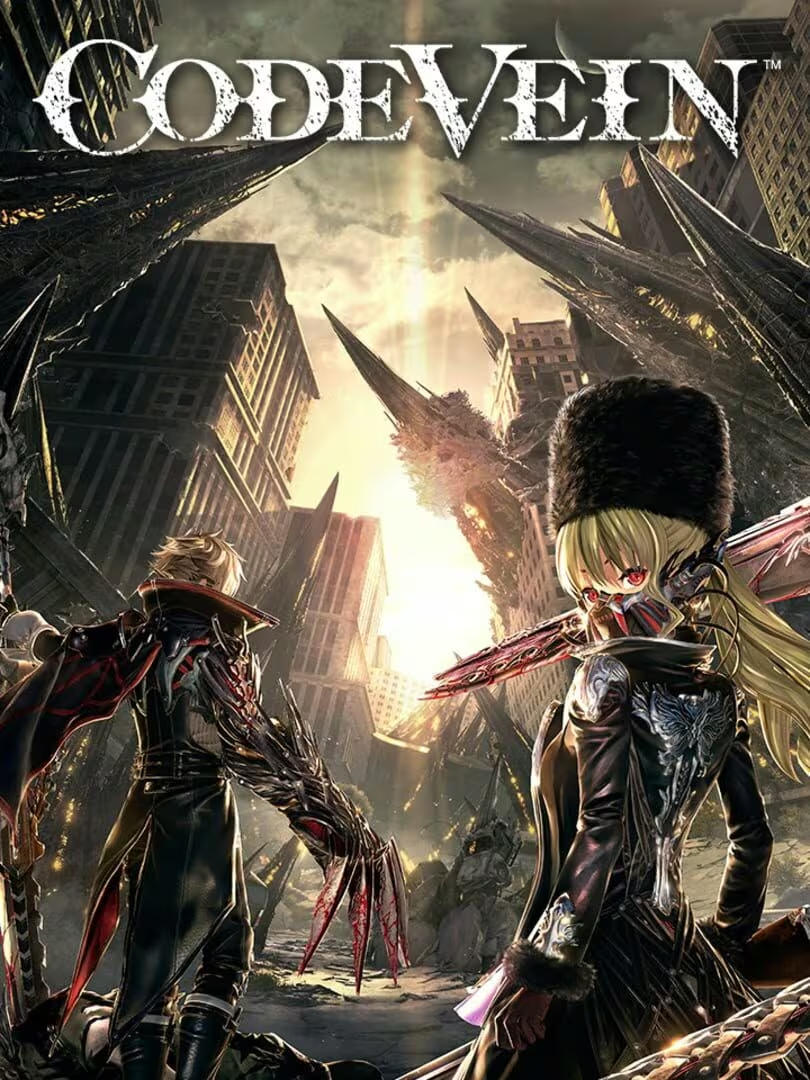
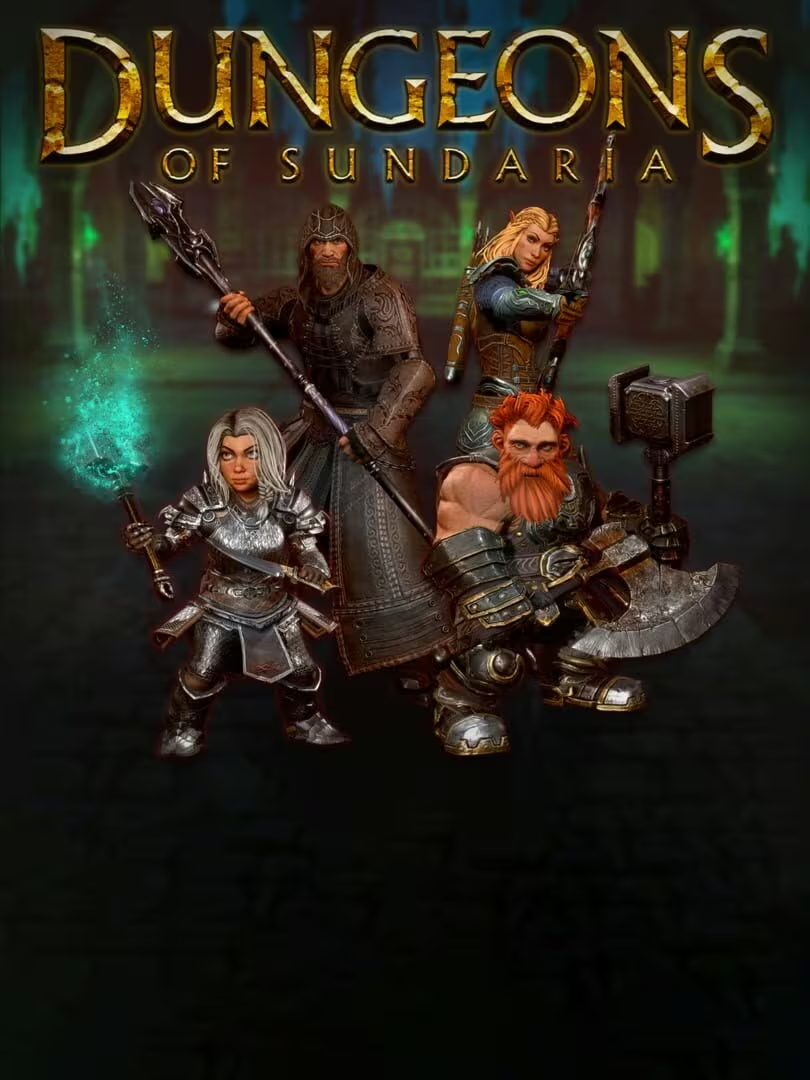
STAR OCEAN THE SECOND STORY R Thumbnail

STAR OCEAN THE SECOND STORY R similar games & best alternatives
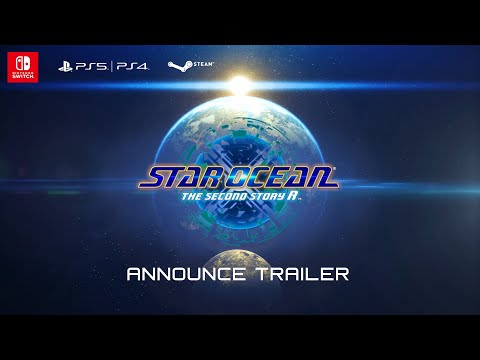
STAR OCEAN THE SECOND STORY R

PC (Microsoft Windows), Nintendo Switch, PlayStation 4, PlayStation 5 • 2023

Related articles

Quick resume

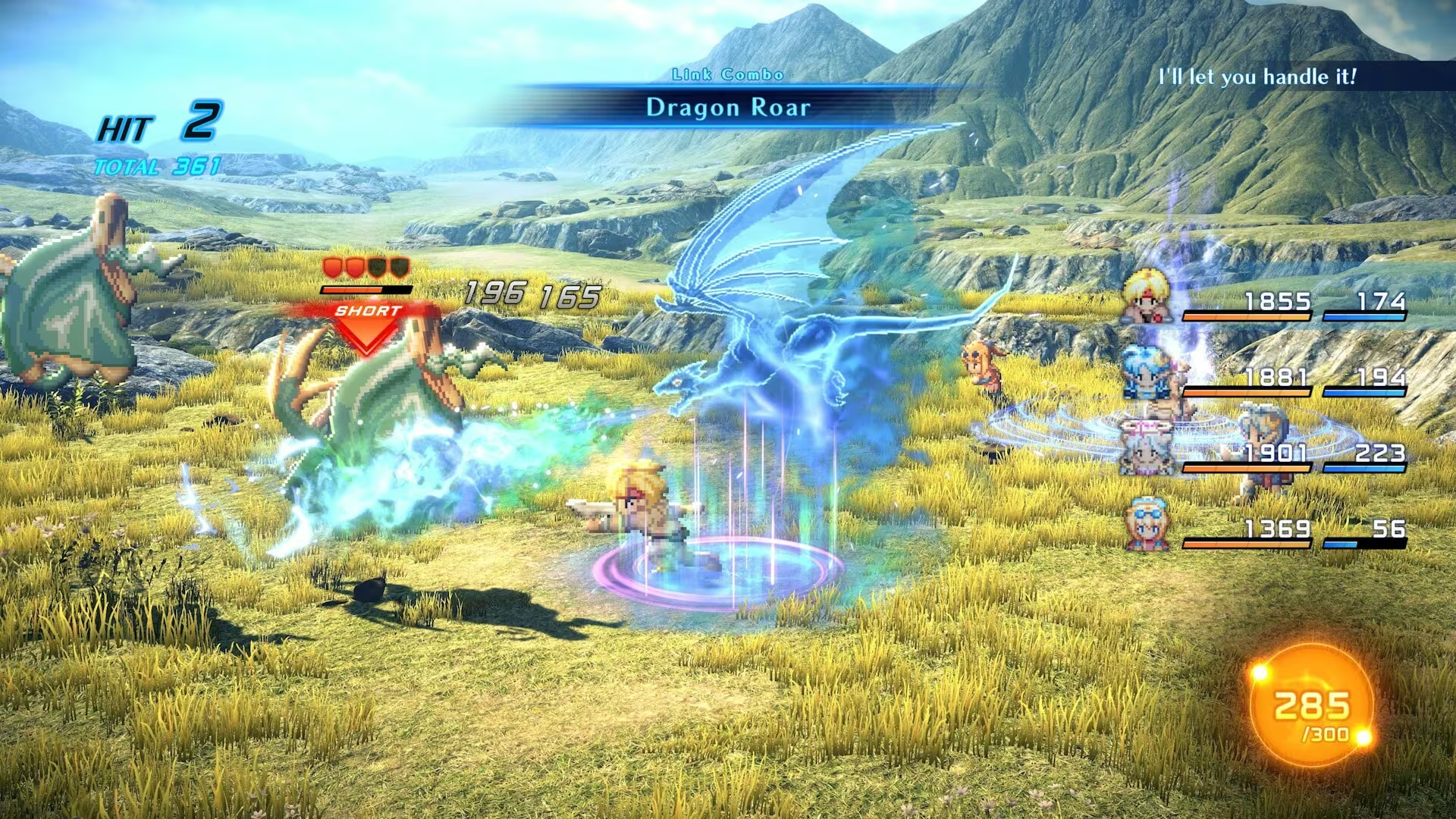
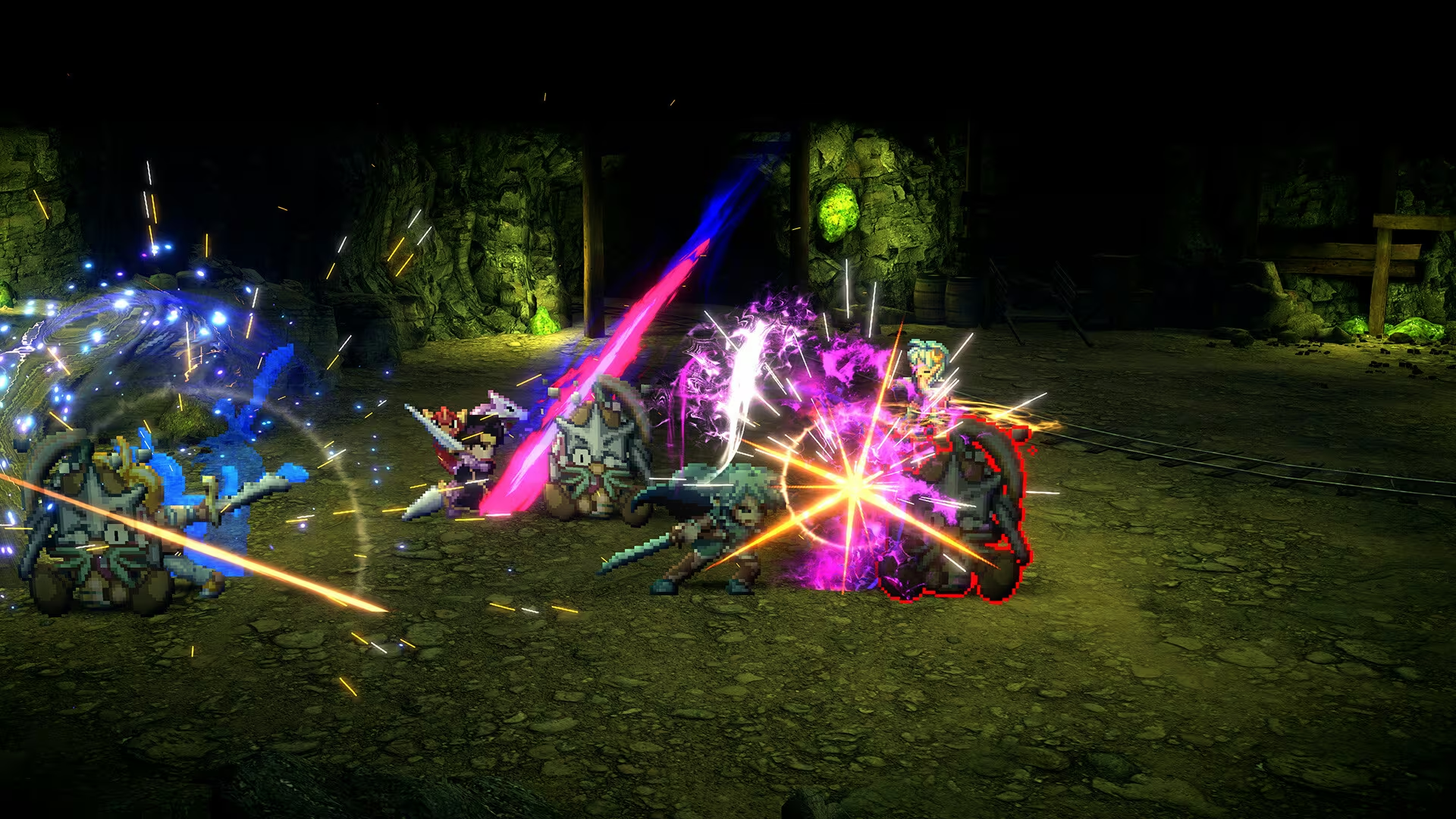
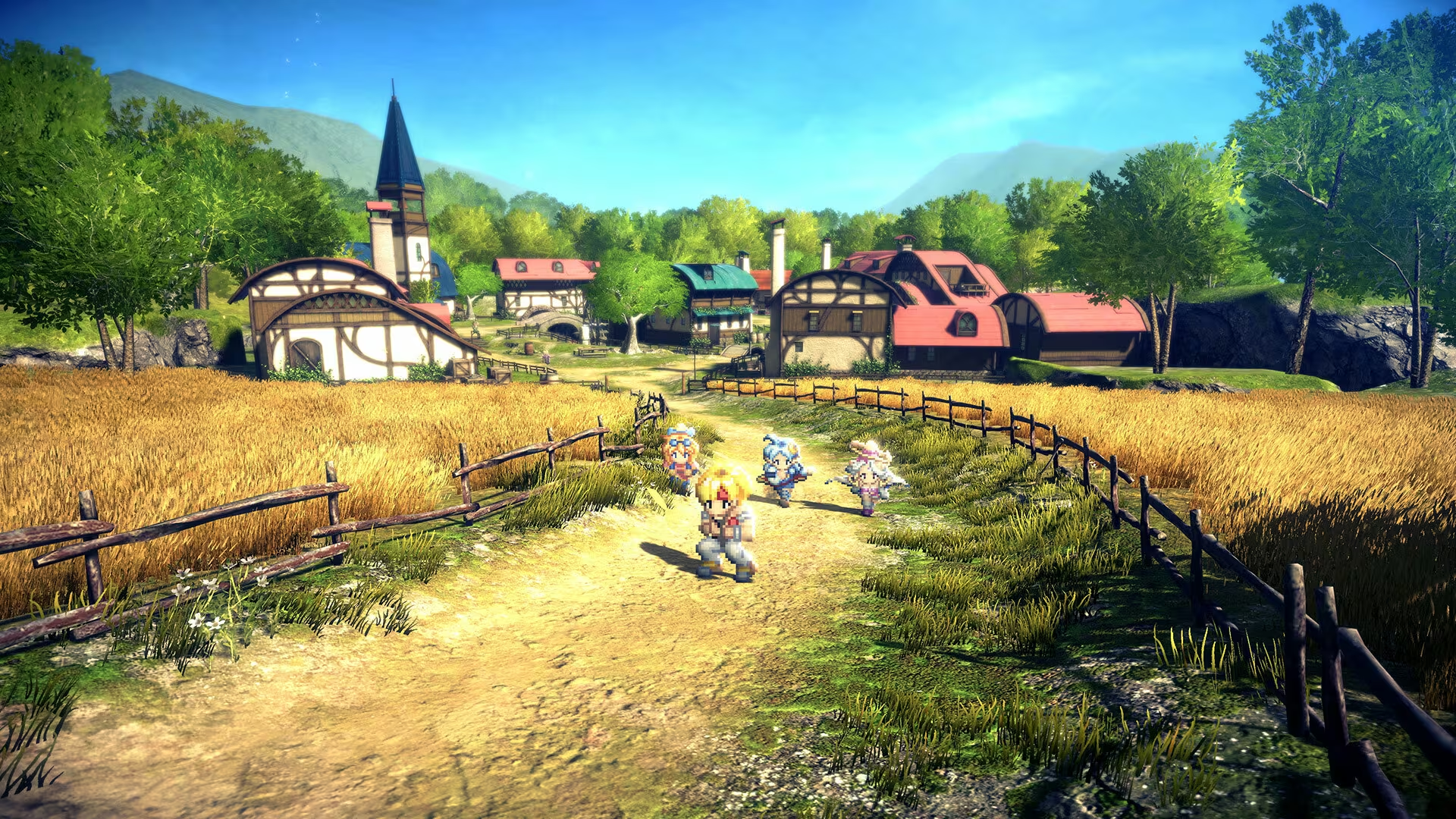
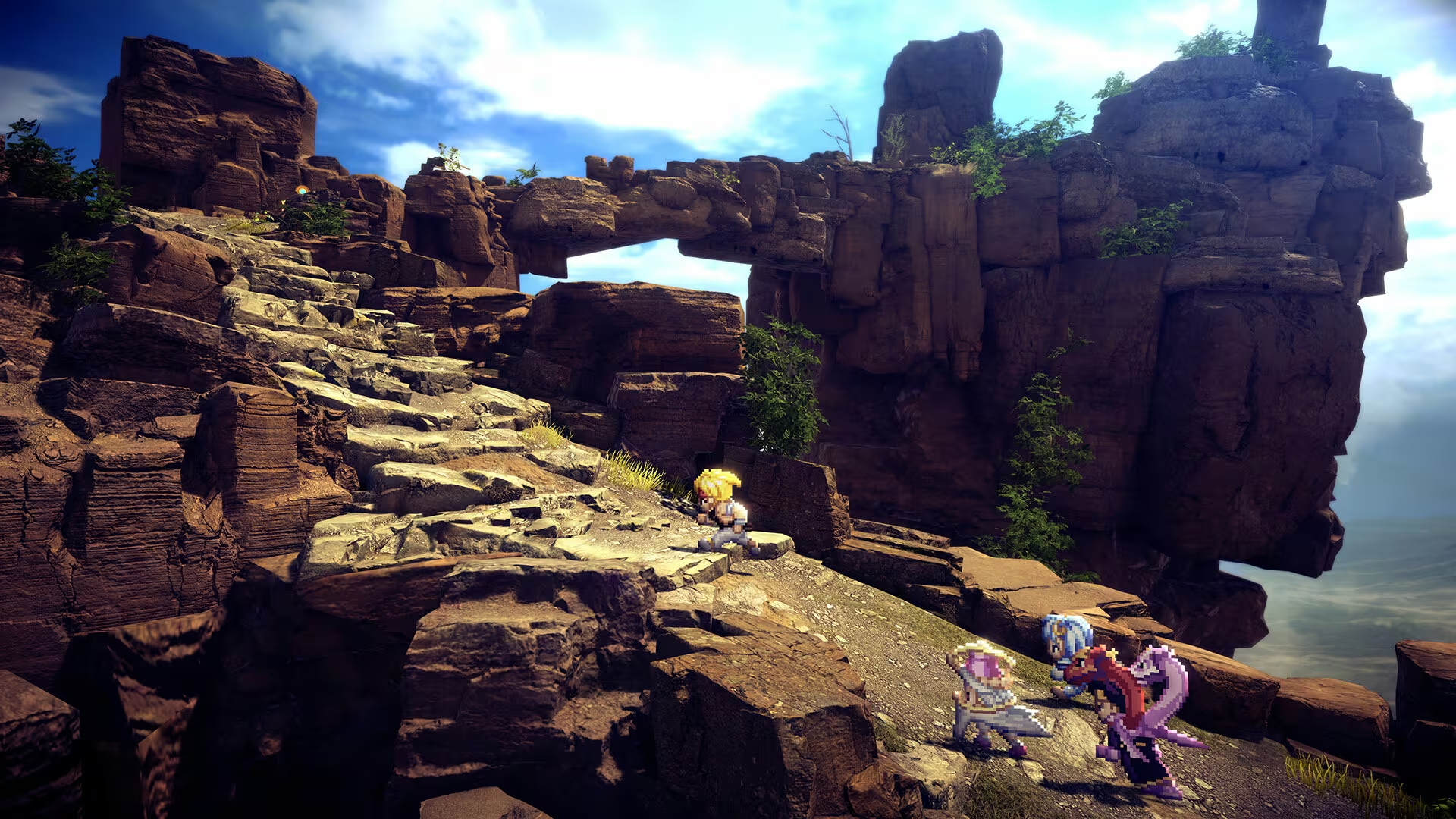
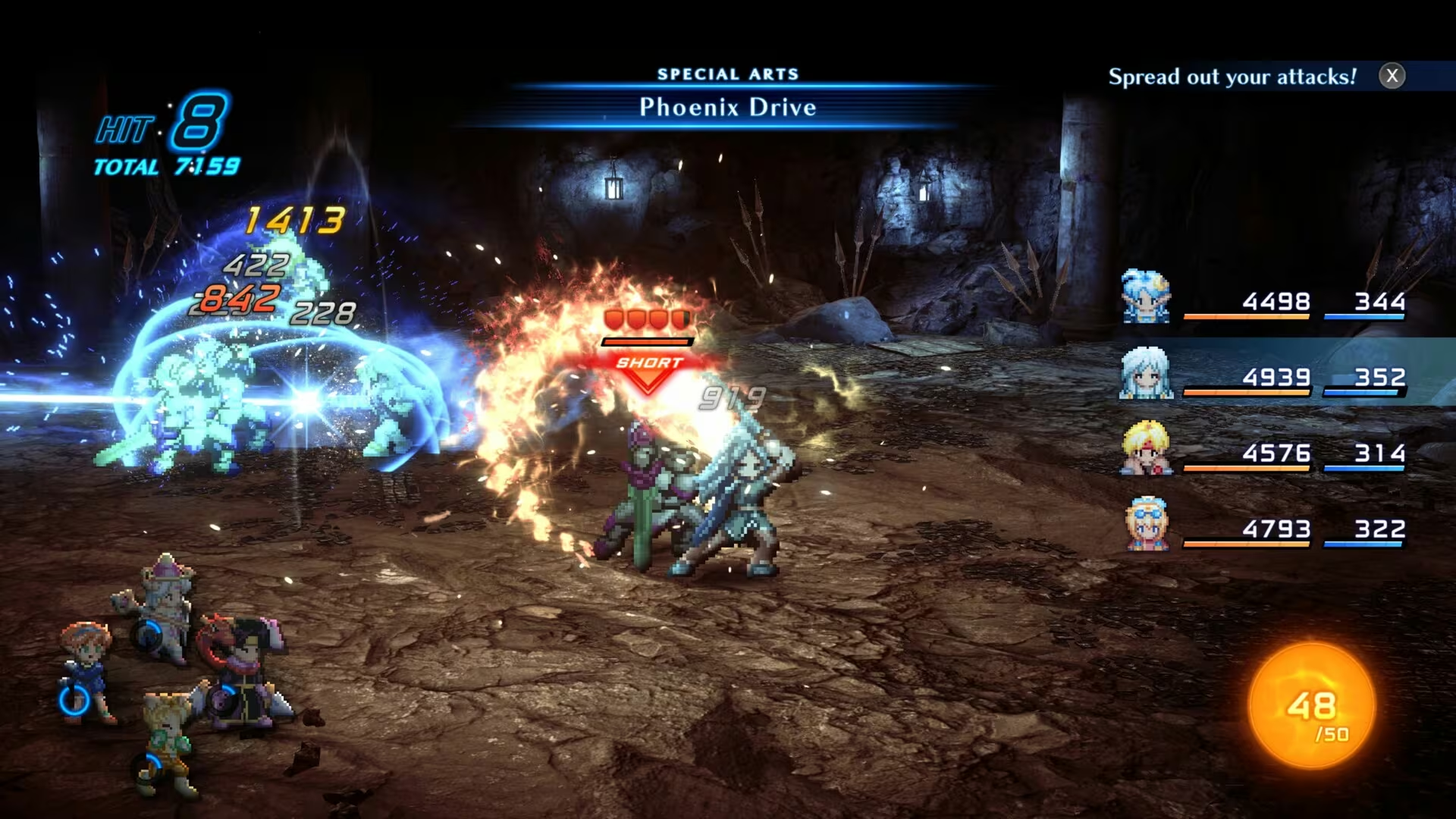
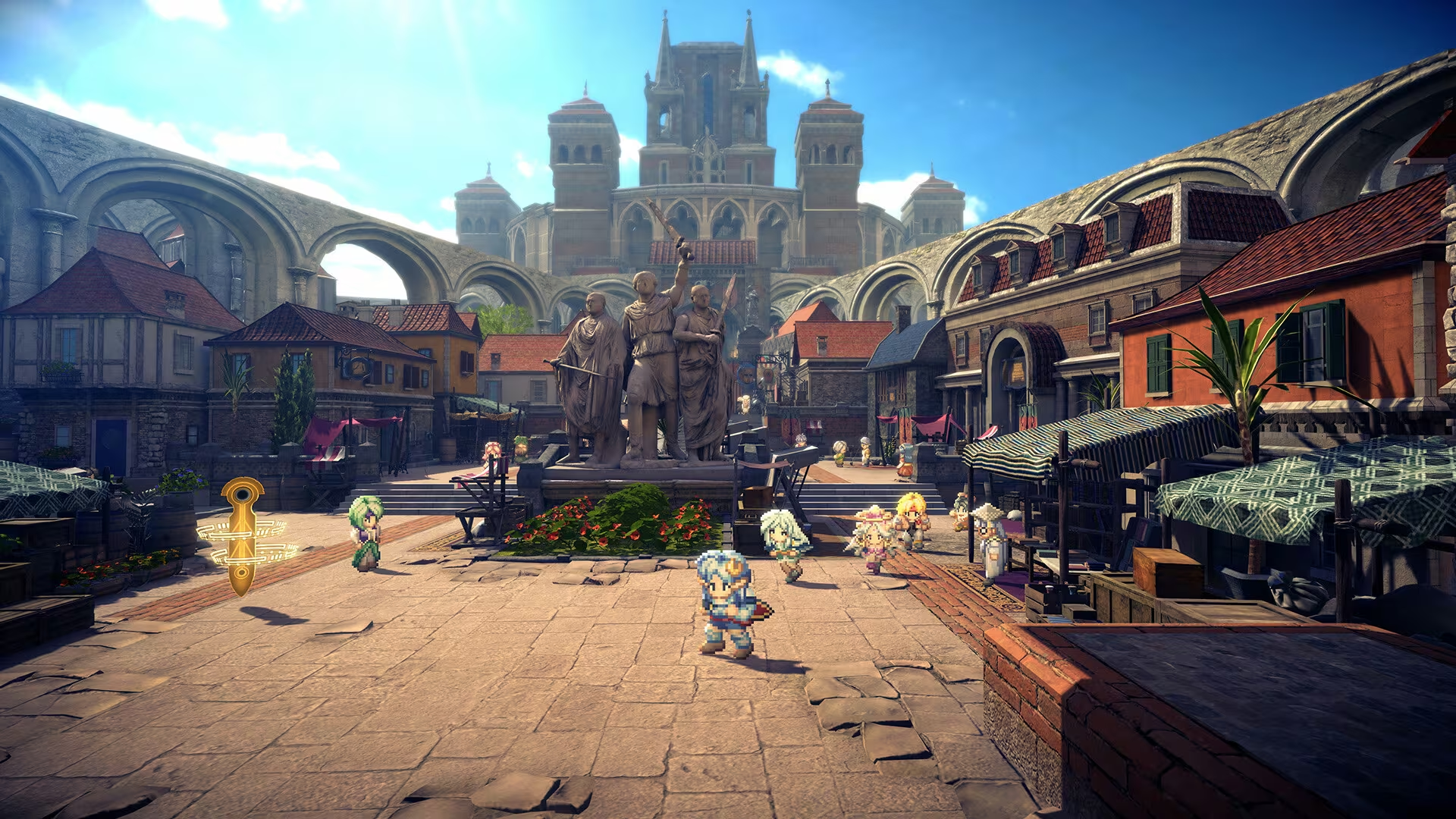
In this science fantasy RPG, choose between Claude or Rena, play through their perspectives, and unlock various endings. Recruit allies and defeat foes in fast paced real-time battles.

Global score

93/100

Genres

Action, Role-playing (RPG), Adventure

Similar games

    Pros

    • Faithful and high-quality remake
    • Deep crafting and skill systems
    • Nostalgic and immersive
    • Quality of life improvements
    • Multiple endings and replayability

    Cons

    • Some voice acting criticized
    • Story considered formulaic by some
    • Combat can be simplistic or uneven
    • Difficulty spikes may frustrate
    • Sedentary gameplay

    Analysis

    Less representative of its motivational profile, with noticeable differences. Motivations that often define this kind of title include Cooperation, Fellowship, Intimacy, Leadership. It leans lower than usual among comparable games on Cooperation, Leadership, Fellowship.

    How to use the graph
    Similar games map

    Each dot is a game. They are arranged from the same motivation profile as in the “Motivations” section below. Closer dots usually mean more similar reasons to play (exploration, competition, relaxation, etc.)—not that one game is “better” than another.

    • Larger dot with a light outline: the game you are viewing.
    • Colour: groups of games with comparable motivation patterns (statistical clusters).
    • Hover a dot to see the game name; click to open its page.
    • Scroll or double-click the chart to zoom out and see more games.

    Why don’t the axes read like a score? This view uses t-SNE: it only keeps who is close to whom. The scales are not “good to bad” or hours played—they separate groups on the map. Read distance between dots, not the axis numbers.

    Motivations

    • Autonomy
      4

      "Players have freedom to choose protagonist, party members, crafting, and skill development, allowing personal direction."

    • Competence
      4

      "Game offers deep skill systems, crafting, and combat mastery with feedback and challenges, rewarding player effectiveness."

    • Competition
      -2

      "Focus is mainly on personal progression and exploration with limited evidence of direct player-vs-player competition."

    • Continuation
      5

      "Players report long play sessions, multiple playthroughs, and high attachment due to nostalgia and depth."

    • Cooperation
      -1

      "Gameplay centers on individual party management rather than multiplayer cooperation; some party interaction but mostly solo."

    • Creativity
      5

      "Extensive crafting, item creation, character customization, and multiple endings encourage creative play styles."

    • Domination
      -3

      "No evidence of exerting control over others; interactions emphasize equal participation and character relationships."

    • Escapism
      5

      "Strong nostalgic appeal and immersive fantasy world provide escape from real life stresses."

    • Expectation
      -4

      "Players engage voluntarily out of personal desire and nostalgia, not obligation or external pressure."

    • Experimenting
      5

      "Players encouraged to try different party setups, crafting combinations, and skill builds to break or optimize the game."

    • Exploration
      4

      "Game features multiple areas, secrets, and discovery elements with visible enemies and points of interest."

    • Expression
      4

      "Character portraits, voice acting, and customization options allow personal expression within the game."

    • Fantasy
      5

      "Strongly rooted in sci-fi fantasy with imaginative story, characters, and settings."

    • Fellowship
      1

      "Some community and shared enthusiasm among fans, but gameplay is largely solo-focused."

    • Growth
      5

      "Players learn complex systems, develop strategies, and improve skills through gameplay."

    • Health
      -4

      "Typical sedentary gameplay with no physical activity elements."

    • Idle
      -3

      "Requires focused attention and engagement; not designed for idle or background play."

    • Intimacy
      2

      "Character interactions and private actions foster emotional connections, though limited to in-game relationships."

    • Leadership
      -2

      "Players manage party but no evidence of leading other players or groups."

    • Progression
      5

      "Strong emphasis on leveling, item acquisition, crafting, and unlocking multiple endings."

    • Relaxation
      3

      "Players experience flow and enjoyment, though some difficulty spikes cause tension."

    • Sensation
      4

      "Visual and auditory enhancements, including music and voice acting, provide sensory enjoyment."

    • Status
      -2

      "No strong social recognition mechanics; focus is on personal achievement."

    • Story
      3

      "Narrative immersion with character interactions and multiple endings, though story is sometimes formulaic."

    • Strategy
      4

      "Combat and crafting require planning, problem solving, and tactical thinking."

    • Thrill
      2

      "Some difficulty spikes and boss fights provide moments of suspense and excitement."

    • Value
      4

      "Players feel the game offers good return on time invested due to depth and replayability."

    • Violence
      3

      "Combat and battles are central, involving defeating enemies and bosses."

    • Survival
      2

      "Players manage resources and avoid failure in challenging encounters, though not primary focus."

    Last update: 29/04/2026