Outward Definitive Edition Thumbnail

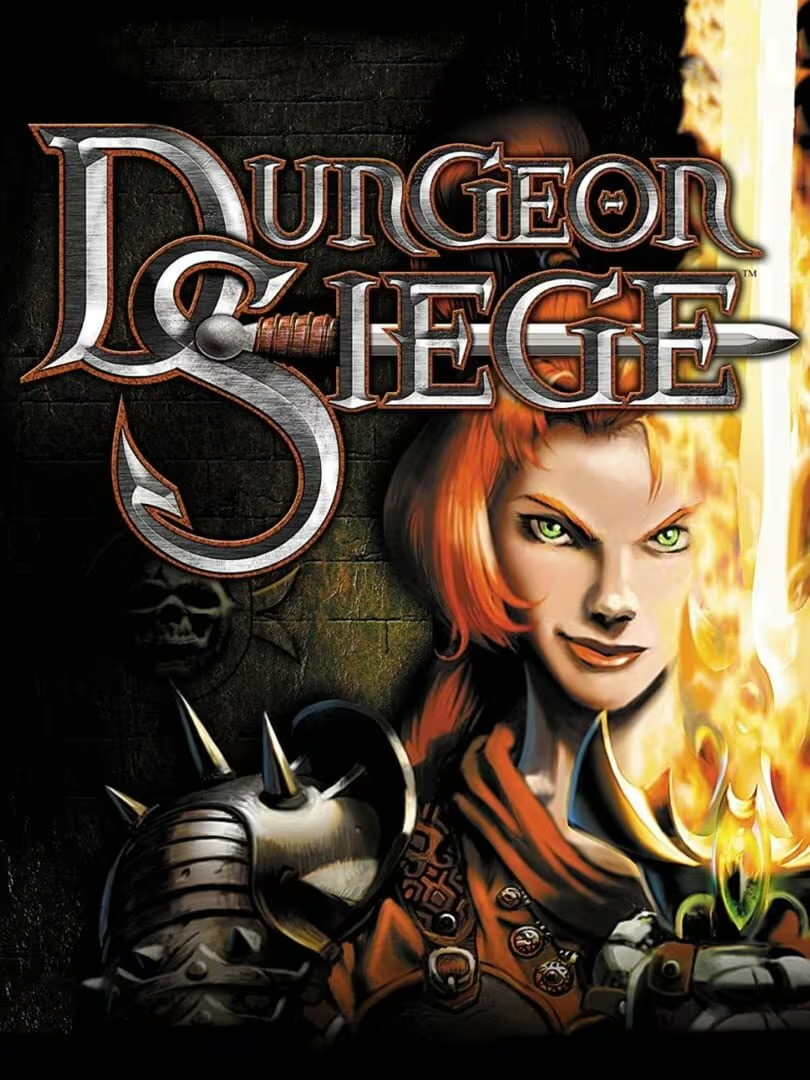
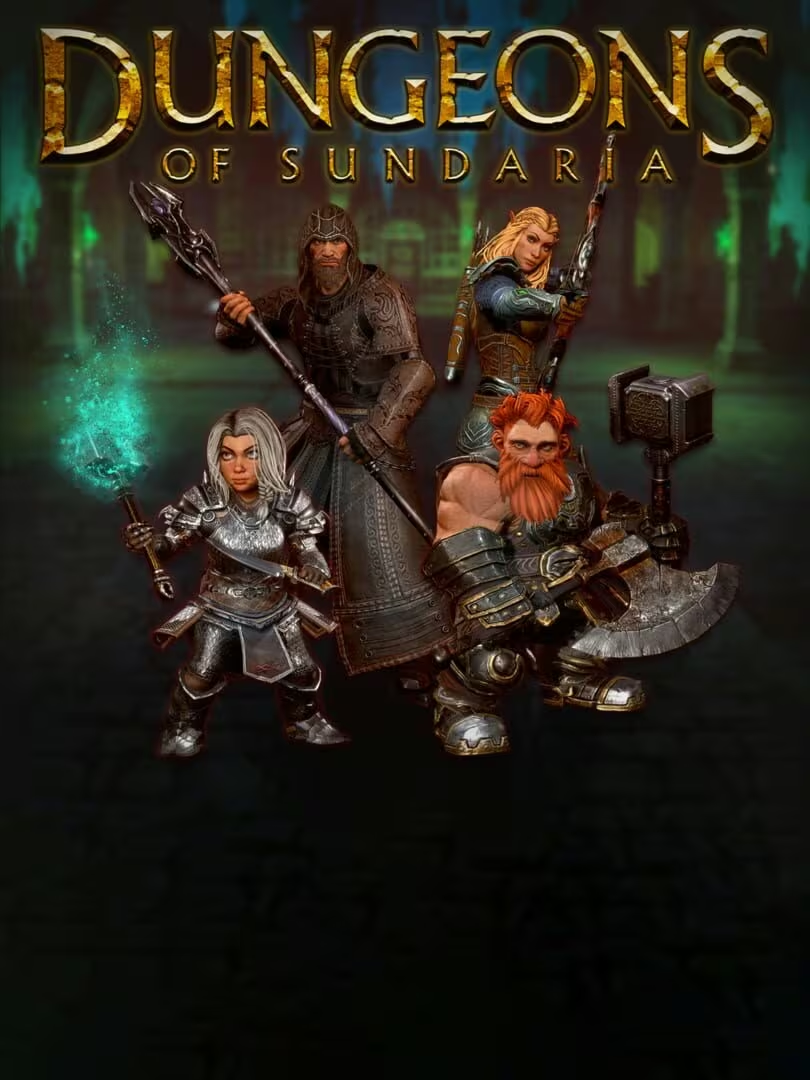
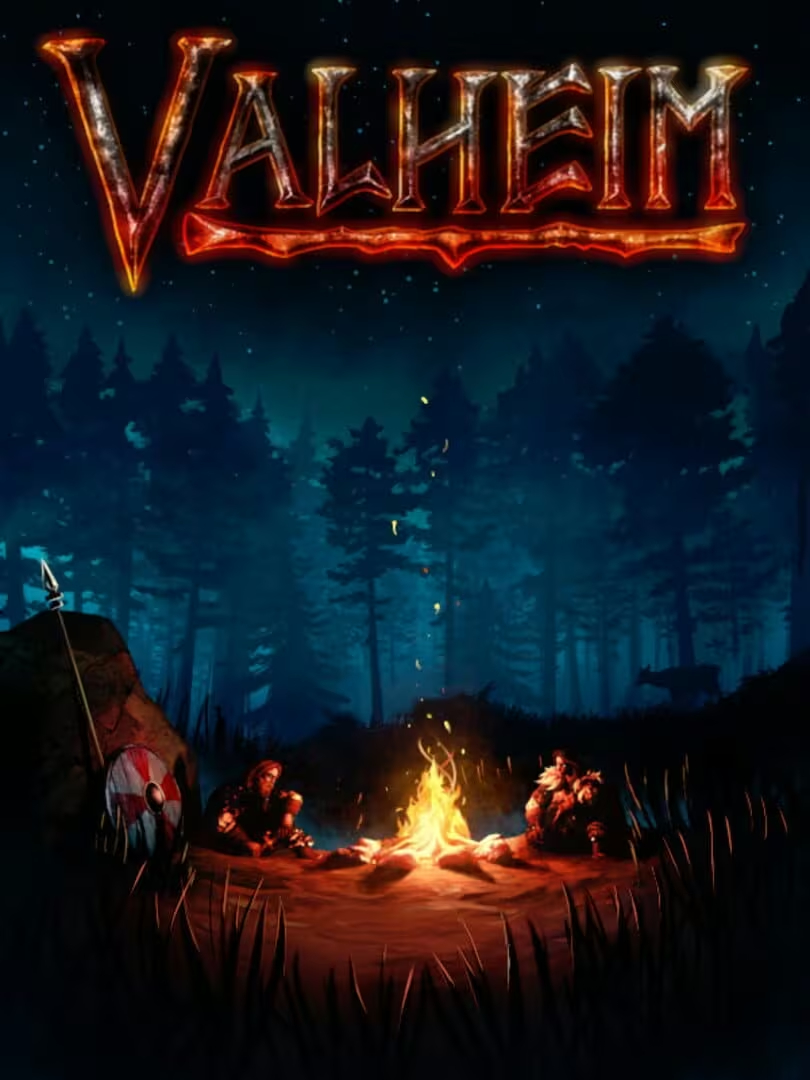
Outward Definitive Edition similar games & best alternatives

Outward Definitive Edition

PC (Microsoft Windows) • 2022

Related articles

Quick resume

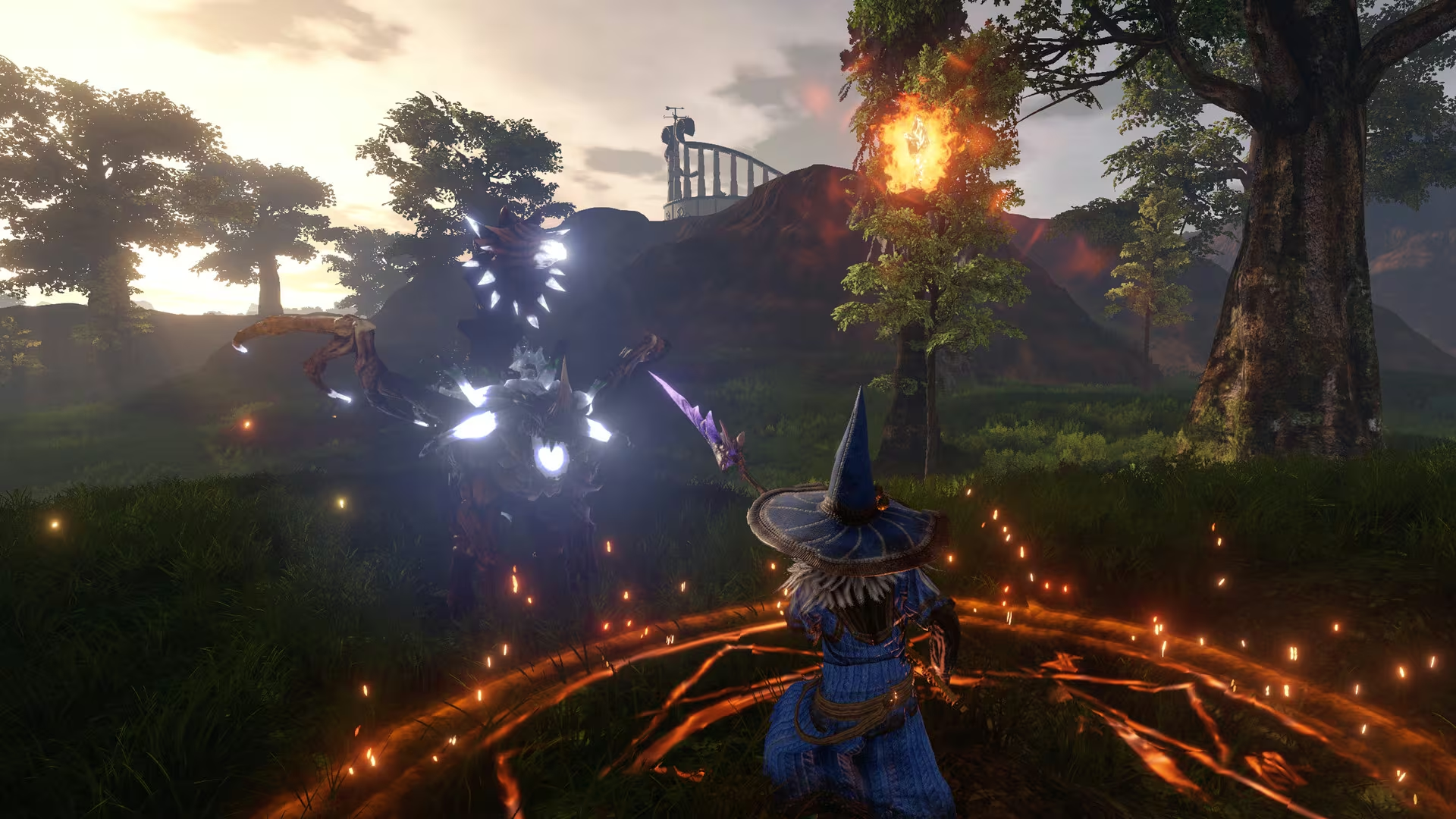
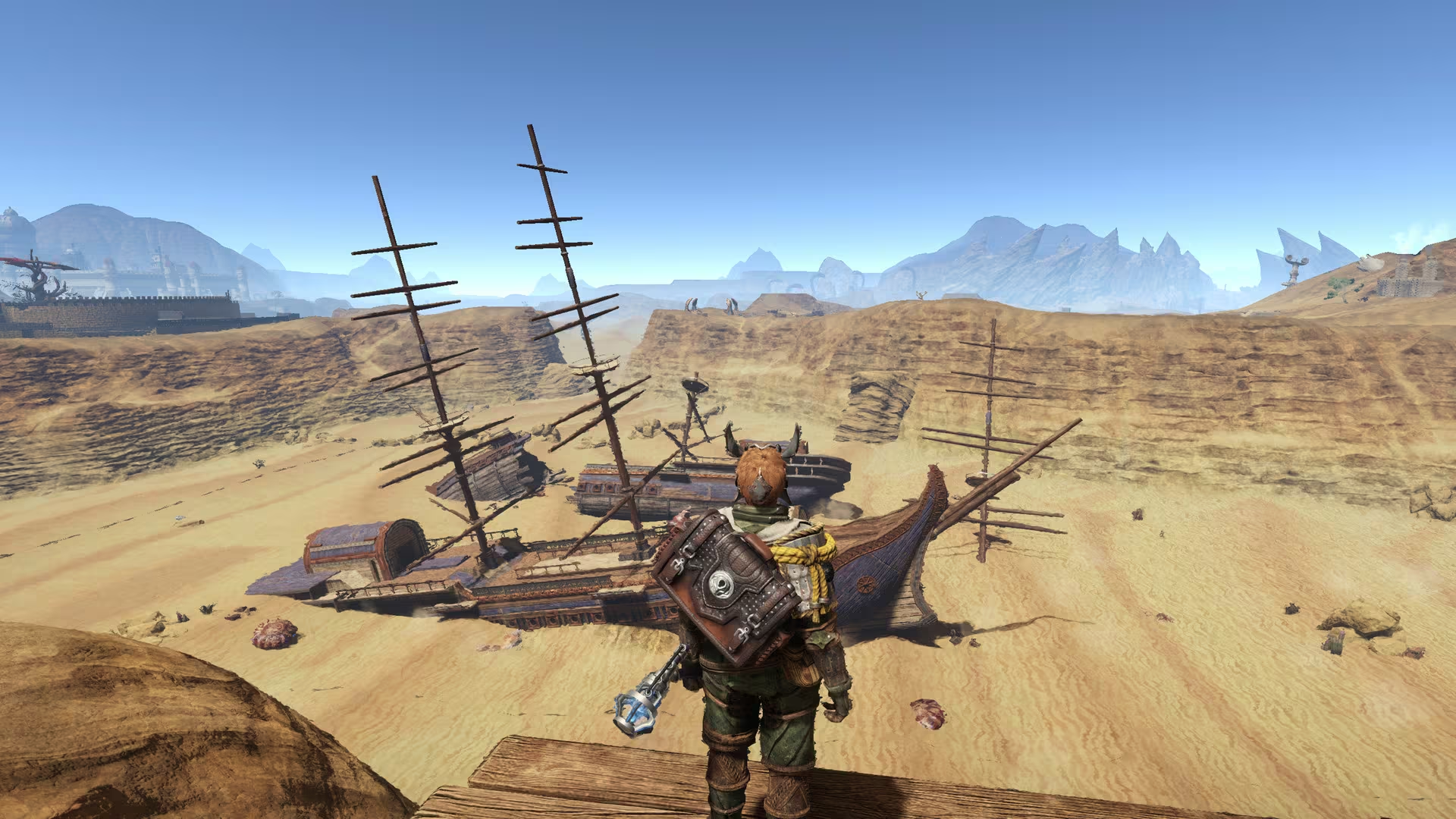
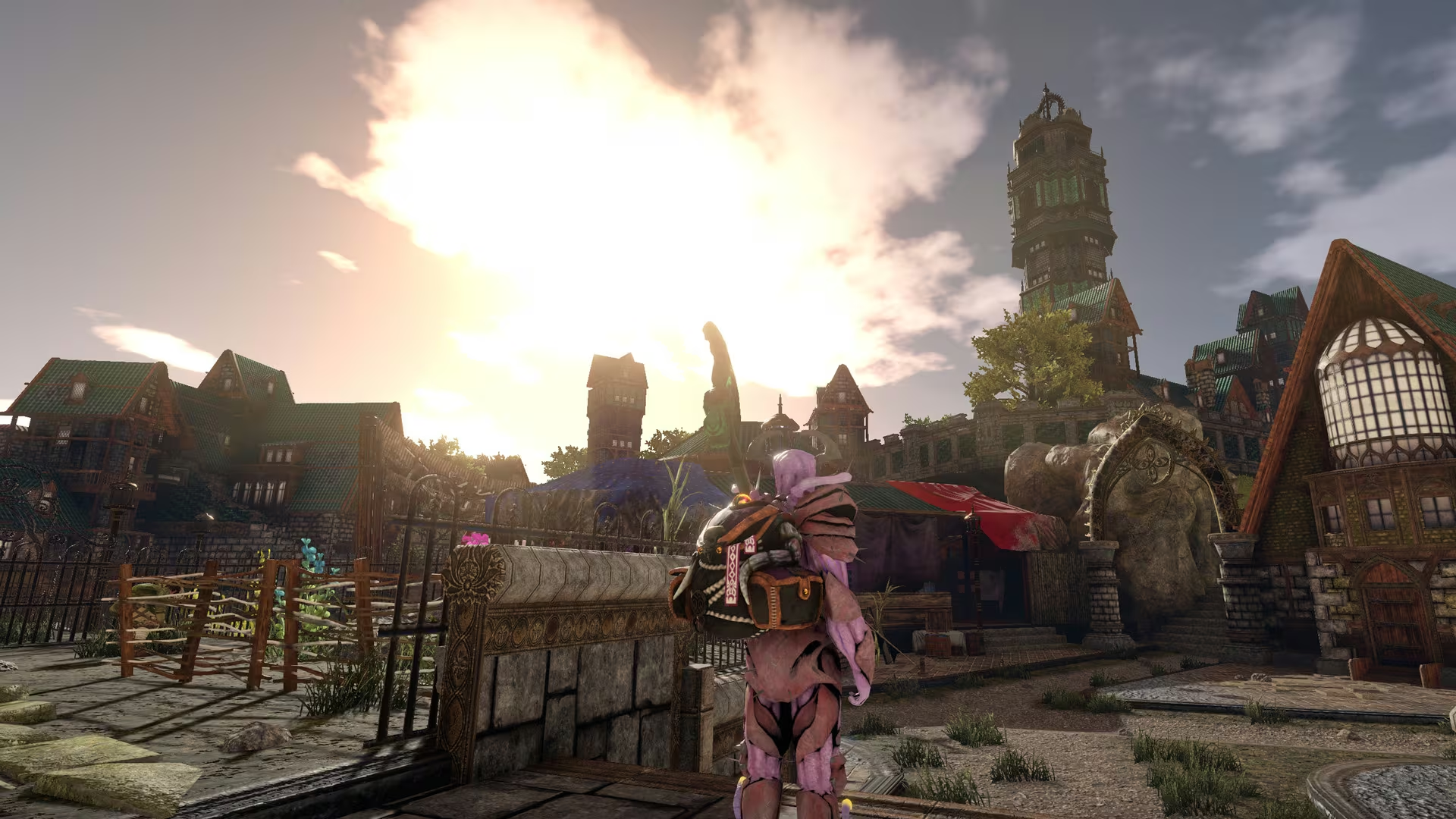
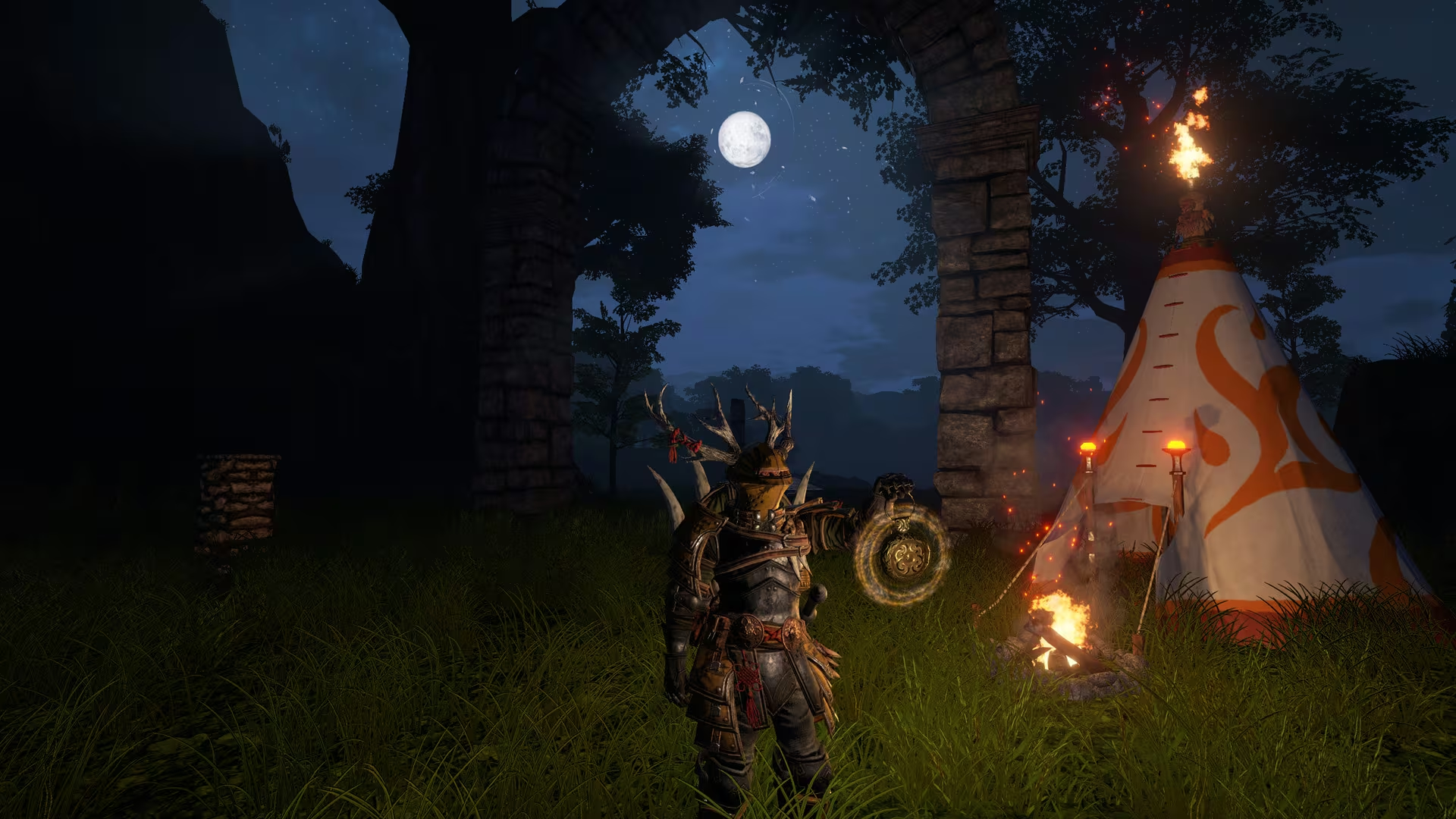
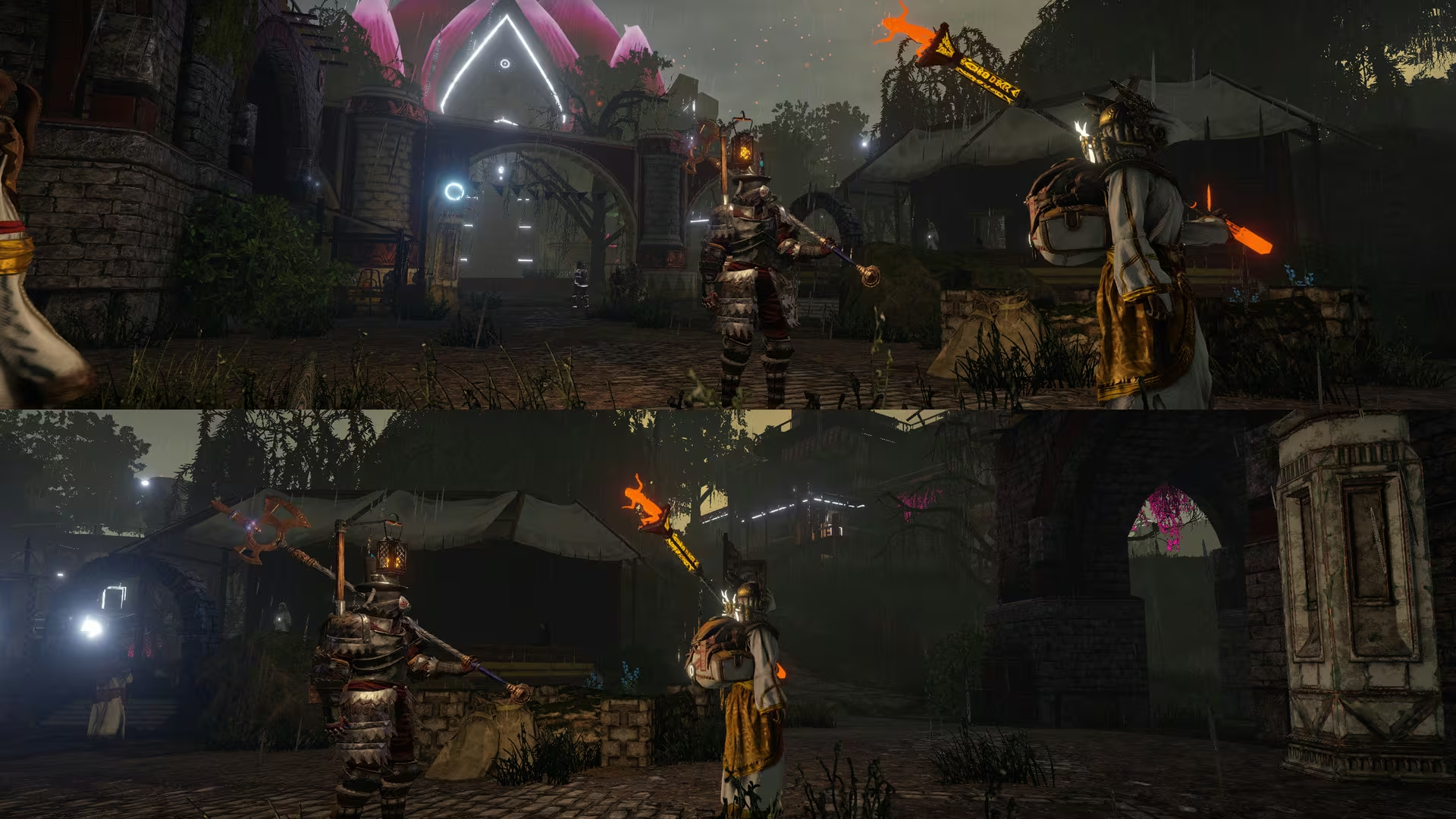
No remarkable journey is achieved without great effort. In Outward, the cold of the night or an infected wound can be as dangerous as a predator lurking in the dark. Explore the vast world of Aurai solo or in Co-op. The Definitive Edition features both DLCs and quality of life improvements.

Global score

73/100

Genres

Role-playing (RPG)

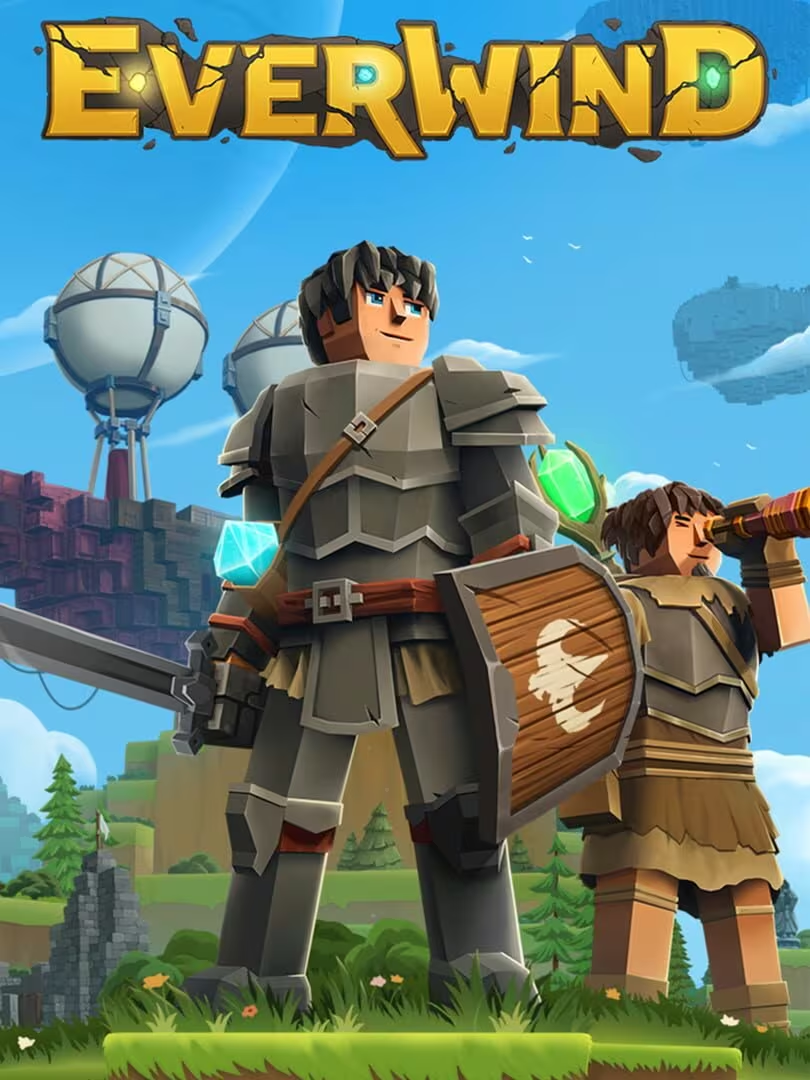
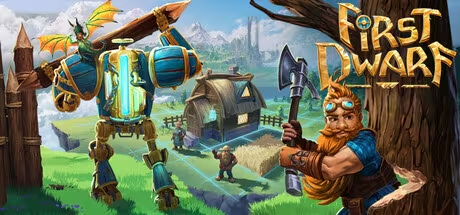
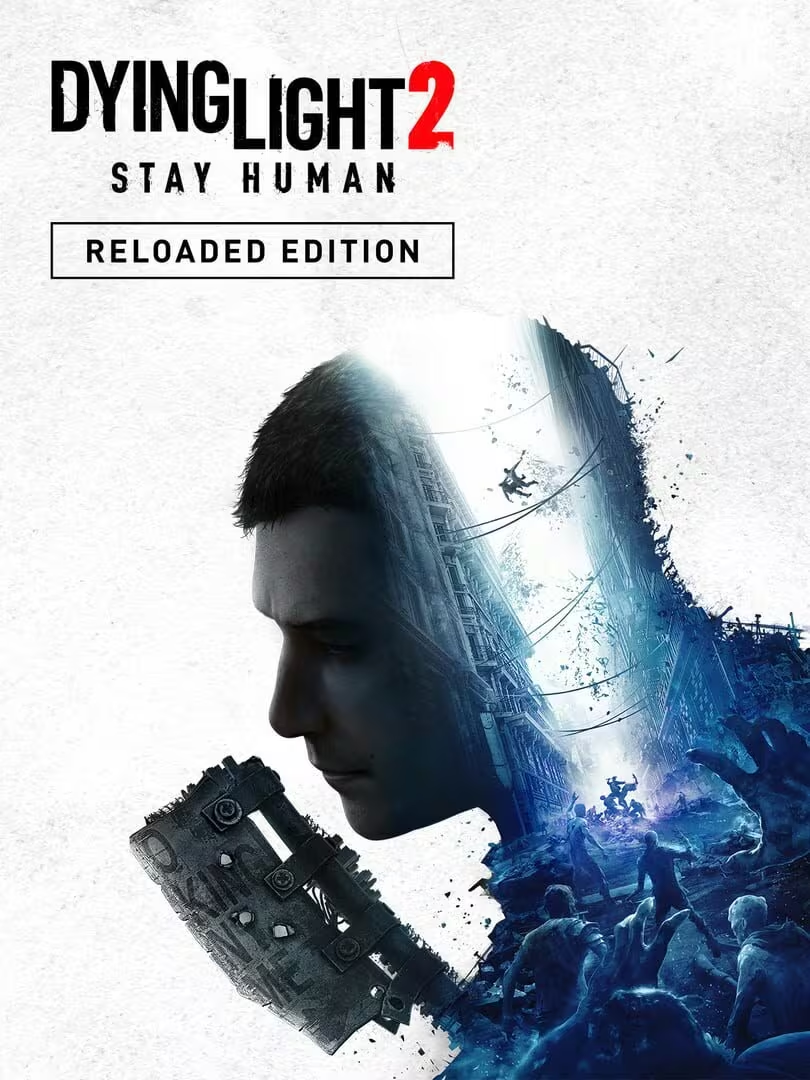
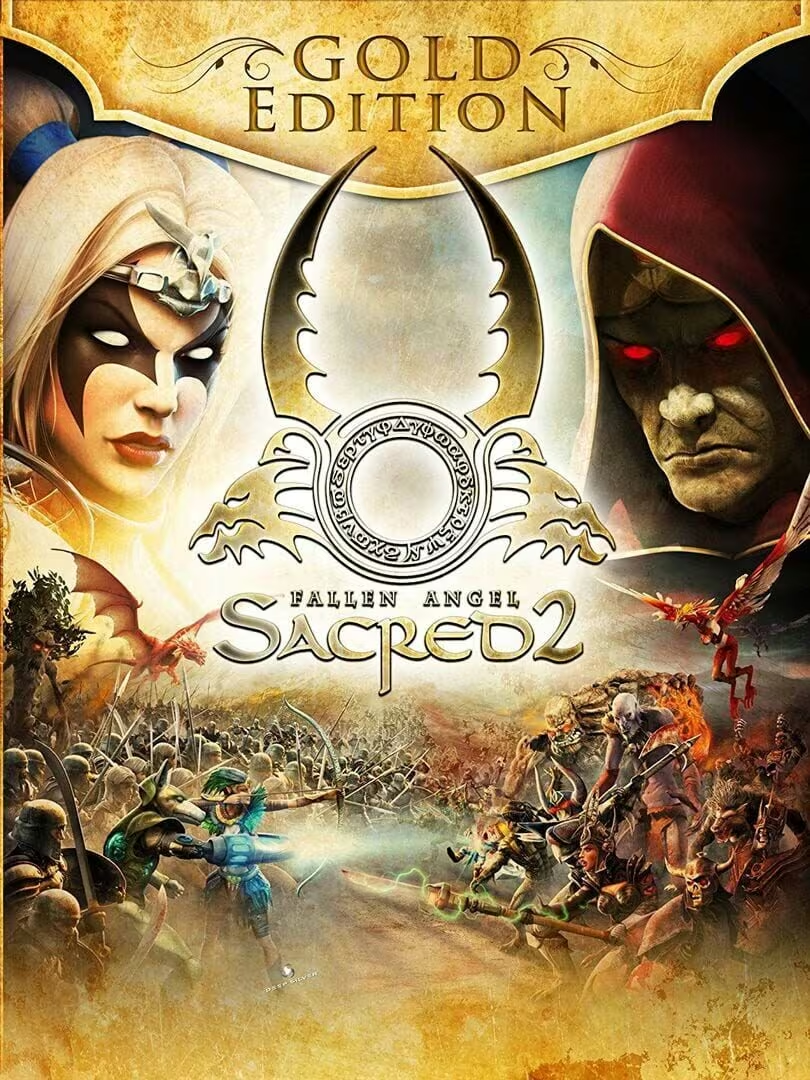
Similar games

    Pros

    • Challenging and rewarding combat
    • Deep survival and crafting systems
    • Immersive open world exploration
    • Unique magic and skill customization
    • Excellent co-op multiplayer experience

    Cons

    • Steep learning curve and initial difficulty
    • Lack of fast travel causes tedious travel
    • Some clunky controls and janky animations
    • Minimal story and voice acting
    • Long travel times without mounts

    Analysis

    Less representative of its motivational profile, with noticeable differences. Motivations that often define this kind of title include Cooperation, Fellowship, Intimacy, Leadership. Here, the score leans higher than usual among comparable games on Survival. It leans lower than usual among comparable games on Relaxation, Intimacy.

    How to use the graph
    Similar games map

    Each dot is a game. They are arranged from the same motivation profile as in the “Motivations” section below. Closer dots usually mean more similar reasons to play (exploration, competition, relaxation, etc.)—not that one game is “better” than another.

    • Larger dot with a light outline: the game you are viewing.
    • Colour: groups of games with comparable motivation patterns (statistical clusters).
    • Hover a dot to see the game name; click to open its page.
    • Scroll or double-click the chart to zoom out and see more games.

    Why don’t the axes read like a score? This view uses t-SNE: it only keeps who is close to whom. The scales are not “good to bad” or hours played—they separate groups on the map. Read distance between dots, not the axis numbers.

    Motivations

    • Autonomy
      4

      "Players have high freedom to explore, choose builds, and decide how to approach combat and survival; no quest markers or hand-holding."

    • Competence
      4

      "Combat and survival mechanics are challenging and skill-based; players improve by learning enemy patterns and managing resources."

    • Competition
      -3

      "Focus is on personal progression and survival rather than competing against others; multiplayer is cooperative."

    • Continuation
      4

      "Players invest many hours exploring, mastering mechanics, and replaying with different builds; game encourages long sessions."

    • Cooperation
      4

      "Co-op multiplayer is highly praised; players work together to survive and progress."

    • Creativity
      3

      "Players customize builds, mix skills, craft items, and experiment with different combat and survival strategies."

    • Domination
      -4

      "Interactions emphasize mutual survival and cooperation rather than exerting power or superiority over others."

    • Escapism
      4

      "Immersive survival and exploration mechanics provide a strong escape from real life through challenging fantasy adventure."

    • Expectation
      -4

      "Players engage voluntarily out of interest and enjoyment; no pressure or obligation noted."

    • Experimenting
      4

      "Game rewards trying new builds, tactics, and exploration; players learn through trial and error."

    • Exploration
      5

      "Exploration is central; players discover new areas, secrets, and must navigate without map markers."

    • Expression
      3

      "Character customization through gear and skill choices allows self-expression."

    • Fantasy
      4

      "Set in a fantasy world with magic, mythical creatures, and survival elements beyond realistic experience."

    • Fellowship
      3

      "Community and multiplayer co-op foster social connection and shared experiences."

    • Growth
      4

      "Players develop skills, knowledge, and mastery over complex systems through learning and practice."

    • Health
      -3

      "Gameplay is sedentary with no physical activity; survival mechanics encourage in-game health management but not physical exercise."

    • Idle
      -4

      "Requires constant attention and focus due to survival demands and challenging combat."

    • Intimacy
      -3

      "Social interactions are mostly surface-level cooperative play rather than close emotional relationships."

    • Leadership
      -2

      "Players mostly collaborate equally; no strong emphasis on leadership or authority roles."

    • Progression
      5

      "Strong focus on acquiring gear, skills, and upgrades to improve character and survive."

    • Relaxation
      -3

      "Game is tense and punishing, requiring careful planning and focus; not designed for relaxation."

    • Sensation
      3

      "Visual and auditory elements are praised; immersive world and music enhance sensory experience."

    • Status
      -3

      "Achievements and progression are personal; social recognition or popularity is not a focus."

    • Story
      2

      "Narrative exists but is minimal and not heavily emphasized; environmental storytelling is stronger."

    • Strategy
      5

      "High emphasis on strategic planning, resource management, and tactical combat."

    • Thrill
      4

      "Combat and survival create suspense and tension; risk of death adds thrill."

    • Value
      4

      "Players report high value for time invested due to depth, replayability, and unique experience."

    • Violence
      2

      "Combat involves fighting and defeating enemies, but also includes survival and crafting elements."

    • Survival
      5

      "Core gameplay revolves around managing threats, resources, and staying alive in a hostile world."

    Last update: 29/04/2026