SUPER DRAGON BALL HEROES WORLD MISSION similar games & best alternatives
SUPER DRAGON BALL HEROES WORLD MISSION
2019
Related articles
Quick resume
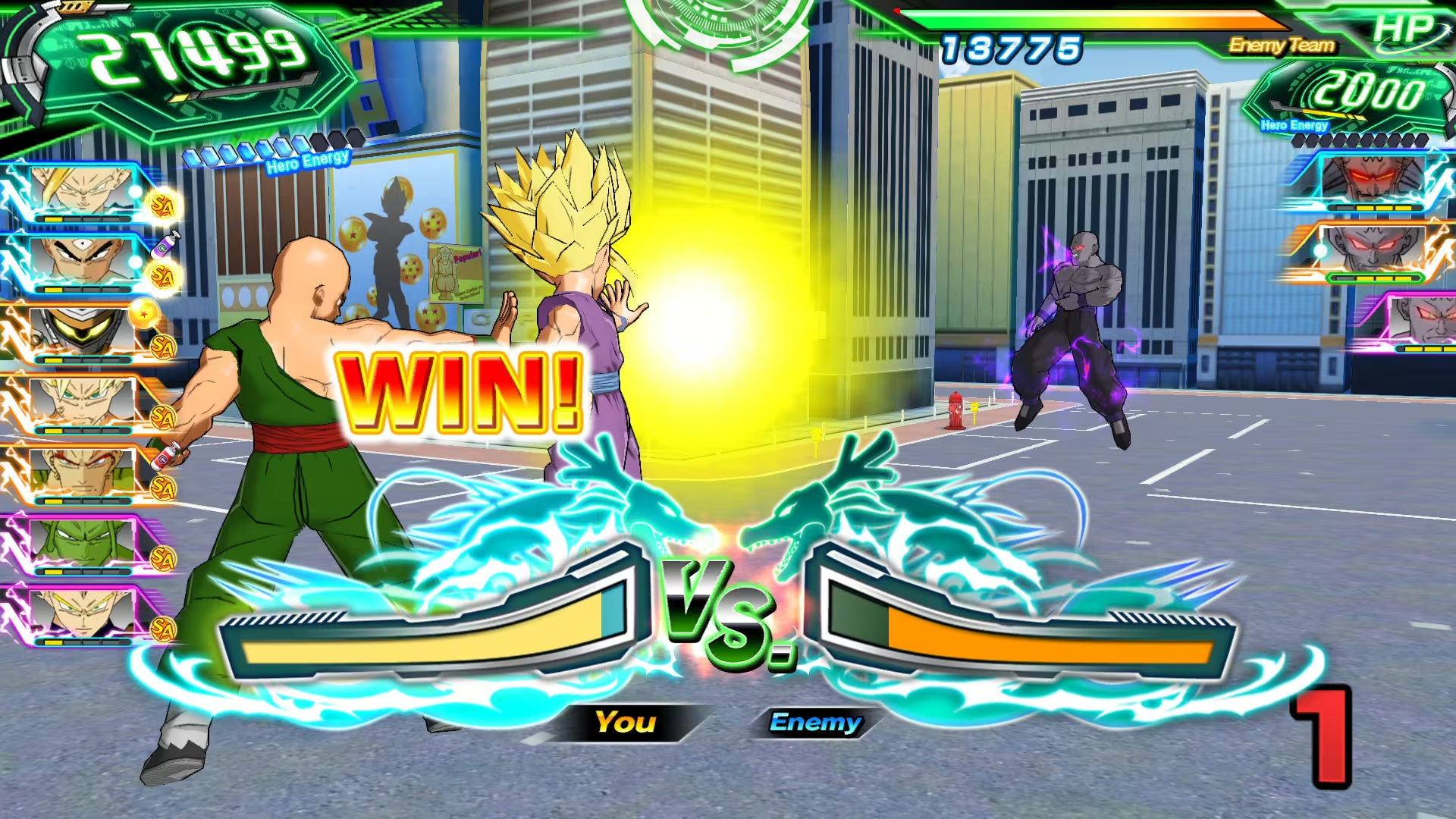
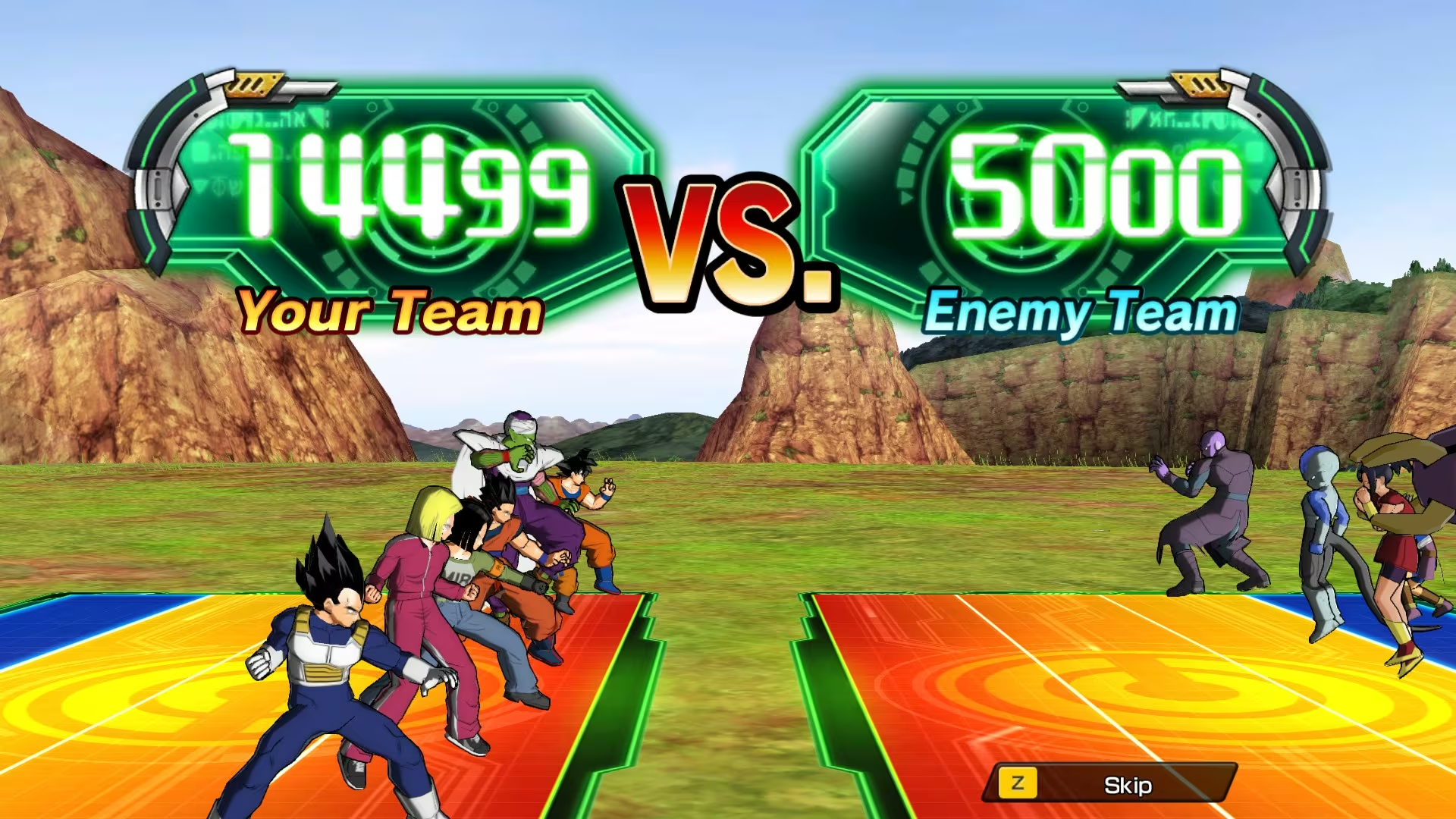
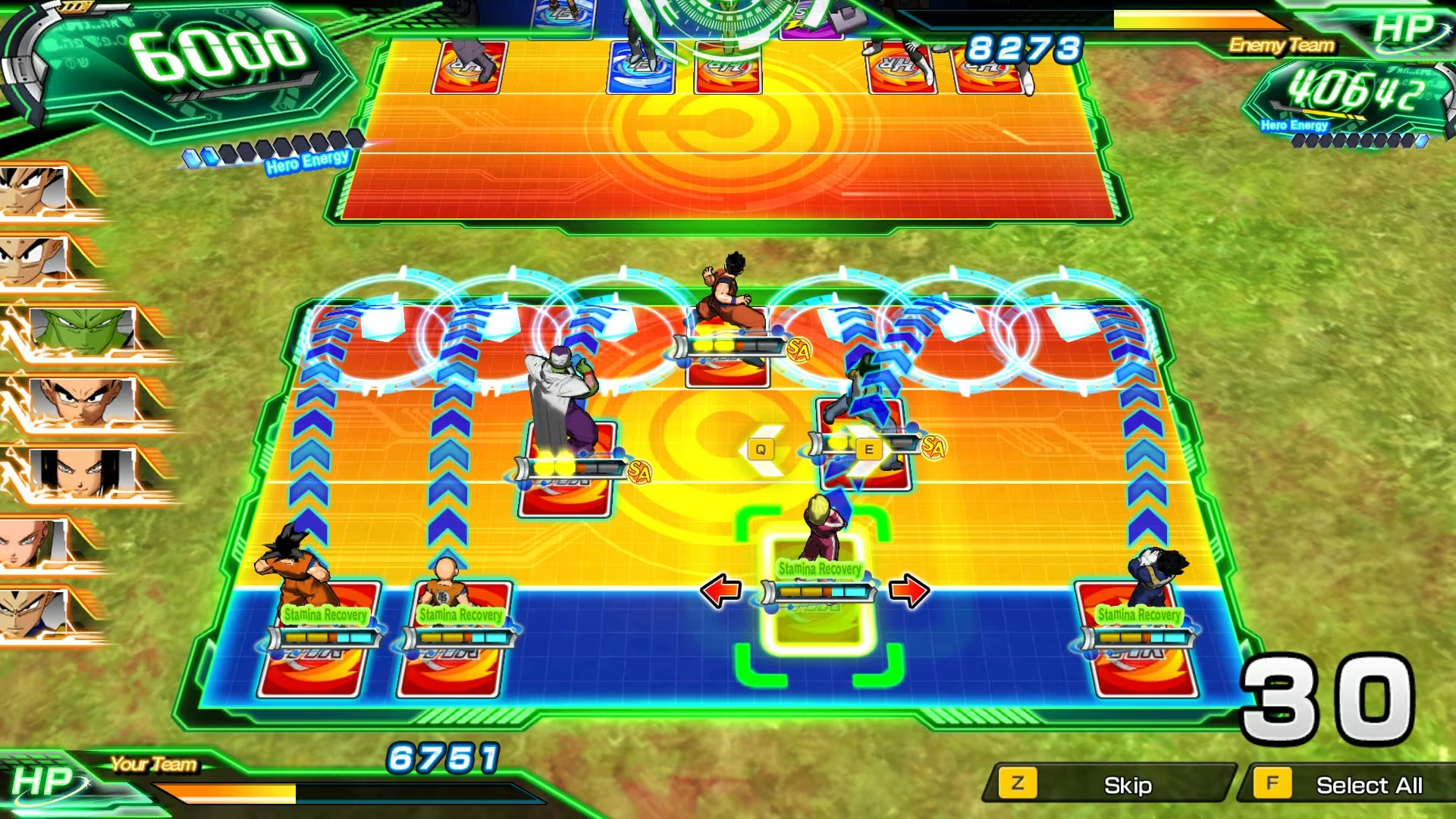
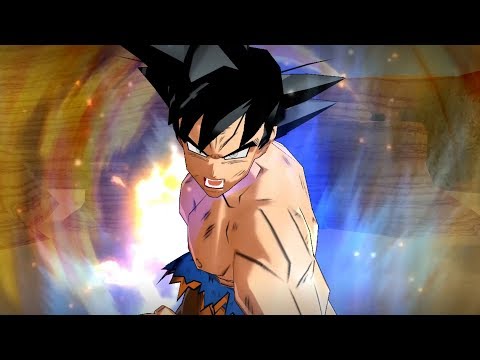
SUPER DRAGON BALL HEROES WORLD MISSION is a Tactical-Card game packed with exhilarating confrontation, deep card game strategy and a thrilling storyline taking place in the wide Dragon Ball Heroes universe!
Global score
83/100
Genres
Strategy, Turn-based strategy (TBS), Puzzle, Card & Board Game
Similar games
Pros
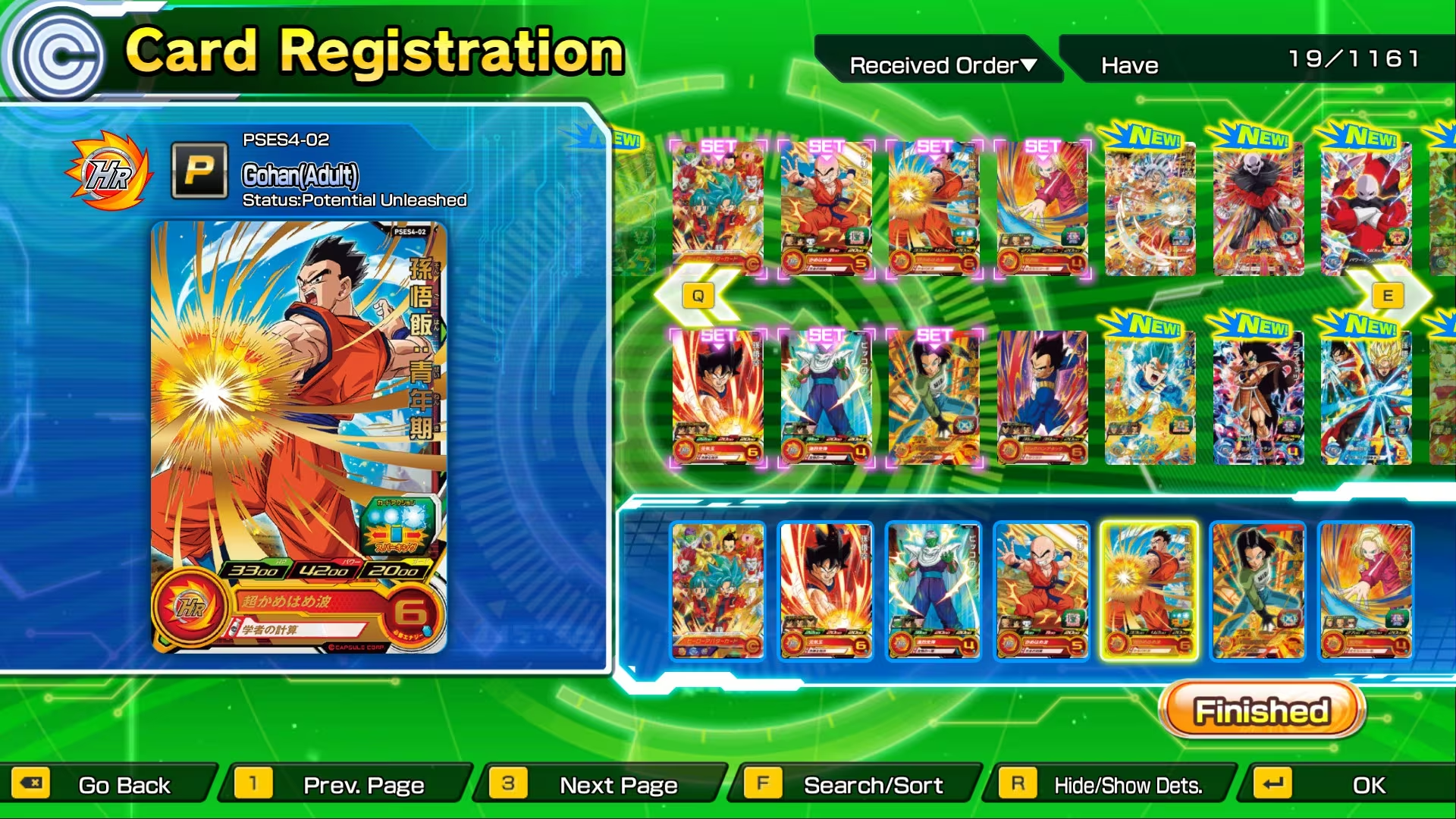
- Extensive card collection and customization
- No microtransactions, all content earned by playing
- Large roster of characters including fanservice and what-if forms
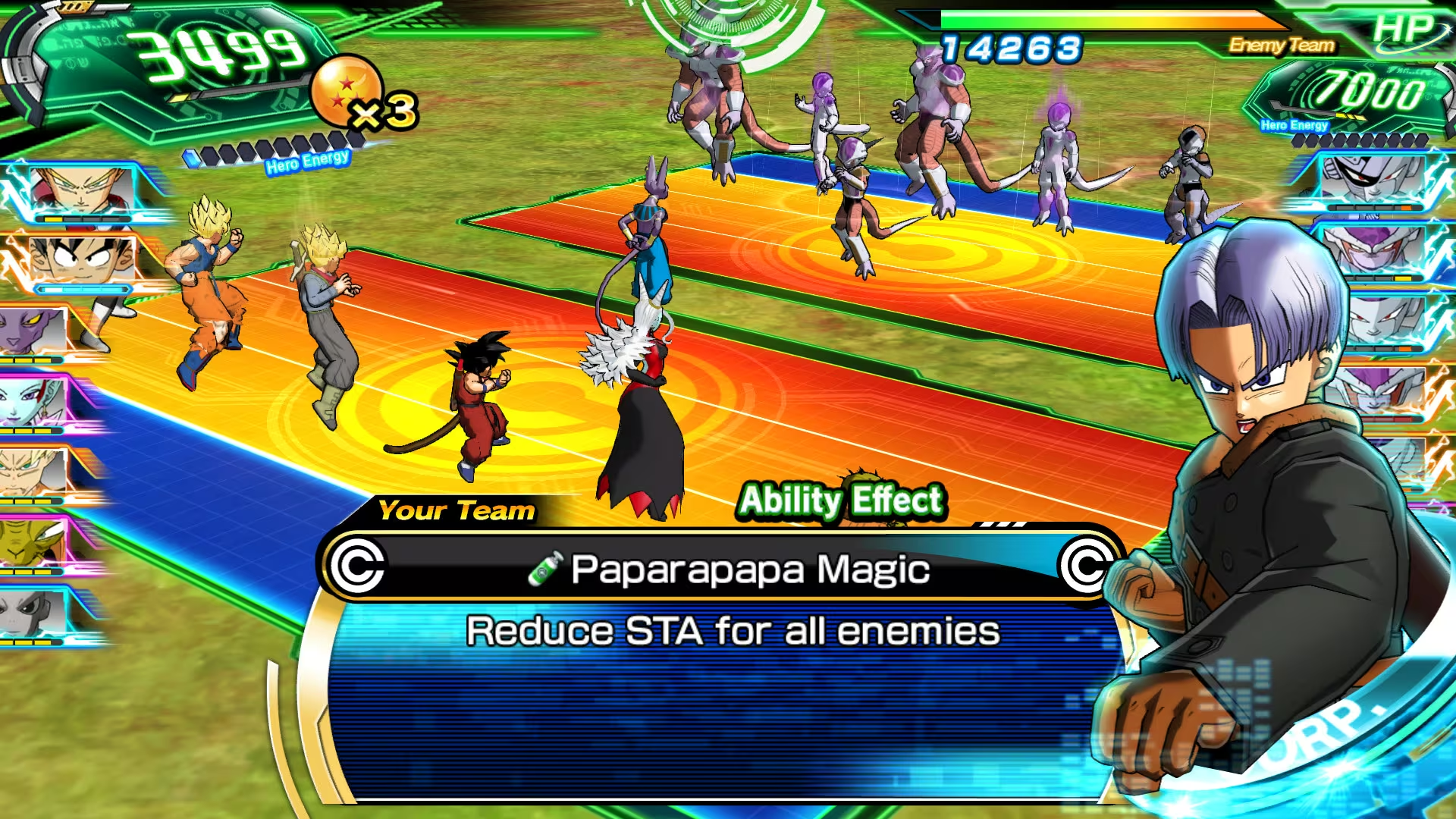
- Deep strategic gameplay with timing and stamina management
- Multiple game modes including story, arcade, online, and creation
Cons
- High price at full cost, recommended to buy on sale
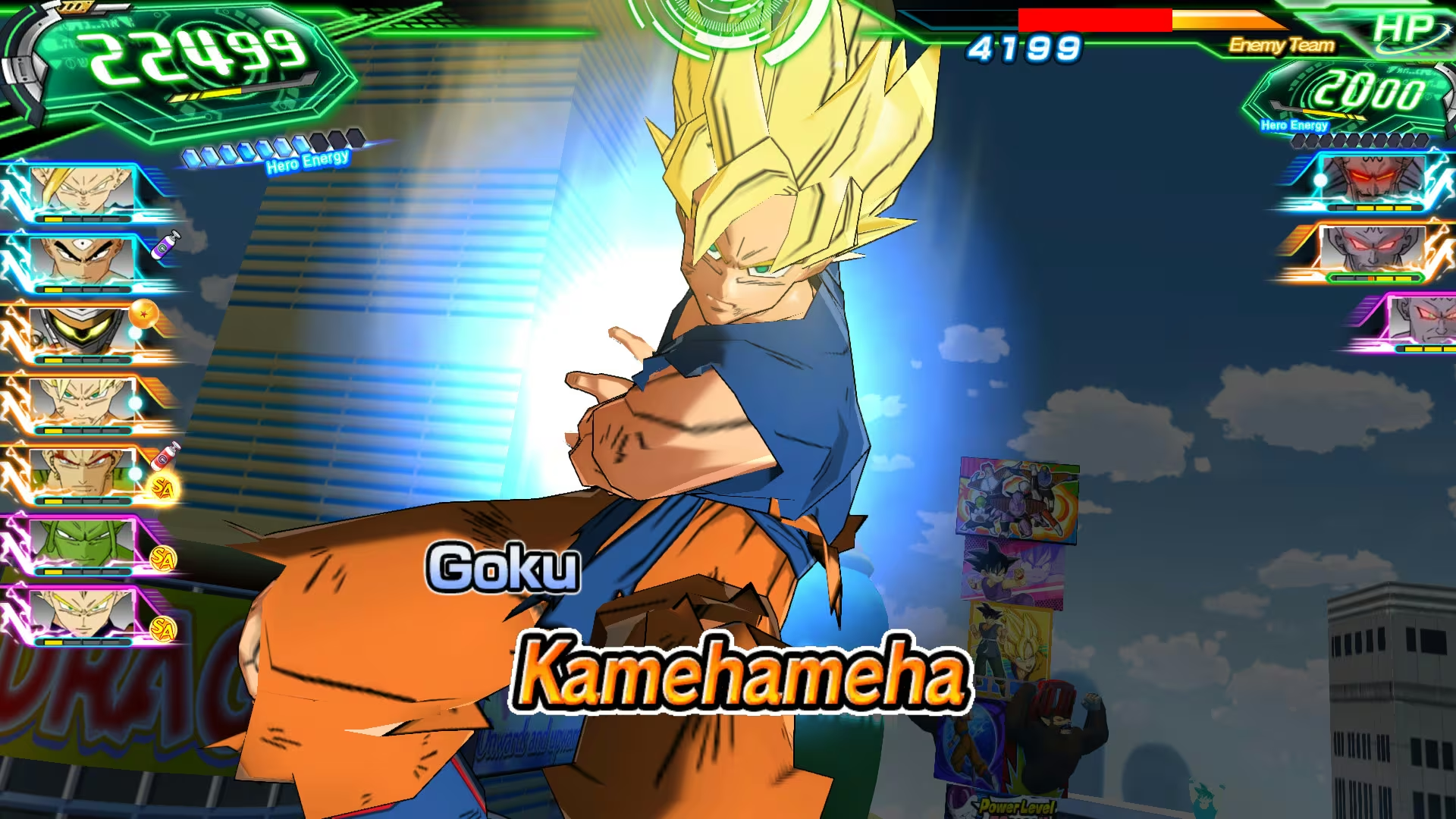
- Long and repetitive animations can cause tedium
- Online multiplayer is mostly inactive or dead
- Graphics and sound quality are dated and low fidelity
- Story is formulaic and not engaging for all players
Analysis
Less representative of its motivational profile, with noticeable differences. Motivations that often define this kind of title include Competition, Status, Story, Expression. Here, the score leans higher than usual among comparable games on Idle, Fantasy. It leans lower than usual among comparable games on Value.
How to use the graph
Similar games map
Each dot is a game. They are arranged from the same motivation profile as in the “Motivations” section below. Closer dots usually mean more similar reasons to play (exploration, competition, relaxation, etc.)—not that one game is “better” than another.
- Larger dot with a light outline: the game you are viewing.
- Colour: groups of games with comparable motivation patterns (statistical clusters).
- Hover a dot to see the game name; click to open its page.
- Scroll or double-click the chart to zoom out and see more games.
Why don’t the axes read like a score? This view uses t-SNE: it only keeps who is close to whom. The scales are not “good to bad” or hours played—they separate groups on the map. Read distance between dots, not the axis numbers.
Motivations
-
Autonomy4
"Players build and customize their own card decks and teams, create custom cards and missions, and choose strategies in battles, showing high player control and freedom."
-
Competence3
"The game involves strategic deck building, timing-based quick-time events, and managing stamina and team synergy, providing skill challenges and feedback."
-
Competition2
"Includes online multiplayer and ranked modes, but multiplayer is reported as dead or inactive, so competition is present but limited."
-
Continuation4
"Players report long playtimes, addictive collecting, and extensive content encouraging habitual play and long sessions."
-
Cooperation-3
"Gameplay is primarily single-player or player versus player; cooperation or teamwork with others is minimal or absent."
-
Creativity5
"Strong emphasis on creating custom cards, customizing decks, and designing missions, enabling extensive player creativity."
-
Domination-2
"No evidence of exerting control or superiority over others beyond standard competitive play; interactions appear balanced."
-
Escapism4
"Players use the game as a fanservice-filled fantasy experience with imaginative characters and scenarios, providing escapism."
-
Expectation-4
"Players engage voluntarily out of personal interest and fandom, with no microtransaction pressure or obligation reported."
-
Experimenting4
"Players experiment with many cards, team compositions, and custom creations, exploring mechanics and strategies."
-
Exploration2
"Story mode and missions offer some exploration of new areas and scenarios, though mostly structured and familiar."
-
Expression5
"Customization of cards, avatars, and missions allows players to express themselves and personalize their experience."
-
Fantasy5
"The game features extensive fanservice, improbable fusions, alternate timelines, and imaginative Dragon Ball lore."
-
Fellowship-3
"Social interaction is limited; online multiplayer is mostly inactive, so players mainly engage individually."
-
Growth3
"Players develop skills in deck building, timing, and strategy; progression systems reward learning and mastery."
-
Health-5
"No physical activity involved; gameplay is sedentary and typical of card-based video games."
-
Idle2
"Gameplay includes some downtime watching animations and waiting for timed inputs, but requires active attention."
-
Intimacy-4
"Minimal social or emotional connection; interactions are mostly surface-level or absent."
-
Leadership-3
"No evidence of leading others; players manage their own decks and strategies without group leadership roles."
-
Progression4
"Strong progression through collecting cards, leveling avatars, and unlocking abilities and custom content."
-
Relaxation2
"Some players find the game relaxing and nostalgic, but lengthy animations and grind can cause tedium."
-
Sensation3
"The game provides flashy visual effects, animations, and sound effects that stimulate sensory enjoyment."
-
Status1
"Some recognition through online modes and leaderboards, but limited by low multiplayer activity."
-
Story2
"Includes a story mode with original and fanservice narrative elements, though story is considered formulaic."
-
Strategy4
"Requires strategic deck building, stamina management, timing, and countering opponent tactics."
-
Thrill2
"Some thrill from timed button presses and critical impact clashes, but overall gameplay is predictable."
-
Value-1
"Mixed opinions on price; many recommend buying on sale due to high full price but good content value."
-
Violence1
"Combat involves attacks and super moves, but presented in a stylized card game format without graphic violence."
-
Survival1
"Battles involve managing stamina and health to avoid defeat, but threats are predictable and low risk."
Last update: 29/04/2026