Tacoma Thumbnail

Tacoma similar games & best alternatives
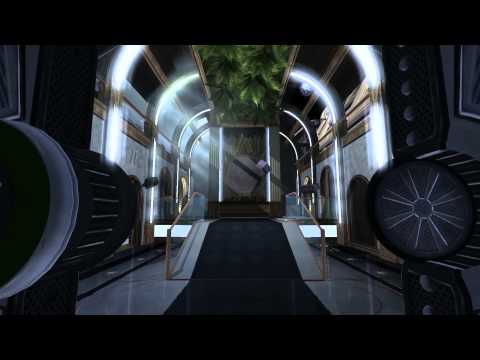
Tacoma

PC (Microsoft Windows), Mac, Xbox One, PlayStation 4, Linux • 2017

Related articles

Quick resume

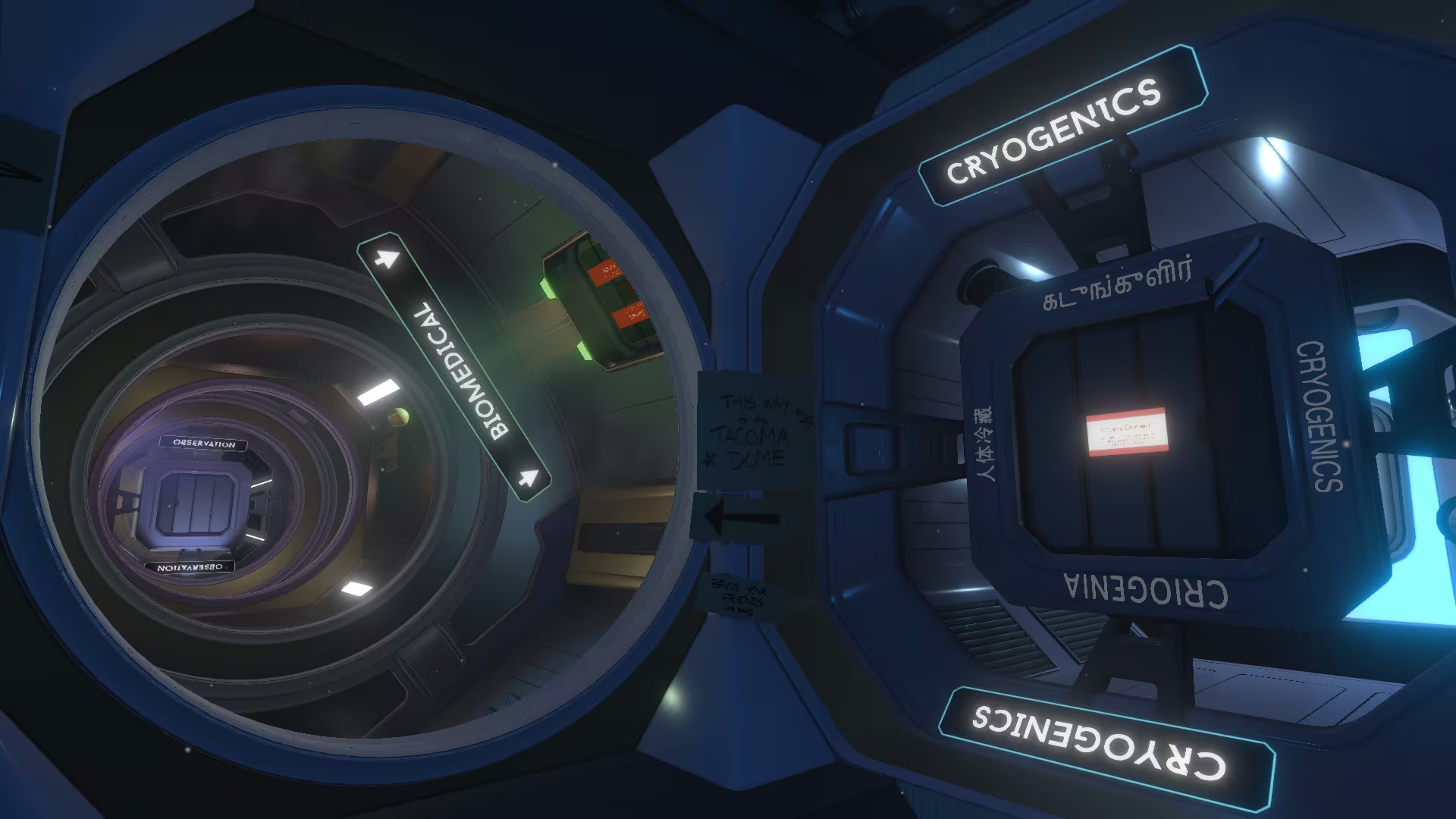
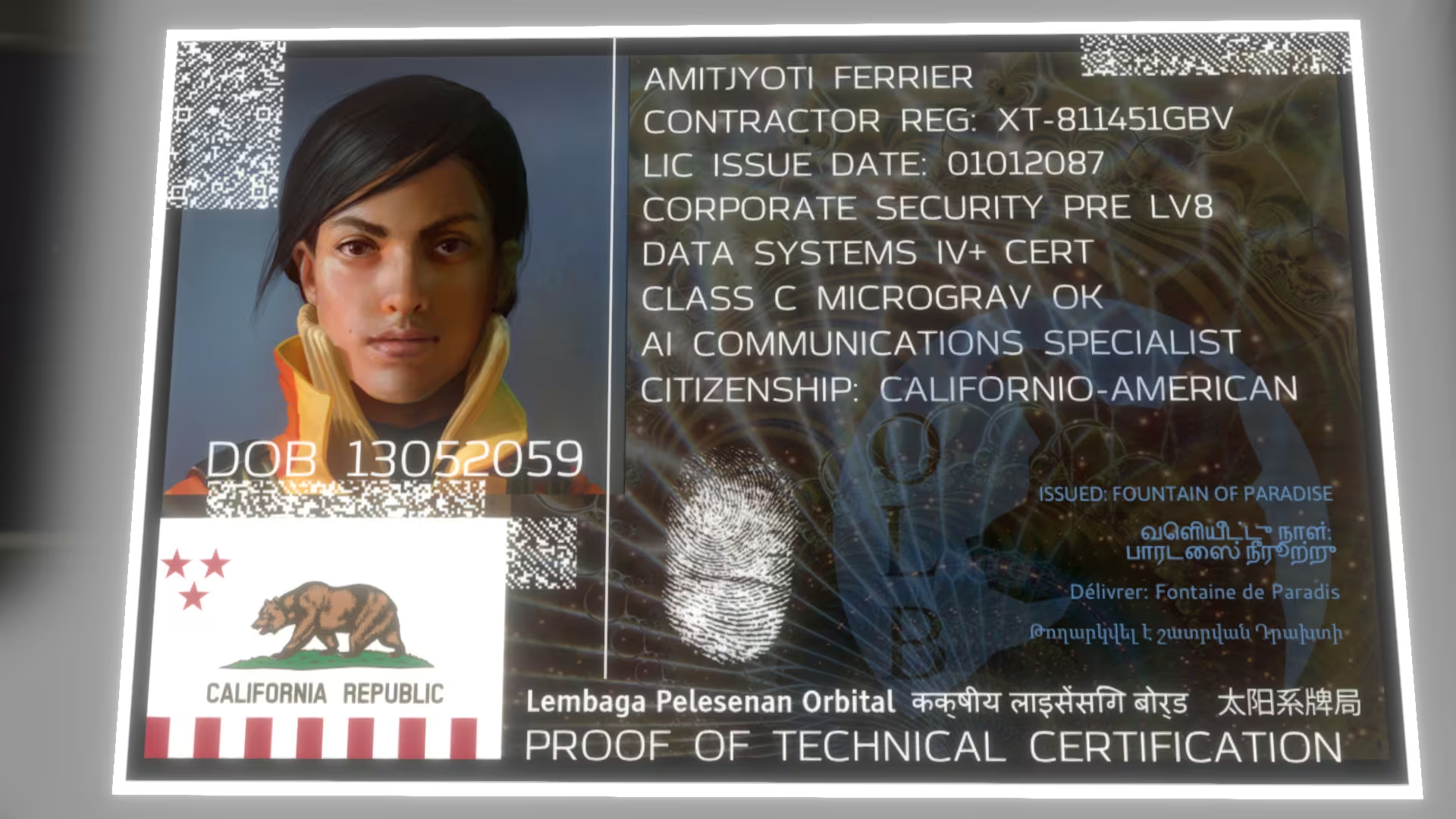
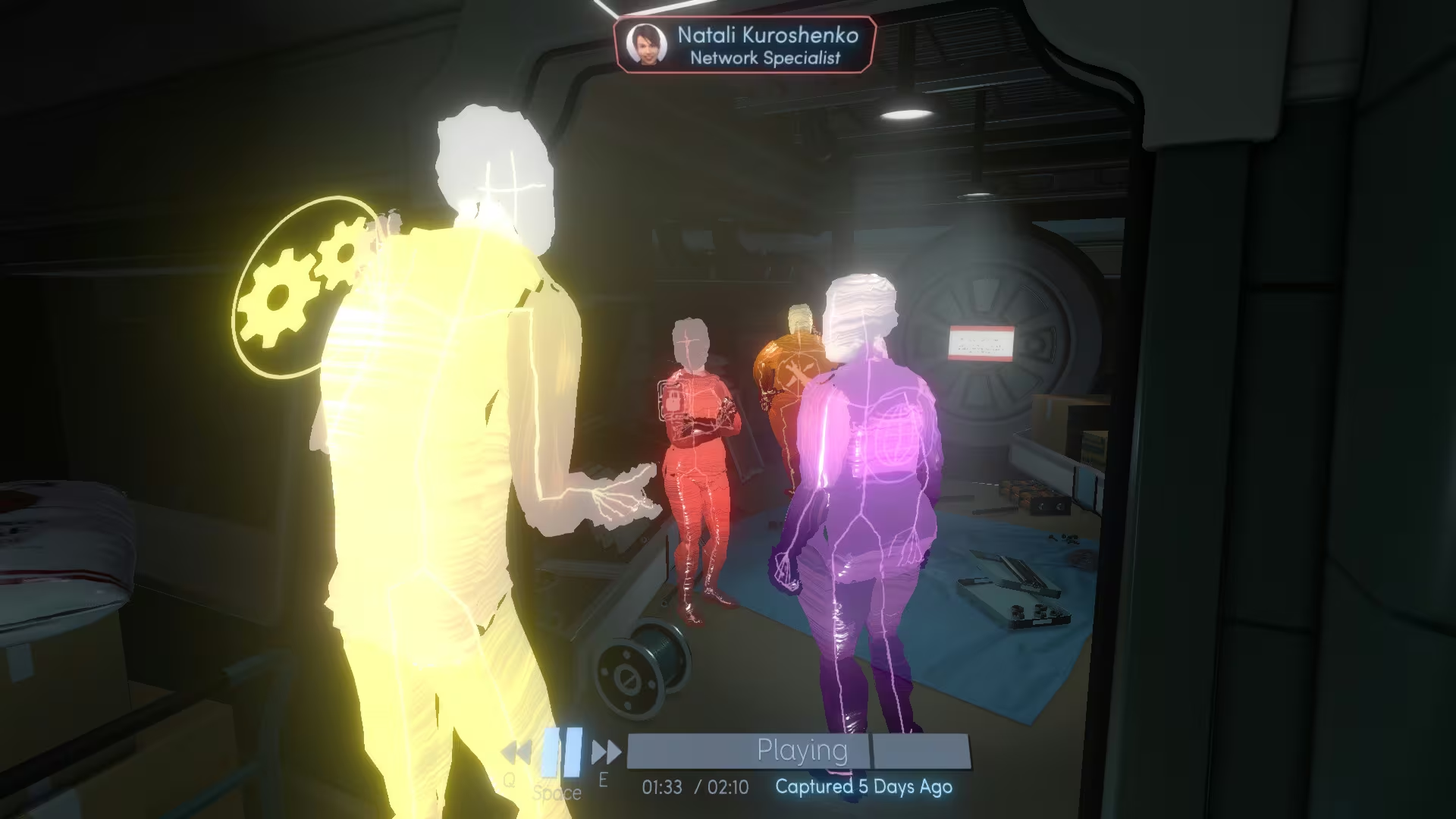
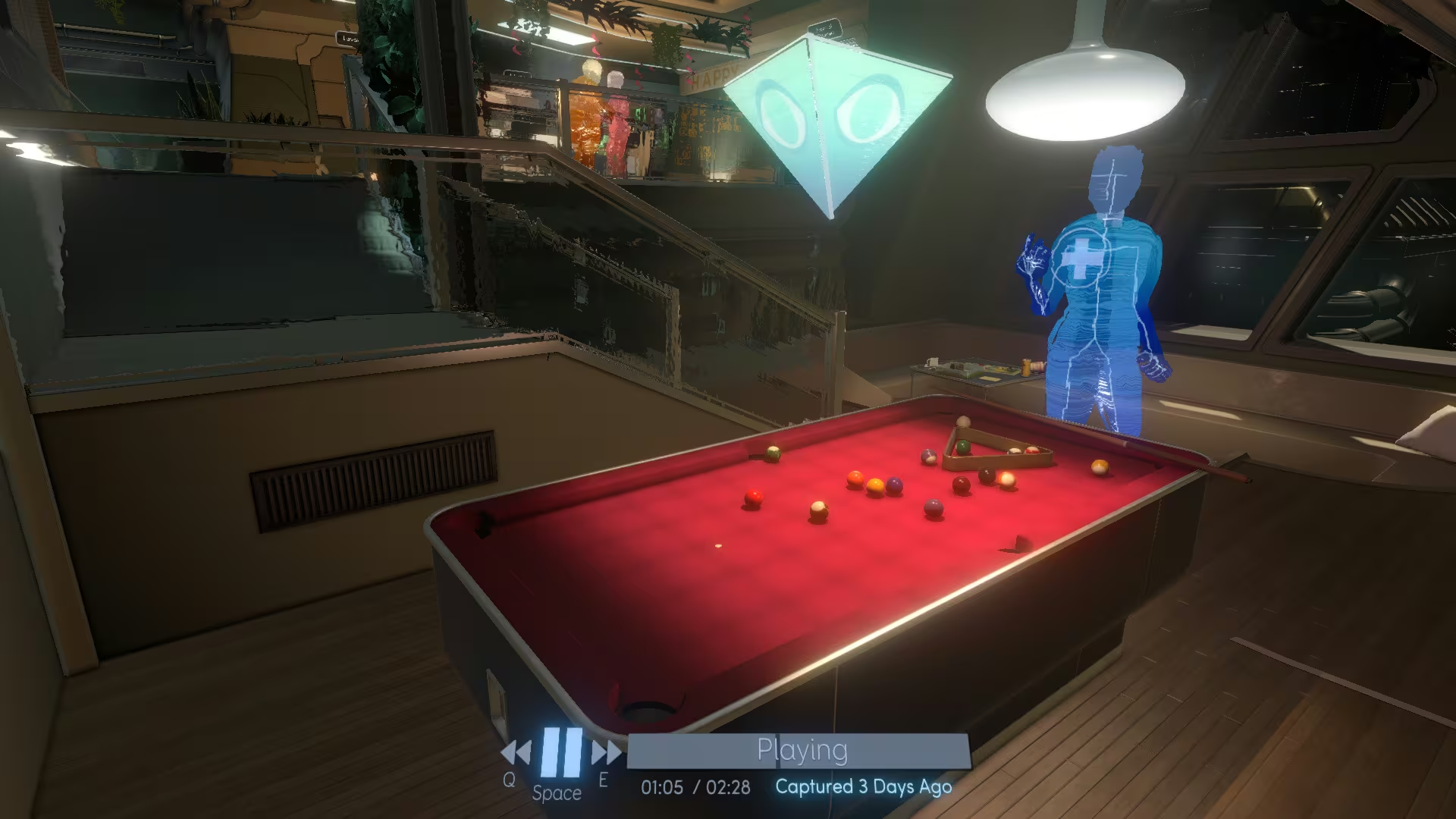
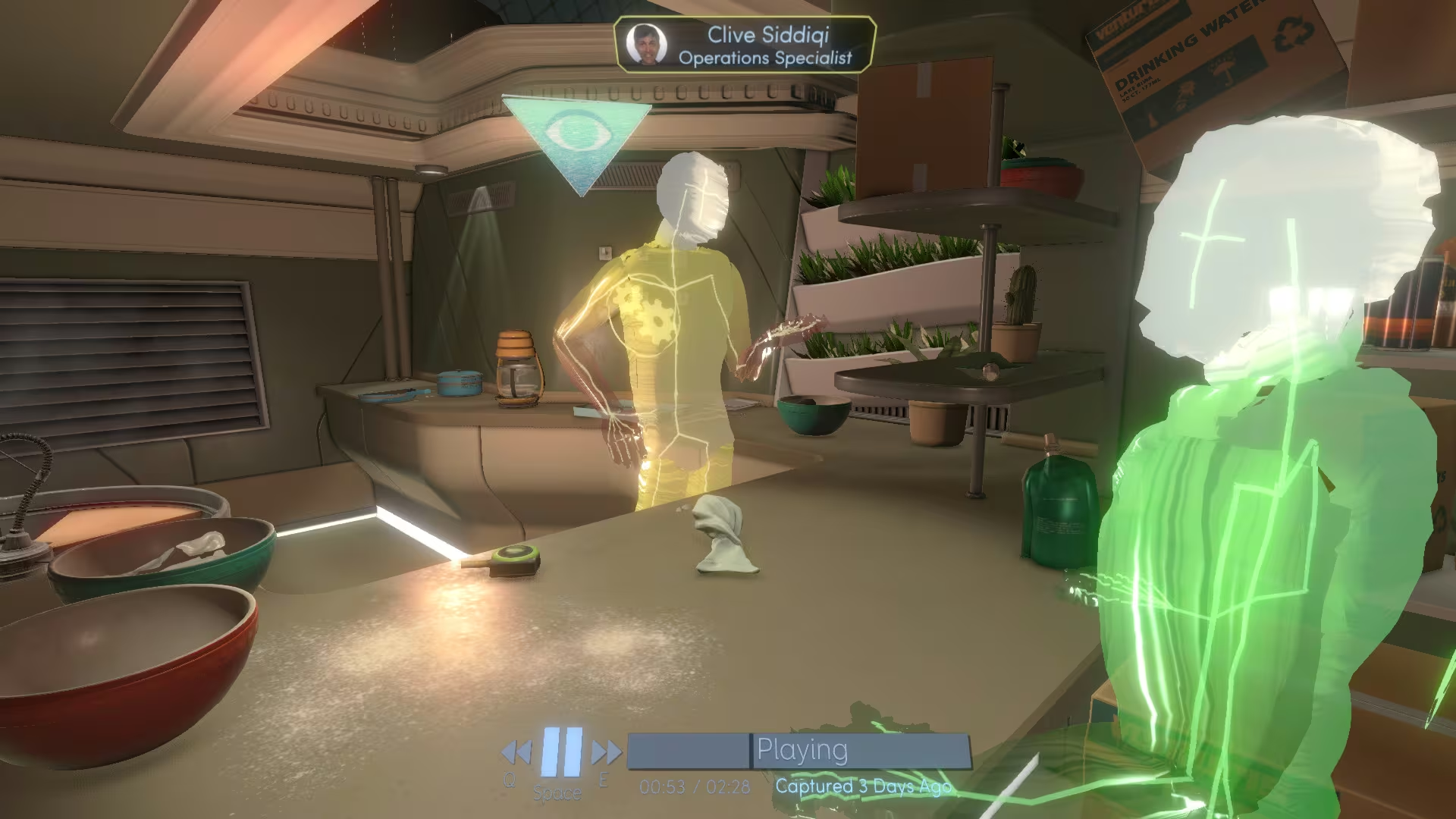
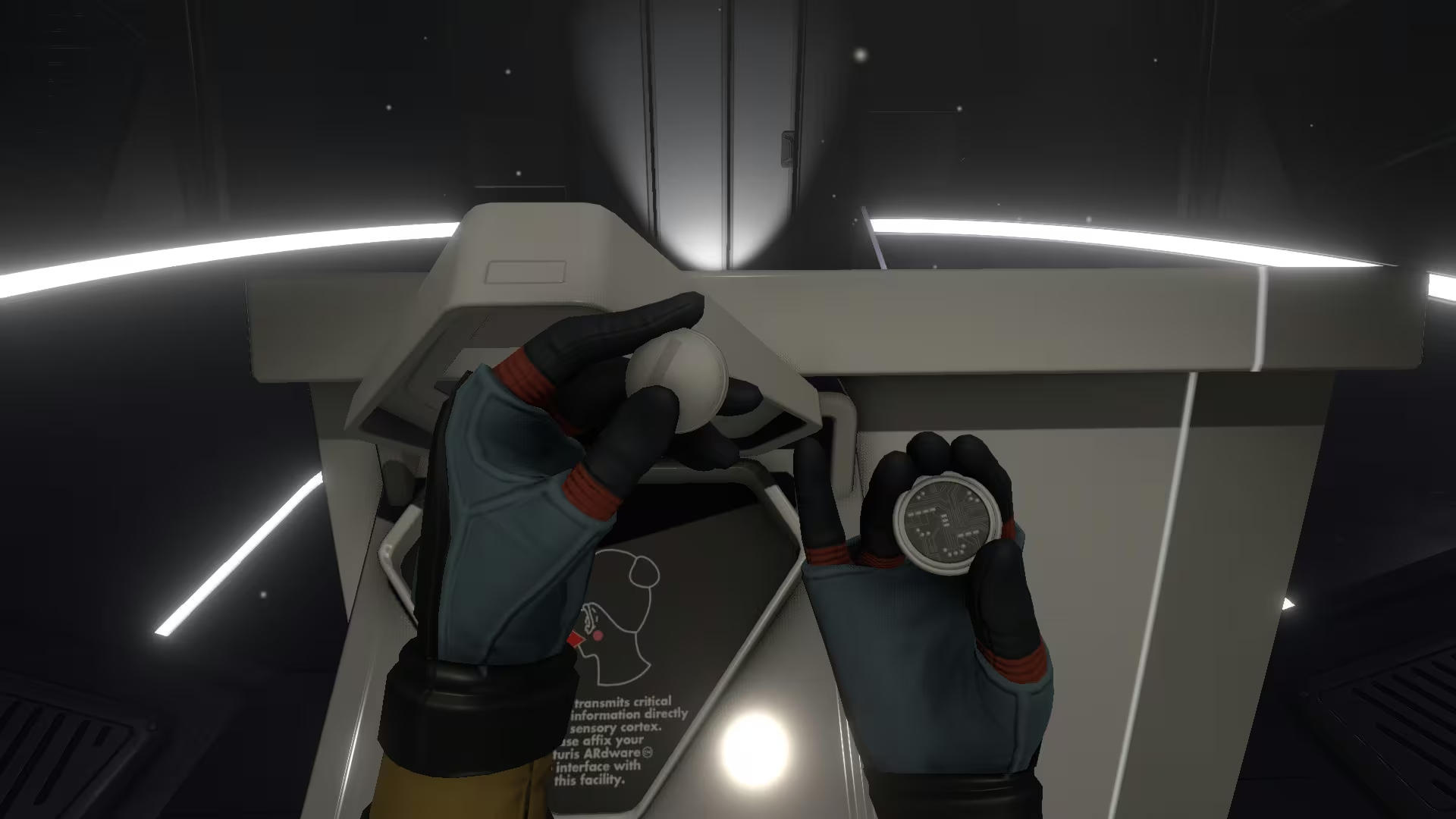
Tacoma is a sci-fi narrative adventure from the creators of Gone Home. Set aboard a high-tech space station in the year 2088, explore every detail of how the station’s crew lived and worked, finding the clues that add up to a gripping story of trust, fear, and resolve in the face of disaster.

Global score

86/100

Genres

Adventure, Indie

Similar games

    Pros

    • Innovative ar storytelling
    • Immersive sci-fi atmosphere
    • Well-written characters and narrative
    • Detailed environment and worldbuilding
    • Excellent voice acting

    Cons

    • Short gameplay duration
    • Limited replay value
    • Minimal gameplay challenge
    • Some players find price high for content
    • Linear progression with little player impact

    Analysis

    Less representative of its motivational profile, with noticeable differences. Motivations that often define this kind of title include Survival, Violence, Fellowship, Expression. Here, the score leans higher than usual among comparable games on Intimacy. It leans lower than usual among comparable games on Value, Continuation.

    How to use the graph
    Similar games map

    Each dot is a game. They are arranged from the same motivation profile as in the “Motivations” section below. Closer dots usually mean more similar reasons to play (exploration, competition, relaxation, etc.)—not that one game is “better” than another.

    • Larger dot with a light outline: the game you are viewing.
    • Colour: groups of games with comparable motivation patterns (statistical clusters).
    • Hover a dot to see the game name; click to open its page.
    • Scroll or double-click the chart to zoom out and see more games.

    Why don’t the axes read like a score? This view uses t-SNE: it only keeps who is close to whom. The scales are not “good to bad” or hours played—they separate groups on the map. Read distance between dots, not the axis numbers.

    Motivations

    • Autonomy
      4

      "Players freely explore the space station and choose how thoroughly to investigate, with no forced paths or combat."

    • Competence
      1

      "Gameplay involves exploration and observation with minimal challenge or puzzles, but requires attention to detail."

    • Competition
      -4

      "No competitive elements; focus is on personal exploration and narrative discovery."

    • Continuation
      -3

      "Short playtime (2-5 hours) and limited replay value lead to brief engagement periods."

    • Cooperation
      -5

      "Single-player experience focused on individual investigation without multiplayer or teamwork."

    • Creativity
      4

      "Innovative storytelling through AR recordings and environmental details encourages creative interpretation."

    • Domination
      -5

      "No elements of exerting control over others; interactions are observational and equal."

    • Escapism
      4

      "Immersive sci-fi setting and narrative provide escape from real life into a futuristic space station."

    • Expectation
      -4

      "Players engage voluntarily out of interest in story and exploration, not obligation."

    • Experimenting
      3

      "Players experiment with replaying AR scenes, exploring different perspectives and details."

    • Exploration
      5

      "Core gameplay is discovering new areas, objects, and story elements within the space station."

    • Expression
      -3

      "Limited character customization; focus is on experiencing preset narrative and environment."

    • Fantasy
      4

      "Futuristic sci-fi setting with AI and space station life creates an imaginative fictional experience."

    • Fellowship
      -5

      "Solo play with minimal social interaction or community involvement."

    • Growth
      2

      "Players develop understanding of story and characters through investigation, but no skill growth."

    • Health
      -5

      "Sedentary gameplay typical of walking simulators with no physical activity."

    • Idle
      -3

      "Requires focused attention to explore and piece together story; not a background or idle game."

    • Intimacy
      3

      "Emotional connection to characters and their relationships is a key part of the experience."

    • Leadership
      -5

      "No leadership or group management roles; purely individual exploration."

    • Progression
      2

      "Progression is narrative-based through collecting story fragments rather than items or upgrades."

    • Relaxation
      3

      "Calm, slow-paced exploration with atmospheric immersion promotes relaxation."

    • Sensation
      2

      "Visual and auditory design is pleasant but understated; not highly stimulating."

    • Status
      -5

      "No social status or recognition systems; experience is private and personal."

    • Story
      5

      "Narrative immersion is central, with complex characters and unfolding plot through exploration."

    • Strategy
      -2

      "Minimal strategic or problem-solving elements; gameplay is straightforward exploration."

    • Thrill
      -3

      "Lacks suspense or risk; experience is contemplative rather than thrilling."

    • Value
      -2

      "Short length and limited replayability lead some players to feel price is high for content."

    • Violence
      -5

      "No violence or combat; focus on peaceful exploration and story."

    • Survival
      -4

      "No survival mechanics or threats; environment is stable and safe."

    Last update: 29/04/2026