The Uncertain: Last Quiet Day Thumbnail

The Uncertain: Last Quiet Day similar games & best alternatives
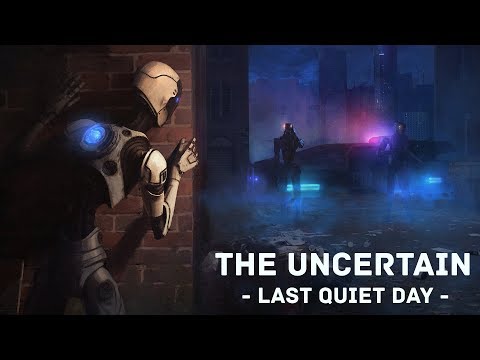
The Uncertain: Last Quiet Day

PC (Microsoft Windows), Nintendo Switch, PlayStation 4, Mac • 2016

Related articles

Quick resume

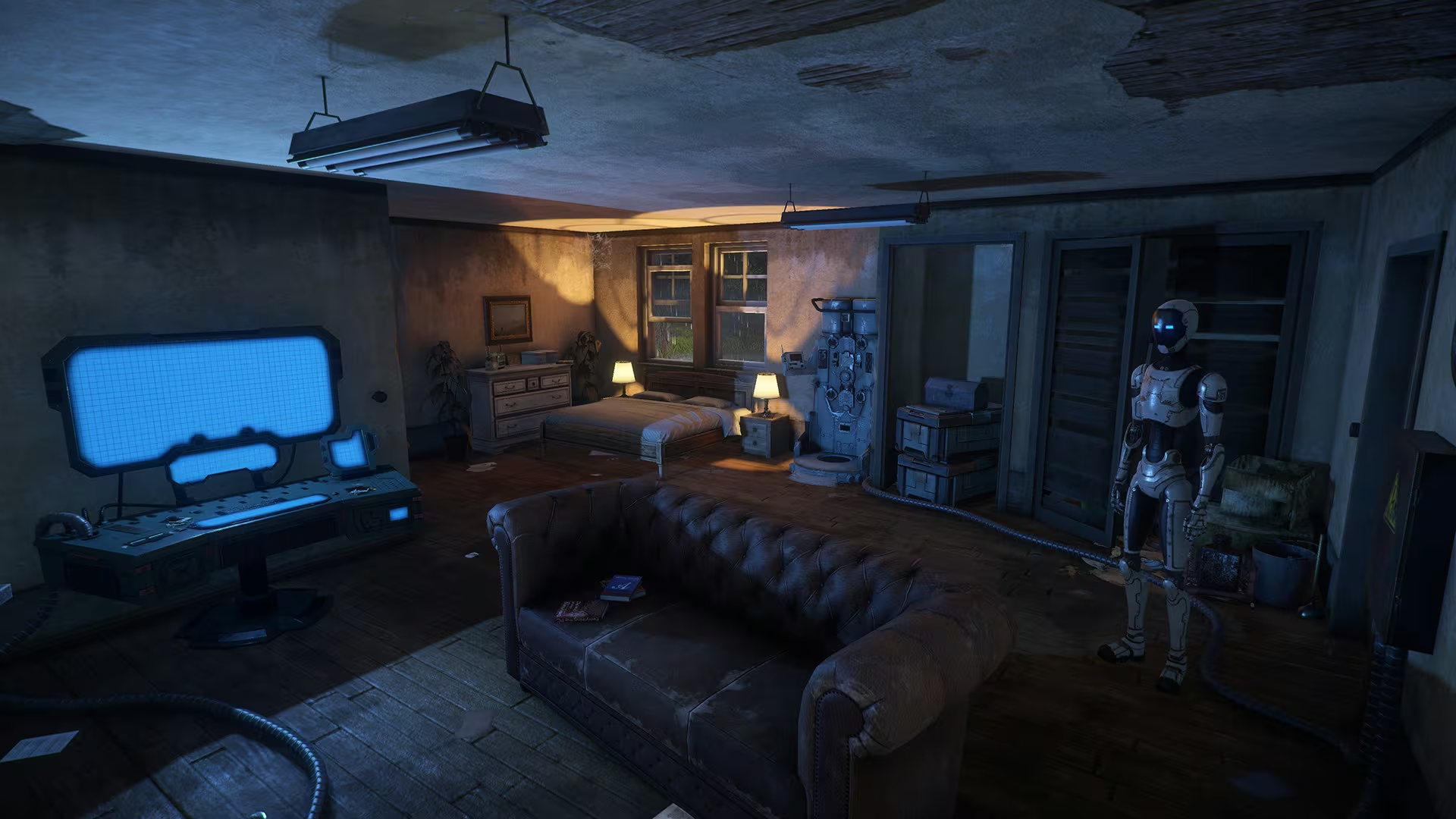
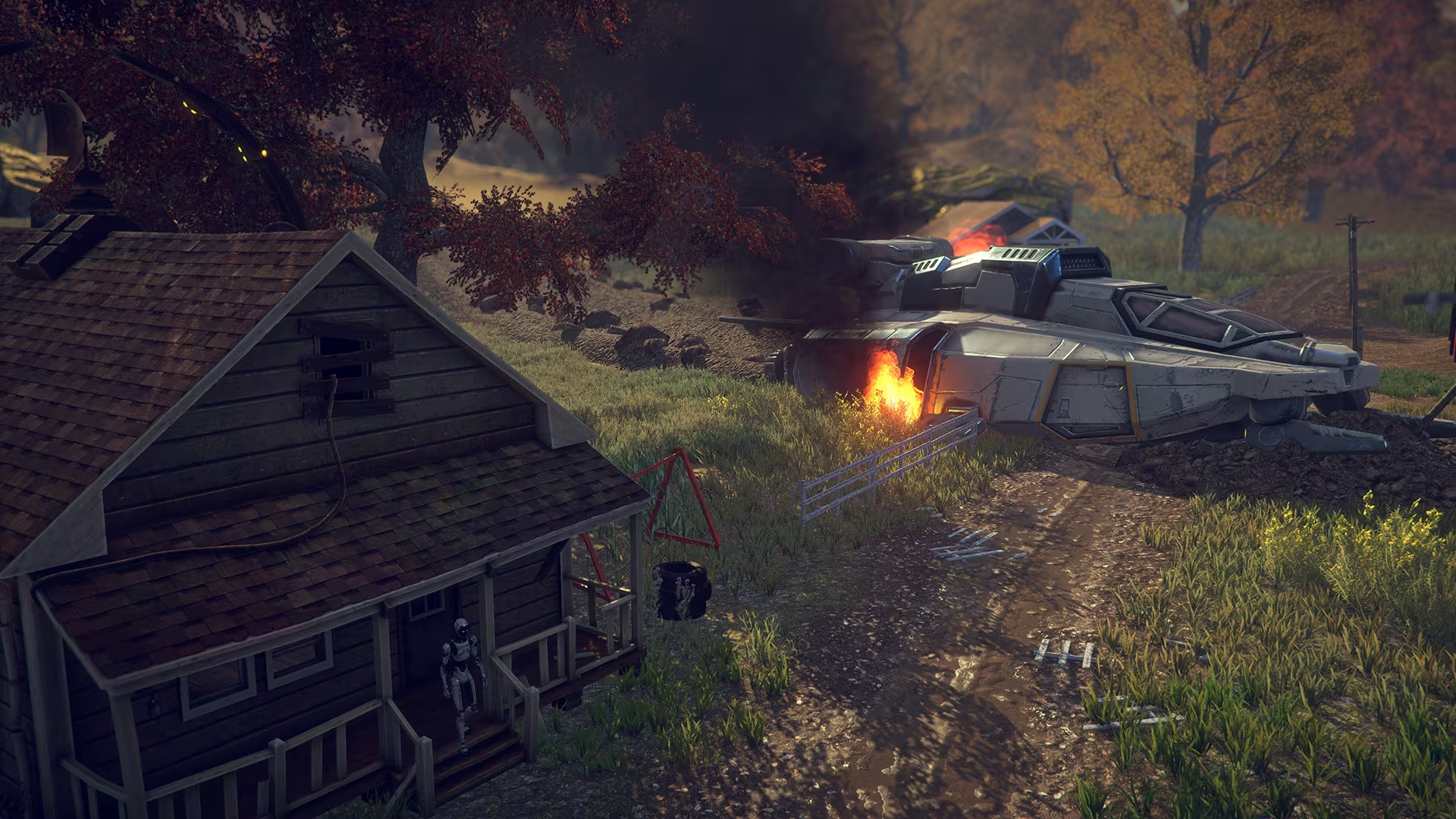
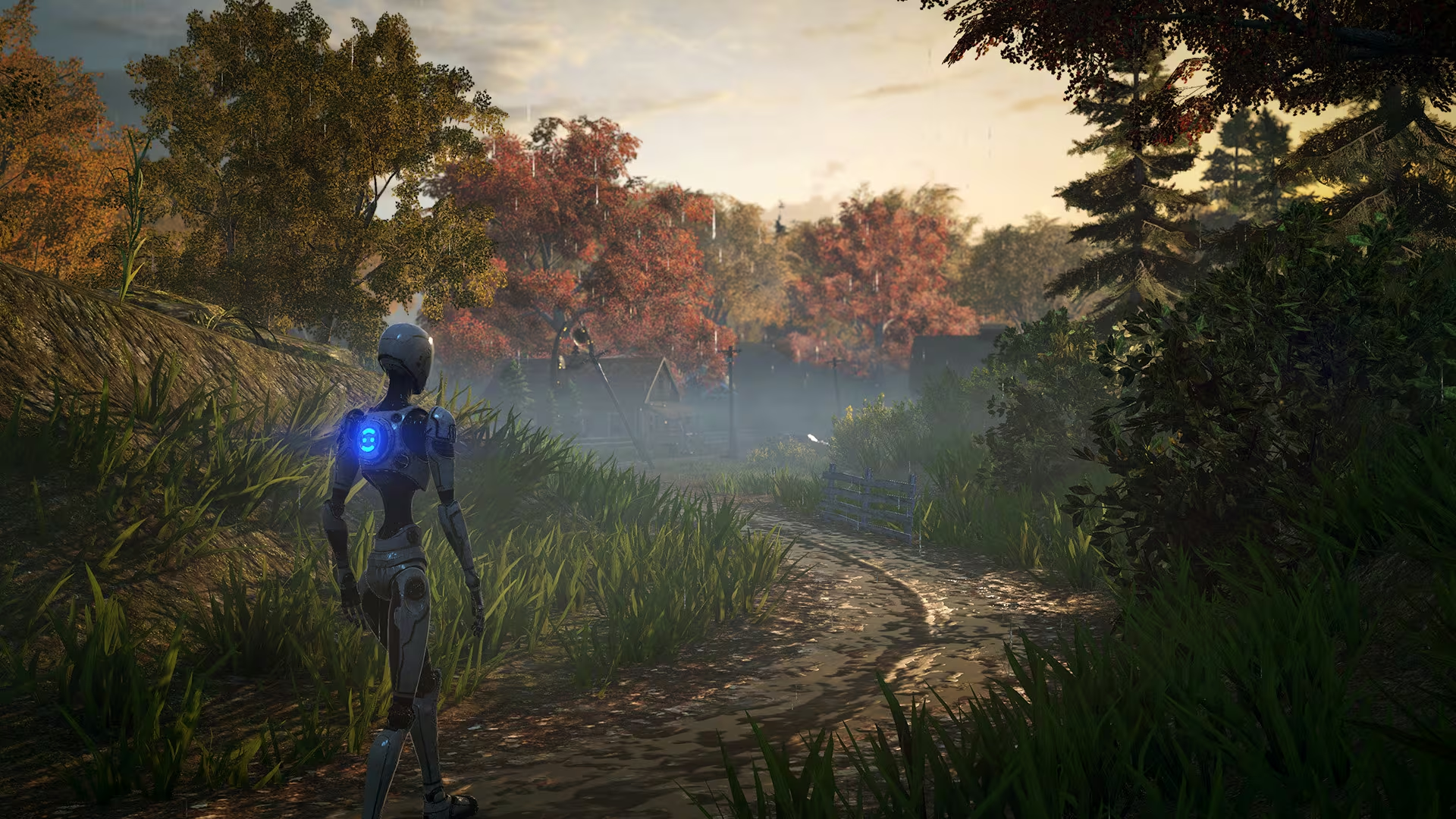
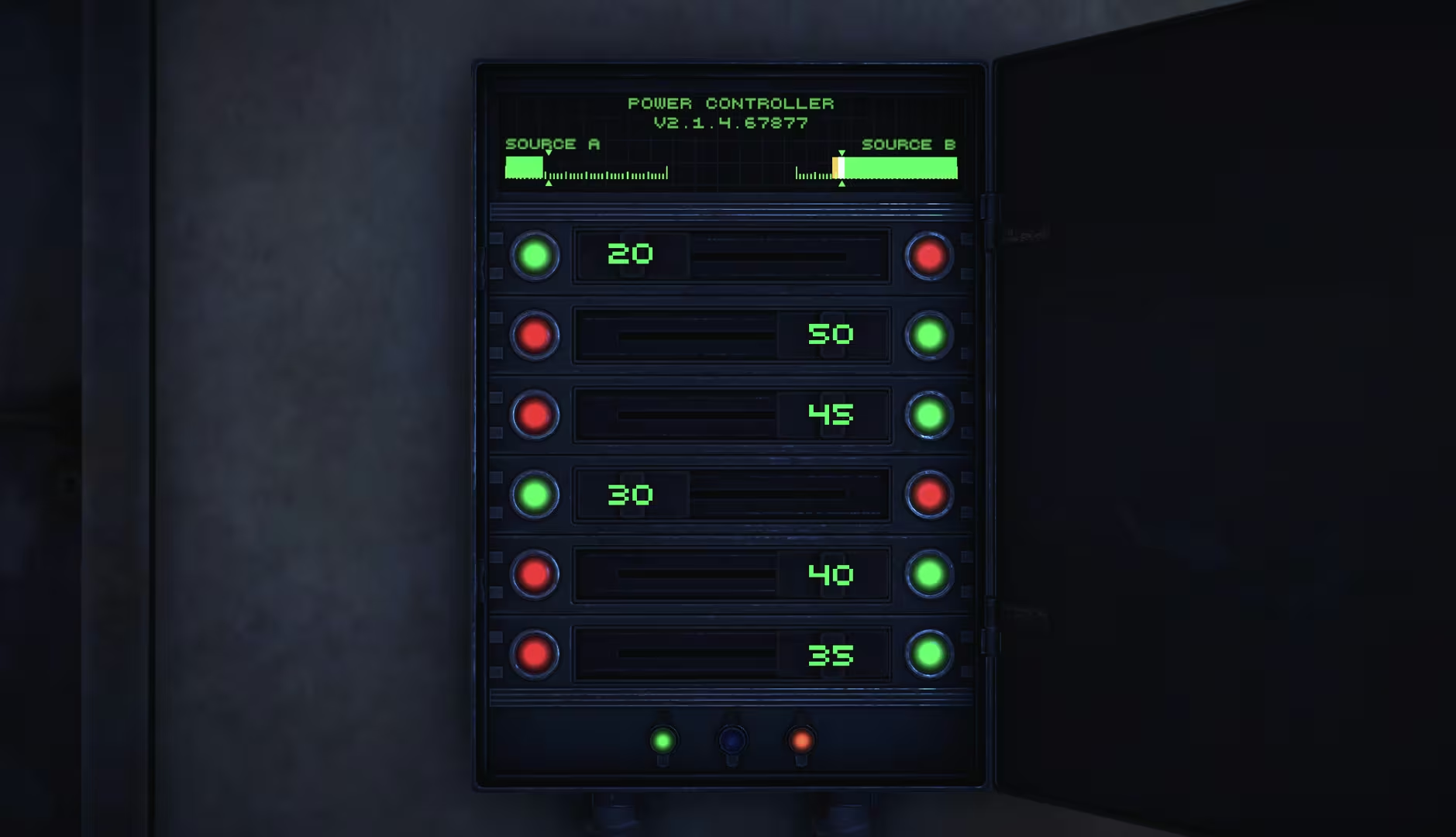
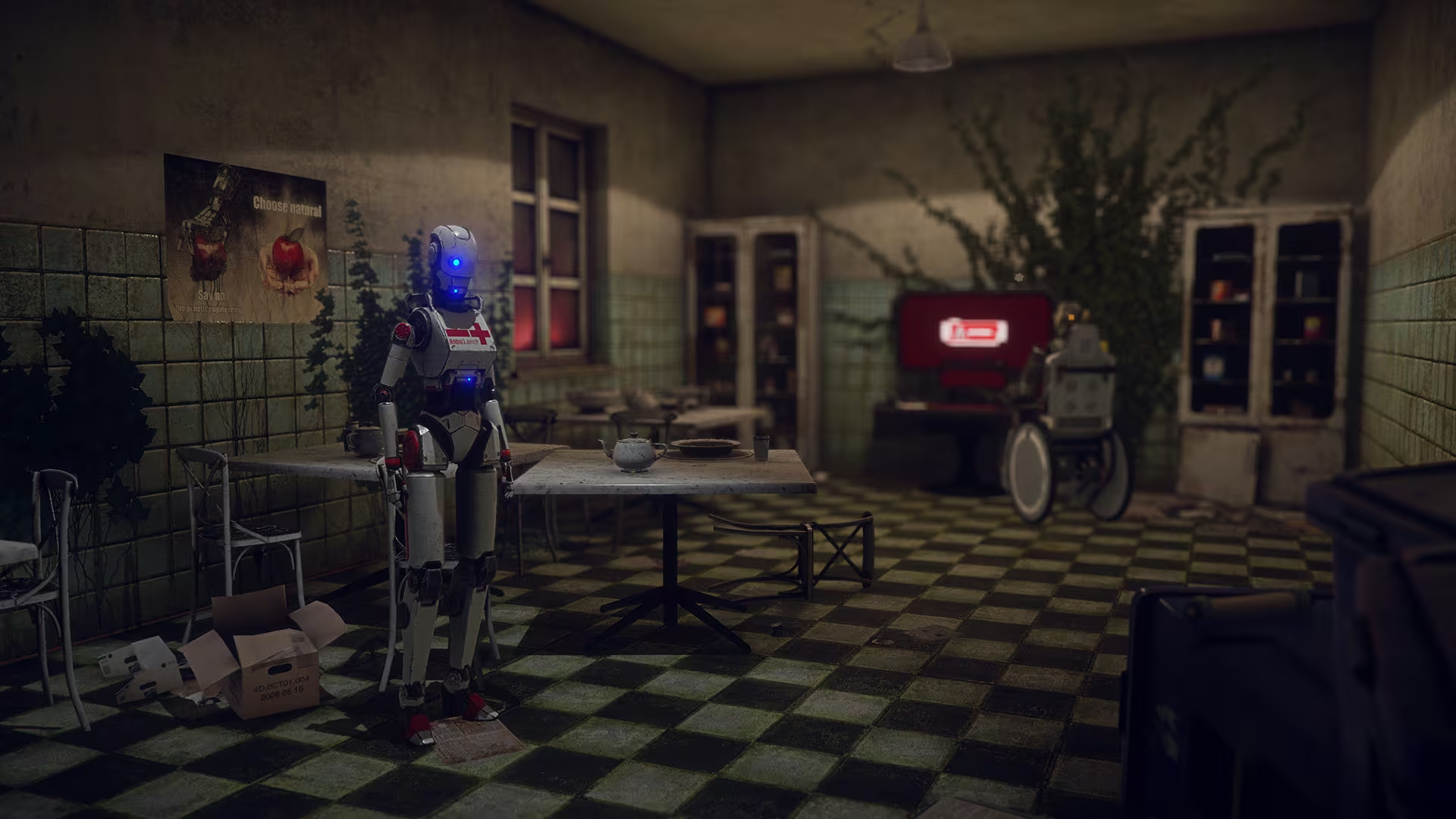
The Uncertain is an story-driven adventure game set in a post-apocalyptic world. Experience the mysterious vibe of each of carefully explored locations, solve diverse puzzles, make fateful decisions and discuss intriguing matters to find out the whole truth being kept from you.

Global score

76/100

Genres

Adventure, Indie, Puzzle, Point-and-click

Similar games

    Pros

    • Intriguing story and setting
    • Beautiful graphics and detailed environments
    • Atmospheric music and sound design
    • Varied and accessible puzzles
    • Numerous easter eggs and references

    Cons

    • Clunky and slow character movement
    • Short gameplay duration
    • Linear narrative with limited choice impact
    • Some technical and control issues
    • Lack of manual save and replay flexibility

    Analysis

    Broadly representative of its motivational profile, with a few distinct shifts. Motivations that often define this kind of title include Survival, Violence, Fellowship, Expression. Here, the score leans higher than usual among comparable games on Story. It leans lower than usual among comparable games on Experimenting, Value.

    How to use the graph
    Similar games map

    Each dot is a game. They are arranged from the same motivation profile as in the “Motivations” section below. Closer dots usually mean more similar reasons to play (exploration, competition, relaxation, etc.)—not that one game is “better” than another.

    • Larger dot with a light outline: the game you are viewing.
    • Colour: groups of games with comparable motivation patterns (statistical clusters).
    • Hover a dot to see the game name; click to open its page.
    • Scroll or double-click the chart to zoom out and see more games.

    Why don’t the axes read like a score? This view uses t-SNE: it only keeps who is close to whom. The scales are not “good to bad” or hours played—they separate groups on the map. Read distance between dots, not the axis numbers.

    Motivations

    • Autonomy
      3

      "Players control a robot protagonist with some freedom in exploration and dialogue choices, though the game is mostly linear and story-driven."

    • Competence
      2

      "Puzzles are generally simple but require some logical thinking; gameplay includes exploration and minor skill tests."

    • Competition
      -5

      "No competitive elements; focus is on single-player story experience without comparison to others."

    • Continuation
      1

      "Players show interest in replaying for achievements and exploring, but game is short and linear, limiting habitual play."

    • Cooperation
      -5

      "Entirely single-player with no multiplayer or cooperative gameplay."

    • Creativity
      2

      "Players engage in puzzle solving and exploration with some interaction and item use, but within predefined story and environments."

    • Domination
      -5

      "No elements of exerting control or superiority over others; cooperative and social dominance absent."

    • Escapism
      4

      "Post-apocalyptic setting and immersive story provide strong escapism and distraction from real life."

    • Expectation
      -4

      "Players engage voluntarily out of interest in story and setting, not due to obligation or external pressure."

    • Experimenting
      -1

      "Some exploration and puzzle experimentation possible, but mostly follows a linear narrative and gameplay routine."

    • Exploration
      3

      "Game encourages exploration of detailed environments and discovery of lore and easter eggs."

    • Expression
      -3

      "Limited character customization or self-expression; players interact with fixed characters and environments."

    • Fantasy
      4

      "Fictional post-apocalyptic world with robots and speculative future themes."

    • Fellowship
      -5

      "No social or community features; entirely single-player experience."

    • Growth
      2

      "Players learn story details and solve puzzles, gaining knowledge and understanding of the game world."

    • Health
      -5

      "Sedentary gameplay with no physical activity or health-related features."

    • Idle
      -3

      "Requires focused attention during puzzles and story progression; not designed for casual or background play."

    • Intimacy
      -4

      "Limited social interaction; some emotional engagement with story but no close relationships formed."

    • Leadership
      -5

      "No leadership or group management elements; single-player narrative focus."

    • Progression
      2

      "Players collect items and solve puzzles to advance the story, showing some sense of progression."

    • Relaxation
      3

      "Calm, atmospheric gameplay with a slow pace and soothing music promotes relaxation."

    • Sensation
      2

      "Visuals and music provide sensory enjoyment, though gameplay is not highly stimulating or intense."

    • Status
      -5

      "No social recognition or status systems; focus is on individual experience."

    • Story
      5

      "Strong narrative focus with immersive story, character development, and thematic depth."

    • Strategy
      1

      "Some puzzle solving and logical thinking required, but overall gameplay is straightforward and linear."

    • Thrill
      -2

      "Minimal suspense or risk; gameplay is calm and slow-paced with few thrilling moments."

    • Value
      0

      "Mixed player opinions on value; some praise story and atmosphere, others note short length and price concerns."

    • Violence
      -5

      "No combat or destruction; gameplay focuses on exploration and puzzle solving."

    • Survival
      -3

      "No survival mechanics; stable environment with no threats or resource management."

    Last update: 29/04/2026