Touhou Kanjuden ~ Legacy of Lunatic Kingdom. similar games & best alternatives
No screenshot has been retrieved yet
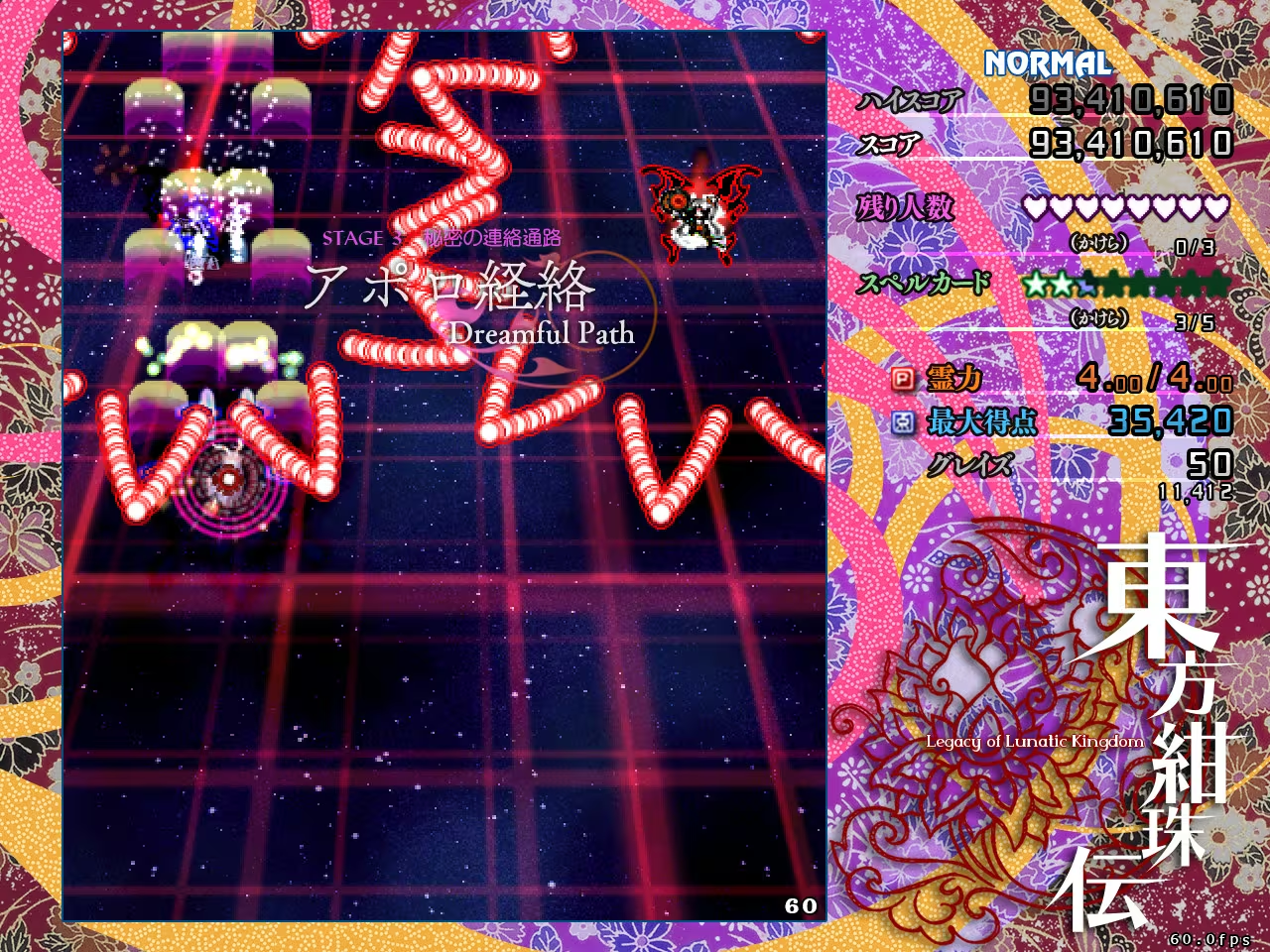
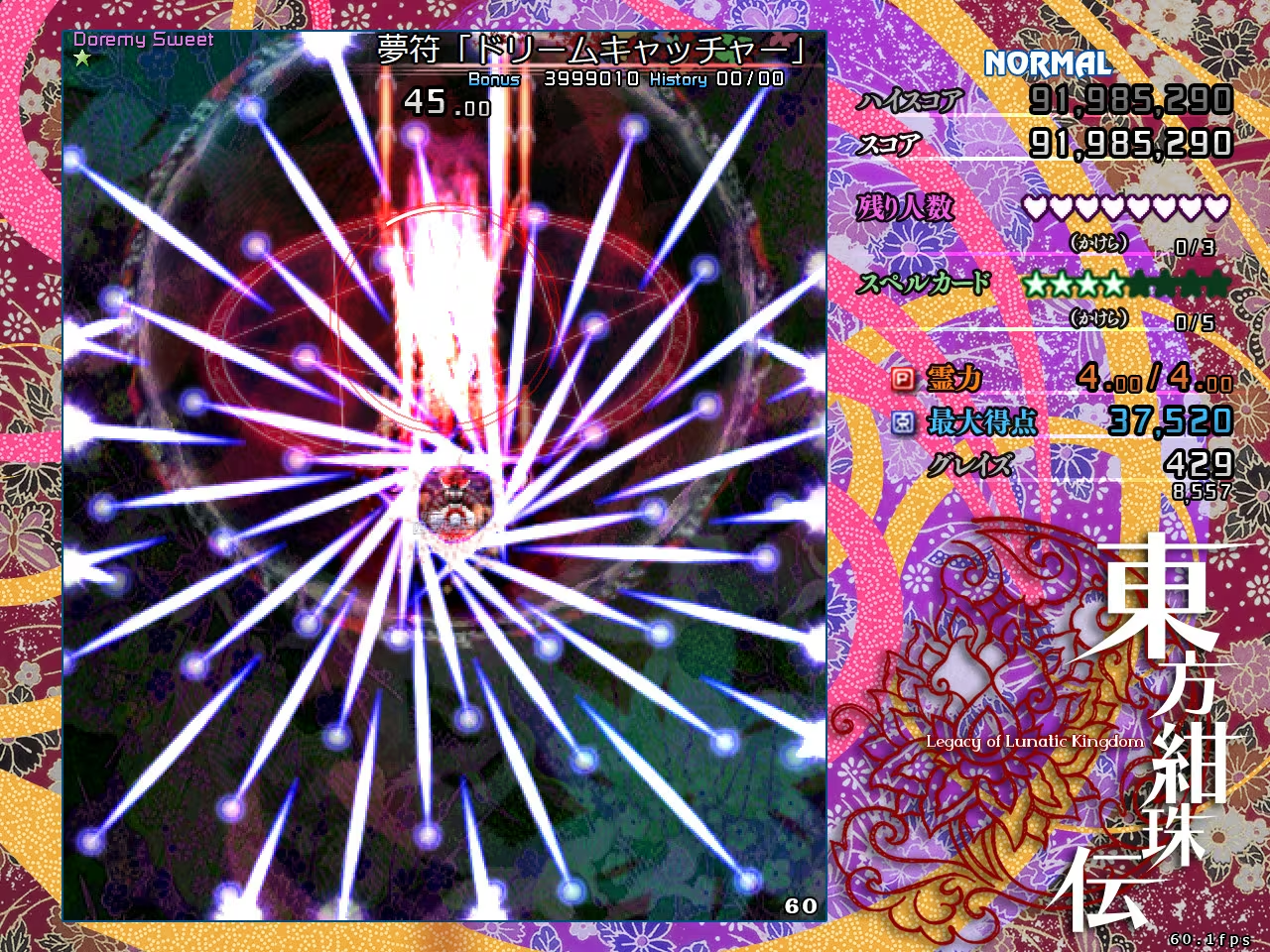
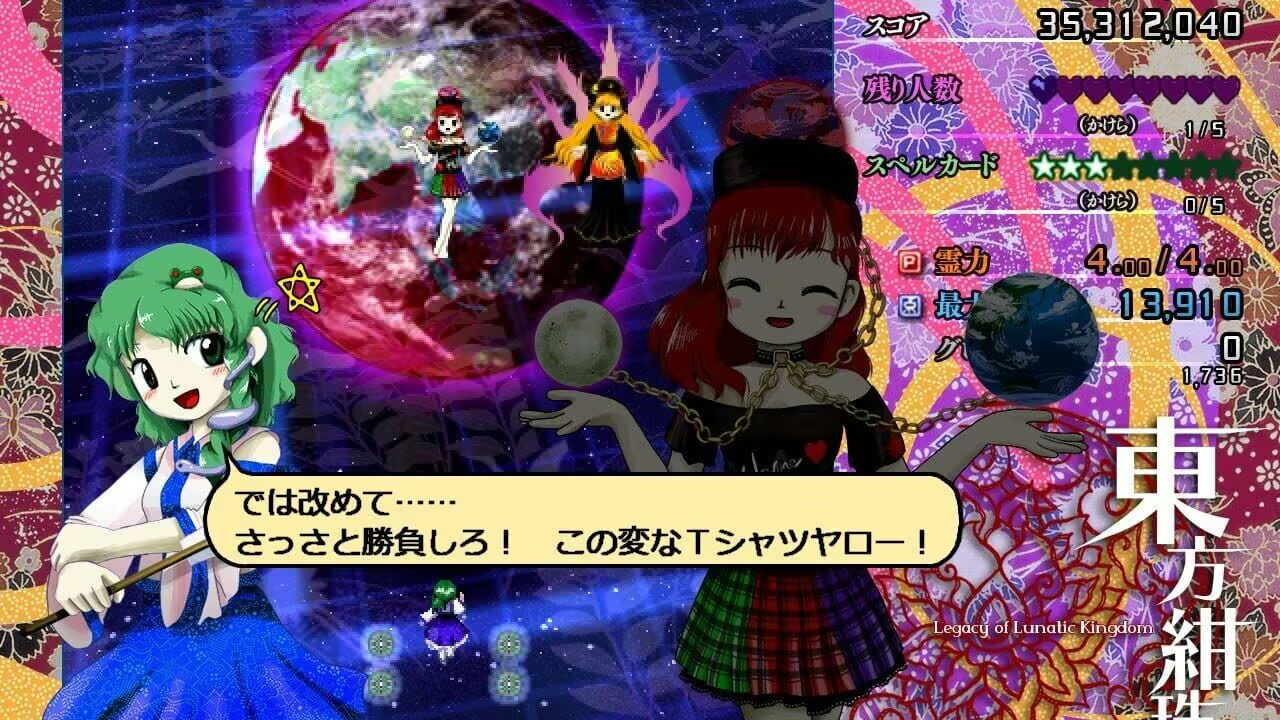
Should you play it?
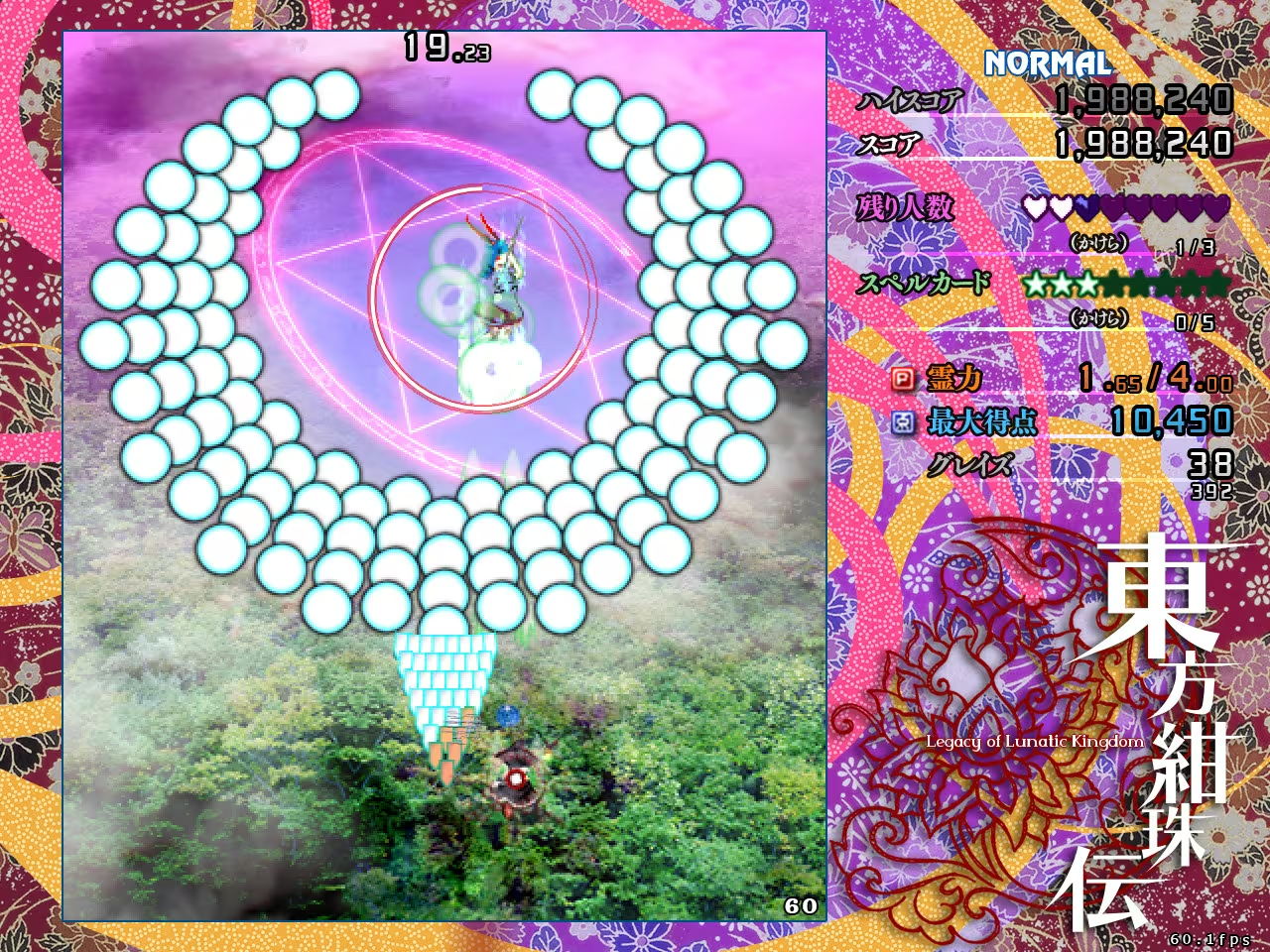
月の都から敵が攻めてきた! その弾幕が過去最狂難易度を誇るのは当然だろう? ピュアーでルナティックなシューティング幻想!
What works
- Challenging and rewarding gameplay
- Innovative pointdevice mode for retrying sections
- Excellent soundtrack and character design
- Strong skill development and mastery
- Engaging bullet hell mechanics
Things to keep in mind
- Very high difficulty may frustrate newcomers
- Some bullet patterns rely on rng and micrododging
- Limited social or cooperative features
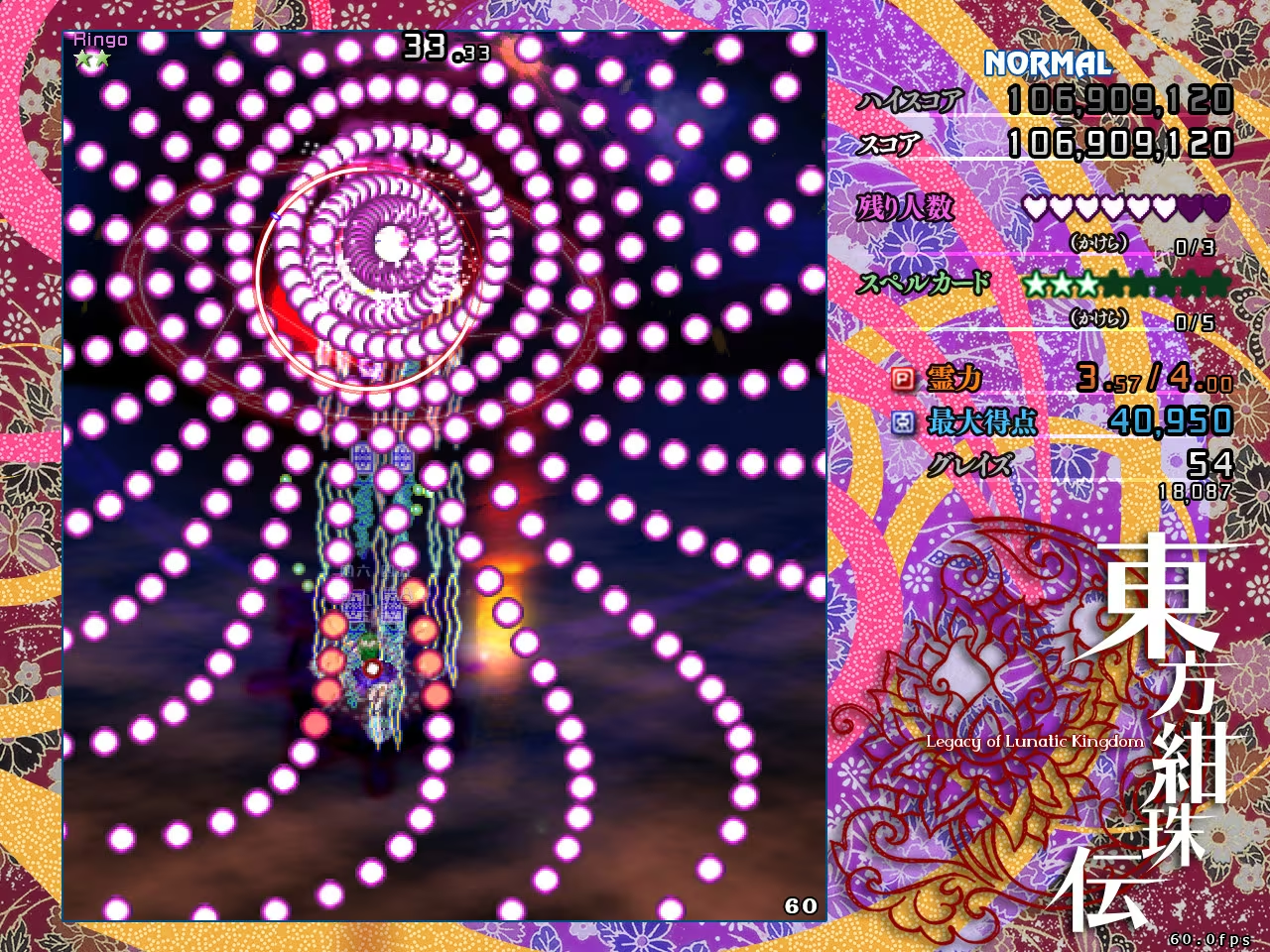
- Visual clutter and color-shifting bullets can cause strain
- Steep learning curve and potential for repetitive retries
What to play next
Top picks
Games that feel the closest overall
-

Touhou Seirensen ~ Undefined Fantastic Object.
-

Touhou Kishinjou ~ Double Dealing Character.
-

Touhou Chireiden ~ Subterranean Animism.
-
Touhou Fuujinroku ~ Mountain of Faith.
-
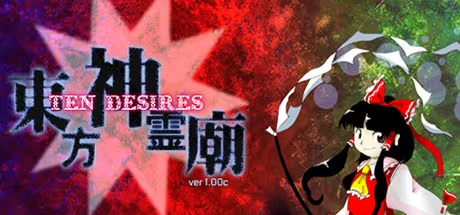
Touhou Shinreibyou ~ Ten Desires.
-
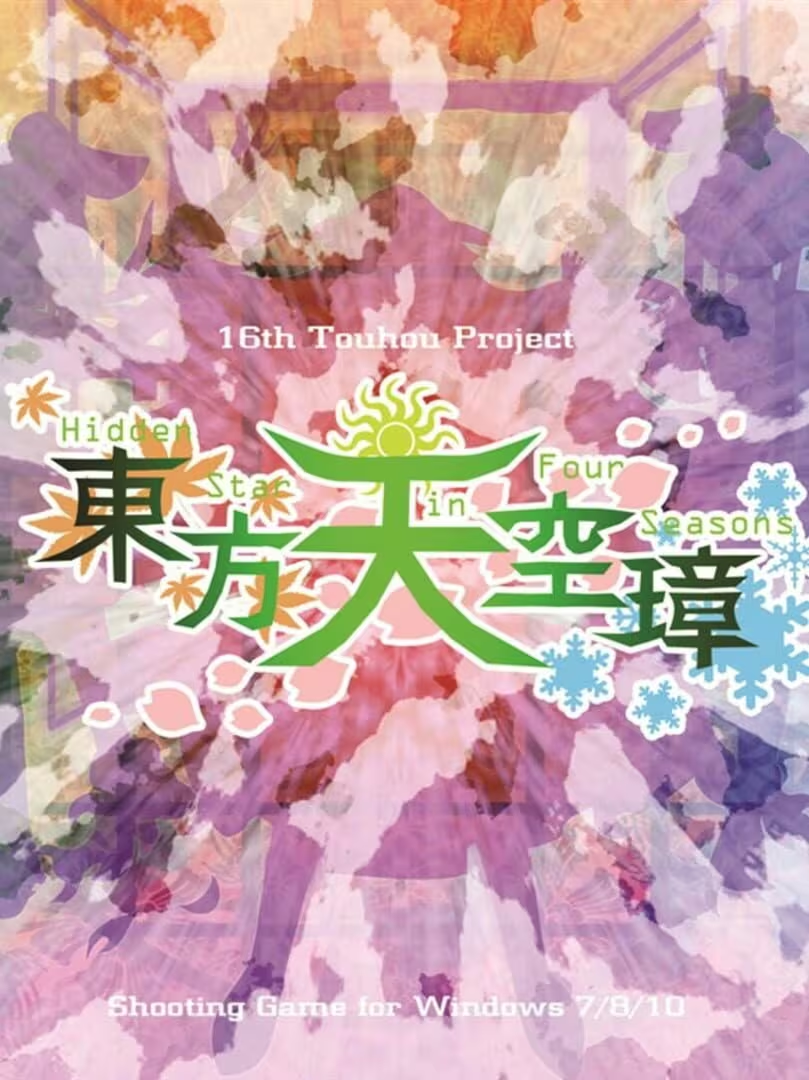
Touhou Tenkuushou ~ Hidden Star in Four Seasons.
-
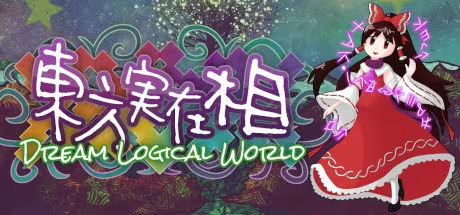
東方実在相 ~ Dream Logical World
-
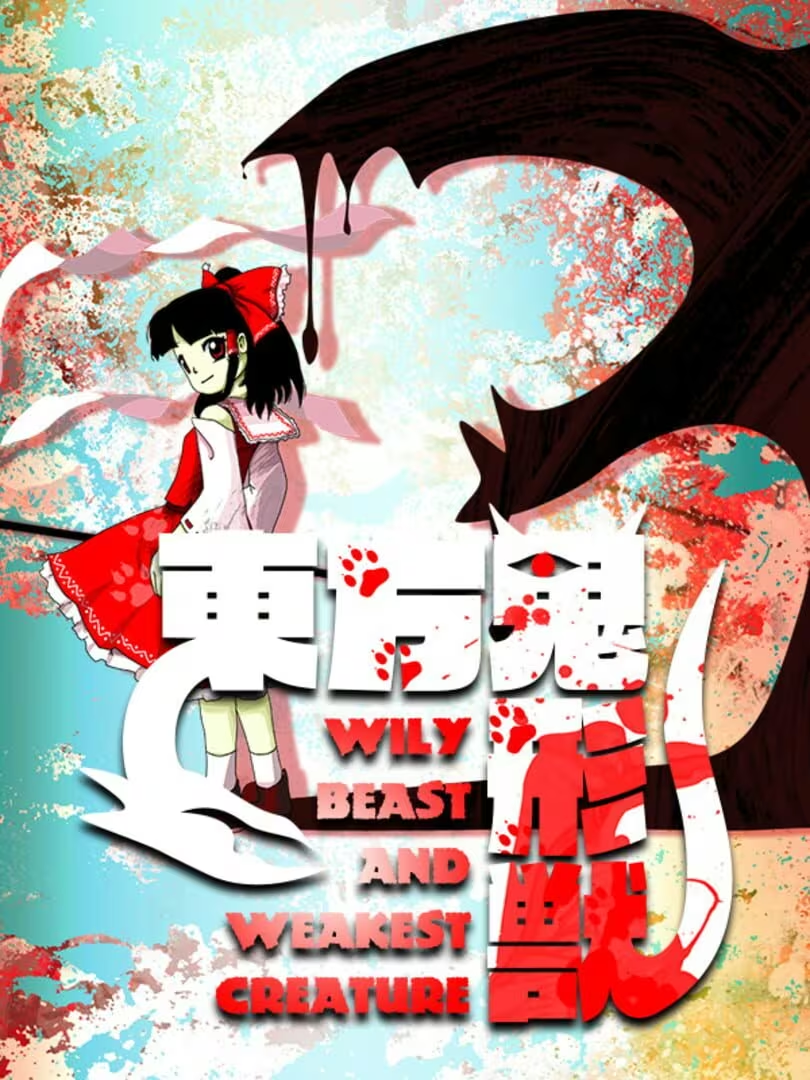
Touhou Kikeijuu ~ Wily Beast and Weakest Creature.
-

Hifuu Nightmare Diary ~ Violet Detector.
More competitive
Games that feels like Touhou Kanjuden ~ Legacy of Lunatic Kingdom. but with more competition against others · 14 games
-

Touhou Kaeizuka ~ Phantasmagoria of Flower View.
-
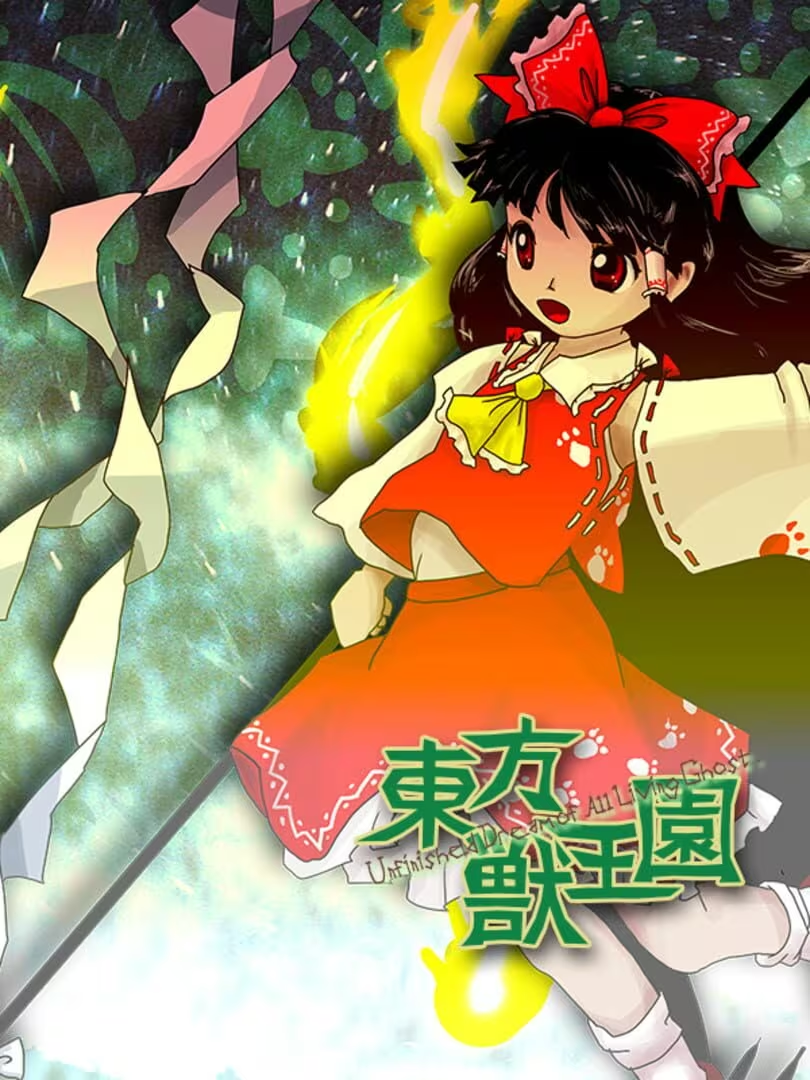
Touhou Juuouen 〜 Unfinished Dream of All Living Ghost.
-
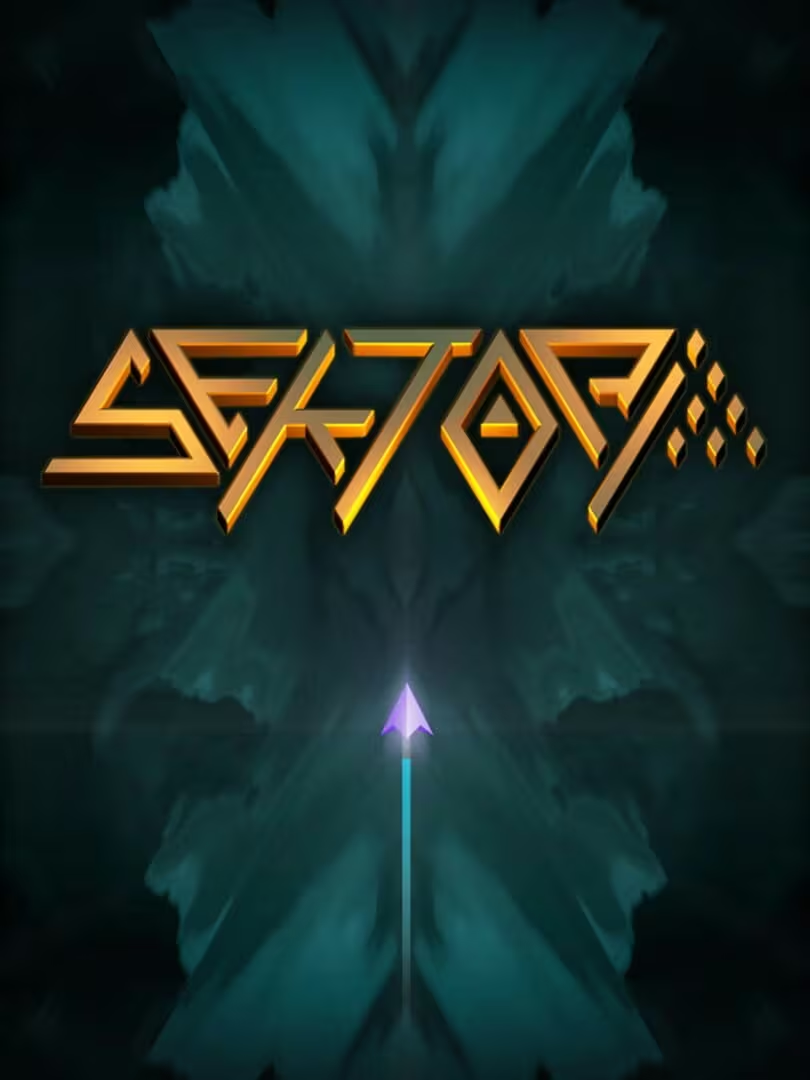
Sektori
-

Mushihimesama
-

DoDonPachi Resurrection
-
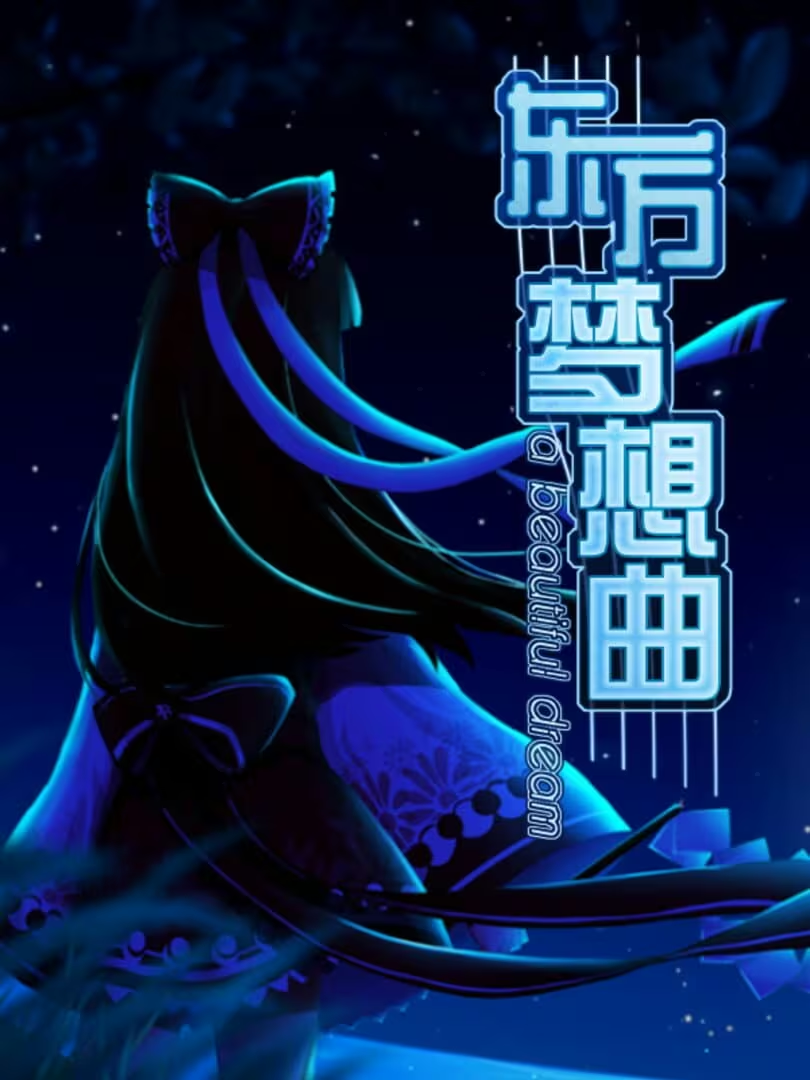
Touhou Fantasia / 东方梦想曲
-

DEVIL BLADE REBOOT
-
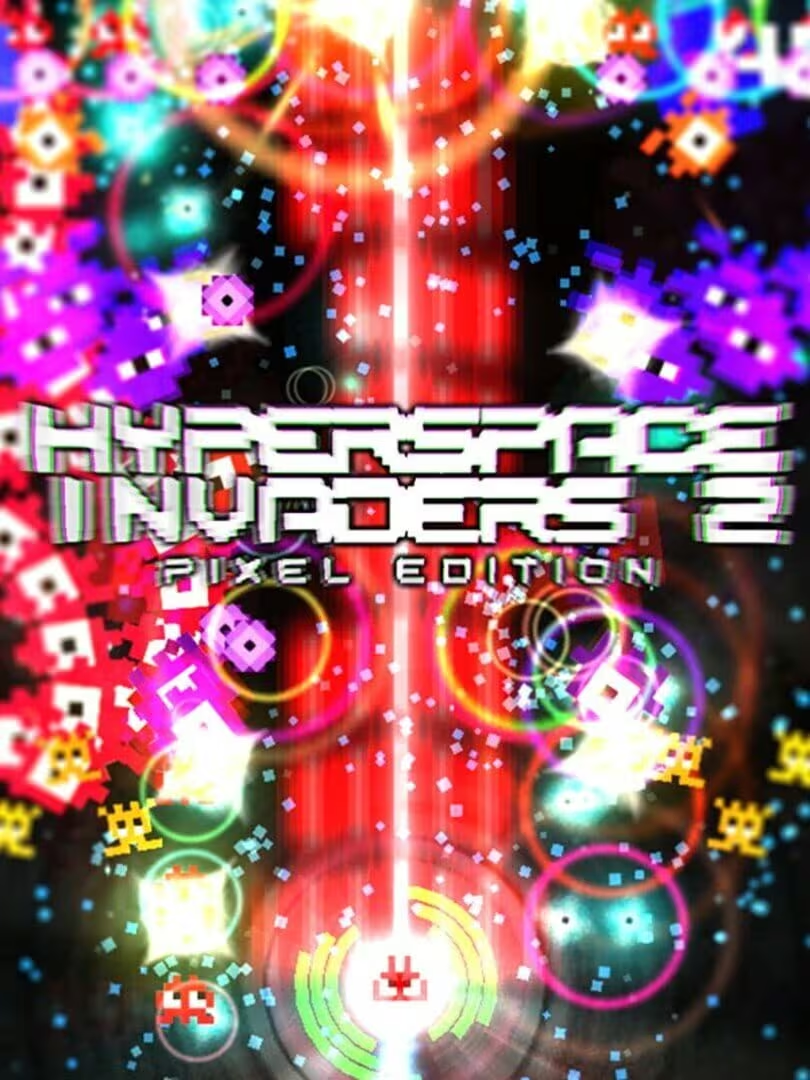
Hyperspace Invaders II: Pixel Edition
-

GRADIUS ORIGINS
-
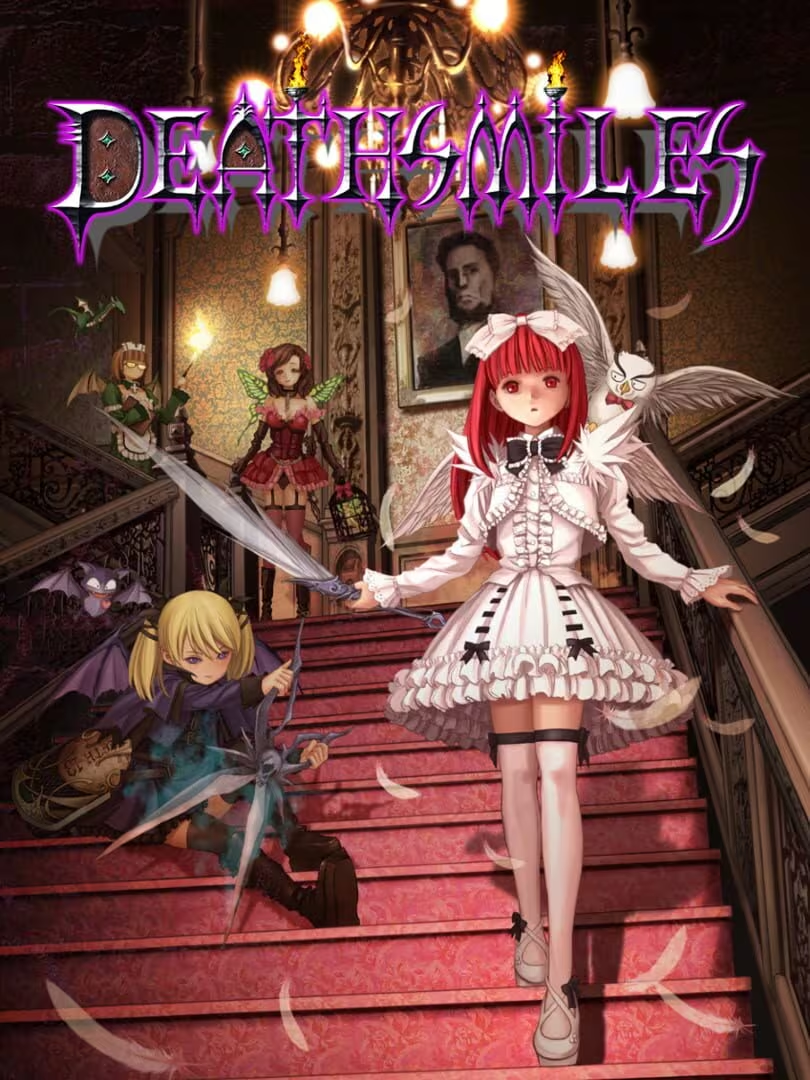
Deathsmiles
-

Angel at Dusk
-

Mirage Feathers
-

东方雪莲华 ~ Abyss Soul Lotus.
-

Hellsinker.
More relaxing
Games that feels like Touhou Kanjuden ~ Legacy of Lunatic Kingdom. but with a more relaxing feel · 11 games
-

TouHou Makuka Sai ~ Fantastic Danmaku Festival Part III
-

TouHou Makuka Sai ~ Fantastic Danmaku Festival Part II
-

东方栖霞园 ~ Blue devil in the Belvedere.
-

Touhou Kikamu ~ Elegant Impermanence of Sakura
-

東方催狐譚 ~ Servants of Harvest Wish
-

Touhou Koumakyou: New Classic - the Embodiment of Scarlet Devil
-

Danmaku Unlimited 2
-

Touhou Blooming Chaos 2
-

弹幕音乐绘 ~风雷幻奏曲~ / Barrage Musical ~A Fantasy of Tempest~
-
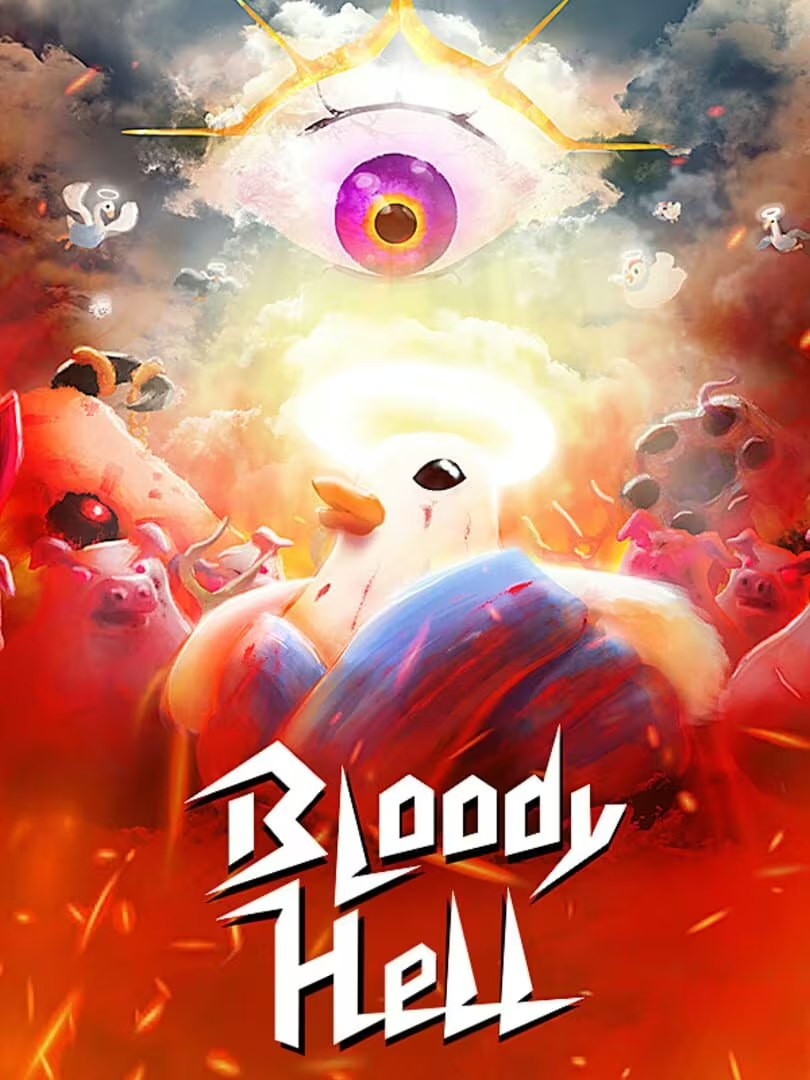
Bloody Hell
-
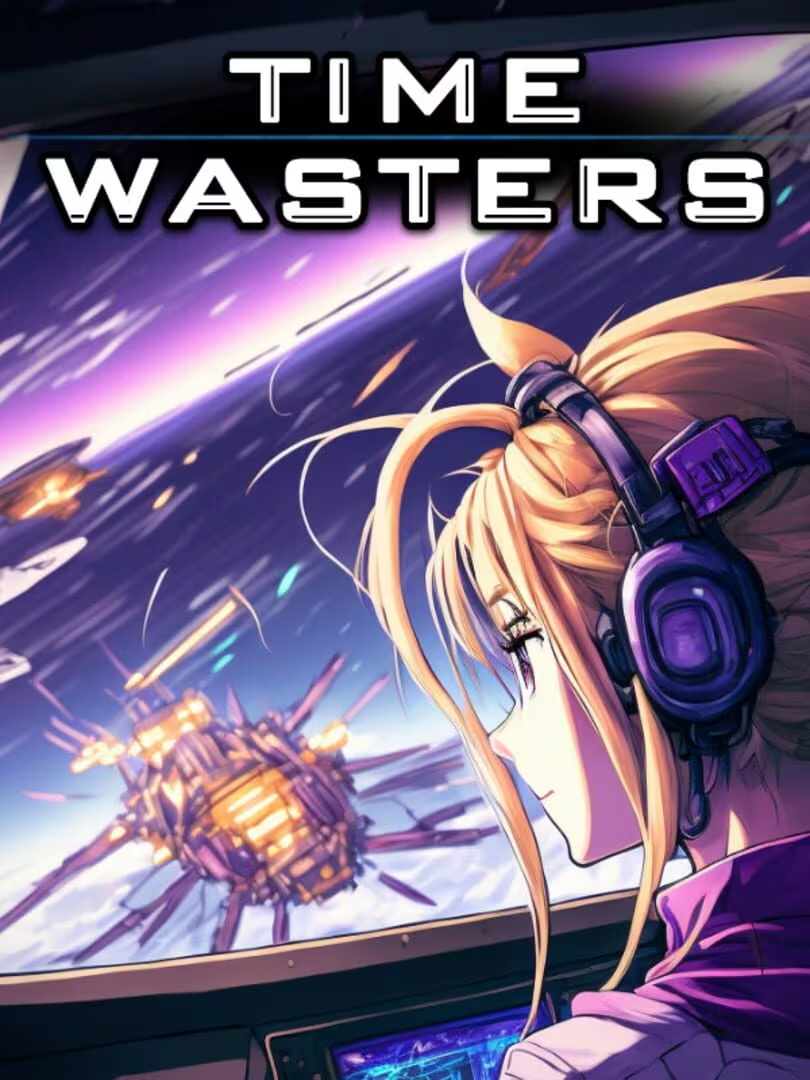
Time Wasters
More expressive
Games that feels like Touhou Kanjuden ~ Legacy of Lunatic Kingdom. but with more self-expression and customization · 10 games
-
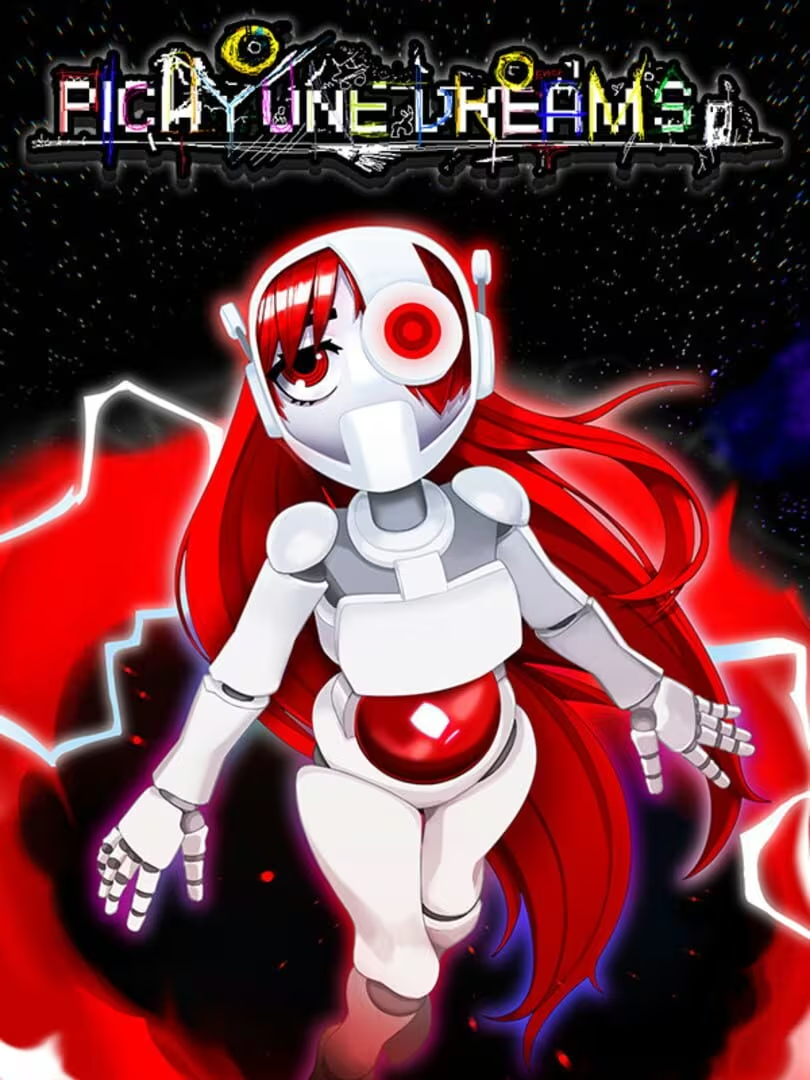
Picayune Dreams
-

Touhou Kinjoukyou ~ Fossilized Wonders.
-

Touhou Kouryudou ~ Unconnected Marketeers.
-

QP Shooting - Dangerous!!
-

東方幕華祭 TouHou Makuka Sai ~ Fantastic Danmaku Festival
-
東方眠世界 ~ Wonderful Waking World
-

永远消失的幻想乡 ~ The Disappearing of Gensokyo
-

Jigoku Kisetsukan: Sense of the Seasons
-
ScourgeBringer
-

Halluci-Sabbat of Koishi
Less story-driven
Games that feels like Touhou Kanjuden ~ Legacy of Lunatic Kingdom. but with less narrative immersion · 2 games
Others
Other games that might remind you of Touhou Kanjuden ~ Legacy of Lunatic Kingdom. · 4 games




From the same developer
From the same developer, ranked by motivational fit.
Last update: 06/10/2026