FINAL FANTASY II Thumbnail

FINAL FANTASY II similar games & best alternatives
FINAL FANTASY II

PC (Microsoft Windows), Nintendo 3DS, Wii U, Family Computer, Wii • 2021

Related articles

Quick resume

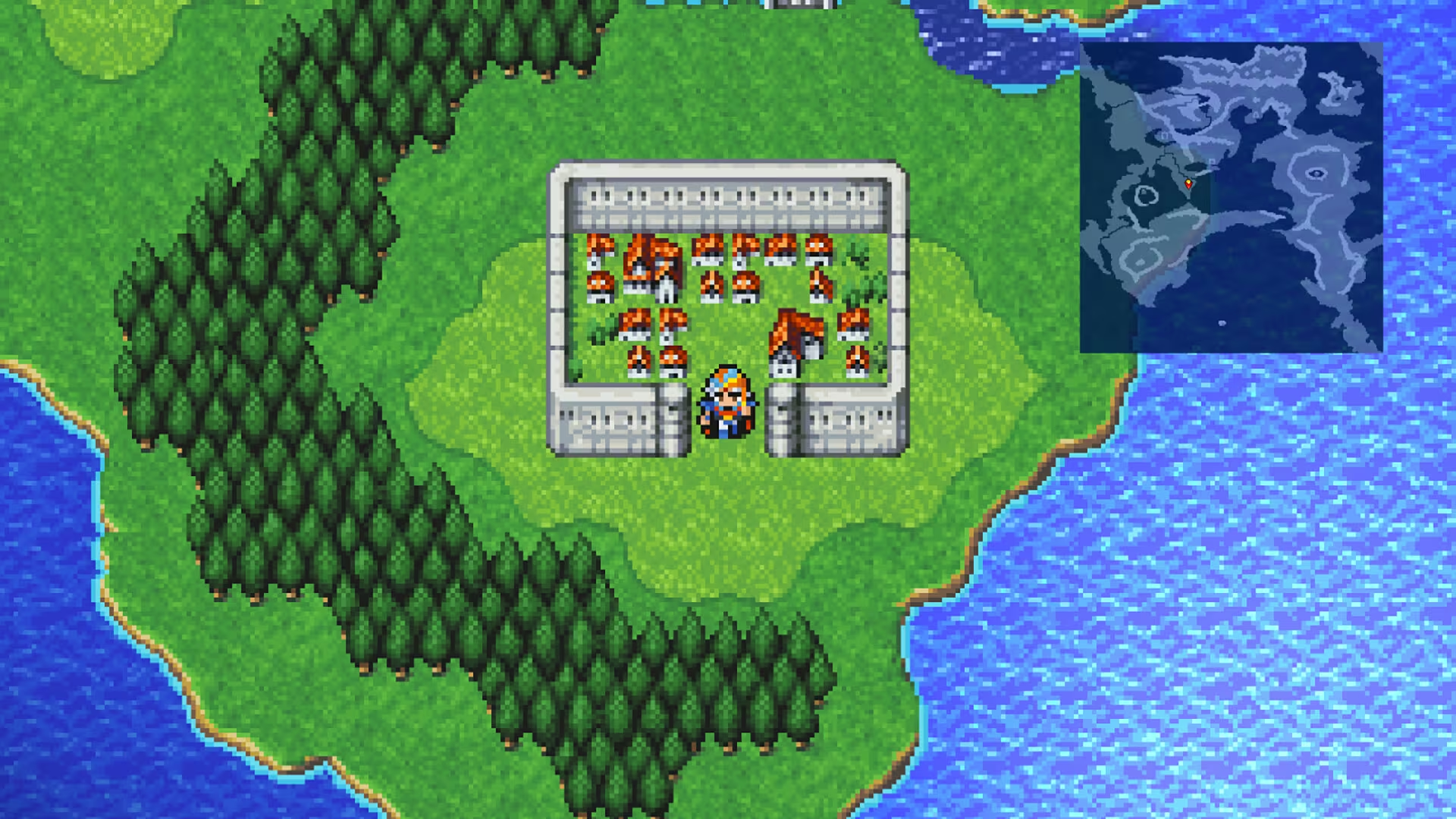
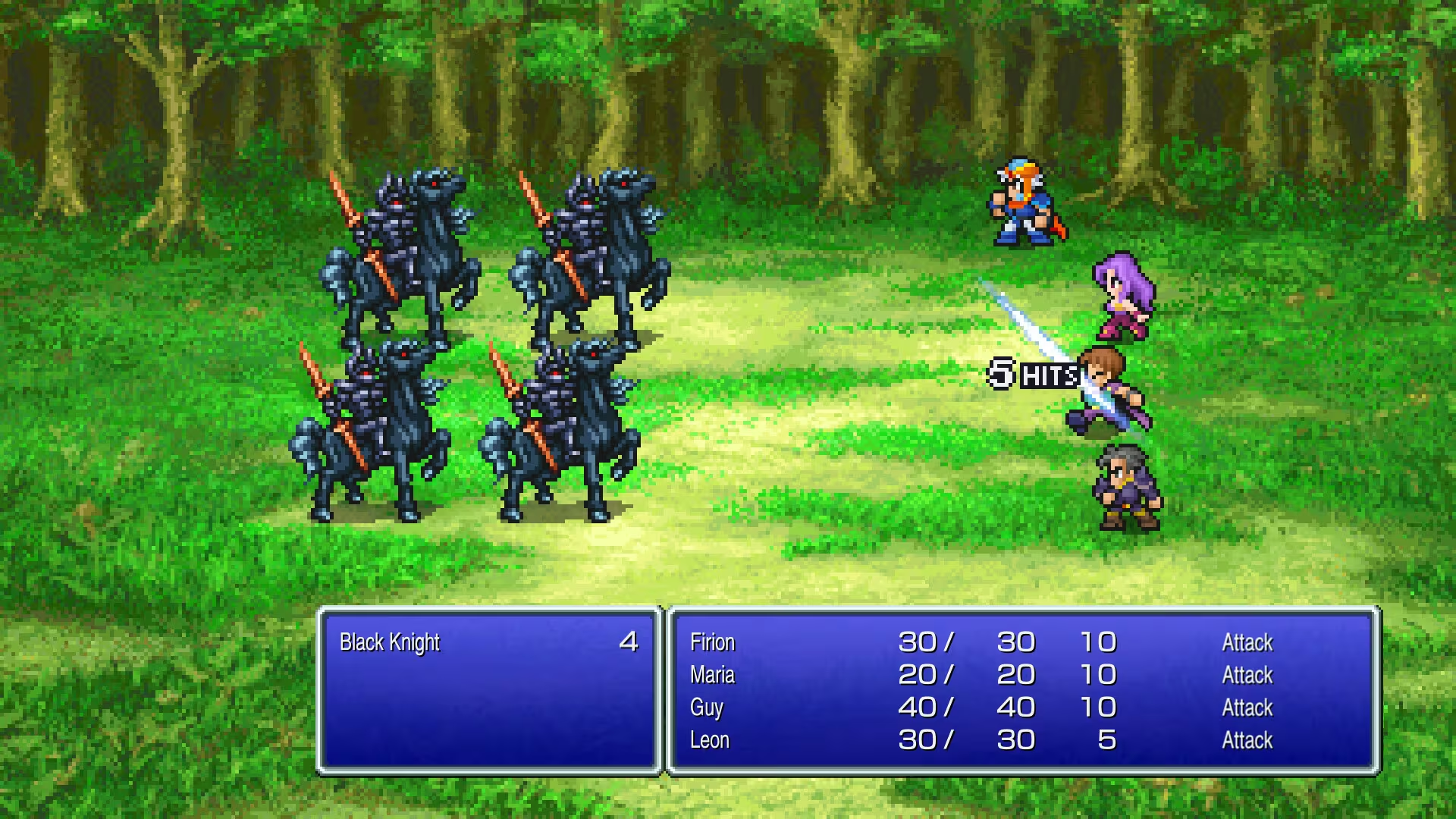
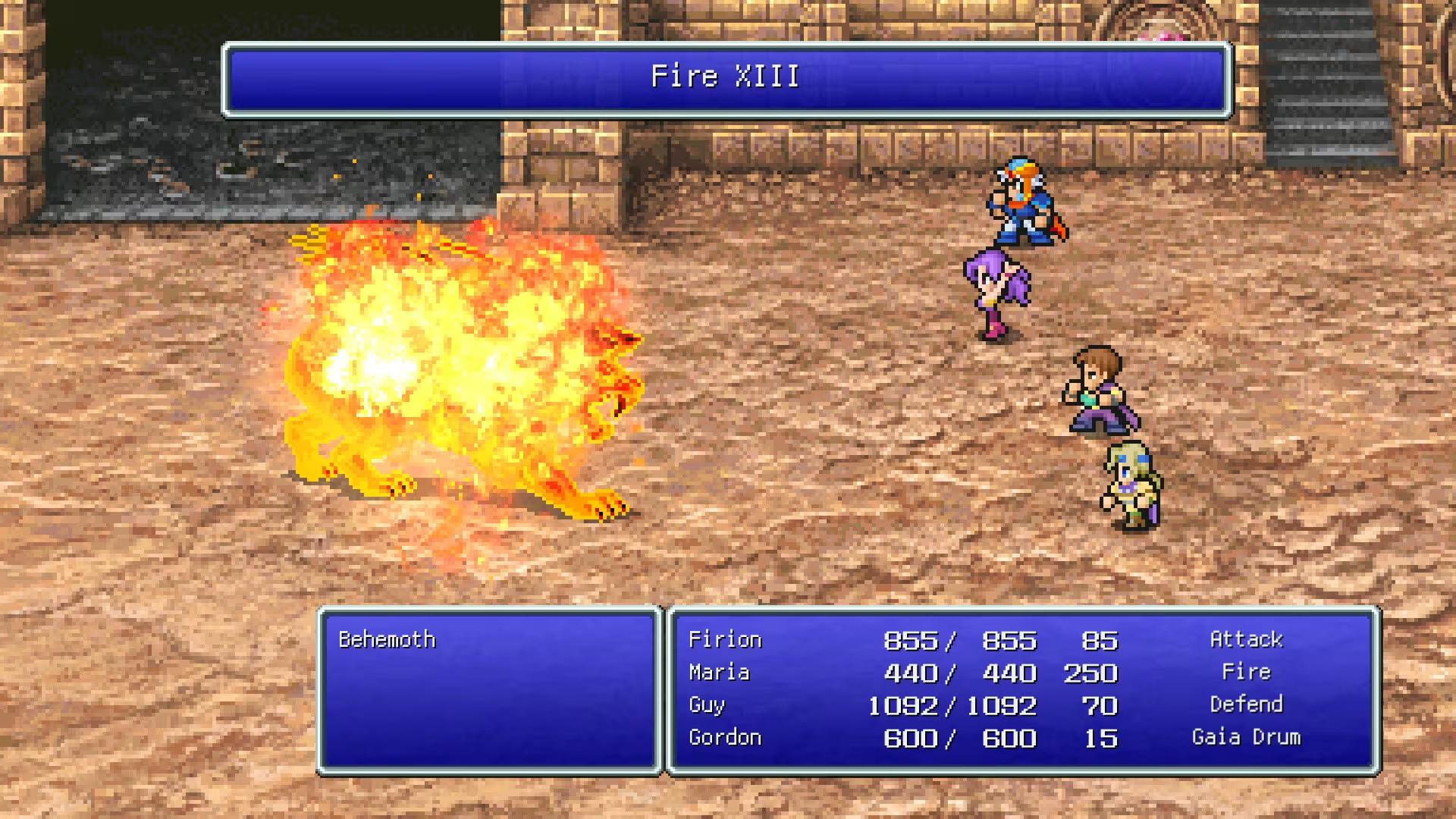
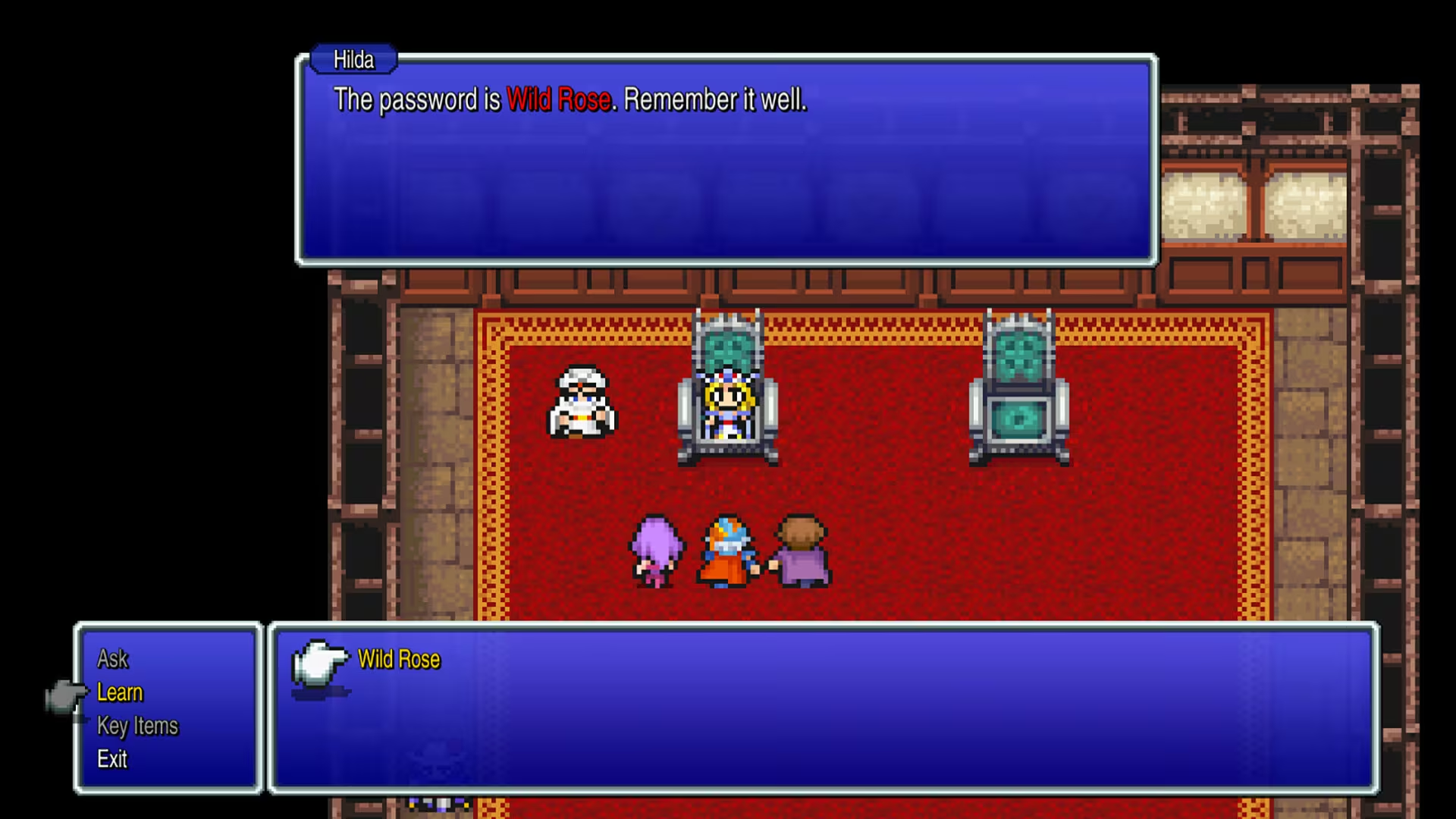
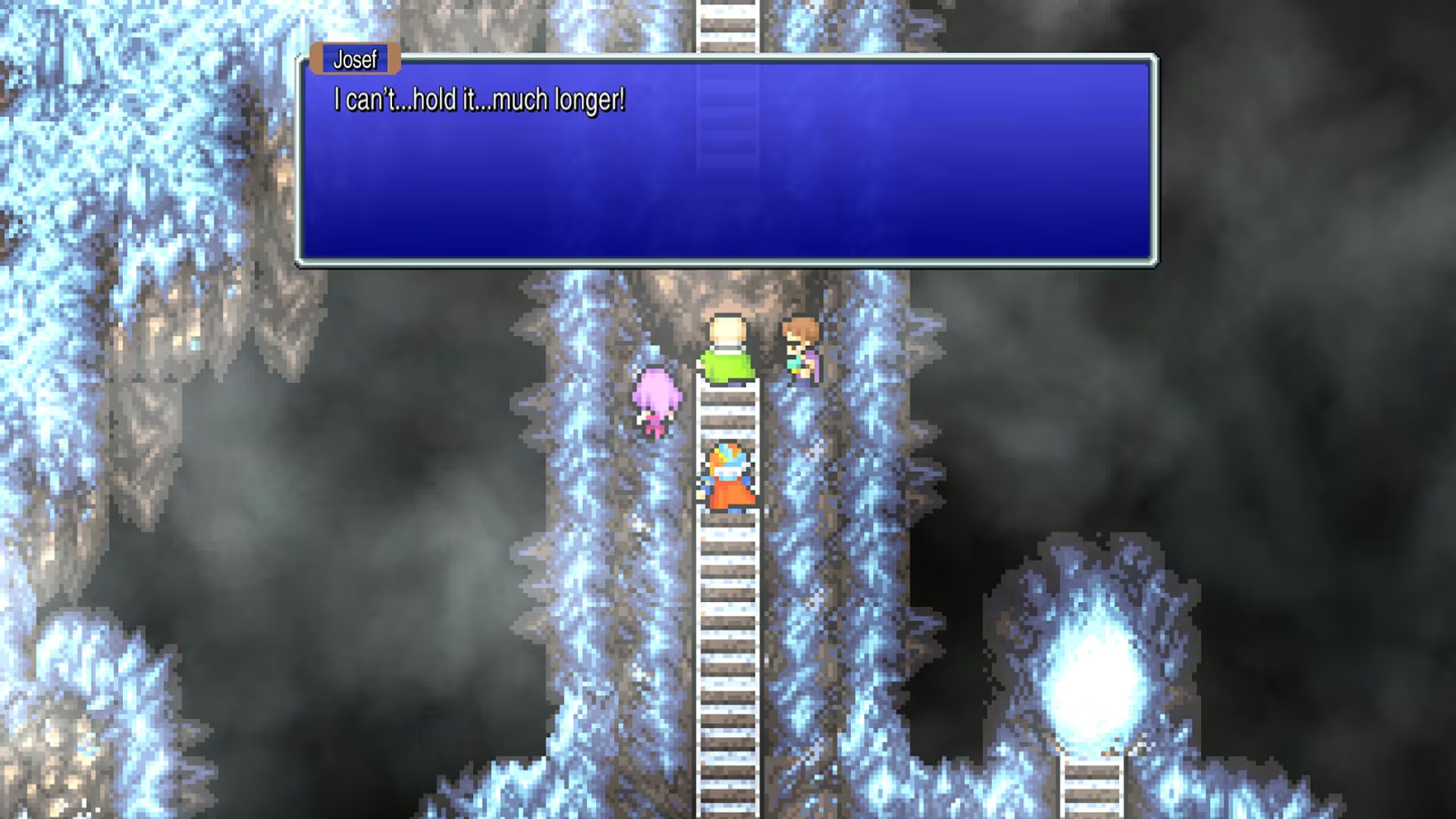
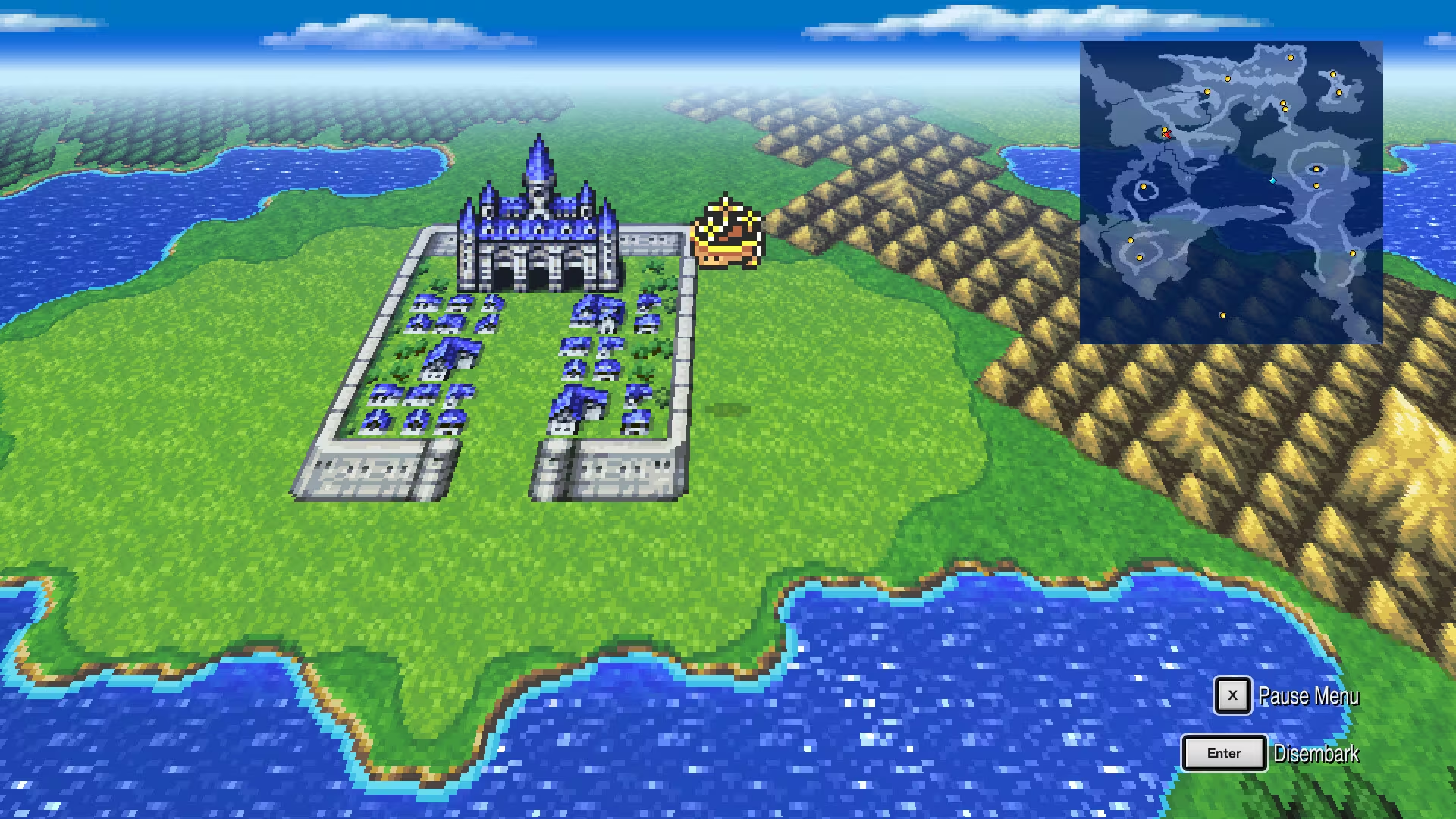
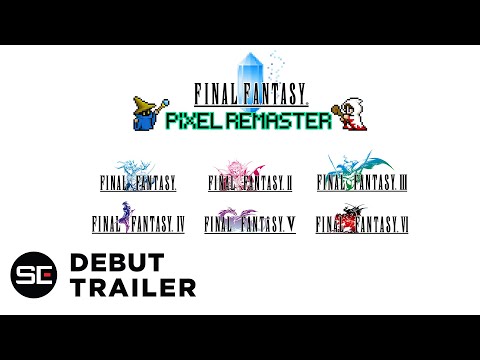
The original FINAL FANTASY II comes to life with completely new graphics and audio! A remodeled 2D take on the second game in the world-renowned FINAL FANTASY series! Enjoy the timeless story told through charming retro graphics.

Global score

82/100

Genres

Role-playing (RPG), Adventure

Similar games

    Pros

    • Unique and flexible leveling system
    • Engaging and darker story than predecessor
    • Improved pixel art and orchestral soundtrack
    • Quality of life features like auto battle and quick save
    • Historical significance in series evolution

    Cons

    • High encounter rates can be tedious
    • Some status effects feel unfair and frustrating
    • Rotating underleveled party members
    • Missable content requiring guides for 100%
    • Leveling system can be grindy and confusing

    Analysis

    Broadly representative of its motivational profile, with a few distinct shifts. Motivations that often define this kind of title include Relaxation, Survival, Violence, Fellowship. Here, the score leans higher than usual among comparable games on Expression. It leans lower than usual among comparable games on Thrill, Competence.

    How to use the graph
    Similar games map

    Each dot is a game. They are arranged from the same motivation profile as in the “Motivations” section below. Closer dots usually mean more similar reasons to play (exploration, competition, relaxation, etc.)—not that one game is “better” than another.

    • Larger dot with a light outline: the game you are viewing.
    • Colour: groups of games with comparable motivation patterns (statistical clusters).
    • Hover a dot to see the game name; click to open its page.
    • Scroll or double-click the chart to zoom out and see more games.

    Why don’t the axes read like a score? This view uses t-SNE: it only keeps who is close to whom. The scales are not “good to bad” or hours played—they separate groups on the map. Read distance between dots, not the axis numbers.

    Motivations

    • Autonomy
      4

      "Players have freedom to develop characters by choosing which weapons and spells to use, shaping their growth."

    • Competence
      2

      "Gameplay involves overcoming challenges and managing a unique leveling system, though some grinding and randomness exist."

    • Competition
      -4

      "Focus is on personal progression and story; no evidence of competitive or ranked play."

    • Continuation
      2

      "Players engage in grinding and repeated battles, but some find the encounter rate tedious, leading to mixed attachment."

    • Cooperation
      -3

      "Single-player RPG with limited party cooperation; some NPC party members rotate but no multiplayer or teamwork."

    • Creativity
      3

      "Unique character progression system allows creative customization of character roles and abilities."

    • Domination
      -5

      "No social dominance or power over others; gameplay is individual and story-driven."

    • Escapism
      4

      "Players immerse in a dark fantasy world and story, escaping real life through narrative and gameplay."

    • Expectation
      -4

      "Players engage voluntarily out of interest in the series and story; no obligation or external pressure noted."

    • Experimenting
      3

      "The leveling system encourages experimenting with different weapons and spells to develop characters."

    • Exploration
      2

      "Game world encourages exploration with maps and dungeons, though some areas are maze-like and repetitive."

    • Expression
      2

      "Some self-expression through character customization and equipment choices, but limited cosmetic options."

    • Fantasy
      5

      "Strong fantasy narrative with named characters, magic, and a dark war story set in an imaginary world."

    • Fellowship
      -4

      "Primarily a solo experience with minimal social or community interaction."

    • Growth
      4

      "Players develop skills and stats through gameplay, learning to manage the unique progression system."

    • Health
      -5

      "Sedentary gameplay with no physical activity or health-related features."

    • Idle
      -3

      "Requires focused attention due to frequent battles and dungeon navigation; not a casual idle experience."

    • Intimacy
      -5

      "No evidence of close social relationships or emotional sharing; single-player narrative focus."

    • Leadership
      -3

      "No leadership roles; party management is individual and NPCs rotate without player leadership dynamics."

    • Progression
      4

      "Strong emphasis on accumulating weapon and spell proficiencies and improving character stats."

    • Relaxation
      -2

      "Some players find the game tedious and frustrating due to high encounter rates and difficulty spikes."

    • Sensation
      2

      "Enjoyable music and pixel art provide sensory pleasure, though visuals are simple and retro."

    • Status
      -5

      "No social recognition or status mechanisms; focus is on individual play."

    • Story
      4

      "Engaging narrative with character development and darker themes uncommon for its time."

    • Strategy
      3

      "Requires planning character builds and tactical combat decisions, though some randomness affects outcomes."

    • Thrill
      1

      "Some suspense from difficult battles and status effects, but also frustration from unfair instant deaths."

    • Value
      3

      "Good value for fans of the series and retro RPGs, especially with quality of life improvements."

    • Violence
      3

      "Combat and defeating enemies are core gameplay elements, involving attacks and magic."

    • Survival
      2

      "Players must manage resources and avoid instant death status effects to survive challenging encounters."

    Last update: 29/04/2026