Ultimate Admiral: Age of Sail Thumbnail

Ultimate Admiral: Age of Sail similar games & best alternatives
Ultimate Admiral: Age of Sail

PC (Microsoft Windows) • 2021

Related articles

Quick resume

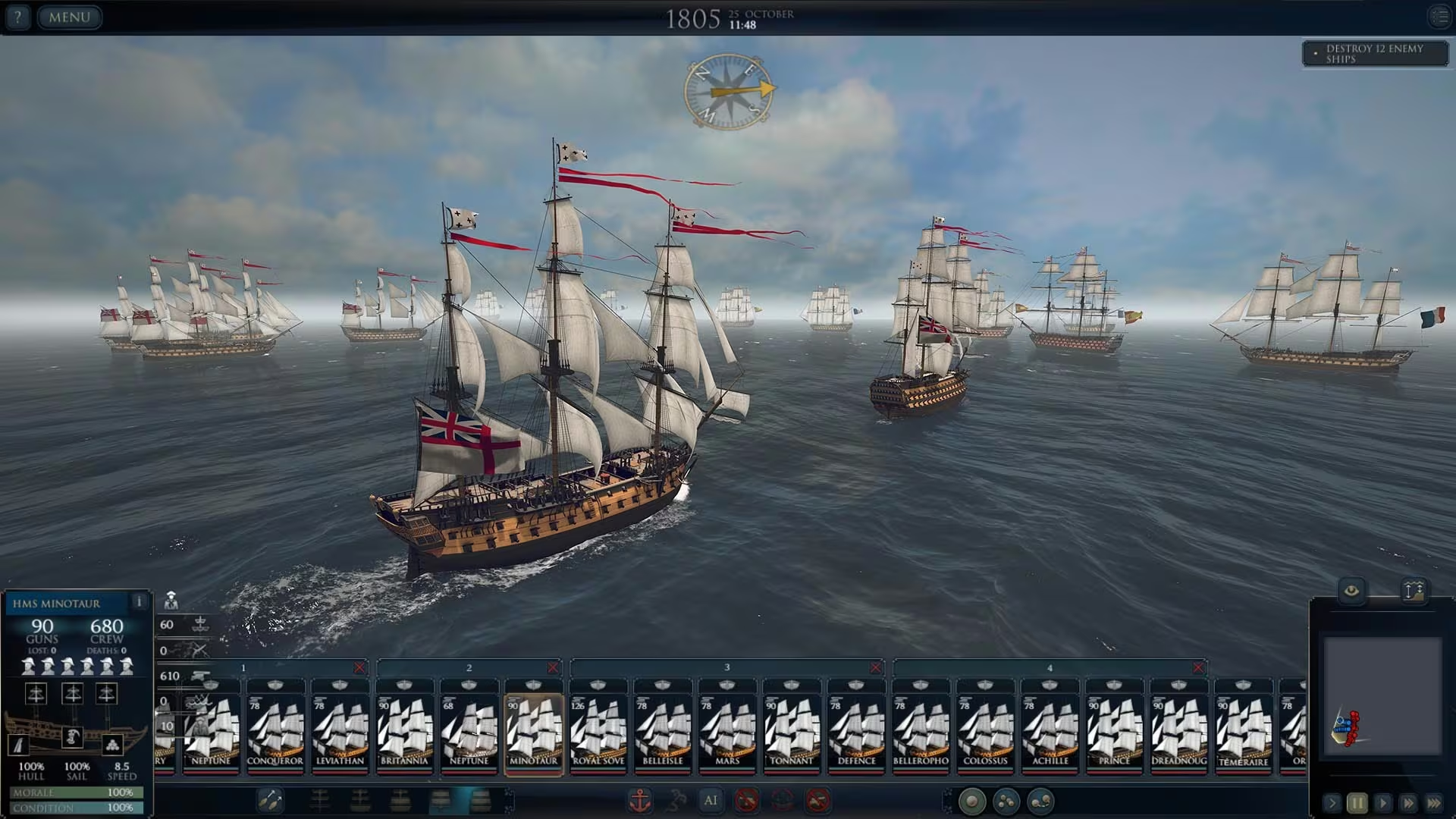
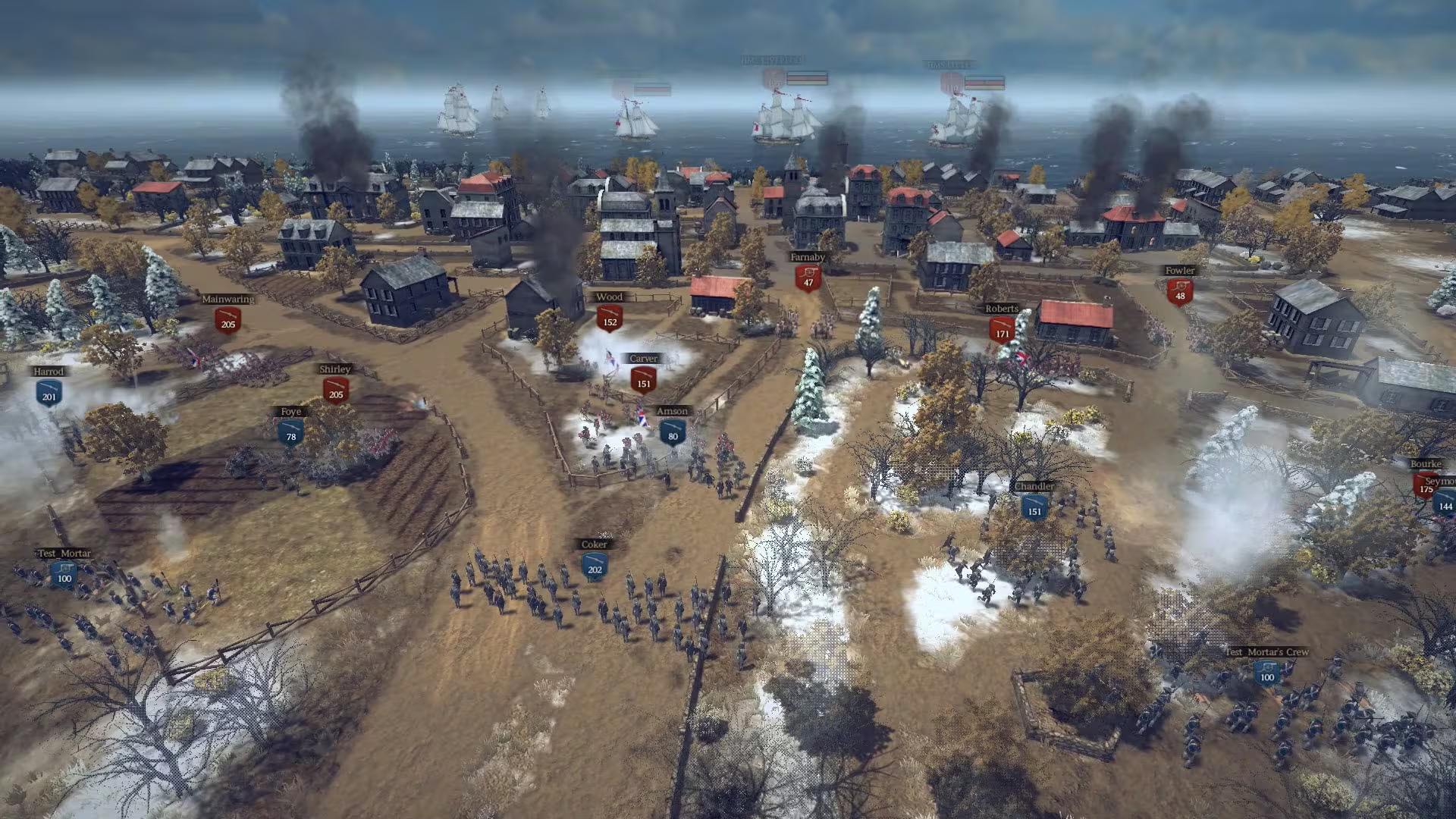
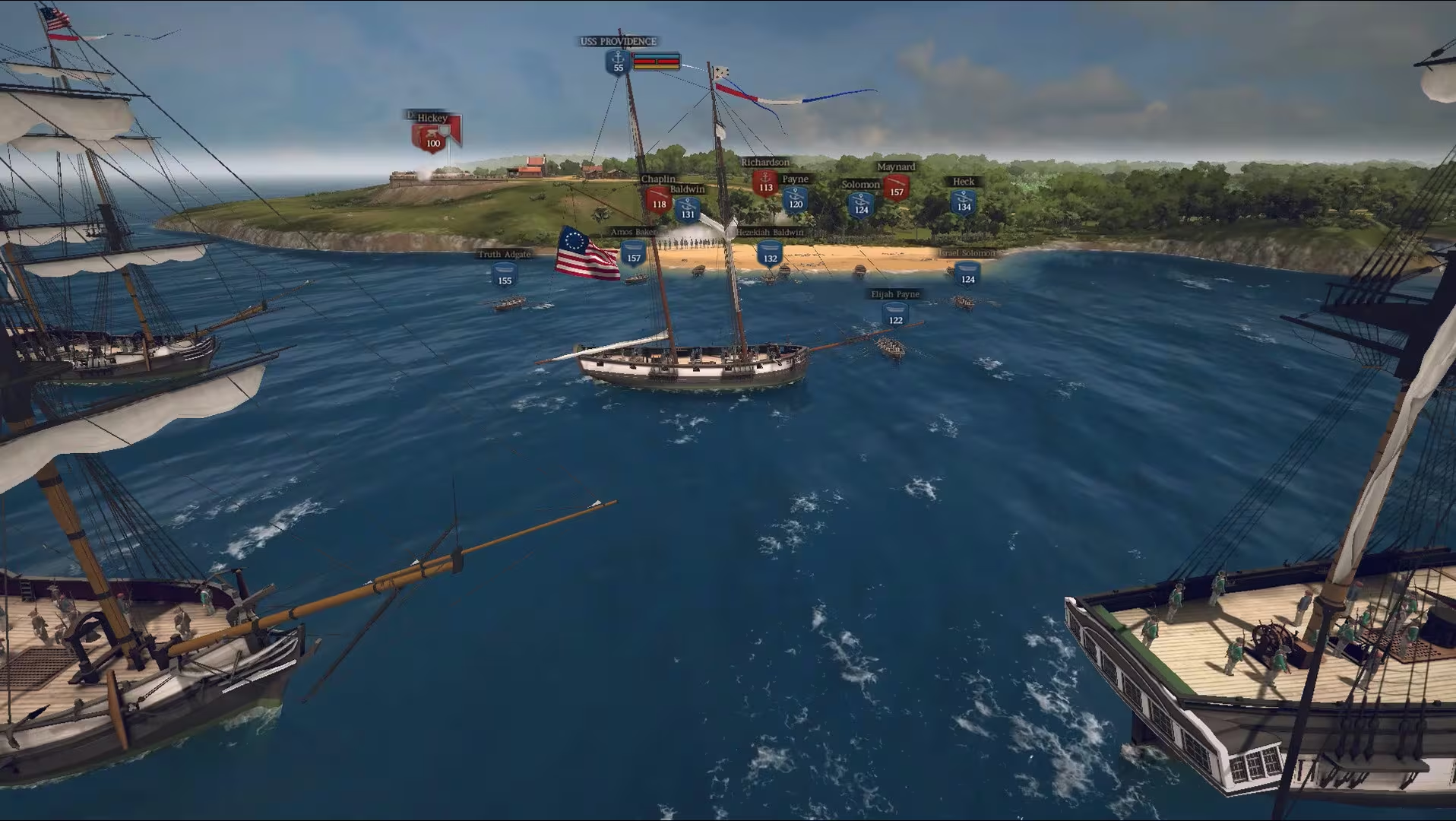
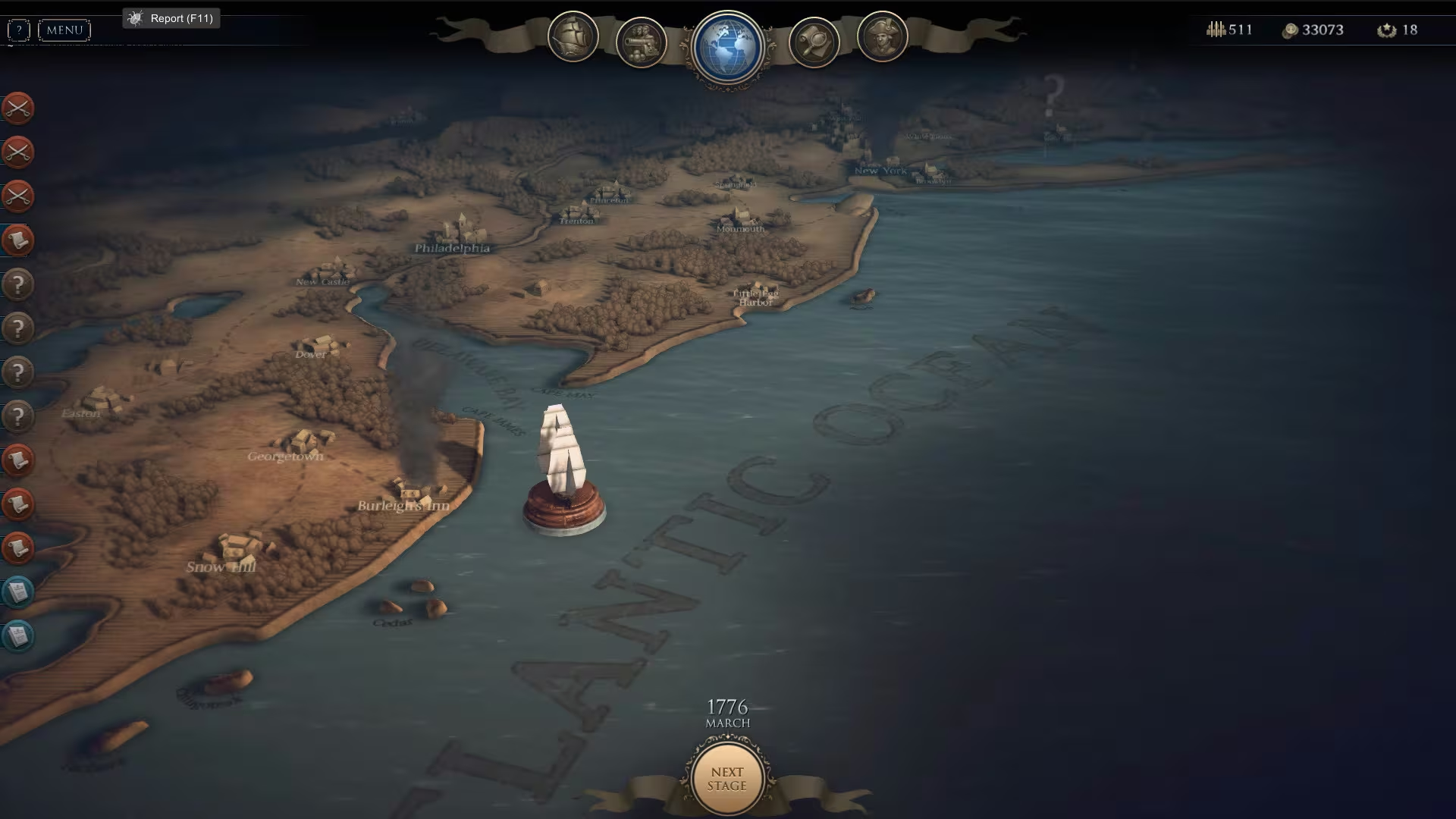
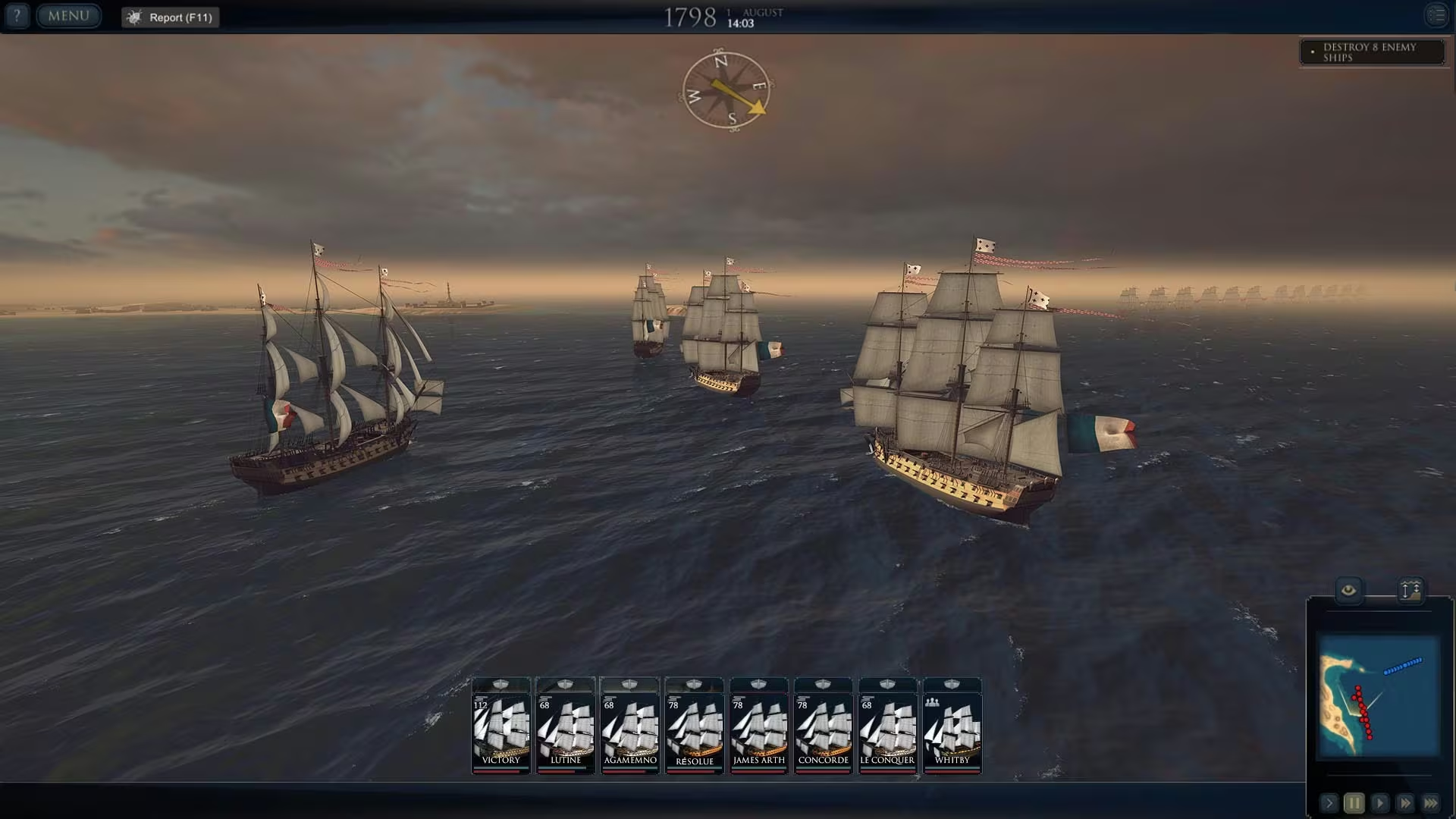
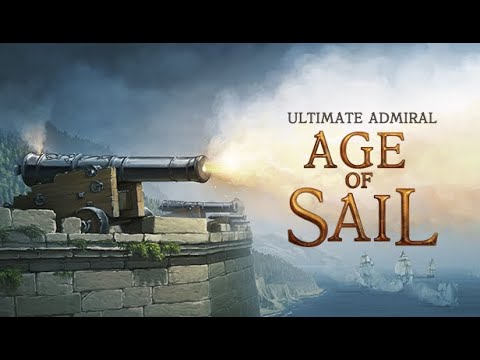
Ultimate Admiral: Age of Sail is a tactical wargame from the creators of the Ultimate General series set amidst the epic naval campaigns in the period of the American Revolutionary and Napoleonic Wars.

Global score

79/100

Genres

Indie, Simulator, Strategy

Similar games

    Pros

    • Realistic and detailed naval combat
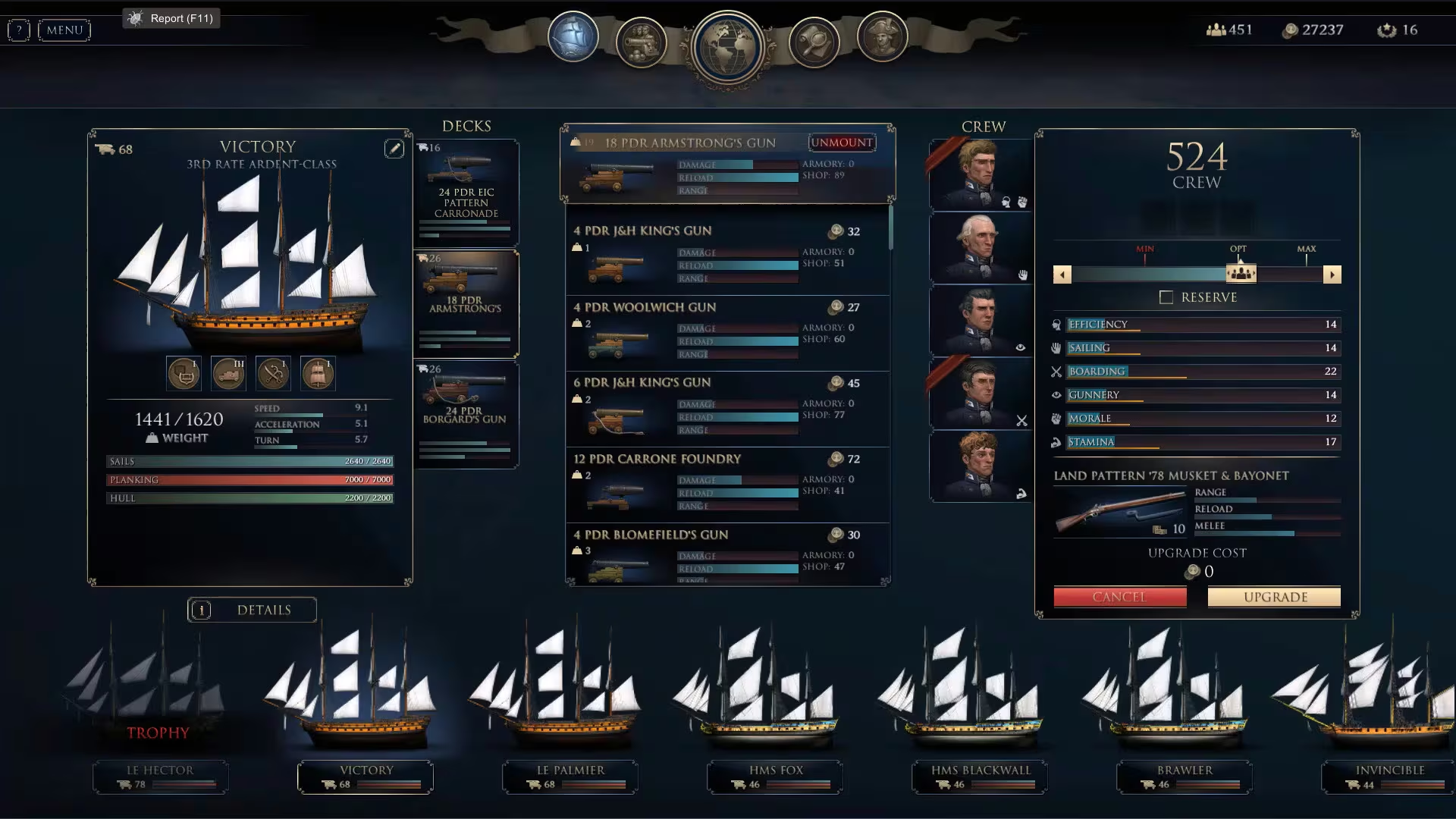
    • Extensive ship and troop customization
    • Engaging historical campaigns
    • Challenging tactical gameplay
    • Strong sense of progression and leadership

    Cons

    • Land battles less polished and sometimes frustrating
    • Steep learning curve for new players
    • Some ui and balance issues reported
    • Limited multiplayer or social features
    • Campaigns are linear with limited open-world exploration

    Analysis

    Broadly representative of its motivational profile, with a few distinct shifts. Motivations that often define this kind of title include Leadership, Survival, Violence, Strategy. Here, the score leans higher than usual among comparable games on Violence. It leans lower than usual among comparable games on Fantasy, Relaxation.

    How to use the graph
    Similar games map

    Each dot is a game. They are arranged from the same motivation profile as in the “Motivations” section below. Closer dots usually mean more similar reasons to play (exploration, competition, relaxation, etc.)—not that one game is “better” than another.

    • Larger dot with a light outline: the game you are viewing.
    • Colour: groups of games with comparable motivation patterns (statistical clusters).
    • Hover a dot to see the game name; click to open its page.
    • Scroll or double-click the chart to zoom out and see more games.

    Why don’t the axes read like a score? This view uses t-SNE: it only keeps who is close to whom. The scales are not “good to bad” or hours played—they separate groups on the map. Read distance between dots, not the axis numbers.

    Motivations

    • Autonomy
      4

      "Players have freedom to customize ships, officers, and tactics, with strategic decisions impacting campaign progress."

    • Competence
      4

      "Game offers challenging naval and land battles requiring skillful micromanagement and tactical planning."

    • Competition
      -3

      "Focus is on campaign and personal progression rather than direct player-vs-player competition or leaderboards."

    • Continuation
      3

      "Players report long play sessions and immersion in campaigns, though some frustration with difficulty and pacing."

    • Cooperation
      -4

      "Primarily single-player experience with limited multiplayer; gameplay centers on individual command and control."

    • Creativity
      4

      "Extensive ship and troop customization, loadout choices, and tactical experimentation are core features."

    • Domination
      -4

      "Interactions are balanced and respectful; no evidence of trash talk or power imposition."

    • Escapism
      4

      "Players use the game to immerse themselves in historical naval warfare and escape real life."

    • Expectation
      -4

      "Players engage out of intrinsic interest and passion for the era and gameplay, not obligation."

    • Experimenting
      3

      "Players try different ship builds, tactics, and strategies to overcome challenges."

    • Exploration
      2

      "Campaign missions are scripted but offer some variety and semi-random events; limited open-world exploration."

    • Expression
      3

      "Customization of ships, officers, and troops allows personal expression within historical constraints."

    • Fantasy
      -3

      "Game emphasizes realistic historical simulation of naval and land combat in the Age of Sail."

    • Fellowship
      -4

      "Minimal social or community features; gameplay is focused on solo campaigns."

    • Growth
      4

      "Players develop skills, officers, and fleets over time, learning game mechanics and tactics."

    • Health
      -4

      "Typical sedentary gameplay with no physical activity or health-related features."

    • Idle
      -3

      "Requires sustained attention and micromanagement during battles; not designed for casual or background play."

    • Intimacy
      -4

      "No evidence of close social relationships or emotional sharing; interactions are minimal and functional."

    • Leadership
      4

      "Players lead fleets and armies, managing officers and troops with strategic authority."

    • Progression
      5

      "Strong emphasis on accumulating ships, upgrades, officers, and experience throughout campaigns."

    • Relaxation
      -2

      "Gameplay can be tense and challenging, with some frustration reported; not primarily for relaxation."

    • Sensation
      3

      "Visual and auditory effects of naval combat and explosions provide sensory engagement."

    • Status
      -4

      "No social status or recognition systems; focus is on individual gameplay."

    • Story
      3

      "Campaigns feature historical narratives and character progression enhancing immersion."

    • Strategy
      5

      "High mental challenge with complex tactical and strategic decision-making required."

    • Thrill
      3

      "Naval battles and boarding actions provide suspense and excitement."

    • Value
      4

      "Players feel the game offers good return on investment with many hours of engaging content."

    • Violence
      4

      "Combat involves ship-to-ship battles, cannon fire, boarding, and destruction."

    • Survival
      3

      "Players must manage resources and avoid defeat to survive campaigns."

    Last update: 29/04/2026