Vampire: The Masquerade - Bloodlines similar games & best alternatives

Vampire: The Masquerade - Bloodlines
2007
Related articles
Quick resume
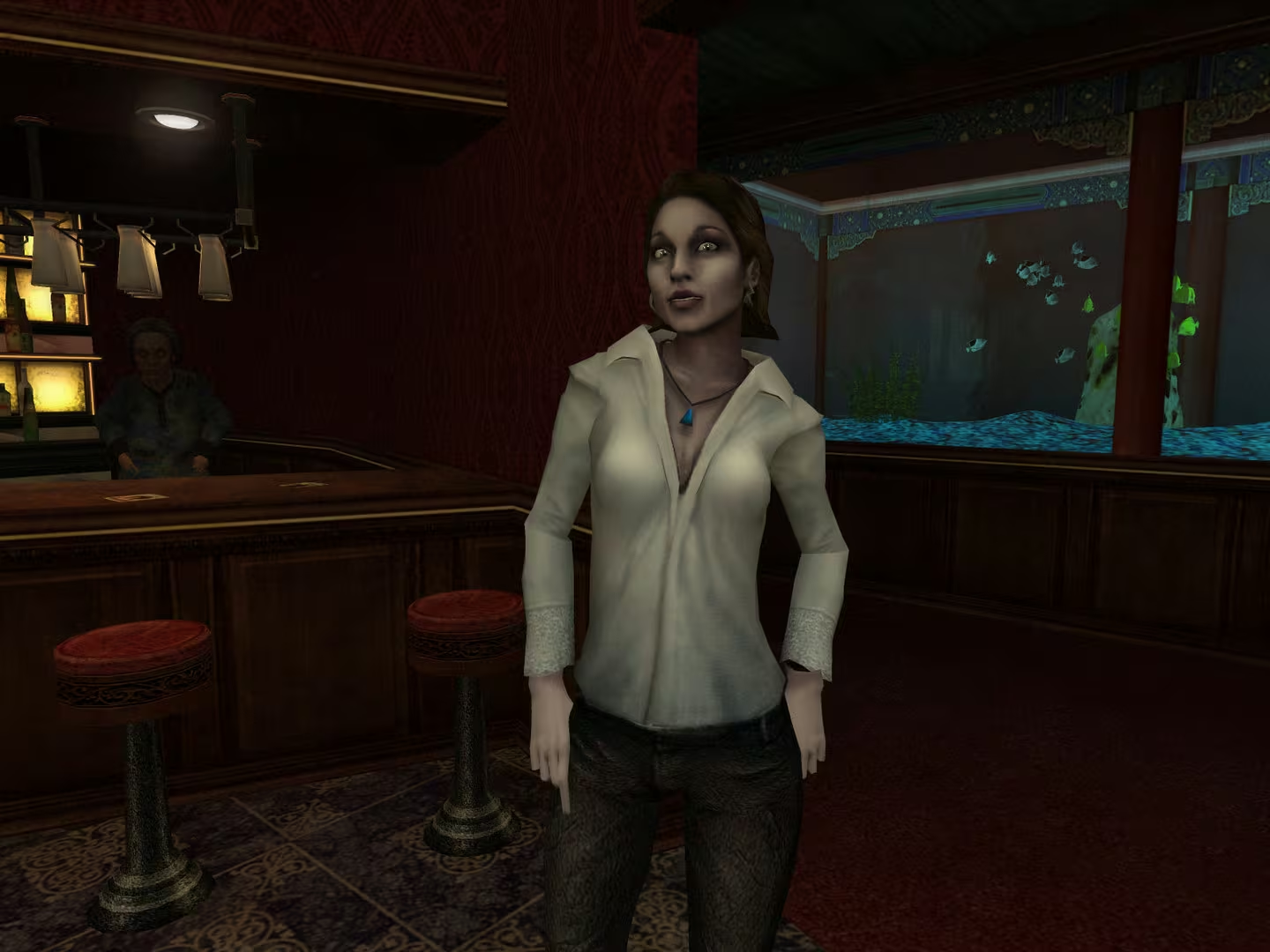
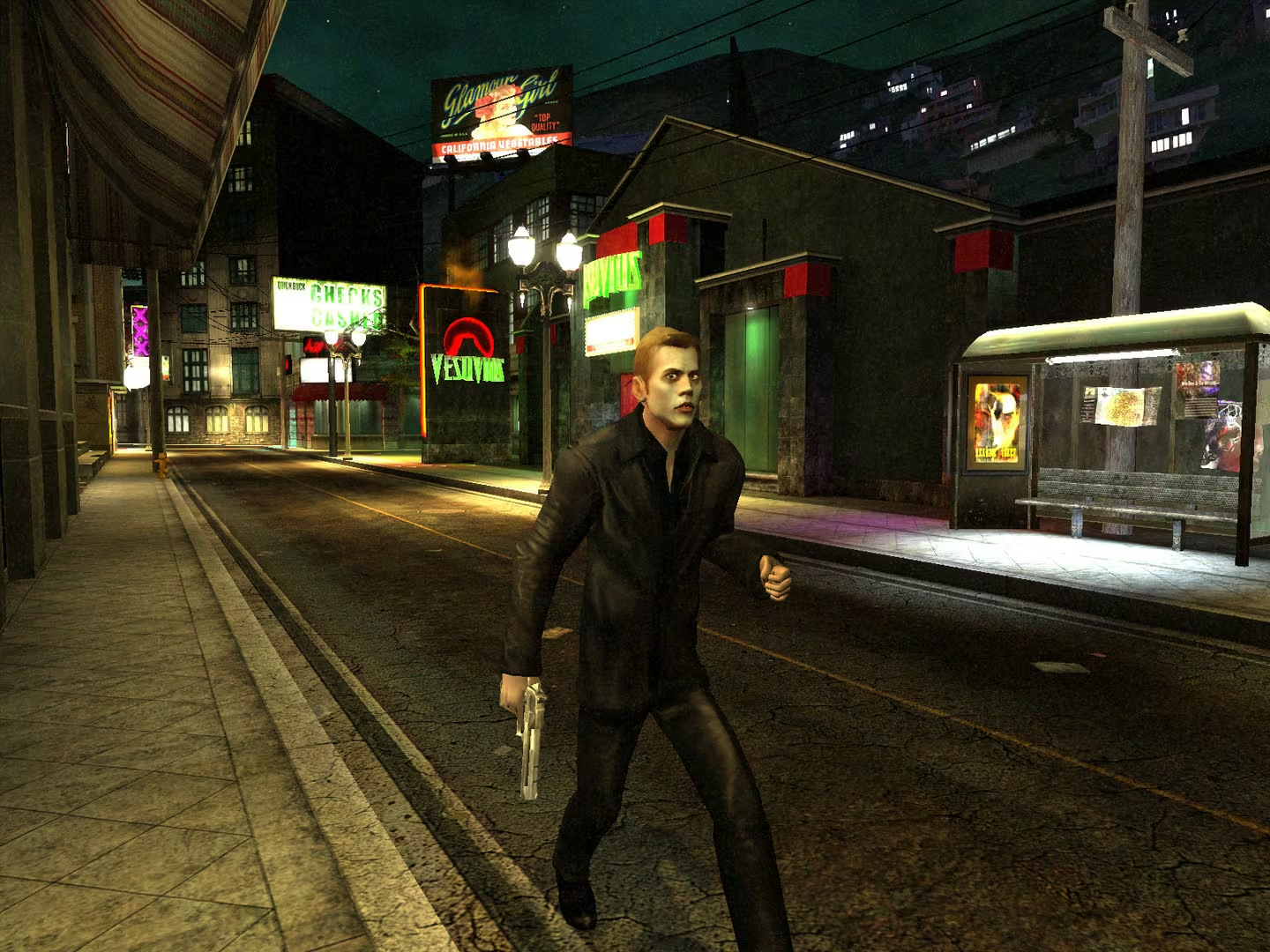
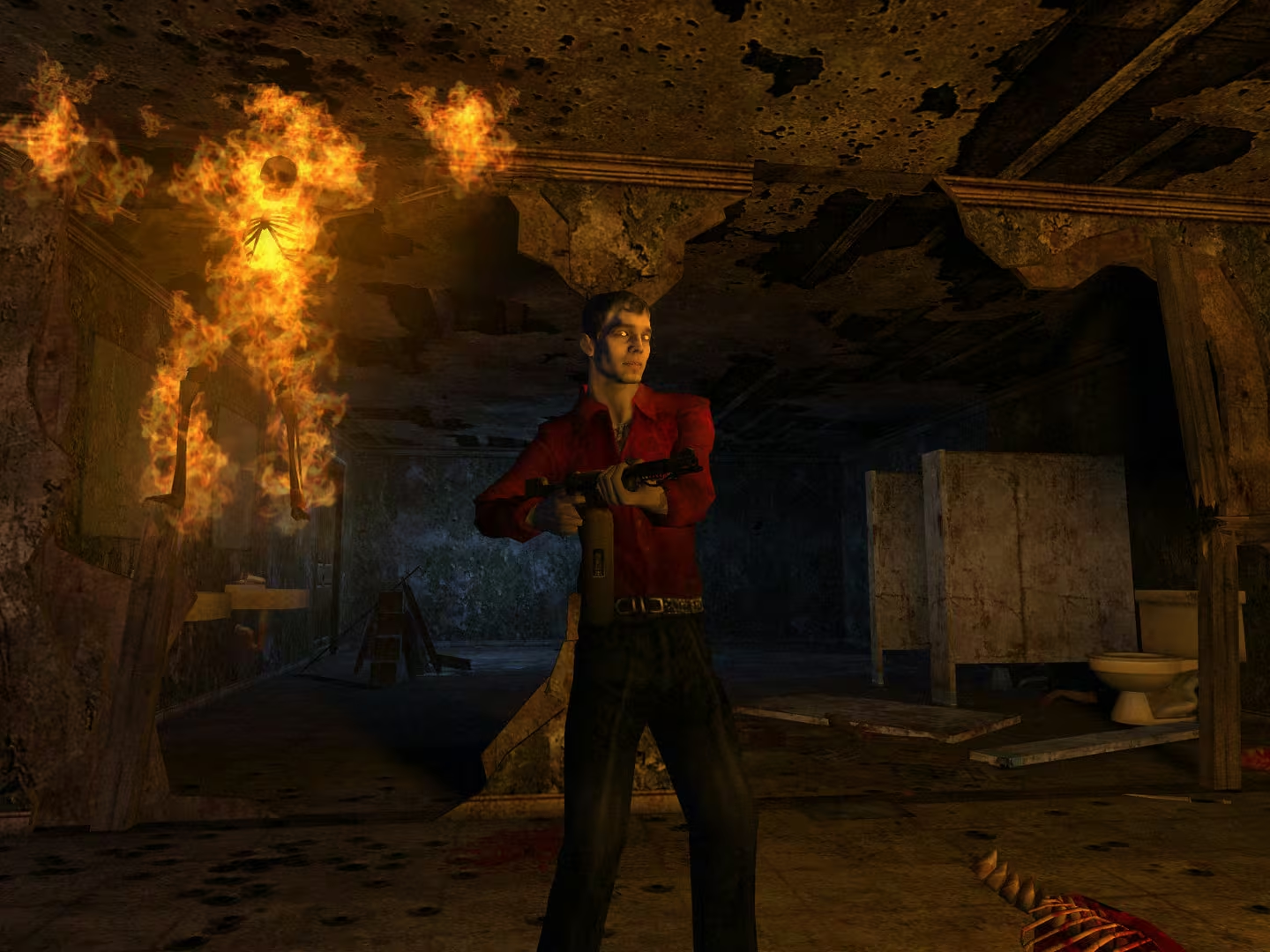
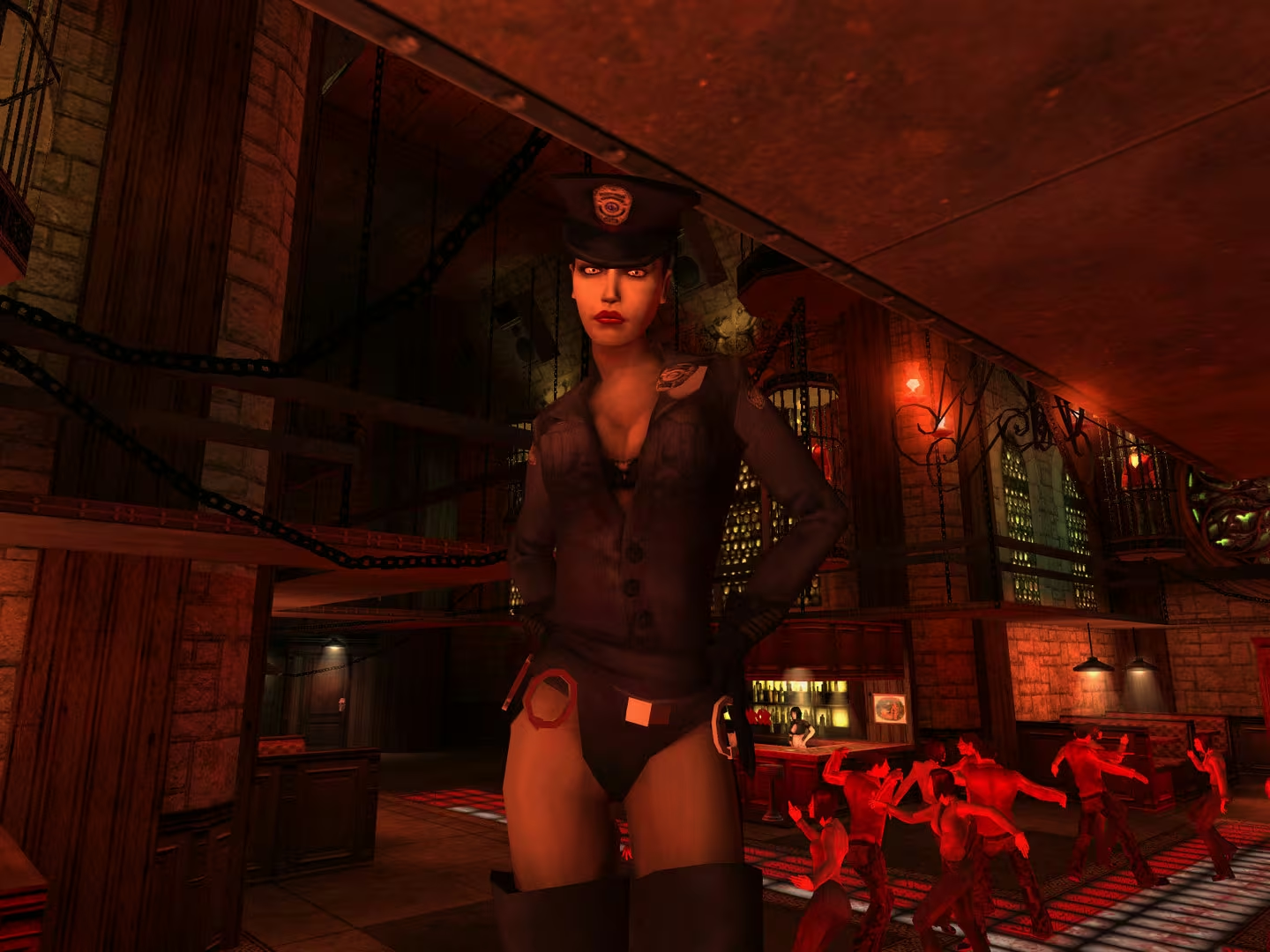
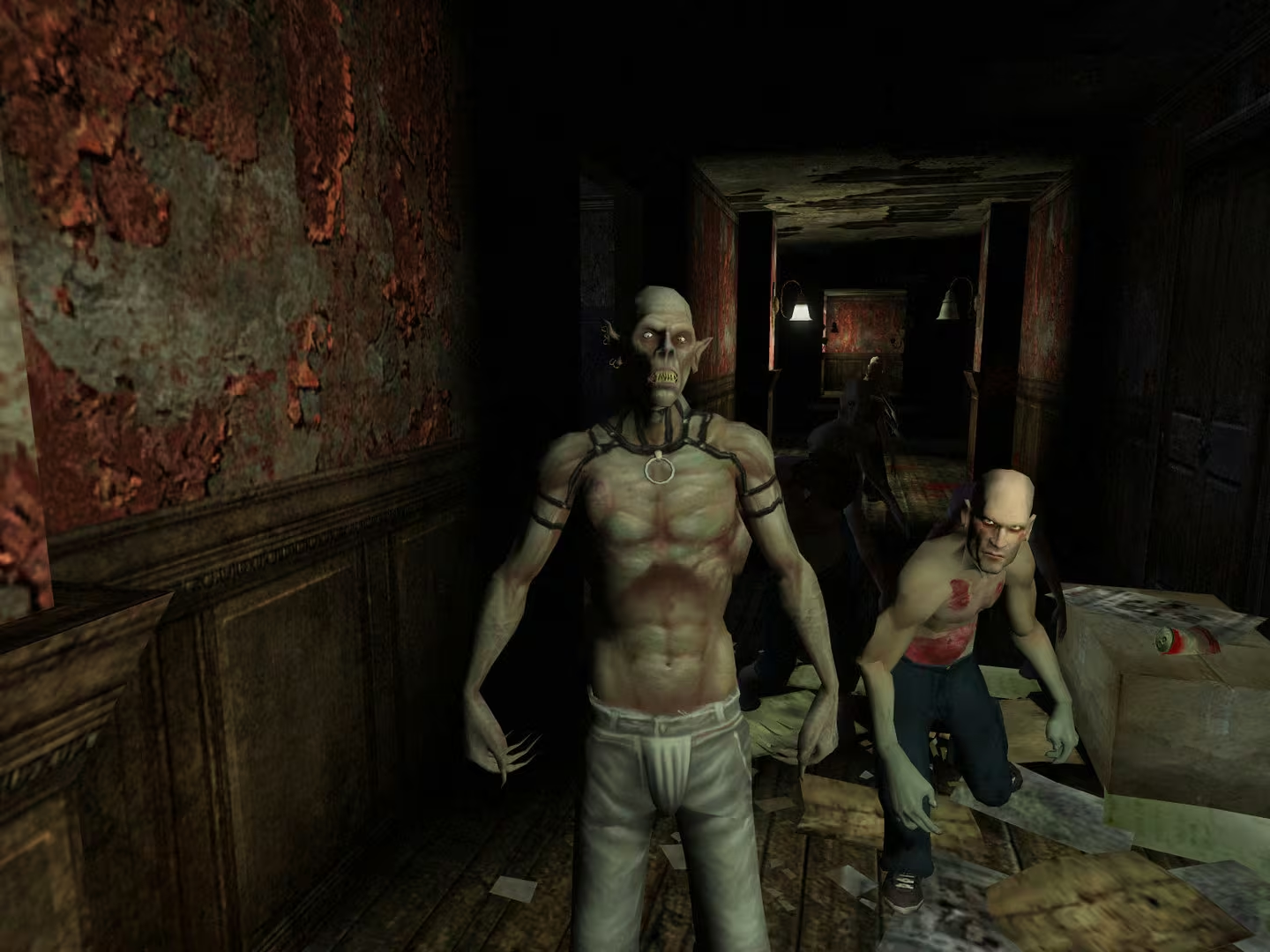
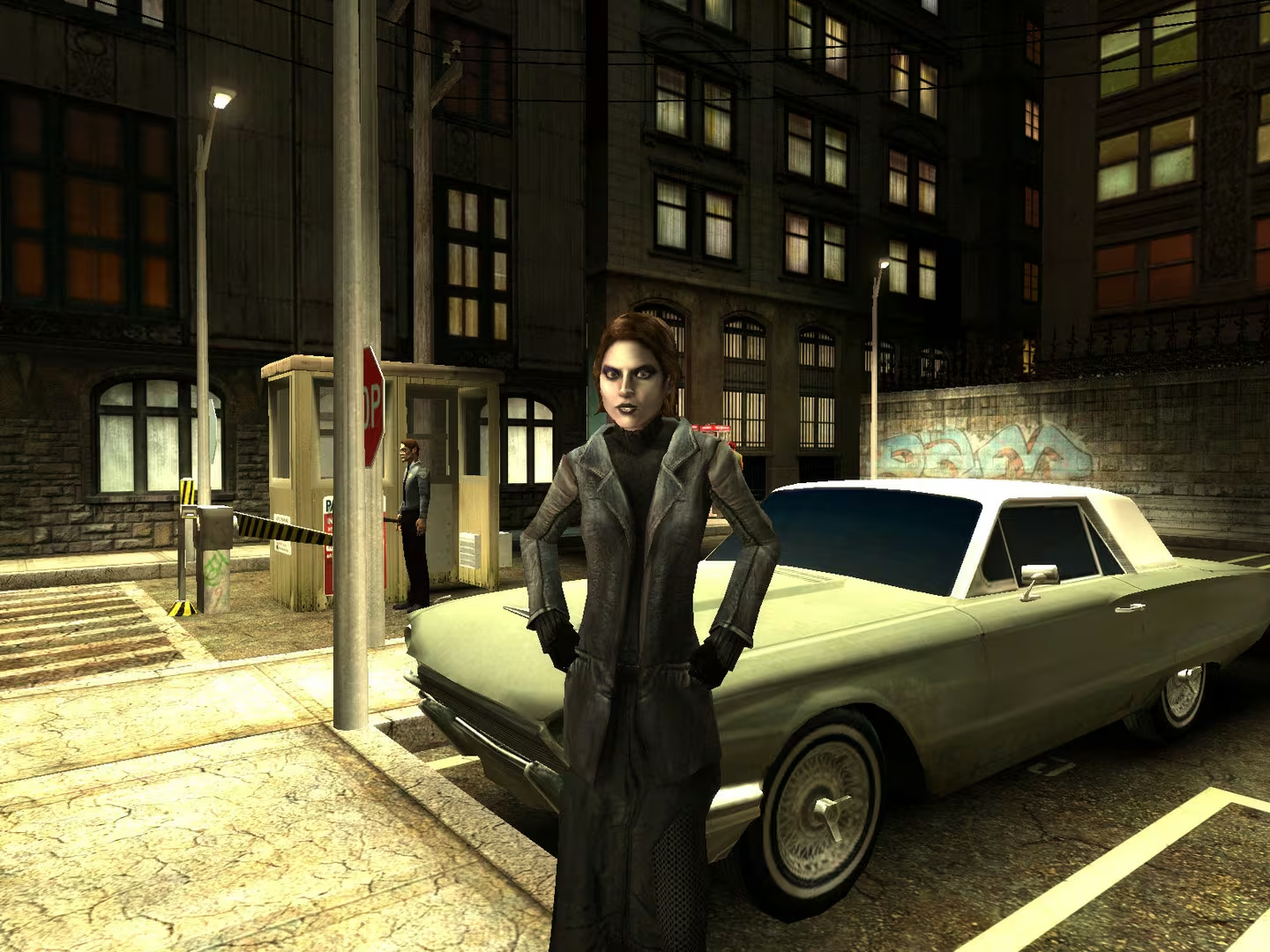
Vampire®: The Masquerade-Bloodlines™ delivers a new type of RPG experience-one that blends all the core elements of a traditional RPG with the graphical richness, immediacy and brutal combat of a first-person action game. The game plunges players into the dark and gritty vampire underworld of modern-day L.A. as a creature of the night.
Global score
95/100
Genres
Action, Role-playing (RPG)
Similar games
Pros
- Deep and immersive narrative
- Distinct vampire clans with unique abilities
- High replayability with multiple endings
- Rich atmospheric world and music
- Meaningful player choice and roleplaying
Cons
- Technical bugs and glitches at release
- Dated graphics and clunky combat
- Mandatory unofficial patch for playability
- Late game combat sections can be tedious
- Limited character appearance customization
Analysis
Less representative of its motivational profile, with noticeable differences. Motivations that often define this kind of title include Fellowship, Cooperation, Leadership, Violence. Here, the score leans higher than usual among comparable games on Intimacy, Story, Leadership.
How to use the graph
Similar games map
Each dot is a game. They are arranged from the same motivation profile as in the “Motivations” section below. Closer dots usually mean more similar reasons to play (exploration, competition, relaxation, etc.)—not that one game is “better” than another.
- Larger dot with a light outline: the game you are viewing.
- Colour: groups of games with comparable motivation patterns (statistical clusters).
- Hover a dot to see the game name; click to open its page.
- Scroll or double-click the chart to zoom out and see more games.
Why don’t the axes read like a score? This view uses t-SNE: it only keeps who is close to whom. The scales are not “good to bad” or hours played—they separate groups on the map. Read distance between dots, not the axis numbers.
Motivations
-
Autonomy4
"Players can choose from 7 clans with distinct playstyles and freely decide how to approach quests (stealth, combat, dialogue), allowing personal freedom in actions and decisions."
-
Competence3
"The game requires skill investment and offers varied challenges including stealth, combat, and dialogue checks, rewarding effective play and skill specialization."
-
Competition-4
"Focus is on personal story progression and roleplaying without competitive multiplayer or leaderboards; players set their own goals and pace."
-
Continuation5
"Highly replayable with multiple clans, endings, and dialogue options; players often replay the game repeatedly over years, showing strong attachment."
-
Cooperation-5
"Single-player experience focused on individual character development and personal story; no multiplayer or cooperative gameplay."
-
Creativity4
"Players customize character stats, choose clans with unique abilities, and select different approaches to quests, enabling creative problem solving."
-
Domination-3
"Interactions emphasize dialogue and roleplay rather than exerting control or superiority over others; social encounters are nuanced."
-
Escapism5
"Immersive dark fantasy setting and narrative provide strong escape from real life; players report deep engagement and emotional connection."
-
Expectation-5
"Players engage voluntarily out of intrinsic interest and love for the game and setting; no evidence of obligation or external pressure."
-
Experimenting4
"Multiple clans and varied quest solutions encourage experimentation with different playstyles and strategies."
-
Exploration3
"Game features multiple distinct districts and hidden paths; exploration is encouraged though world is hub-based rather than fully open."
-
Expression3
"Character customization includes clan choice, gender, and skill allocation; clothing options allow some visual personalization."
-
Fantasy5
"Strongly rooted in supernatural vampire lore and dark fantasy; players experience an imaginative fictional world."
-
Fellowship-5
"Focus is on solo play and individual narrative; no multiplayer or social community features."
-
Growth4
"Character progression through skill and discipline upgrades, learning new abilities, and improving stats supports personal development."
-
Health-5
"Sedentary gameplay typical of RPGs; no physical activity or health-related mechanics."
-
Idle-4
"Requires continuous attention and engagement; players must actively manage combat, dialogue, and exploration."
-
Intimacy2
"Game features meaningful character interactions and relationships, including romance and social dialogue, but limited to NPCs."
-
Leadership-3
"Player acts individually without leading groups; social hierarchy exists in story but player role is personal rather than authoritative."
-
Progression4
"Experience points, skill upgrades, and item acquisition drive character progression and power growth."
-
Relaxation2
"Atmospheric and immersive gameplay provides flow and tension release, though combat and bugs can cause frustration."
-
Sensation3
"Music, voice acting, and atmospheric visuals provide strong sensory stimulation and emotional engagement."
-
Status-4
"Recognition is narrative-based and personal; no social status or popularity mechanics in multiplayer or community."
-
Story5
"Deep narrative immersion with complex characters, branching dialogue, and multiple endings; story is a core strength."
-
Strategy4
"Players plan character builds, dialogue approaches, and combat tactics; multiple solutions to quests require strategic thinking."
-
Thrill3
"Suspense and tension arise from stealth, combat, and story developments; horror elements add to thrill."
-
Value4
"High replay value and rich content provide strong perceived return on investment despite technical issues."
-
Violence2
"Combat and blood drinking are central, but violence is balanced with stealth and dialogue options; not gratuitous."
-
Survival3
"Resource management (blood), avoiding detection, and overcoming threats are important gameplay elements."
Last update: 29/04/2026