We Who Are About To Die Thumbnail

We Who Are About To Die similar games & best alternatives

We Who Are About To Die

PC (Microsoft Windows) • 2022

Related articles

Quick resume

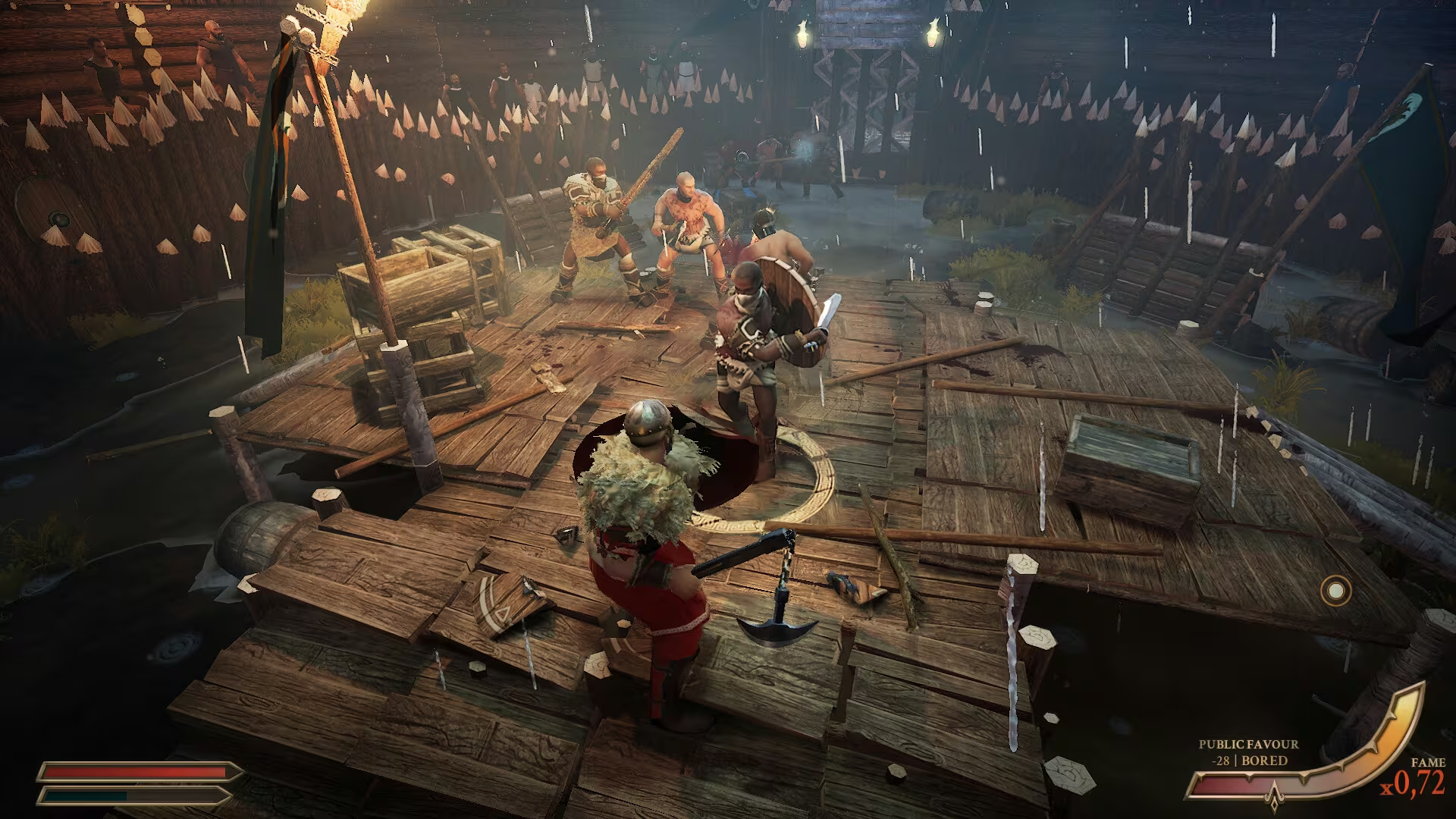
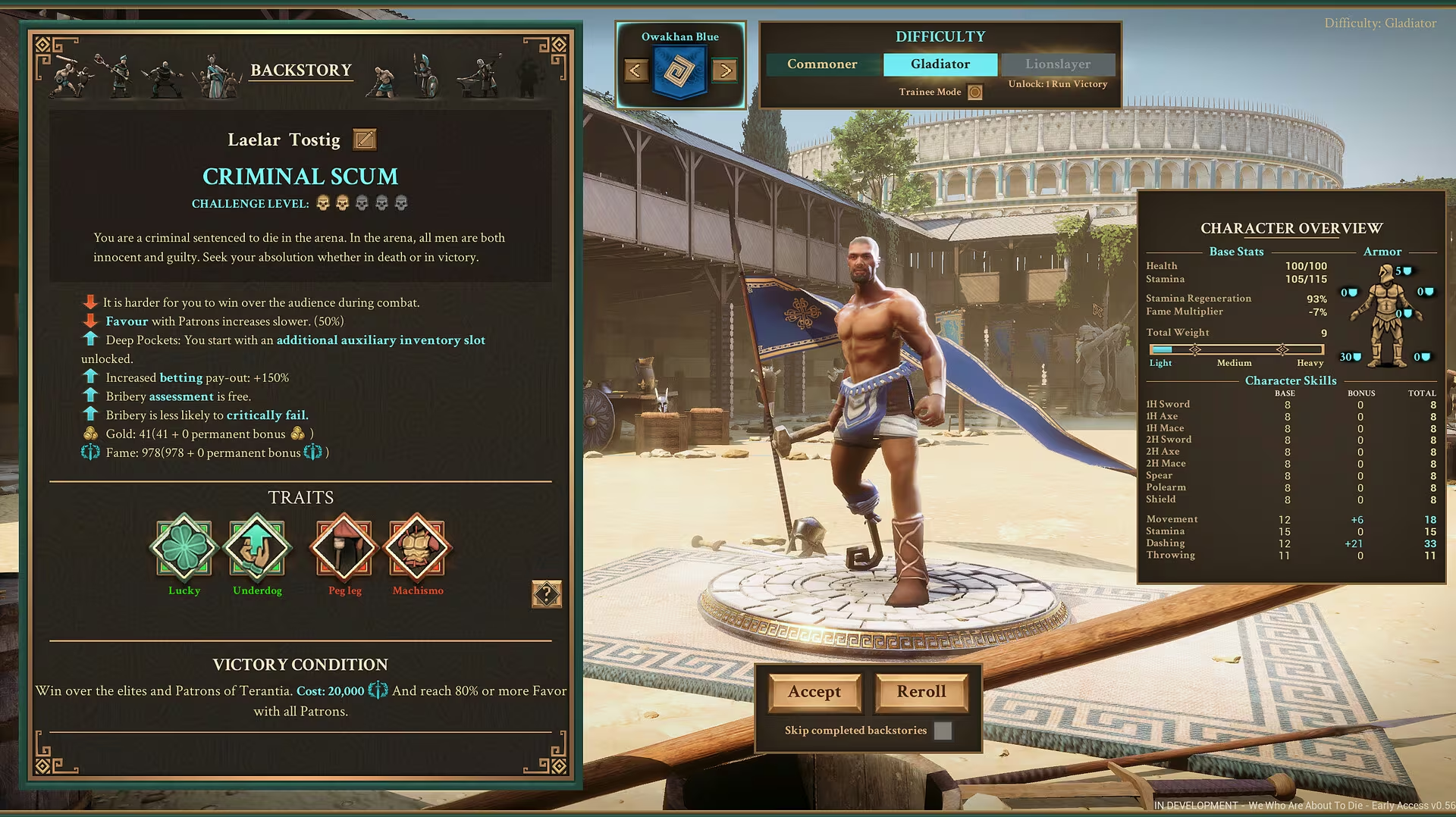
Fight & strategize your way through spectacles and arenas -- rise from lowly slave to Grand Champion and earn your freedom. Or... die trying. This Gladiator RPG Roguelite features in-depth career management and a unique physics simulated combat system. To those who are about to die, I salute you!

Global score

88/100

Genres

Action, Indie, Role-playing (RPG), Simulator, Strategy, Early Access

Similar games

    Pros

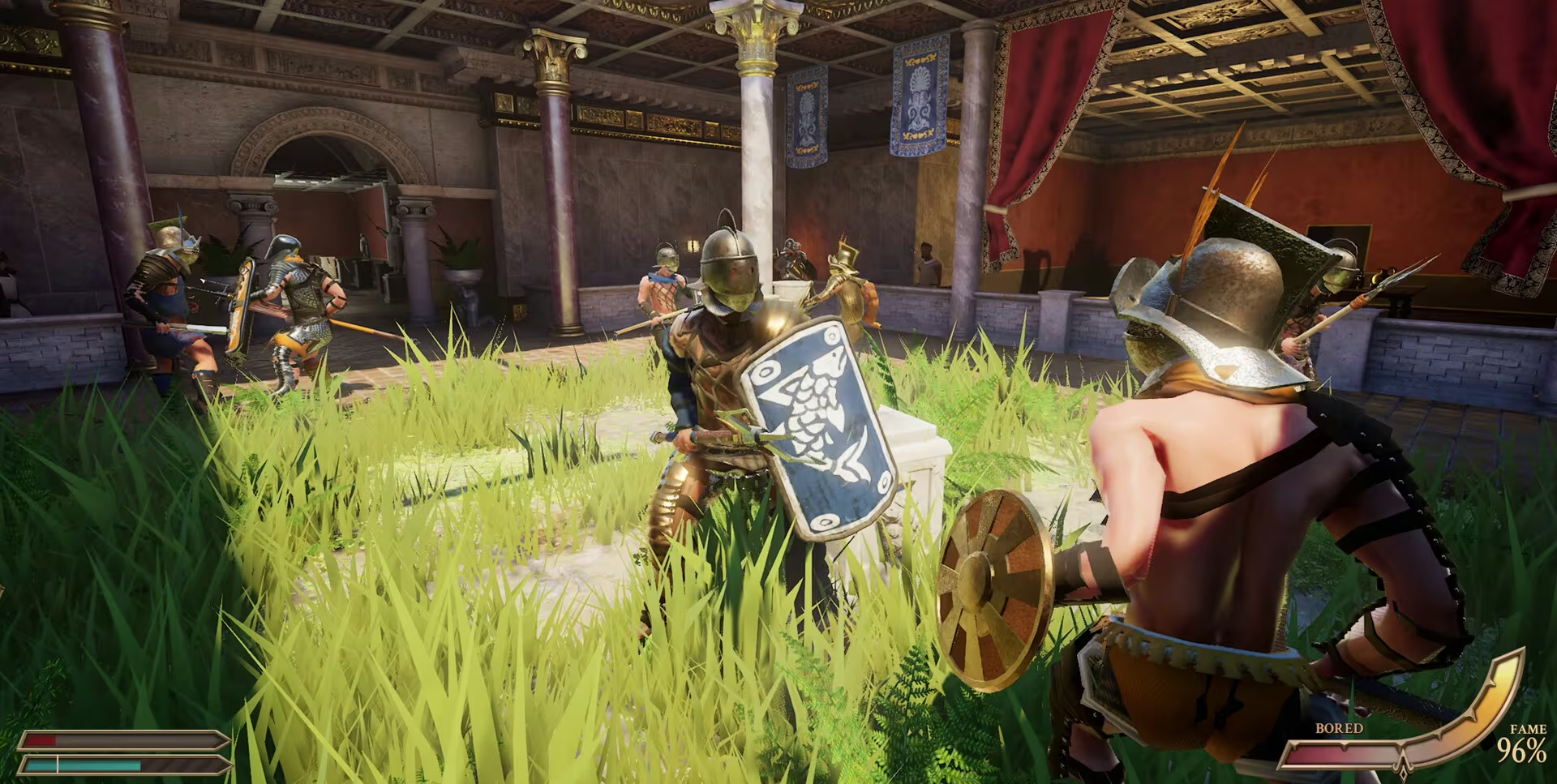
    • Unique and skill-based physics combat
    • Addictive roguelike progression
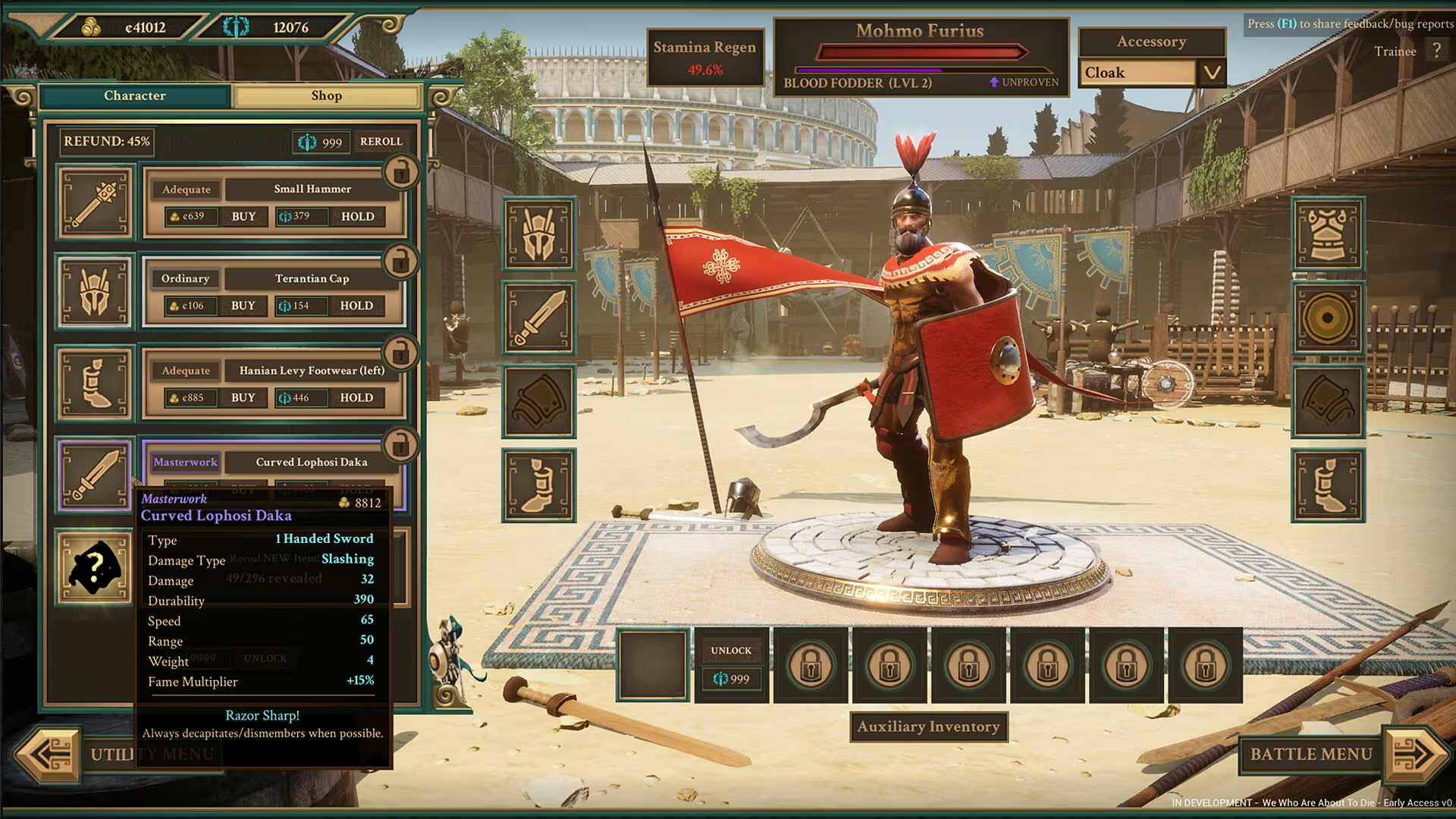
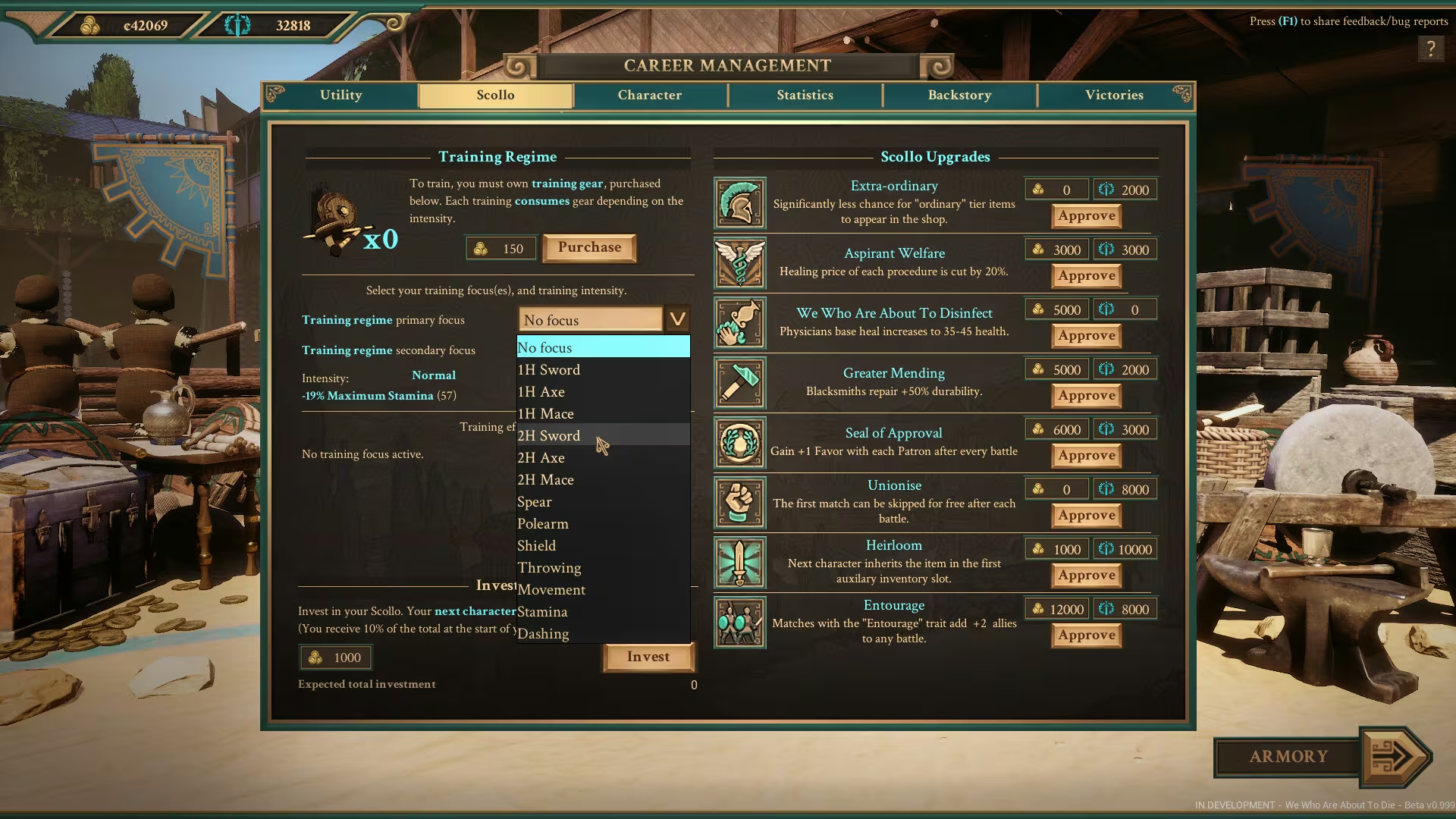
    • Deep character customization and management
    • Active and passionate solo developer
    • Varied and immersive gladiator atmosphere

    Cons

    • Steep learning curve for combat controls
    • Some ai stamina and balance issues
    • Camera and control awkwardness reported
    • Limited content and polish as early access
    • Lack of multiplayer and social features

    Analysis

    Less representative of its motivational profile, with noticeable differences. Motivations that often define this kind of title include Leadership, Survival, Violence, Strategy. Here, the score leans higher than usual among comparable games on Status, Cooperation. It leans lower than usual among comparable games on Relaxation.

    How to use the graph
    Similar games map

    Each dot is a game. They are arranged from the same motivation profile as in the “Motivations” section below. Closer dots usually mean more similar reasons to play (exploration, competition, relaxation, etc.)—not that one game is “better” than another.

    • Larger dot with a light outline: the game you are viewing.
    • Colour: groups of games with comparable motivation patterns (statistical clusters).
    • Hover a dot to see the game name; click to open its page.
    • Scroll or double-click the chart to zoom out and see more games.

    Why don’t the axes read like a score? This view uses t-SNE: it only keeps who is close to whom. The scales are not “good to bad” or hours played—they separate groups on the map. Read distance between dots, not the axis numbers.

    Motivations

    • Autonomy
      4

      "Players have high control over combat actions, weapon swings, and career management decisions, allowing personal freedom in playstyle."

    • Competence
      5

      "Combat is skill-based with physics-driven mechanics requiring timing, positioning, and stamina management; players report a rewarding learning curve."

    • Competition
      -2

      "Focus is on personal runs and progression rather than direct player-vs-player competition; no multiplayer yet."

    • Continuation
      5

      "Highly addictive roguelike gameplay with players reporting long sessions and 'just one more battle' syndrome."

    • Cooperation
      1

      "Some team fights with AI allies occur, but mostly individual gladiator focus; limited cooperation."

    • Creativity
      3

      "Players customize characters, gear, and training regimes; combat allows creative use of physics-based attacks."

    • Domination
      -3

      "No evidence of trash talk or exerting superiority; interactions appear balanced and respectful."

    • Escapism
      4

      "Players use the game as an intense, immersive escape into gladiatorial combat and progression."

    • Expectation
      -4

      "Players engage voluntarily out of interest and enjoyment, no indication of obligation or pressure."

    • Experimenting
      4

      "Players explore different weapons, combat styles, and strategies; physics combat encourages experimentation."

    • Exploration
      2

      "Varied arenas and randomized runs provide some discovery, though mostly within known environments."

    • Expression
      3

      "Character customization and gear choices allow self-expression within the gladiator theme."

    • Fantasy
      3

      "Set in a fictionalized ancient gladiator world with roguelike elements, blending realistic and imaginative aspects."

    • Fellowship
      -3

      "Gameplay is mostly solo-focused with minimal social or community interaction."

    • Growth
      4

      "Players develop skills, manage careers, and improve equipment, showing clear personal progression."

    • Health
      -4

      "Game involves sedentary play with no physical activity elements."

    • Idle
      -4

      "Requires continuous attention and focus during combat and management; not suited for idle play."

    • Intimacy
      -4

      "No evidence of close social relationships or emotional sharing; interactions are surface-level."

    • Leadership
      1

      "Some management of gladiator career and minor entourage elements, but no strong leadership roles."

    • Progression
      5

      "Strong emphasis on accumulating gold, gear, fame, and upgrades across runs."

    • Relaxation
      -2

      "Gameplay is tense and challenging with adrenaline-filled combat rather than purely relaxing."

    • Sensation
      3

      "Visual and auditory feedback from combat and gore provide sensory stimulation and excitement."

    • Status
      3

      "Fame and crowd reactions provide recognition and social status within the game world."

    • Story
      2

      "Some narrative elements and character backgrounds exist, but focus is on gameplay rather than deep story."

    • Strategy
      4

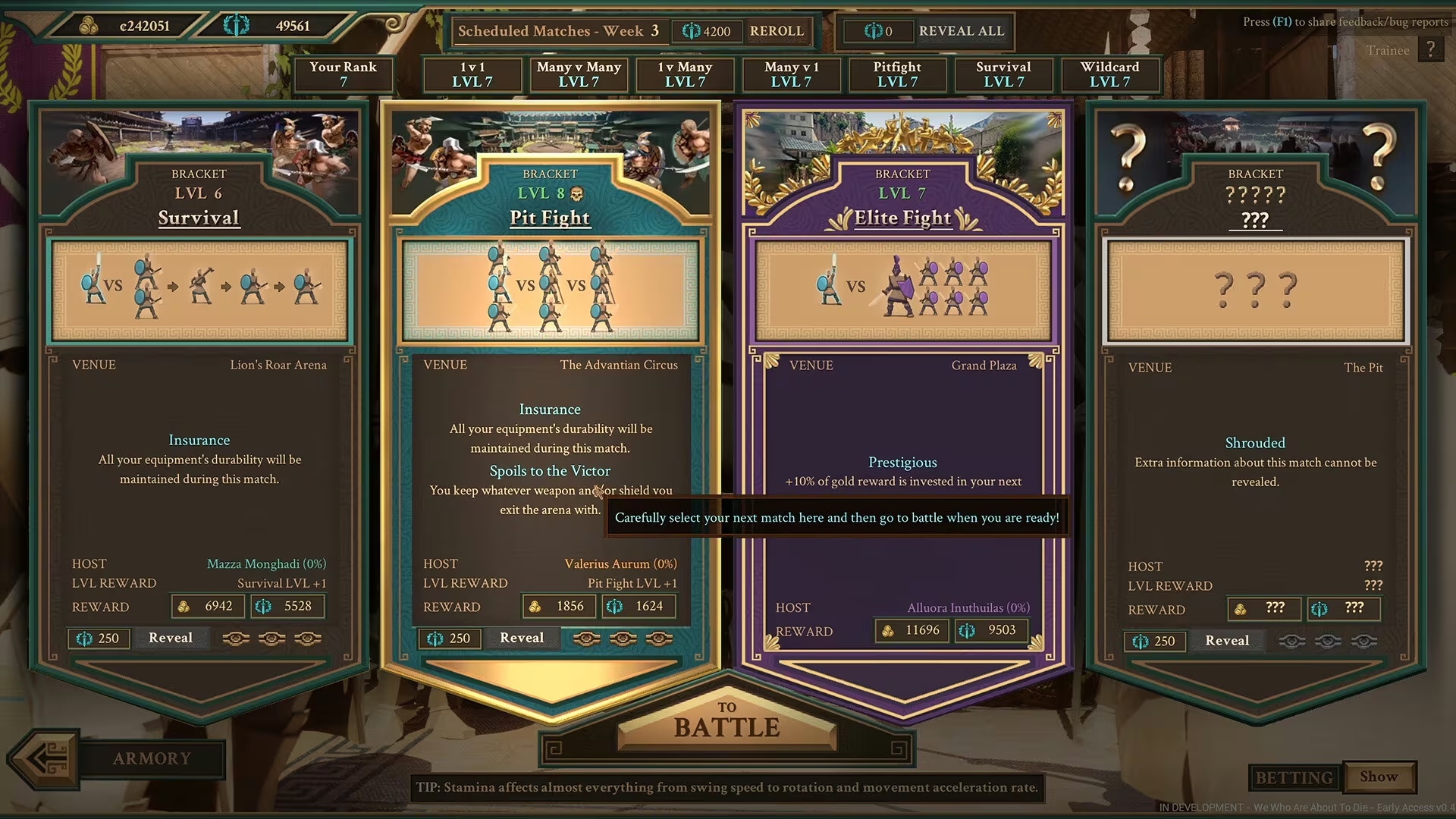
      "Players plan training, gear, and match selection; combat requires tactical thinking and stamina management."

    • Thrill
      5

      "Permadeath and high stakes combat create suspense, tension, and adrenaline rushes."

    • Value
      4

      "Players feel the game offers good return on investment with many hours of engaging gameplay."

    • Violence
      5

      "Brutal combat with dismemberment, blood, and gore is a core feature."

    • Survival
      4

      "Players must manage stamina, health, and resources to survive increasingly difficult fights."

    Last update: 29/04/2026