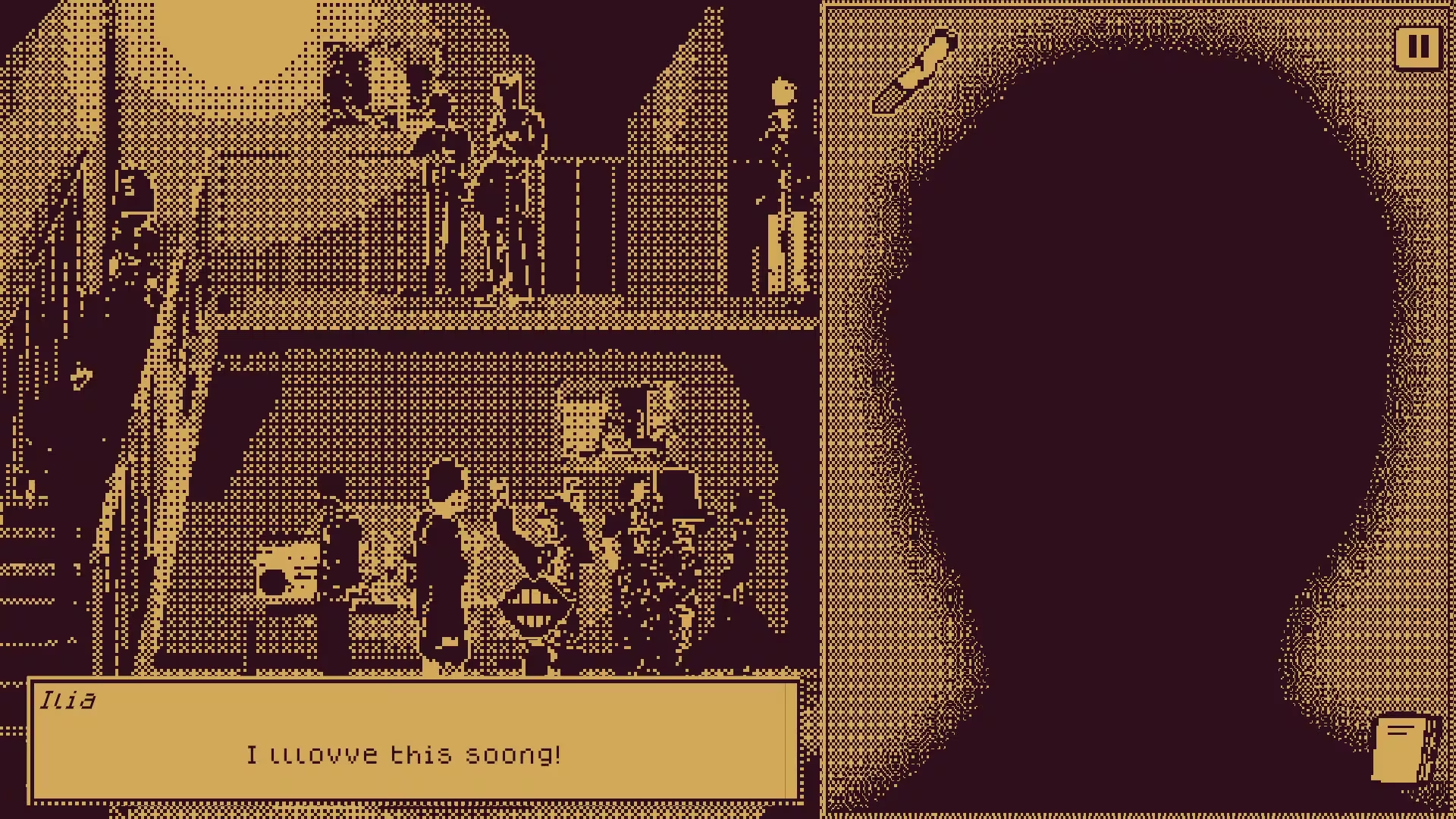
Who's Lila? Thumbnail

Who's Lila? similar games & best alternatives

Who's Lila?

PC (Microsoft Windows) • 2022

Related articles

Quick resume

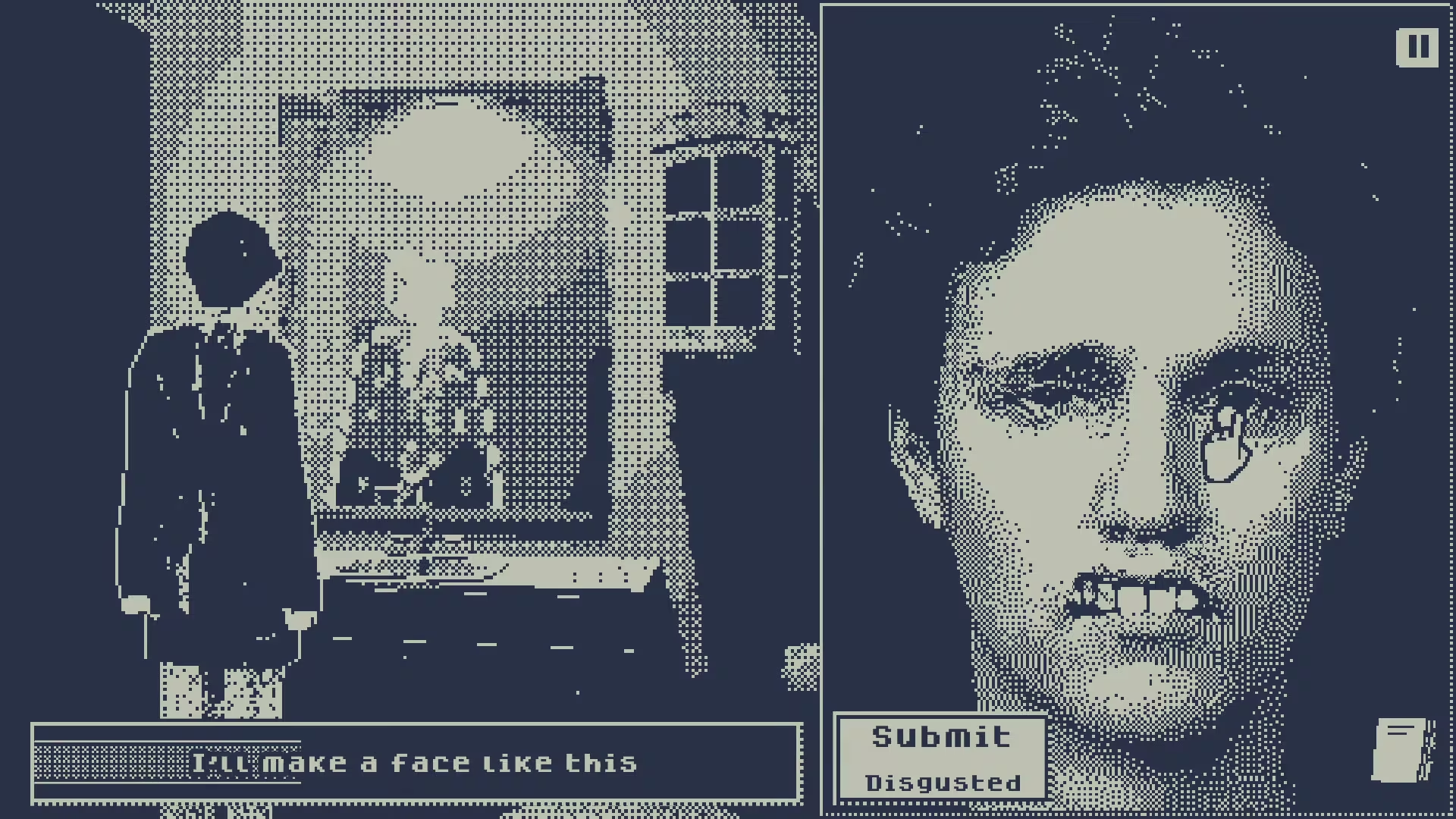
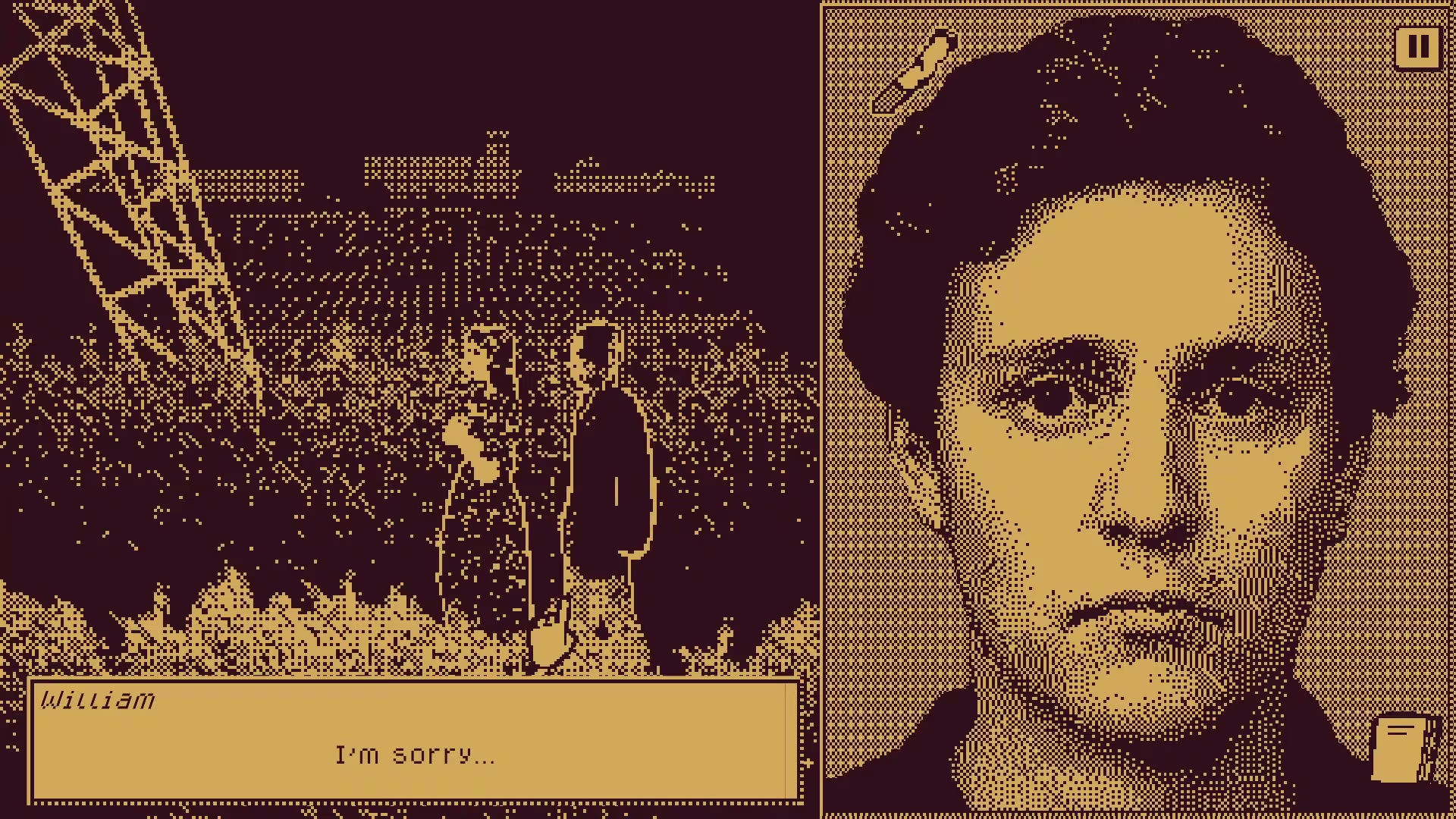
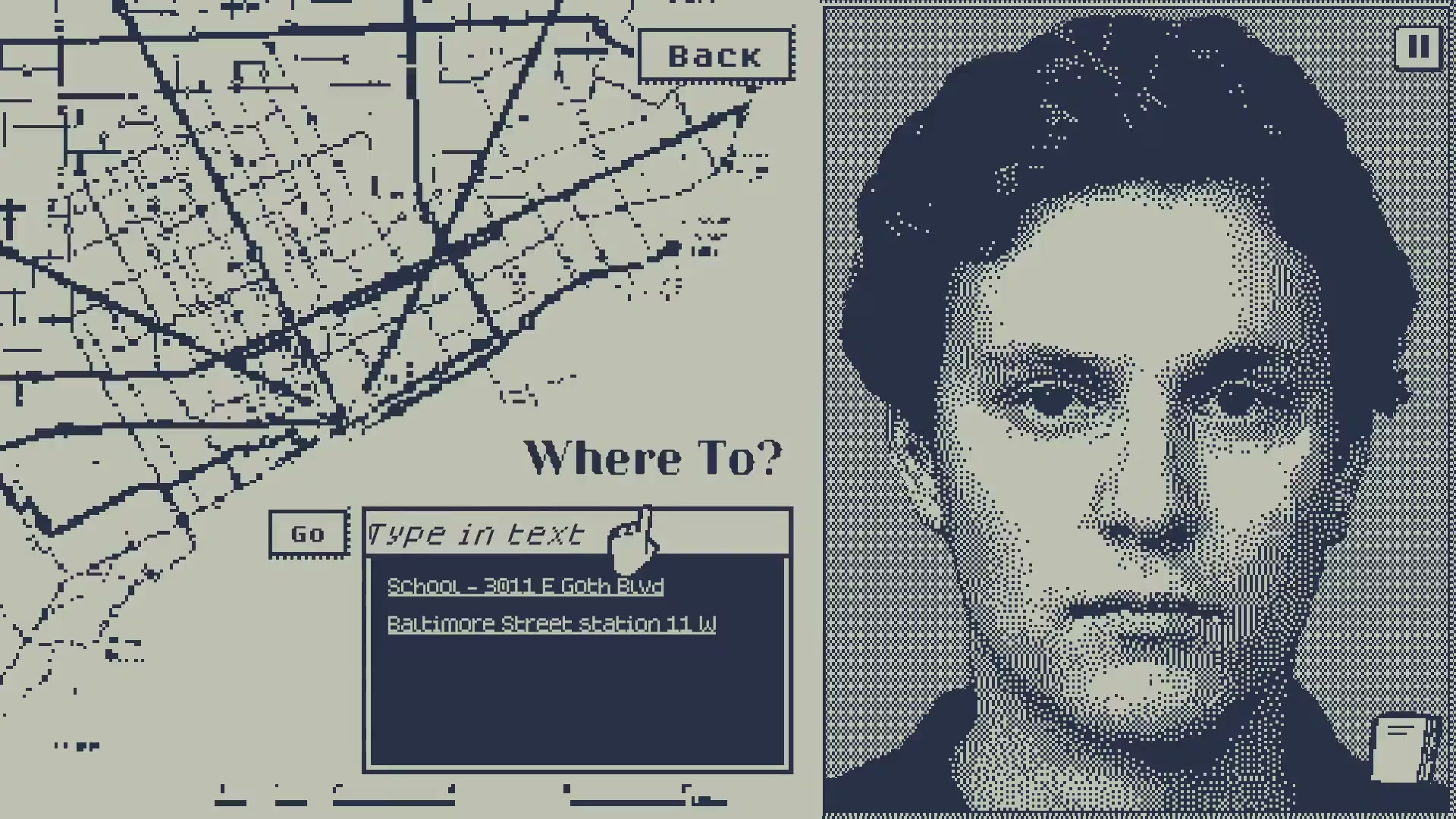
A reverse-detective adventure, where you control your character's face

Global score

95/100

Genres

Adventure, Casual, Indie, Role-playing (RPG), Point-and-click, Visual Novel, Puzzle

Similar games

    Pros

    • Unique and innovative facial expression mechanic
    • Deep, layered, and thought-provoking narrative
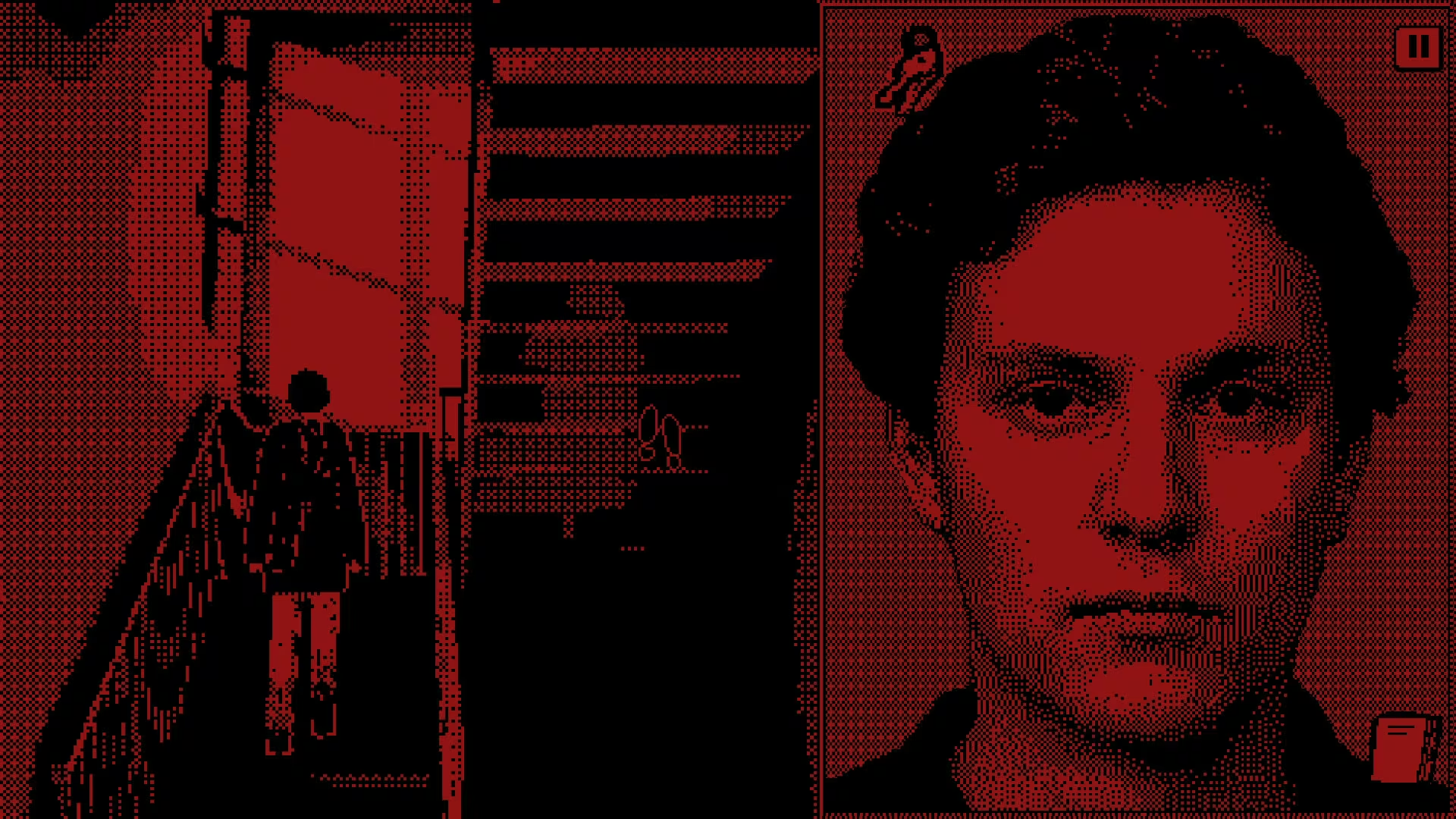
    • Strong lynchian and surreal horror atmosphere
    • Multiple endings and extensive replay value
    • Engaging arg elements and external puzzle integration

    Cons

    • Some gameplay sections can be repetitive or frustrating
    • Requires external research and guides for full completion
    • Occasional bugs and ui issues reported
    • Not fully compatible with steam deck
    • Stealth and action sequences may feel awkward

    Analysis

    Less representative of its motivational profile, with noticeable differences. Motivations that often define this kind of title include Fellowship, Cooperation, Leadership, Violence. Here, the score leans higher than usual among comparable games on Story, Expression. It leans lower than usual among comparable games on Relaxation.

    How to use the graph
    Similar games map

    Each dot is a game. They are arranged from the same motivation profile as in the “Motivations” section below. Closer dots usually mean more similar reasons to play (exploration, competition, relaxation, etc.)—not that one game is “better” than another.

    • Larger dot with a light outline: the game you are viewing.
    • Colour: groups of games with comparable motivation patterns (statistical clusters).
    • Hover a dot to see the game name; click to open its page.
    • Scroll or double-click the chart to zoom out and see more games.

    Why don’t the axes read like a score? This view uses t-SNE: it only keeps who is close to whom. The scales are not “good to bad” or hours played—they separate groups on the map. Read distance between dots, not the axis numbers.

    Motivations

    • Autonomy
      4

      "Players have significant control over facial expressions and decisions affecting multiple story routes and endings, reflecting high personal freedom."

    • Competence
      3

      "The game involves puzzle-solving, facial expression manipulation, and exploration of complex narrative, requiring skill and engagement."

    • Competition
      -5

      "No evidence of competitive elements; focus is on personal exploration and narrative discovery."

    • Continuation
      4

      "Multiple endings, secrets, and layered story encourage long sessions and habitual replay."

    • Cooperation
      -5

      "Gameplay and story are primarily single-player and independent without cooperative elements."

    • Creativity
      5

      "Highly creative mechanics (face manipulation), narrative structure, and ARG elements encourage experimentation and discovery."

    • Domination
      -5

      "No indication of exerting control over others; interactions are personal and introspective."

    • Escapism
      5

      "Strong escapism through immersive, surreal, and psychological horror experience."

    • Expectation
      -4

      "Players engage voluntarily driven by curiosity and intrinsic interest in the story and mechanics."

    • Experimenting
      5

      "Encourages trying different facial expressions, exploring multiple endings, and engaging with ARG content."

    • Exploration
      4

      "Players discover new story pieces, endings, and secrets through repeated playthroughs and external research."

    • Expression
      4

      "Facial expression manipulation is a core mechanic allowing personal expression and influencing narrative."

    • Fantasy
      3

      "Contains supernatural and surreal elements inspired by occultism and Lynchian themes, blending fiction with psychological horror."

    • Fellowship
      -4

      "Primarily a solitary experience with minimal social or community interaction."

    • Growth
      4

      "Players learn narrative details, puzzle solutions, and philosophical concepts through gameplay and external research."

    • Health
      -5

      "No physical activity or health-related gameplay elements; sedentary play."

    • Idle
      -3

      "Requires focused attention to solve puzzles and follow narrative; not a casual or background game."

    • Intimacy
      -4

      "Limited social interaction; emotional engagement is mostly with the narrative and character rather than other players."

    • Leadership
      -5

      "No leadership or group management elements; single-player experience."

    • Progression
      3

      "Progression through unlocking endings, new story paths, and cosmetic UI skins."

    • Relaxation
      -2

      "Atmosphere is tense, unsettling, and psychologically intense rather than relaxing."

    • Sensation
      3

      "Strong sensory and emotional stimulation through unique visuals, music, and horror elements."

    • Status
      -5

      "No social status or recognition mechanics; focus is on personal experience."

    • Story
      5

      "Narrative immersion is central, with complex, layered storytelling and multiple endings."

    • Strategy
      3

      "Requires problem solving, puzzle solving, and planning to unlock endings and secrets."

    • Thrill
      4

      "Psychological horror and suspense create tension and thrill throughout the experience."

    • Value
      4

      "Highly praised for content depth and replay value relative to price."

    • Violence
      2

      "Contains themes of violence and horror, including serial killing, but gameplay is not focused on combat."

    • Survival
      1

      "Some stealth and avoidance elements present but not dominant; moderate threat level."

    Last update: 29/04/2026