Wizardry 7: Crusaders of the Dark Savant Thumbnail

Wizardry 7: Crusaders of the Dark Savant similar games & best alternatives
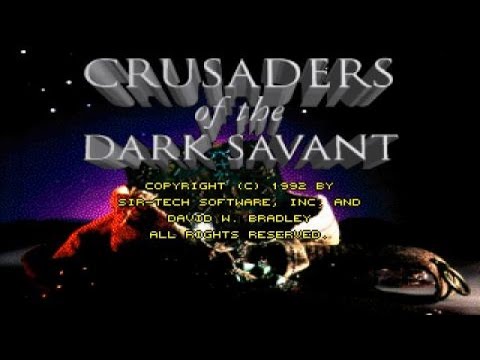
Wizardry 7: Crusaders of the Dark Savant

PC (Microsoft Windows), Mac, FM Towns, DOS, PC-9800 Series, Linux • 2013

Related articles

Quick resume

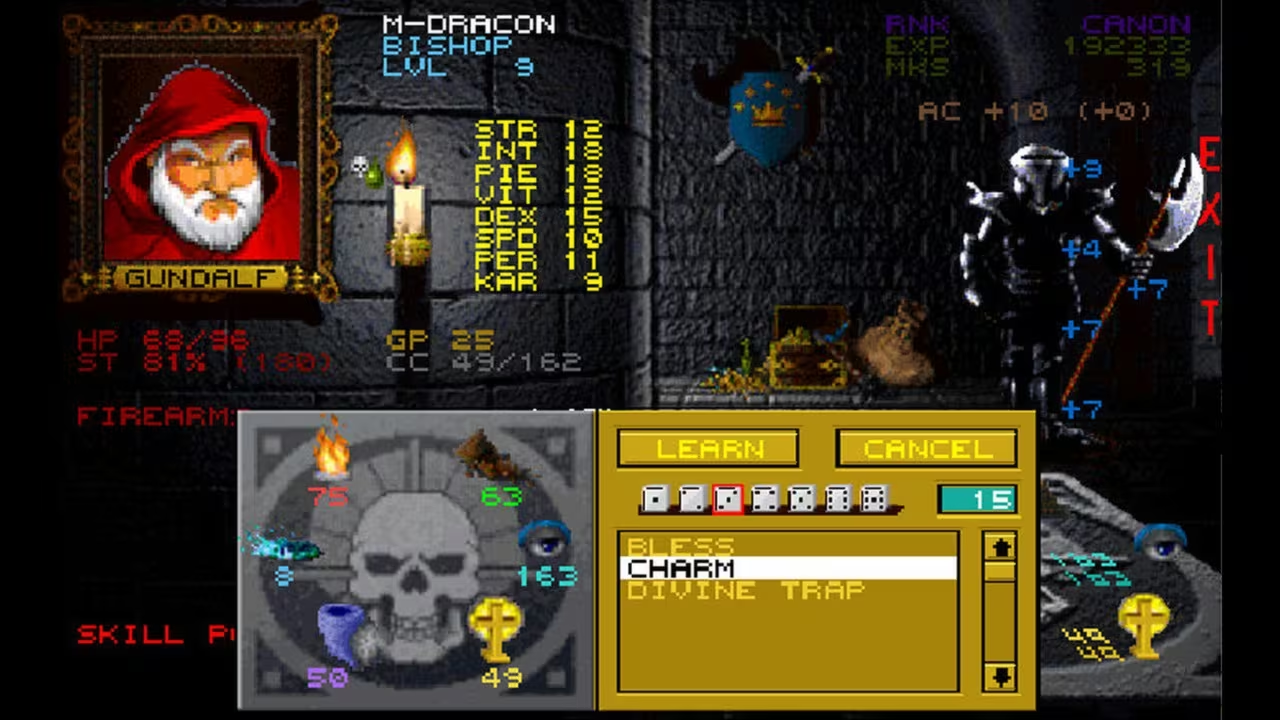
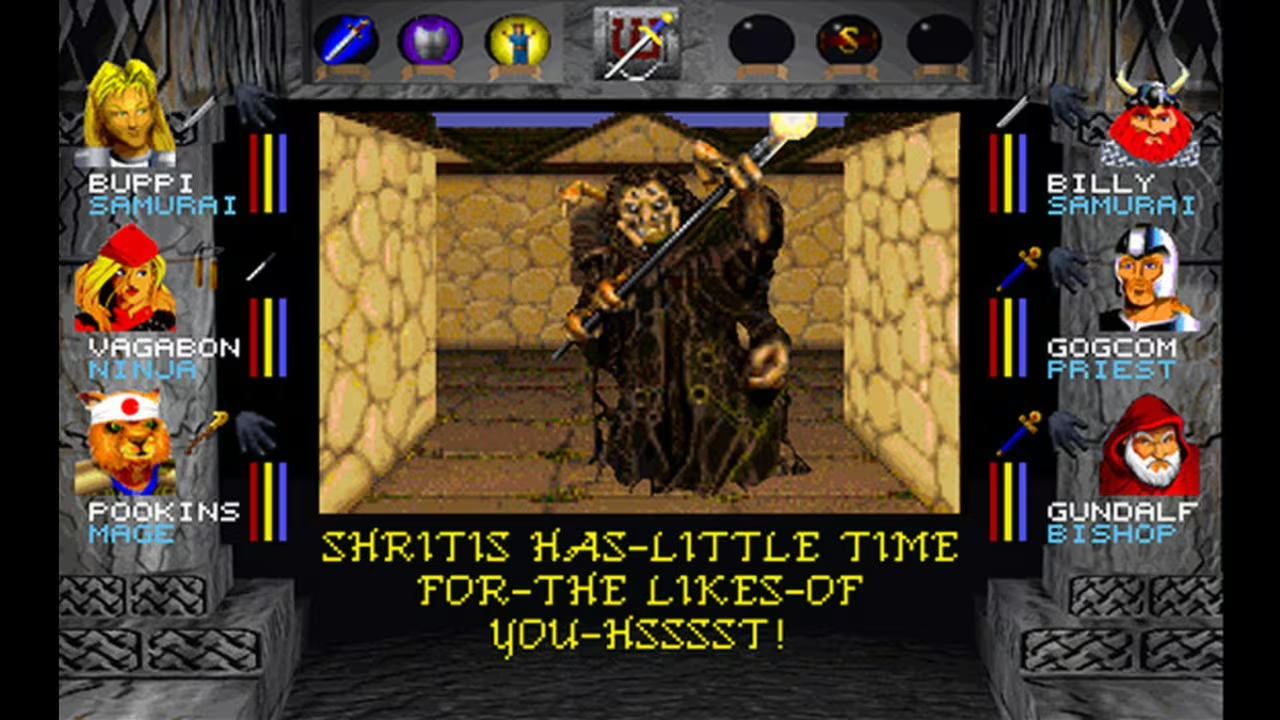
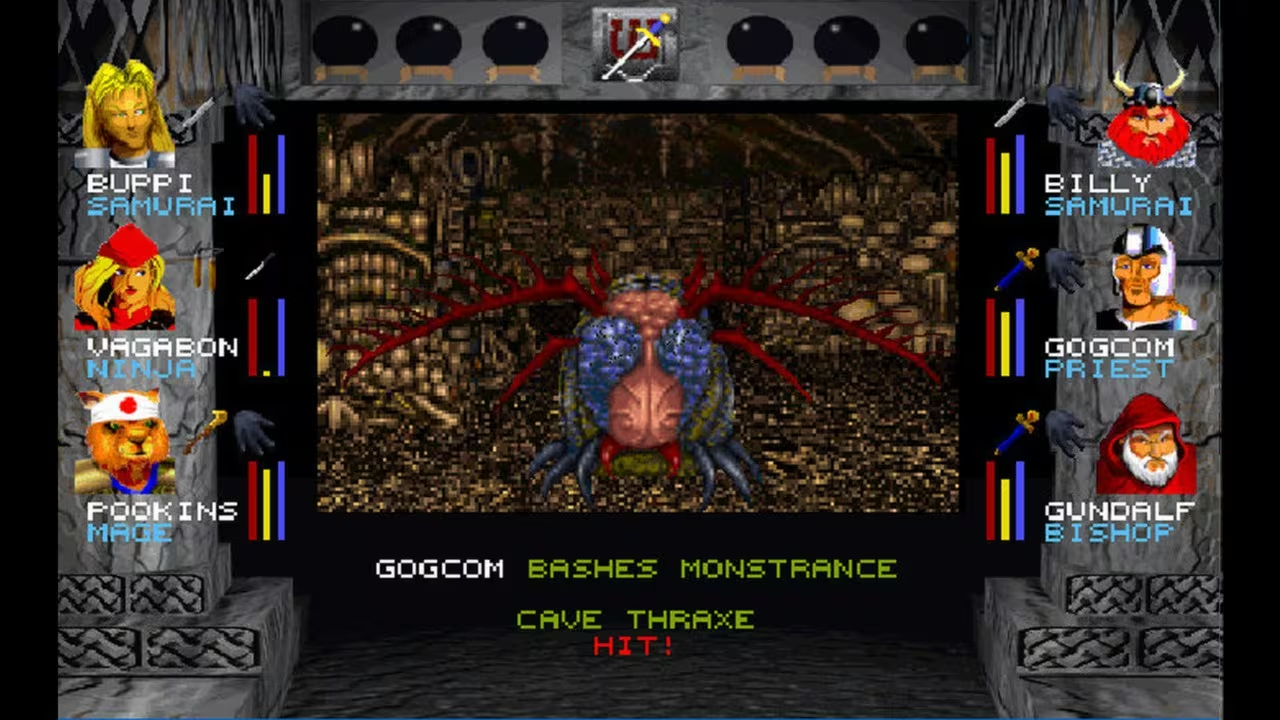
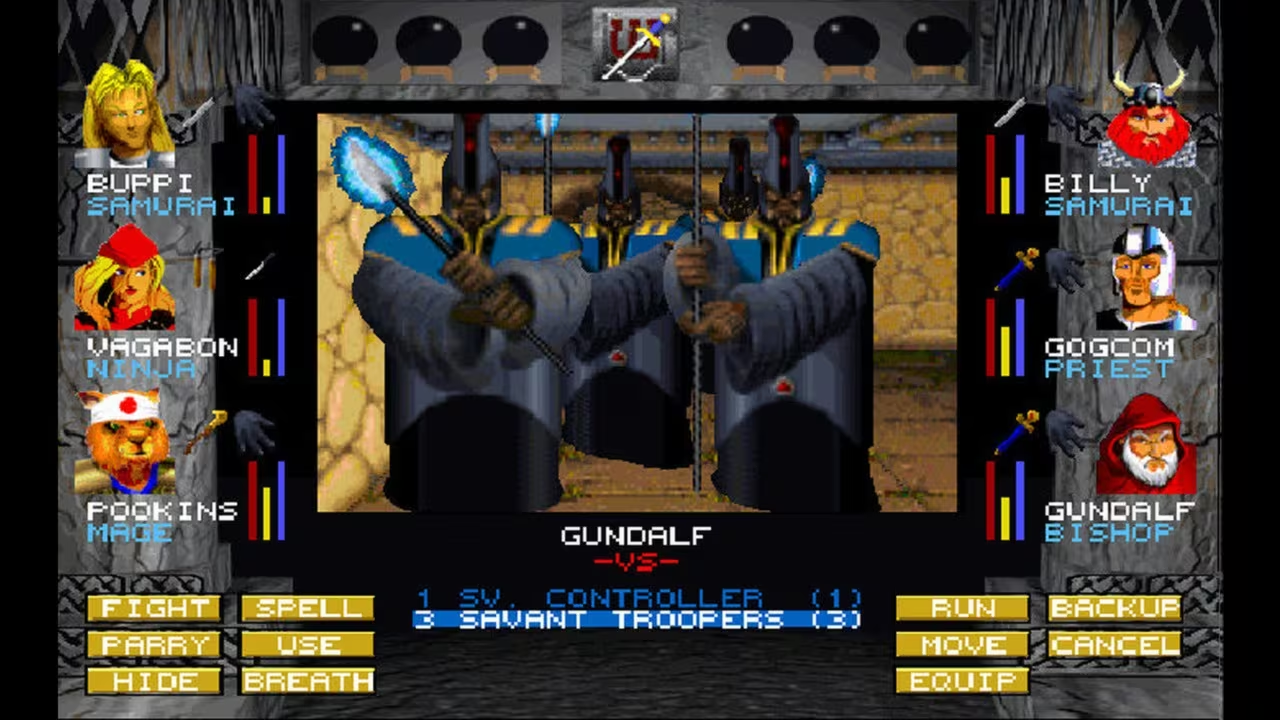
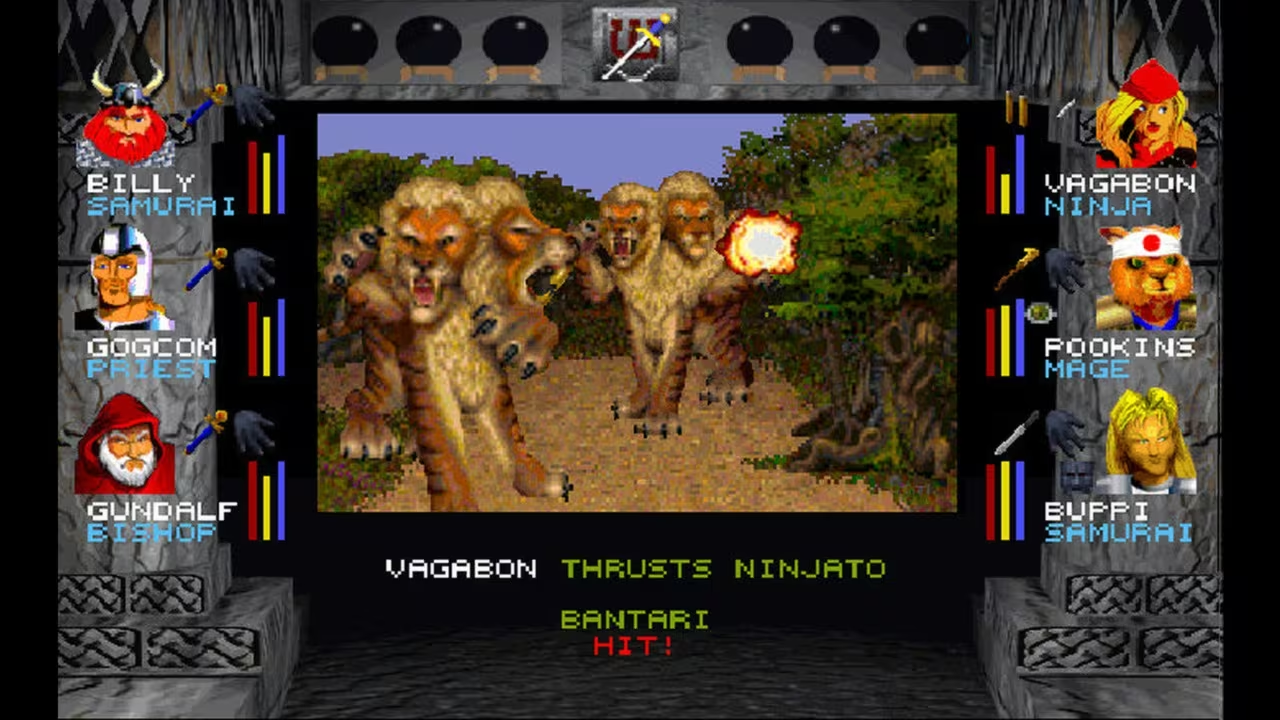
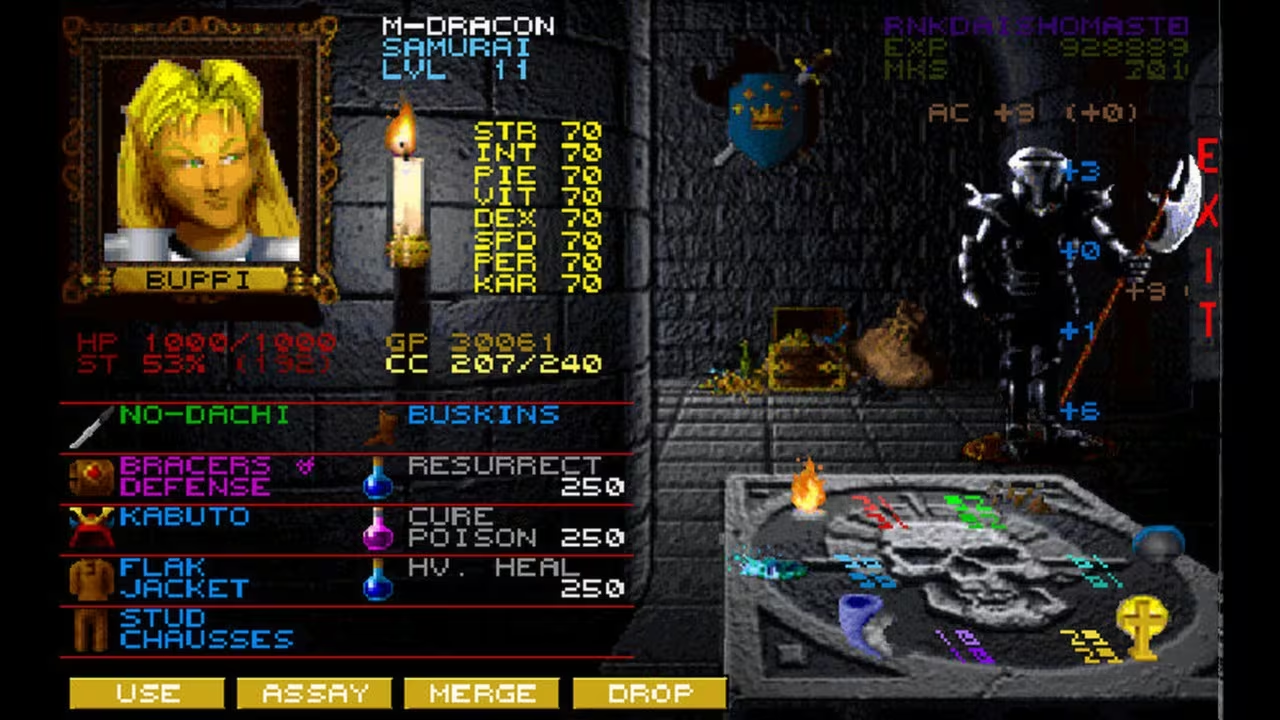
For the First TimeOutdoor CampaignsFull Soundtrack and EffectsTrue Point & Click Mouse InterfaceAuto-MappingUnprecedented Depth of StoryBegin your adventure in Crusaders of the Dark Savant. Import your characters from Bane of the Cosmic Forge or create a new party capable of surviving the rigors of a strange alien world.

Global score

82/100

Genres

Adventure, Role-playing (RPG)

Similar games

    Pros

    • Deep and challenging gameplay
    • Extensive character customization
    • Large open world and exploration
    • Engaging story with multiple endings
    • High replay value

    Cons

    • Steep learning curve and difficulty
    • Dated graphics and interface
    • Lack of quality of life features (no automap, save system issues)
    • Tedious character creation and grinding
    • No multiplayer or social features

    Analysis

    Less representative of its motivational profile, with noticeable differences. Motivations that often define this kind of title include Leadership, Survival, Violence, Strategy. Here, the score leans higher than usual among comparable games on Exploration, Fantasy. It leans lower than usual among comparable games on Relaxation.

    How to use the graph
    Similar games map

    Each dot is a game. They are arranged from the same motivation profile as in the “Motivations” section below. Closer dots usually mean more similar reasons to play (exploration, competition, relaxation, etc.)—not that one game is “better” than another.

    • Larger dot with a light outline: the game you are viewing.
    • Colour: groups of games with comparable motivation patterns (statistical clusters).
    • Hover a dot to see the game name; click to open its page.
    • Scroll or double-click the chart to zoom out and see more games.

    Why don’t the axes read like a score? This view uses t-SNE: it only keeps who is close to whom. The scales are not “good to bad” or hours played—they separate groups on the map. Read distance between dots, not the axis numbers.

    Motivations

    • Autonomy
      5

      "Highly non-linear open world with player freedom to explore, choose quests, and develop characters in many ways"

    • Competence
      5

      "Extremely challenging gameplay requiring mastery of complex systems, strategic combat, and puzzle solving"

    • Competition
      -3

      "Focus is on personal party management and overcoming game challenges rather than competing with others"

    • Continuation
      4

      "Long playtime with high replay value and deep engagement for dedicated players"

    • Cooperation
      -4

      "Single-player experience focused on managing own party, no multiplayer or teamwork with others"

    • Creativity
      4

      "Deep character customization, class changes, and party building allow creative approaches"

    • Domination
      -4

      "No evidence of exerting control over others; gameplay is about personal party survival and exploration"

    • Escapism
      5

      "Immersive fantasy/sci-fi world offering escape through exploration and story"

    • Expectation
      -4

      "Players engage voluntarily driven by intrinsic interest and nostalgia rather than obligation"

    • Experimenting
      5

      "Encourages trying different character builds, strategies, and exploration of complex mechanics"

    • Exploration
      5

      "Huge open world with maze-like dungeons, hidden secrets, and non-linear progression"

    • Expression
      3

      "Character portraits and customization allow some self-expression, though limited by era's graphics"

    • Fantasy
      5

      "Strong fantasy and sci-fi setting with imaginative creatures, magic, and story elements"

    • Fellowship
      -5

      "Strictly single-player with minimal social interaction or community features"

    • Growth
      5

      "High learning curve with skill acquisition, character development, and puzzle solving"

    • Health
      -4

      "Sedentary gameplay with long sessions and save scumming; no physical activity involved"

    • Idle
      -4

      "Requires constant attention and focus due to difficulty and complex mechanics"

    • Intimacy
      -5

      "No close social relationships or emotional sharing; solitary gameplay"

    • Leadership
      4

      "Players lead and manage a party of characters with strategic decision-making"

    • Progression
      5

      "Character leveling, class changes, item collection, and story advancement drive progression"

    • Relaxation
      -4

      "High tension and difficulty create sustained challenge rather than relaxation"

    • Sensation
      2

      "Basic sensory stimulation from retro graphics and sound; some emotional fun from challenge"

    • Status
      -4

      "No social recognition or leaderboards; focus is on personal achievement"

    • Story
      4

      "Engaging narrative with multiple endings and NPC interactions, though story delivery is cryptic"

    • Strategy
      5

      "Requires deep tactical combat planning, resource management, and puzzle solving"

    • Thrill
      4

      "High stakes combat and exploration create suspense and excitement"

    • Value
      4

      "Offers extensive content and replayability for invested players, good value for time spent"

    • Violence
      4

      "Combat focused on defeating monsters and enemies with spells and weapons"

    • Survival
      5

      "Strong survival elements with resource management, avoiding death, and overcoming threats"

    Last update: 29/04/2026