The Messenger Thumbnail

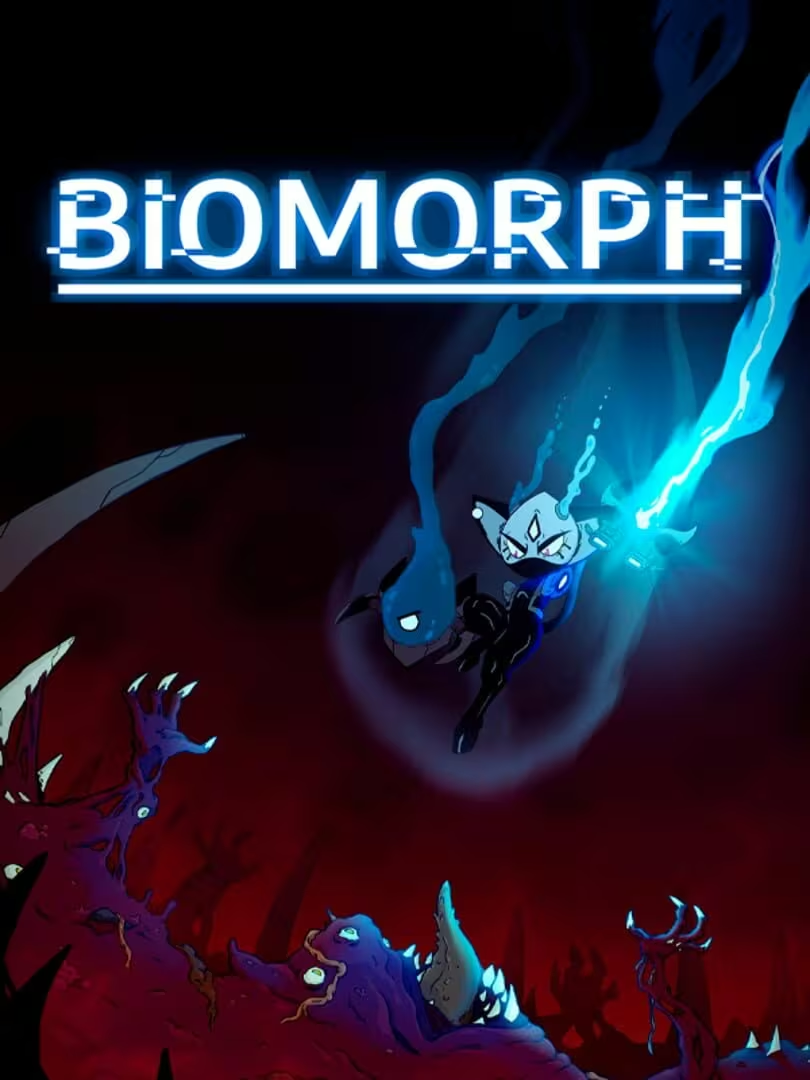
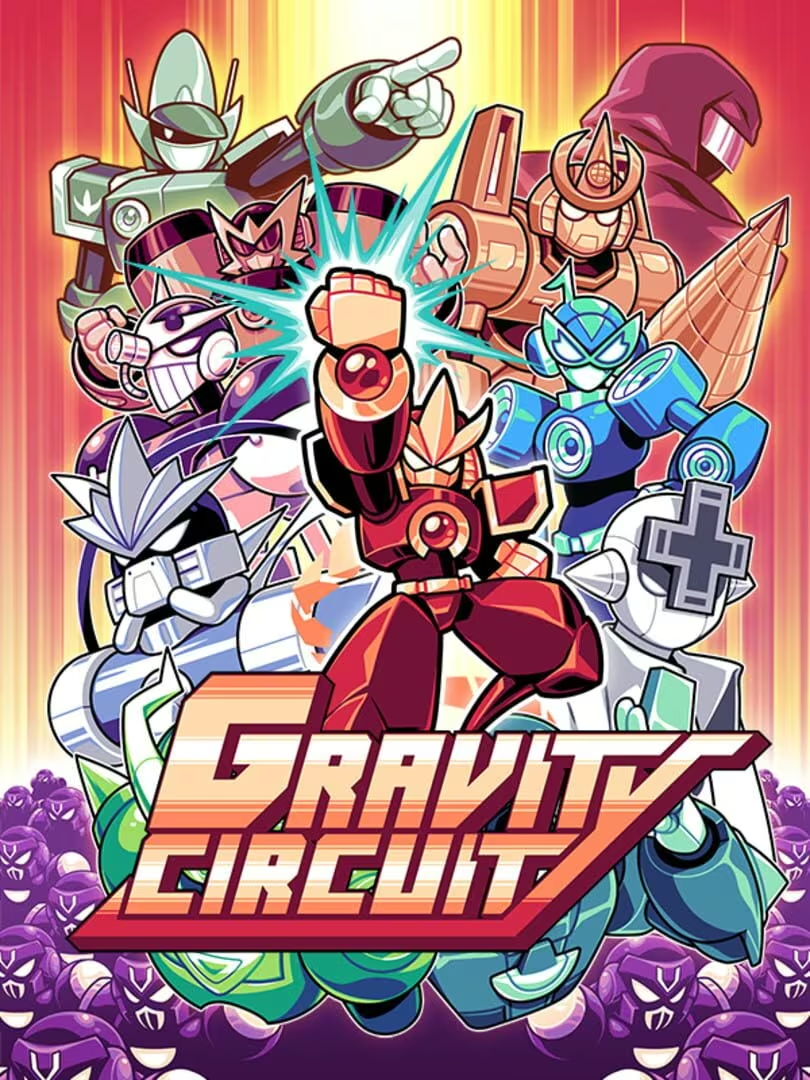
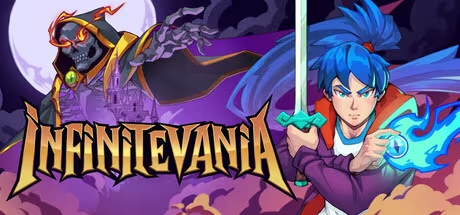
The Messenger similar games & best alternatives

The Messenger

PC (Microsoft Windows), PlayStation, Mac • 2018

Related articles

Quick resume

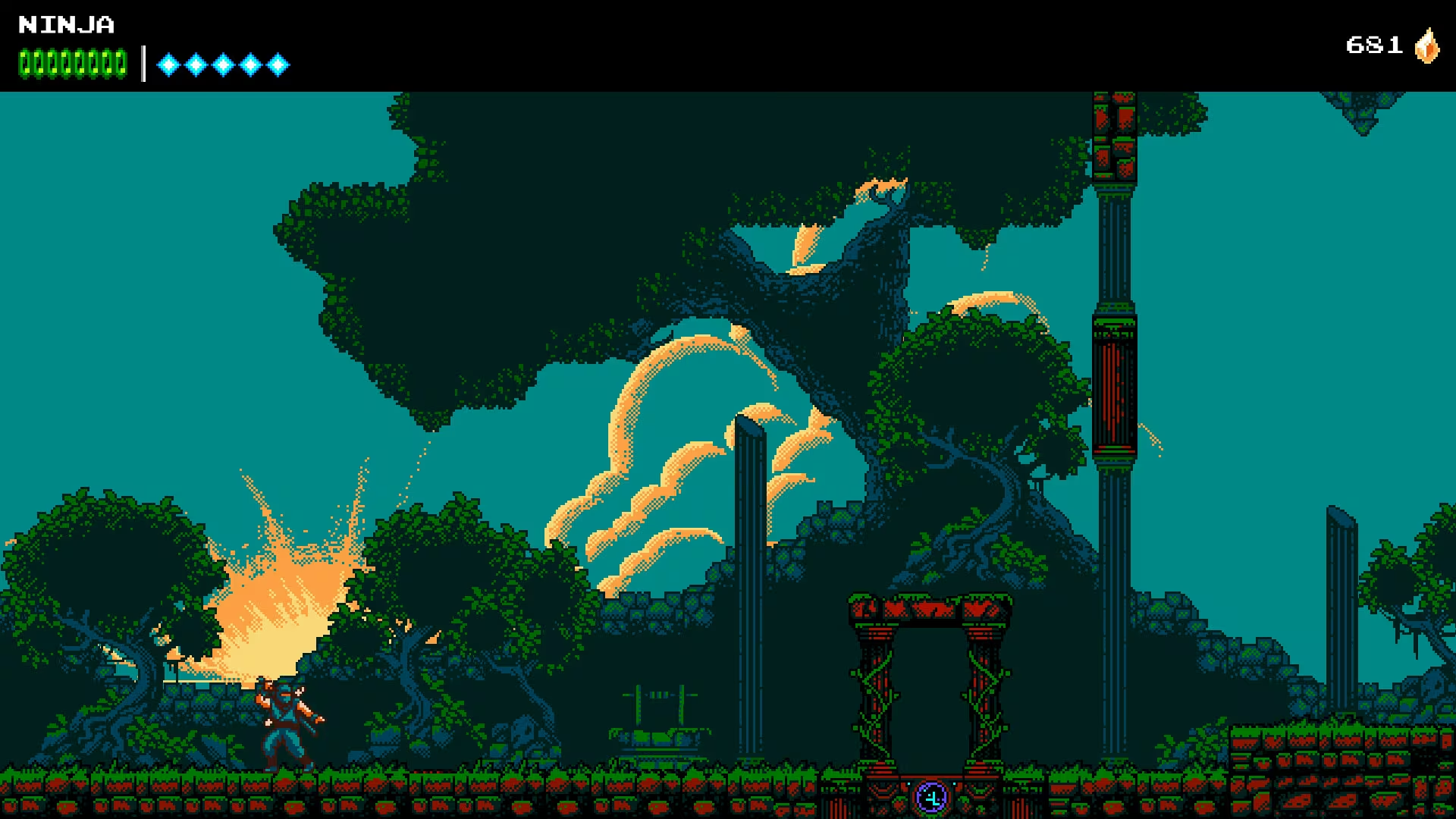
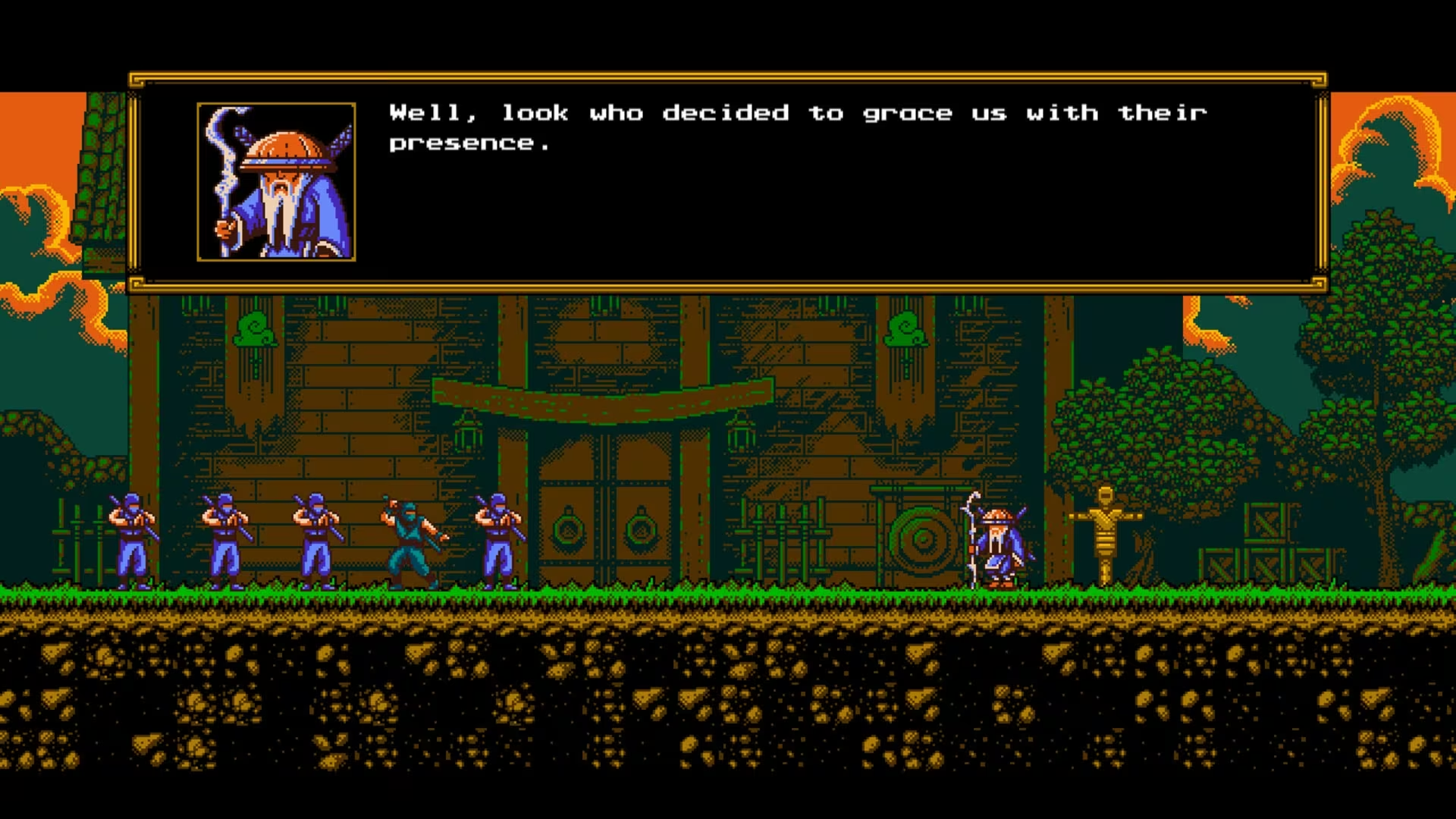
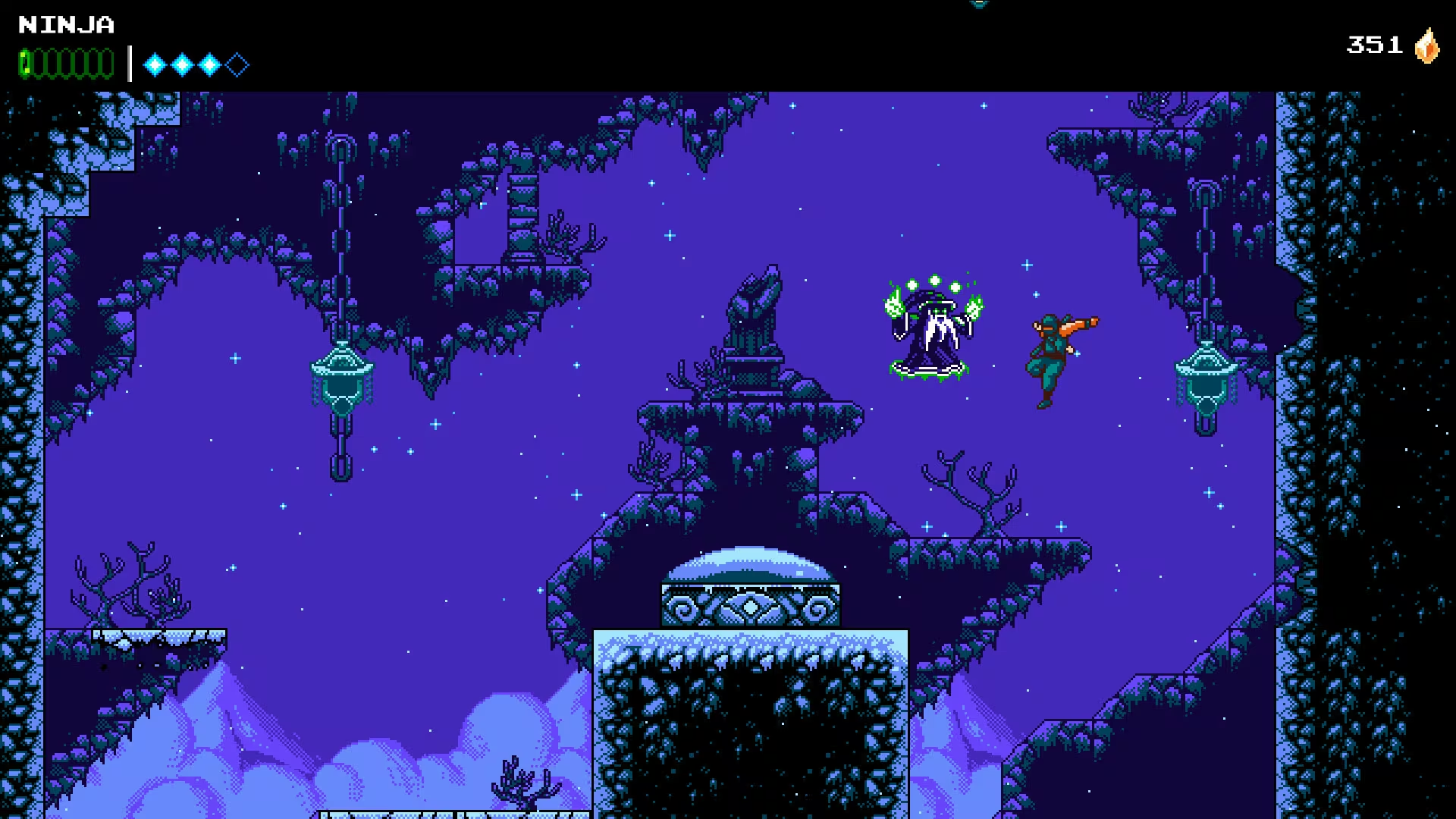
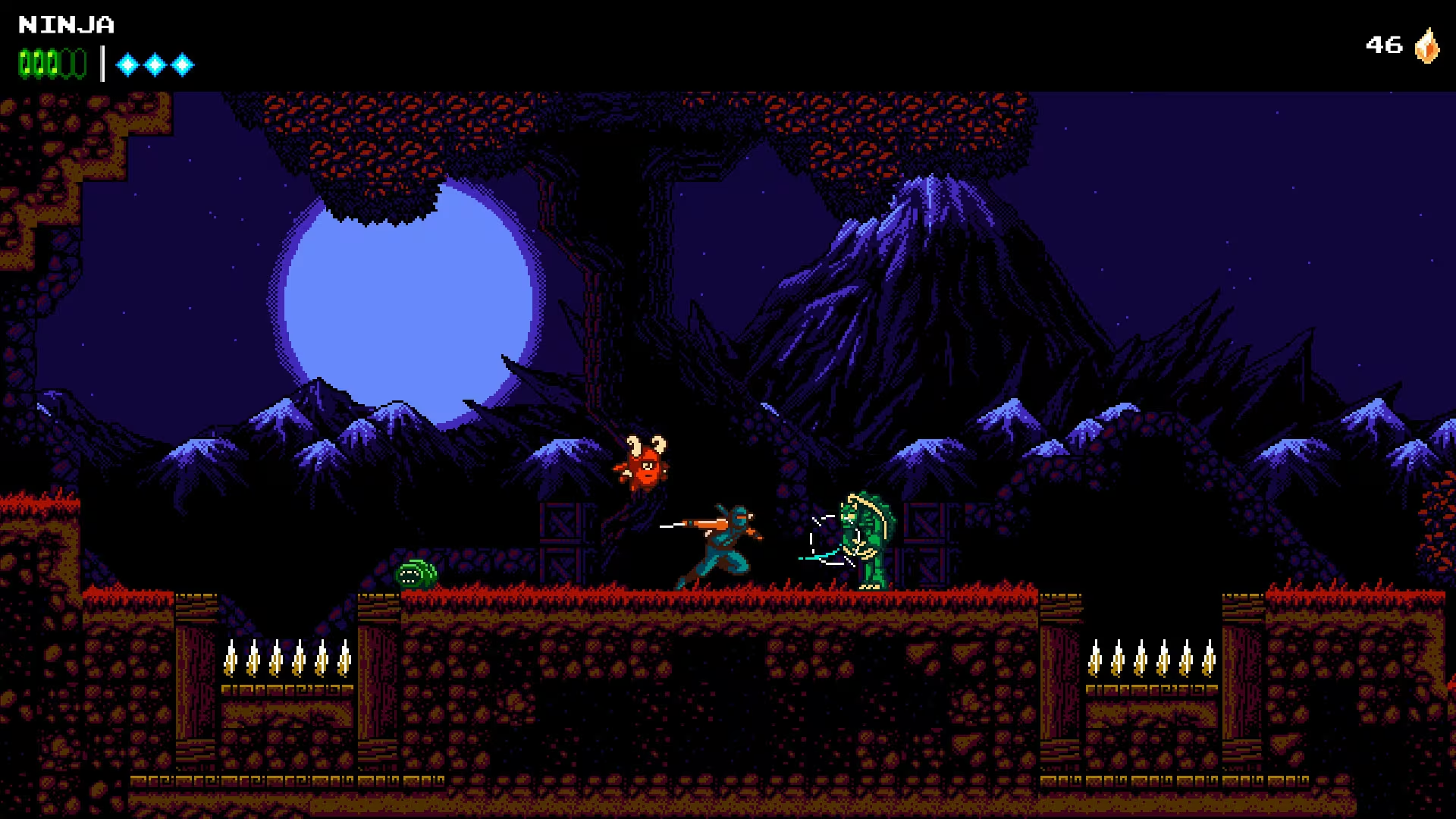
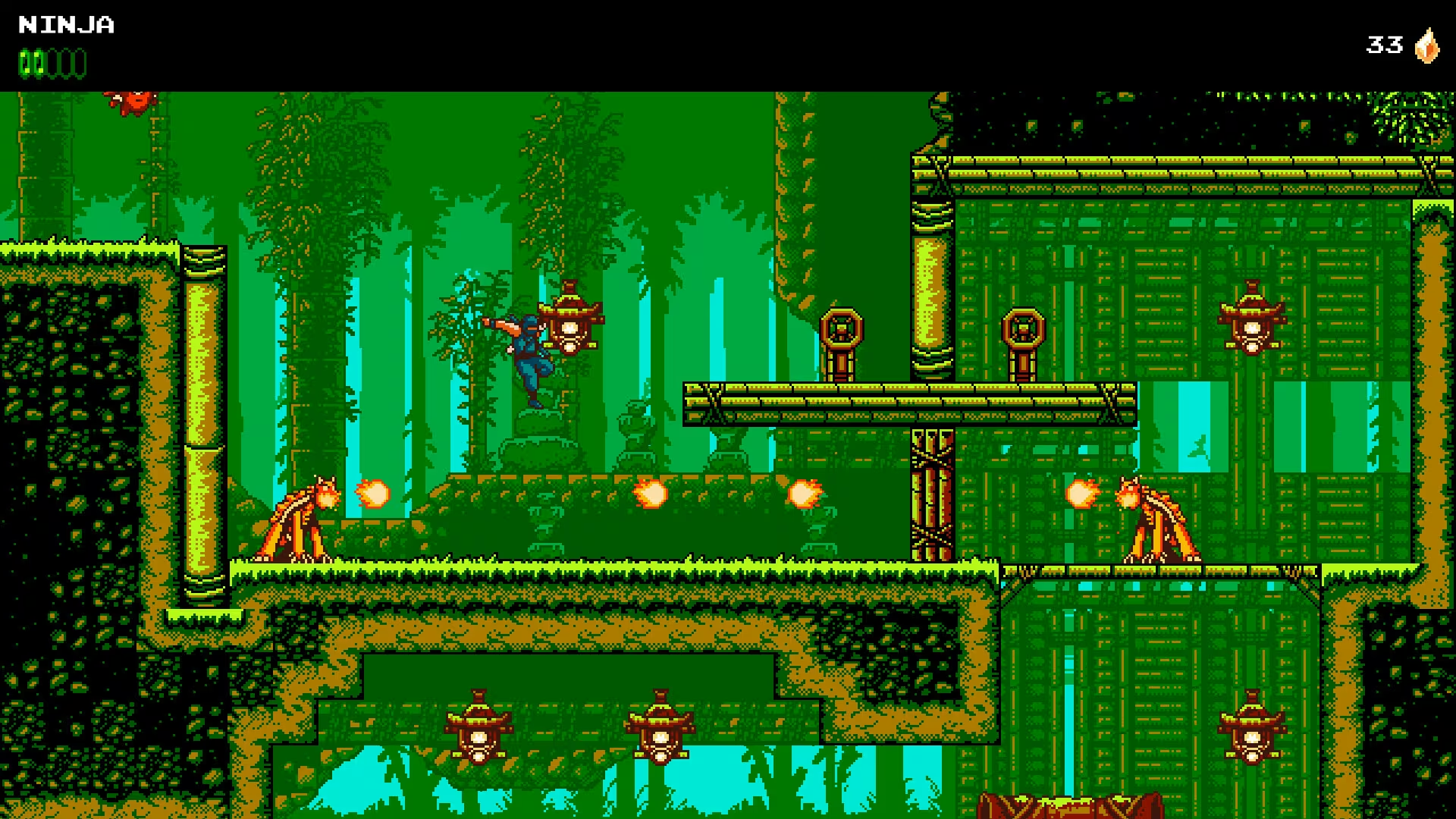
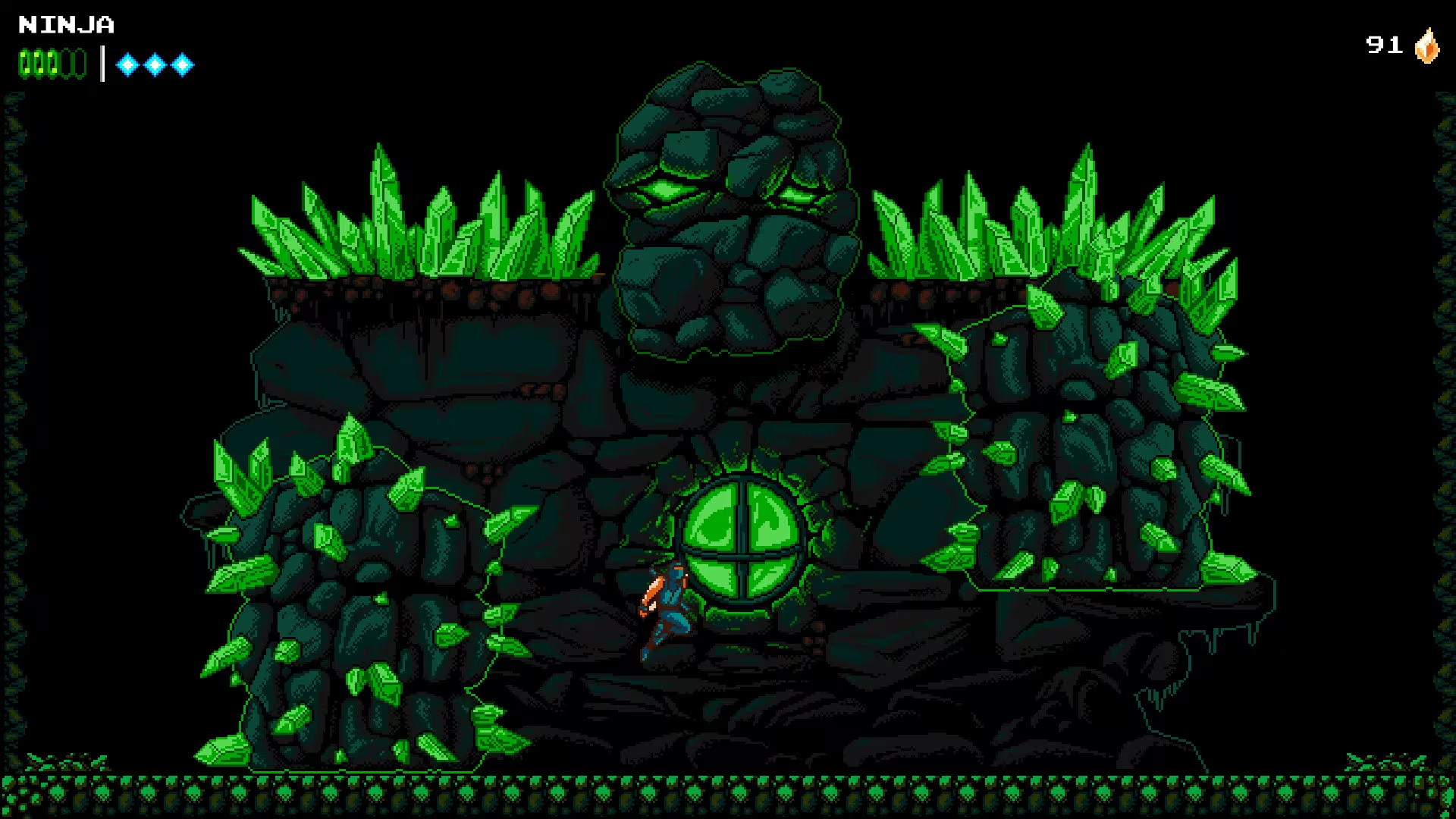
As a demon army besieges his village, a young ninja ventures through a cursed world, to deliver a scroll paramount to his clan’s survival. What begins as a classic action platformer soon unravels into an expansive time-traveling adventure full of thrills, surprises, and humor.

Global score

93/100

Genres

Action, Indie, Adventure, Point-and-click

Similar games

    Pros

    • Innovative time travel mechanic
    • Tight and satisfying platforming
    • Engaging humor and writing
    • Excellent soundtrack and art style
    • Balanced difficulty and progression

    Cons

    • Tedious backtracking in metroidvania section
    • Some difficulty spikes
    • Limited enemy variety
    • Occasional control frustrations
    • Story tone inconsistency

    Analysis

    A very typical example of its motivational profile. Motivations that often define this kind of title include Fellowship, Cooperation, Leadership, Violence. Here, the score leans higher than usual among comparable games on Violence, Sensation. It leans lower than usual among comparable games on Intimacy.

    How to use the graph
    Similar games map

    Each dot is a game. They are arranged from the same motivation profile as in the “Motivations” section below. Closer dots usually mean more similar reasons to play (exploration, competition, relaxation, etc.)—not that one game is “better” than another.

    • Larger dot with a light outline: the game you are viewing.
    • Colour: groups of games with comparable motivation patterns (statistical clusters).
    • Hover a dot to see the game name; click to open its page.
    • Scroll or double-click the chart to zoom out and see more games.

    Why don’t the axes read like a score? This view uses t-SNE: it only keeps who is close to whom. The scales are not “good to bad” or hours played—they separate groups on the map. Read distance between dots, not the axis numbers.

    Motivations

    • Autonomy
      3

      "Players have freedom to explore the metroidvania portion and choose order of progression, but early game is more linear and guided."

    • Competence
      4

      "Gameplay is challenging but fair, with skill-based platforming and boss fights that reward mastery."

    • Competition
      -4

      "Focus is on personal skill improvement and exploration without competitive or ranked modes."

    • Continuation
      4

      "Many players report addictive gameplay and desire to replay, though some find backtracking tedious."

    • Cooperation
      -5

      "Single-player experience focused on individual progression and challenges."

    • Creativity
      4

      "Innovative time travel mechanic switching between 8-bit and 16-bit styles adds creative level design and gameplay variety."

    • Domination
      -5

      "No evidence of exerting control or superiority over others; cooperative or competitive dominance absent."

    • Escapism
      4

      "Players use the game as a nostalgic, immersive escape with engaging story and humor."

    • Expectation
      -4

      "Players engage voluntarily out of interest and enjoyment rather than obligation."

    • Experimenting
      3

      "Players experiment with new abilities and mechanics, especially the time travel dimension switching."

    • Exploration
      3

      "Metroidvania portion encourages discovering new areas and secrets, though some find backtracking repetitive."

    • Expression
      2

      "Limited character customization but players express style through gameplay choices and exploration."

    • Fantasy
      4

      "Imaginative ninja fantasy with time travel, quirky characters, and meta-narrative elements."

    • Fellowship
      -5

      "Minimal social interaction; primarily a solo experience."

    • Growth
      4

      "Players develop platforming skills and learn new mechanics progressively."

    • Health
      -5

      "Typical sedentary gaming experience with no physical activity elements."

    • Idle
      -4

      "Requires focused attention and continuous engagement; not a casual or background game."

    • Intimacy
      -5

      "No evidence of close social relationships formed through gameplay."

    • Leadership
      -5

      "No leadership or group management roles present."

    • Progression
      4

      "Players accumulate upgrades, abilities, and collectibles to advance through the game."

    • Relaxation
      2

      "Balanced challenge provides flow and satisfaction, though some sections cause frustration."

    • Sensation
      4

      "Strong sensory appeal through retro visuals, dynamic music, and engaging sound design."

    • Status
      -5

      "No social status or recognition systems; focus is on personal achievement."

    • Story
      3

      "Engaging narrative with humor and meta elements, though some find it inconsistent."

    • Strategy
      3

      "Requires planning and problem solving especially in later metroidvania sections and boss fights."

    • Thrill
      3

      "Platforming challenges and boss fights create suspense and excitement."

    • Value
      4

      "Players perceive strong value for time and money due to quality, content, and replayability."

    • Violence
      3

      "Combat involves defeating enemies and bosses, but not gratuitous violence; more stylized action."

    • Survival
      2

      "Players must avoid death and hazards, but game is fair and checkpoints reduce frustration."

    Last update: 29/04/2026