Menace from the Deep Thumbnail

Menace from the Deep similar games & best alternatives
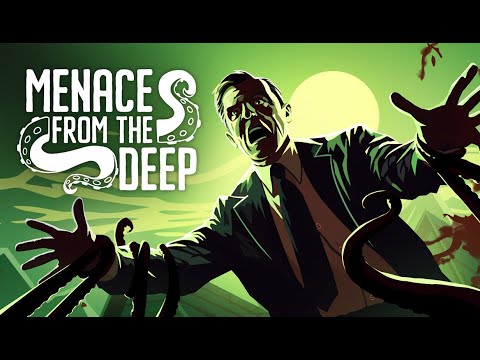
Menace from the Deep

PC (Microsoft Windows) • 2024

Related articles

Quick resume

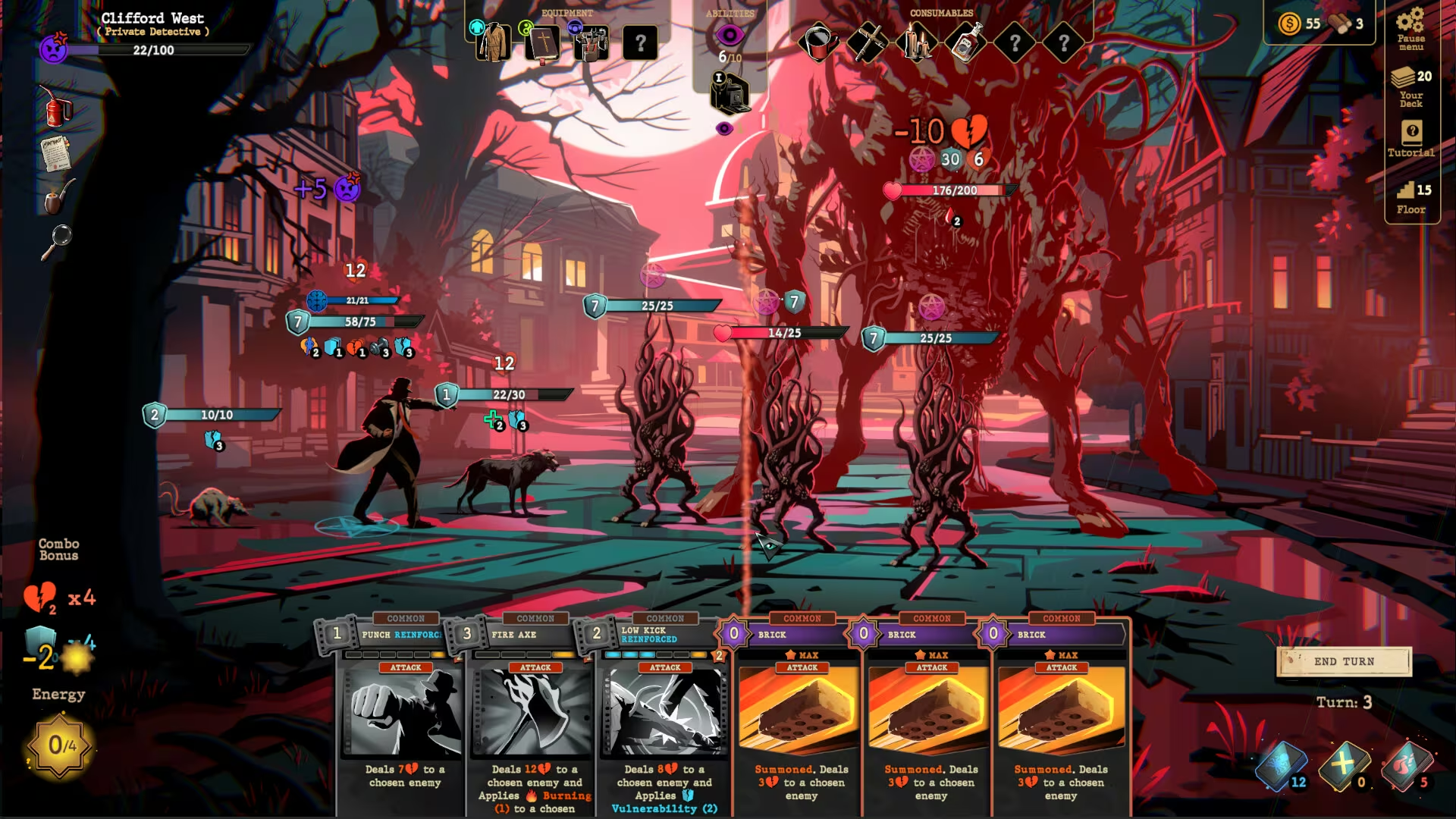
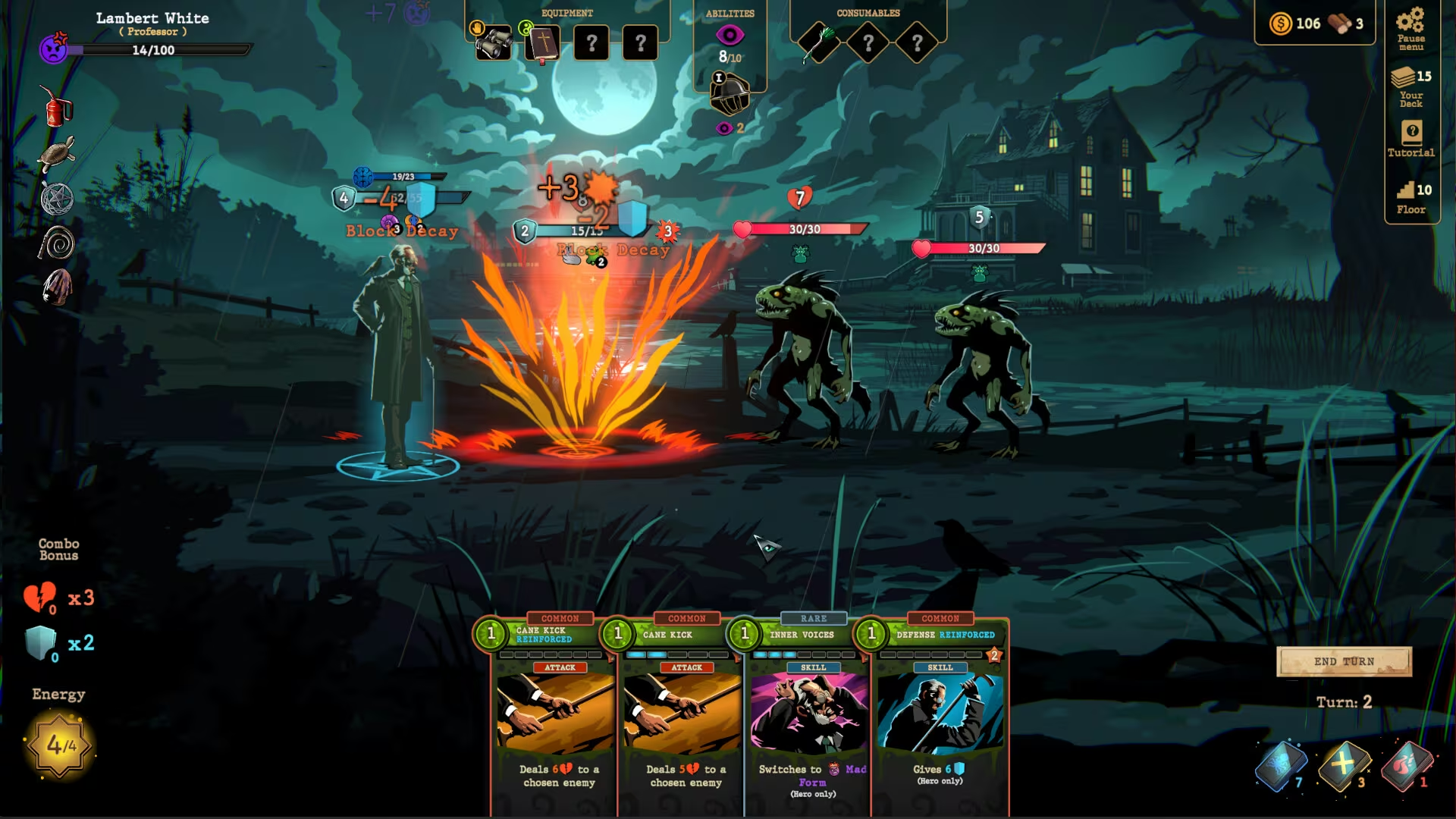
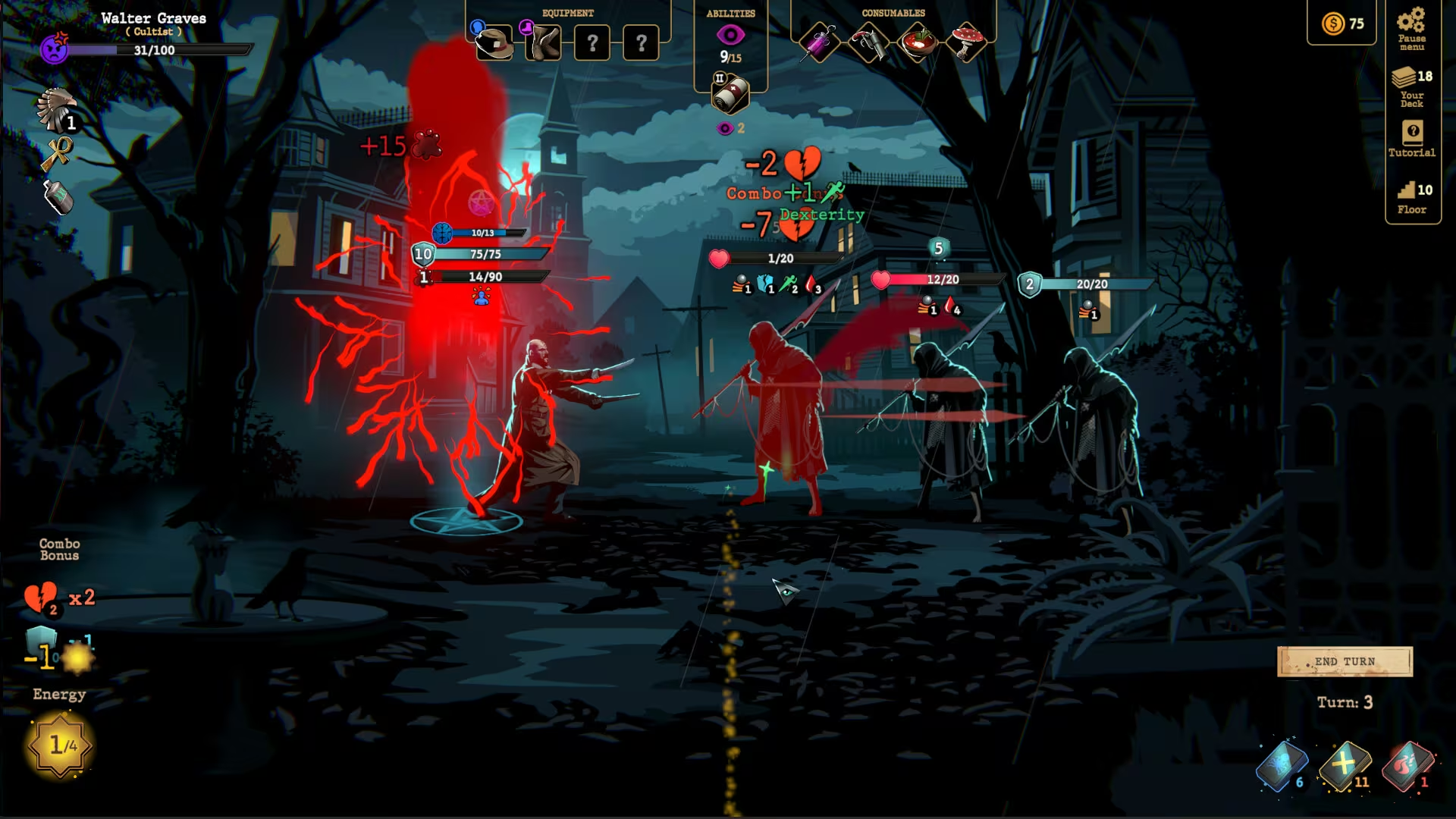
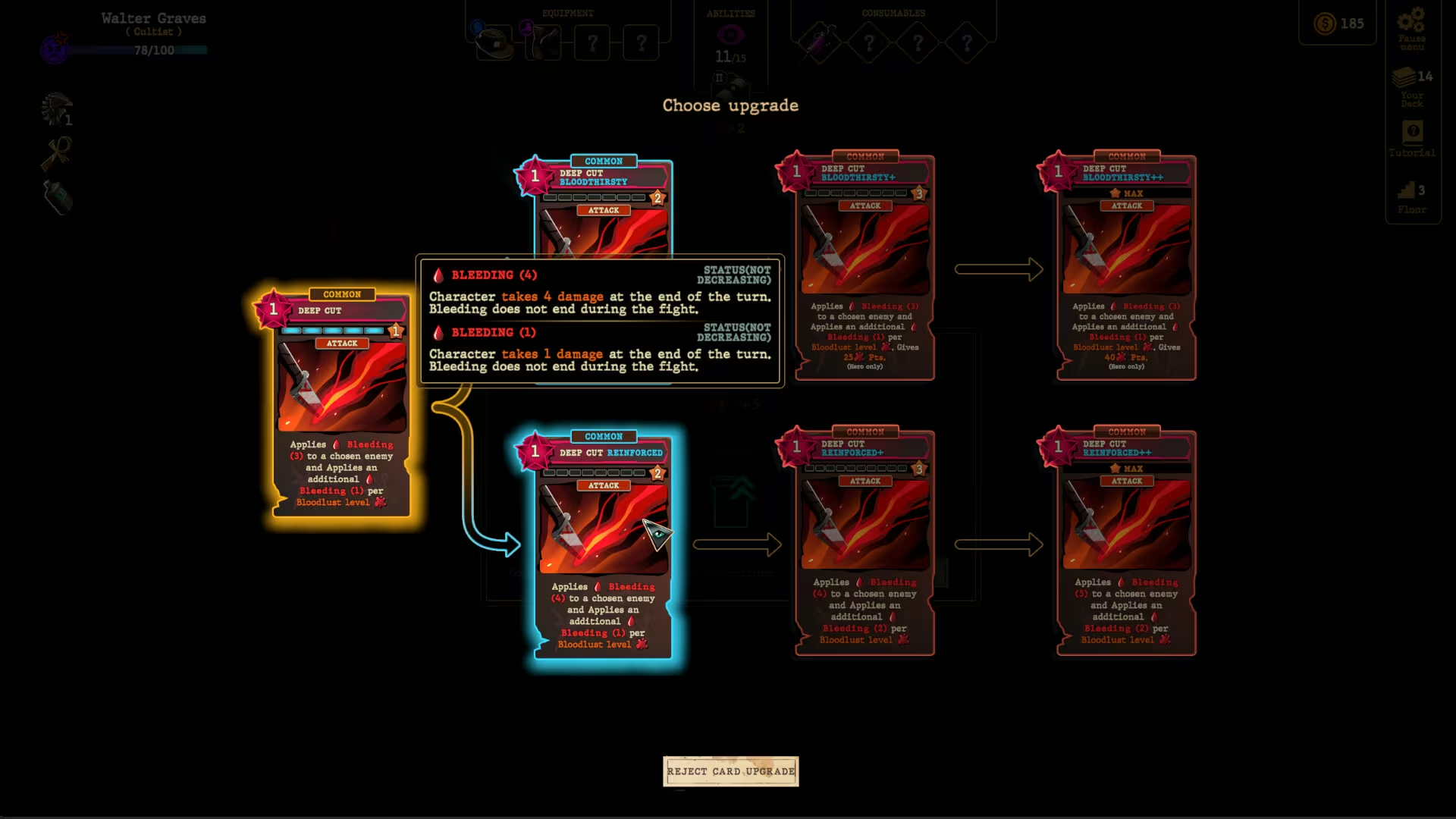
Menace from the Deep is an enthralling Roguelike Deckbuilding card game that unfolds in a dark world, drawing inspiration from Howard Lovecraft and the Cthulhu Mythos.Set against the backdrop of 1920s USA, the narrative revolves around a clandestine occult society.

Global score

85/100

Genres

Adventure, Indie, Simulator, Strategy

Similar games

    Pros

    • Immersive lovecraftian atmosphere
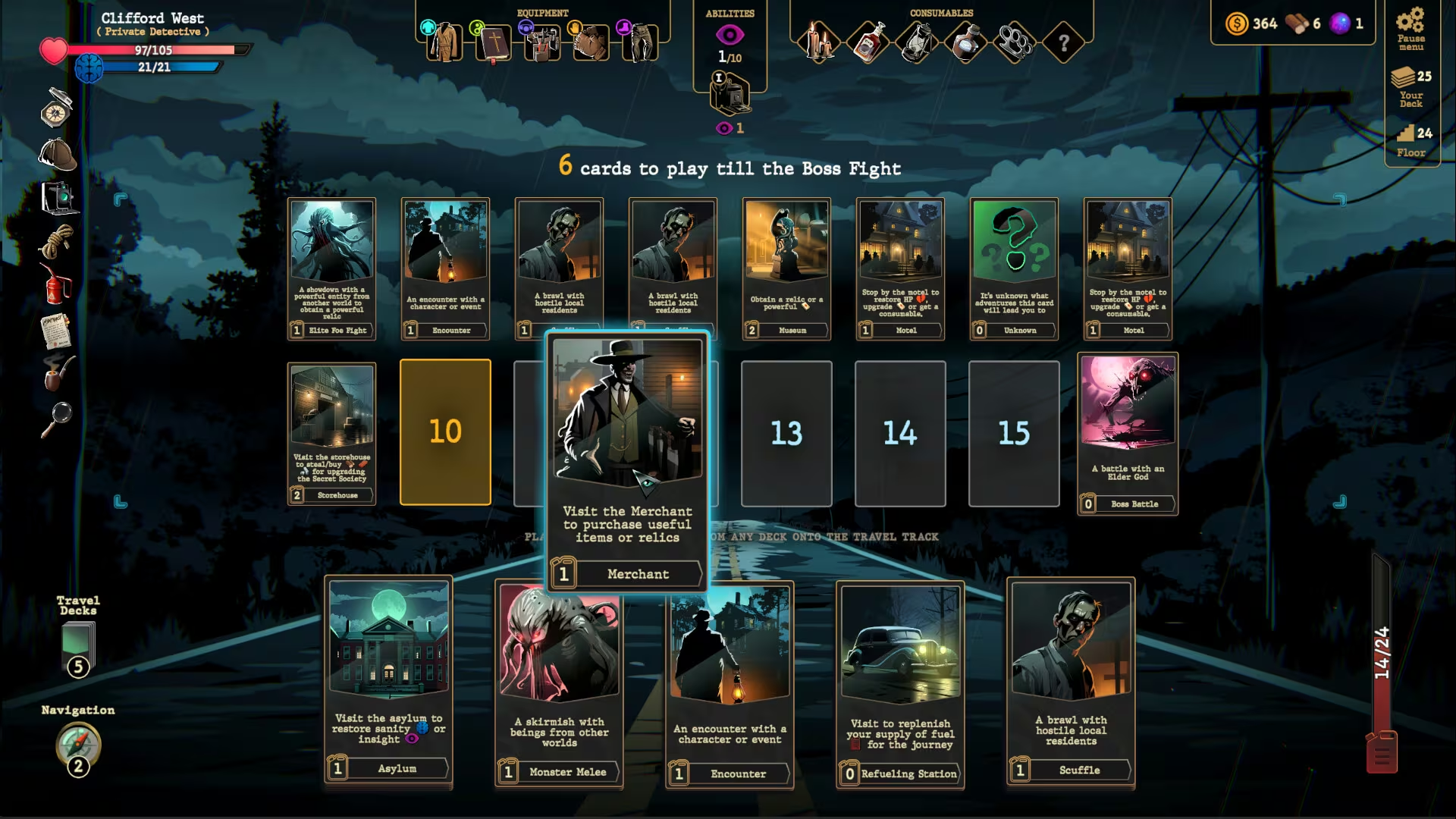
    • Innovative travel deck exploration
    • Deep deckbuilding and card upgrade system
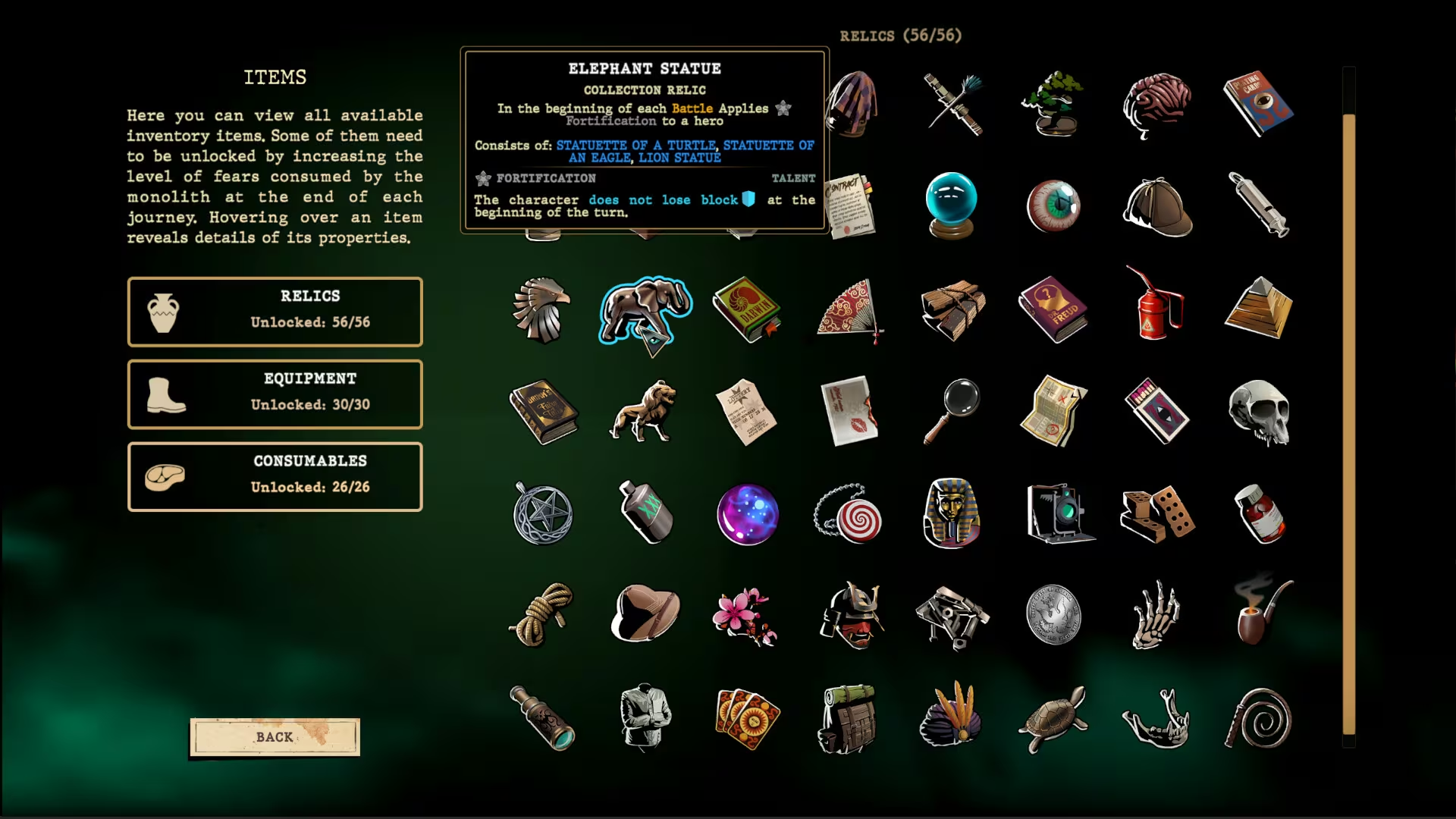
    • Strong meta-progression and replayability
    • Engaging art and sound design

    Cons

    • Early difficulty spikes and grind
    • Basic and sometimes weak story
    • Limited card synergy and deck thinning
    • Some ui and clarity issues
    • Lack of multiplayer or social features

    Analysis

    A very typical example of its motivational profile. Motivations that often define this kind of title include Relaxation, Survival, Violence, Fellowship. Here, the score leans higher than usual among comparable games on Expression, Fantasy. It leans lower than usual among comparable games on Status.

    How to use the graph
    Similar games map

    Each dot is a game. They are arranged from the same motivation profile as in the “Motivations” section below. Closer dots usually mean more similar reasons to play (exploration, competition, relaxation, etc.)—not that one game is “better” than another.

    • Larger dot with a light outline: the game you are viewing.
    • Colour: groups of games with comparable motivation patterns (statistical clusters).
    • Hover a dot to see the game name; click to open its page.
    • Scroll or double-click the chart to zoom out and see more games.

    Why don’t the axes read like a score? This view uses t-SNE: it only keeps who is close to whom. The scales are not “good to bad” or hours played—they separate groups on the map. Read distance between dots, not the axis numbers.

    Motivations

    • Autonomy
      4

      "Players choose their own paths via travel decks and make meaningful decisions on exploration and combat strategies."

    • Competence
      3

      "Combat involves skillful card play and strategic resource management, though some fights can be repetitive or grindy."

    • Competition
      -3

      "Focus is on personal progression and overcoming challenges rather than direct competition or leaderboards."

    • Continuation
      4

      "Players report long sessions and habitual play with meta-progression encouraging repeated runs."

    • Cooperation
      -4

      "Gameplay is primarily single-player with no evidence of multiplayer or cooperative elements."

    • Creativity
      3

      "Players can customize decks, upgrade cards in multiple ways, and build unique strategies with relics and equipment."

    • Domination
      -5

      "Interactions are individual and balanced; no evidence of exerting control or superiority over others."

    • Escapism
      4

      "Strong immersive Lovecraftian atmosphere and tension-filled gameplay provide escape from real life."

    • Expectation
      -4

      "Players engage voluntarily out of intrinsic interest and enjoyment of the genre and theme."

    • Experimenting
      4

      "Players try different decks, card upgrade paths, and travel strategies to find effective builds."

    • Exploration
      3

      "Travel deck system encourages discovery of new locations and tactical route planning."

    • Expression
      2

      "Some character customization and deck building allow for personal expression, though limited cosmetic options."

    • Fantasy
      5

      "Strong Lovecraftian horror theme with cosmic monsters and supernatural elements."

    • Fellowship
      -5

      "Game is single-player focused with minimal social or community interaction."

    • Growth
      4

      "Meta-progression and card leveling systems support learning and personal development over runs."

    • Health
      -5

      "Game involves sedentary play with no physical activity or health-related features."

    • Idle
      -3

      "Requires focused attention during combat and decision making; not suited for passive or background play."

    • Intimacy
      -5

      "No evidence of close social relationships or emotional sharing in gameplay."

    • Leadership
      -5

      "No leadership or group management roles; gameplay is individual and self-directed."

    • Progression
      5

      "Strong meta-progression with base building, unlocking cards, relics, and upgrades across runs."

    • Relaxation
      -2

      "Gameplay is challenging and tense, though some players find it cathartic and engaging."

    • Sensation
      3

      "Enjoyable art, sound design, and atmospheric music provide sensory stimulation."

    • Status
      -5

      "No social recognition or ranking systems; focus is on individual achievement."

    • Story
      3

      "Narrative mode with voice acting and story progression, though story is considered basic and secondary."

    • Strategy
      4

      "Requires planning of deck builds, travel routes, and combat tactics."

    • Thrill
      3

      "Tension and suspense from survival mechanics and difficult encounters create excitement."

    • Value
      4

      "Players report good value for time and money with many hours of content and replayability."

    • Violence
      4

      "Combat involves attacking monsters and enemies with cards and abilities."

    • Survival
      4

      "Survival mechanics like health, sanity, and fuel management are core gameplay elements."

    Last update: 29/04/2026