Carto Thumbnail

Carto similar games & best alternatives
Carto

PC (Microsoft Windows), Mac, Xbox One, PlayStation 4, Nintendo Switch • 2020

Related articles

Quick resume

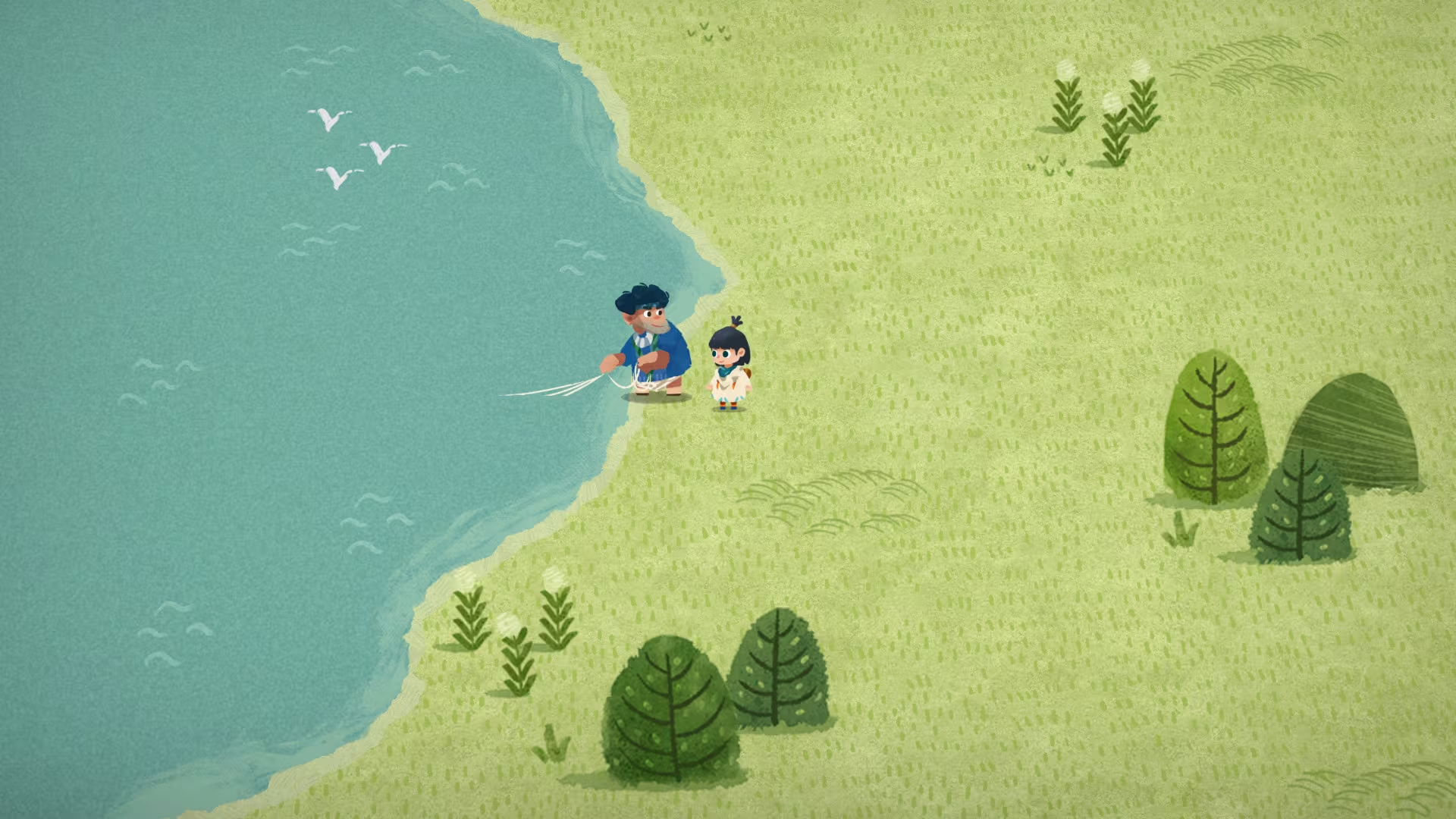
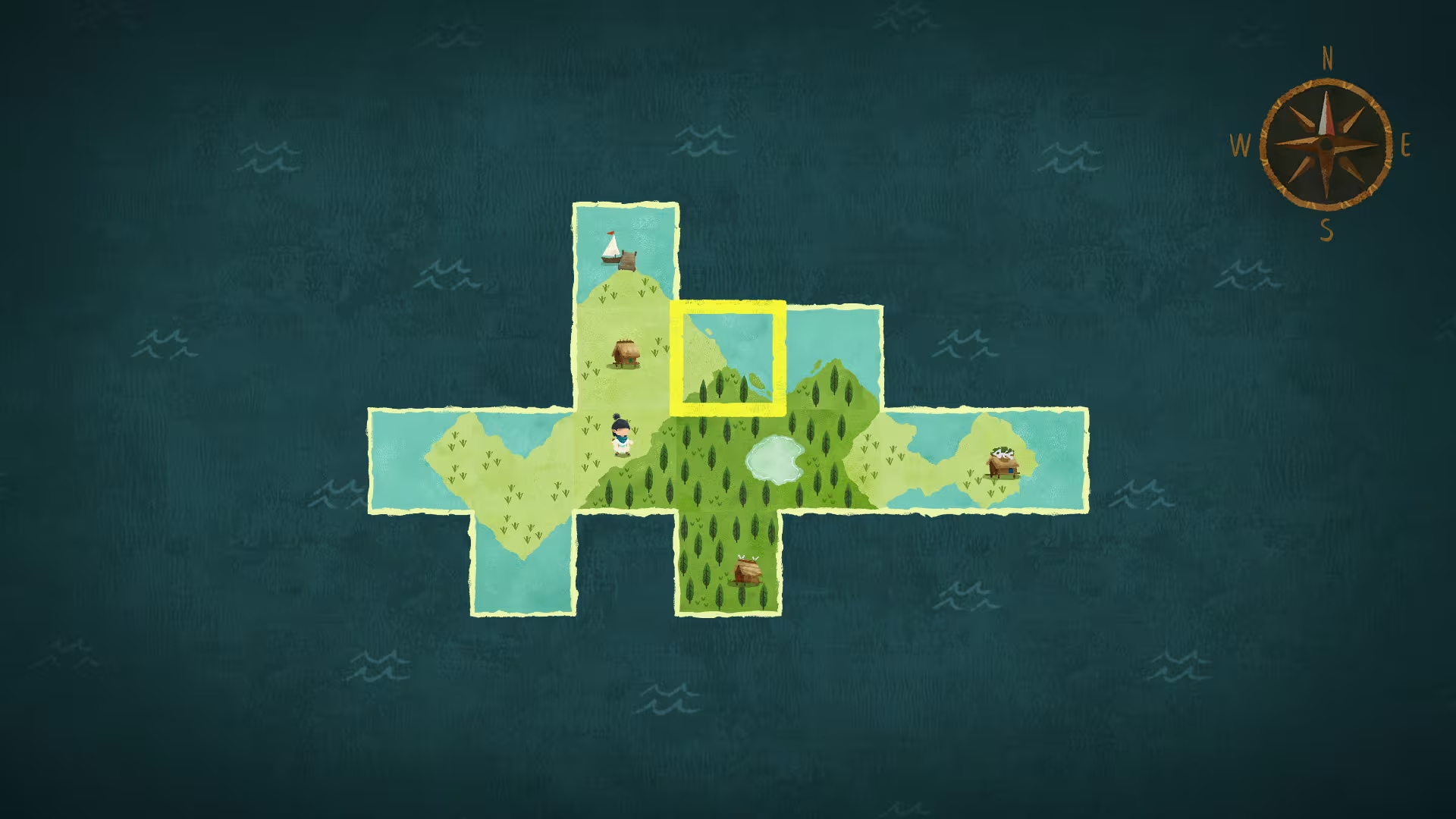
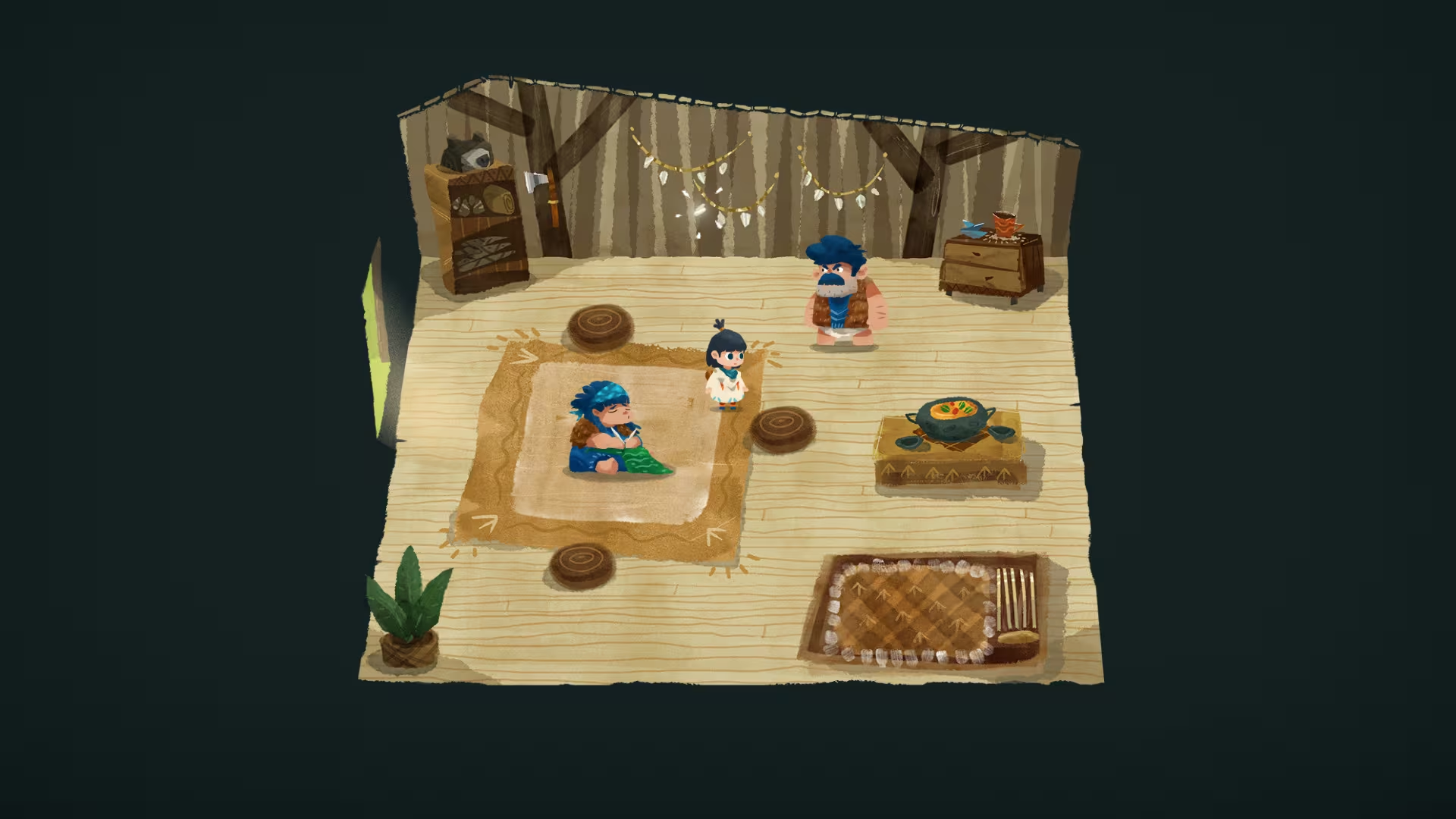
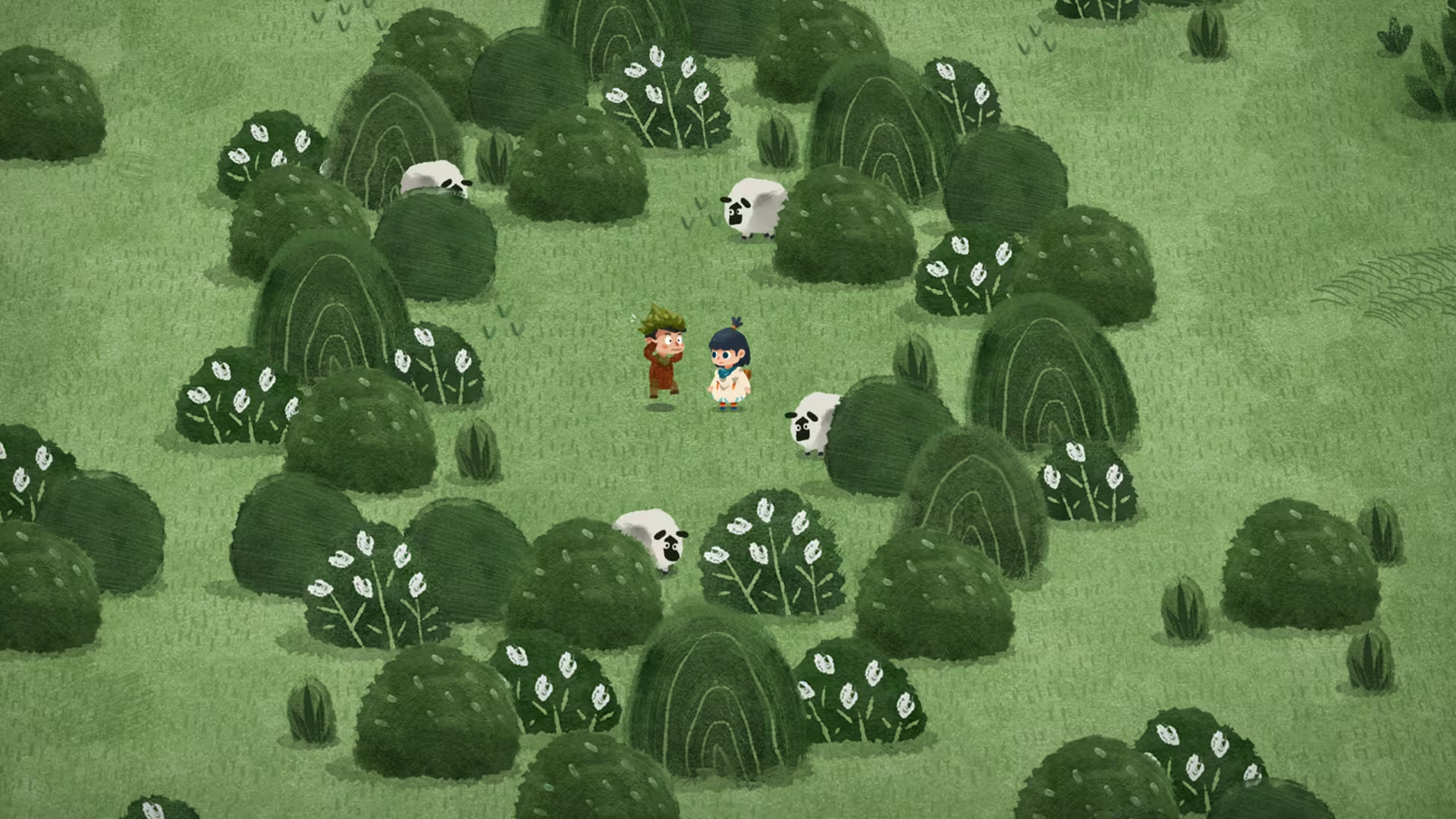
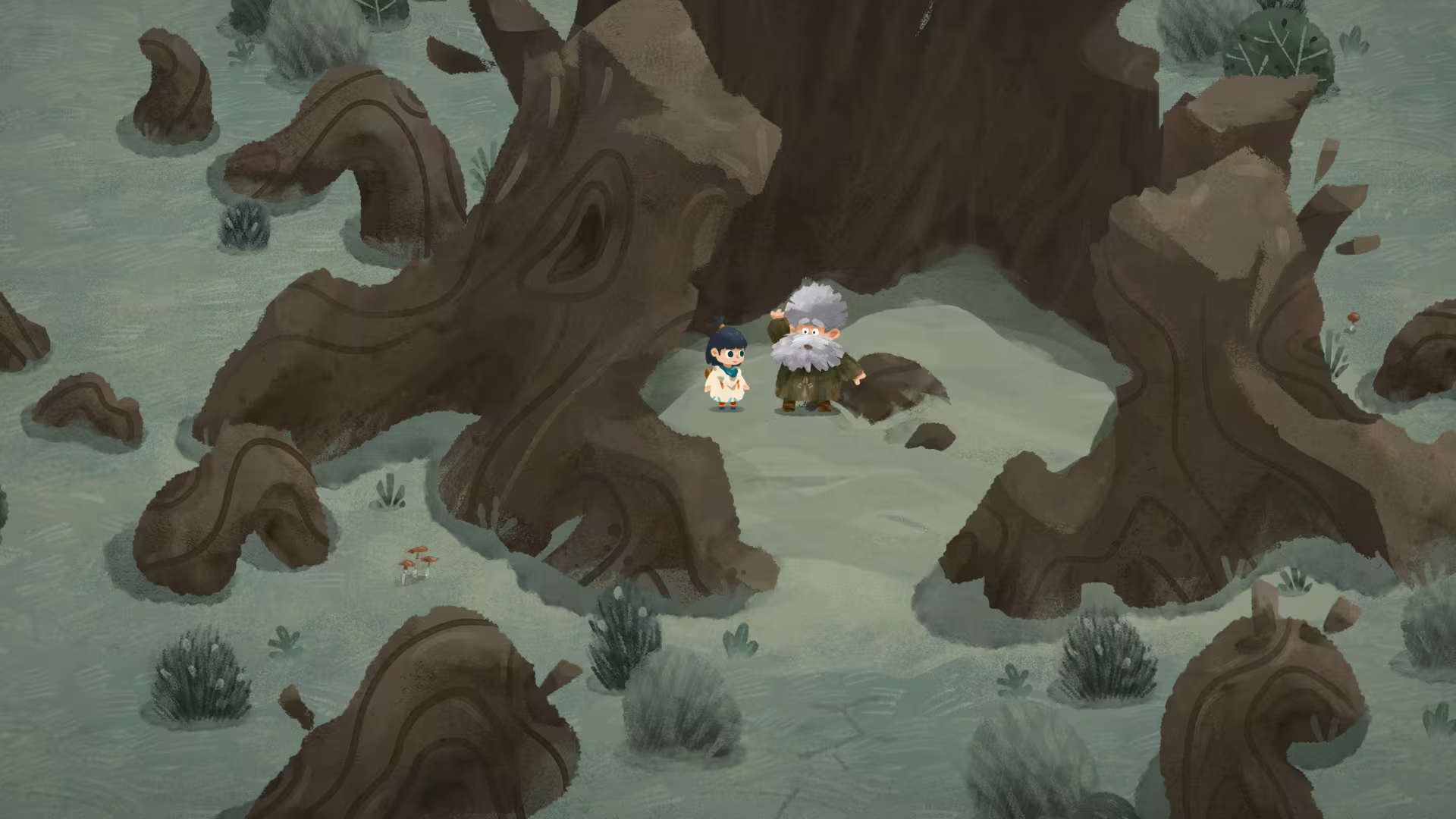
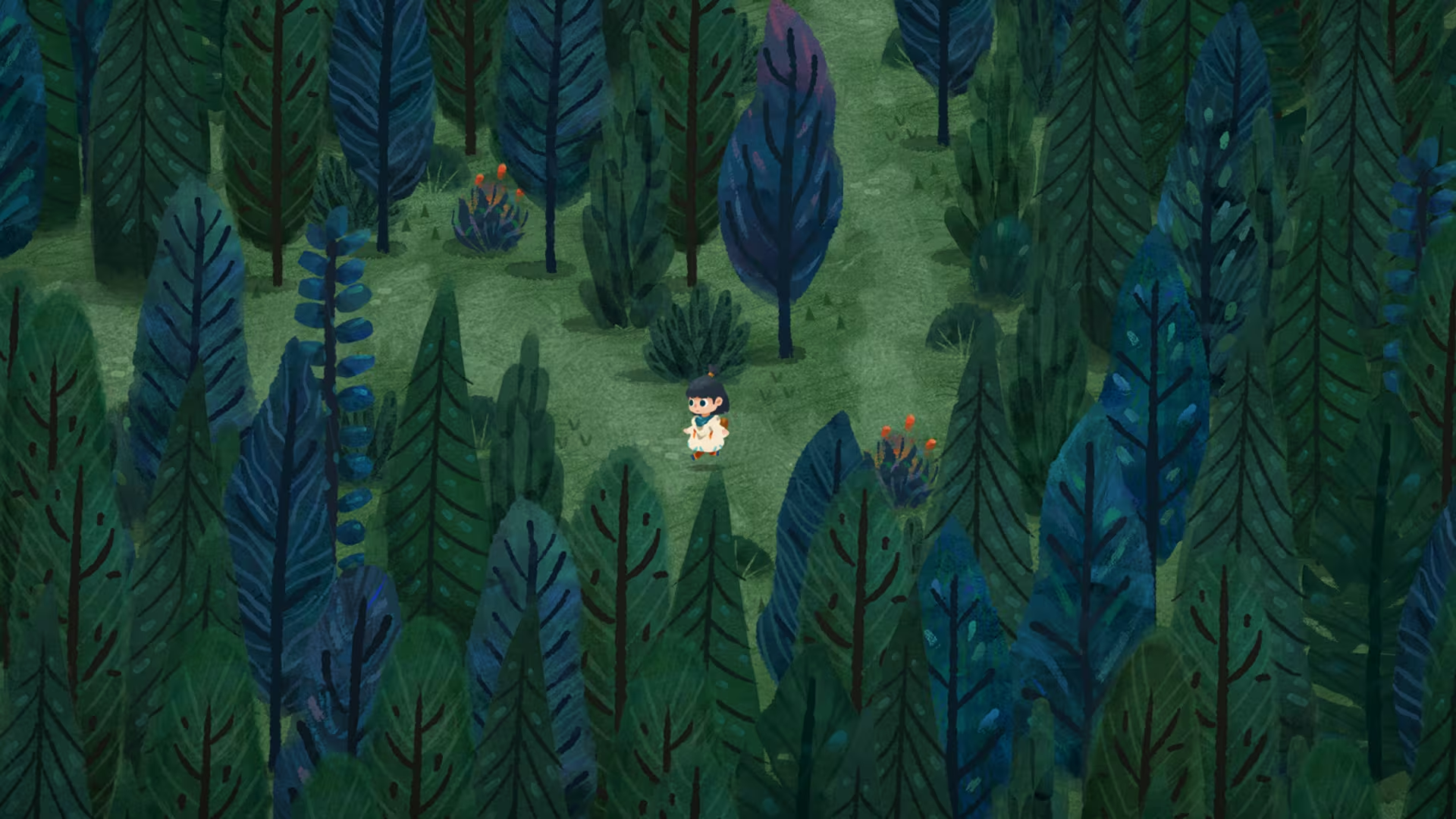
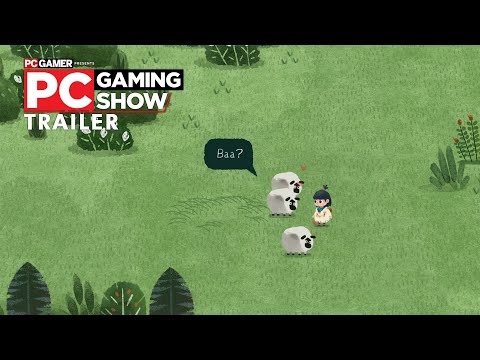
Carto is a charming adventure game wrapped around a unique, world-altering puzzle mechanic. Use this power to explore mysterious lands, help a quirky cast of characters, and guide Carto on her journey back to her family.

Global score

96/100

Genres

Adventure, Casual, Indie, Role-playing (RPG), Puzzle

Similar games

    Pros

    • Unique and creative puzzle mechanics
    • Charming art style and characters
    • Relaxing and wholesome atmosphere
    • Engaging and heartwarming story
    • Moderate puzzle challenge with rewarding solutions

    Cons

    • Short game length with limited replayability
    • Some puzzles can be obscure or unintuitive
    • Lack of hint system frustrates some players
    • Minimal depth in story and character development
    • No multiplayer or competitive features

    Analysis

    A very typical example of its motivational profile. Motivations that often define this kind of title include Intimacy, Survival, Violence, Competition. Here, the score leans higher than usual among comparable games on Strategy. It leans lower than usual among comparable games on Thrill, Cooperation.

    How to use the graph
    Similar games map

    Each dot is a game. They are arranged from the same motivation profile as in the “Motivations” section below. Closer dots usually mean more similar reasons to play (exploration, competition, relaxation, etc.)—not that one game is “better” than another.

    • Larger dot with a light outline: the game you are viewing.
    • Colour: groups of games with comparable motivation patterns (statistical clusters).
    • Hover a dot to see the game name; click to open its page.
    • Scroll or double-click the chart to zoom out and see more games.

    Why don’t the axes read like a score? This view uses t-SNE: it only keeps who is close to whom. The scales are not “good to bad” or hours played—they separate groups on the map. Read distance between dots, not the axis numbers.

    Motivations

    • Autonomy
      4

      "Players freely rearrange map tiles to explore and solve puzzles, directing their own path and decisions."

    • Competence
      3

      "Puzzles provide moderate challenge with rewarding problem solving and feedback, though not overly difficult."

    • Competition
      -5

      "Focuses on personal puzzle solving and story progression without competitive elements or player comparison."

    • Continuation
      2

      "Players often engage in longer sessions to complete the story and puzzles, though some find limited replay value."

    • Cooperation
      -5

      "Single-player experience focused on individual puzzle solving and exploration without multiplayer cooperation."

    • Creativity
      4

      "Unique mechanic of rearranging map pieces encourages creative problem solving and exploration."

    • Domination
      -5

      "No elements of exerting control or superiority over others; interactions are friendly and equal."

    • Escapism
      4

      "Provides a relaxing, charming world that offers a pleasant escape from real life stress."

    • Expectation
      -4

      "Players engage voluntarily for enjoyment and intrinsic interest in puzzles and story."

    • Experimenting
      3

      "Players try new puzzle mechanics and map arrangements, exploring different solutions."

    • Exploration
      4

      "Exploring new map areas and uncovering secrets is a core gameplay and narrative element."

    • Expression
      2

      "Some self-expression through puzzle solving and map arrangement, though limited character customization."

    • Fantasy
      3

      "Whimsical, imaginative story and world with fantastical elements and charming characters."

    • Fellowship
      1

      "Players meet and interact with many characters, fostering a sense of community within the story."

    • Growth
      3

      "Players develop puzzle-solving skills and learn new mechanics progressively throughout the game."

    • Health
      -5

      "Primarily sedentary gameplay with no physical activity or health-related features."

    • Idle
      -3

      "Requires focused attention to solve puzzles and progress; not designed for idle or background play."

    • Intimacy
      2

      "Emotional connection to characters and story creates a warm, affectionate player experience."

    • Leadership
      -5

      "No leadership or group management elements; single-player focused."

    • Progression
      3

      "Progression through collecting map pieces and unlocking new areas drives gameplay forward."

    • Relaxation
      4

      "Relaxing atmosphere, gentle pacing, and soothing music promote a calm, stress-free experience."

    • Sensation
      3

      "Enjoyable visual art style and pleasant music provide sensory pleasure and emotional warmth."

    • Status
      -5

      "No social status or recognition systems; focus is on personal experience."

    • Story
      4

      "Strong narrative focus with charming characters and emotional engagement."

    • Strategy
      3

      "Requires logical thinking and planning to solve puzzles and arrange map pieces effectively."

    • Thrill
      -3

      "Generally calm and predictable gameplay with minimal suspense or risk."

    • Value
      3

      "Players find good value in the game's charm, art, and puzzle mechanics despite its short length."

    • Violence
      -5

      "No emphasis on combat or destruction; gameplay centers on constructive puzzle solving."

    • Survival
      -5

      "No survival or threat avoidance mechanics; stable and safe game environment."

    Last update: 29/04/2026