Poco Thumbnail

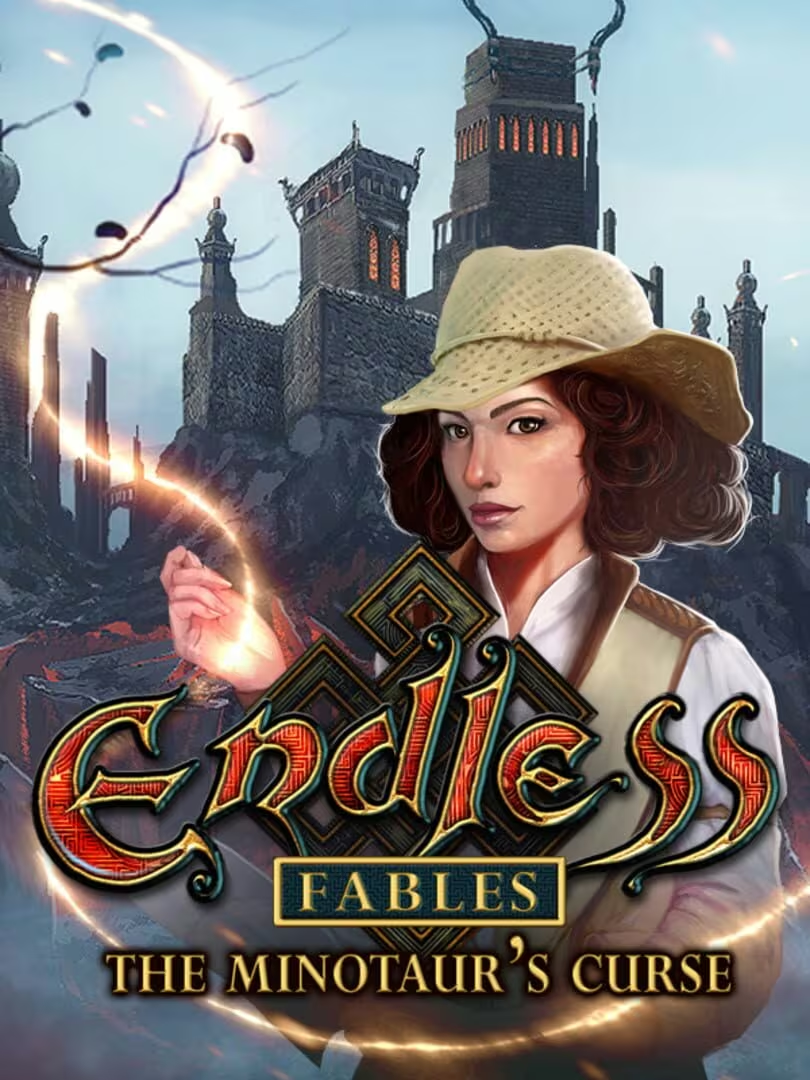
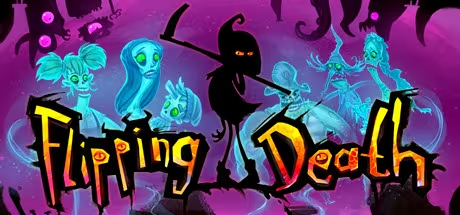
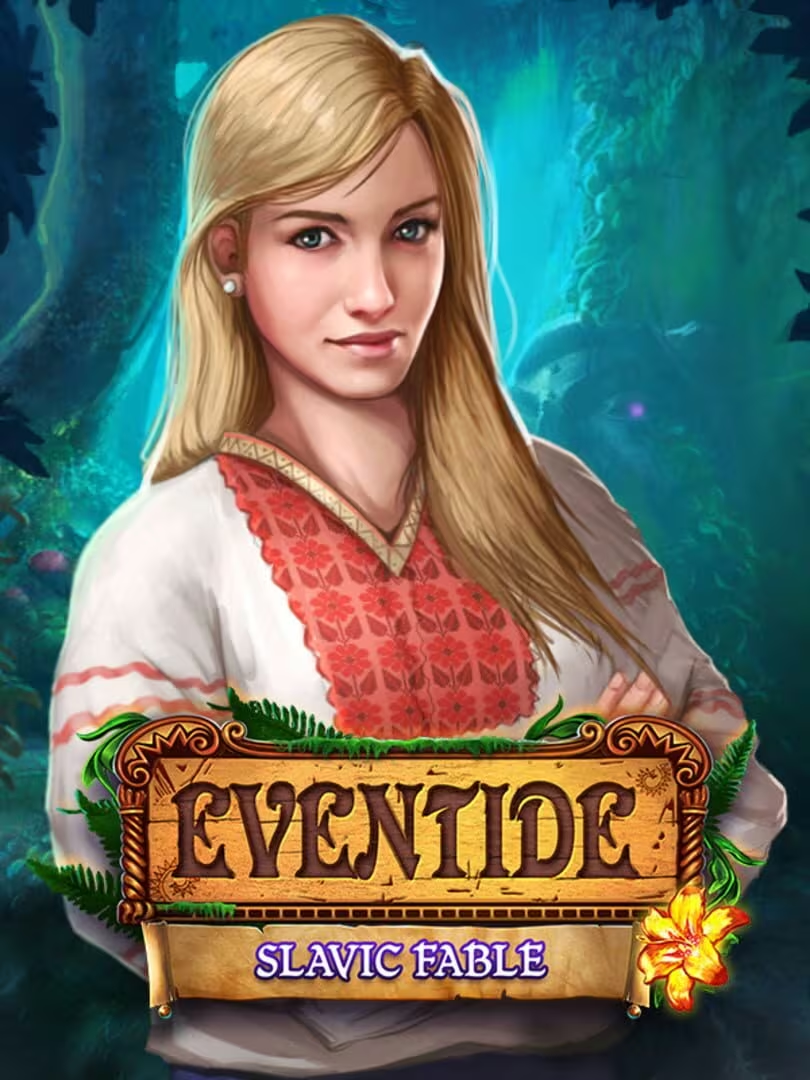
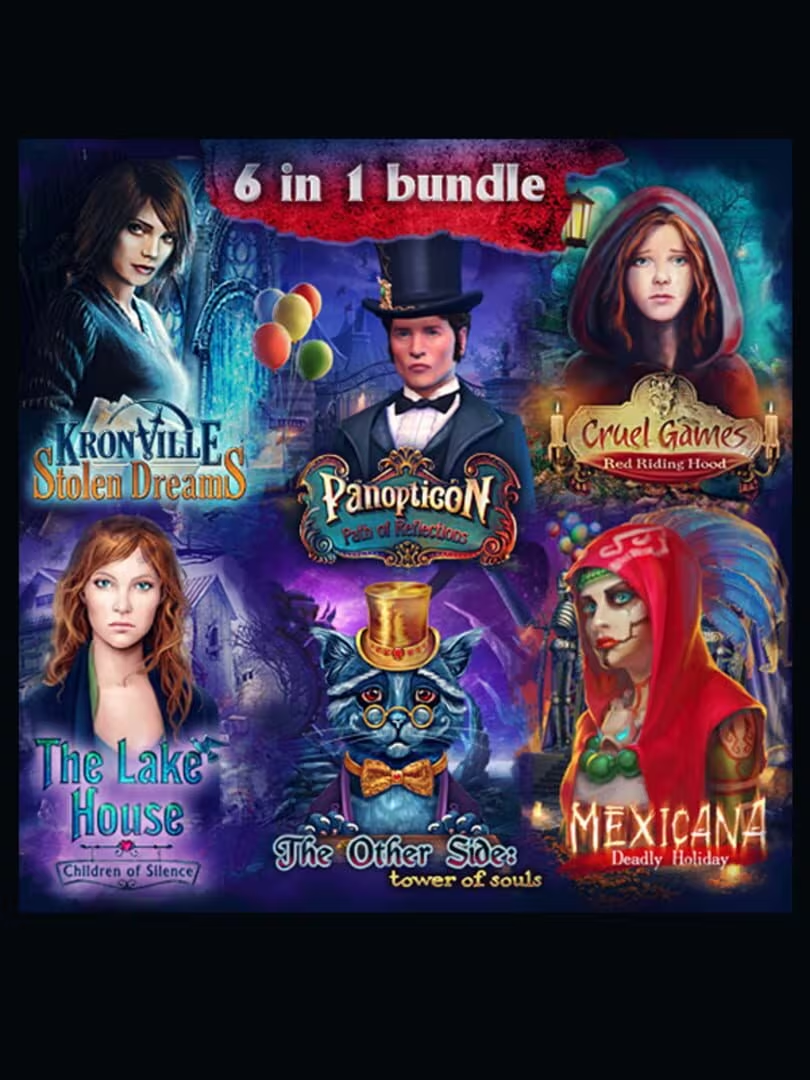
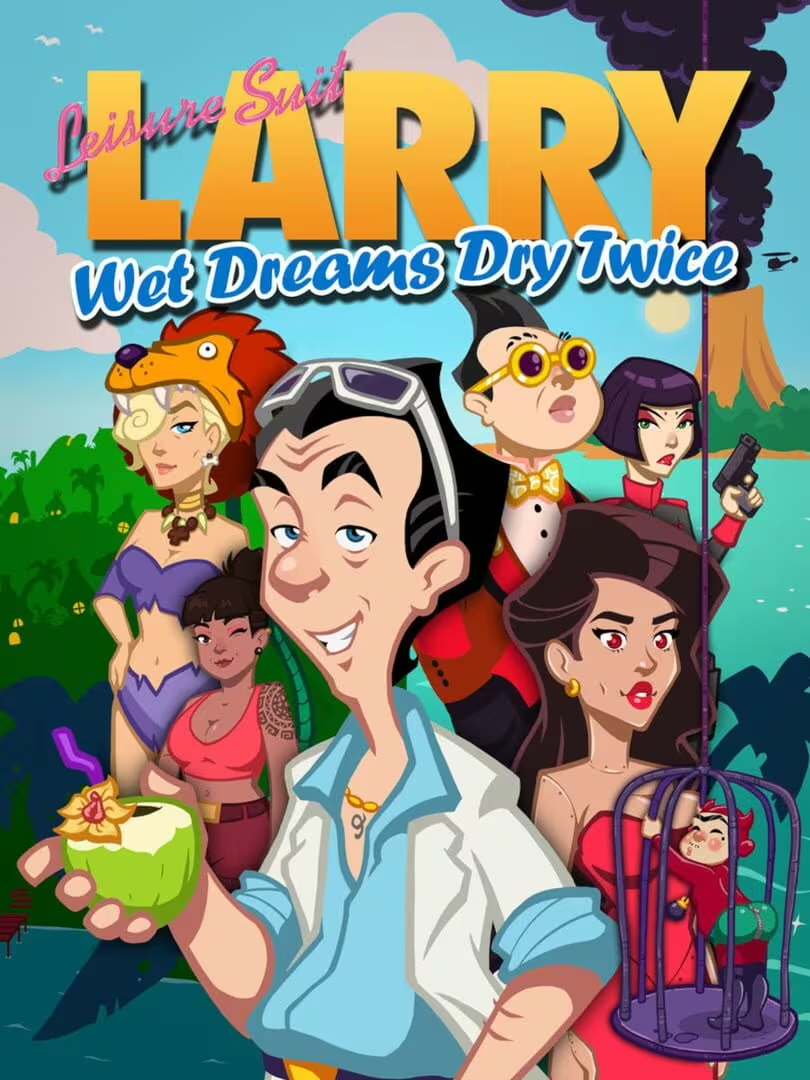
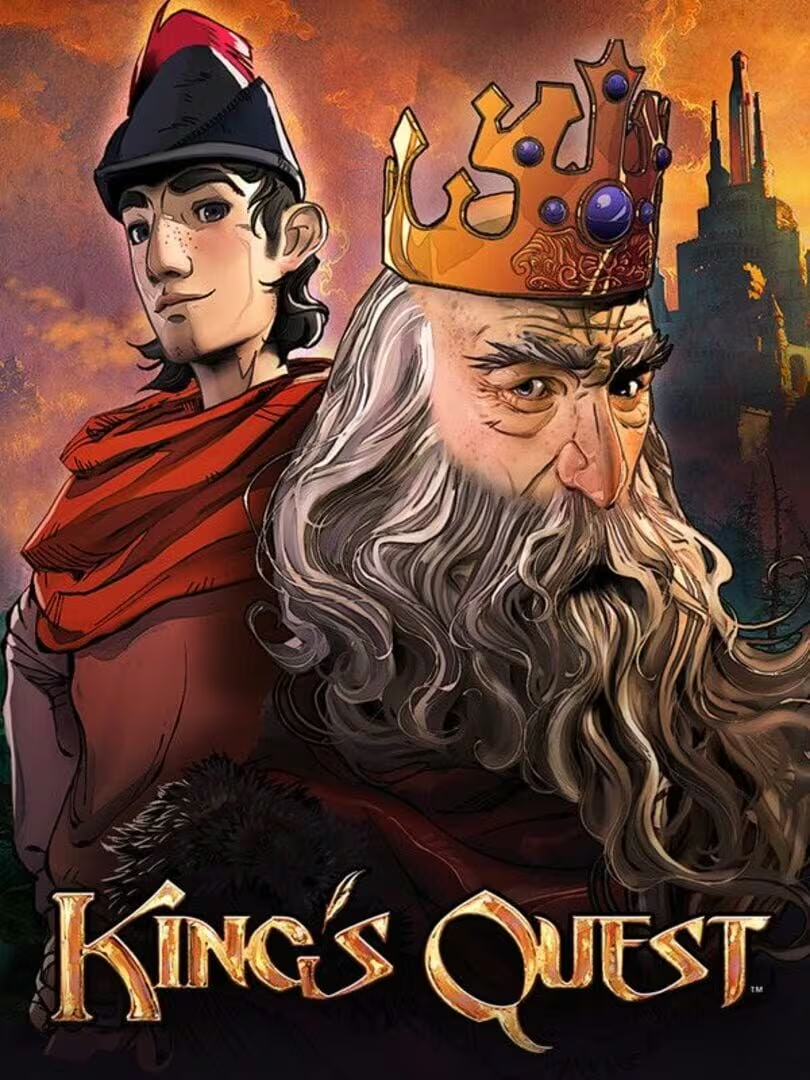
Poco similar games & best alternatives
Poco

PC (Microsoft Windows), Mac • 2025

Related articles

Quick resume

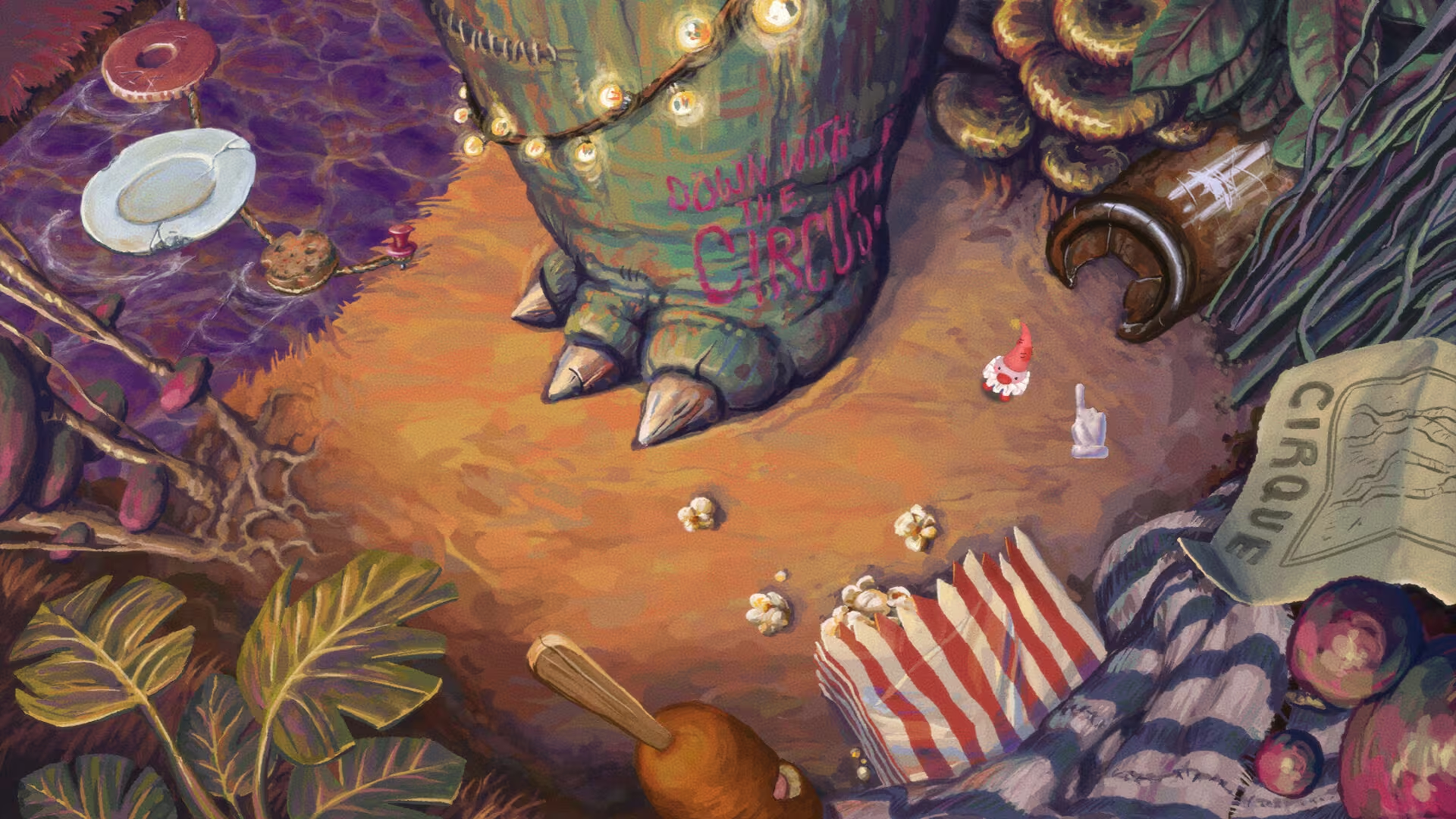
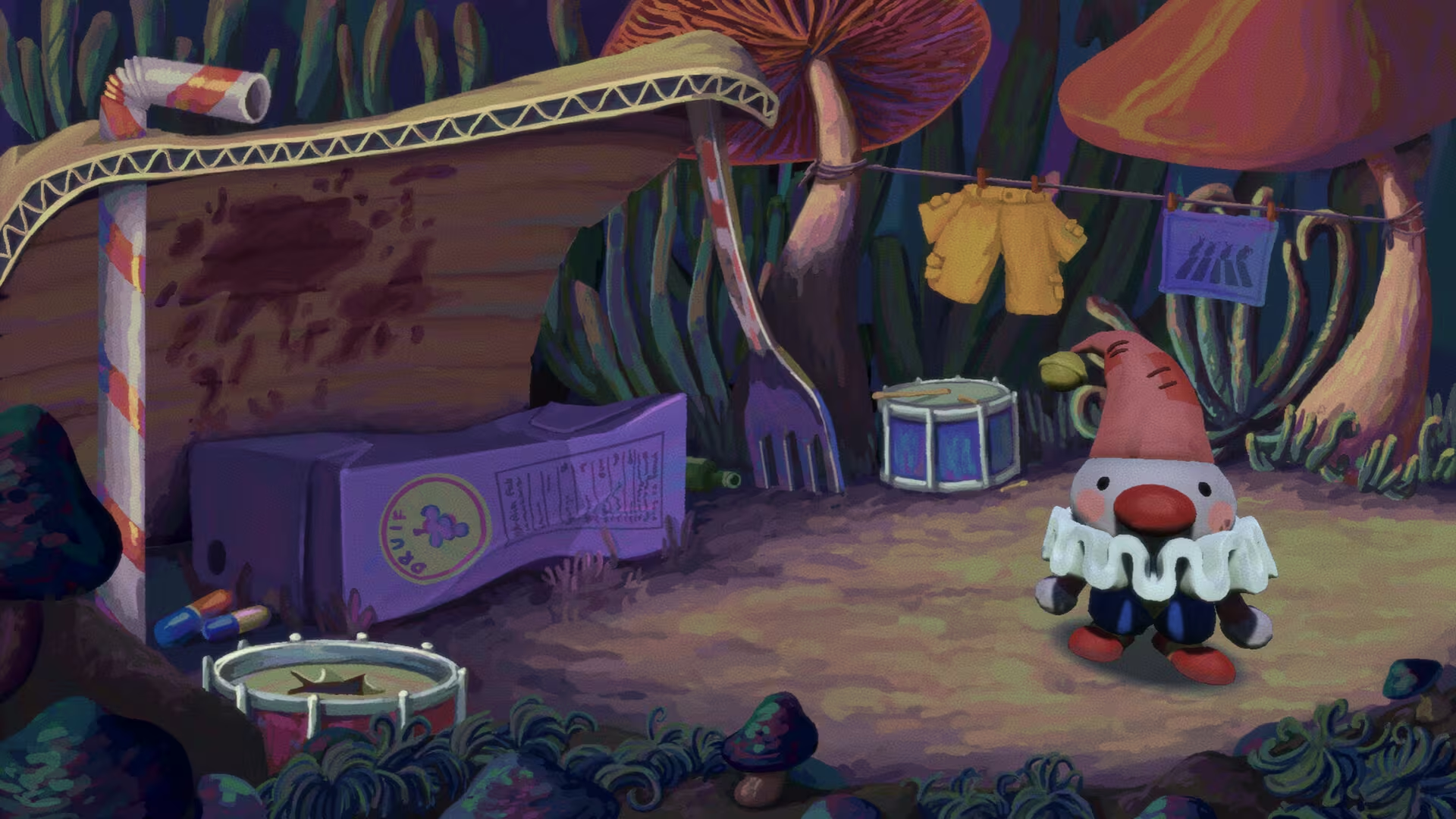
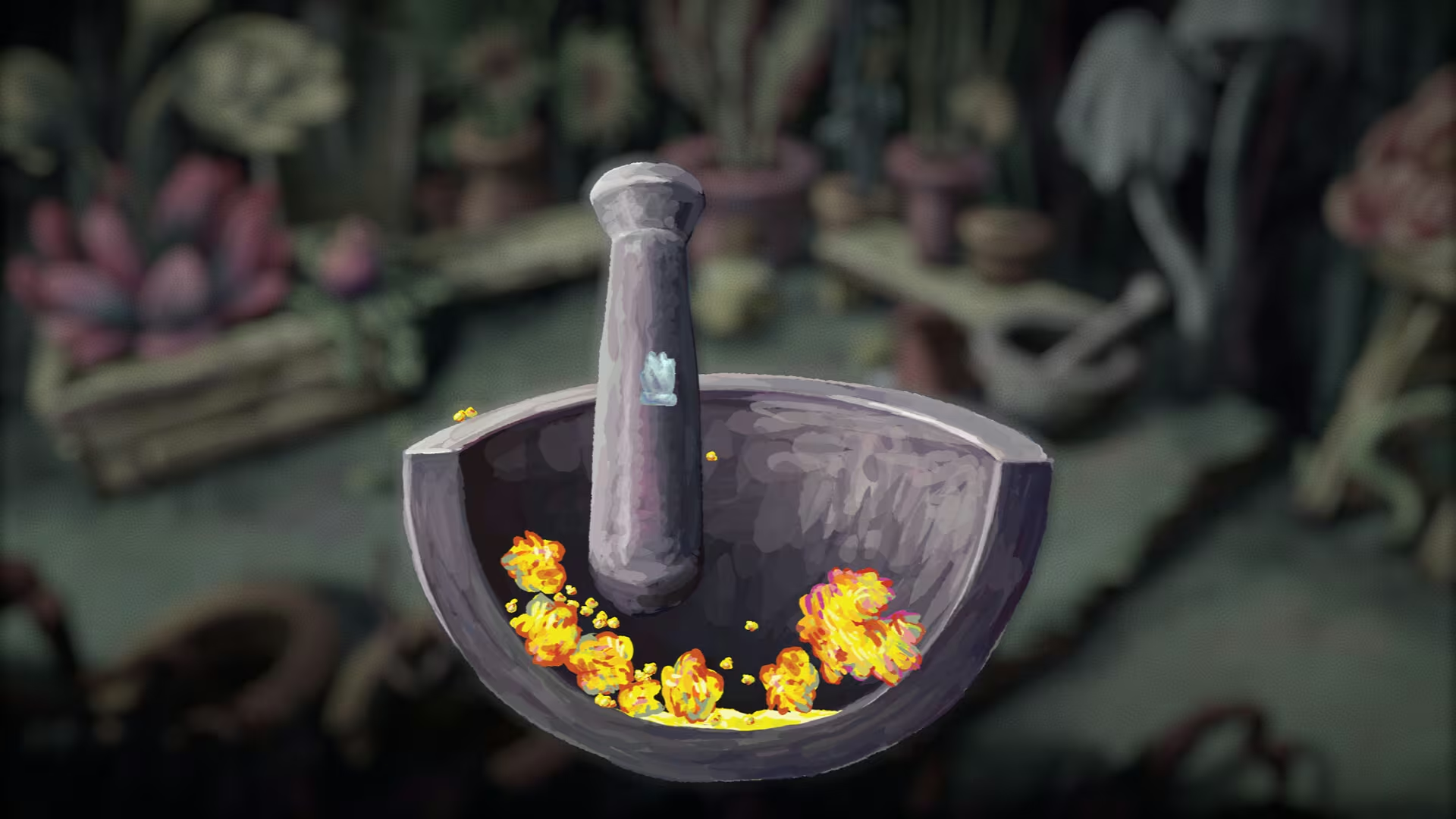
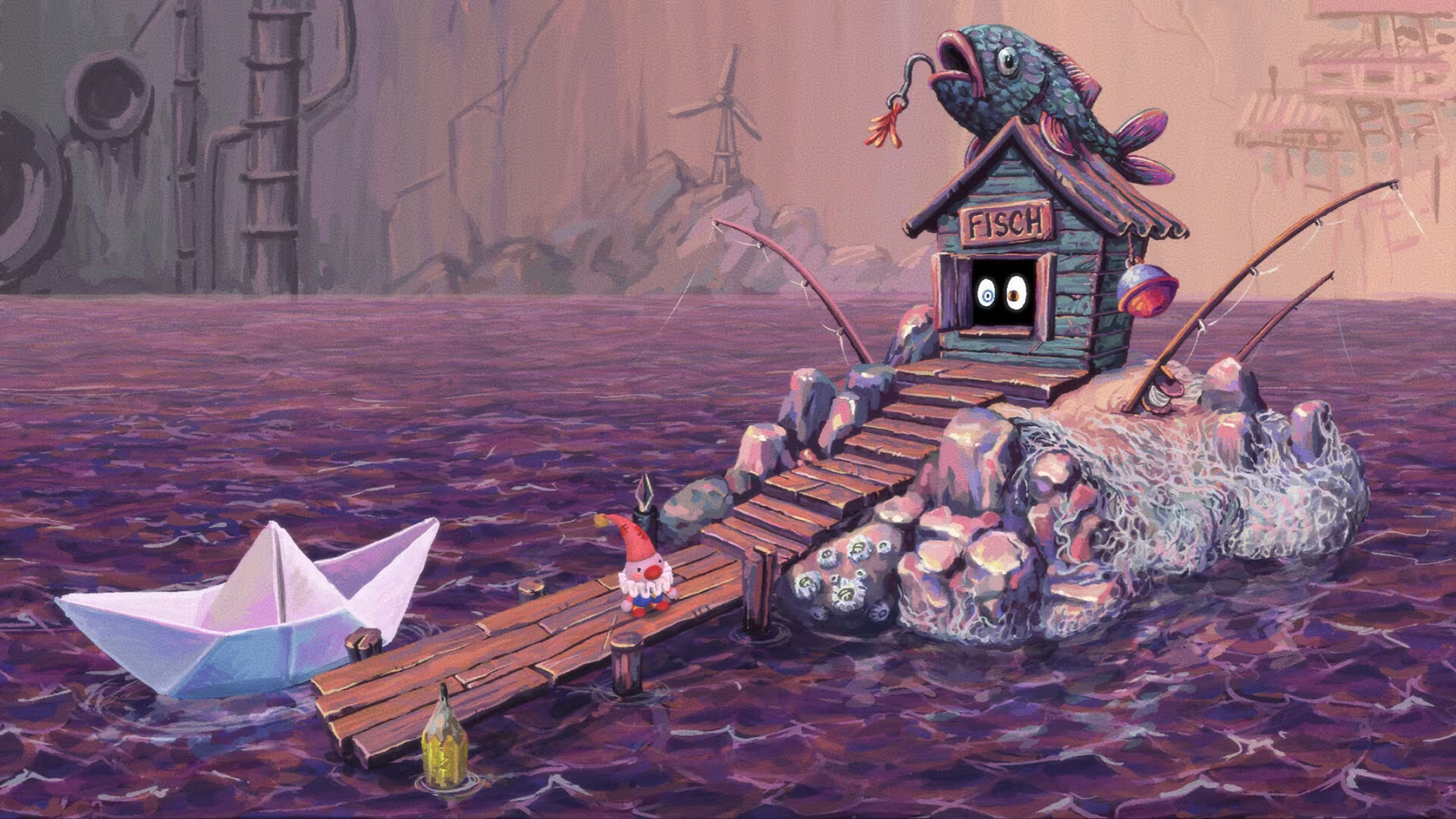
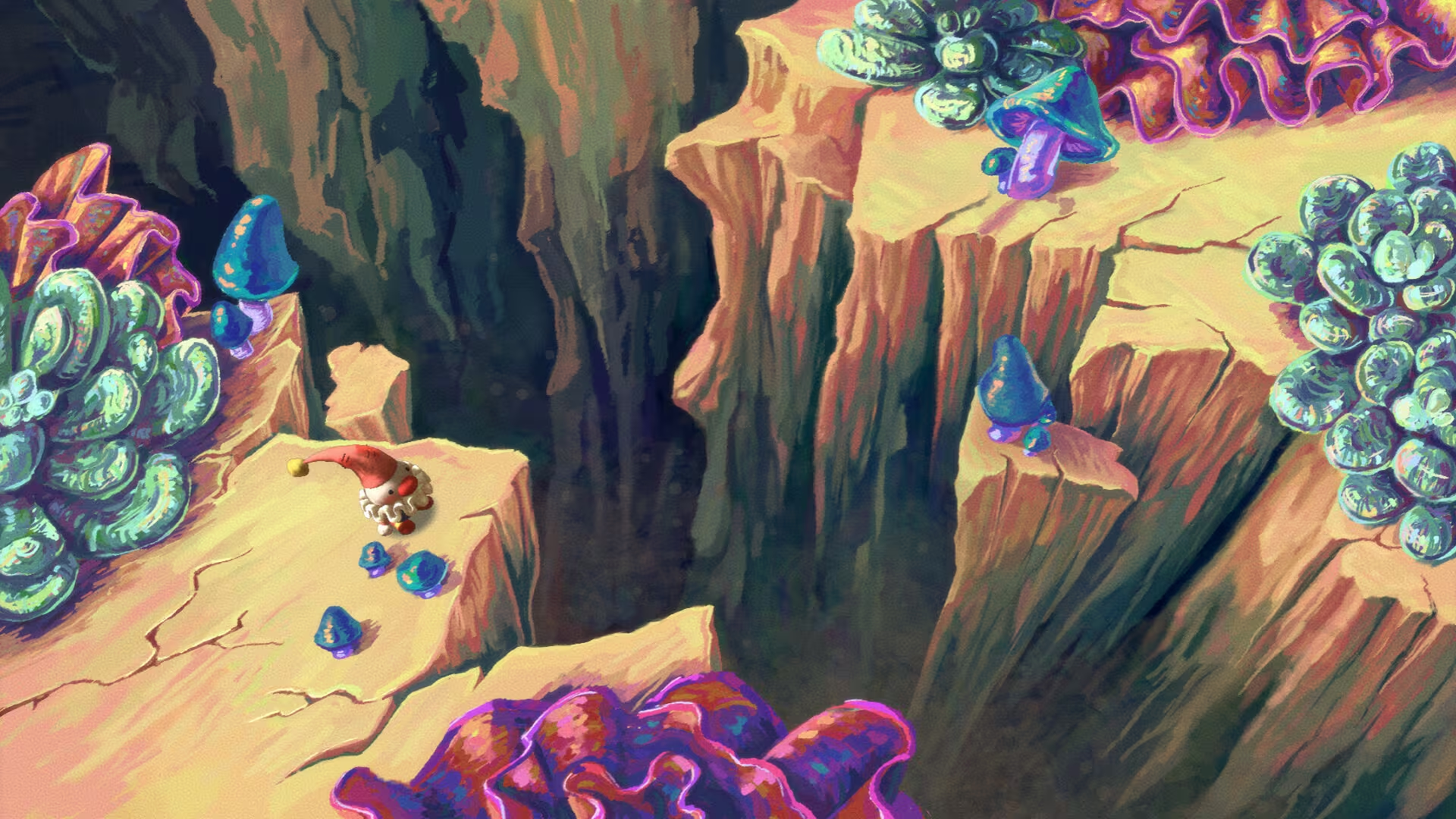
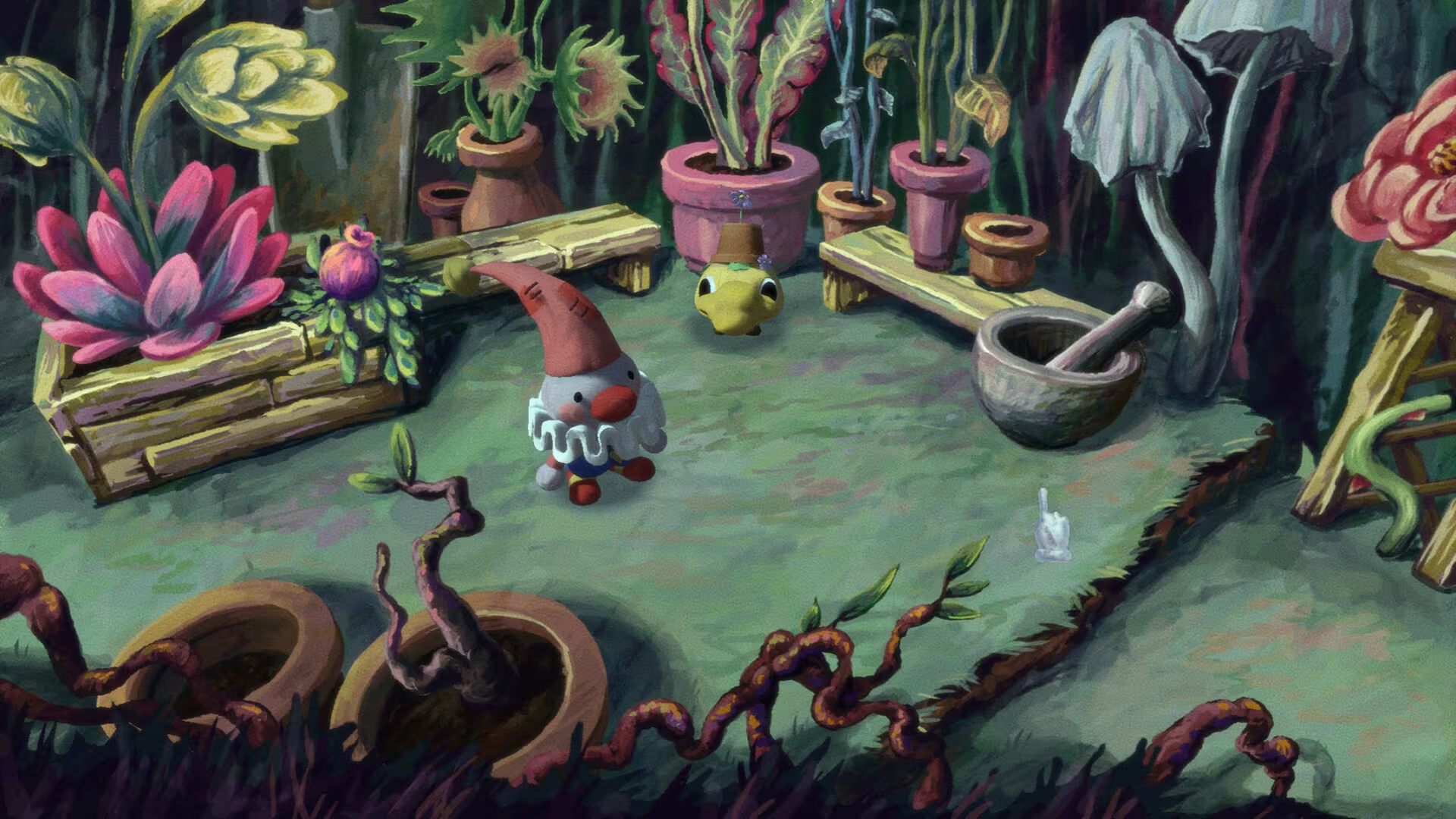
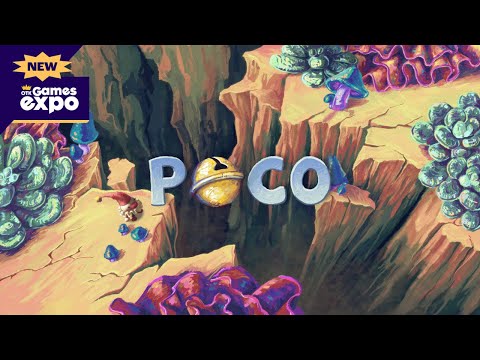
Poco is the story of the world's smallest clown, who is banished from the circus and finds themself in a mysterious undergrowth full of lost and broken things. Explore, meet strange creatures, solve puzzles, and help Poco return to the circus in this charming 2D/3D hybrid point-and-click adventure.

Global score

99/100

Genres

Adventure, Casual, Indie, Free To Play, Point-and-click

Similar games

    Pros

    • Beautiful art and animation
    • Excellent soundtrack
    • Charming characters and story
    • Accessible and enjoyable puzzles
    • Completely free with high quality

    Cons

    • Short game length
    • Some minigames can be frustrating
    • Backtracking can feel repetitive
    • Lack of customization options
    • Endings feel somewhat abrupt

    Analysis

    Broadly representative of its motivational profile, with a few distinct shifts. Motivations that often define this kind of title include Survival, Violence, Fellowship, Expression. Here, the score leans higher than usual among comparable games on Intimacy, Value, Sensation.

    How to use the graph
    Similar games map

    Each dot is a game. They are arranged from the same motivation profile as in the “Motivations” section below. Closer dots usually mean more similar reasons to play (exploration, competition, relaxation, etc.)—not that one game is “better” than another.

    • Larger dot with a light outline: the game you are viewing.
    • Colour: groups of games with comparable motivation patterns (statistical clusters).
    • Hover a dot to see the game name; click to open its page.
    • Scroll or double-click the chart to zoom out and see more games.

    Why don’t the axes read like a score? This view uses t-SNE: it only keeps who is close to whom. The scales are not “good to bad” or hours played—they separate groups on the map. Read distance between dots, not the axis numbers.

    Motivations

    • Autonomy
      4

      "Players freely explore the world, solve puzzles, and make choices affecting endings, showing control over actions."

    • Competence
      3

      "Puzzles and minigames provide moderate challenge and skill tests, with feedback and retry mechanics."

    • Competition
      -5

      "No evidence of competitive elements; focus is on personal exploration and puzzle solving."

    • Continuation
      2

      "Players enjoy the game enough to complete achievements and replay for alternate endings, but it's short and not overly time-consuming."

    • Cooperation
      -5

      "Single-player experience with no multiplayer or cooperative gameplay mentioned."

    • Creativity
      3

      "Players engage in puzzle solving and exploration in a unique, artistically creative world, though no direct creation or modification."

    • Domination
      -5

      "No elements of exerting control over others; interactions are friendly and story-driven."

    • Escapism
      4

      "Many players report relaxation, stress relief, and immersion in a whimsical, surreal world, escaping real life."

    • Expectation
      -4

      "Players engage voluntarily out of intrinsic interest and enjoyment; no obligation or pressure noted."

    • Experimenting
      3

      "Exploration of different areas, puzzles, and minigames encourages trying new things within the game."

    • Exploration
      4

      "Game emphasizes discovering new areas, secrets, and interacting with characters in a richly detailed world."

    • Expression
      -3

      "No customization or avatar personalization; players experience a fixed protagonist and world."

    • Fantasy
      4

      "Surreal, whimsical setting with imaginative characters and story elements, blending dark and cute themes."

    • Fellowship
      -4

      "Primarily a solo experience with minimal social interaction beyond narrative character engagement."

    • Growth
      3

      "Players develop puzzle-solving skills and progress through story, learning game mechanics and lore."

    • Health
      -5

      "No physical activity or health-related gameplay elements; typical sedentary play."

    • Idle
      -3

      "Requires focused attention to puzzles and exploration; not designed for passive or background play."

    • Intimacy
      2

      "Emotional connection to characters and story creates some sense of closeness, though limited to narrative."

    • Leadership
      -5

      "No leadership or group management elements; single-player narrative focus."

    • Progression
      3

      "Players collect items, unlock achievements, and experience story progression through puzzles."

    • Relaxation
      4

      "Players frequently describe the game as soothing, calming, and a good way to unwind."

    • Sensation
      4

      "Strong sensory appeal through art, music, and animation providing emotional enjoyment."

    • Status
      -4

      "No social status or ranking systems; focus is on personal experience."

    • Story
      4

      "Narrative-driven game with engaging characters, emotional themes, and multiple endings."

    • Strategy
      2

      "Puzzles require some problem solving and logical thinking, but are generally straightforward."

    • Thrill
      1

      "Some suspenseful or emotional moments, but overall a calm and gentle experience."

    • Value
      5

      "Players overwhelmingly praise the game’s quality relative to being free, perceiving high value."

    • Violence
      -3

      "Minimal violence; some dark themes but mostly constructive puzzle and exploration gameplay."

    • Survival
      -5

      "No survival or threat avoidance mechanics; stable, low-risk environment."

    Last update: 29/04/2026