CHAOS;CHILD Thumbnail

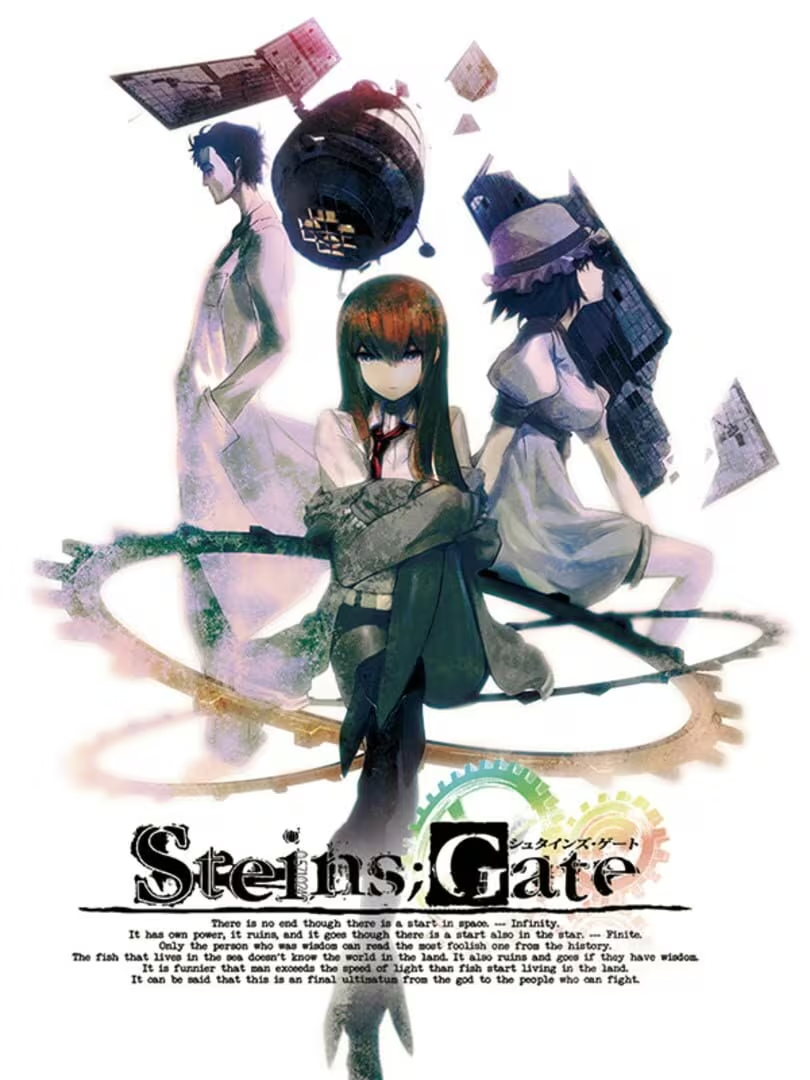
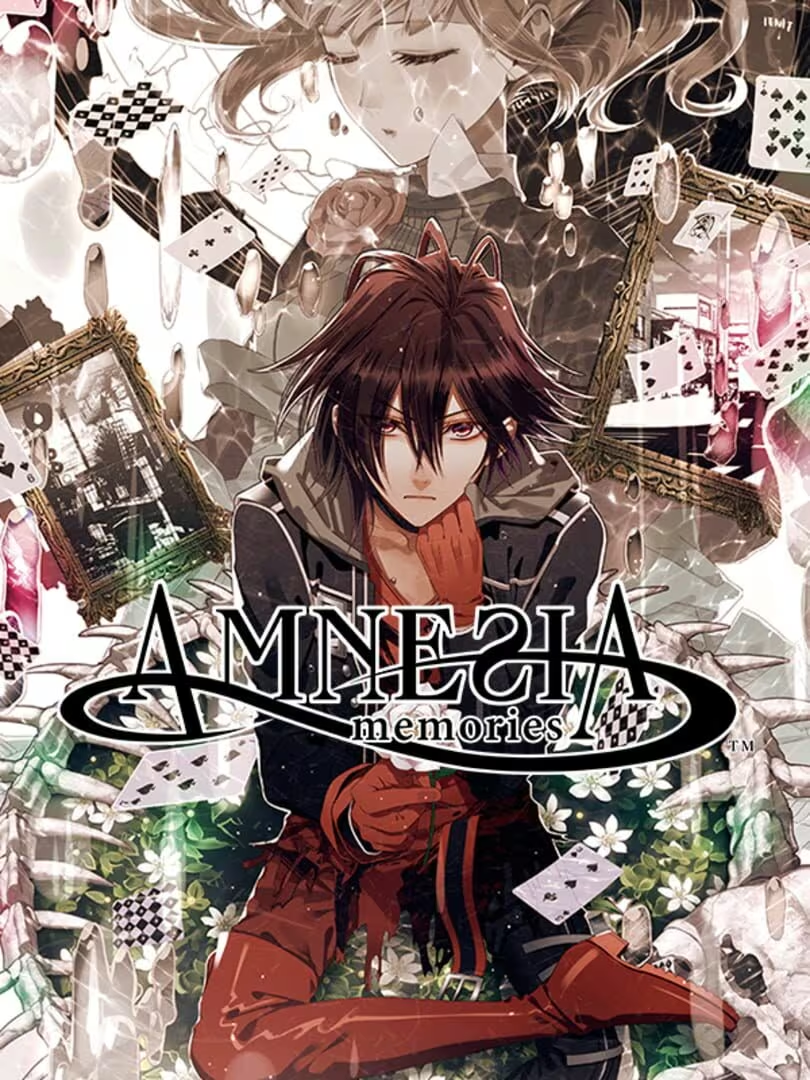
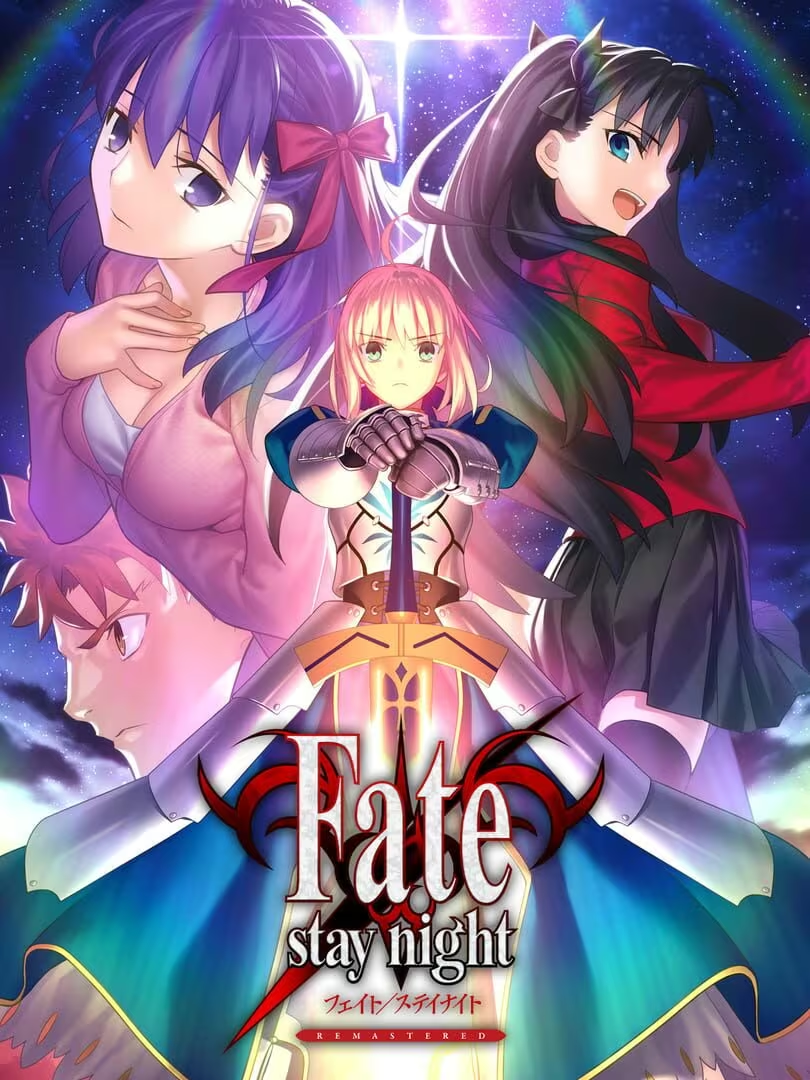
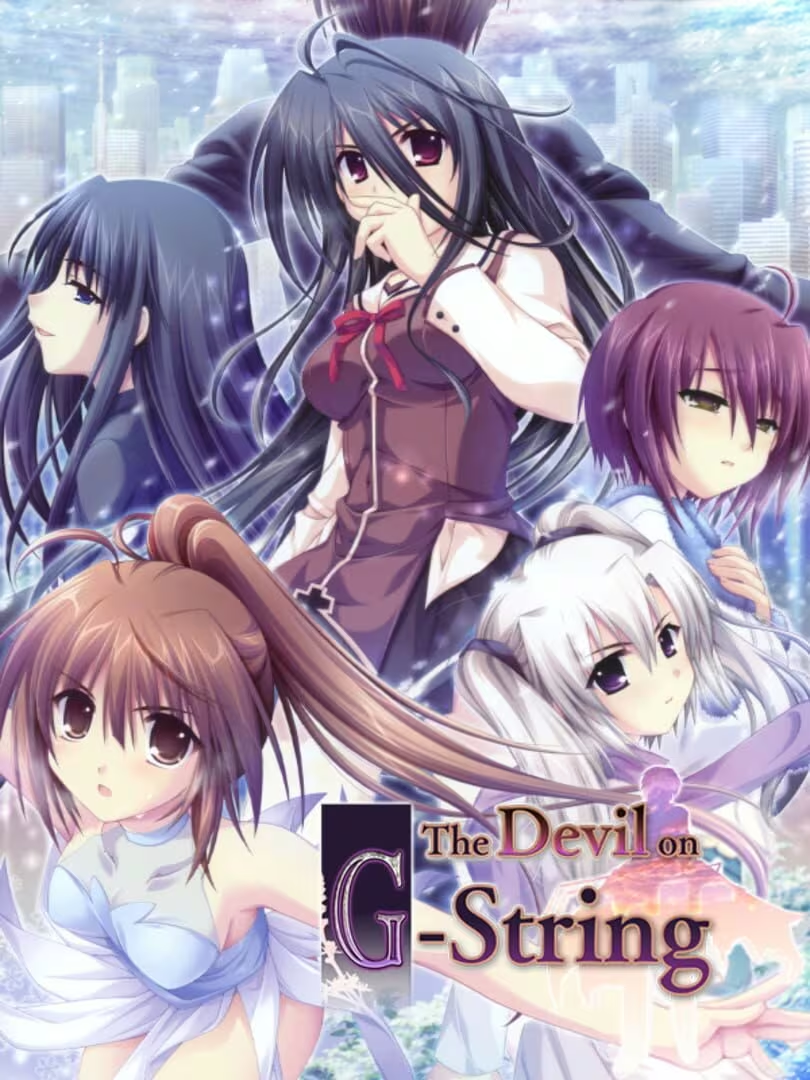
CHAOS;CHILD similar games & best alternatives

CHAOS;CHILD

PC (Microsoft Windows), iOS, PlayStation 4, Xbox One, Android, PlayStation Vita, Nintendo Switch, PlayStation 3 • 2019

Related articles

Quick resume

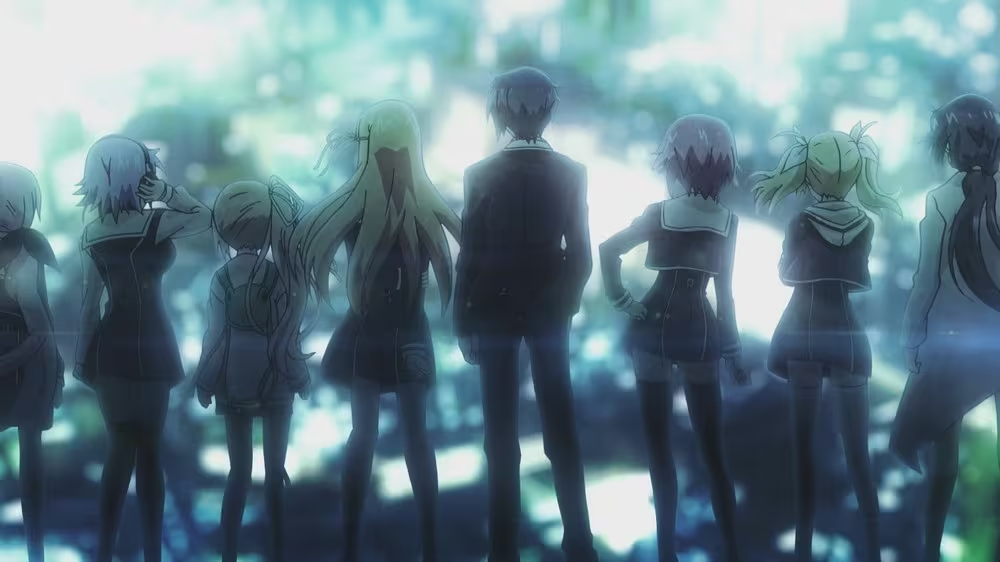
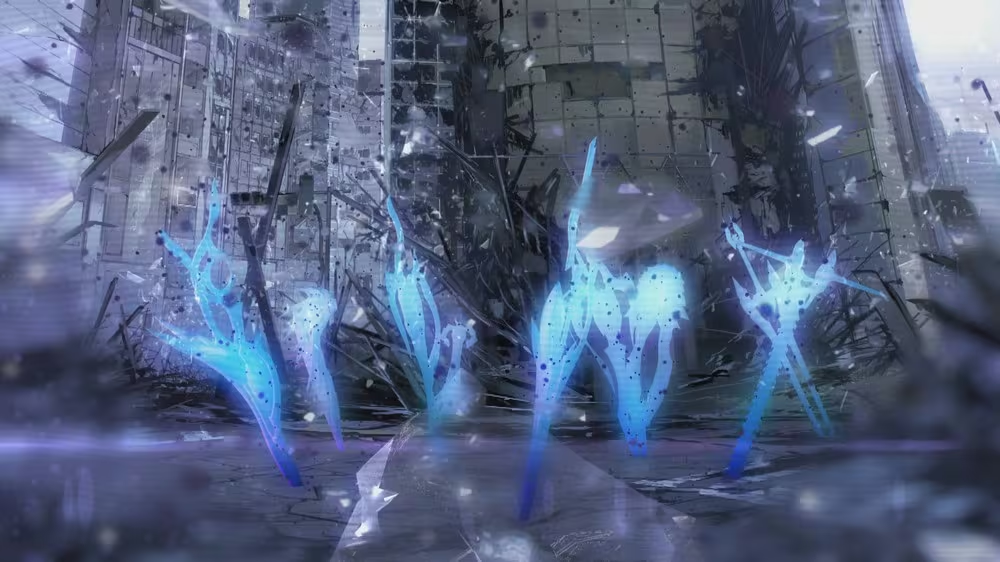
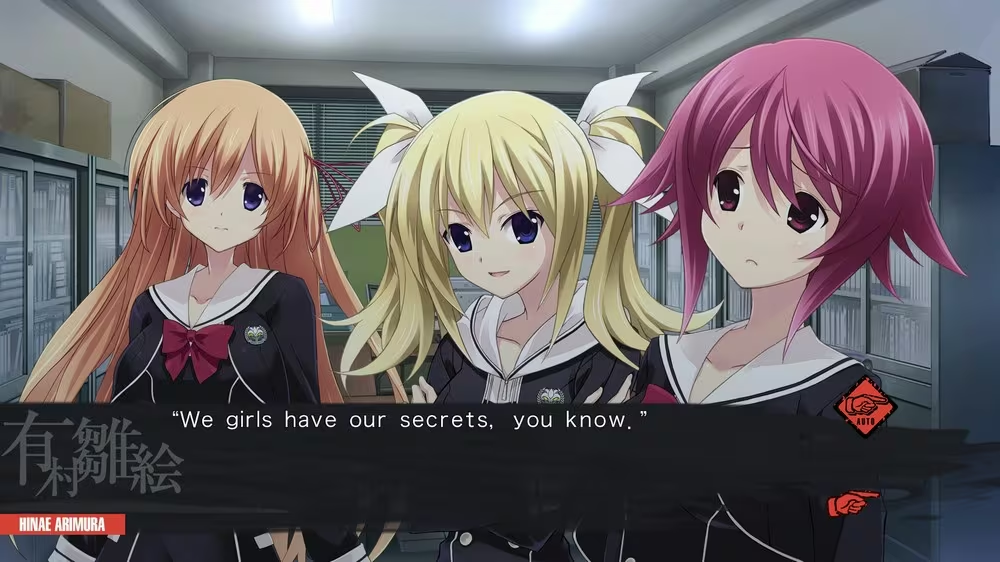
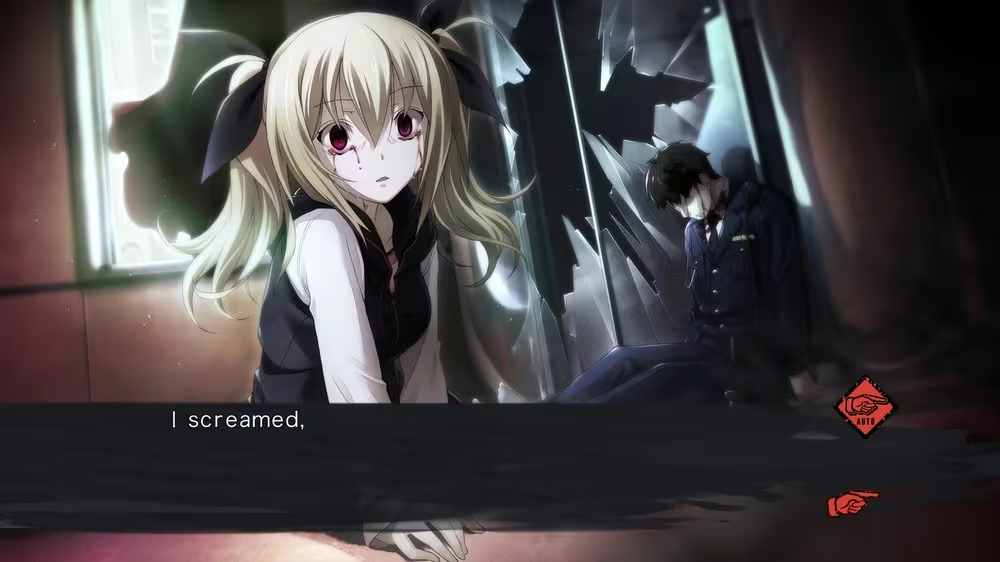
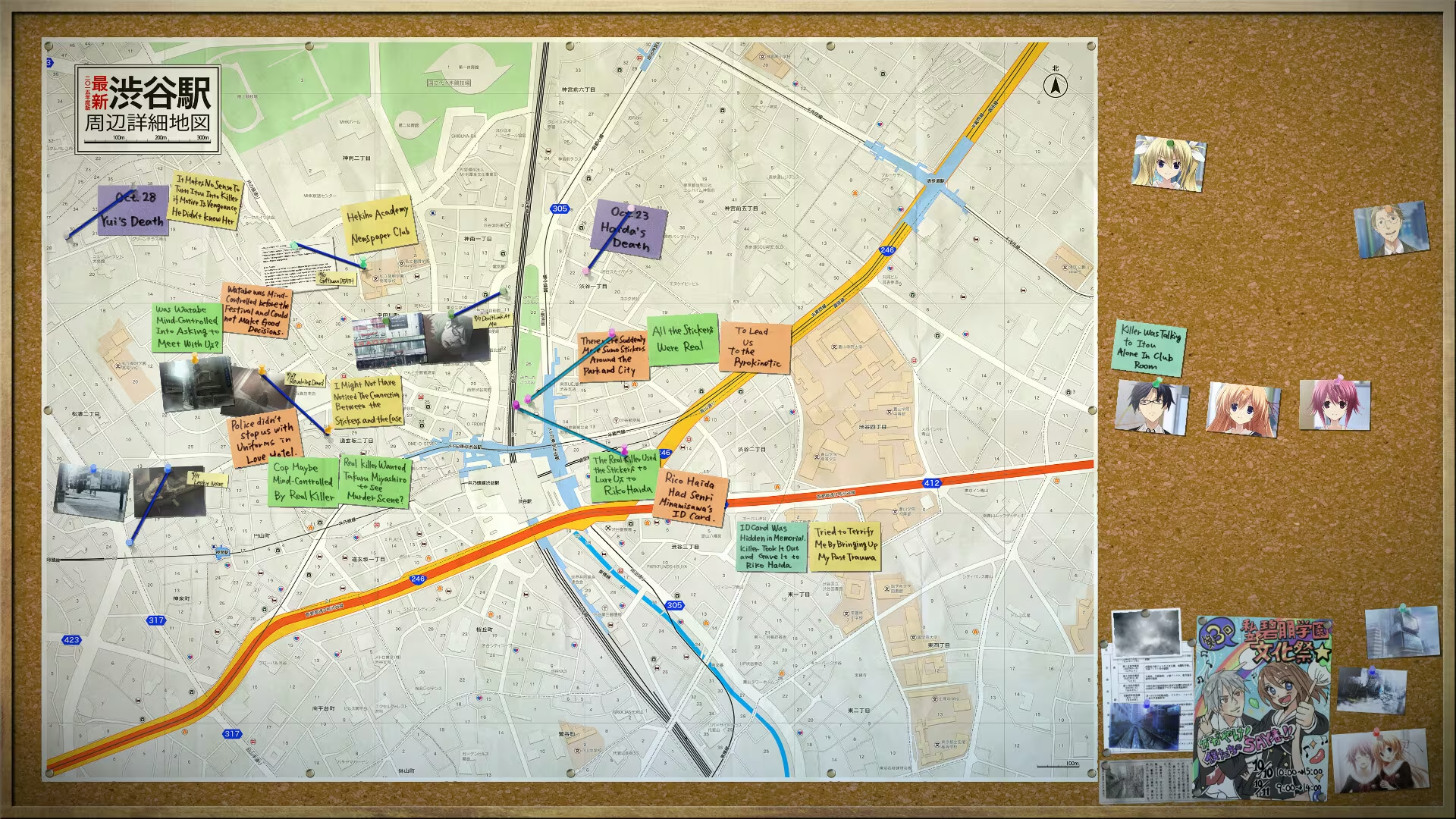
From the creators of the critically acclaimed STEINS;GATE comes a sensational new visual novel: CHAOS;CHILD. Set in Shibuya in 2015, a group of high school students who survived an earthquake six years ago find themselves at the center of a new series of bizarre murders in the city.

Global score

94/100

Genres

Adventure, Visual Novel

Similar games

    Pros

    • Compelling psychological thriller story
    • Deep character development
    • Multiple routes and endings
    • Immersive soundtrack and visuals
    • Strong emotional impact

    Cons

    • Slow pacing in early chapters
    • Tedious replay to unlock all endings
    • Some characters/routes less developed
    • Translation issues without fan patch
    • Lack of gameplay variety beyond reading

    Analysis

    Less representative of its motivational profile, with noticeable differences. Motivations that often define this kind of title include Expression, Fellowship, Cooperation, Competition. Here, the score leans higher than usual among comparable games on Intimacy. It leans lower than usual among comparable games on Competence, Strategy.

    How to use the graph
    Similar games map

    Each dot is a game. They are arranged from the same motivation profile as in the “Motivations” section below. Closer dots usually mean more similar reasons to play (exploration, competition, relaxation, etc.)—not that one game is “better” than another.

    • Larger dot with a light outline: the game you are viewing.
    • Colour: groups of games with comparable motivation patterns (statistical clusters).
    • Hover a dot to see the game name; click to open its page.
    • Scroll or double-click the chart to zoom out and see more games.

    Why don’t the axes read like a score? This view uses t-SNE: it only keeps who is close to whom. The scales are not “good to bad” or hours played—they separate groups on the map. Read distance between dots, not the axis numbers.

    Motivations

    • Autonomy
      3

      "Players make choices via delusion triggers affecting story routes and endings, allowing some control over narrative progression."

    • Competence
      -2

      "Gameplay is mostly reading with limited interaction; choices influence story but do not test skill or technical challenge."

    • Competition
      -5

      "No evidence of competitive elements; focus is on personal story experience without comparison to others."

    • Continuation
      4

      "Long playtime (50+ hours), multiple routes and endings encourage extended engagement and replay."

    • Cooperation
      -5

      "Single-player visual novel with no cooperative or multiplayer features."

    • Creativity
      2

      "Players influence story outcomes through choices, but no creation or modification of game content."

    • Domination
      -5

      "No social dominance or power exertion; experience is solitary and narrative-driven."

    • Escapism
      5

      "Strong psychological thriller and horror elements provide immersive escape from reality."

    • Expectation
      -4

      "Players engage voluntarily for story enjoyment; no obligation or external pressure noted."

    • Experimenting
      3

      "Multiple routes and endings encourage trying different choices and exploring story variations."

    • Exploration
      2

      "Exploration is narrative-based, uncovering mysteries and plot twists rather than physical world discovery."

    • Expression
      -3

      "Limited player customization; mostly fixed character presentation and story visuals."

    • Fantasy
      4

      "Contains supernatural and fantastical elements, psychic powers, and delusions beyond realistic experience."

    • Fellowship
      -5

      "No multiplayer or community features; experience is solitary."

    • Growth
      3

      "Players develop understanding of complex story and characters; some personal insight possible."

    • Health
      -5

      "Sedentary gameplay with no physical activity or health-related features."

    • Idle
      -3

      "Requires focused reading and attention; not suitable for background or idle play."

    • Intimacy
      1

      "Some emotional connection to characters and story, but no social interaction or relationship building."

    • Leadership
      -5

      "No leadership or group management; single-player narrative experience."

    • Progression
      4

      "Progression through story routes, unlocking endings and achievements over time."

    • Relaxation
      -2

      "Tense psychological thriller with suspense and horror elements; not primarily relaxing."

    • Sensation
      3

      "Strong emotional and sensory stimulation through music, visuals, and narrative tension."

    • Status
      -5

      "No social recognition or status systems; individual story experience."

    • Story
      5

      "Narrative-driven visual novel with deep plot, character development, and multiple endings."

    • Strategy
      -2

      "Limited strategic decision-making; choices affect story but do not require complex planning."

    • Thrill
      5

      "Psychological horror and suspense create strong thrill and tension throughout the game."

    • Value
      4

      "Long playtime and rich story provide good perceived value for time and money."

    • Violence
      4

      "Contains graphic violence and gore as part of psychological horror and murder mystery themes."

    • Survival
      2

      "Themes involve avoiding threats and uncovering mysteries, though no active survival gameplay."

    Where to buy

    Last update: 29/04/2026