Help Will Come Tomorrow similar games & best alternatives
Help Will Come Tomorrow
2020
Related articles
Quick resume
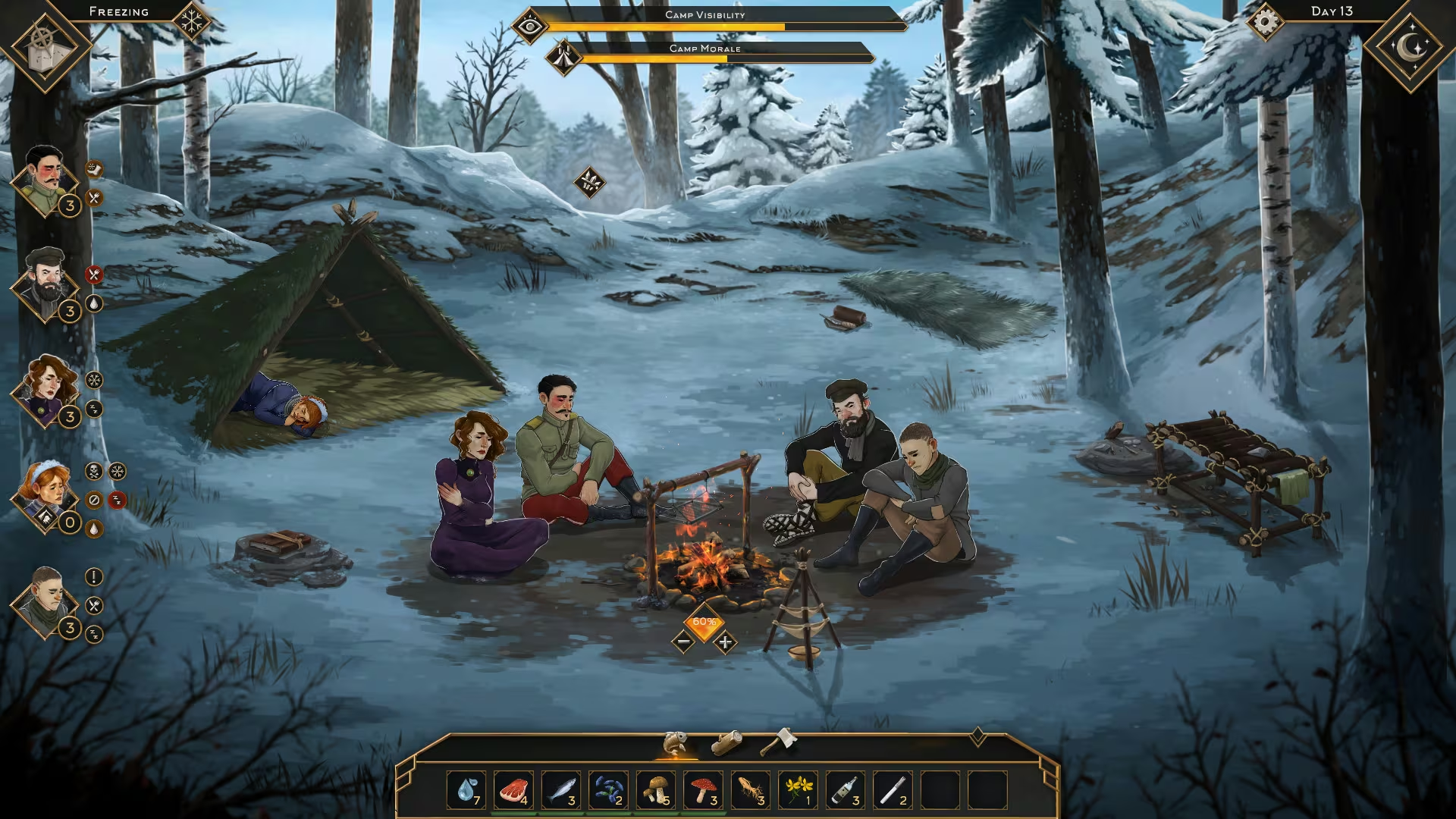
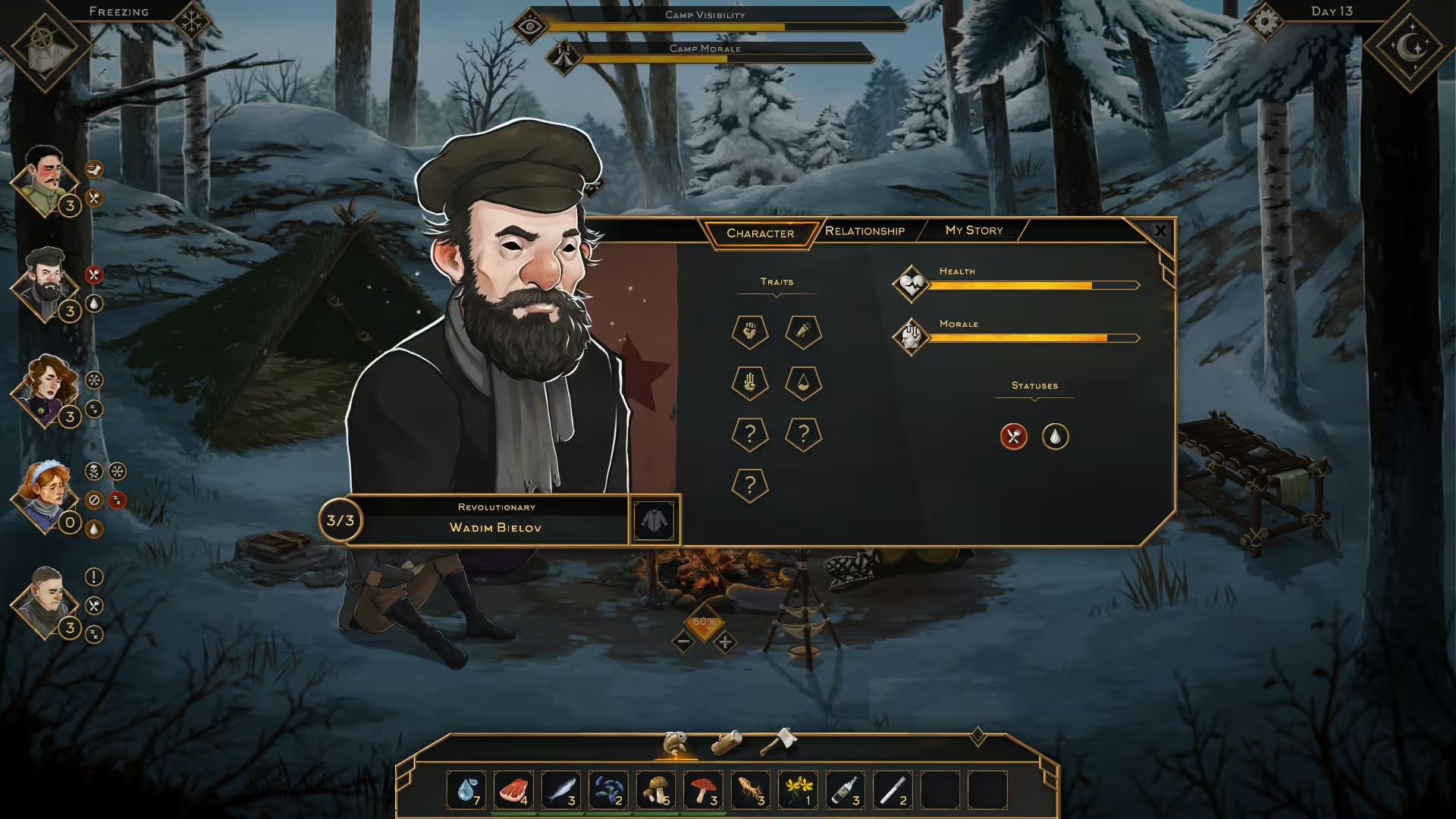
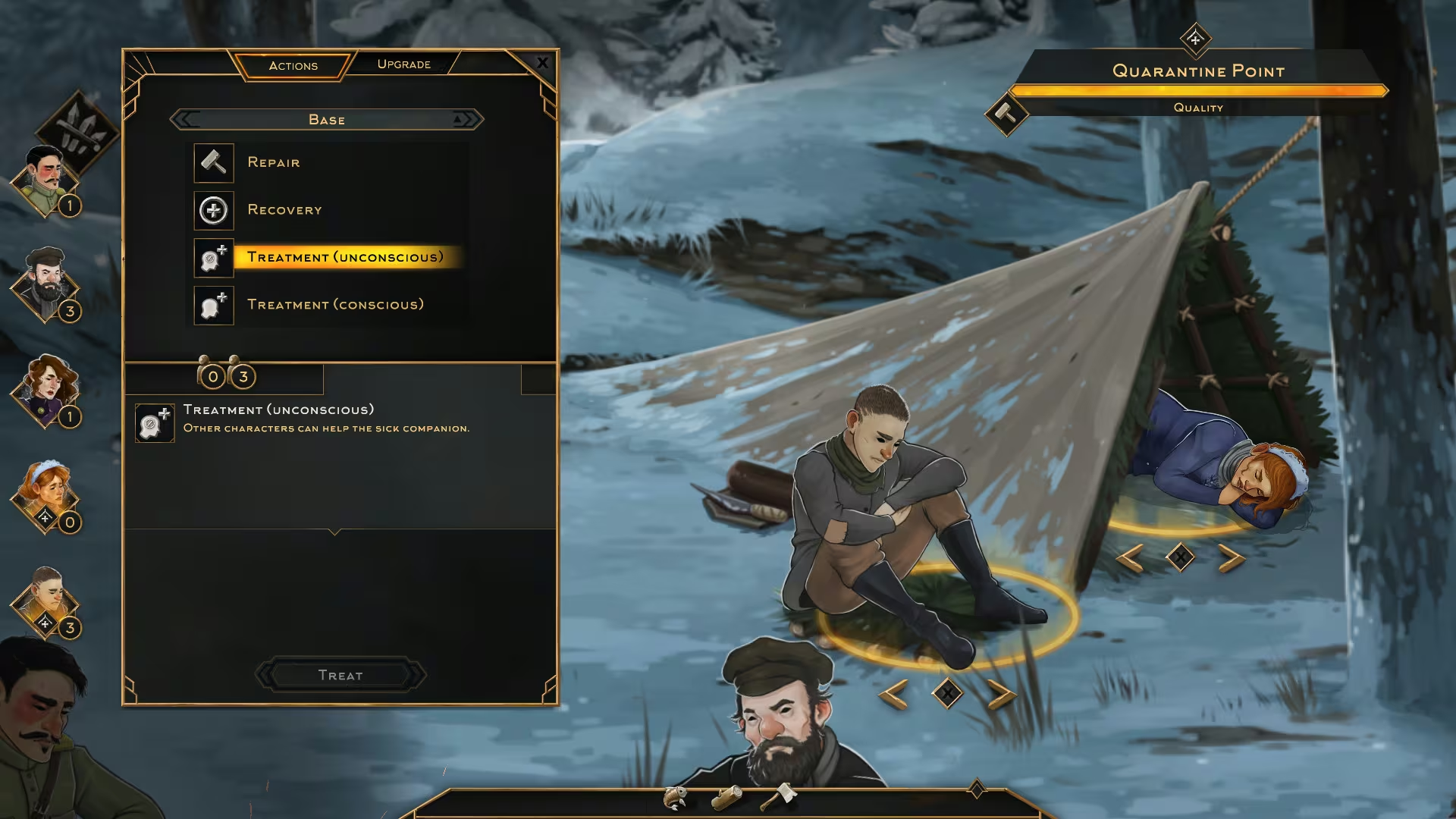
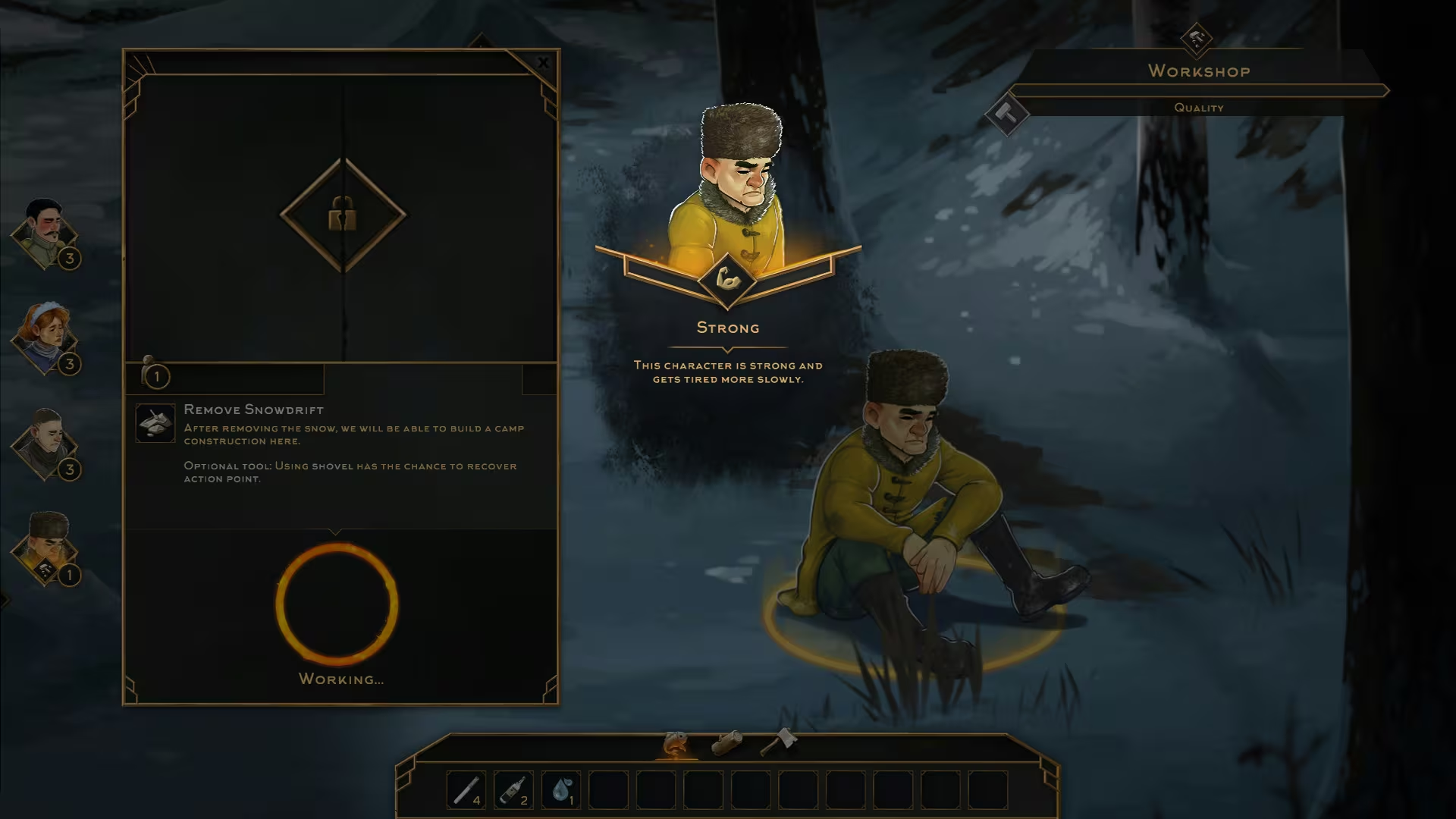
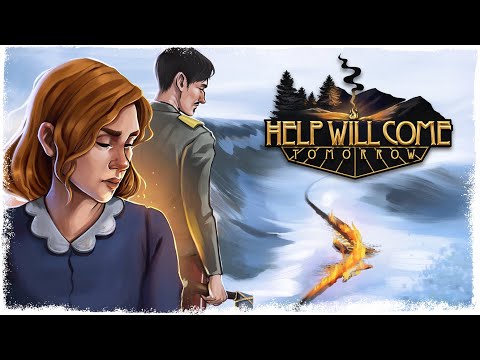
In an uninhabitable Siberian wilderness, in a wake of October Revolution, a group of passengers survives the mysterious catastrophe of Trans-Siberian railway train. They must endure in a harsh ice-clad climate until rescue arrives. Facing many dangers, their own weaknesses and, their own prejudice.
Global score
80/100
Genres
Adventure, Simulator, Strategy
Similar games
Pros
- Engaging survival and resource management mechanics
- Strong narrative and character interactions
- Atmospheric art and music
- Good replayability with multiple scenarios and characters
- Historical and ideological depth
Cons
- Some ui clunkiness and unclear mechanics
- Randomness can cause frustrating losses
- Dialogue and translation issues
- Short game length
- Limited character customization and animation
Analysis
Less representative of its motivational profile, with noticeable differences. Motivations that often define this kind of title include Cooperation, Fellowship, Intimacy, Leadership. Here, the score leans higher than usual among comparable games on Leadership. It leans lower than usual among comparable games on Fantasy, Violence.
How to use the graph
Similar games map
Each dot is a game. They are arranged from the same motivation profile as in the “Motivations” section below. Closer dots usually mean more similar reasons to play (exploration, competition, relaxation, etc.)—not that one game is “better” than another.
- Larger dot with a light outline: the game you are viewing.
- Colour: groups of games with comparable motivation patterns (statistical clusters).
- Hover a dot to see the game name; click to open its page.
- Scroll or double-click the chart to zoom out and see more games.
Why don’t the axes read like a score? This view uses t-SNE: it only keeps who is close to whom. The scales are not “good to bad” or hours played—they separate groups on the map. Read distance between dots, not the axis numbers.
Motivations
-
Autonomy4
"Players have control over character selection, resource management, expedition choices, and camp development, allowing freedom in decision-making."
-
Competence4
"The game challenges players with complex resource management, survival mechanics, and strategic planning, rewarding skillful play and learning."
-
Competition-4
"Focus is on personal survival and managing a group rather than competing against other players; no multiplayer or leaderboards."
-
Continuation3
"Players are motivated to replay multiple times to explore different scenarios, characters, and endings despite difficulty and occasional frustration."
-
Cooperation3
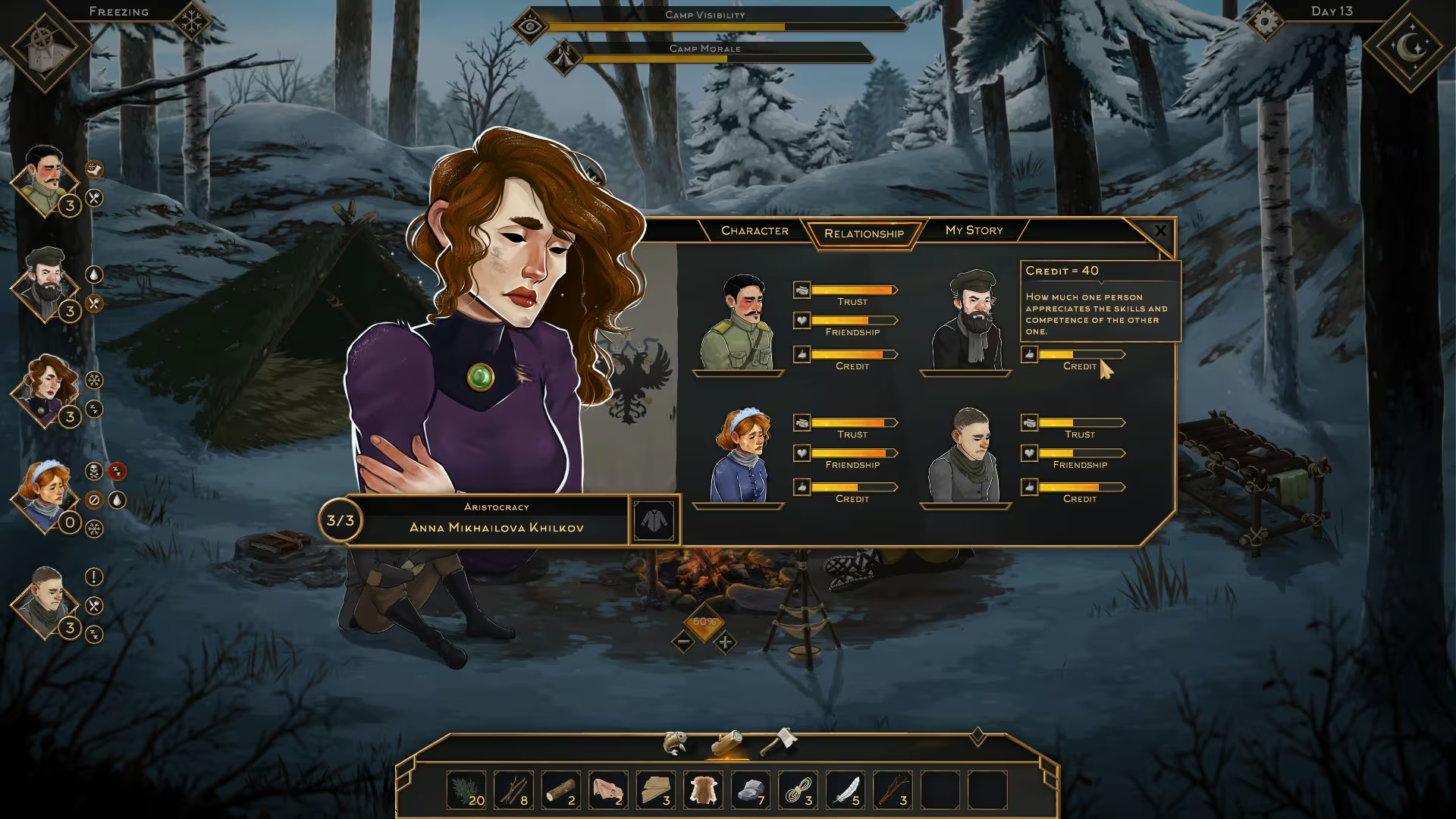
"Managing relationships and morale between diverse characters is important, requiring players to foster cooperation within the group."
-
Creativity2
"Some customization in choosing characters and strategies, but gameplay mostly follows predefined survival and resource management systems."
-
Domination-5
"Interactions emphasize mutual survival and overcoming ideological differences rather than exerting control or superiority over others."
-
Escapism4
"The harsh Siberian survival setting and historical context provide immersive escapism from real life stresses."
-
Expectation-4
"Players engage voluntarily out of interest in survival and historical themes, not due to obligation or external pressure."
-
Experimenting3
"Players experiment with different character combinations, strategies, and scenarios to improve survival chances and discover storylines."
-
Exploration3
"Exploration of the taiga map and discovery of resources, events, and secrets is a core gameplay element."
-
Expression1
"Limited character customization exists mainly through dialogue choices and team composition rather than visual or avatar personalization."
-
Fantasy-4
"The game is grounded in realistic historical survival scenarios with no fantasy or supernatural elements."
-
Fellowship3
"Strong emphasis on group dynamics, shared survival goals, and character interactions create a sense of community within the camp."
-
Growth4
"Players learn complex mechanics, character traits, and survival strategies through repeated play and experience."
-
Health-3
"The game involves sedentary play with no physical activity; focus is on managing health conditions rather than physical exercise."
-
Idle-3
"Requires continuous attention to resource management, character status, and decision-making; not suitable for idle or background play."
-
Intimacy3
"Character relationships and emotional interactions are important, fostering deeper connections beyond surface-level exchanges."
-
Leadership3
"Players direct the group’s actions and decisions, guiding the survivors through challenges and managing their roles."
-
Progression4
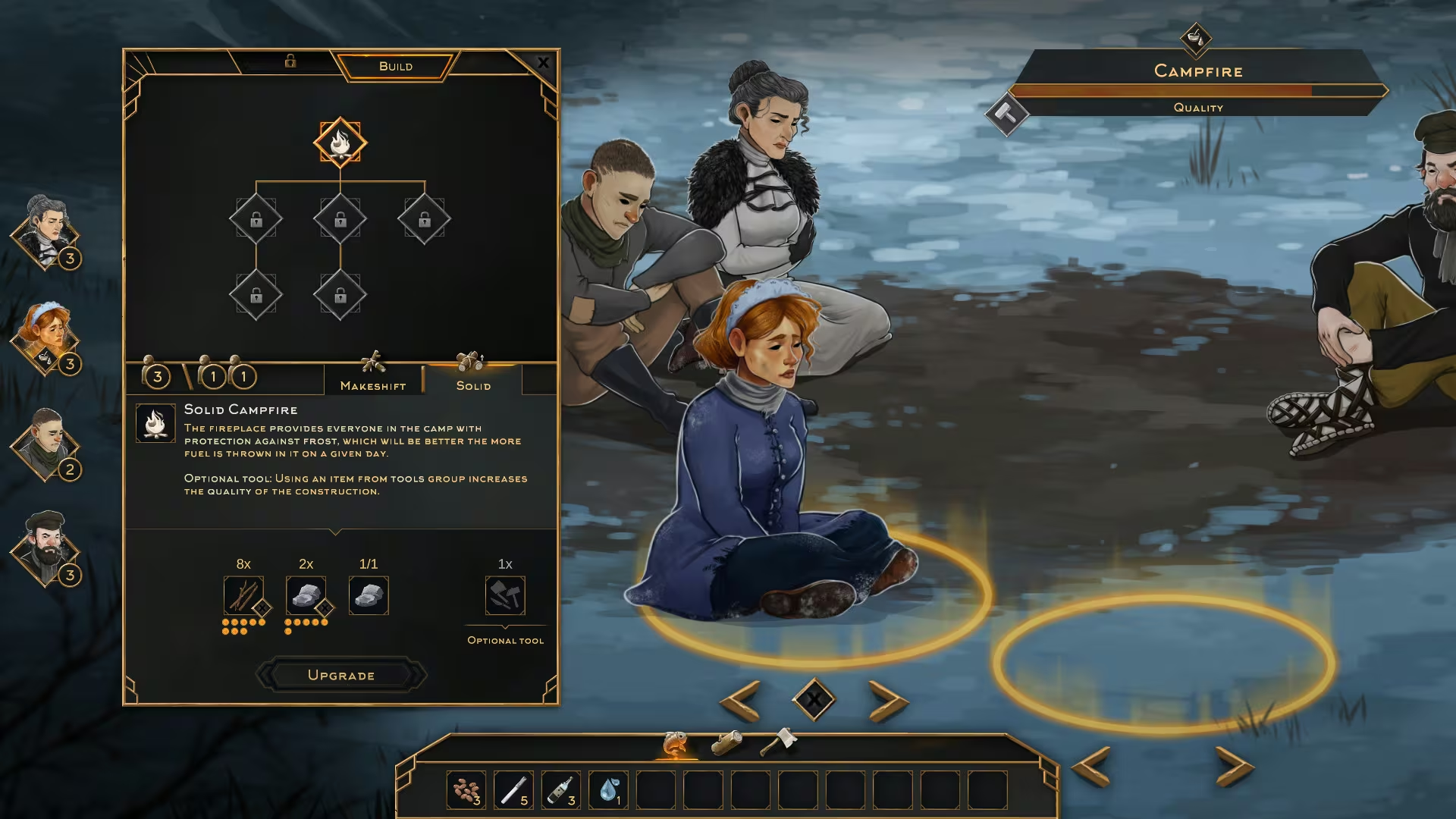
"Progression through acquiring resources, upgrading camp structures, and unlocking character stories is central to gameplay."
-
Relaxation1
"While the game has a calm art style and music, the challenging survival mechanics create tension and require focus."
-
Sensation1
"The game offers atmospheric audio-visuals but lacks intense sensory stimulation or excitement."
-
Status-4
"Achievements and recognition are mostly personal; the game lacks social status or popularity mechanics."
-
Story4
"Narrative immersion through character backstories, ideological conflicts, and historical context is a key feature."
-
Strategy4
"Requires careful planning, resource allocation, risk management, and tactical decision-making."
-
Thrill3
"The game provides suspense and tension through survival risks, random events, and harsh conditions."
-
Value3
"Players report good value especially when purchased on sale, with satisfying gameplay hours and replayability."
-
Violence-2
"Violence exists but is limited and not glorified; focus is more on survival and management than combat."
-
Survival5
"Core gameplay revolves around avoiding failure, managing threats, and staying alive in harsh conditions."
Last update: 29/04/2026