Dear Esther: Landmark Edition Thumbnail

Dear Esther: Landmark Edition similar games & best alternatives
Dear Esther: Landmark Edition

PC (Microsoft Windows), Mac, iOS, Xbox One, PlayStation 4 • 2017

Related articles

Quick resume

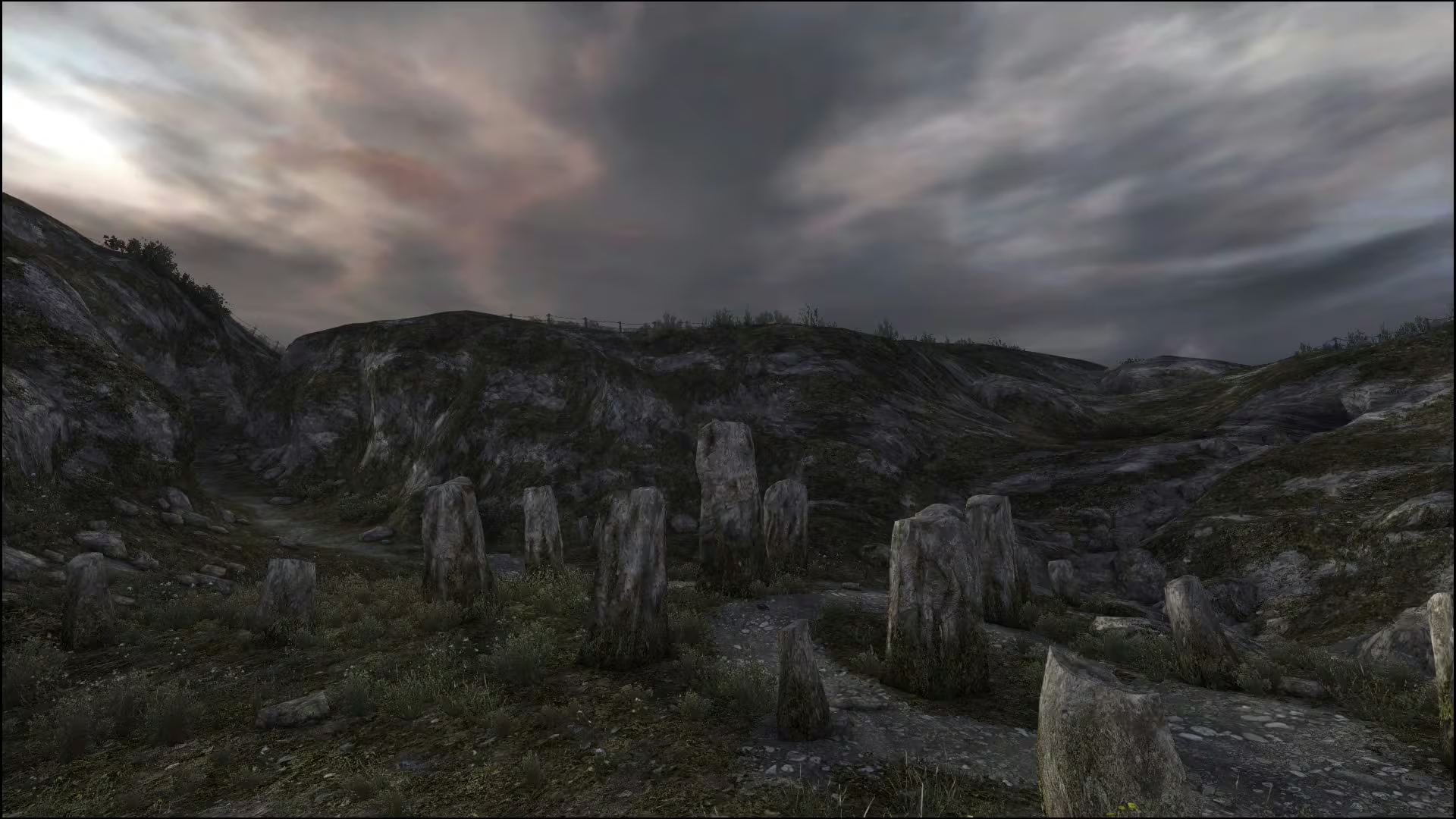
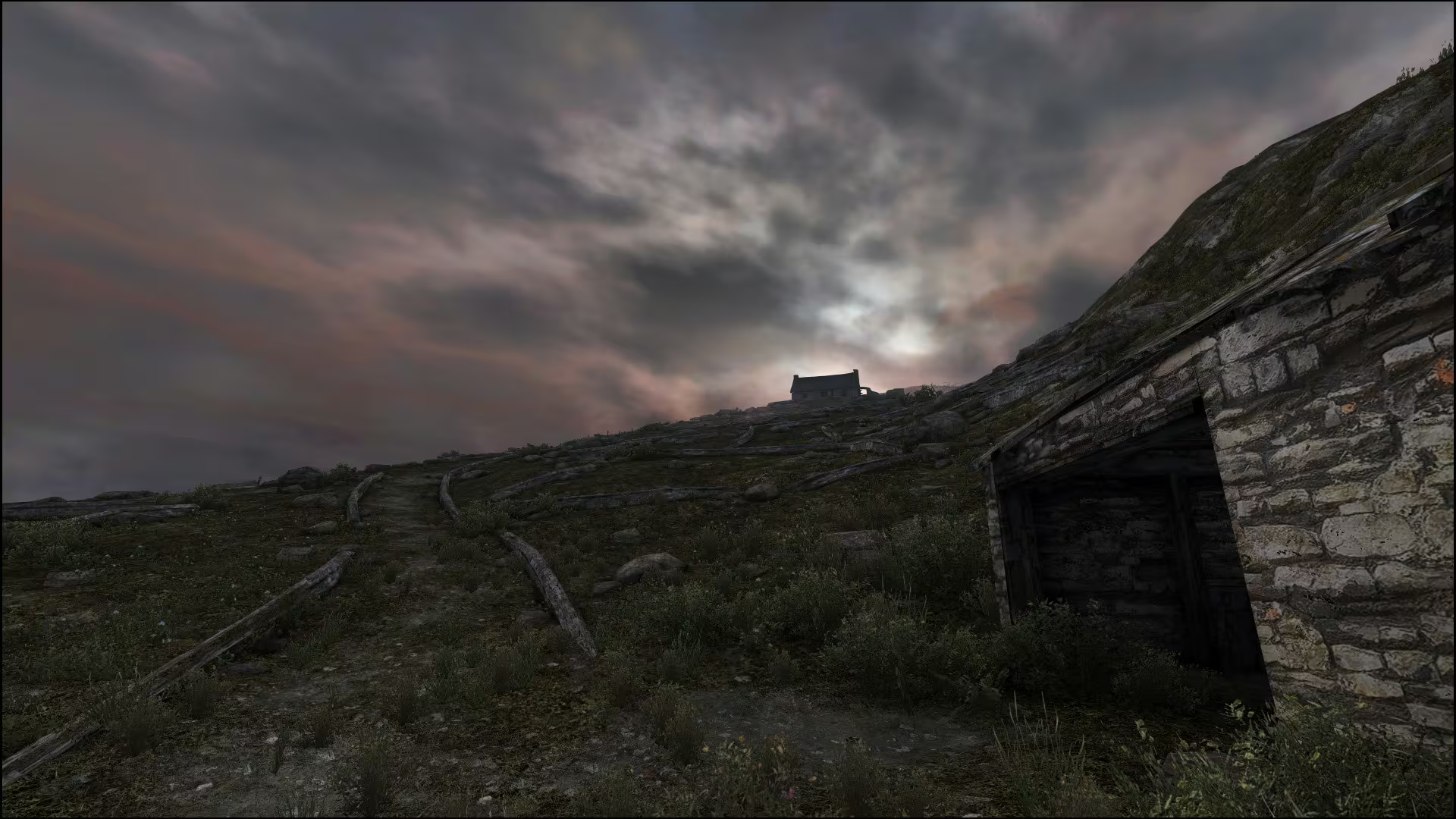
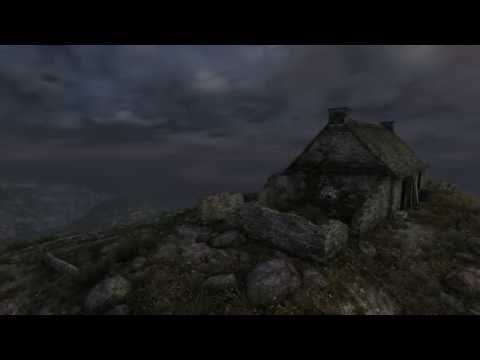
Dear Esther immerses you in a stunningly realised world, a remote and desolate island somewhere in the outer Hebrides. As you step forwards, a voice begins to read fragments of a letter: 'Dear Esther...' - and so begins a journey through one of the most original first-person games of recent years.

Global score

75/100

Genres

Adventure, Casual, Indie, Free To Play

Similar games

    Pros

    • Beautiful and immersive atmosphere
    • Poetic and emotional narrative
    • Stunning visuals and sound design
    • Relaxing and meditative pacing
    • Developer commentary adds depth

    Cons

    • Very slow walking speed
    • Minimal gameplay interaction
    • Short playtime
    • Story can be ambiguous or confusing
    • Lack of replay incentives beyond narrative

    Analysis

    A very typical example of its motivational profile. Motivations that often define this kind of title include Strategy, Survival, Competence, Violence. Here, the score leans higher than usual among comparable games on Exploration, Story. It leans lower than usual among comparable games on Idle.

    How to use the graph
    Similar games map

    Each dot is a game. They are arranged from the same motivation profile as in the “Motivations” section below. Closer dots usually mean more similar reasons to play (exploration, competition, relaxation, etc.)—not that one game is “better” than another.

    • Larger dot with a light outline: the game you are viewing.
    • Colour: groups of games with comparable motivation patterns (statistical clusters).
    • Hover a dot to see the game name; click to open its page.
    • Scroll or double-click the chart to zoom out and see more games.

    Why don’t the axes read like a score? This view uses t-SNE: it only keeps who is close to whom. The scales are not “good to bad” or hours played—they separate groups on the map. Read distance between dots, not the axis numbers.

    Motivations

    • Autonomy
      3

      "Players have freedom to explore the island and choose their path and pace, but gameplay is limited to walking and triggering narrative events."

    • Competence
      -3

      "Gameplay involves slow walking with no skill challenges or complex mechanics, focusing on exploration rather than mastery."

    • Competition
      -5

      "No competitive elements or comparison to others; purely a personal narrative experience."

    • Continuation
      2

      "Some players return for multiple playthroughs to uncover more story fragments and listen to developer commentary."

    • Cooperation
      -5

      "Entirely single-player with no cooperative or multiplayer features."

    • Creativity
      2

      "Players interpret the story and environment creatively, but cannot modify or build within the game."

    • Domination
      -5

      "No elements of control or superiority over others; experience is solitary and introspective."

    • Escapism
      4

      "Strongly immersive and meditative experience allowing players to escape real life through atmosphere and narrative."

    • Expectation
      -4

      "Players engage voluntarily for personal interest in narrative and atmosphere, not out of obligation."

    • Experimenting
      1

      "Some exploration and discovery of randomized narrative elements, but overall gameplay is consistent and limited."

    • Exploration
      4

      "Encourages discovery of new areas, narrative fragments, and environmental details on a mysterious island."

    • Expression
      -3

      "No character customization or player expression; presentation is fixed and narrative-driven."

    • Fantasy
      2

      "Narrative is poetic and abstract with some surreal elements, but grounded in a realistic island setting."

    • Fellowship
      -5

      "Experience is solitary with no social or community interaction."

    • Growth
      1

      "Players gain insight and understanding through repeated playthroughs and developer commentary."

    • Health
      -5

      "Sedentary gameplay with no physical activity or health-related features."

    • Idle
      -3

      "Requires focused attention and slow, deliberate movement rather than casual or background play."

    • Intimacy
      -4

      "Emotional connection is to the narrative and atmosphere rather than social or interpersonal relationships."

    • Leadership
      -5

      "No leadership or group management roles; single-player experience."

    • Progression
      2

      "Progression is narrative-based with unlocking story fragments and achievements rather than item or power accumulation."

    • Relaxation
      5

      "Highly relaxing and meditative experience with calming music and slow pacing."

    • Sensation
      4

      "Strong sensory stimulation through visuals, sound design, and music creating emotional impact."

    • Status
      -5

      "No social recognition or status systems; experience is personal and introspective."

    • Story
      5

      "Narrative immersion is the core of the experience, with poetic storytelling and branching fragments."

    • Strategy
      -5

      "No strategic or problem-solving gameplay; linear exploration and narrative delivery."

    • Thrill
      -3

      "Atmosphere is eerie and haunting but lacks suspenseful or thrilling gameplay elements."

    • Value
      3

      "Generally considered good value for a short, artistic experience especially at sale prices."

    • Violence
      -5

      "No combat or destructive gameplay; focus on exploration and narrative."

    • Survival
      -5

      "No survival mechanics or threats; stable and safe environment."

    Last update: 29/04/2026