Half-Earth Socialism Thumbnail

Half-Earth Socialism similar games & best alternatives

Half-Earth Socialism

PC (Microsoft Windows), Web browser, Mac, Linux • 2022

Related articles

Quick resume

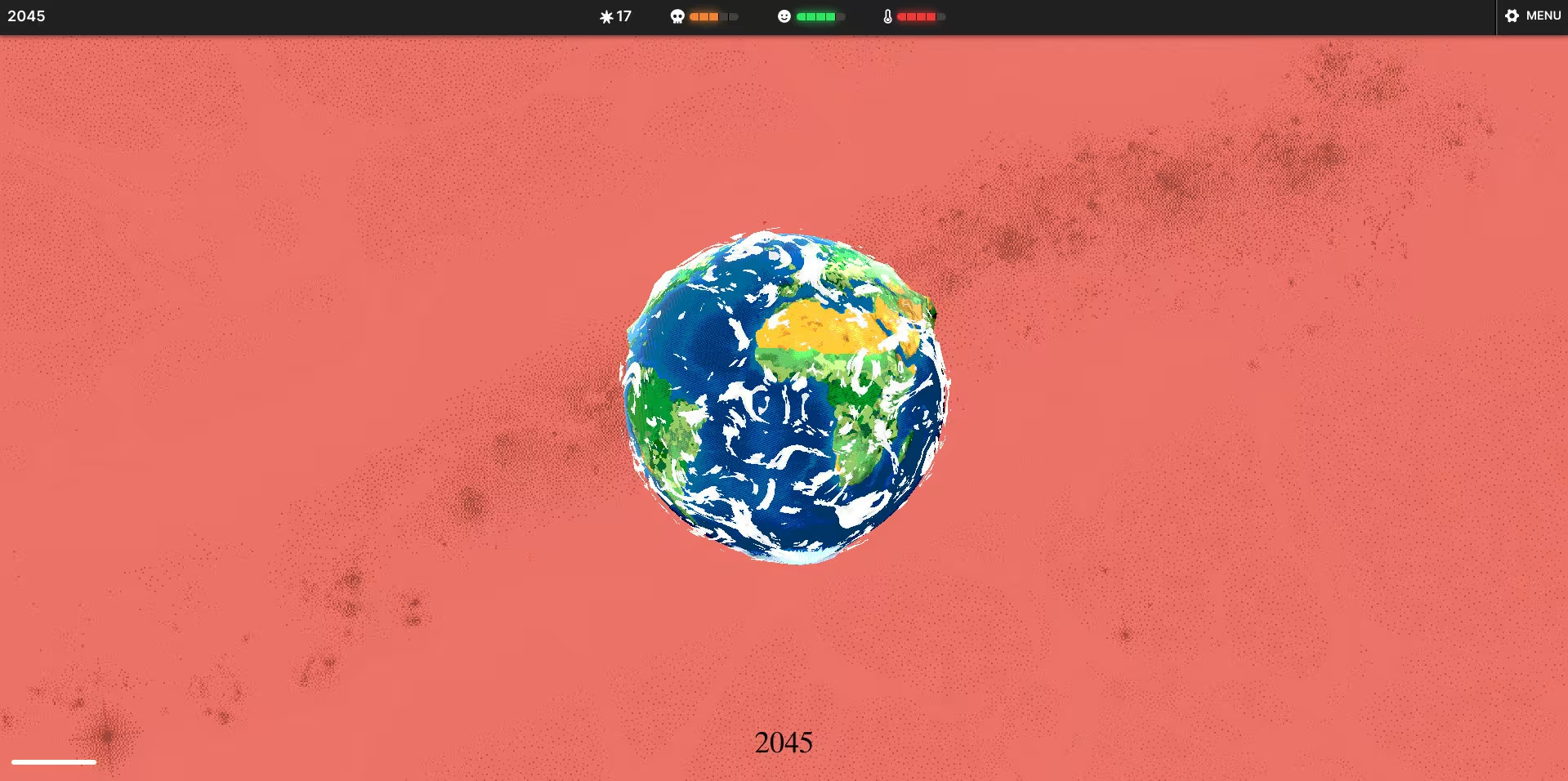
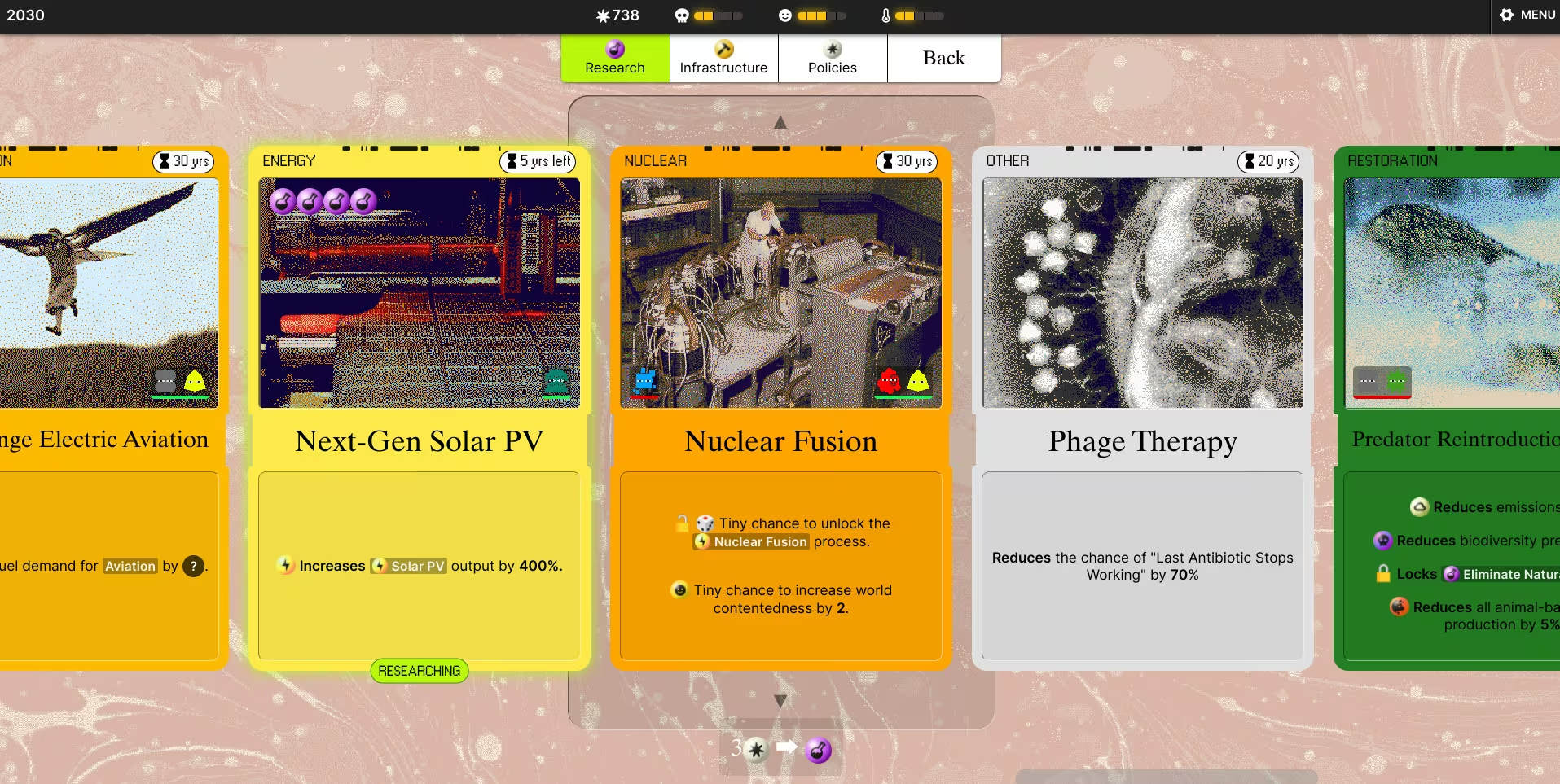
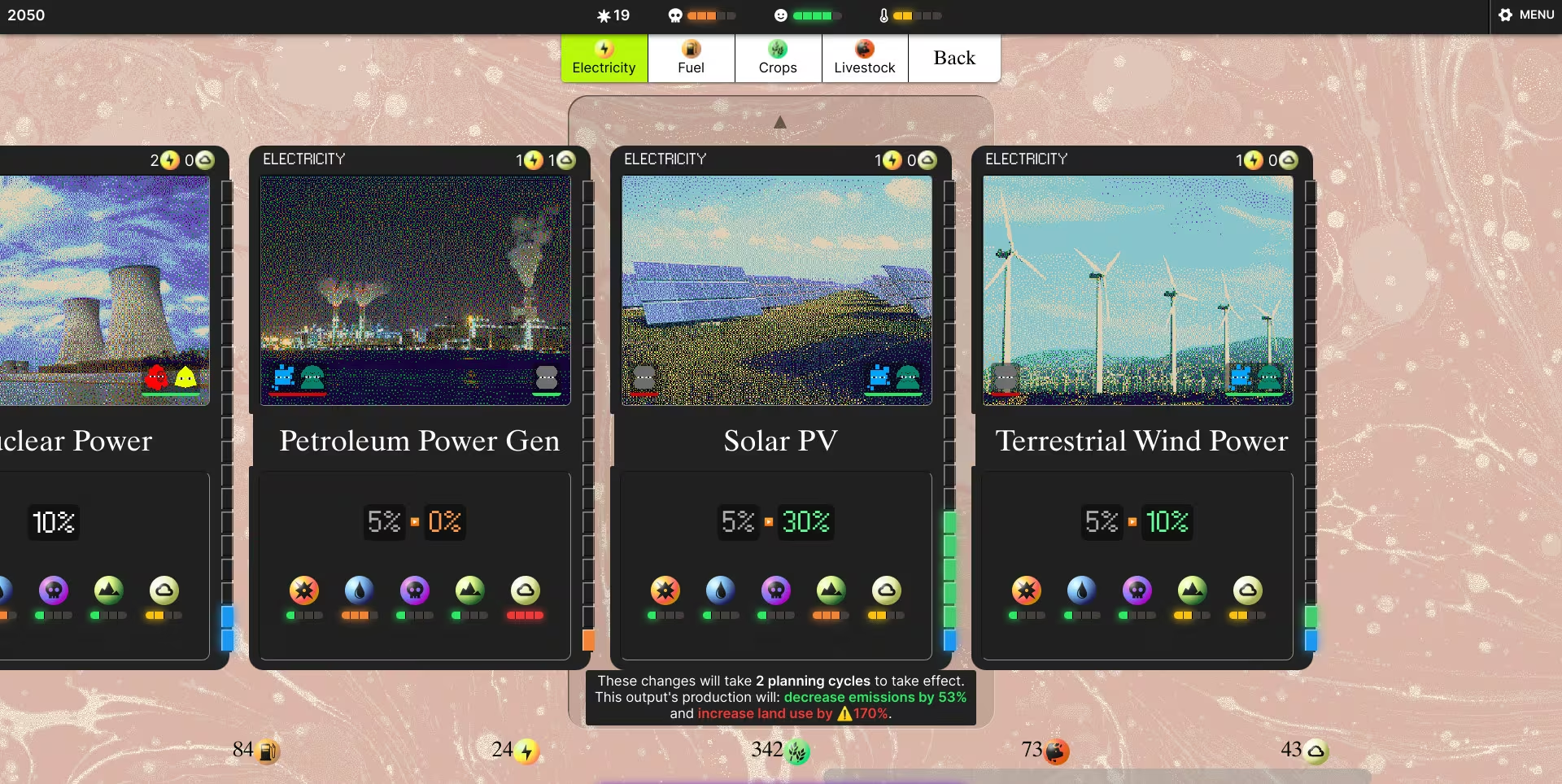
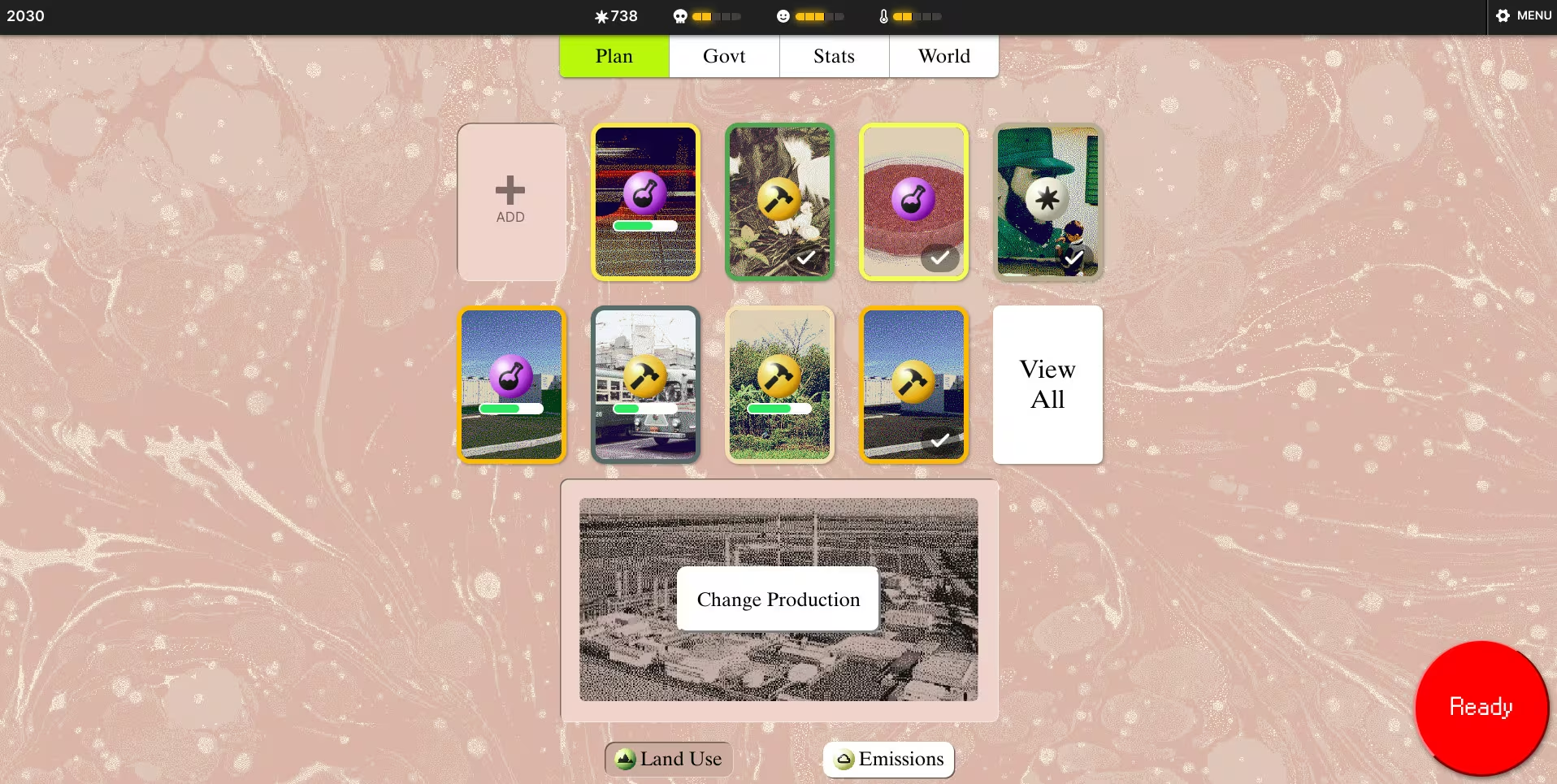
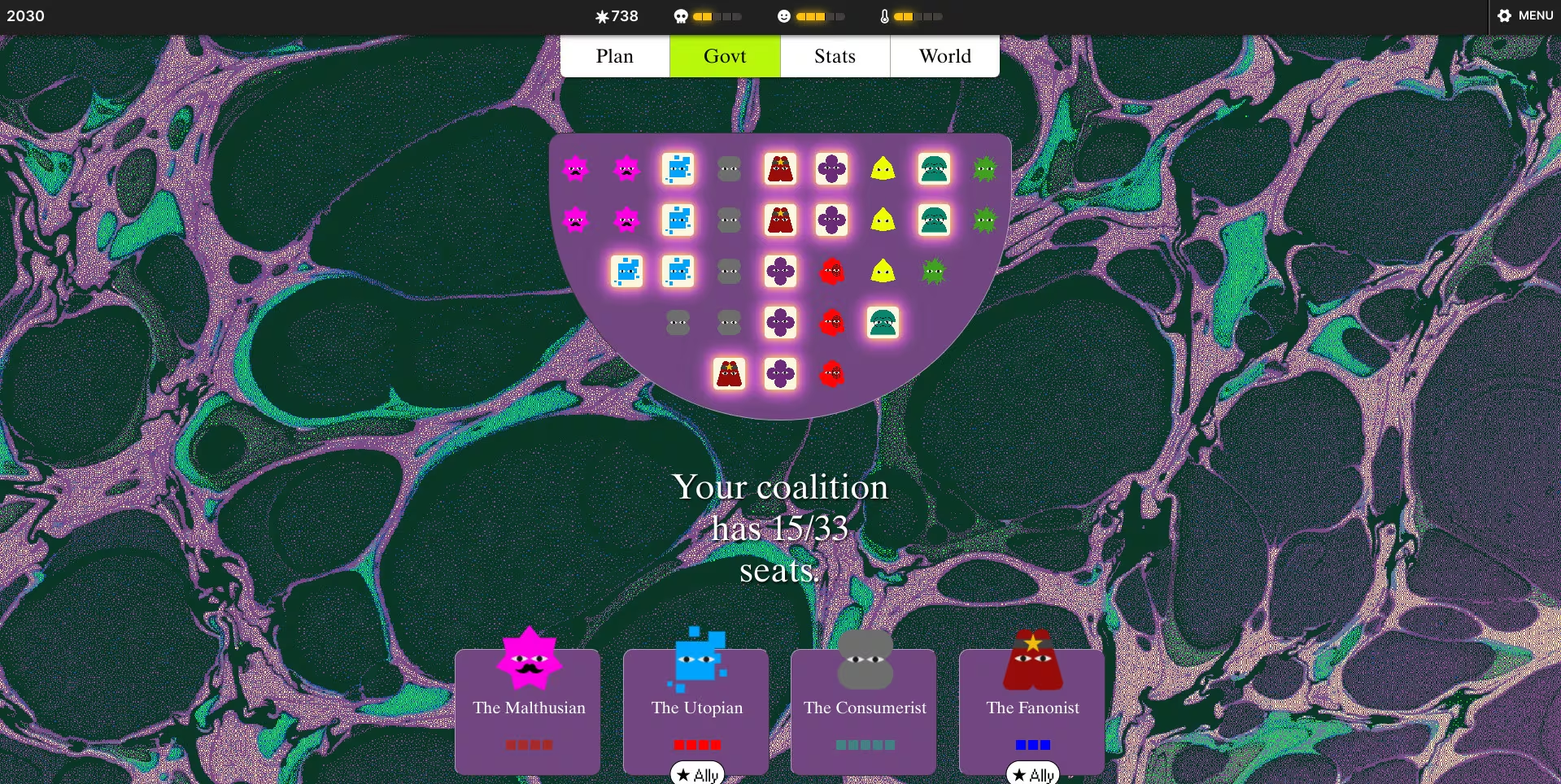
Try your hand as a global planner of a future society. Play with a wide range of technologies and policies spanning different fields and ideologies. Will you lead the world to ecological utopia or planetary ruin?

Global score

83/100

Genres

Indie, Simulator, Strategy, Free To Play

Similar games

    Pros

    • Free to play
    • Engaging political and environmental strategy
    • Educational content on climate and socialism
    • Unique ideological perspective
    • Pleasant art and music

    Cons

    • Bugs and ui issues
    • Limited replayability
    • Biased ideological framing
    • Some mechanics unclear or unbalanced
    • Lack of multiplayer or social features

    Analysis

    Less representative of its motivational profile, with noticeable differences. Motivations that often define this kind of title include Fantasy, Violence, Story, Thrill. Here, the score leans higher than usual among comparable games on Leadership, Survival. It leans lower than usual among comparable games on Continuation.

    How to use the graph
    Similar games map

    Each dot is a game. They are arranged from the same motivation profile as in the “Motivations” section below. Closer dots usually mean more similar reasons to play (exploration, competition, relaxation, etc.)—not that one game is “better” than another.

    • Larger dot with a light outline: the game you are viewing.
    • Colour: groups of games with comparable motivation patterns (statistical clusters).
    • Hover a dot to see the game name; click to open its page.
    • Scroll or double-click the chart to zoom out and see more games.

    Why don’t the axes read like a score? This view uses t-SNE: it only keeps who is close to whom. The scales are not “good to bad” or hours played—they separate groups on the map. Read distance between dots, not the axis numbers.

    Motivations

    • Autonomy
      3

      "Players make many strategic decisions about policies, research, and resource allocation, though constrained by ideological and game mechanics."

    • Competence
      3

      "Players engage in managing complex systems and overcoming challenges like balancing emissions, political capital, and resources."

    • Competition
      -3

      "Focus is on personal strategy and managing internal game systems rather than competing against other players."

    • Continuation
      -2

      "Play sessions are relatively short and some players report limited replayability after mastering strategies."

    • Cooperation
      -4

      "Gameplay centers on individual decision-making; multiplayer or cooperative elements are absent."

    • Creativity
      2

      "Players experiment with different policy combinations and strategies, though within a fixed set of options."

    • Domination
      -4

      "Interactions with political factions are about balancing support, not exerting dominance or control over others."

    • Escapism
      3

      "Players engage in a fictional simulation that offers distraction and reflection on real-world climate and political issues."

    • Expectation
      -4

      "Players engage voluntarily out of interest; no external obligation or pressure is indicated."

    • Experimenting
      3

      "Players try different policy and research combinations to find successful strategies and explore game mechanics."

    • Exploration
      -2

      "Game environments and scenarios are fixed; discovery is more about system interactions than new areas."

    • Expression
      -3

      "Limited customization; players choose policies but do not customize characters or environments extensively."

    • Fantasy
      2

      "Game presents a speculative, utopian socialist future with imaginative political and technological scenarios."

    • Fellowship
      -4

      "Social interaction is minimal; game is a solo experience without community or multiplayer features."

    • Growth
      3

      "Players learn about environmental and political systems, improving strategic understanding through play."

    • Health
      -5

      "Game is sedentary with no physical activity or health-related gameplay elements."

    • Idle
      -3

      "Requires focused attention to manage policies and resources; not designed for casual or background play."

    • Intimacy
      -5

      "No close social or emotional relationships formed; interactions are limited to political factions in-game."

    • Leadership
      4

      "Player acts as leader making decisions and managing political factions, guiding the direction of the game."

    • Progression
      3

      "Players accumulate research, policies, and infrastructure upgrades to progress toward goals."

    • Relaxation
      1

      "Some players find the game engaging and satisfying, though others note frustration with bugs and difficulty."

    • Sensation
      -2

      "Visuals and audio are pleasant but subdued; sensory stimulation is moderate and not a primary focus."

    • Status
      -5

      "No social recognition or status systems; achievements are personal and not publicly acknowledged."

    • Story
      2

      "Game includes political factions and ideological narratives that provide context and flavor to gameplay."

    • Strategy
      4

      "Strong emphasis on strategic planning, resource management, and balancing competing goals."

    • Thrill
      1

      "Some tension from managing crises and political opposition, but overall controlled and predictable gameplay."

    • Value
      5

      "Free to play with educational content and engaging gameplay, providing high perceived value."

    • Violence
      -5

      "No combat or destructive gameplay; focus is on constructive political and environmental management."

    • Survival
      3

      "Players must avoid failure by managing threats like emissions, political opposition, and resource shortages."

    Last update: 29/04/2026