China: Mao's legacy Thumbnail

China: Mao's legacy similar games & best alternatives
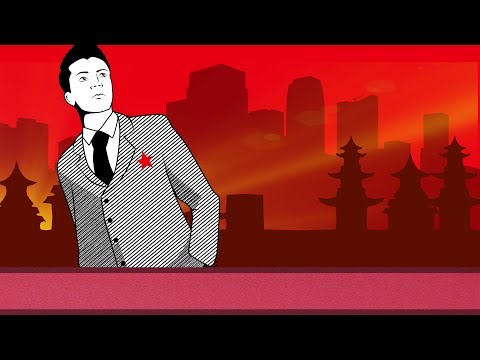
China: Mao's legacy

PC (Microsoft Windows), Mac, Linux • 2019

Related articles

Quick resume

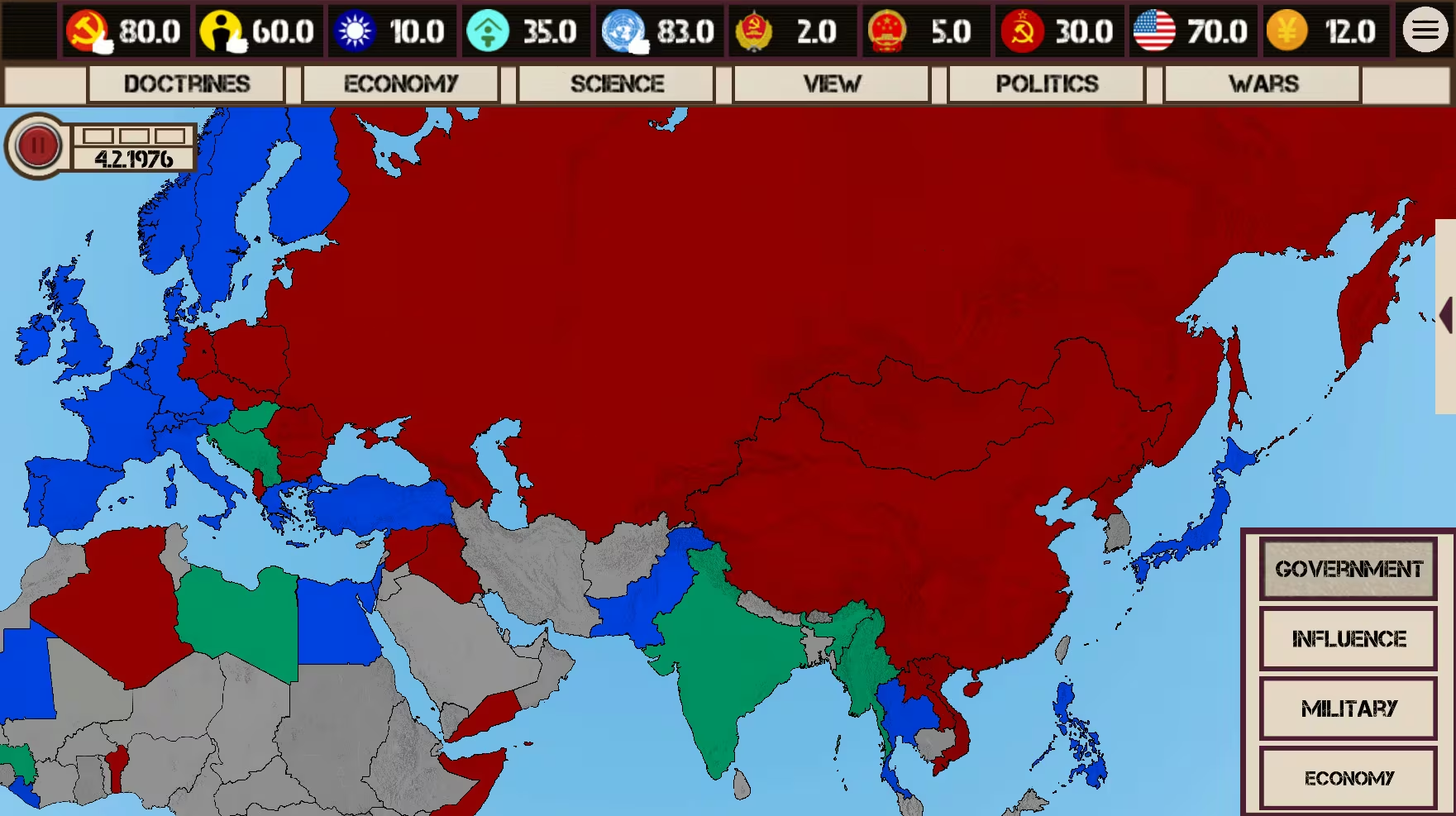
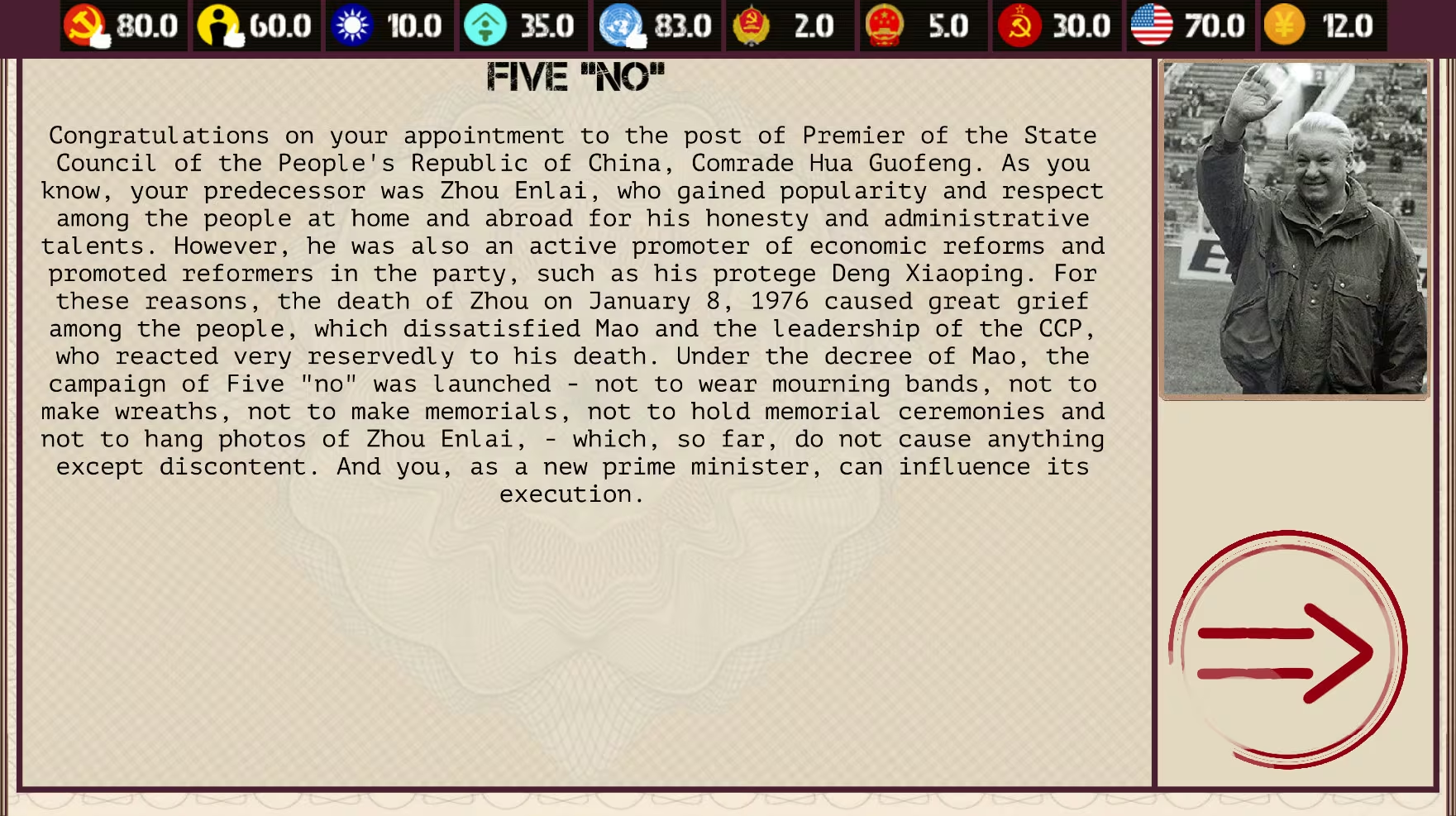
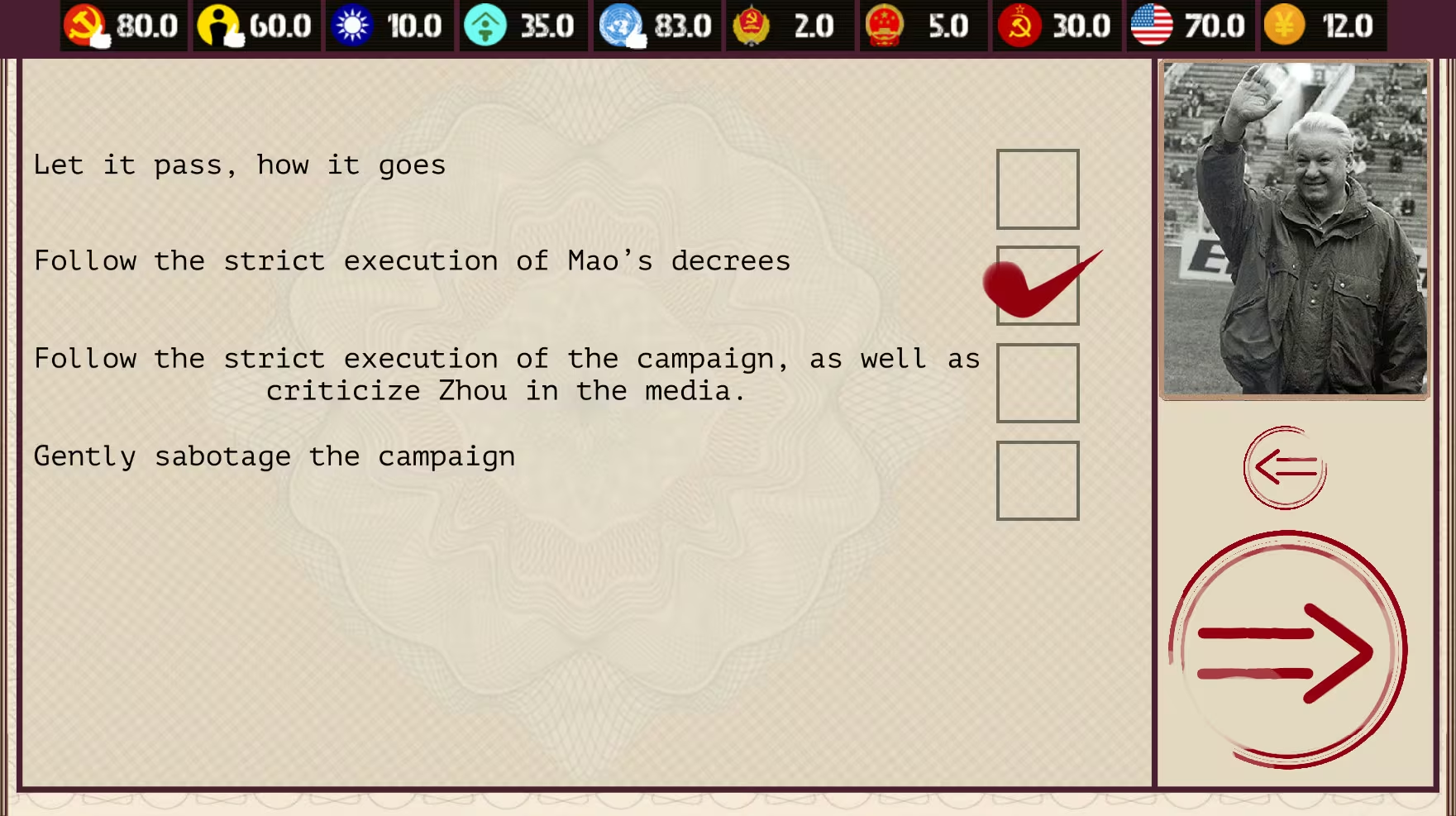
Year 1976, the stormy Cultural revolution has died down, hard times of hongweibing and public critics are coming to an end. Old and sick Mao Zedong will soon leave China to his comrades from CPC. The Cold War is coming into a new phase...

Global score

92/100

Genres

Indie, Simulator, Strategy

Similar games

    Pros

    • Deep and historically rich political simulation
    • High replayability with multiple paths
    • Developer support and frequent updates
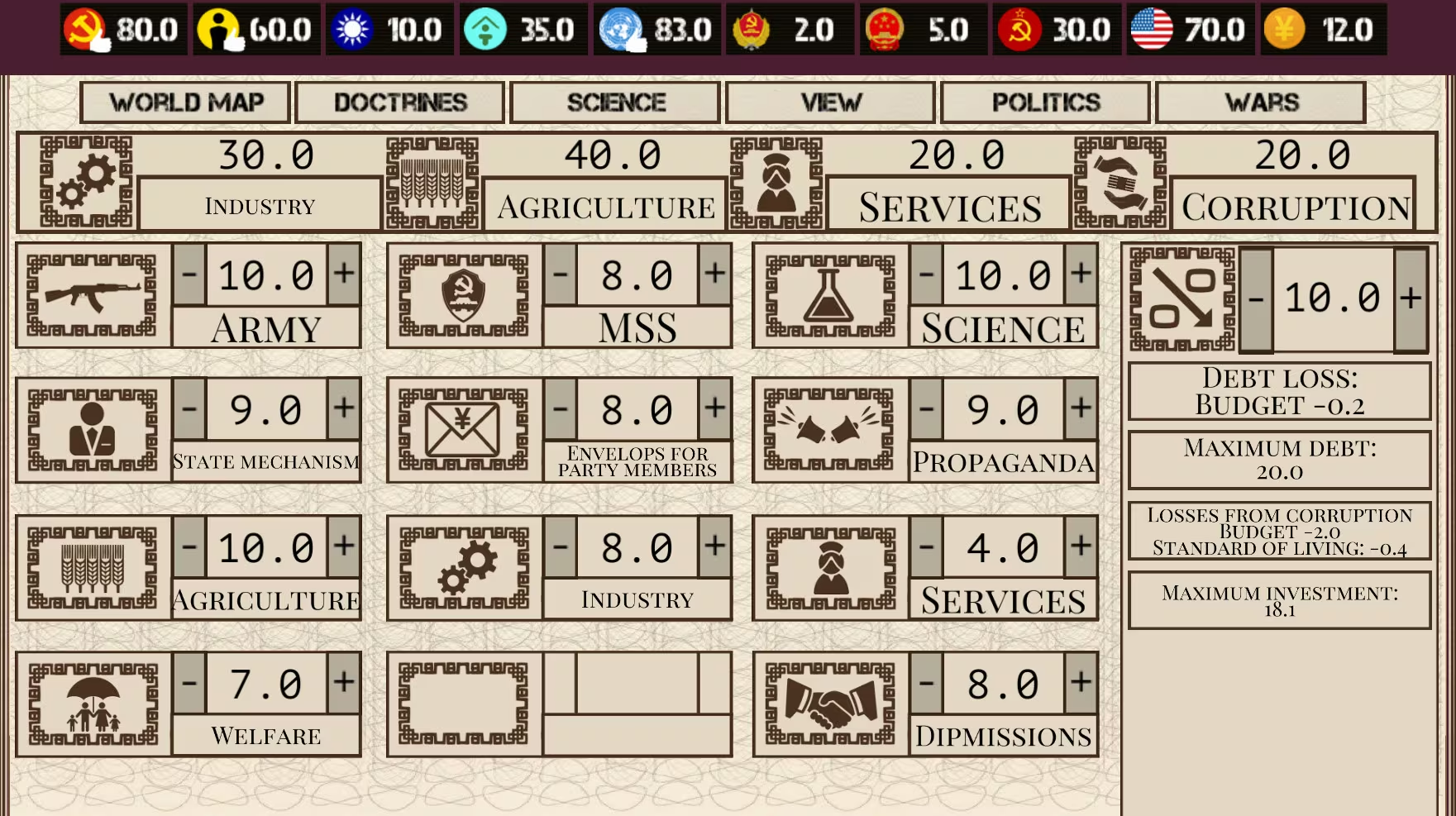
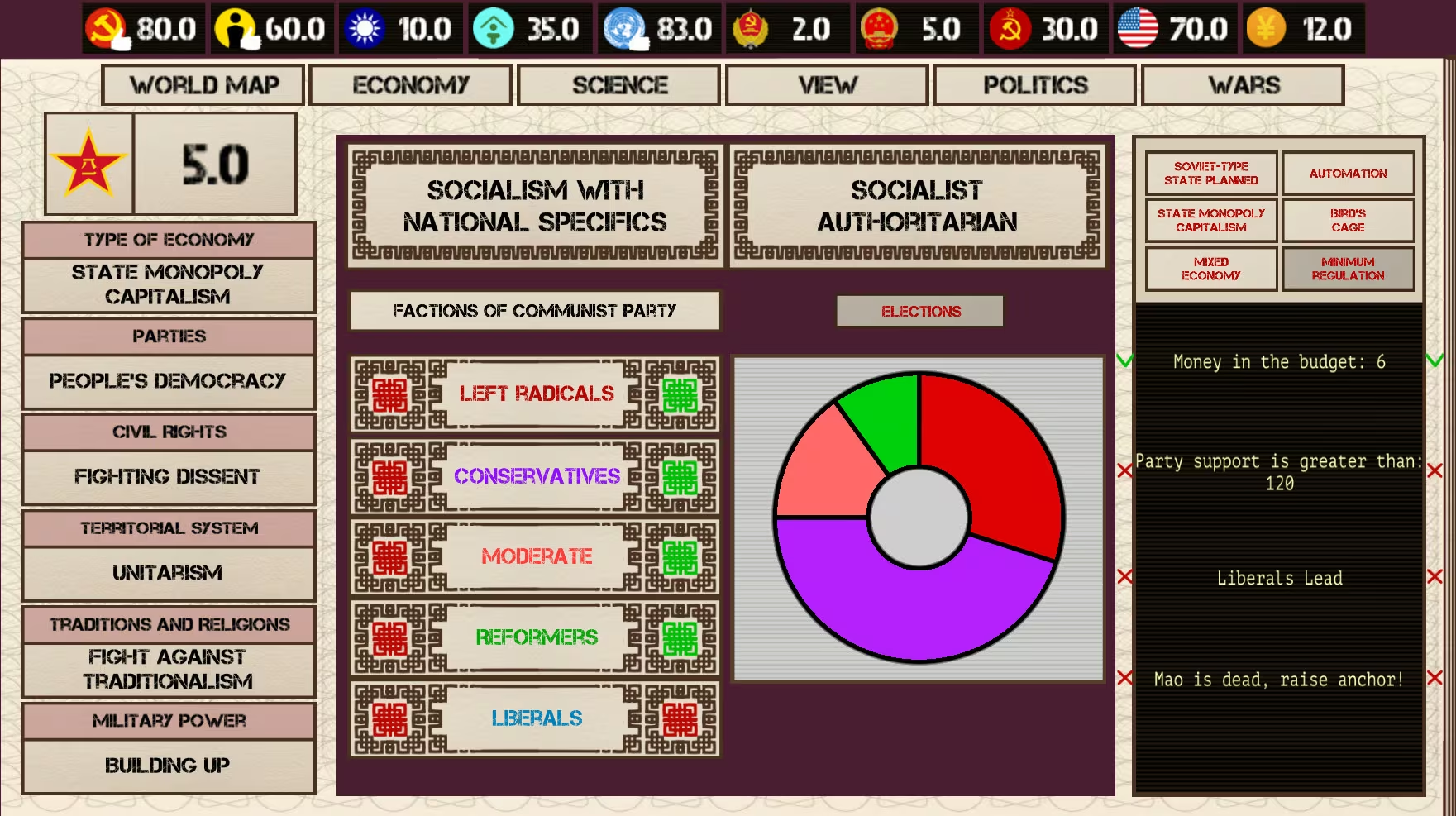
    • Complex party and economic management
    • Fair price for content depth

    Cons

    • Steep learning curve and opaque mechanics
    • Poor ui and lack of tutorial guidance
    • Language and translation issues
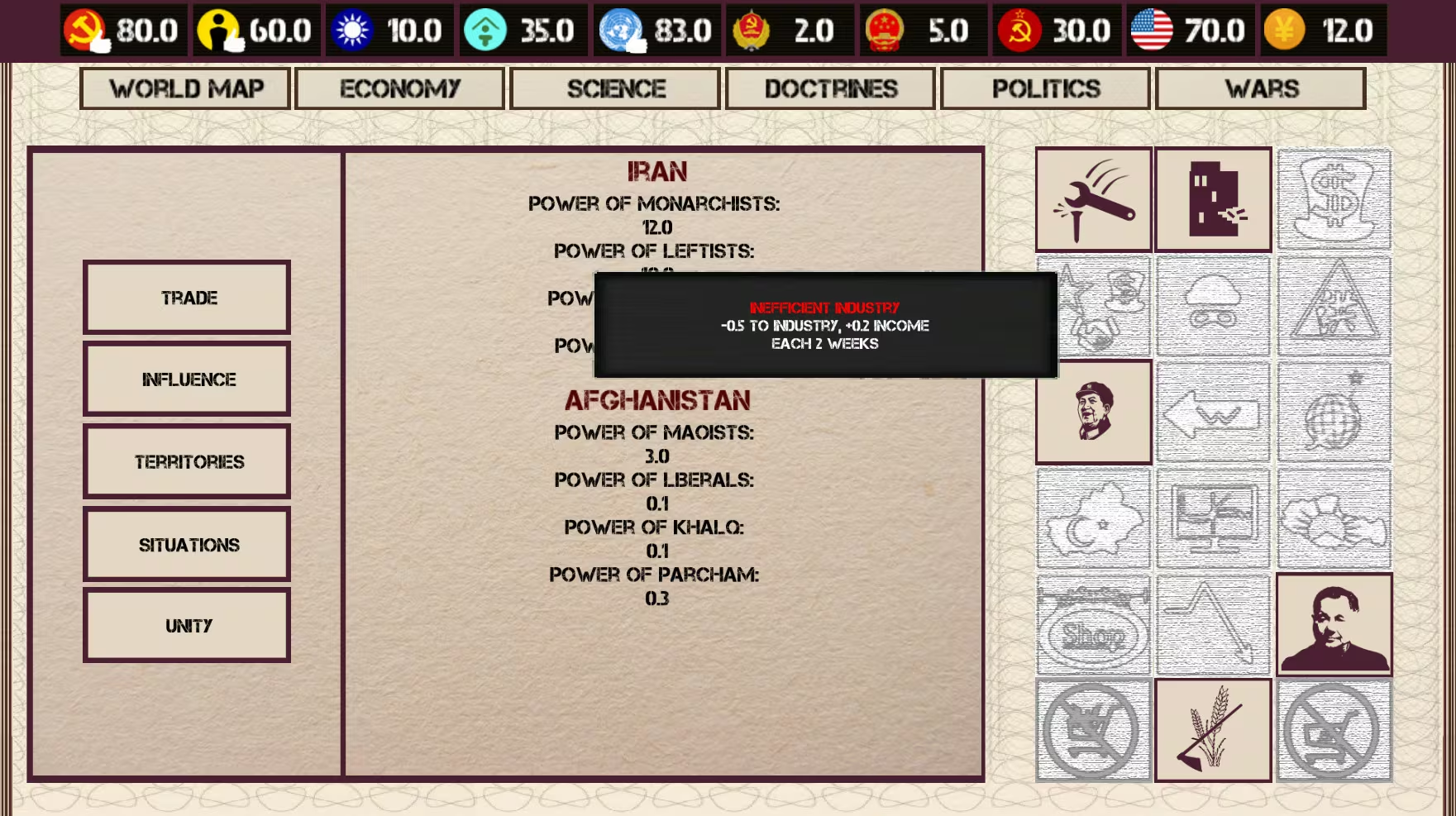
    • Limited map and interaction with some countries
    • Lack of multiplayer or social features

    Analysis

    Less representative of its motivational profile, with noticeable differences. Motivations that often define this kind of title include Fantasy, Violence, Story, Thrill. Here, the score leans higher than usual among comparable games on Leadership, Story, Survival.

    How to use the graph
    Similar games map

    Each dot is a game. They are arranged from the same motivation profile as in the “Motivations” section below. Closer dots usually mean more similar reasons to play (exploration, competition, relaxation, etc.)—not that one game is “better” than another.

    • Larger dot with a light outline: the game you are viewing.
    • Colour: groups of games with comparable motivation patterns (statistical clusters).
    • Hover a dot to see the game name; click to open its page.
    • Scroll or double-click the chart to zoom out and see more games.

    Why don’t the axes read like a score? This view uses t-SNE: it only keeps who is close to whom. The scales are not “good to bad” or hours played—they separate groups on the map. Read distance between dots, not the axis numbers.

    Motivations

    • Autonomy
      4

      "Players have significant control over political, economic, and diplomatic decisions shaping China's future, with multiple paths and strategies available."

    • Competence
      4

      "The game challenges players with complex political and economic systems requiring skillful management and strategic thinking."

    • Competition
      -3

      "Focus is on single-player experience managing China without direct player-vs-player competition or leaderboards."

    • Continuation
      4

      "Players report long sessions and high replayability, often playing for many hours and multiple runs."

    • Cooperation
      -4

      "The game is a single-player political simulator with no multiplayer or cooperative gameplay elements."

    • Creativity
      3

      "Players can shape China's political and economic path in multiple ways, creating alternate histories and customizing strategies."

    • Domination
      -4

      "Interactions are focused on managing internal politics and diplomacy rather than exerting power over other players."

    • Escapism
      3

      "Players use the game to immerse themselves in historical political simulation, escaping into a complex alternate history."

    • Expectation
      -4

      "Engagement is driven by intrinsic interest in history and politics rather than obligation or external pressure."

    • Experimenting
      4

      "Players experiment with different political paths, economic reforms, and foreign policies to explore outcomes."

    • Exploration
      2

      "Exploration is more conceptual, discovering alternate political scenarios and outcomes rather than physical map exploration."

    • Expression
      -2

      "Limited cosmetic customization; expression comes through strategic choices rather than avatar or environment personalization."

    • Fantasy
      -1

      "Grounded in historical political simulation with some alternate history elements, but largely realistic scenarios."

    • Fellowship
      -4

      "Primarily a solo experience with minimal social or community interaction within the game."

    • Growth
      4

      "Players learn complex political and economic systems, improving skills through trial, error, and study."

    • Health
      -5

      "Sedentary gameplay typical of grand strategy games with no physical activity elements."

    • Idle
      -3

      "Requires focused attention and strategic planning; not designed for casual or background play."

    • Intimacy
      -5

      "No social or emotional relationship-building features; gameplay is individual and strategic."

    • Leadership
      5

      "Players assume the role of China's leader, managing party members, ministers, and political factions."

    • Progression
      4

      "Progression through political power, economic development, and international influence is central to gameplay."

    • Relaxation
      -2

      "Gameplay involves tension and challenge managing complex systems; not primarily relaxing or flow-inducing."

    • Sensation
      -3

      "Visuals are minimal and functional; sensory stimulation is low, focusing on strategic depth over aesthetics."

    • Status
      -4

      "No social recognition or multiplayer status systems; focus is on personal achievement."

    • Story
      4

      "Strong narrative immersion in historical events and political intrigue with multiple possible story outcomes."

    • Strategy
      5

      "High emphasis on strategic planning, problem solving, and managing complex political and economic systems."

    • Thrill
      3

      "Tension from political instability and risk of losing power creates suspense and excitement."

    • Value
      4

      "Players perceive good value due to depth, replayability, and developer support at a low price point."

    • Violence
      -3

      "Focus is on political maneuvering and economic management rather than combat or destruction."

    • Survival
      4

      "Avoiding political failure and maintaining power under threat is a core gameplay element."

    Last update: 26/04/2026