Phantom Doctrine Thumbnail

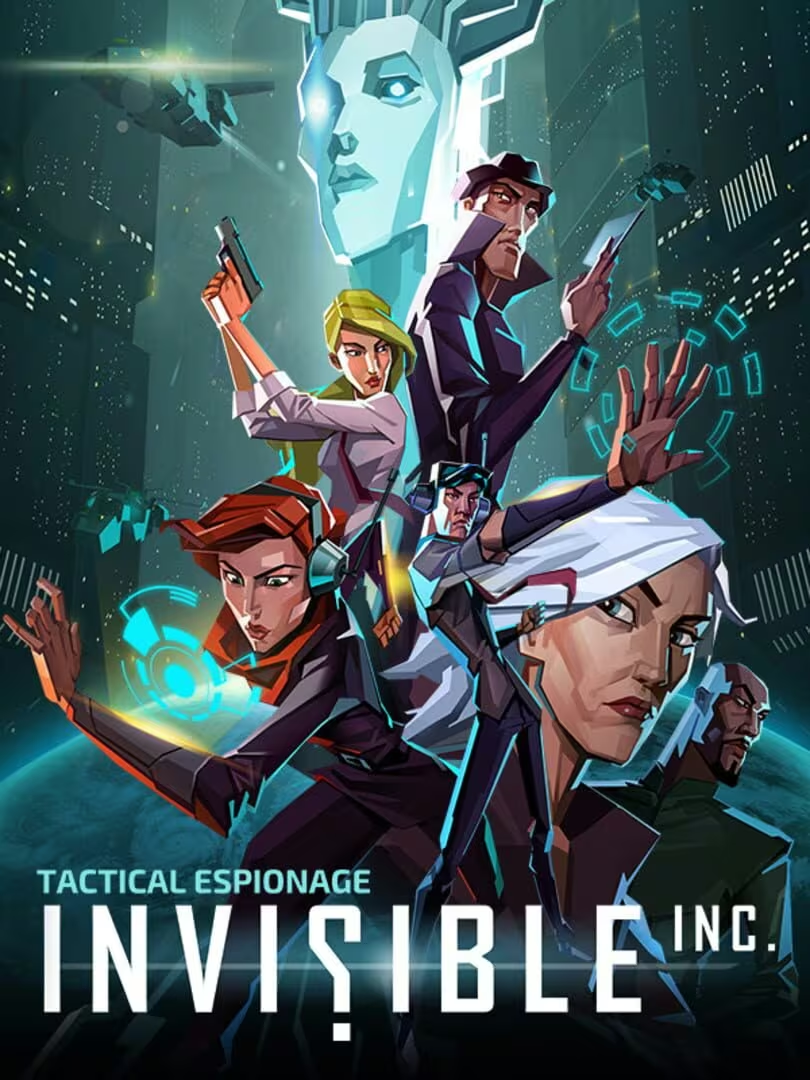
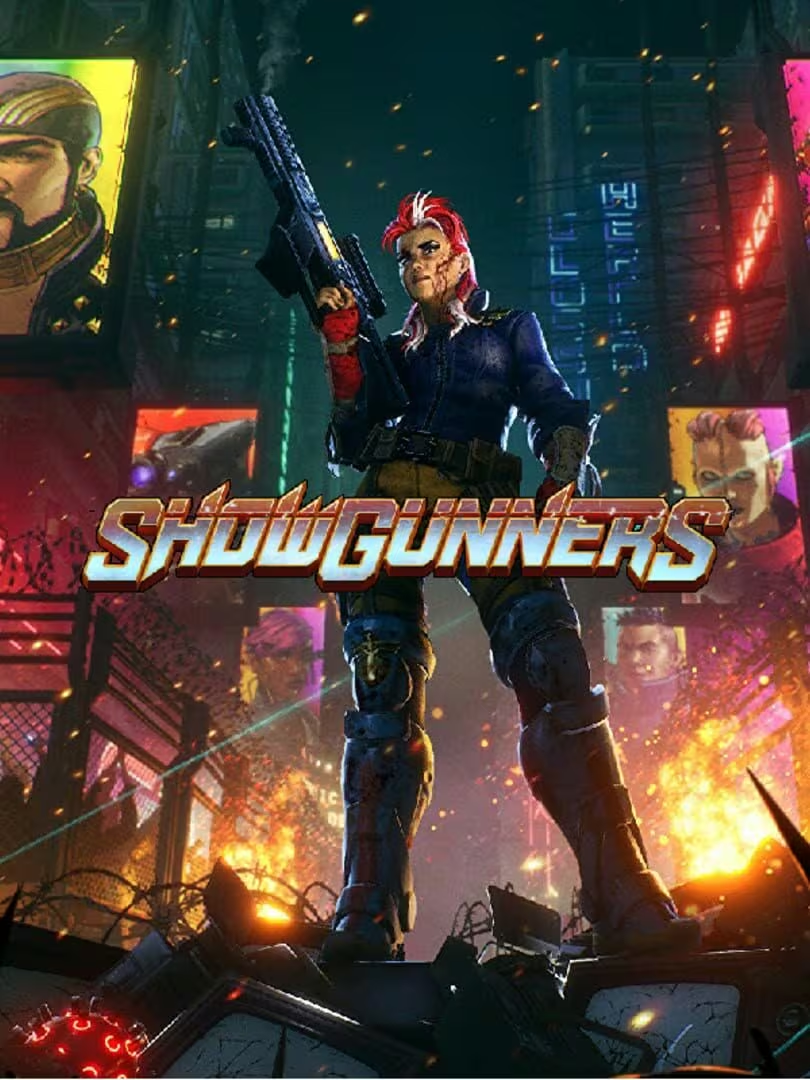
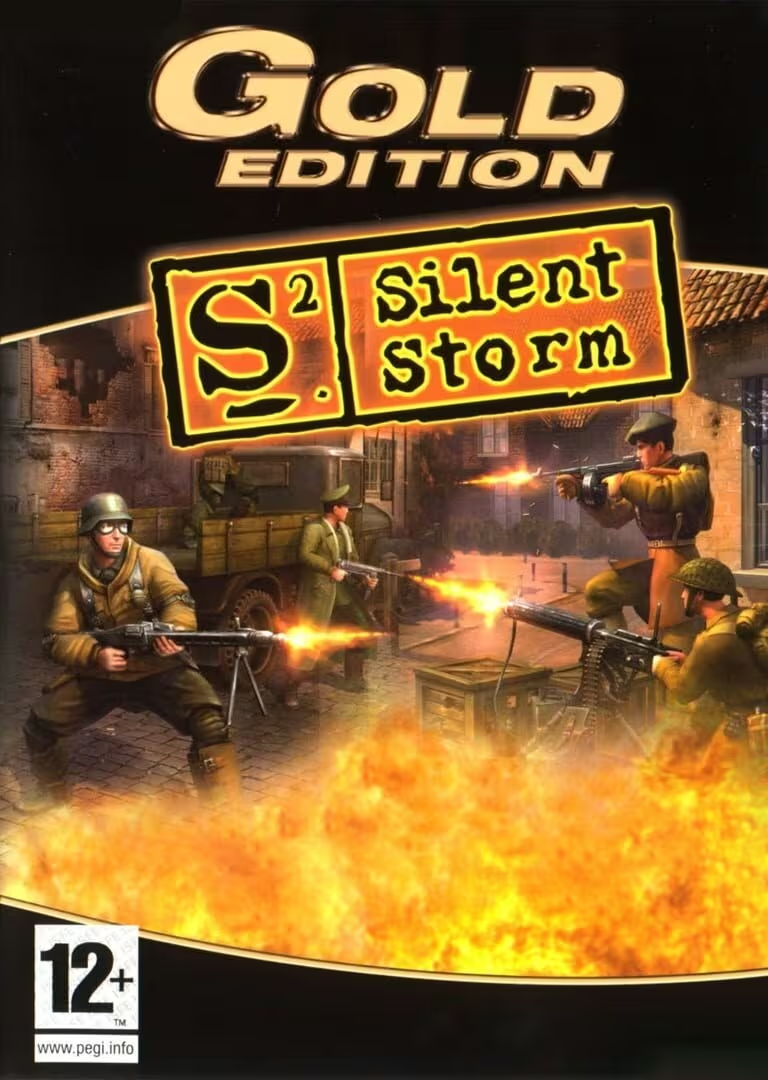
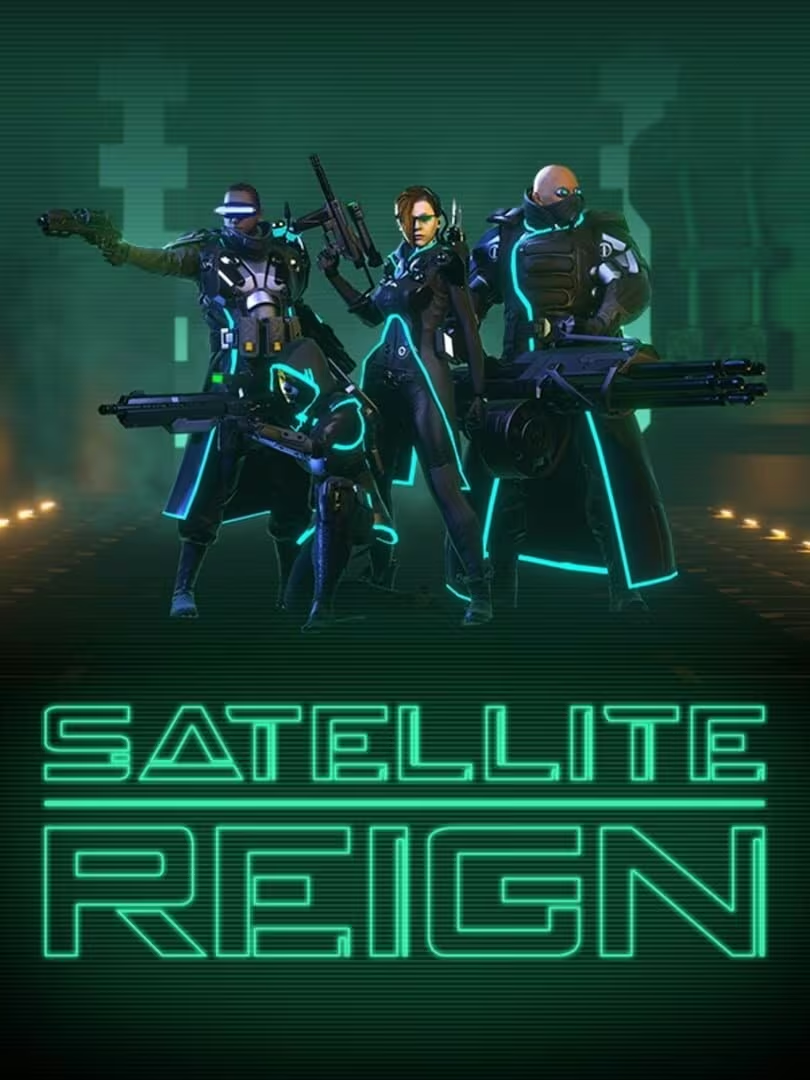
Phantom Doctrine similar games & best alternatives
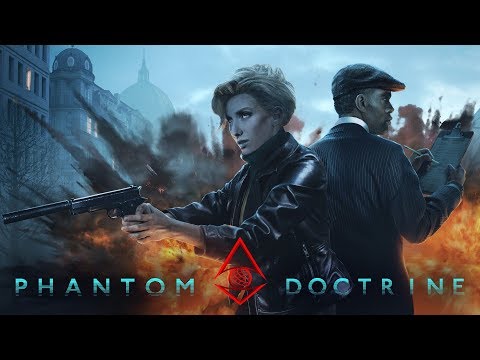
Phantom Doctrine

PC (Microsoft Windows), Xbox One, Nintendo Switch, PlayStation 4 • 2018

Related articles

Quick resume

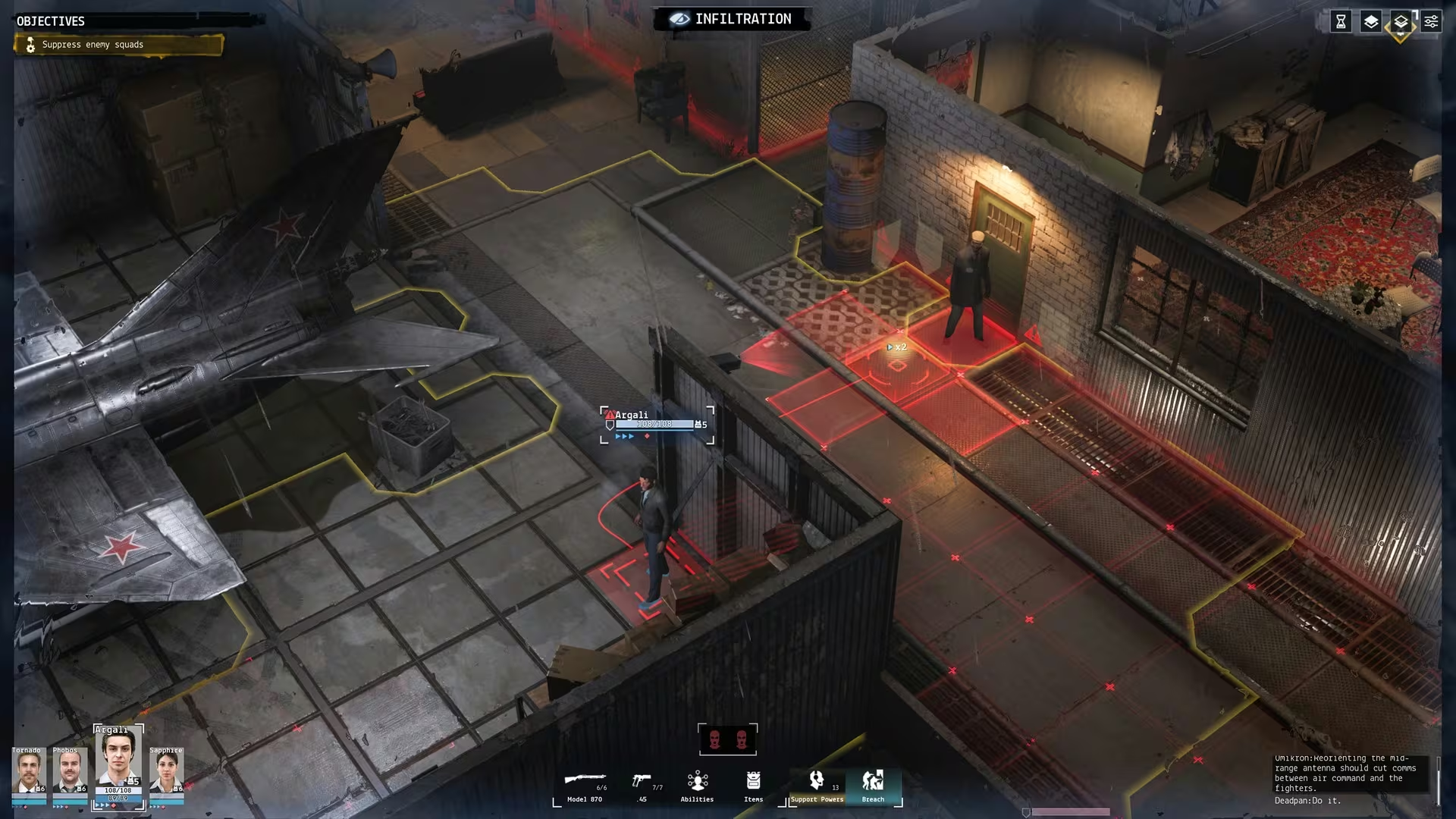
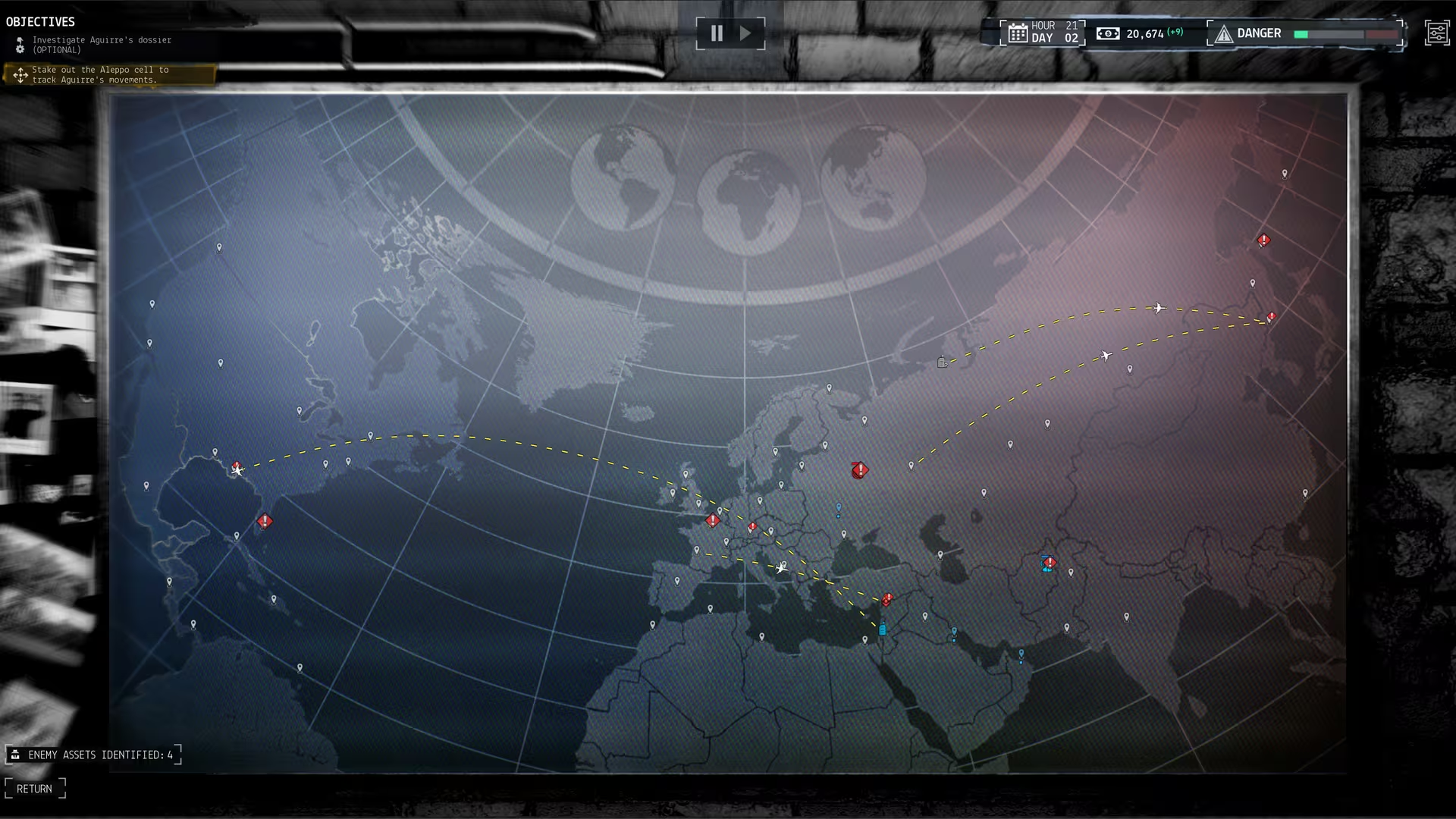
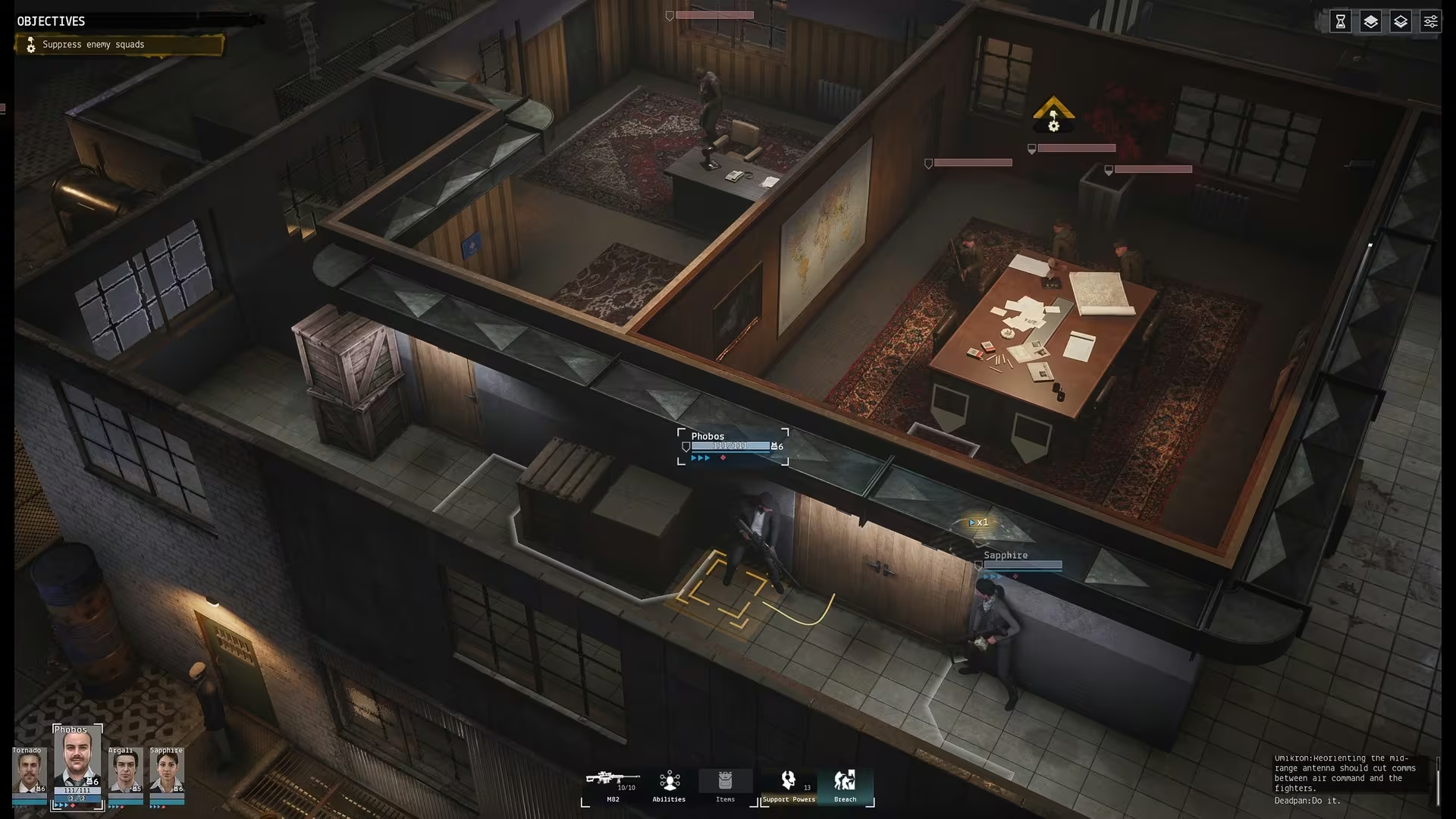
The year is 1983. The world teeters on the verge of destruction as the Cold War tightens its icy grip. East or West: trust no one, question everything. The fate of humanity rests in your hands as you pit spy versus spy in tactical Phantom Doctrine.

Global score

74/100

Genres

Action, Role-playing (RPG), Strategy, Adventure, Turn-based strategy (TBS), Simulator, Tactical

Similar games

    Pros

    • Engaging cold war espionage theme
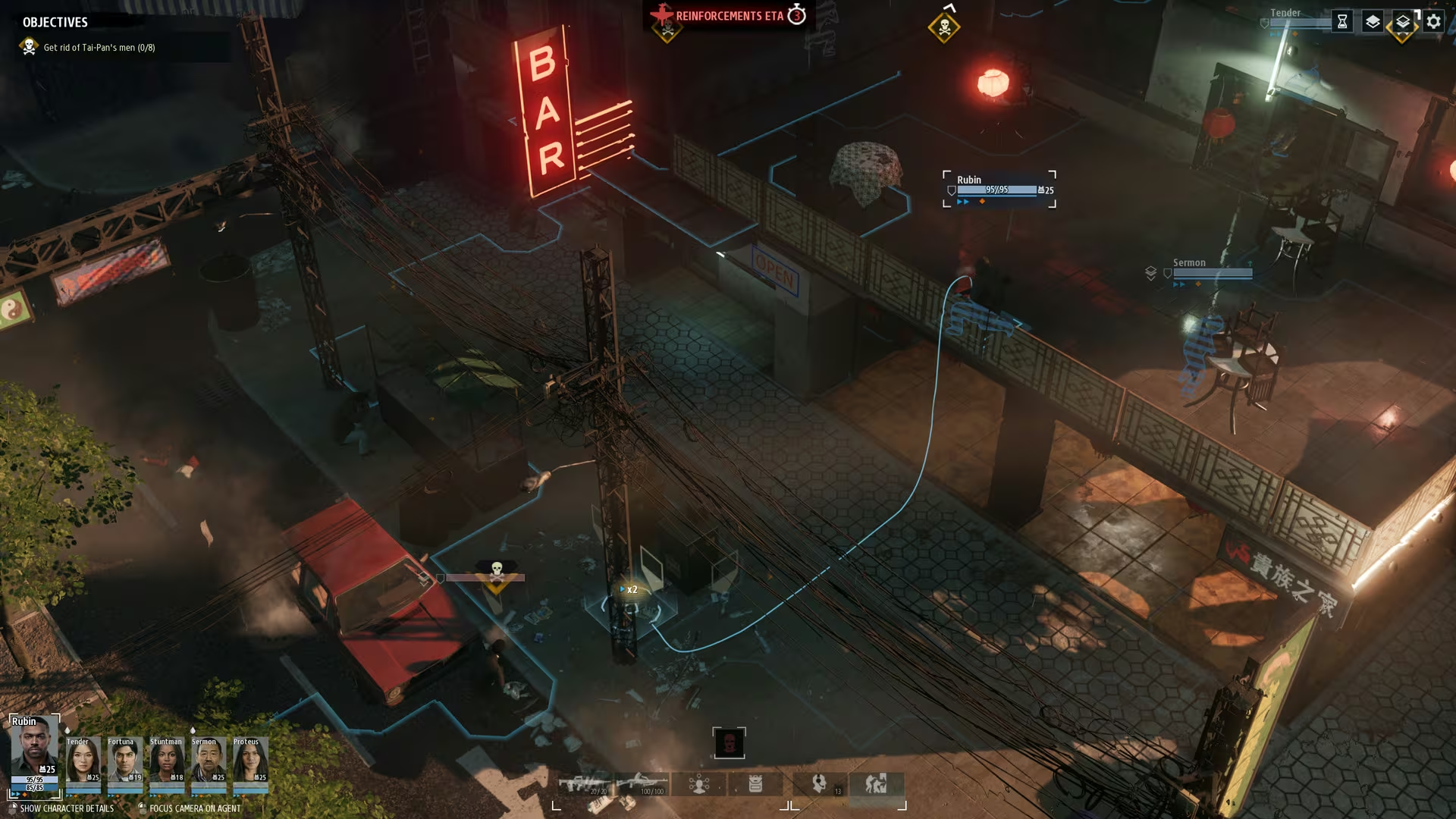
    • Deep tactical stealth and combat gameplay
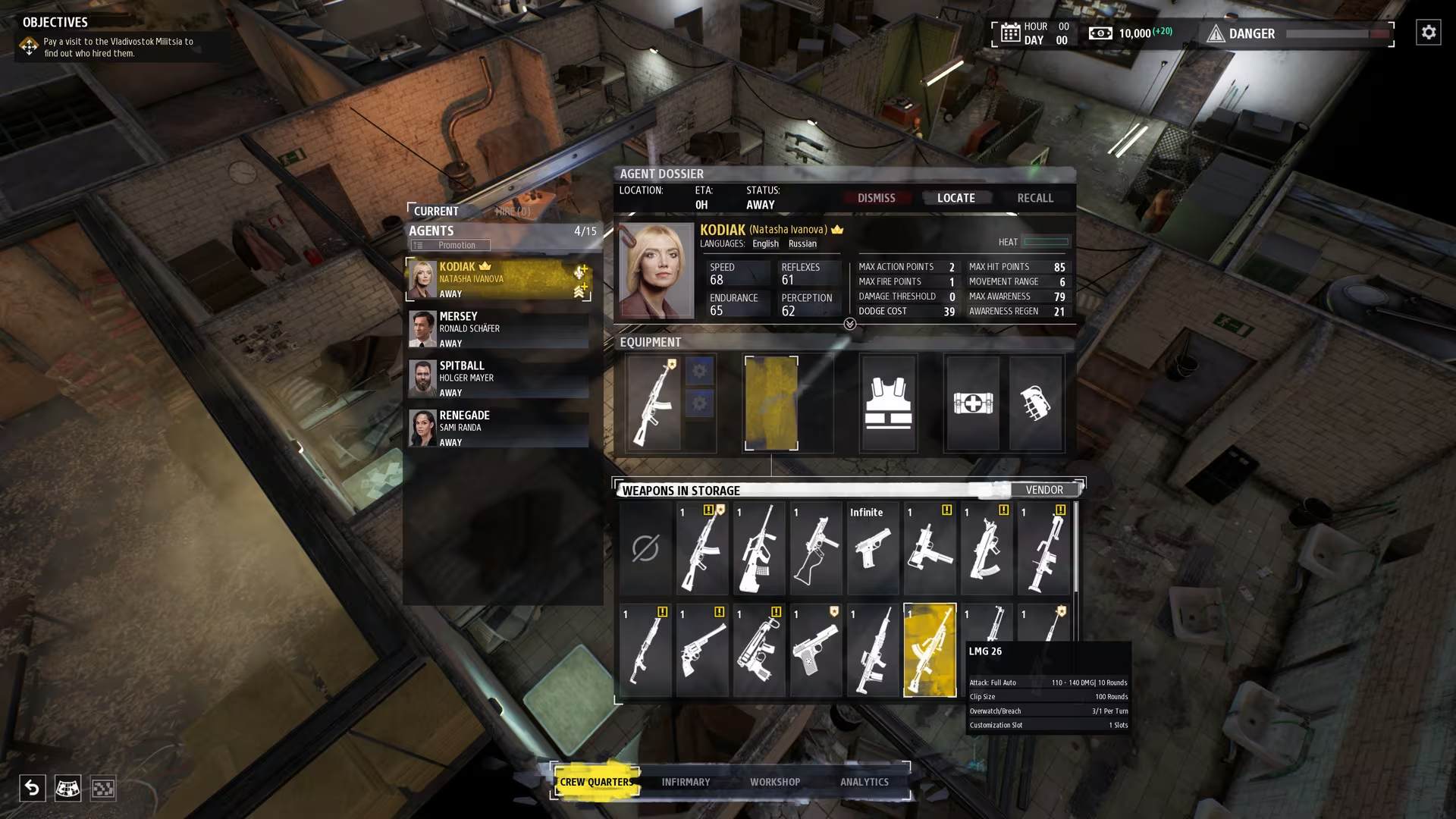
    • Agent customization and progression
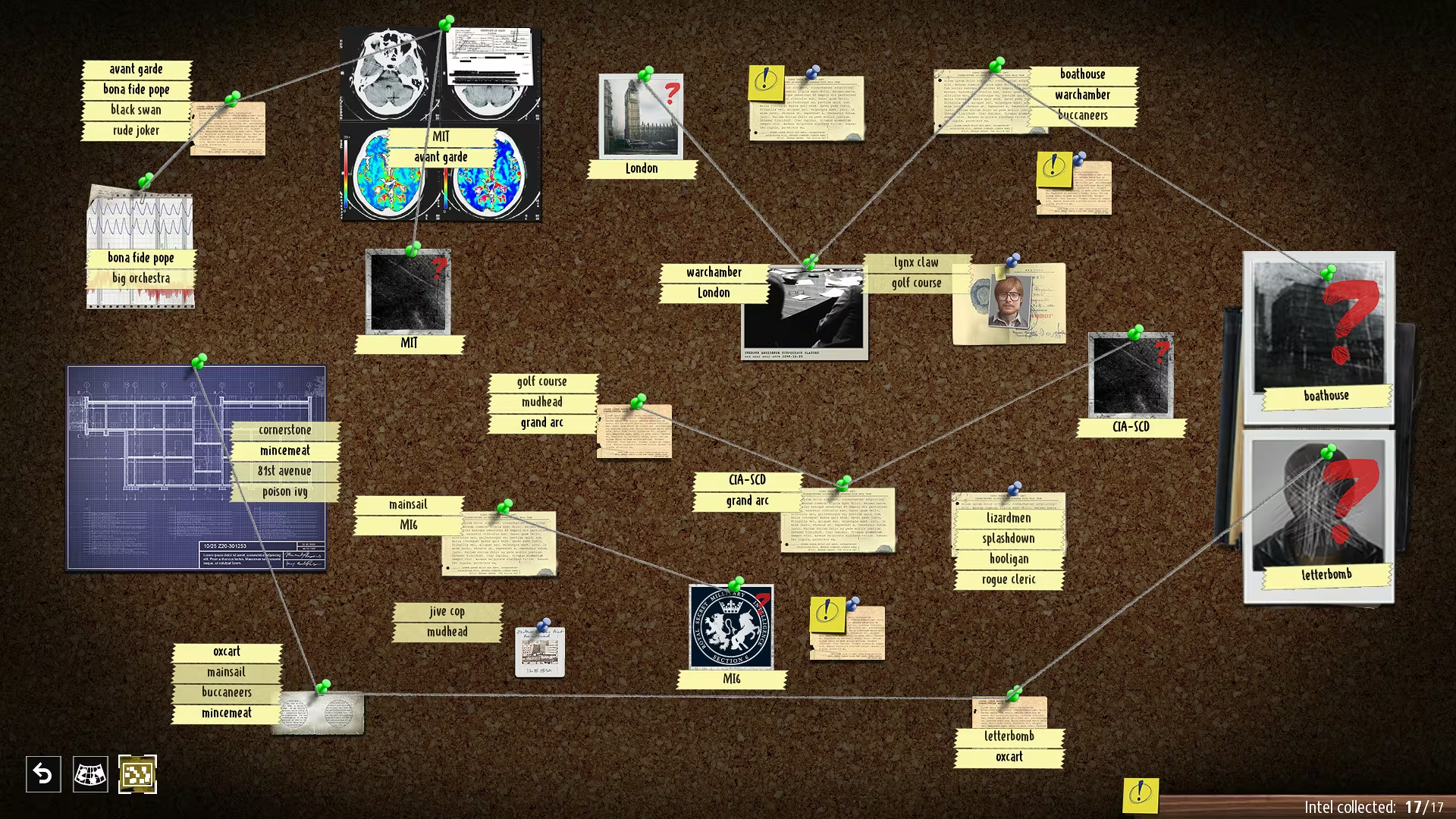
    • Innovative intel analysis mechanics
    • Long campaign with replayability

    Cons

    • Repetitive mission maps and objectives
    • Steep learning curve for mechanics
    • Some ui and minor bugs reported
    • Limited multiplayer and social features
    • Combat can be punishing and unforgiving

    Analysis

    A very typical example of its motivational profile. Motivations that often define this kind of title include Leadership, Survival, Violence, Strategy. It leans lower than usual among comparable games on Cooperation, Exploration, Violence.

    How to use the graph
    Similar games map

    Each dot is a game. They are arranged from the same motivation profile as in the “Motivations” section below. Closer dots usually mean more similar reasons to play (exploration, competition, relaxation, etc.)—not that one game is “better” than another.

    • Larger dot with a light outline: the game you are viewing.
    • Colour: groups of games with comparable motivation patterns (statistical clusters).
    • Hover a dot to see the game name; click to open its page.
    • Scroll or double-click the chart to zoom out and see more games.

    Why don’t the axes read like a score? This view uses t-SNE: it only keeps who is close to whom. The scales are not “good to bad” or hours played—they separate groups on the map. Read distance between dots, not the axis numbers.

    Motivations

    • Autonomy
      4

      "Players have significant control over agent customization, mission approach (stealth or combat), and strategic decisions on the world map."

    • Competence
      4

      "The game rewards skillful stealth, tactical positioning, and strategic planning with deterministic combat outcomes and meaningful agent development."

    • Competition
      -3

      "Focus is on personal strategy and progression rather than direct competition or leaderboards."

    • Continuation
      3

      "Long campaign with many hours of play and replayability; players tend to invest significant time despite some repetitiveness."

    • Cooperation
      -4

      "Gameplay centers on managing own agents and solo missions; limited multiplayer and no emphasis on teamwork with other players."

    • Creativity
      3

      "Customization of agents, loadouts, and tactical approaches allows creative problem solving and playstyles."

    • Domination
      -4

      "Interactions emphasize balanced tactical engagements and mutual respect; no evidence of trash talk or power imposition."

    • Escapism
      4

      "Strong immersion in Cold War espionage fantasy provides escape from real life through narrative and gameplay."

    • Expectation
      -4

      "Players engage voluntarily driven by interest in espionage and tactical gameplay rather than obligation or pressure."

    • Experimenting
      3

      "Players experiment with stealth, combat, agent builds, and strategic choices to find effective tactics."

    • Exploration
      1

      "Some exploration of maps and intel gathering, but maps are reused and environments limited."

    • Expression
      2

      "Agent appearance customization and loadout personalization allow some self-expression."

    • Fantasy
      4

      "Engages players in an imaginative Cold War spy thriller with conspiracies and secret agents."

    • Fellowship
      -4

      "Primarily a single-player experience with minimal social or community interaction."

    • Growth
      4

      "Players develop agents, learn game mechanics, and improve strategic skills over time."

    • Health
      -4

      "Game involves sedentary play without physical activity or health-related engagement."

    • Idle
      -3

      "Requires focused attention during missions and strategic management; not suited for casual background play."

    • Intimacy
      -4

      "Limited social interaction; focus is on individual gameplay and agent management."

    • Leadership
      3

      "Players lead and manage a spy agency and direct agents in missions and base operations."

    • Progression
      4

      "Strong emphasis on agent upgrades, equipment acquisition, and base development."

    • Relaxation
      1

      "Gameplay can be tense and challenging, especially during stealth and combat, but also rewarding."

    • Sensation
      2

      "Atmospheric music and visuals provide moderate sensory stimulation fitting the spy theme."

    • Status
      -3

      "Achievements and recognition are mostly personal; no social status or popularity focus."

    • Story
      3

      "Engaging Cold War espionage narrative with conspiracies and character development."

    • Strategy
      5

      "High mental challenge with tactical combat, strategic planning, and puzzle-like intel analysis."

    • Thrill
      3

      "Tension from stealth mechanics and risk of detection provide suspense and excitement."

    • Value
      3

      "Players report good value for time invested, especially on sale, with many hours of gameplay."

    • Violence
      1

      "Combat involves tactical elimination of enemies but is balanced with stealth and non-lethal options."

    • Survival
      3

      "Players must avoid detection and manage agent health to survive missions and progress."

    Where to buy

    Last update: 29/04/2026