Legend of Dungeon Thumbnail

Legend of Dungeon similar games & best alternatives

Legend of Dungeon

PC (Microsoft Windows), Mac, Linux • 2013

Related articles

Quick resume

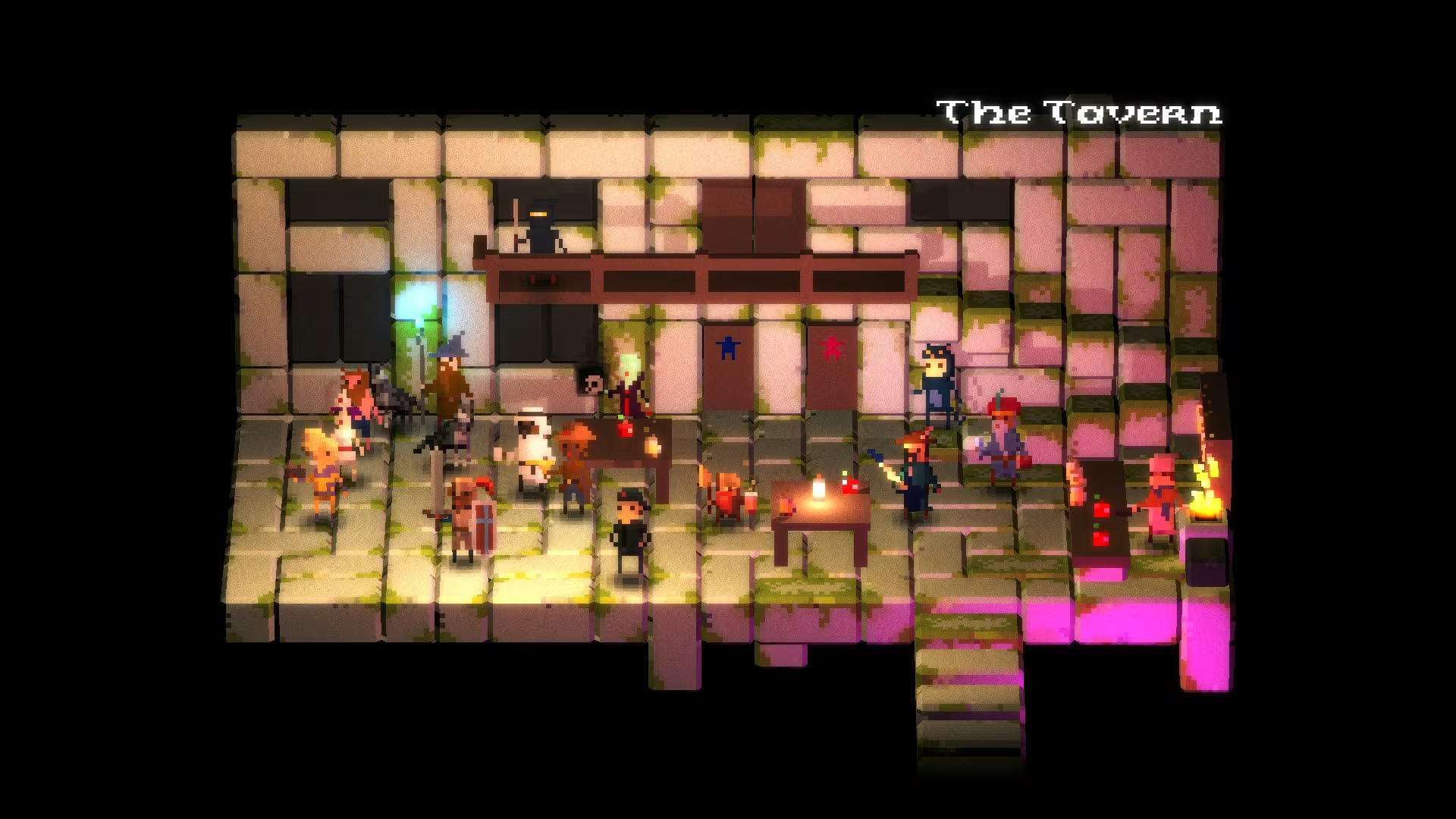
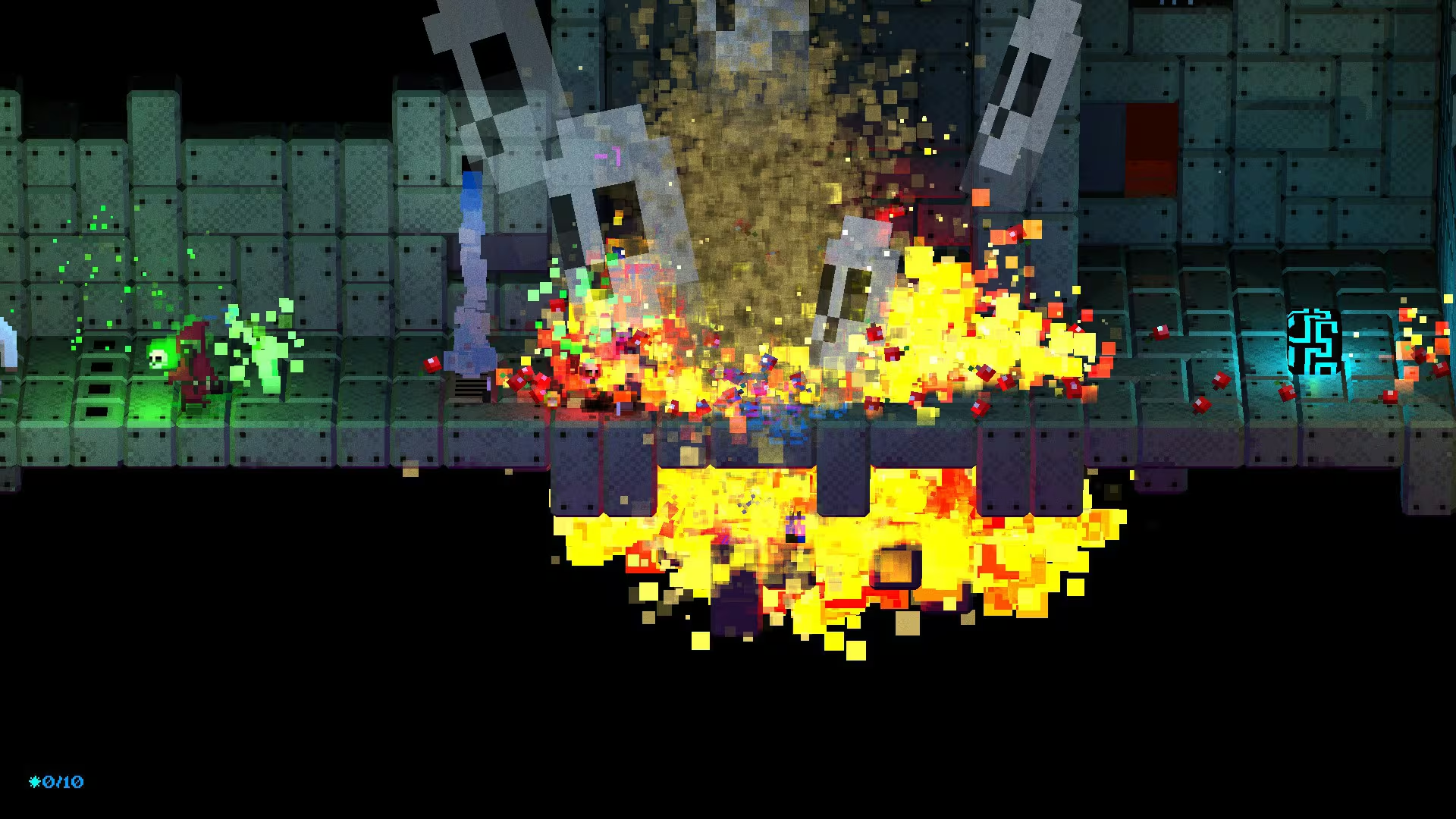
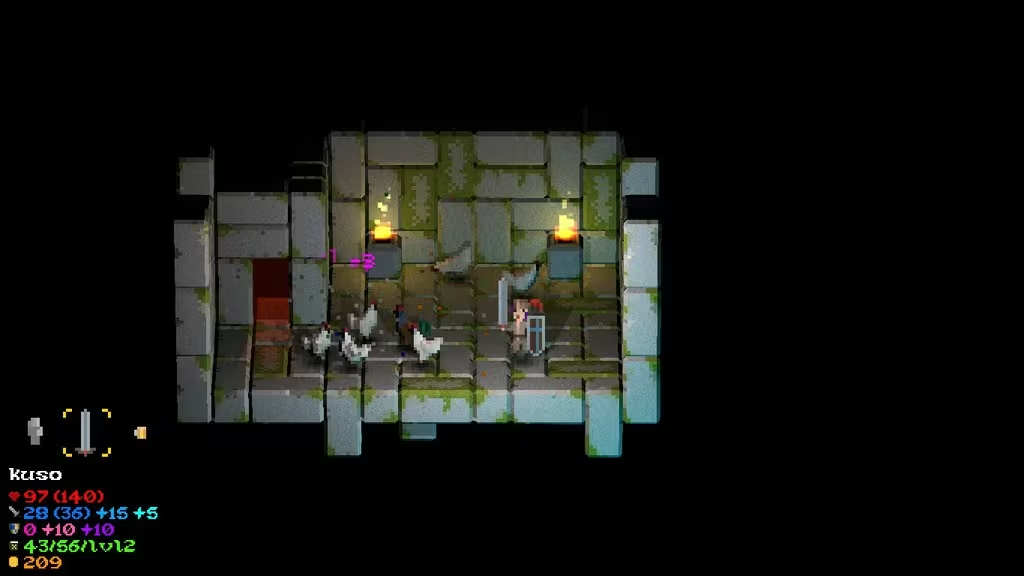
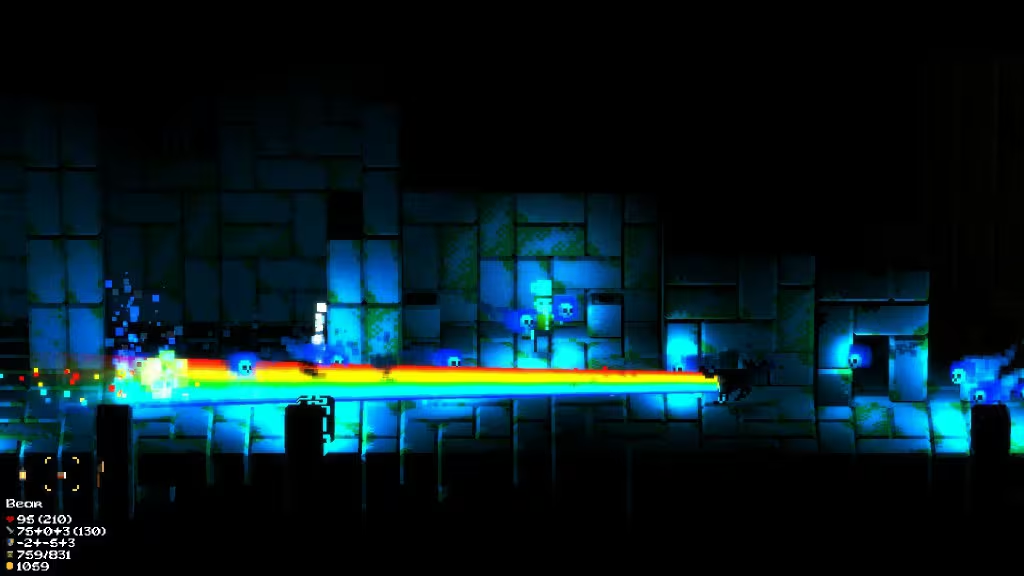
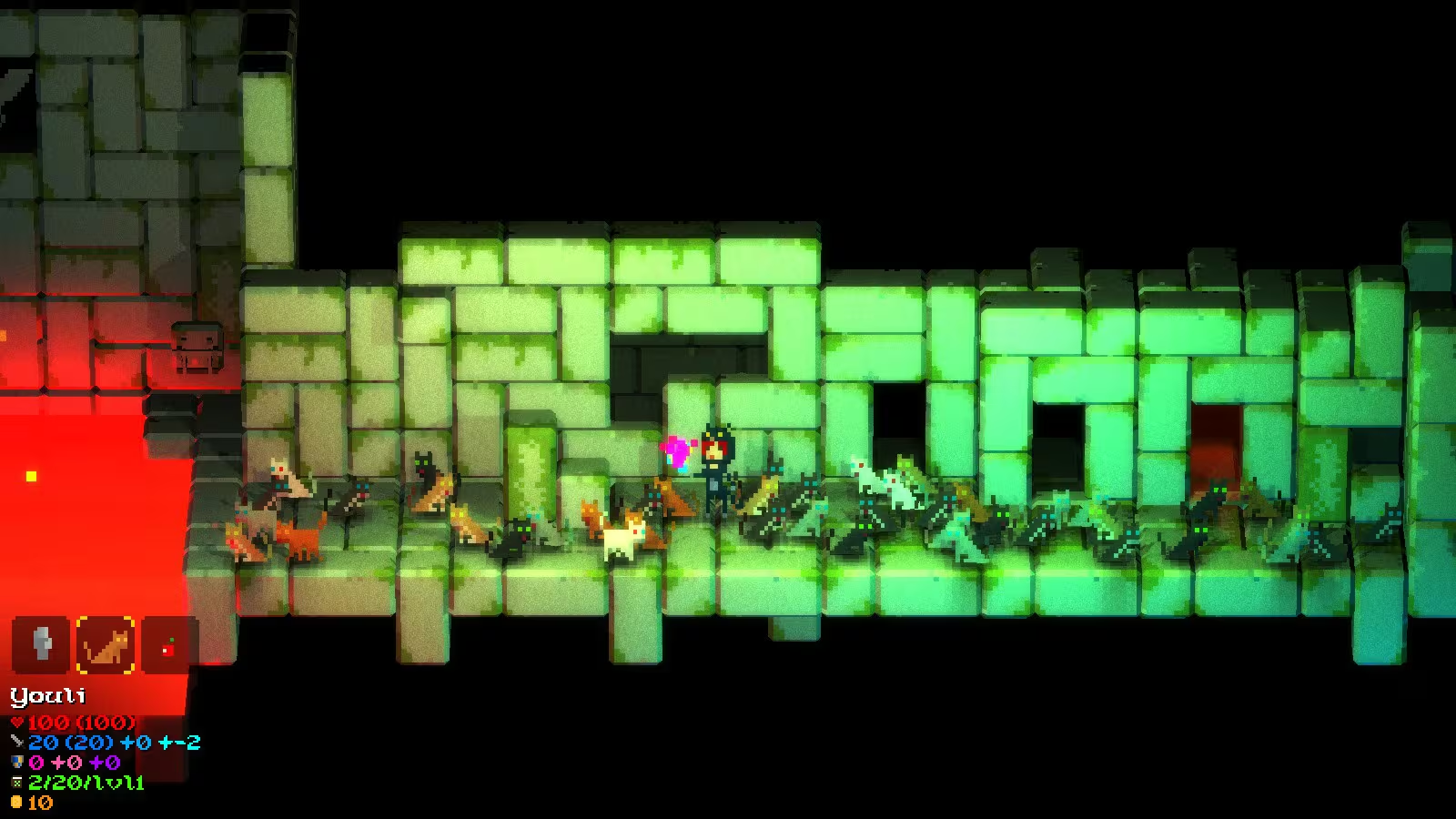
Legend of Dungeon is a randomly generated action RPG Beat'em'up with heavy Rogue-like elements, striking visuals, and dynamic music.

Global score

73/100

Genres

Action, Indie, Role-playing (RPG), Adventure

Similar games

    Pros

    • High replayability with random dungeons and items
    • Challenging and skill-based combat
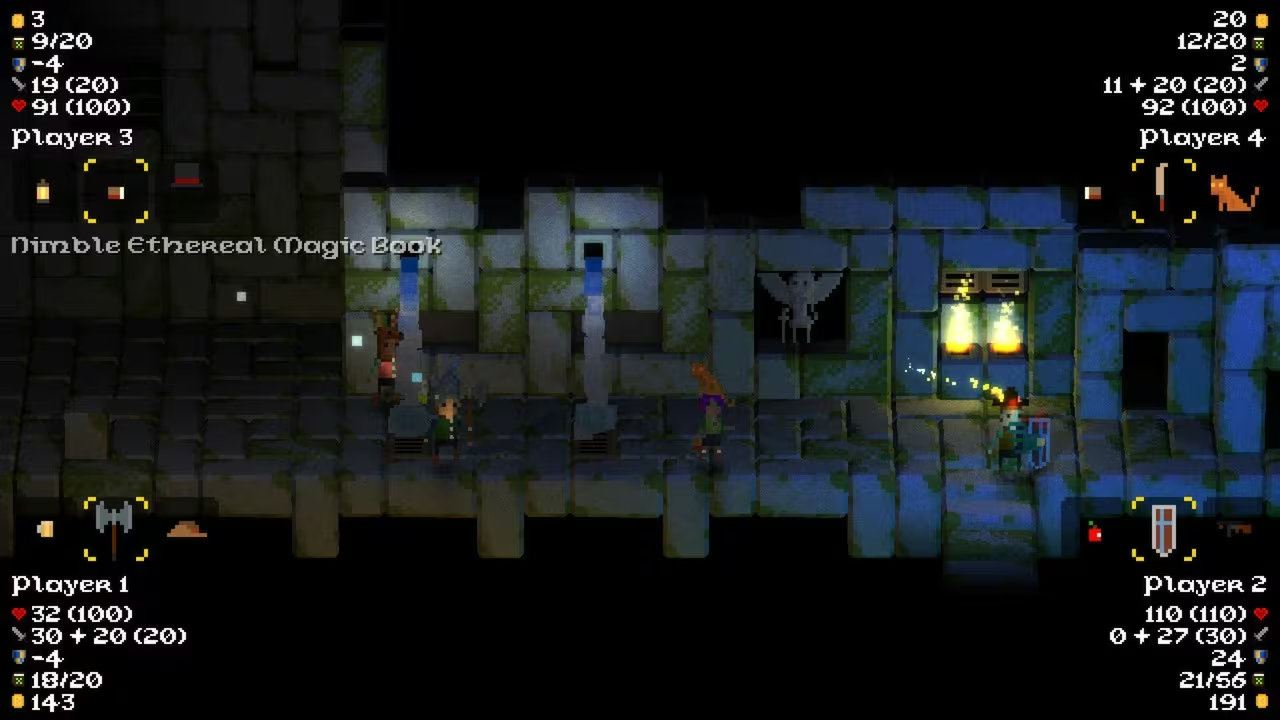
    • Local multiplayer co-op for up to 4 players
    • Unique and colorful pixel art with dynamic lighting
    • Engaging and humorous fantasy setting

    Cons

    • No online multiplayer
    • Lack of save feature initially (now partially added)
    • Inventory management can be clunky
    • Some players find combat timing difficult
    • Randomness can cause uneven difficulty spikes

    Analysis

    A very typical example of its motivational profile. Motivations that often define this kind of title include Cooperation, Fellowship, Intimacy, Leadership. Here, the score leans higher than usual among comparable games on Status, Competition. It leans lower than usual among comparable games on Story.

    How to use the graph
    Similar games map

    Each dot is a game. They are arranged from the same motivation profile as in the “Motivations” section below. Closer dots usually mean more similar reasons to play (exploration, competition, relaxation, etc.)—not that one game is “better” than another.

    • Larger dot with a light outline: the game you are viewing.
    • Colour: groups of games with comparable motivation patterns (statistical clusters).
    • Hover a dot to see the game name; click to open its page.
    • Scroll or double-click the chart to zoom out and see more games.

    Why don’t the axes read like a score? This view uses t-SNE: it only keeps who is close to whom. The scales are not “good to bad” or hours played—they separate groups on the map. Read distance between dots, not the axis numbers.

    Motivations

    • Autonomy
      4

      "Players have freedom to choose characters, weapons, spells, and play style; random generation encourages adaptive decision-making."

    • Competence
      4

      "Challenging gameplay with skill-based combat and progression; players improve through repeated runs and learning enemy patterns."

    • Competition
      2

      "Includes online leaderboards and daily runs encouraging score comparison, but many players focus on personal progress."

    • Continuation
      4

      "High replayability with randomized dungeons and items; players report addictive gameplay and long sessions."

    • Cooperation
      3

      "Supports local multiplayer co-op for up to 4 players, fostering teamwork and shared goals; no online multiplayer yet."

    • Creativity
      3

      "Players experiment with diverse weapons, spells, pets, and hats; some customization of appearance and playstyle."

    • Domination
      -3

      "Gameplay emphasizes shared challenge and cooperation rather than exerting control or superiority over others."

    • Escapism
      4

      "Players use the game as a fun, immersive distraction with colorful worlds and engaging challenges."

    • Expectation
      -4

      "Players engage voluntarily for fun and challenge, with no reported obligation or pressure to play."

    • Experimenting
      4

      "Strong encouragement to try new items, spells, and strategies due to randomization and variety."

    • Exploration
      4

      "Randomly generated dungeons and secret areas promote discovery and curiosity-driven play."

    • Expression
      3

      "Players can customize appearance via hats and character selection; some self-expression through gear choices."

    • Fantasy
      4

      "Imaginative fantasy setting with magic, monsters, and whimsical elements like laser-eyed cats."

    • Fellowship
      3

      "Local co-op and shared experiences build community feeling; some online leaderboard social aspects."

    • Growth
      4

      "Players develop skills, unlock classes, and learn game mechanics through repeated play and experimentation."

    • Health
      -4

      "Primarily sedentary gameplay with no physical activity elements."

    • Idle
      -3

      "Requires focused attention and continuous engagement during runs; not a casual idle experience."

    • Intimacy
      1

      "Some social interaction in local co-op but limited emotional sharing or close relationship formation."

    • Leadership
      -2

      "Players mostly participate equally in co-op without strong leadership or authoritative roles."

    • Progression
      4

      "Strong item collection, leveling, and unlocking of classes and pets drive progression."

    • Relaxation
      1

      "Game is challenging and tense at times but also provides flow and fun moments."

    • Sensation
      3

      "Colorful visuals, dynamic lighting, and sound effects provide stimulating sensory experience."

    • Status
      2

      "Leaderboards and rankings provide recognition; some players value social status in scores."

    • Story
      -3

      "Minimal narrative focus; gameplay centers on dungeon crawling and loot rather than story immersion."

    • Strategy
      3

      "Players must plan combat tactics, item use, and navigation to survive and progress."

    • Thrill
      3

      "Permadeath, random events, and challenging enemies create suspense and excitement."

    • Value
      4

      "Players report high value for price due to replayability and content."

    • Violence
      3

      "Combat and defeating monsters are core gameplay elements; violence is stylized and cartoonish."

    • Survival
      4

      "Players must manage health, avoid threats, and survive increasingly difficult dungeon levels."

    Last update: 29/04/2026