Merchant Thumbnail

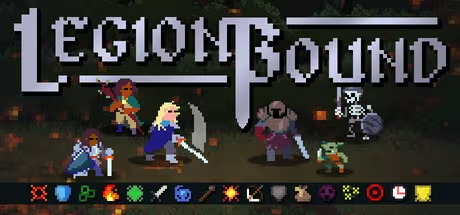
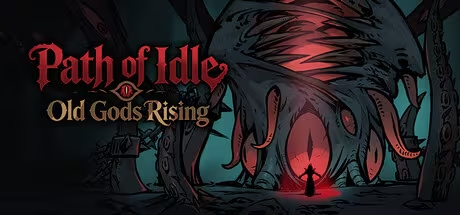
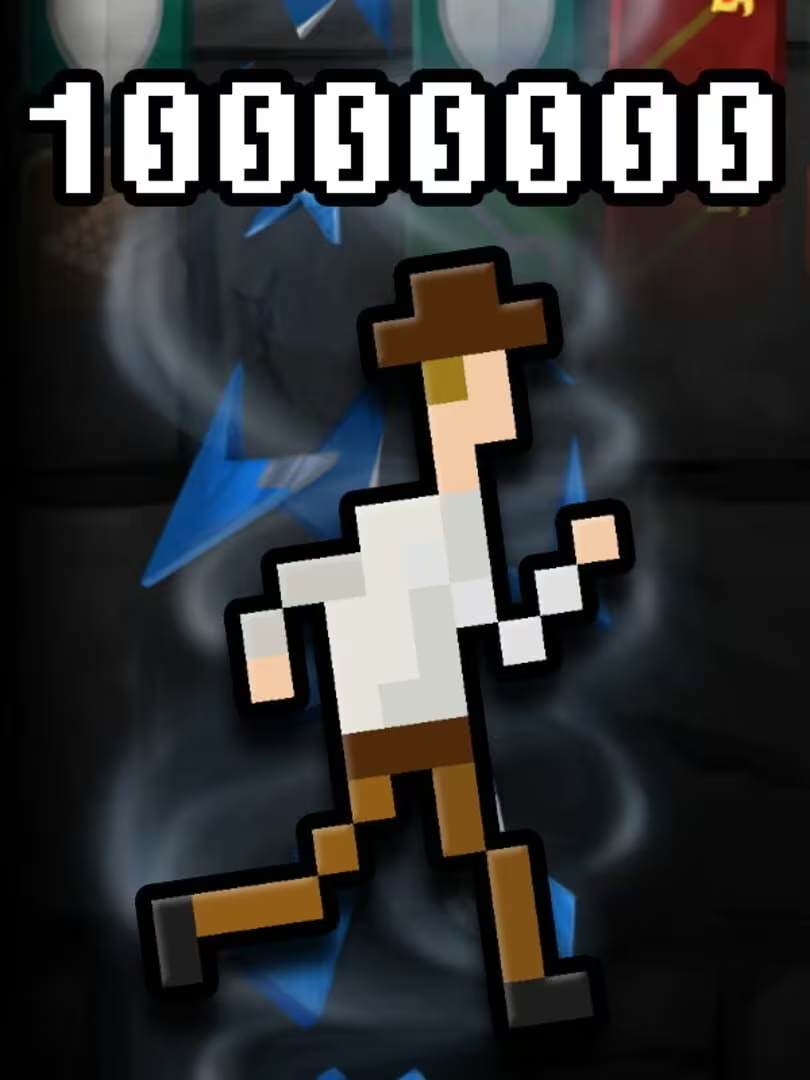
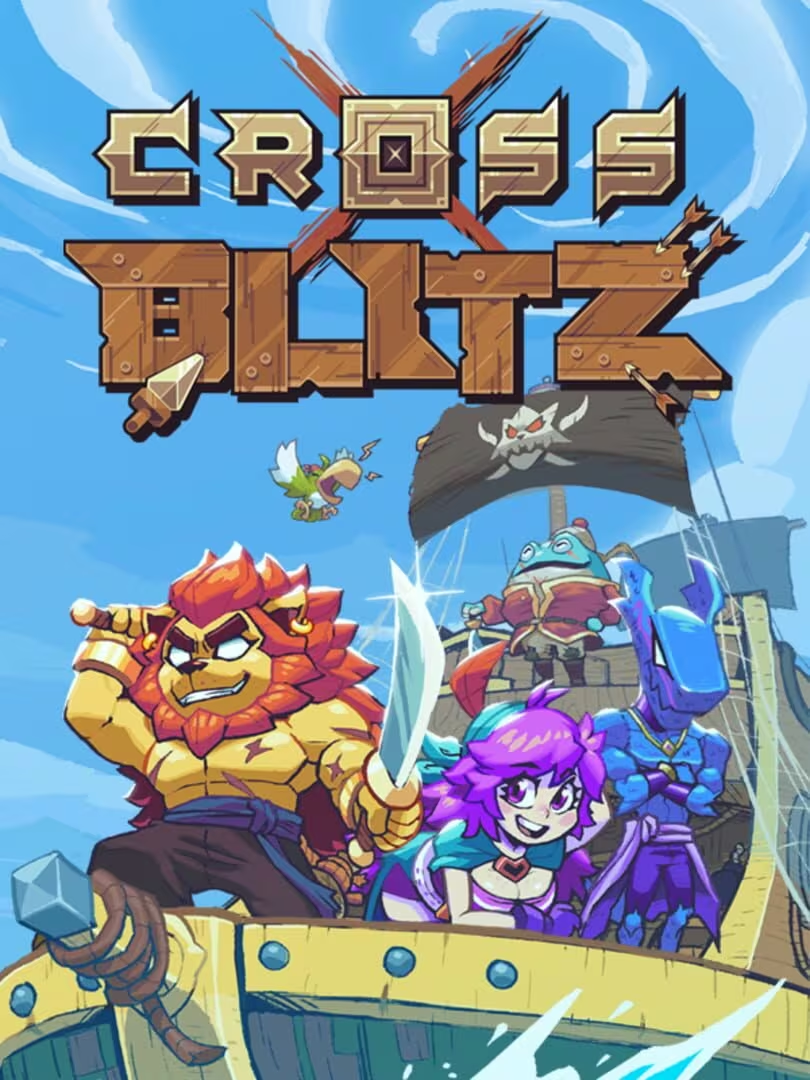
Merchant similar games & best alternatives
Merchant

PC (Microsoft Windows), iOS, Android • 2018

Related articles

Quick resume

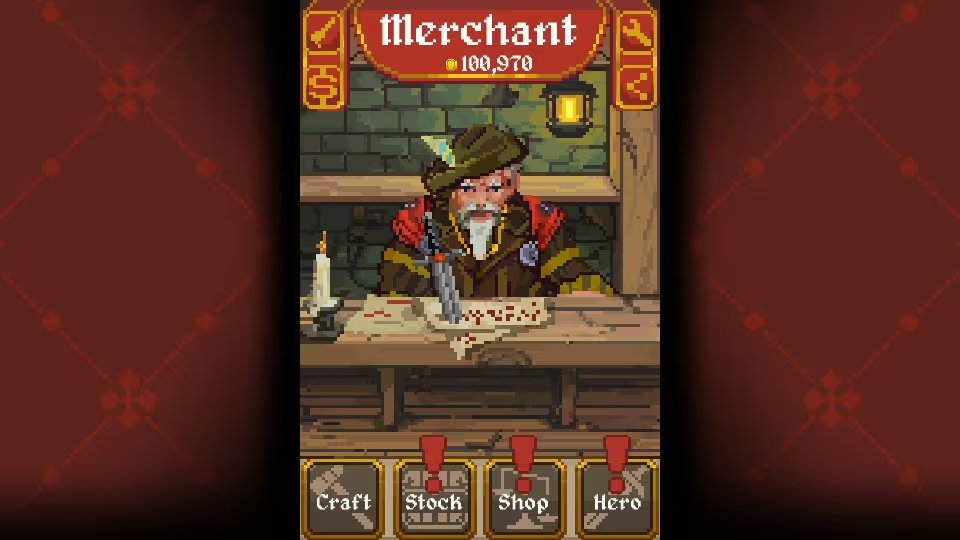
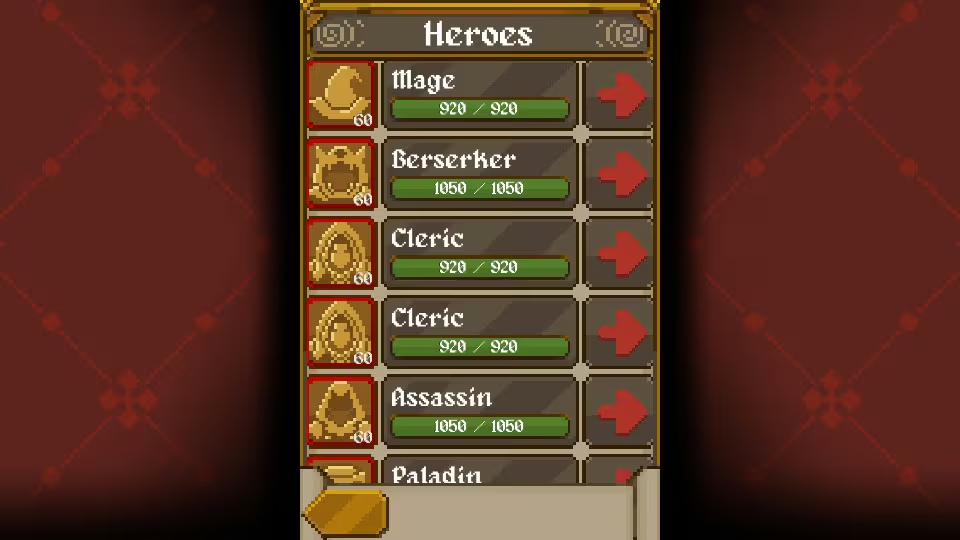
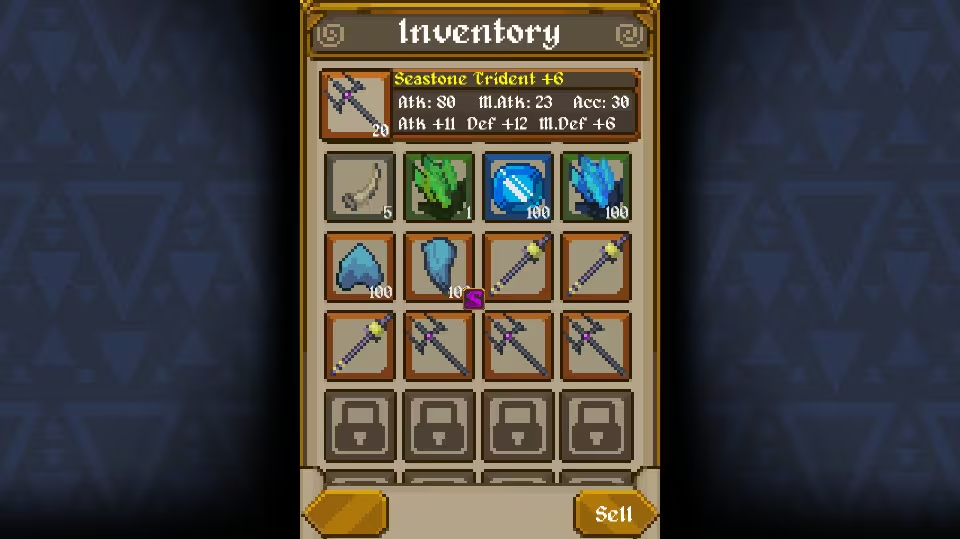
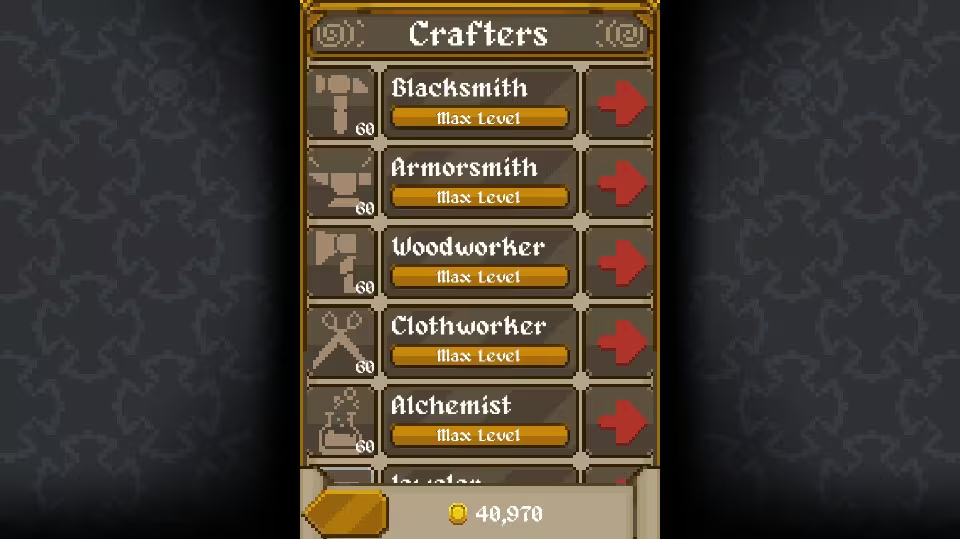
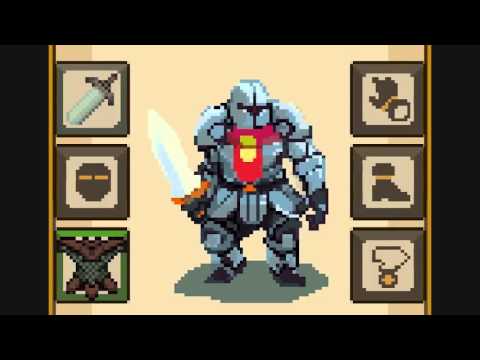
Merchant blends traditional RPG systems and tycoon style mechanics. No gems, no consumables, all purchases are DLC! Great for second screen gaming! Merchant reimagines the classic RPG experience from the perspective of a Merchant. Hire Heroes and Crafters to do your bidding for you.

Global score

78/100

Genres

Casual, Role-playing (RPG), Simulator, Free To Play, Indie

Similar games

    Pros

    • Addictive and engaging gameplay loop
    • Cross-platform cloud save between mobile and pc
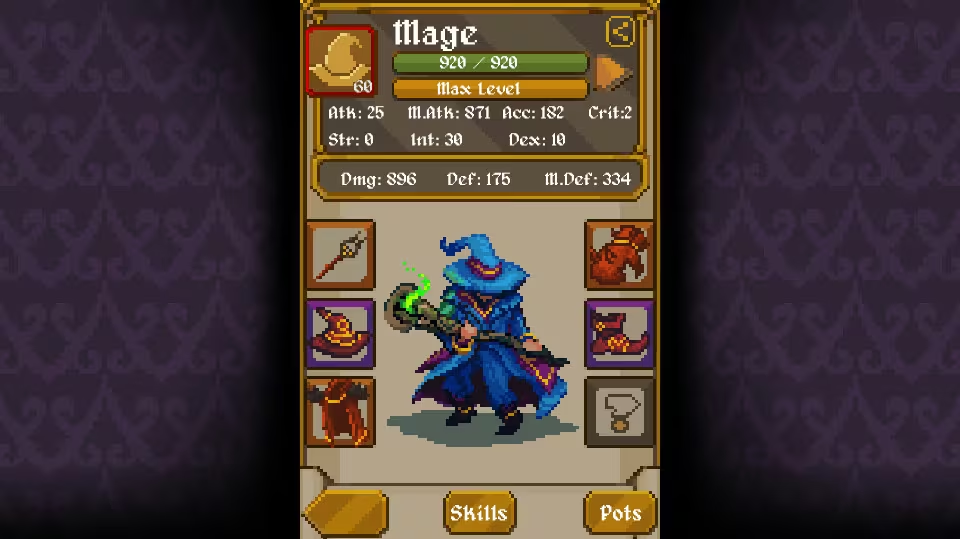
    • Deep crafting and hero customization systems
    • Free to play with fair dlc pricing
    • Active and supportive developer community

    Cons

    • Small fixed window size on pc port
    • Repetitive grind and long wait times
    • Limited automation options
    • Minimal narrative or story content
    • Ui and quality-of-life features lacking on pc

    Analysis

    A very typical example of its motivational profile. Motivations that often define this kind of title include Idle, Thrill, Violence, Survival. Here, the score leans higher than usual among comparable games on Leadership, Violence, Fantasy.

    How to use the graph
    Similar games map

    Each dot is a game. They are arranged from the same motivation profile as in the “Motivations” section below. Closer dots usually mean more similar reasons to play (exploration, competition, relaxation, etc.)—not that one game is “better” than another.

    • Larger dot with a light outline: the game you are viewing.
    • Colour: groups of games with comparable motivation patterns (statistical clusters).
    • Hover a dot to see the game name; click to open its page.
    • Scroll or double-click the chart to zoom out and see more games.

    Why don’t the axes read like a score? This view uses t-SNE: it only keeps who is close to whom. The scales are not “good to bad” or hours played—they separate groups on the map. Read distance between dots, not the axis numbers.

    Motivations

    • Autonomy
      4

      "Players have control over hiring heroes, choosing quests, crafting items, and managing shop sales, allowing personal strategic decisions."

    • Competence
      3

      "The game involves skillful planning of party composition, crafting, and resource management with feedback through progression and battle outcomes."

    • Competition
      -3

      "Focus is on personal progression and management without direct player-vs-player competition or leaderboards."

    • Continuation
      5

      "Highly addictive with many players reporting long play sessions and habitual engagement over years."

    • Cooperation
      -4

      "Gameplay centers on individual management of heroes and shop; no multiplayer cooperation elements reported."

    • Creativity
      3

      "Players customize hero equipment, skill builds, and crafting choices, allowing creative strategic expression."

    • Domination
      -5

      "No evidence of exerting control over other players; interactions are single-player focused and equal."

    • Escapism
      4

      "Players use the game as a relaxing distraction and time-killer, often playing while doing other tasks."

    • Expectation
      -4

      "Engagement is voluntary and driven by intrinsic interest and enjoyment rather than obligation."

    • Experimenting
      3

      "Players experiment with different hero classes, equipment, crafting, and strategies to optimize progress."

    • Exploration
      2

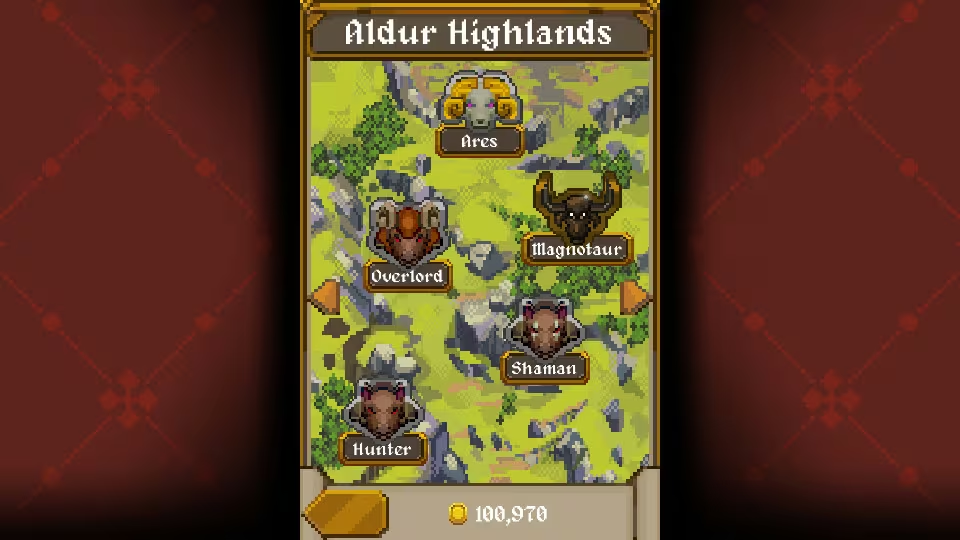
      "Progression through multiple zones and discovery of new items and bosses encourages some exploration."

    • Expression
      2

      "Limited cosmetic customization but some self-expression through hero naming and equipment choices."

    • Fantasy
      4

      "Set in a medieval fantasy world with heroes, monsters, magic, and crafting, providing an imaginative experience."

    • Fellowship
      -4

      "Minimal social interaction; community exists but gameplay is primarily solo."

    • Growth
      4

      "Strong emphasis on leveling heroes, unlocking skills, crafting better gear, and personal development."

    • Health
      -5

      "Sedentary gameplay typical of idle/clicker games with no physical activity involved."

    • Idle
      4

      "Game supports idle play with long quest timers and intermittent active management."

    • Intimacy
      -5

      "No close relationships or emotional social interactions reported."

    • Leadership
      3

      "Players lead and manage a team of heroes and crafters, making strategic decisions."

    • Progression
      5

      "Core gameplay revolves around accumulating items, upgrading heroes, and unlocking new content."

    • Relaxation
      3

      "Many players find the game relaxing and suitable for background play, though some find grind tedious."

    • Sensation
      1

      "Pixel art and music provide modest sensory enjoyment but no intense sensory stimulation."

    • Status
      -4

      "Achievements exist but social recognition or visibility is minimal and not a focus."

    • Story
      -3

      "No significant narrative or plot; gameplay is context-light and focused on mechanics."

    • Strategy
      4

      "Requires planning party composition, crafting, and resource allocation to succeed."

    • Thrill
      -2

      "Gameplay is low risk and predictable; lacks suspense or high tension moments."

    • Value
      4

      "Free to play with optional DLCs; players report good value and fair monetization."

    • Violence
      2

      "Combat is present but indirect; players set up heroes for battles rather than direct fighting."

    • Survival
      1

      "Some resource management and hero health monitoring, but overall low threat environment."

    Last update: 29/04/2026