Nevermind Thumbnail

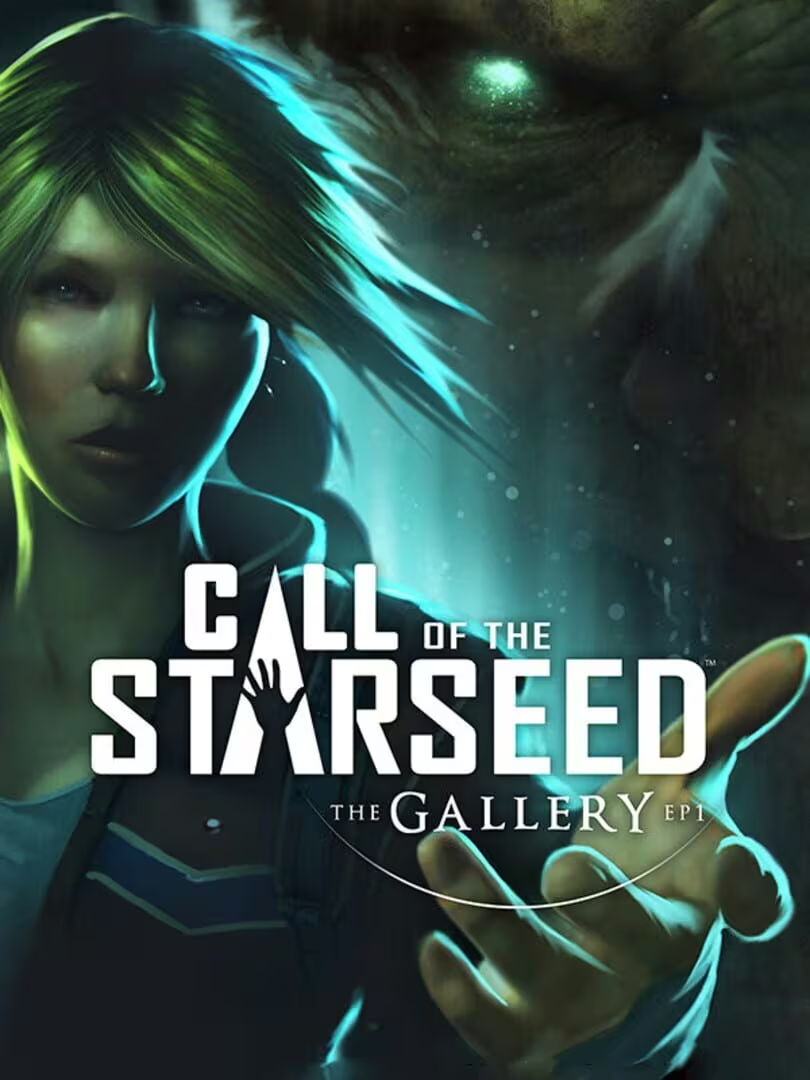
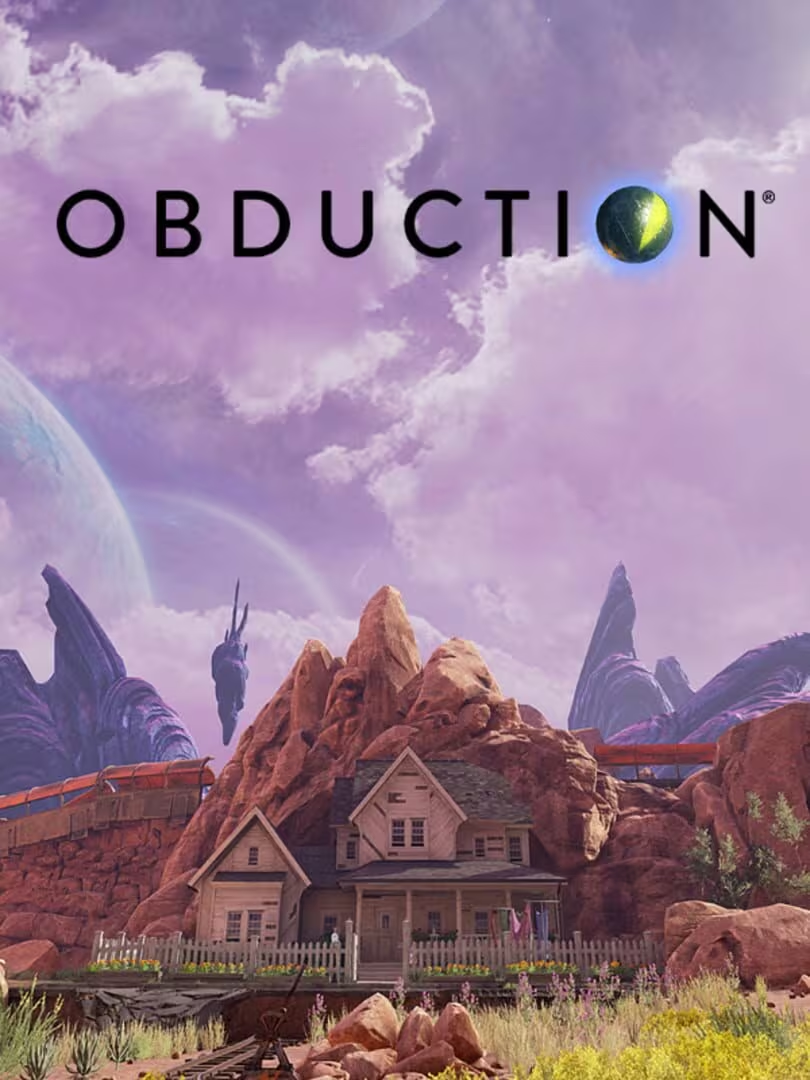
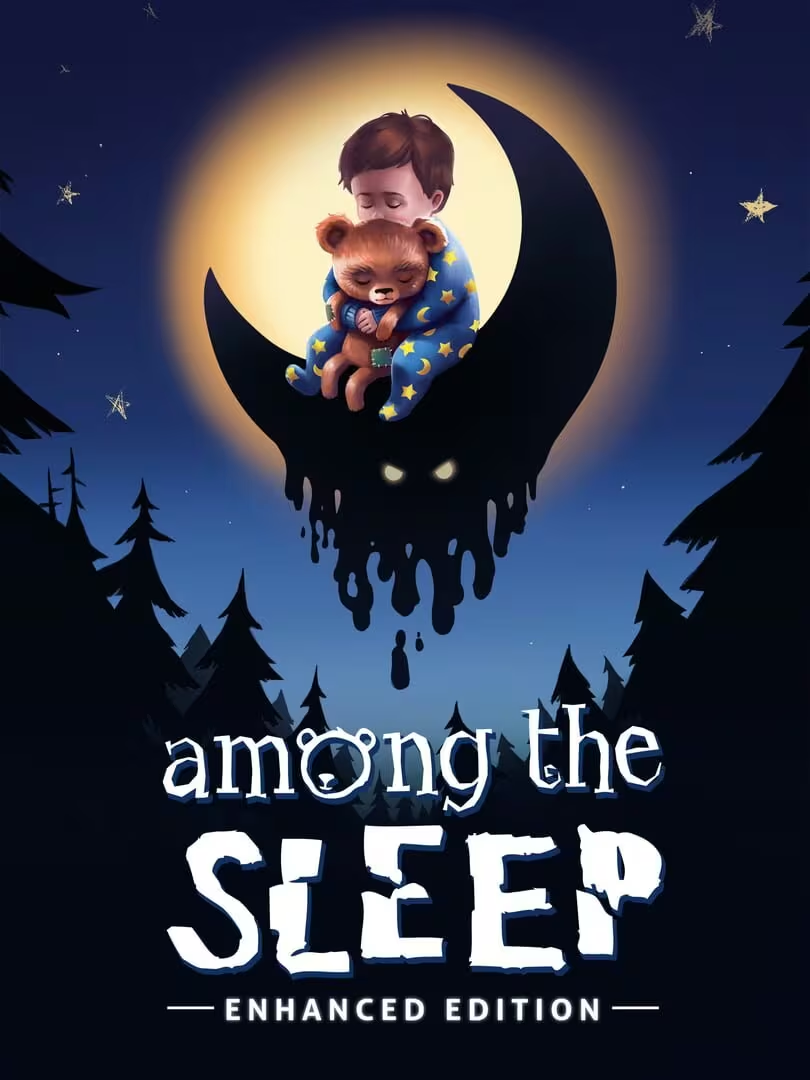
Nevermind similar games & best alternatives
Nevermind

PC (Microsoft Windows) • 2015

Related articles

Quick resume

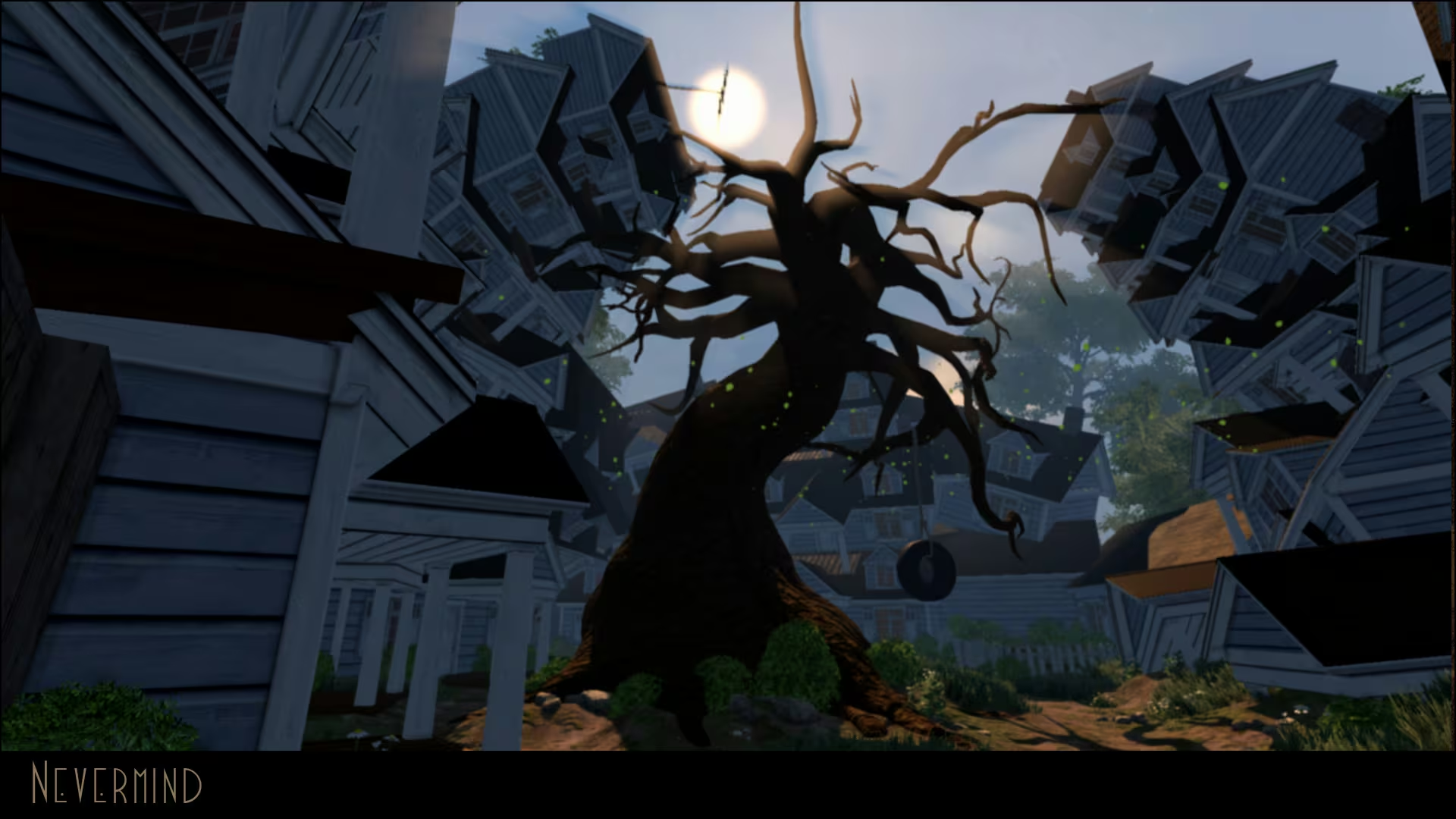
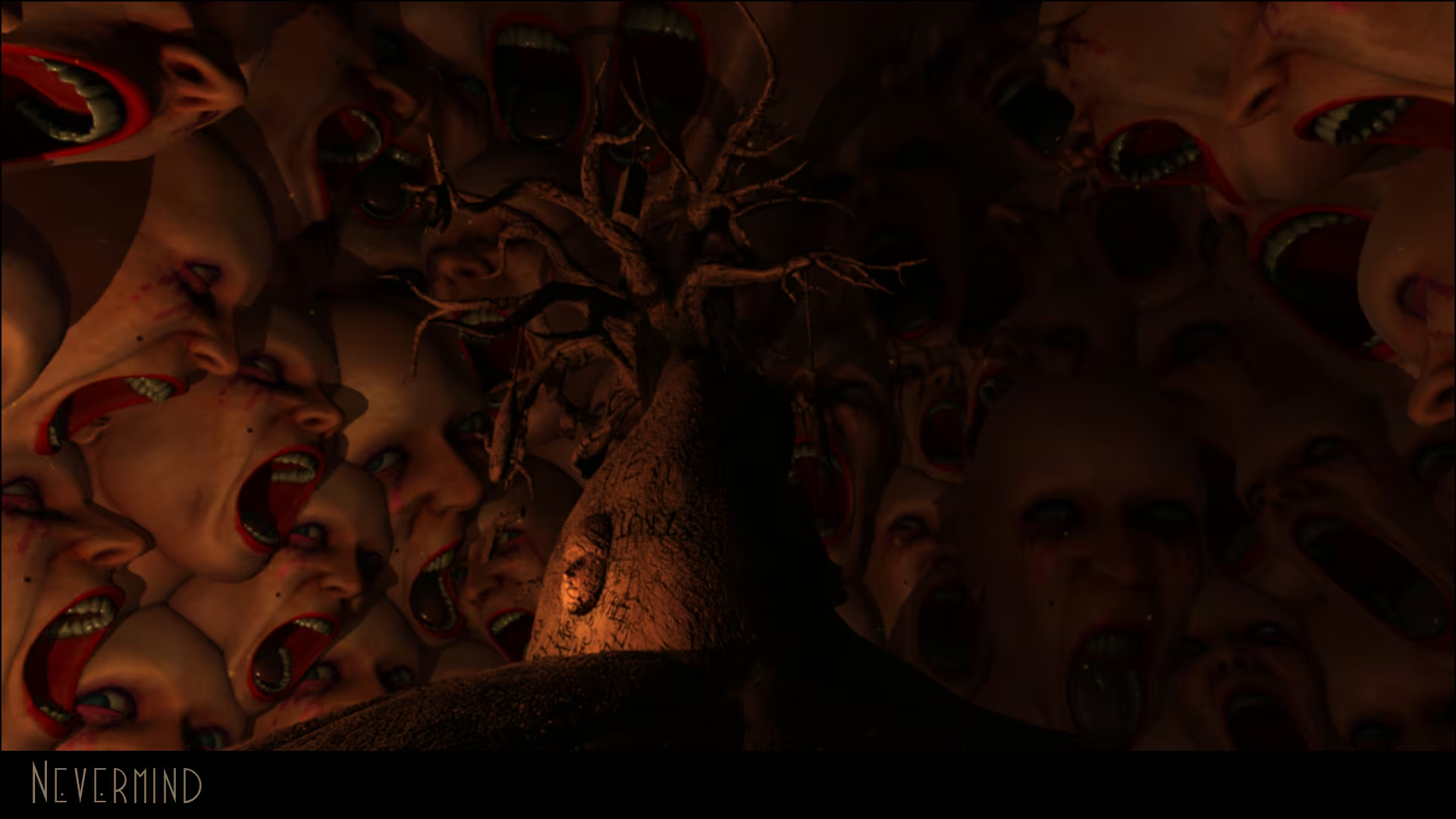
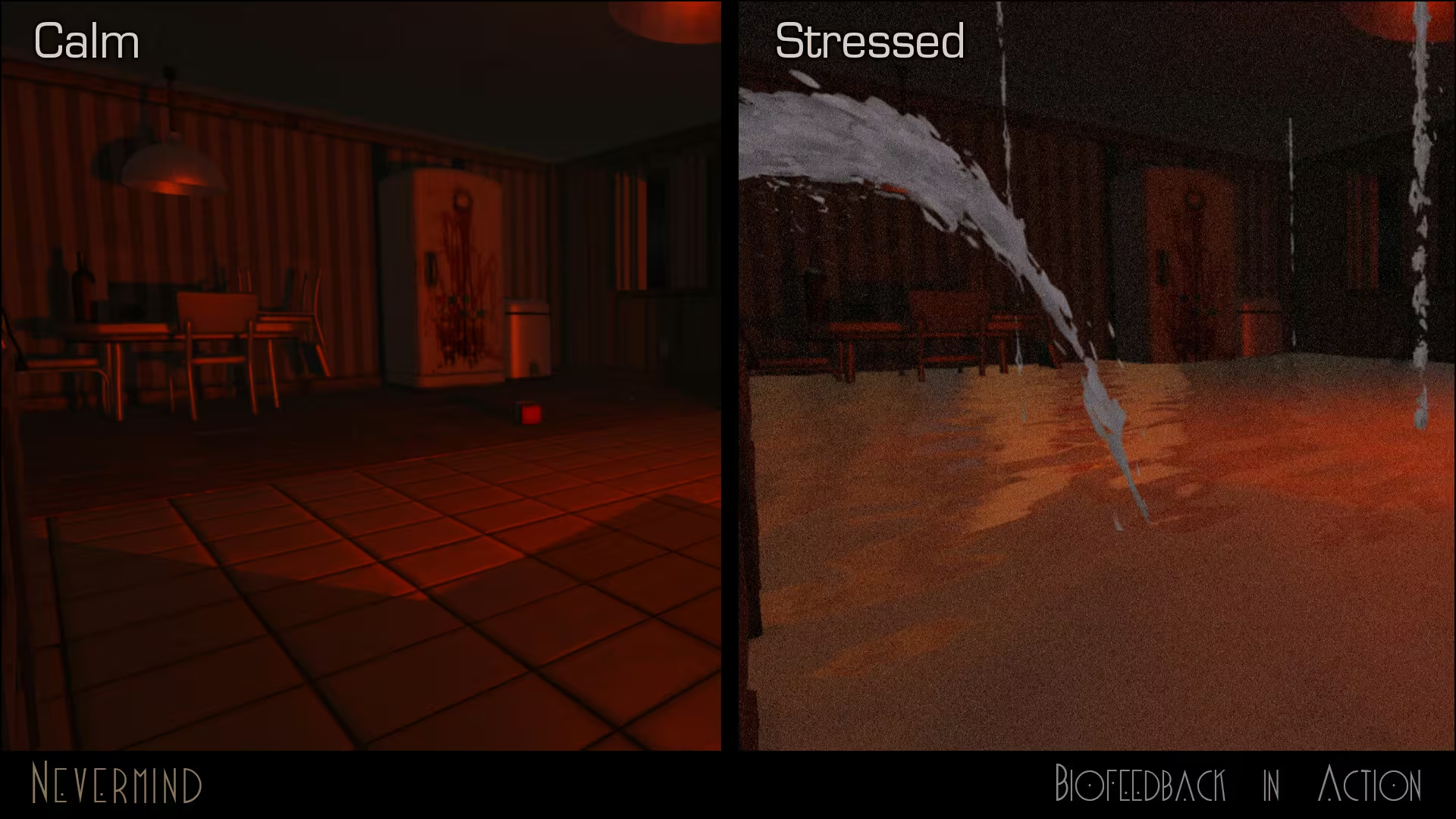
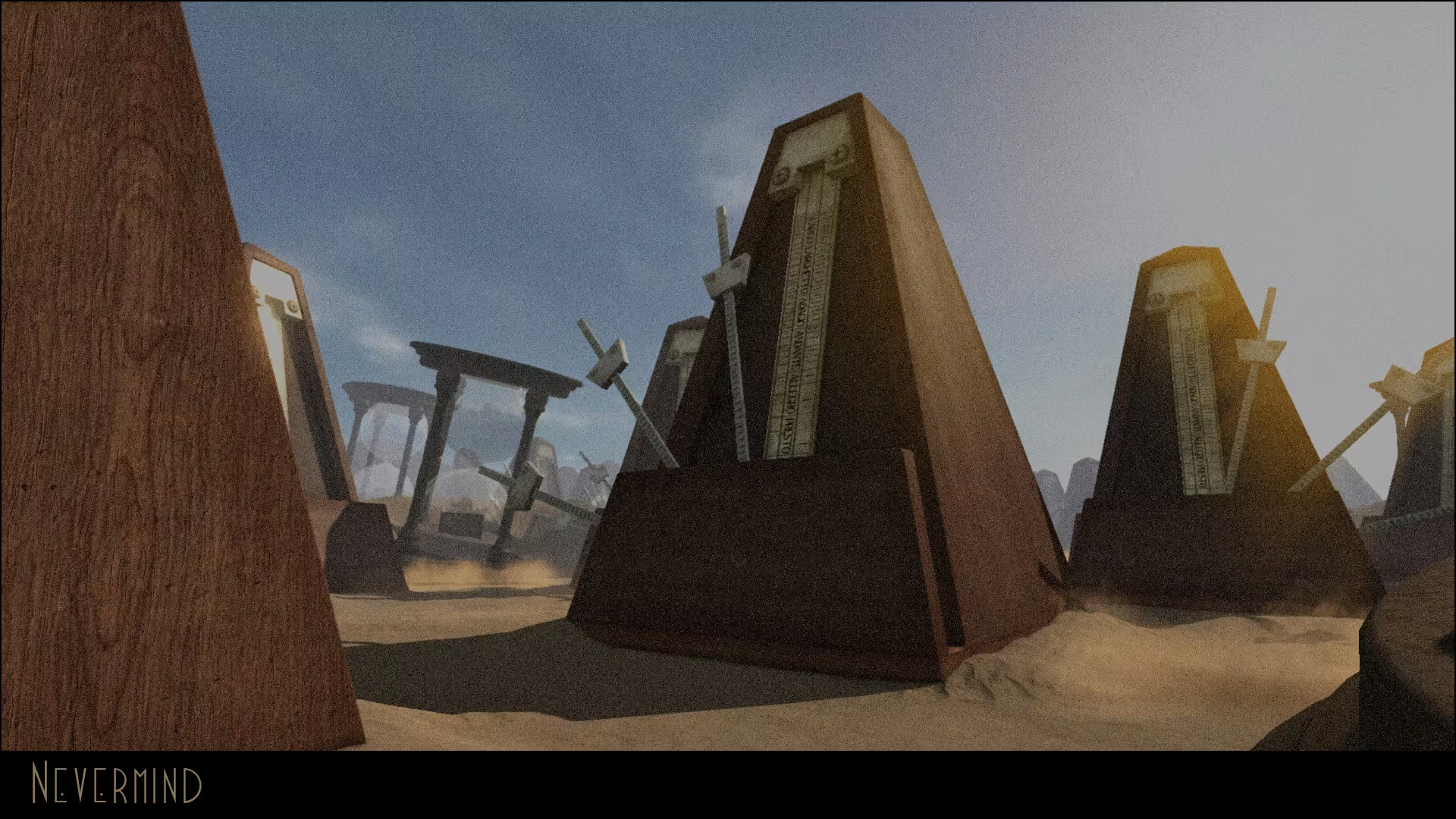
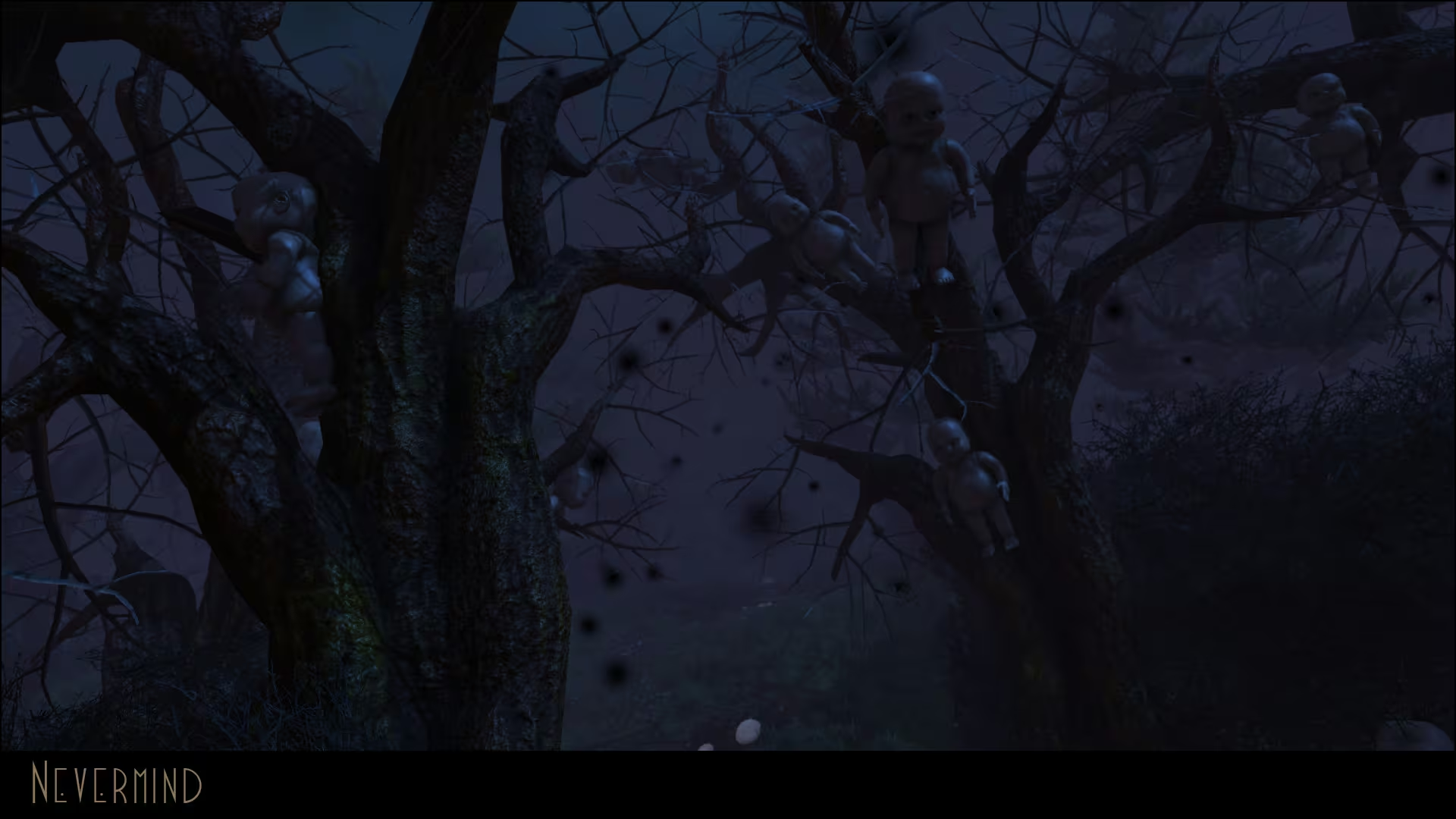
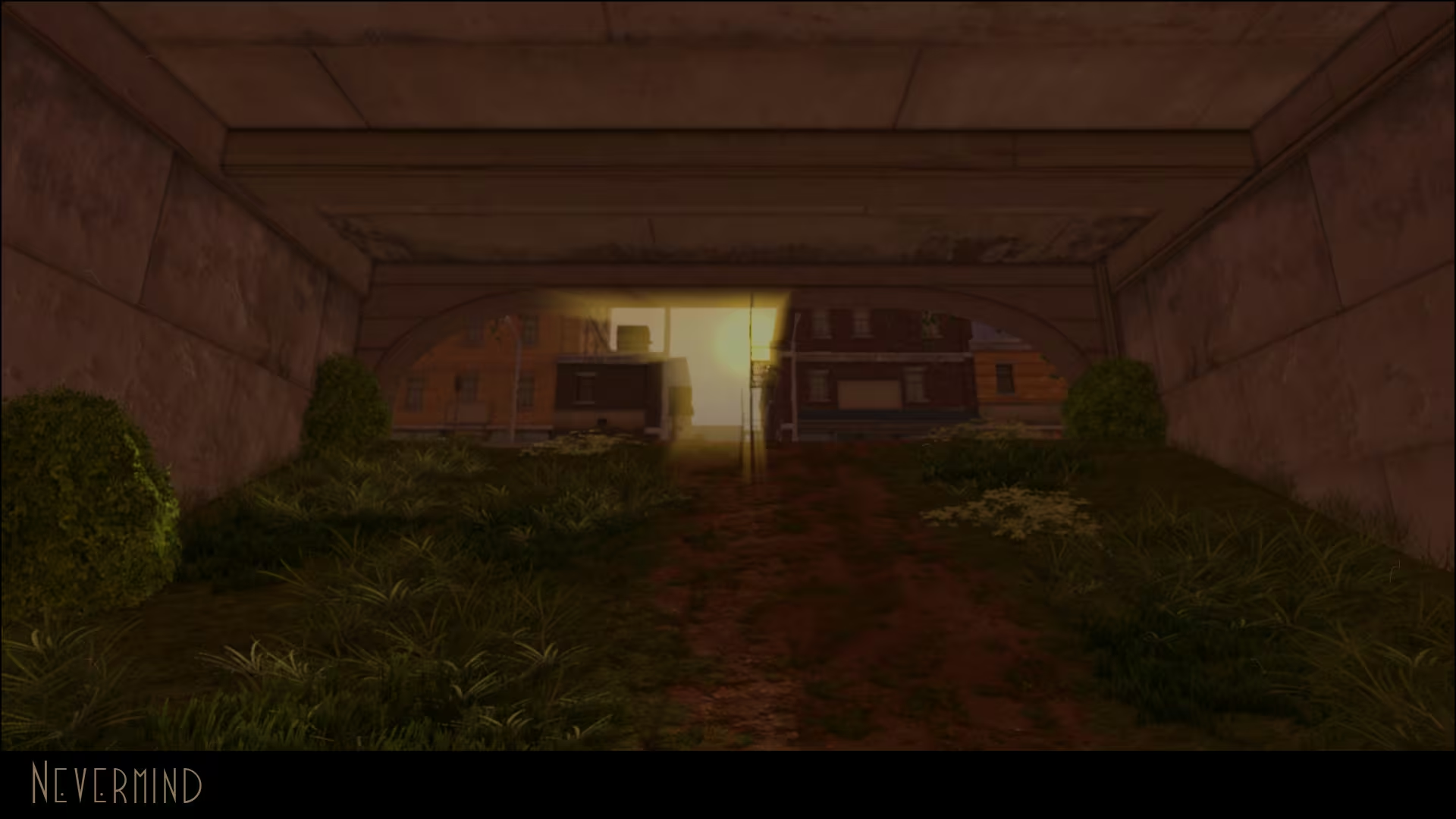
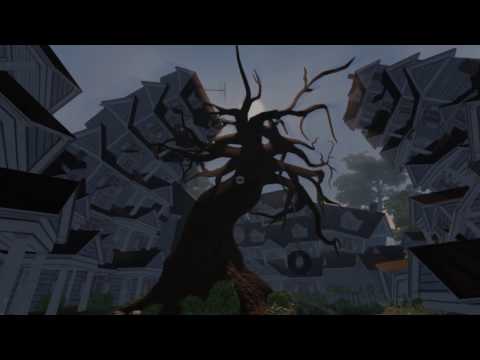
Nevermind ushers you into dark and surreal worlds within the minds of trauma patients. When played with supported biofeedback technology, Nevermind picks up on indications of fear—lashing out if you allow your feelings of anxiety to get the better of you.

Global score

78/100

Genres

Adventure, Indie

Pros

  • Unique psychological horror concept
  • Immersive surreal environments
  • Thought-provoking narrative
  • Innovative biofeedback integration
  • High-quality voice acting and soundtrack

Cons

  • Limited content and short gameplay
  • Some puzzles are simplistic or unintuitive
  • Biofeedback feature not accessible to all
  • Slow movement and occasional motion sickness
  • Lack of replay value beyond achievements

Motivations

  • Autonomy
    4

    "Players explore patients' subconscious minds freely, solving puzzles and piecing memories with some personal interpretation."

  • Competence
    3

    "Puzzle solving and memory ordering require skill and thought, though some puzzles are simple or trial-and-error."

  • Competition
    -5

    "No competitive elements; focus is on individual experience and personal progress."

  • Continuation
    -2

    "Short game with limited content; some players replay for achievements but overall limited habitual play."

  • Cooperation
    -5

    "Single-player experience with no cooperative gameplay."

  • Creativity
    5

    "Highly creative surreal environments and unique psychological horror concept."

  • Domination
    -5

    "No elements of exerting control or superiority over others."

  • Escapism
    4

    "Immerses players in abstract subconscious worlds to escape and explore psychological trauma."

  • Expectation
    -4

    "Players engage voluntarily out of interest in psychological themes and unique gameplay."

  • Experimenting
    3

    "Players explore and interpret abstract environments and puzzles, encouraging experimentation."

  • Exploration
    4

    "Exploration of surreal, symbolic subconscious landscapes is core to gameplay."

  • Expression
    -3

    "Limited customization; focus is on narrative and environment rather than player self-expression."

  • Fantasy
    3

    "Surreal and abstract representations of trauma create imaginative, fictionalized experiences."

  • Fellowship
    -5

    "No social or community features; solitary experience."

  • Growth
    3

    "Players develop understanding of trauma and improve puzzle-solving skills."

  • Health
    1

    "Biofeedback elements encourage emotional regulation but physical activity is minimal."

  • Idle
    -3

    "Requires focused attention to puzzles and story; not a casual or background game."

  • Intimacy
    -4

    "Limited social interaction; emotional engagement is with game content, not other players."

  • Leadership
    -5

    "No leadership or group management elements."

  • Progression
    3

    "Progression through unlocking memories and completing cases."

  • Relaxation
    1

    "Atmospheric and immersive but can induce tension and discomfort due to psychological themes."

  • Sensation
    3

    "Strong sensory stimulation through visuals, sound, and unsettling atmosphere."

  • Status
    -5

    "No social status or recognition systems."

  • Story
    5

    "Narrative-driven with deep psychological stories for each patient."

  • Strategy
    2

    "Puzzle solving involves some planning and reasoning but is generally straightforward."

  • Thrill
    2

    "Psychological tension and suspense replace traditional horror thrills."

  • Value
    -2

    "Criticized for short length and limited content relative to price."

  • Violence
    -5

    "Focus on healing and understanding trauma rather than violence or destruction."

  • Survival
    -4

    "No survival mechanics; stable environments with psychological challenges."

Similar games

    Last update: 06/03/2026