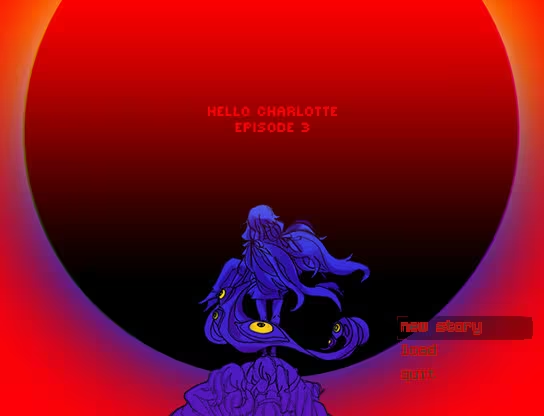
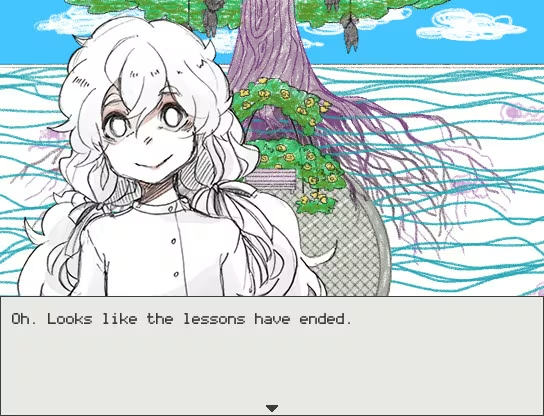
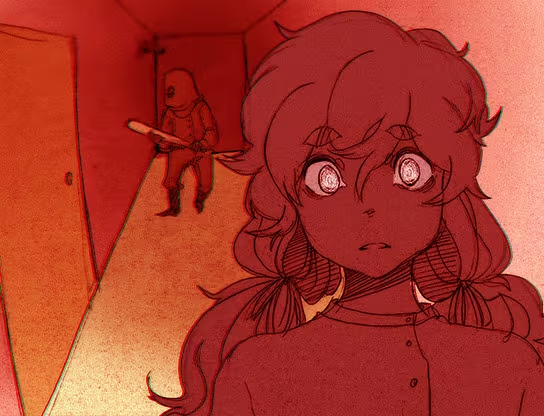
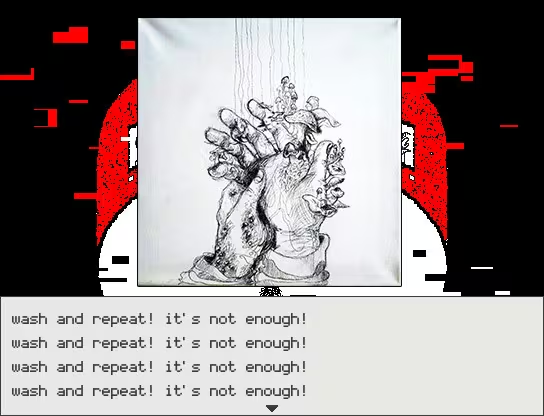
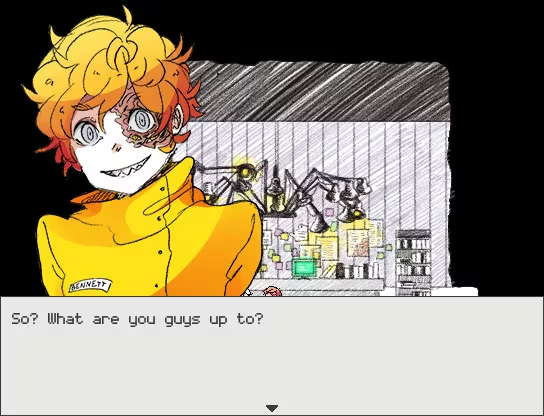
Hello Charlotte EP3: Childhood's End Thumbnail

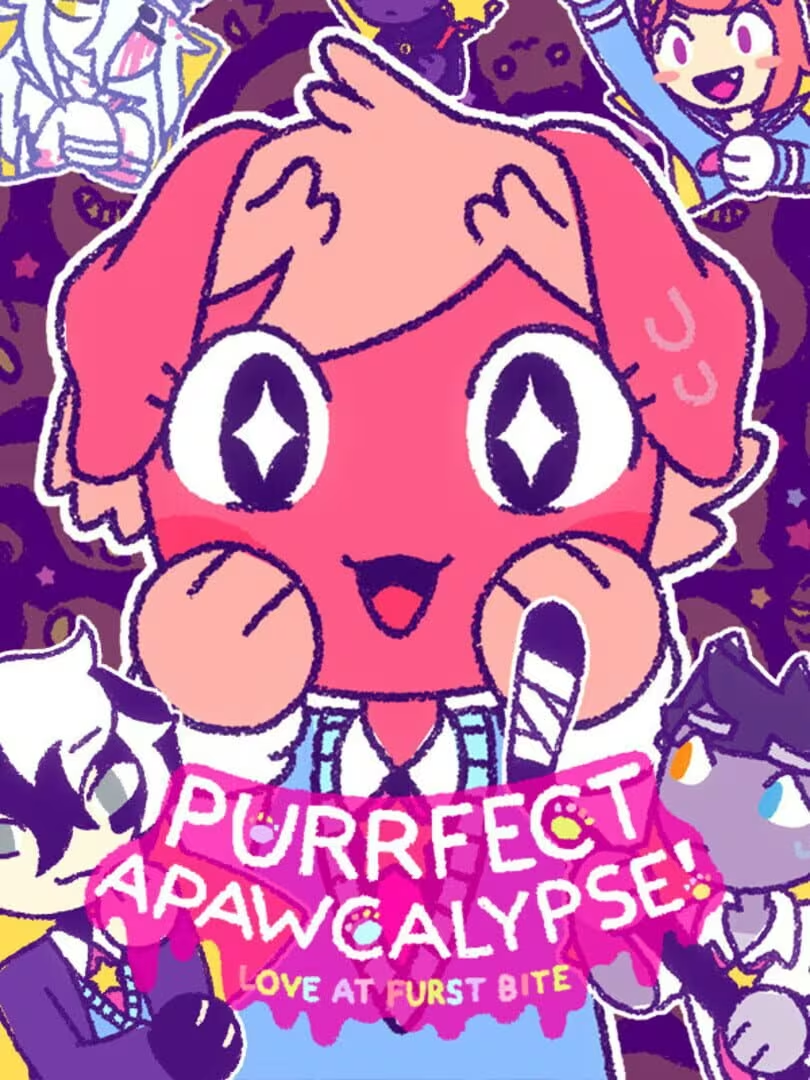
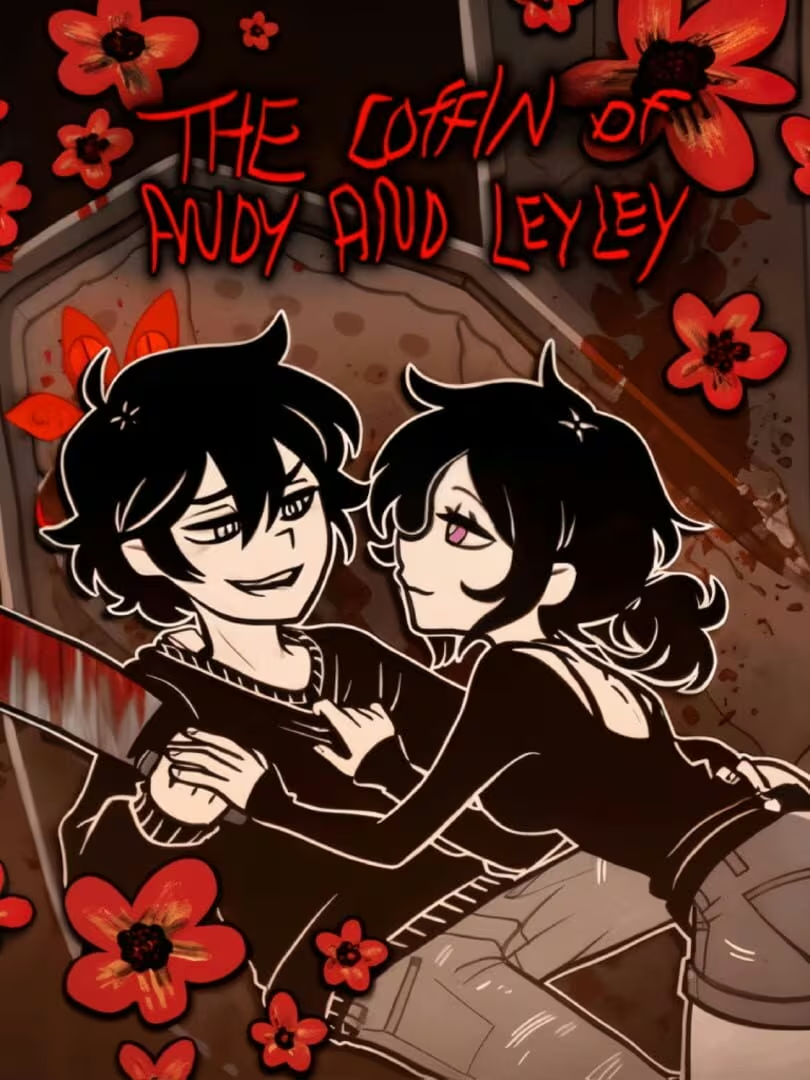
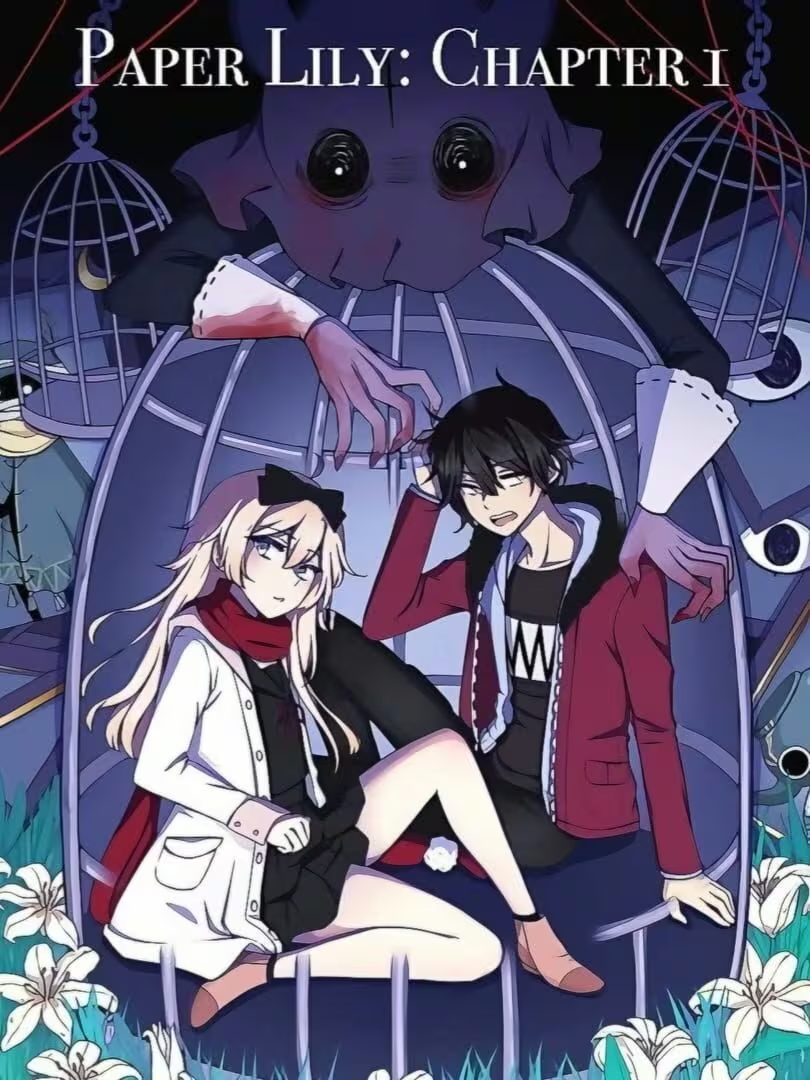
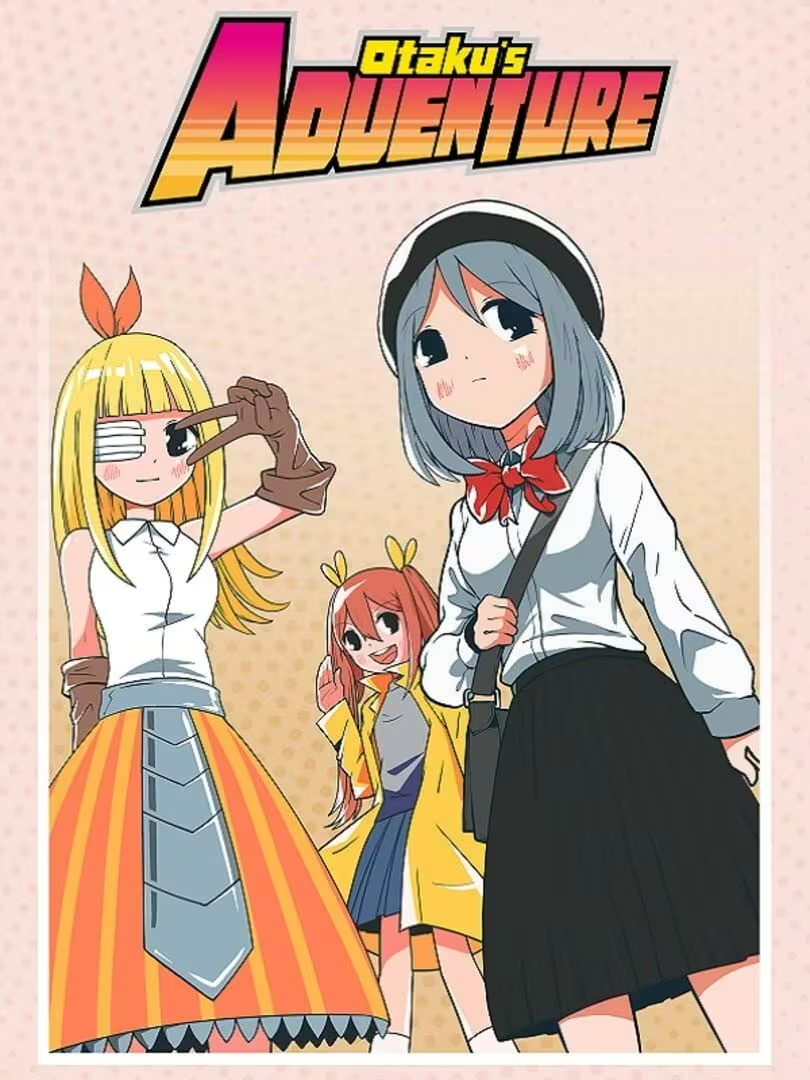
Hello Charlotte EP3: Childhood's End similar games & best alternatives

Hello Charlotte EP3: Childhood's End

PC (Microsoft Windows) • 2018

Related articles

Quick resume

"All ended well.There was nothing to grieve about." A farewell, and a greeting.

Global score

98/100

Genres

Indie, Role-playing (RPG), Adventure

Similar games

    Pros

    • Deep, emotional narrative
    • Unique art style and music
    • Complex characters and themes
    • High replay value
    • Thought-provoking psychological horror

    Cons

    • Confusing and convoluted story for some
    • Minimal gameplay and interactivity
    • Graphic and disturbing content
    • Niche appeal
    • Some engine limitations and bugs

    Analysis

    A very typical example of its motivational profile. Motivations that often define this kind of title include Intimacy, Survival, Violence, Competition. Here, the score leans higher than usual among comparable games on Violence. It leans lower than usual among comparable games on Fellowship, Cooperation.

    How to use the graph
    Similar games map

    Each dot is a game. They are arranged from the same motivation profile as in the “Motivations” section below. Closer dots usually mean more similar reasons to play (exploration, competition, relaxation, etc.)—not that one game is “better” than another.

    • Larger dot with a light outline: the game you are viewing.
    • Colour: groups of games with comparable motivation patterns (statistical clusters).
    • Hover a dot to see the game name; click to open its page.
    • Scroll or double-click the chart to zoom out and see more games.

    Why don’t the axes read like a score? This view uses t-SNE: it only keeps who is close to whom. The scales are not “good to bad” or hours played—they separate groups on the map. Read distance between dots, not the axis numbers.

    Motivations

    • Autonomy
      4

      "Players experience a narrative-driven game with some puzzle solving and light interaction, allowing personal interpretation and choice in understanding the story."

    • Competence
      1

      "Gameplay involves light puzzles and exploration with minimal challenge; focus is more on story and emotional engagement than skill mastery."

    • Competition
      -5

      "No evidence of competitive elements; the game is a solitary, narrative experience without player comparison or leaderboards."

    • Continuation
      4

      "Players express strong emotional attachment and replay value, often revisiting the game and its series multiple times."

    • Cooperation
      -5

      "Entirely single-player experience focused on personal story and exploration, no cooperative gameplay."

    • Creativity
      3

      "The game features unique art style, narrative structure, and puzzle design, encouraging players to interpret and engage creatively."

    • Domination
      -5

      "No elements of exerting control or superiority over others; interactions are personal and introspective."

    • Escapism
      4

      "Players use the game to process emotions, escape real-life struggles, and experience catharsis through its psychological themes."

    • Expectation
      -4

      "Players engage voluntarily out of personal interest and emotional connection, not out of obligation or external pressure."

    • Experimenting
      2

      "The game encourages exploration of narrative layers and multiple endings, inviting players to experiment with choices and interpretations."

    • Exploration
      3

      "Players explore surreal environments and uncover complex story elements and hidden meanings."

    • Expression
      2

      "Some customization in narrative choices and puzzle solving, but limited direct character or environment customization."

    • Fantasy
      4

      "Strong surreal and psychological horror elements with fictional worlds, characters, and metaphysical themes."

    • Fellowship
      -4

      "Primarily a solitary experience with minimal social interaction or community involvement described."

    • Growth
      3

      "Players experience personal and emotional growth through story engagement and reflection on mental health themes."

    • Health
      -5

      "No physical activity involved; sedentary gameplay with emotional and psychological focus."

    • Idle
      -4

      "Requires focused attention to narrative and puzzles; not a casual or background game."

    • Intimacy
      3

      "Players form emotional connections with characters and story, though social interaction is limited to narrative engagement."

    • Leadership
      -5

      "No leadership or group management elements; purely individual experience."

    • Progression
      2

      "Progression is narrative-based with unlocking story elements and endings rather than item or power accumulation."

    • Relaxation
      1

      "The game evokes emotional tension and catharsis rather than pure relaxation or flow."

    • Sensation
      3

      "Strong artistic visuals, music, and emotional impact provide sensory and emotional stimulation."

    • Status
      -5

      "No social recognition or status systems; focus is on personal experience."

    • Story
      5

      "Highly narrative-driven with complex, emotional, and meta storytelling central to the experience."

    • Strategy
      1

      "Some puzzle solving requires mental challenge, but overall strategy demands are low."

    • Thrill
      2

      "Psychological horror and suspense elements create tension and emotional thrill."

    • Value
      5

      "Players perceive high emotional and artistic value relative to the game's low price."

    • Violence
      3

      "Contains graphic and gory imagery as part of psychological horror themes."

    • Survival
      -4

      "No survival mechanics; stable narrative environment without resource or threat management."

    Last update: 29/04/2026