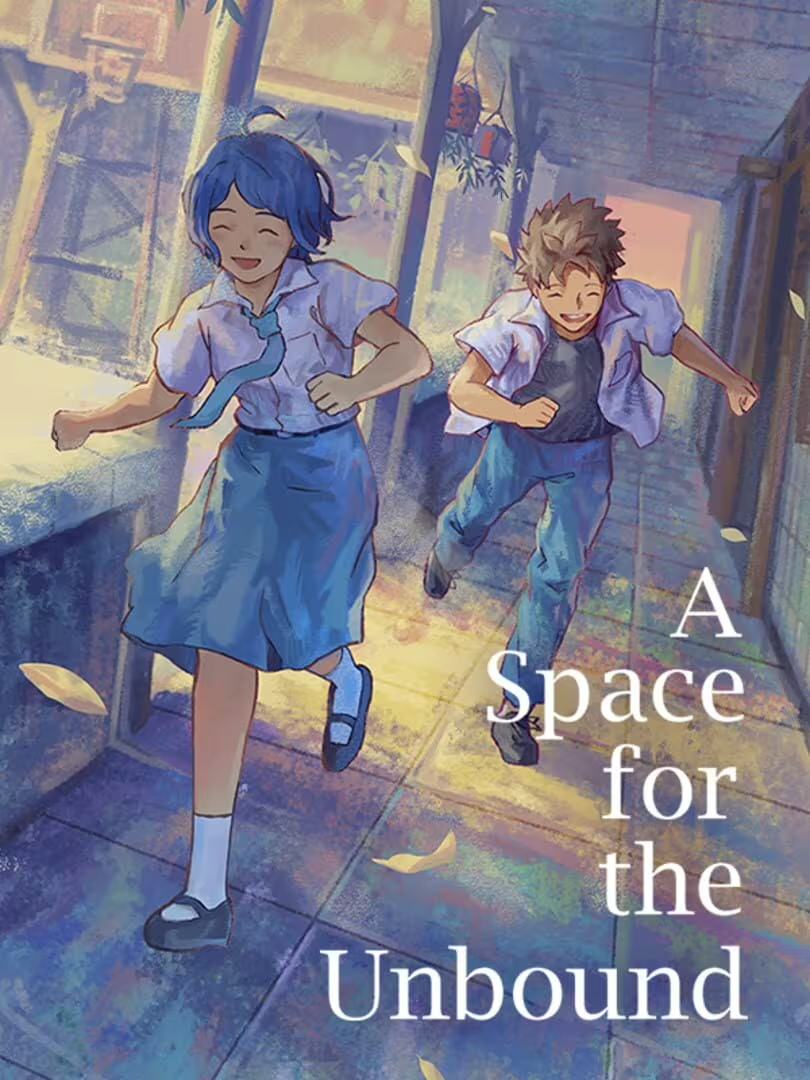
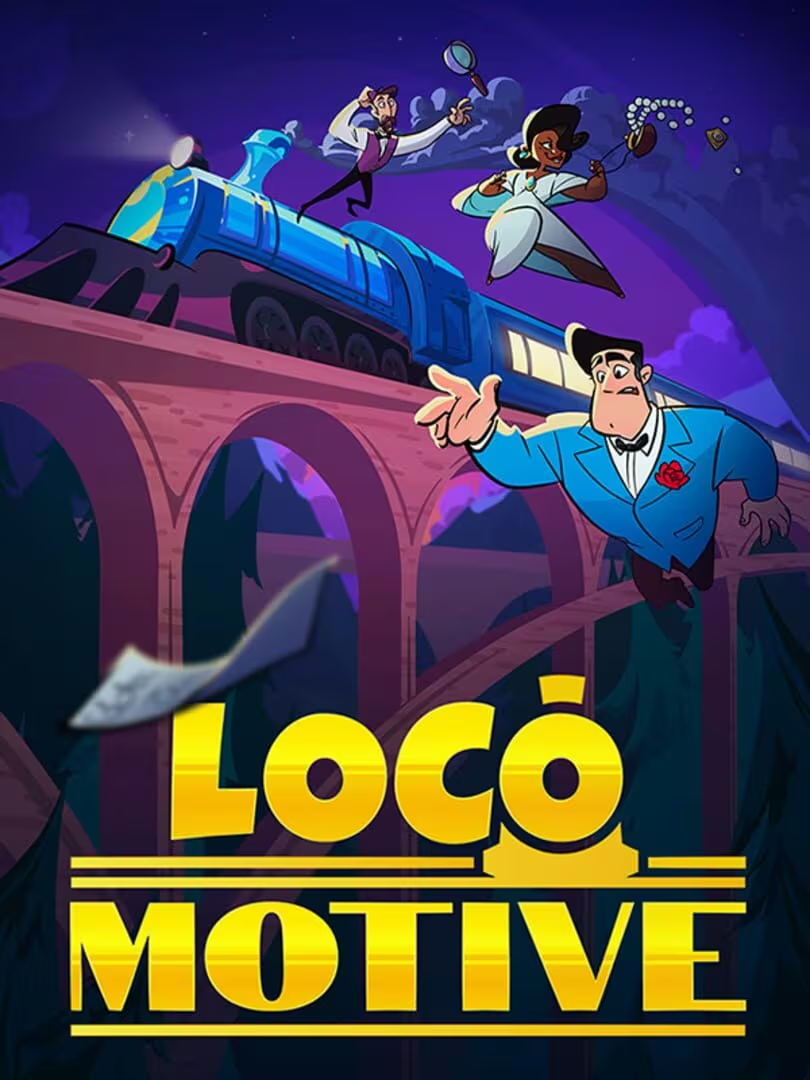
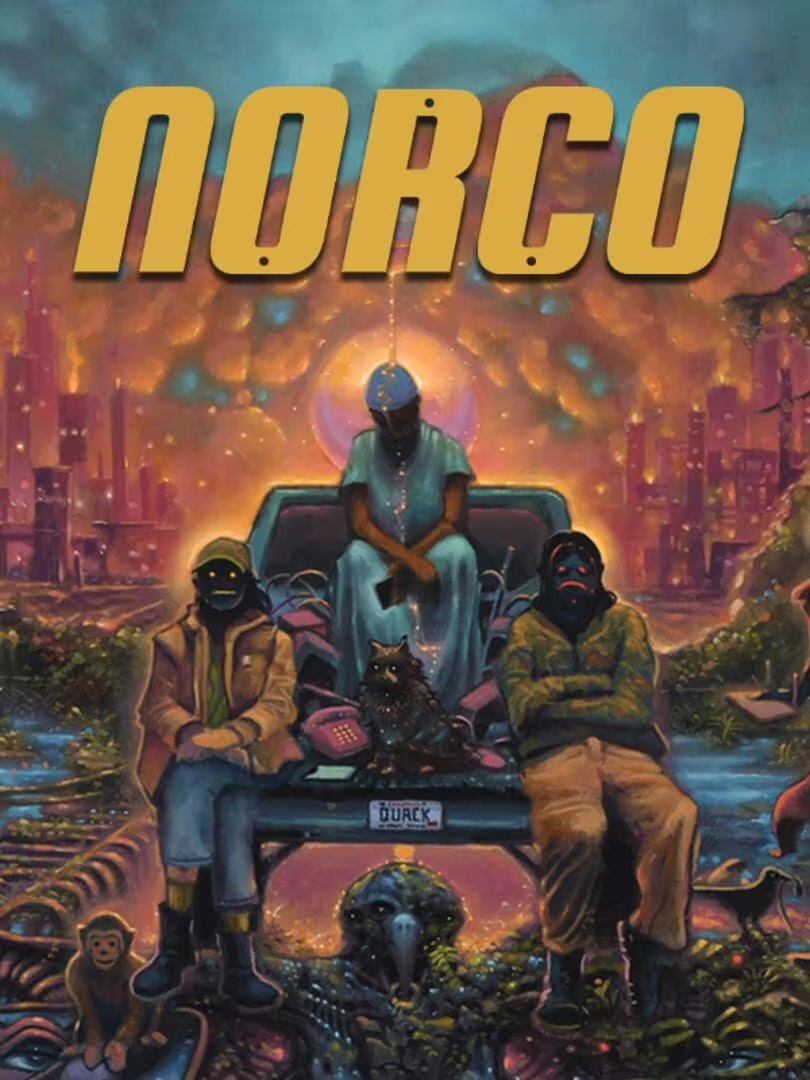
One Dreamer Thumbnail

One Dreamer similar games & best alternatives
One Dreamer

PC (Microsoft Windows), Mac, Linux • 2022

Related articles

Quick resume

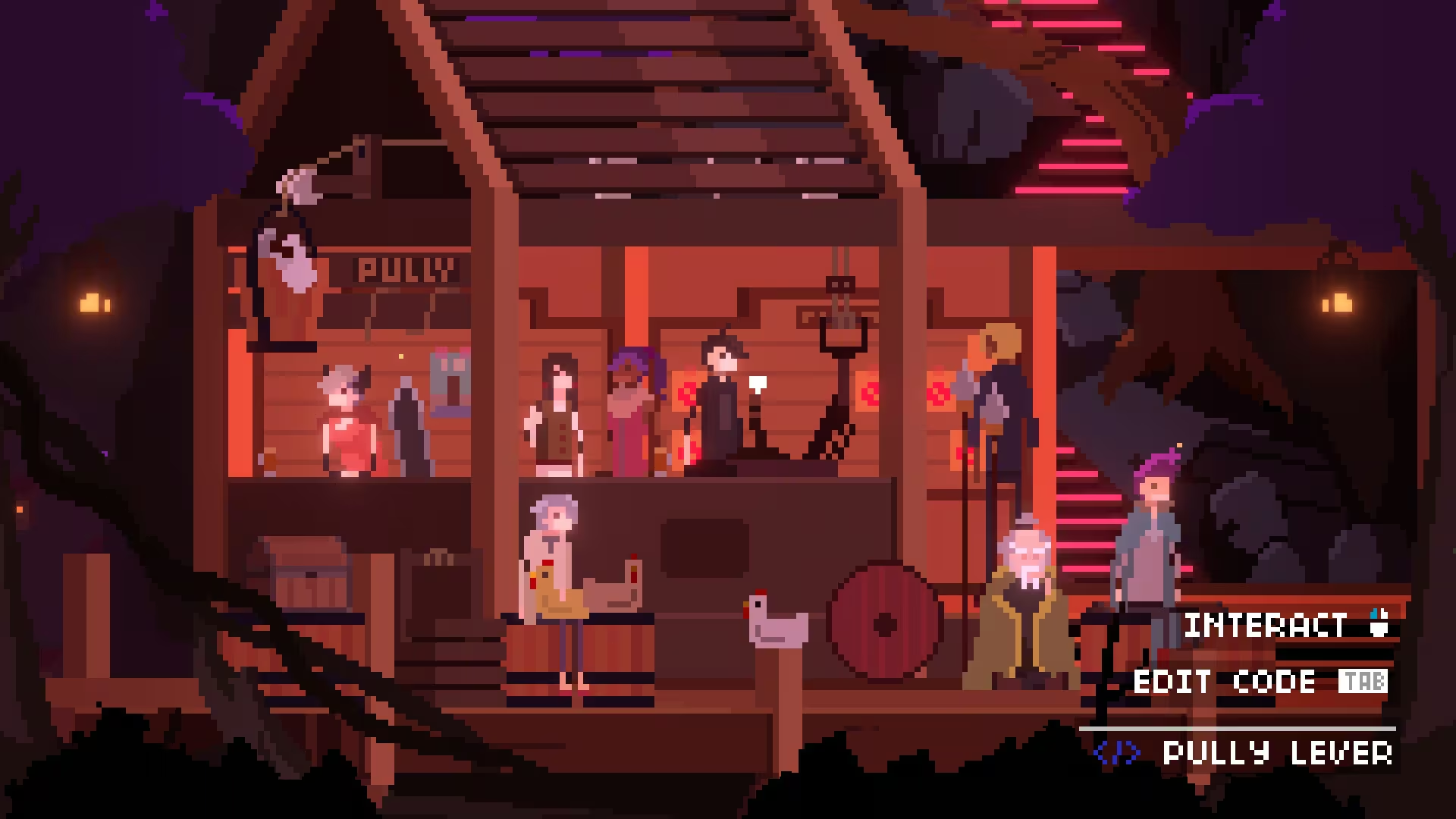
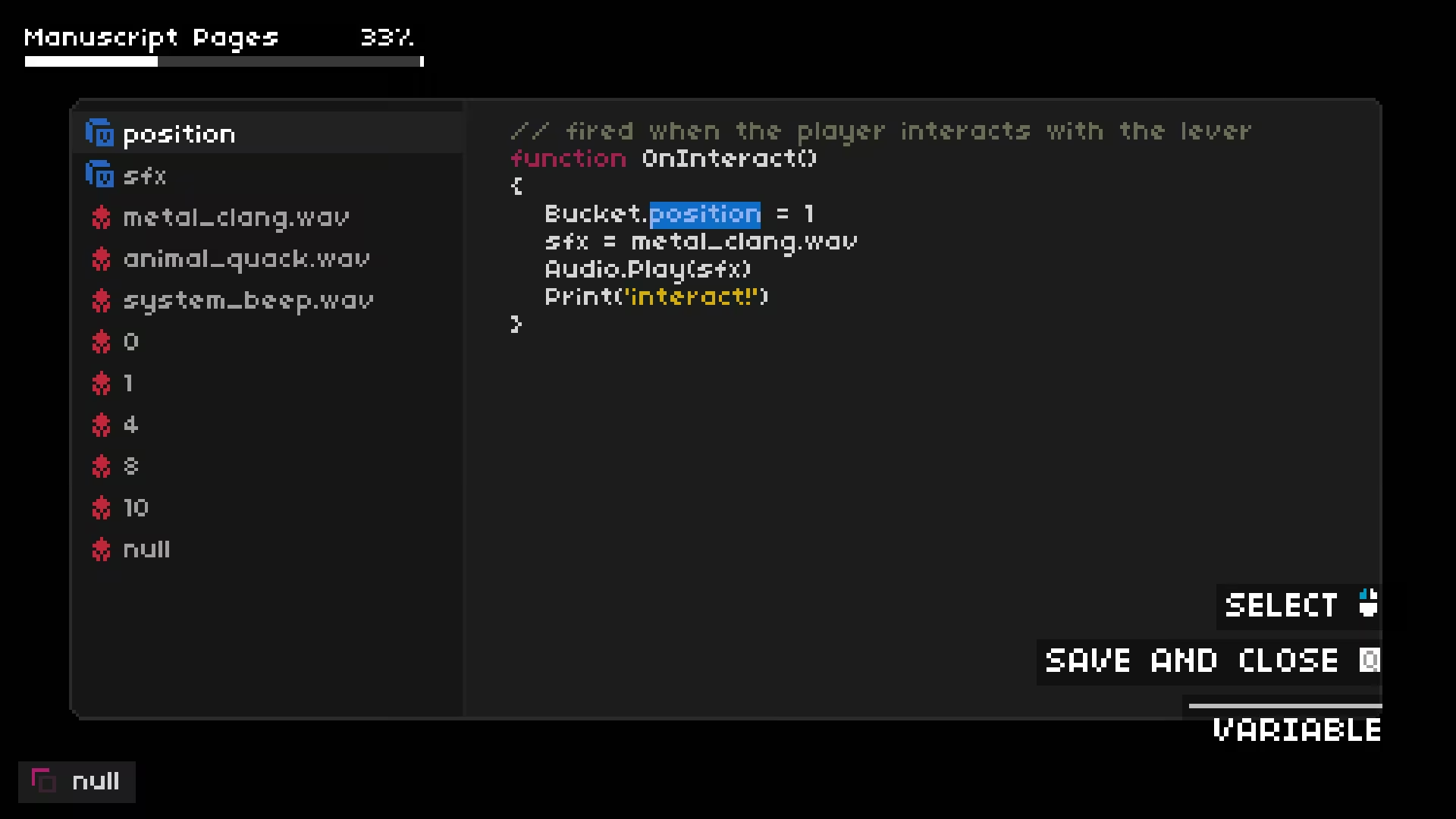
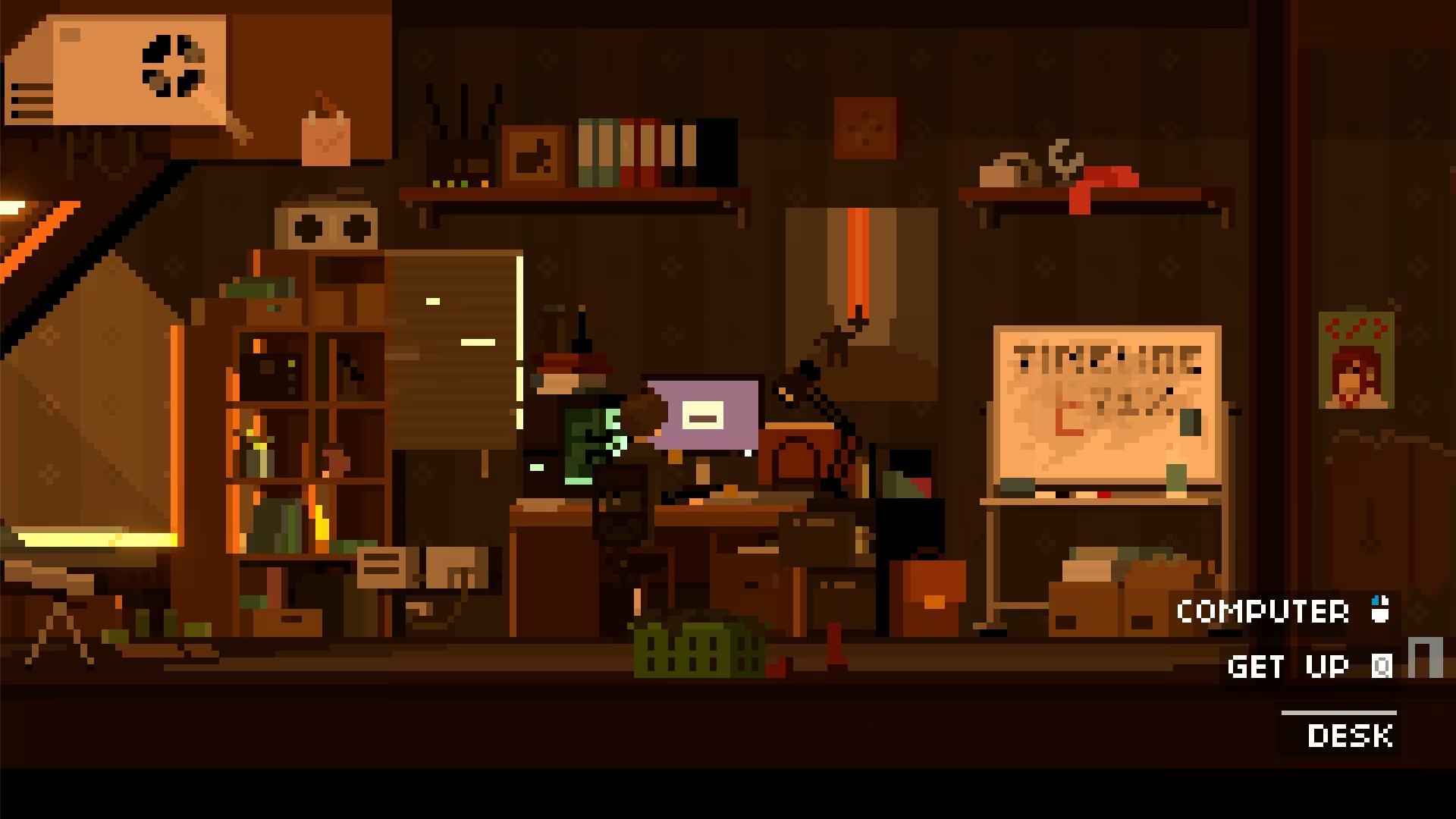
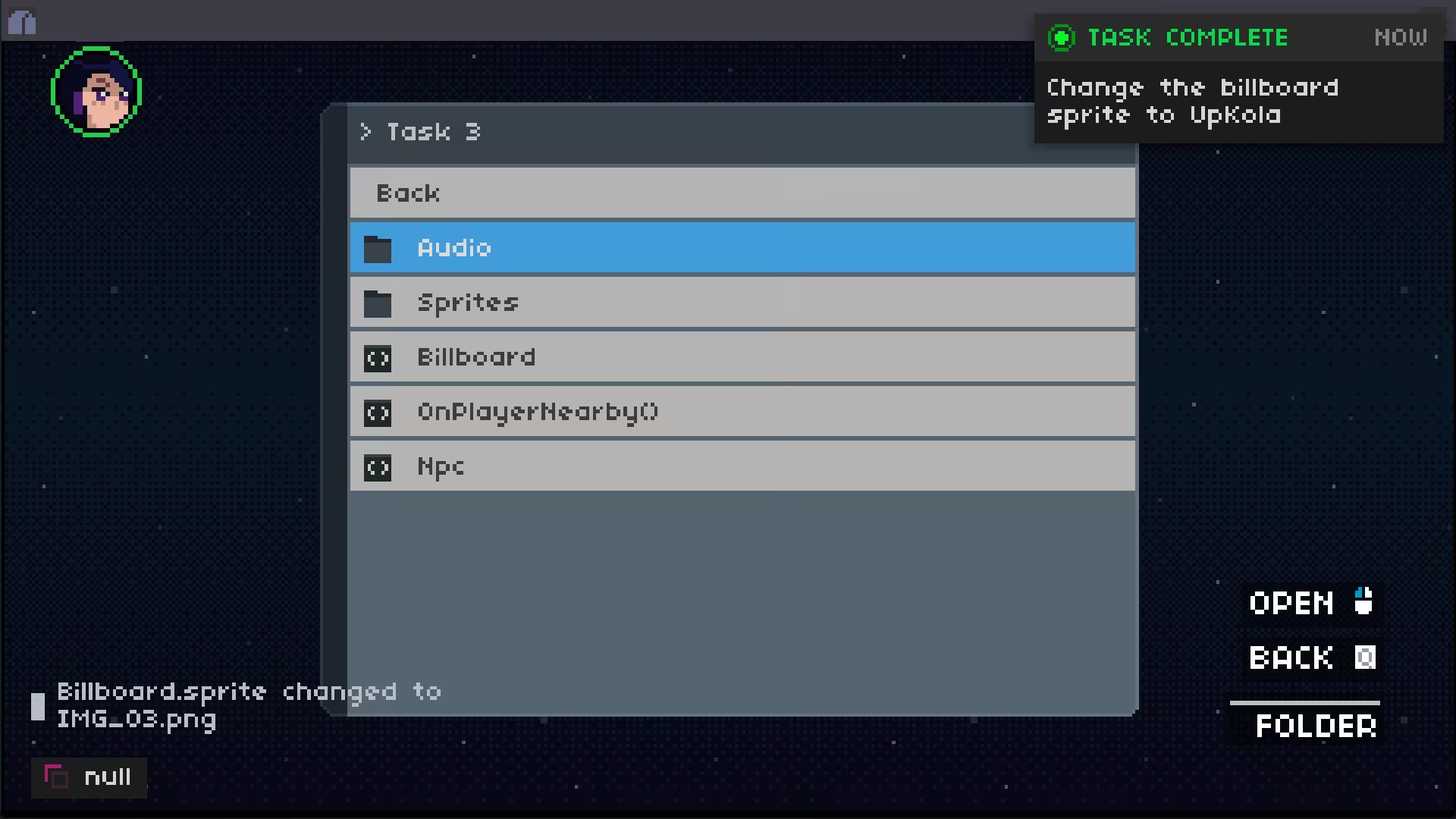
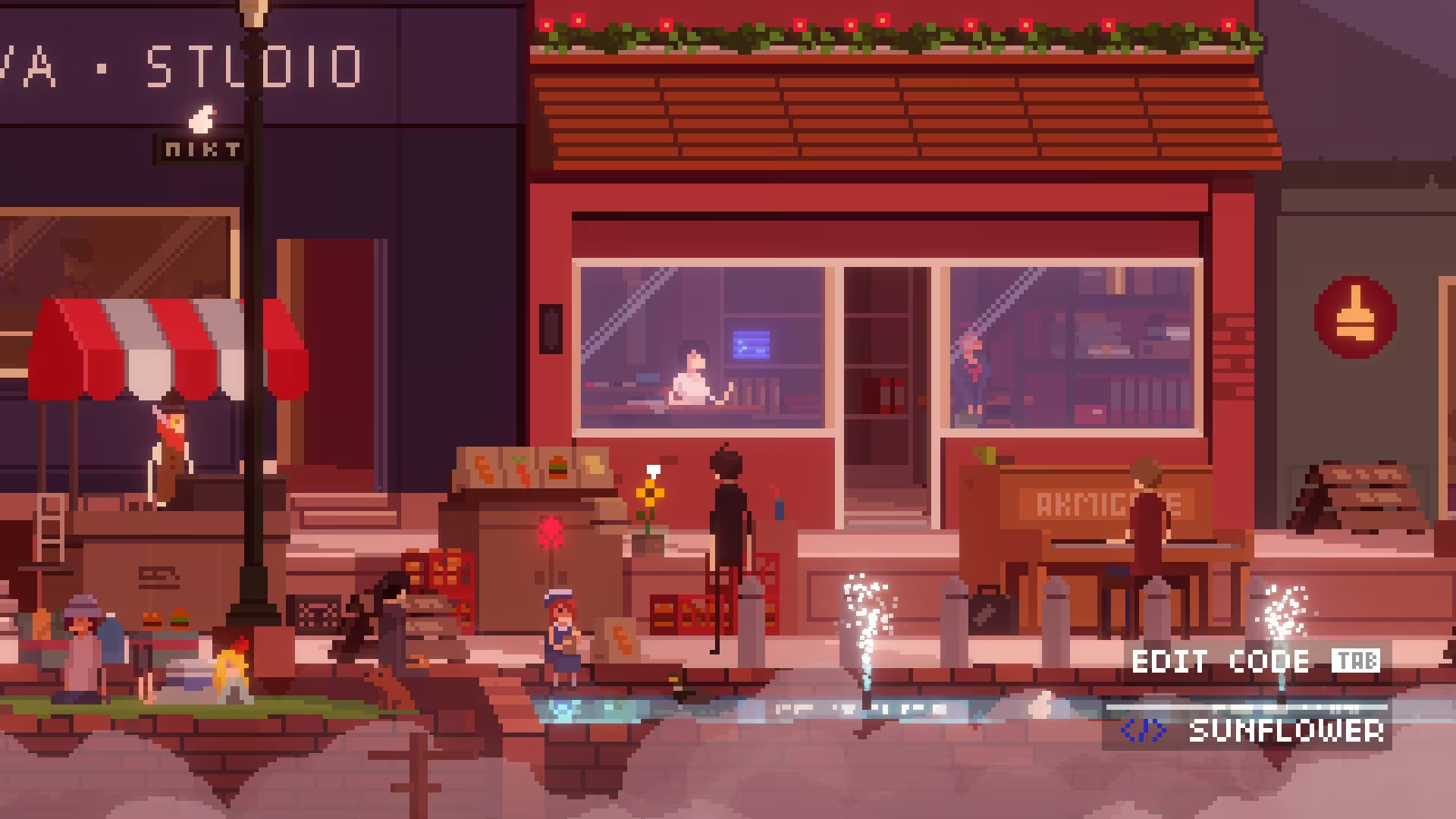
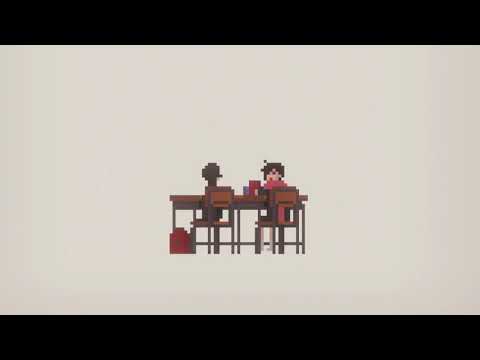
Manipulate the world around you by editing source code in an adventure game about a burnt out indie game developer's quest to fulfill a lifelong dream.

Global score

91/100

Genres

Adventure, Indie, Puzzle

Similar games

    Pros

    • Emotional and compelling story
    • Unique coding puzzle mechanics
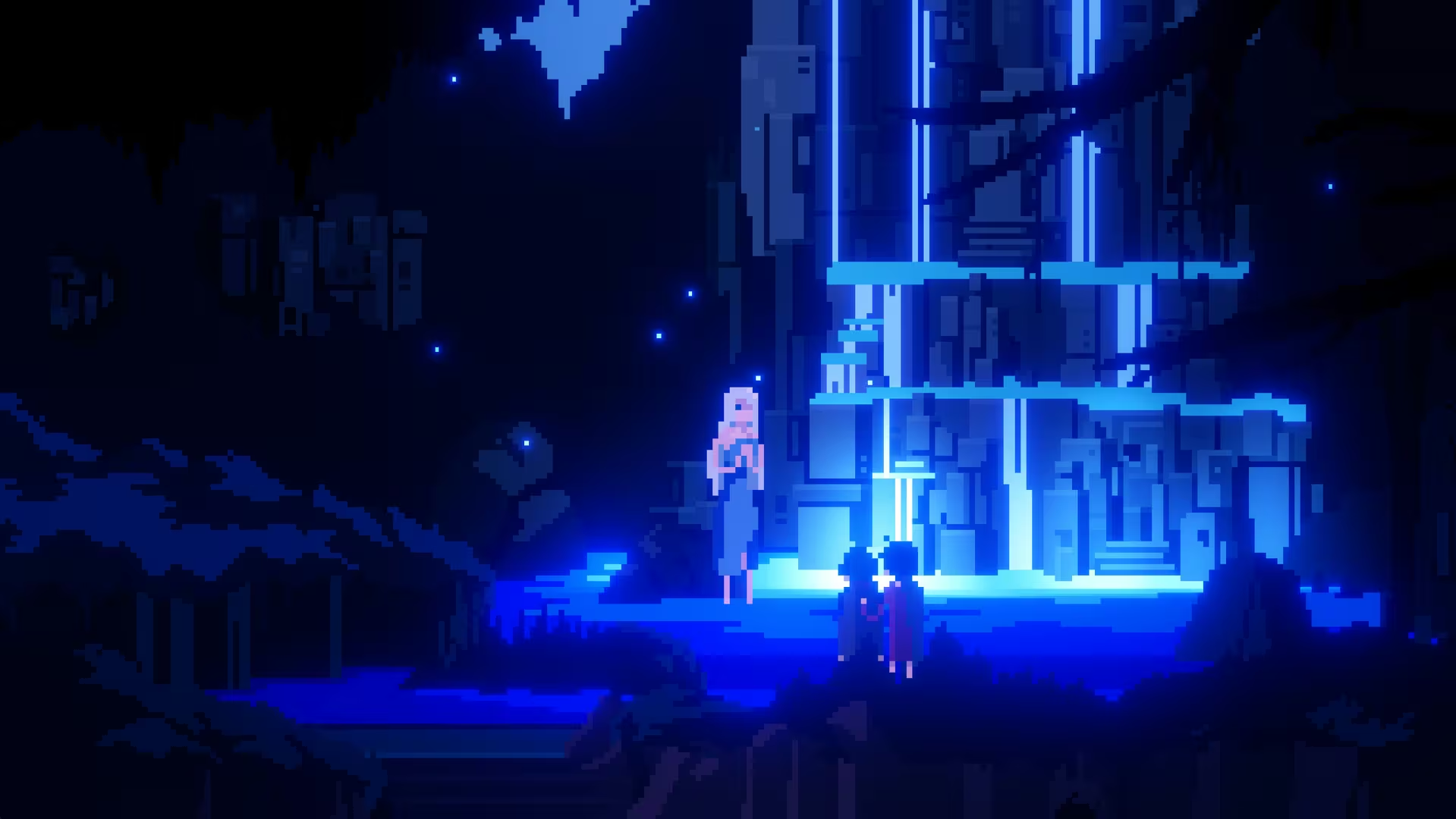
    • Beautiful pixel art and soundtrack
    • Relatable indie dev themes
    • Educational value for programming beginners

    Cons

    • Some find movement and navigation clunky
    • Puzzles can become tedious or frustrating
    • Story pacing and flashbacks sometimes confusing
    • Lack of gameplay variety beyond puzzles
    • Short game length with limited replay features

    Analysis

    Broadly representative of its motivational profile, with a few distinct shifts. Motivations that often define this kind of title include Intimacy, Survival, Violence, Competition. It leans lower than usual among comparable games on Fantasy, Fellowship, Cooperation.

    How to use the graph
    Similar games map

    Each dot is a game. They are arranged from the same motivation profile as in the “Motivations” section below. Closer dots usually mean more similar reasons to play (exploration, competition, relaxation, etc.)—not that one game is “better” than another.

    • Larger dot with a light outline: the game you are viewing.
    • Colour: groups of games with comparable motivation patterns (statistical clusters).
    • Hover a dot to see the game name; click to open its page.
    • Scroll or double-click the chart to zoom out and see more games.

    Why don’t the axes read like a score? This view uses t-SNE: it only keeps who is close to whom. The scales are not “good to bad” or hours played—they separate groups on the map. Read distance between dots, not the axis numbers.

    Motivations

    • Autonomy
      3

      "Players have freedom to explore, solve puzzles, and manipulate code in various ways, though within a structured narrative and puzzle framework."

    • Competence
      4

      "The game offers challenging coding puzzles and minigames that require skill and problem solving, with feedback and progression tied to puzzle completion."

    • Competition
      -4

      "Focus is on personal story and puzzle solving without competitive elements or player comparison."

    • Continuation
      3

      "Many players report emotional attachment and multiple playthroughs, though the game is relatively short and some find parts tedious."

    • Cooperation
      -5

      "Entirely single-player experience focused on individual progression and story."

    • Creativity
      4

      "Players creatively solve puzzles by editing code and manipulating game elements, with some freedom to experiment within puzzle constraints."

    • Domination
      -5

      "No elements of exerting control over others; interactions are solitary and narrative-driven."

    • Escapism
      4

      "Strong emotional immersion and storytelling provide escape from real life, resonating deeply with players."

    • Expectation
      -4

      "Players engage voluntarily driven by personal interest in story, coding, and indie dev themes."

    • Experimenting
      3

      "Players try different puzzle solutions and code manipulations, though within a guided puzzle structure."

    • Exploration
      2

      "Some exploration of layered 2D environments and interaction with many objects, but mostly within known areas."

    • Expression
      2

      "Limited character customization but players express themselves through puzzle solving and code manipulation."

    • Fantasy
      -3

      "Grounded in realistic scenarios about indie game development and personal struggles, with minimal fantasy elements."

    • Fellowship
      -4

      "Minimal social interaction; players experience story individually without community or multiplayer features."

    • Growth
      4

      "Players learn programming concepts and develop problem-solving skills through puzzles and narrative progression."

    • Health
      -4

      "Sedentary gameplay with no physical activity or health-related mechanics."

    • Idle
      -3

      "Requires focused attention to solve puzzles and follow story; some walking segments may feel slow but not idle."

    • Intimacy
      2

      "Emotional connection to characters and story creates a sense of closeness, though no direct social bonding."

    • Leadership
      -5

      "No leadership or group management elements; purely individual experience."

    • Progression
      3

      "Progression through story and puzzle completion with some achievement collection, but no item or power accumulation."

    • Relaxation
      3

      "Atmospheric, emotional pacing with moments of calm and reflection, though some find puzzles challenging or frustrating."

    • Sensation
      3

      "Enjoyable pixel art visuals and emotional soundtrack provide sensory and emotional stimulation."

    • Status
      -5

      "No social status or recognition systems; focus is on personal narrative experience."

    • Story
      5

      "Strong narrative immersion with emotional storytelling, voice acting, and character development."

    • Strategy
      3

      "Puzzle solving requires logical thinking and planning, though within a limited scope of coding mechanics."

    • Thrill
      1

      "Some emotional highs and lows but overall a contemplative rather than suspenseful experience."

    • Value
      3

      "Players find strong emotional and educational value, especially for those interested in programming and indie dev themes."

    • Violence
      -5

      "No violence; gameplay centers on constructive coding and puzzle solving."

    • Survival
      -5

      "No survival or threat avoidance mechanics; stable, low-risk environment."

    Last update: 29/04/2026