Shigatari similar games & best alternatives
Shigatari
2017
Related articles
Quick resume
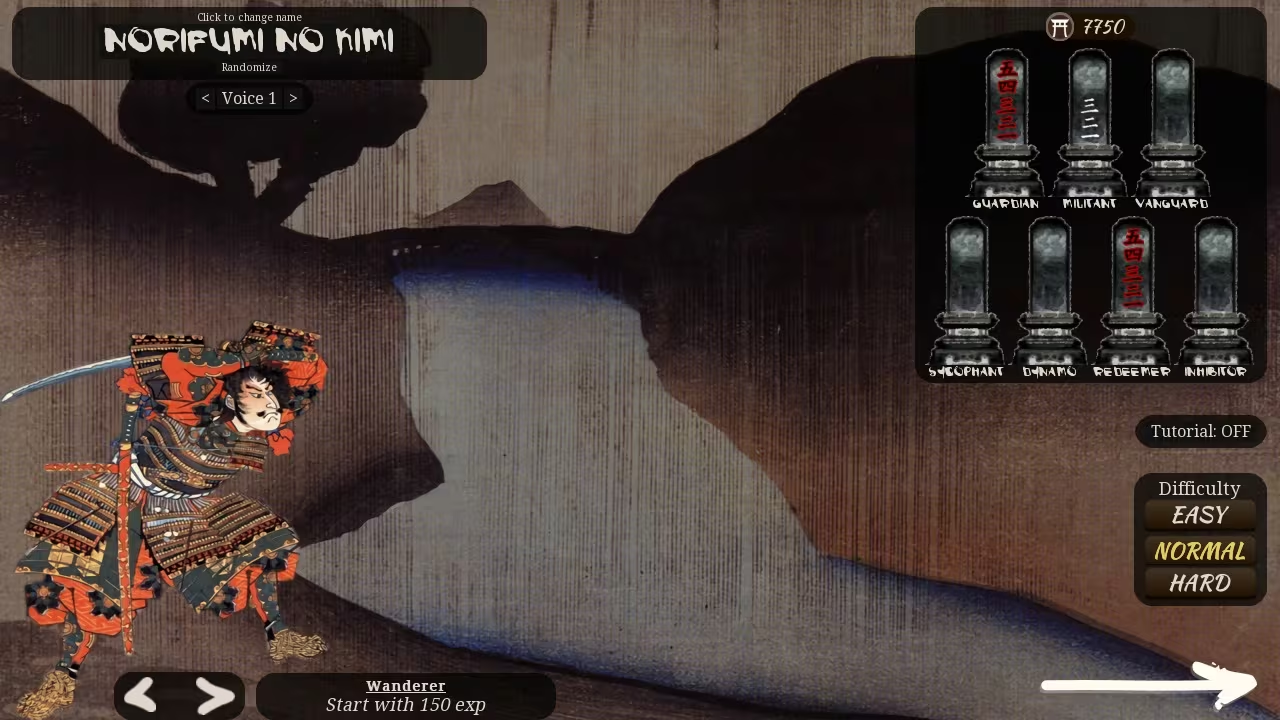
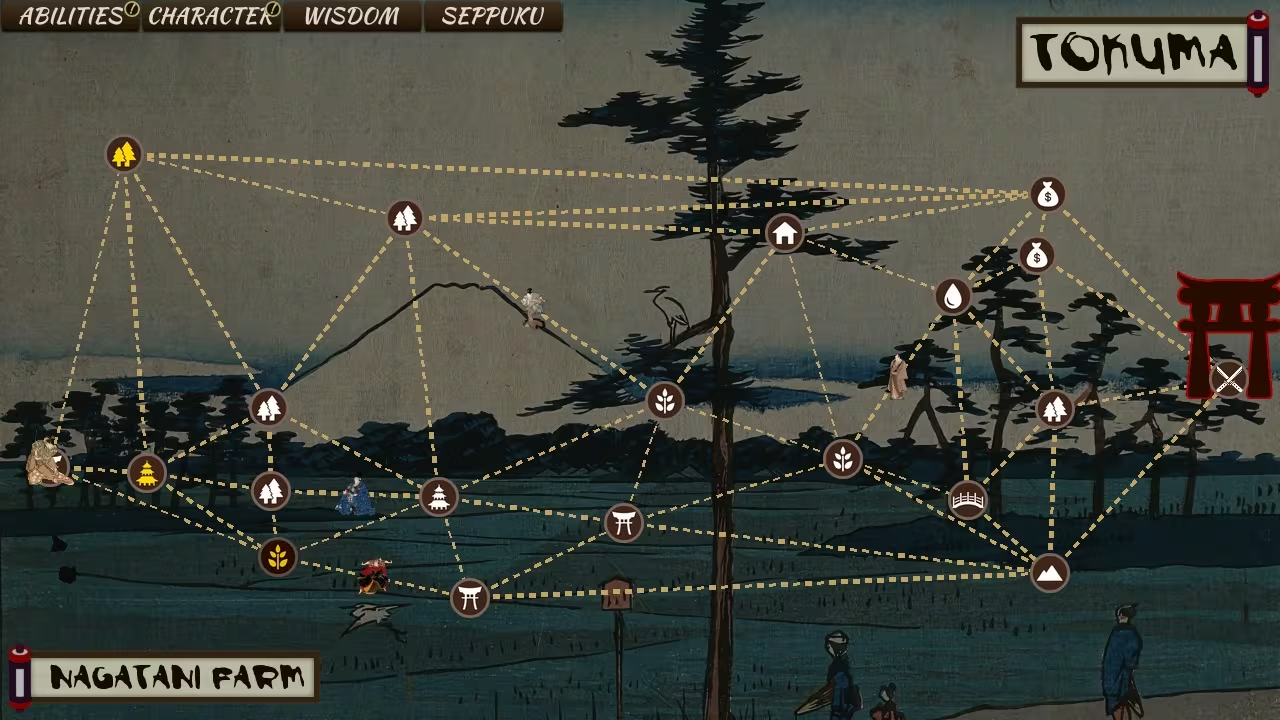
Shigatari is a samurai role-playing game with historical artwork.
Global score
97/100
Genres
Indie, Role-playing (RPG)
Similar games
Pros
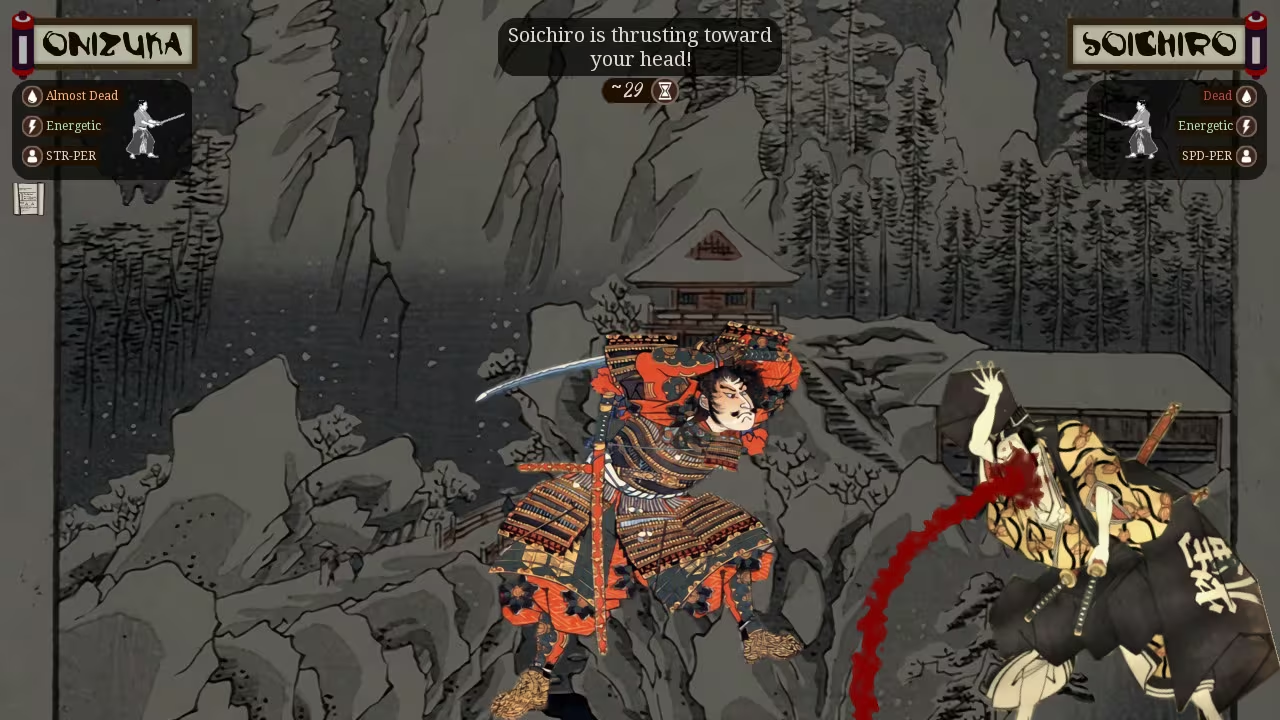
- Deep and engaging combat system
- Unique traditional japanese art style
- High replayability with multiple characters and builds
- Immersive feudal japan atmosphere
- Excellent value for price
Cons
- Limited variety of random events leading to repetition
- Steep learning curve for combat mechanics
- Lack of multiplayer or cooperative features
- Some ui and saving system limitations
- Content size relatively small
Analysis
A very typical example of its motivational profile. Motivations that often define this kind of title include Fellowship, Cooperation, Leadership, Violence. Here, the score leans higher than usual among comparable games on Value, Violence. It leans lower than usual among comparable games on Relaxation.
How to use the graph
Similar games map
Each dot is a game. They are arranged from the same motivation profile as in the “Motivations” section below. Closer dots usually mean more similar reasons to play (exploration, competition, relaxation, etc.)—not that one game is “better” than another.
- Larger dot with a light outline: the game you are viewing.
- Colour: groups of games with comparable motivation patterns (statistical clusters).
- Hover a dot to see the game name; click to open its page.
- Scroll or double-click the chart to zoom out and see more games.
Why don’t the axes read like a score? This view uses t-SNE: it only keeps who is close to whom. The scales are not “good to bad” or hours played—they separate groups on the map. Read distance between dots, not the axis numbers.
Motivations
-
Autonomy4
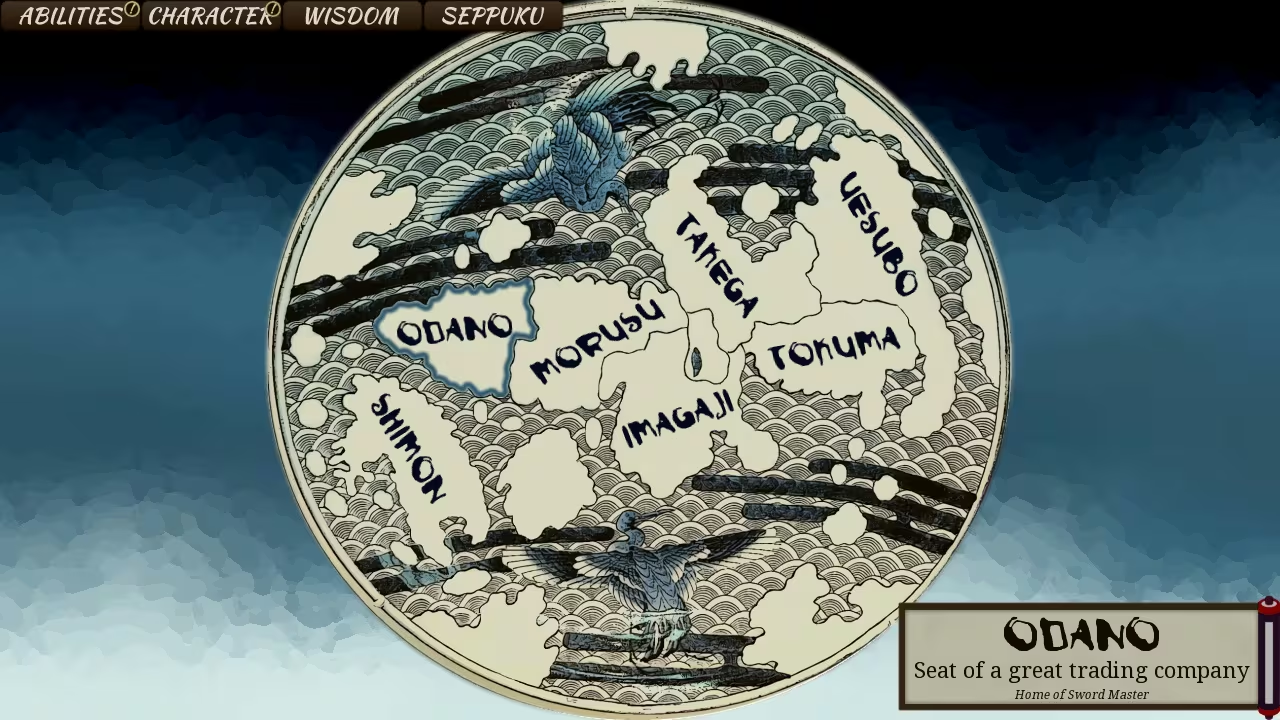
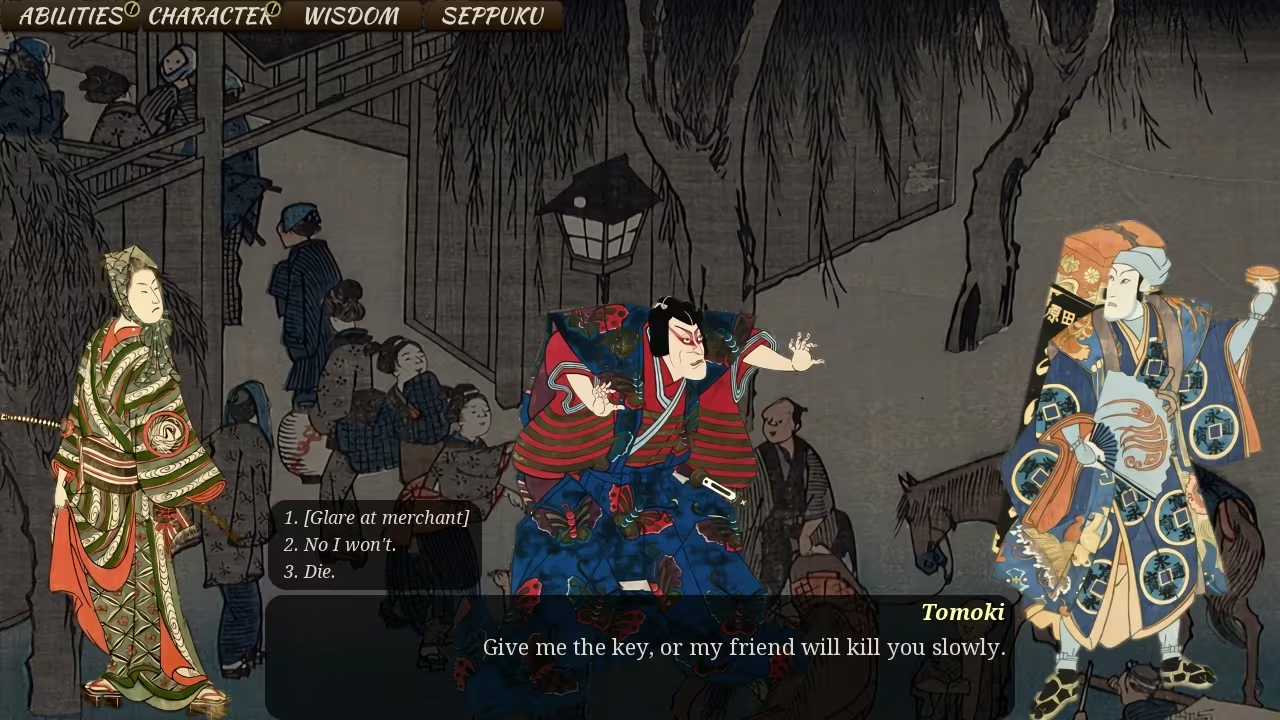
"Players have freedom to choose characters, build stats, select routes on the map, and make diverse dialogue choices shaping their character and playstyle."
-
Competence4
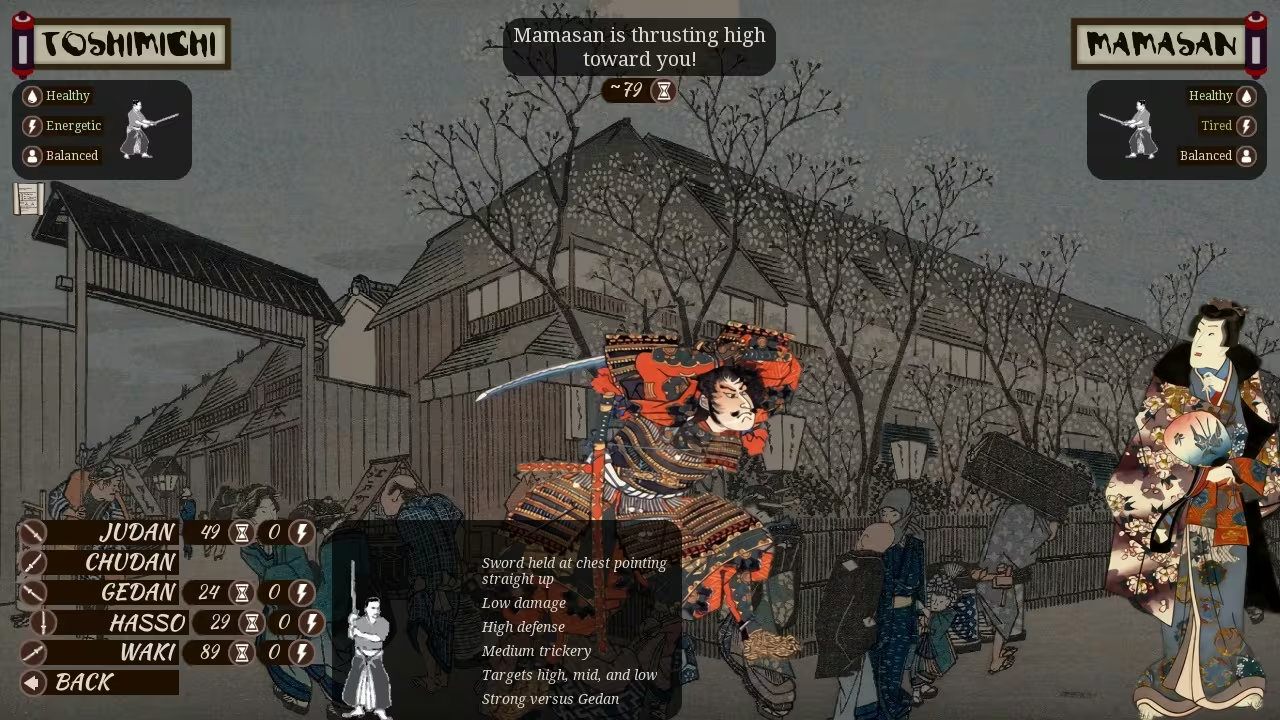
"Combat system is deep and skill-based with timing, stance mastery, and strategic decisions; players feel rewarded mastering mechanics."
-
Competition-3
"Focus is on personal progression and overcoming game challenges rather than competing against other players."
-
Continuation4
"High replayability with multiple characters, builds, and unlocks encourages habitual play and repeated runs."
-
Cooperation-5
"Single-player experience focused on individual progression and encounters without multiplayer or cooperative elements."
-
Creativity3
"Players experiment with different builds, stances, and strategies; roleplaying choices affect personality and gameplay."
-
Domination-4
"Interactions emphasize roleplay and personal choices rather than exerting control or superiority over others."
-
Escapism4
"Immersive feudal Japan setting, atmospheric art and music provide strong escape from real life."
-
Expectation-4
"Players engage voluntarily out of interest and intrinsic motivation; no indication of obligation or pressure."
-
Experimenting4
"Encouraged to try new builds, stances, and dialogue options; combat system rewards experimentation."
-
Exploration3
"Procedurally generated maps and branching dialogue encourage discovery of new events and secrets."
-
Expression2
"Character customization through stats and stances allows some self-expression, though visual customization is minimal."
-
Fantasy4
"Set in a stylized feudal Japan with samurai, demons, and mythical elements; imaginative fiction strongly present."
-
Fellowship-5
"Primarily a solo experience with minimal social interaction or community involvement."
-
Growth4
"Players learn complex combat mechanics and improve skills over multiple playthroughs; character progression is key."
-
Health-5
"Sedentary gameplay with no physical activity or health-related features."
-
Idle-3
"Requires focused attention during combat and decision making; not suited for passive or background play."
-
Intimacy-4
"Social interactions are limited to brief dialogue choices without deep emotional connections."
-
Leadership-5
"No leadership or group management mechanics; player acts independently."
-
Progression4
"Strong progression through experience points, unlocking characters, and ancestral favor enhancing future runs."
-
Relaxation1
"While atmospheric and immersive, combat can be tense and challenging, balancing relaxation with engagement."
-
Sensation2
"Enjoyable traditional Japanese art and music provide sensory appeal, though visuals are static and minimal."
-
Status-3
"Recognition is mostly internal or through achievements; no social status or popularity mechanics."
-
Story3
"Narrative emerges through dialogue choices and events; story is a significant part of the experience."
-
Strategy4
"Combat and character builds require strategic thinking, timing, and planning."
-
Thrill3
"Permadeath and challenging combat create suspense and tension during play."
-
Value5
"Highly praised for excellent value given low price and amount of content and depth."
-
Violence3
"Combat involves sword fighting, decapitations, and killing enemies; violence is central to gameplay."
-
Survival3
"Players must manage stamina, health, and timing to survive encounters; permadeath adds survival pressure."
Last update: 29/04/2026