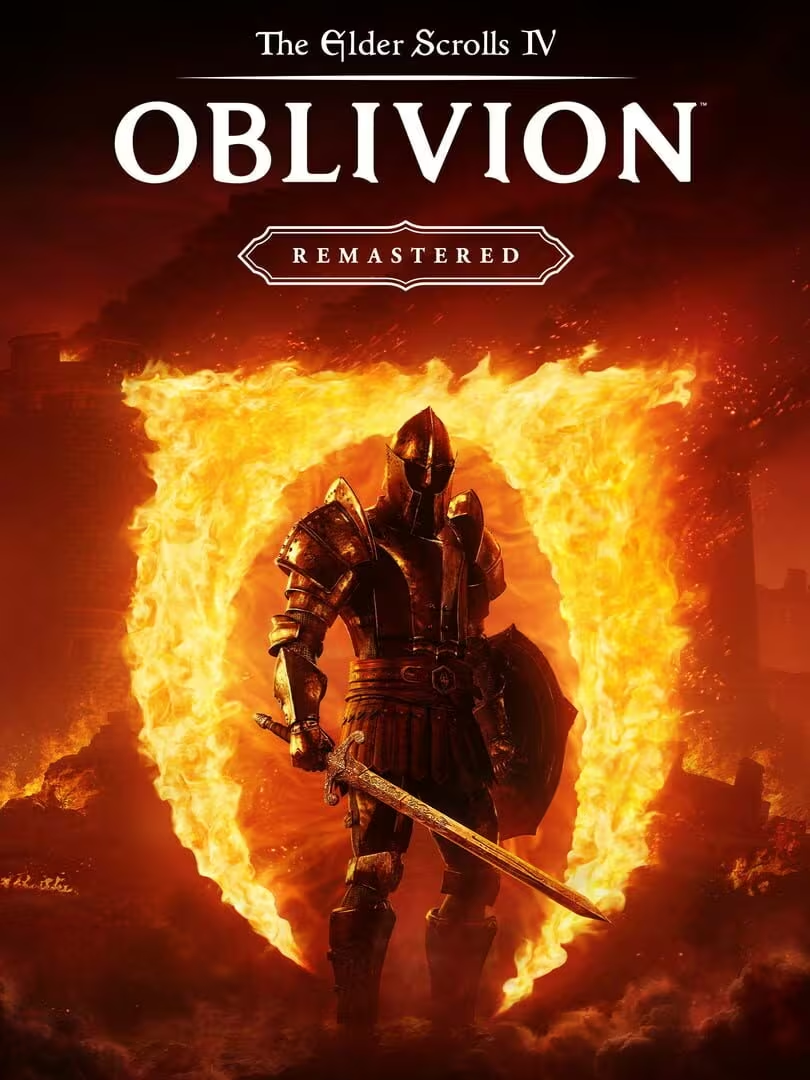
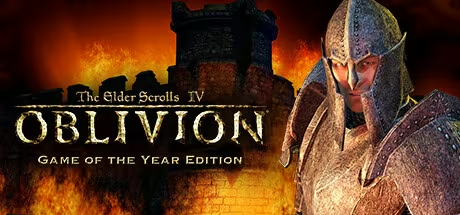
The Elder Scrolls IV: Oblivion® Game of the Year Edition Deluxe (2009) Thumbnail

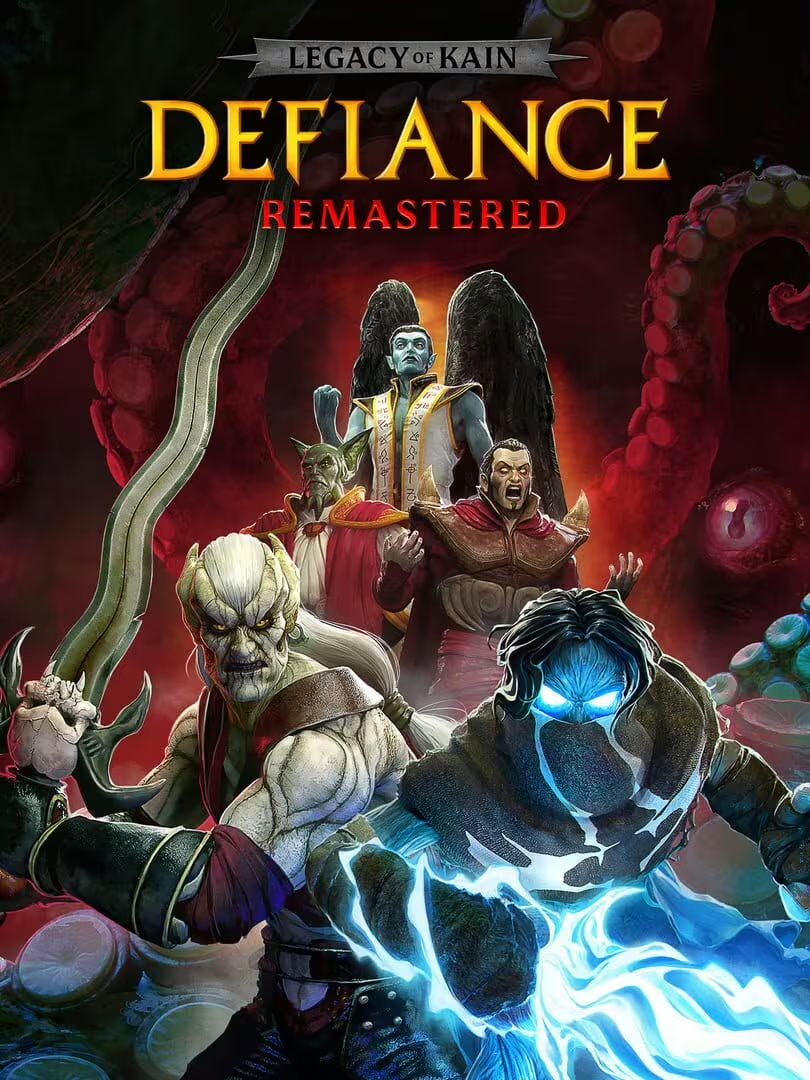
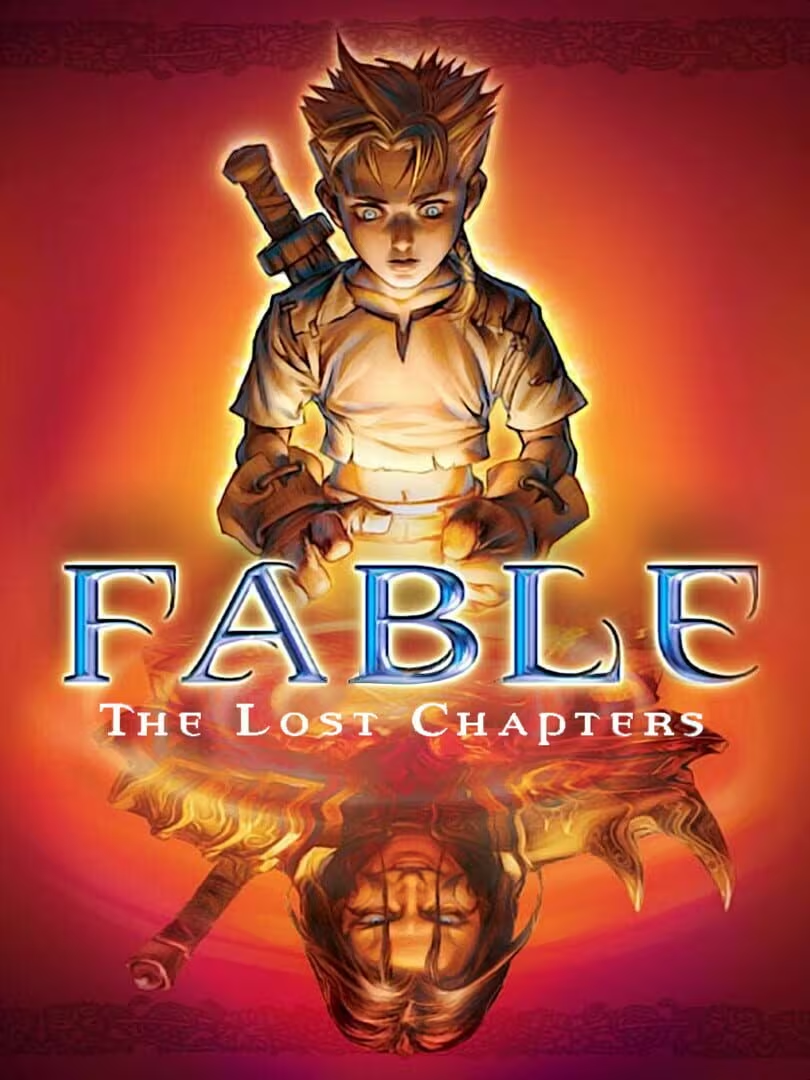
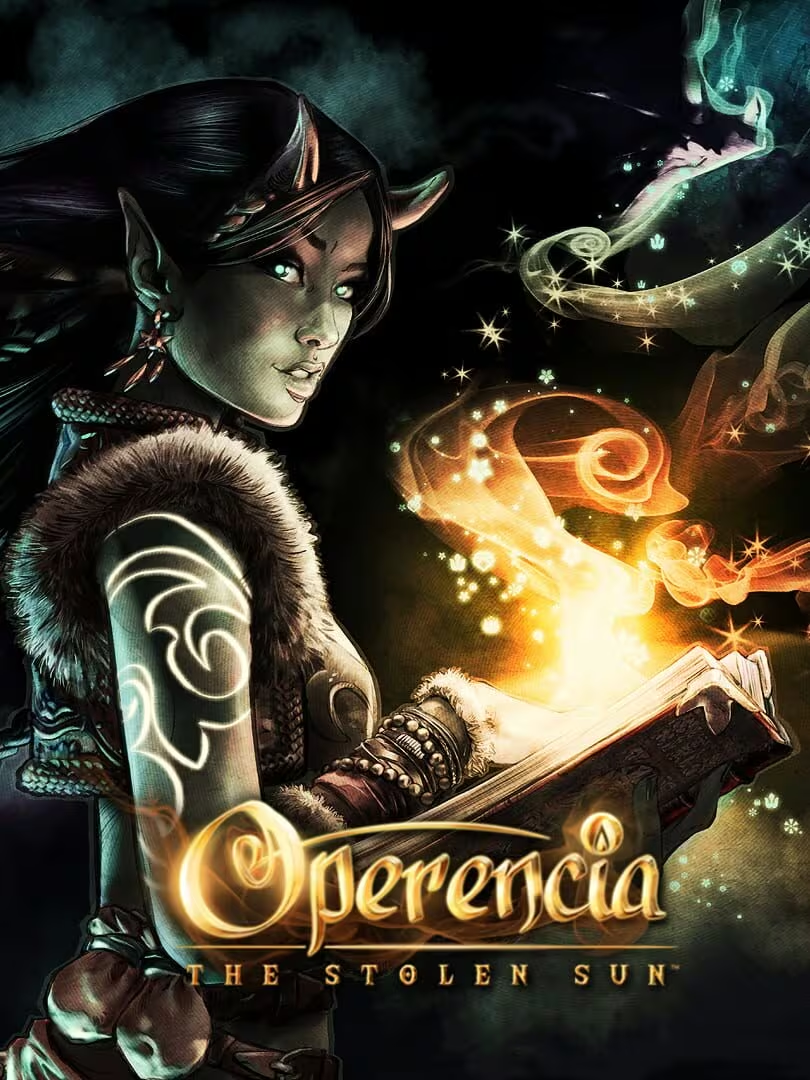
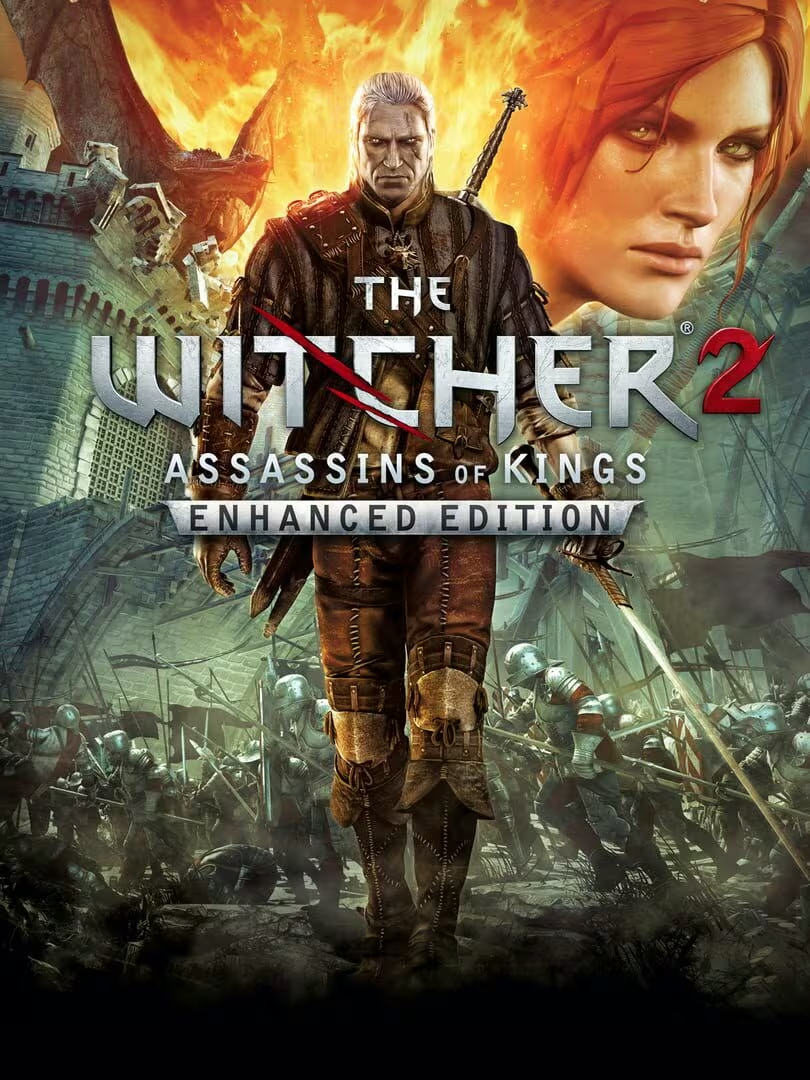
The Elder Scrolls IV: Oblivion® Game of the Year Edition Deluxe (2009) similar games & best alternatives

The Elder Scrolls IV: Oblivion® Game of the Year Edition Deluxe (2009)

PC (Microsoft Windows) • 2009

Related articles

Quick resume

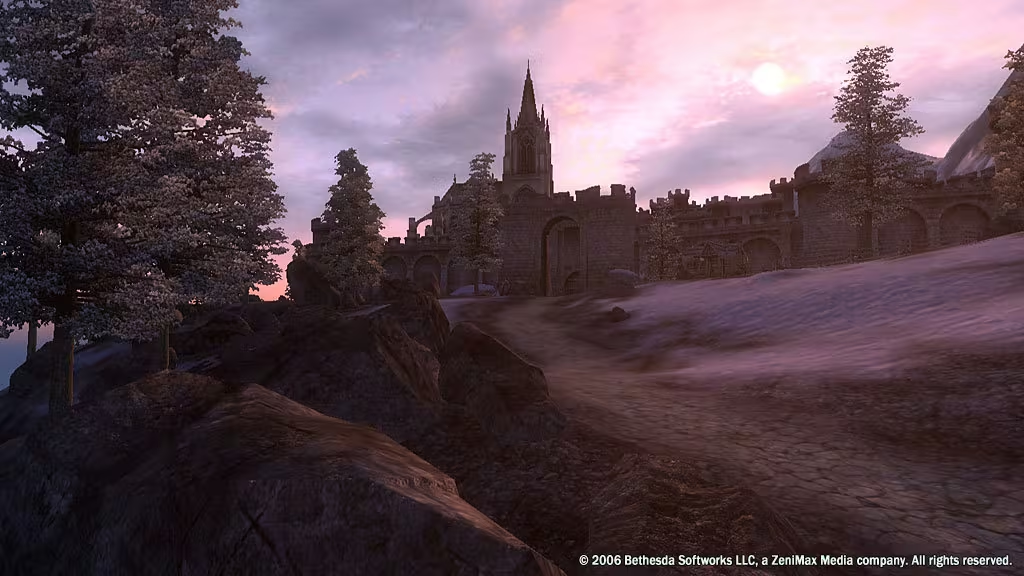
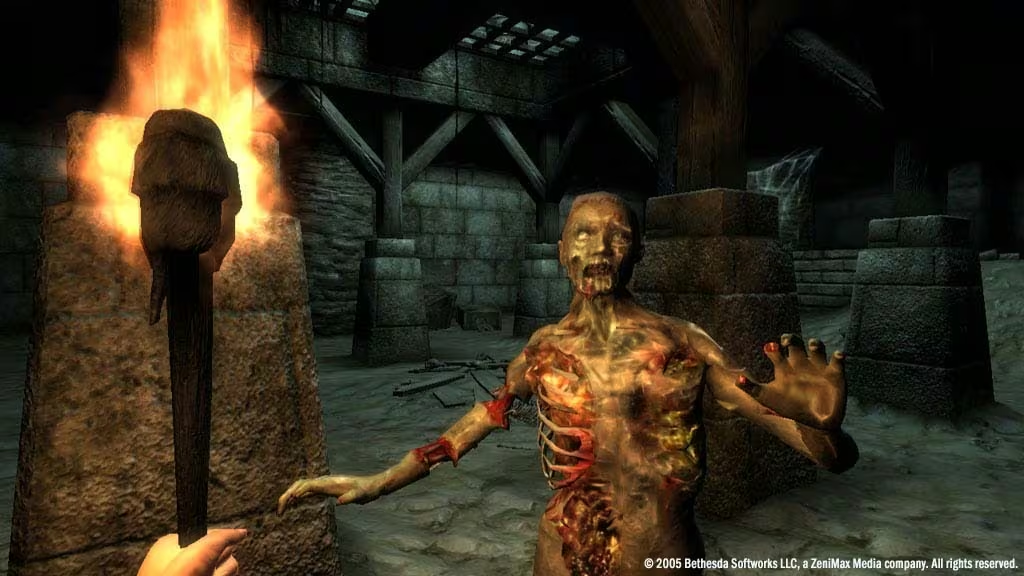
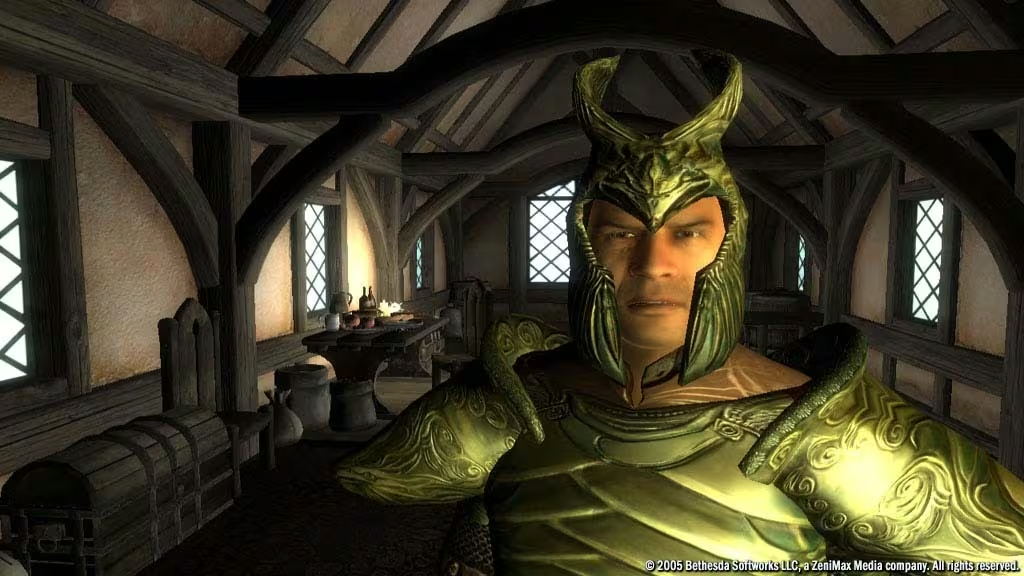
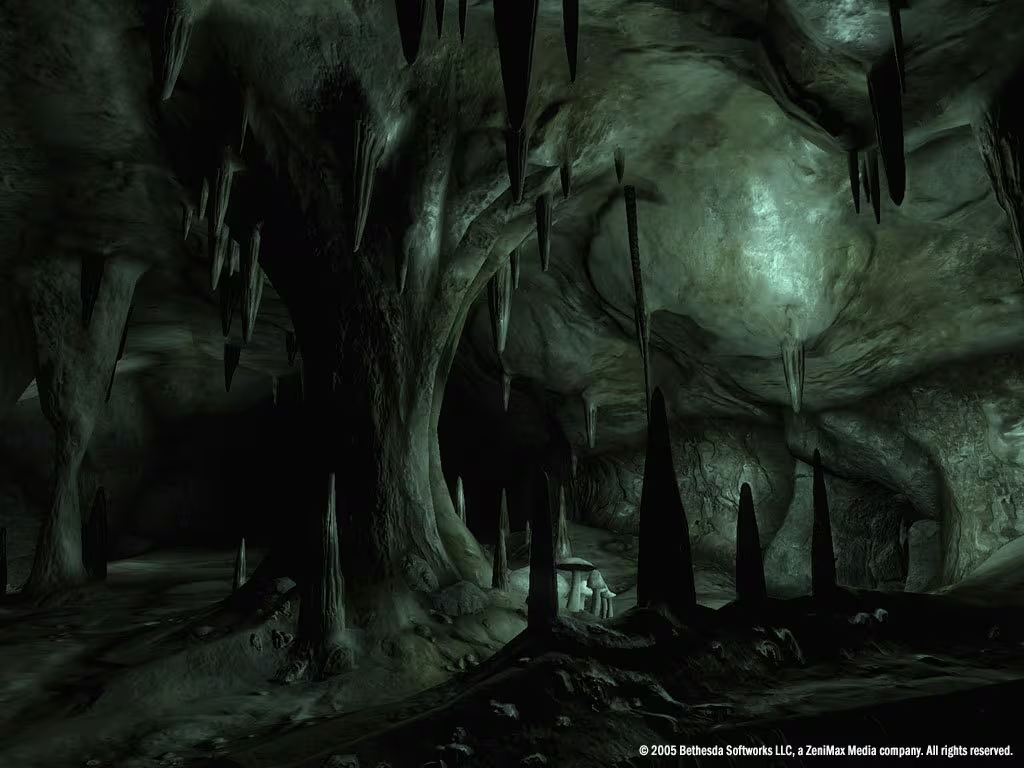
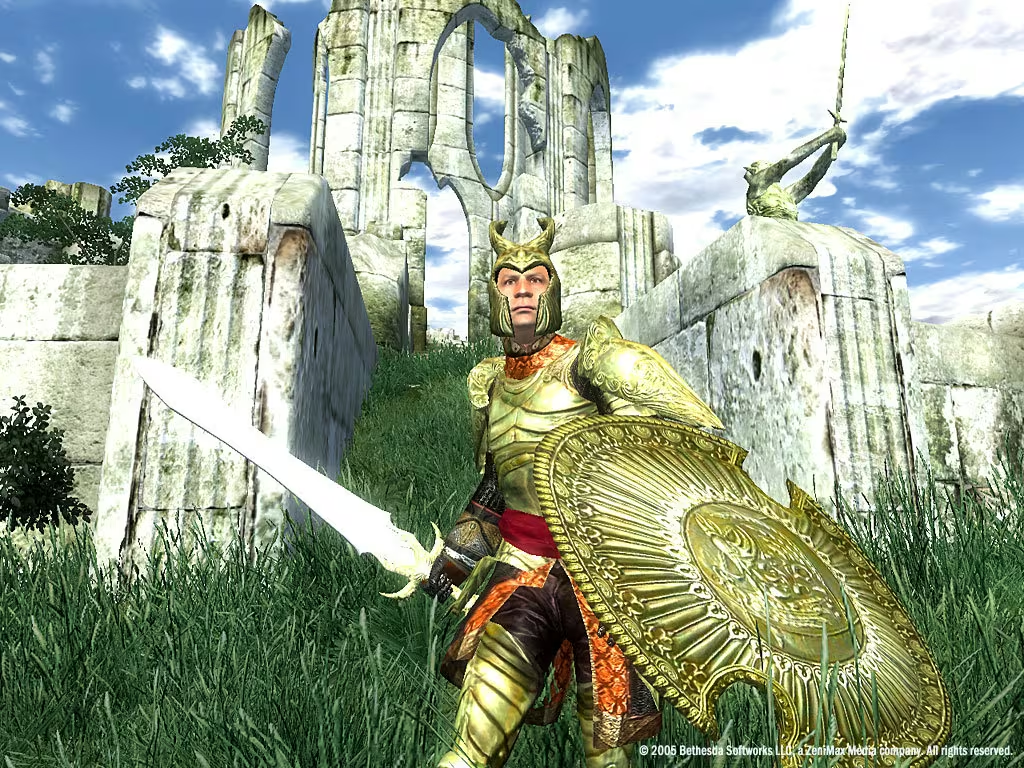
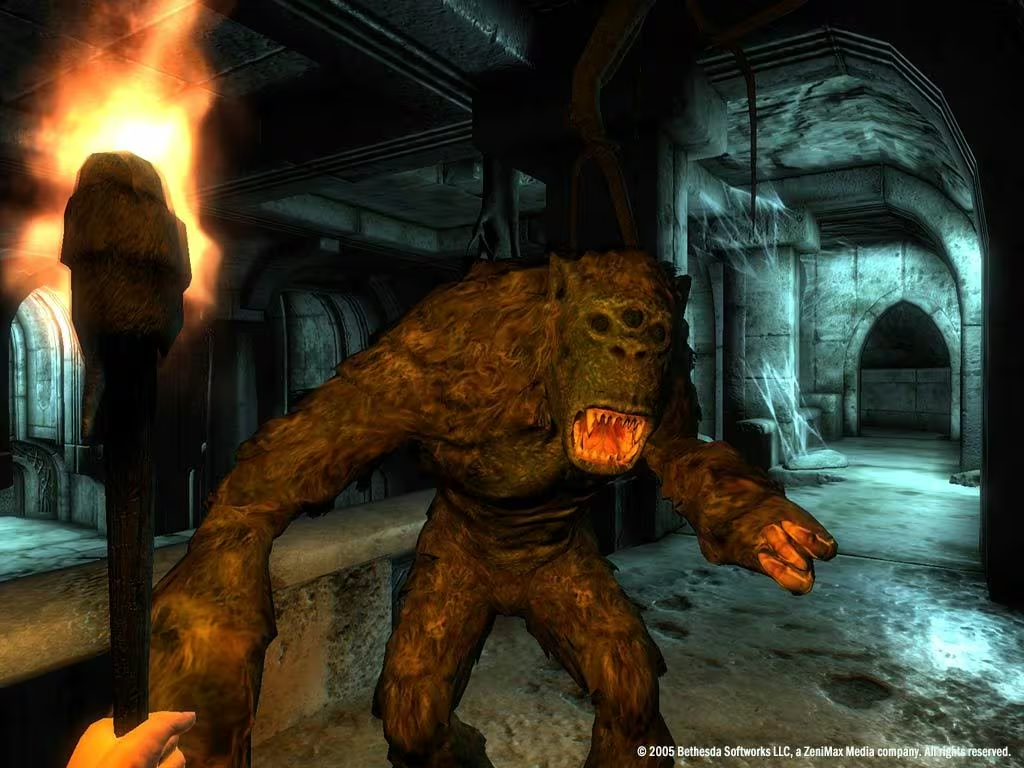
PUBLISHER UPDATE - This is the product page for The Elder Scrolls IV: Oblivion Game of the Year Deluxe Edition, released in 2009.---The Elder Scrolls IV: Oblivion® Game of the Year Edition presents one of the best RPGs of all time like never before. Step inside the most richly detailed and vibrant game-world ever created.

Global score

95/100

Genres

Similar games

    Pros

    • Vast and immersive open world
    • Deep character customization and modding
    • Engaging story and quests
    • Nostalgic and beloved by fans
    • Good value for price

    Cons

    • Dated graphics and ui
    • Bugs and technical issues
    • Some repetitive or grindy gameplay
    • Limited voice acting variety
    • No multiplayer or social features

    Analysis

    Broadly representative of its motivational profile, with a few distinct shifts. Motivations that often define this kind of title include Fellowship, Cooperation, Leadership, Violence. Here, the score leans higher than usual among comparable games on Story, Expression, Exploration.

    How to use the graph
    Similar games map

    Each dot is a game. They are arranged from the same motivation profile as in the “Motivations” section below. Closer dots usually mean more similar reasons to play (exploration, competition, relaxation, etc.)—not that one game is “better” than another.

    • Larger dot with a light outline: the game you are viewing.
    • Colour: groups of games with comparable motivation patterns (statistical clusters).
    • Hover a dot to see the game name; click to open its page.
    • Scroll or double-click the chart to zoom out and see more games.

    Why don’t the axes read like a score? This view uses t-SNE: it only keeps who is close to whom. The scales are not “good to bad” or hours played—they separate groups on the map. Read distance between dots, not the axis numbers.

    Motivations

    • Autonomy
      4

      "Players have significant freedom to create characters, choose play styles, explore the world, and make decisions affecting quests and progression."

    • Competence
      3

      "The game offers skill development, challenging combat, and resource management, though some aspects can be repetitive or grindy."

    • Competition
      -4

      "Focus is on personal exploration and questing without competitive multiplayer or leaderboards."

    • Continuation
      5

      "Many players report hundreds to thousands of hours played, habitual return, and strong attachment."

    • Cooperation
      -5

      "Single-player RPG with no multiplayer or cooperative gameplay elements."

    • Creativity
      4

      "Players can customize characters, create spells, and mod the game extensively to alter content and appearance."

    • Domination
      -5

      "No evidence of exerting control over others; gameplay is individual and narrative-driven."

    • Escapism
      5

      "Strong escapism through immersive fantasy world, nostalgia, and roleplaying."

    • Expectation
      -4

      "Players engage voluntarily out of personal desire and nostalgia, not obligation or pressure."

    • Experimenting
      4

      "Players experiment with character builds, spells, quest approaches, and extensive modding."

    • Exploration
      5

      "Large open world with diverse environments, hidden dungeons, and many quests encourages discovery."

    • Expression
      4

      "Character customization and modding allow personal expression and aesthetic changes."

    • Fantasy
      5

      "High fantasy setting with magic, mythical creatures, and epic quests."

    • Fellowship
      -5

      "Primarily single-player with minimal social interaction."

    • Growth
      4

      "Players develop skills, learn game mechanics, and improve through gameplay and modding."

    • Health
      -5

      "No physical activity or health-related gameplay elements."

    • Idle
      -3

      "Requires active engagement; players report long sessions and focus rather than casual or background play."

    • Intimacy
      -5

      "No evidence of forming close social relationships within the game."

    • Leadership
      -5

      "No leadership or group management mechanics present."

    • Progression
      5

      "Strong emphasis on leveling, acquiring items, guild ranks, and character development."

    • Relaxation
      3

      "Players experience flow and immersion, though some report frustration with bugs and jank."

    • Sensation
      2

      "Enjoyable music and fantasy visuals, but graphics are dated and sensory stimulation is moderate."

    • Status
      -4

      "Focus is on personal achievement and story rather than social recognition or popularity."

    • Story
      5

      "Strong narrative immersion with main quest, guild storylines, and rich lore."

    • Strategy
      3

      "Requires planning in combat, resource management, and character builds, though some mechanics are straightforward."

    • Thrill
      2

      "Some suspense and challenge in combat and quests, but overall experience is balanced rather than high tension."

    • Value
      4

      "Highly praised for content volume, replayability, and mod support at low price."

    • Violence
      3

      "Combat and defeating enemies are core gameplay elements, though violence is fantasy-based and not gratuitous."

    • Survival
      1

      "Some resource and health management, but no hardcore survival mechanics."

    Last update: 29/04/2026