Tunguska: The Visitation - Final Cut Thumbnail

Tunguska: The Visitation - Final Cut similar games & best alternatives

Tunguska: The Visitation - Final Cut

PC (Microsoft Windows) • 2021

Related articles

Quick resume

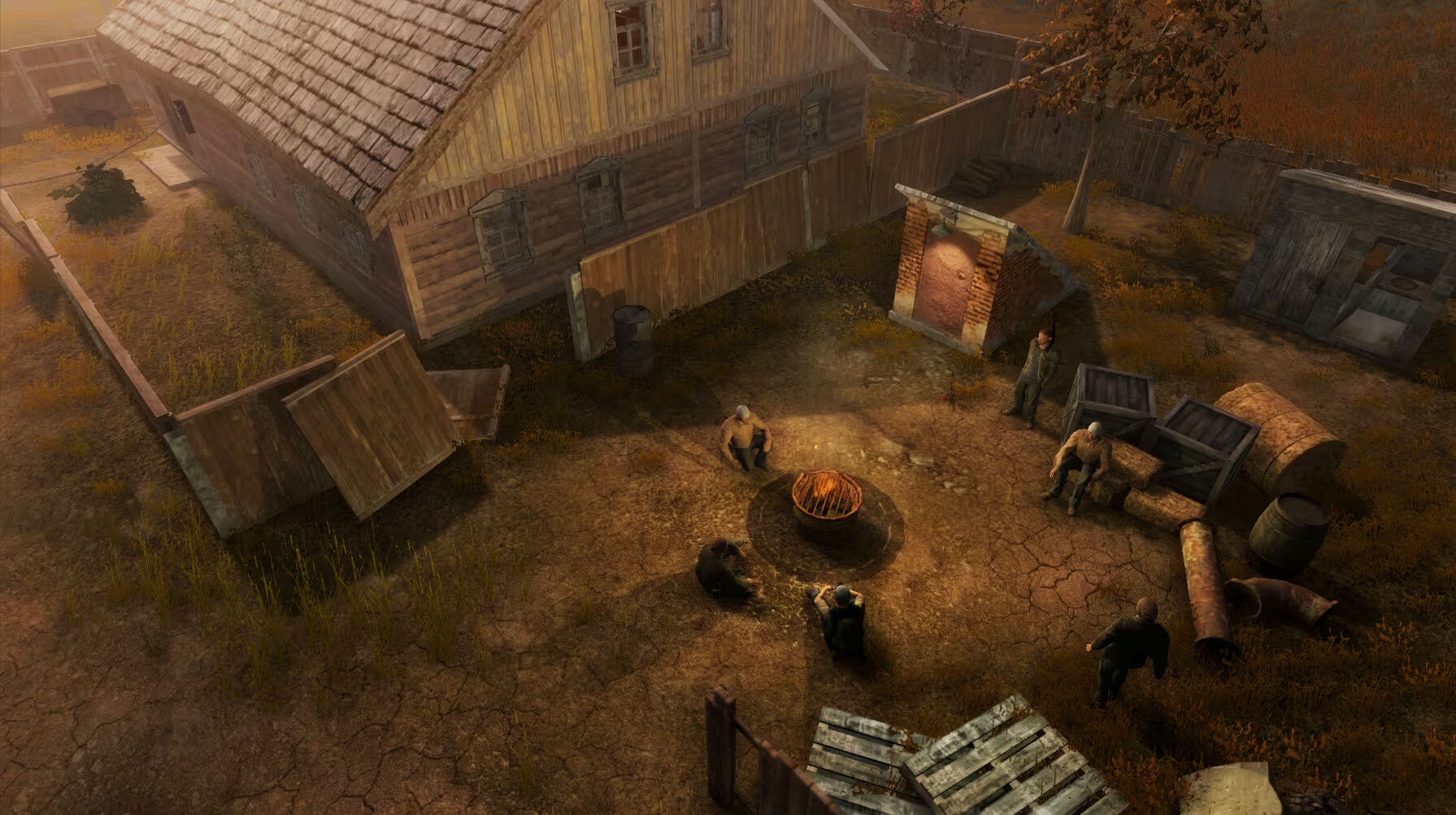
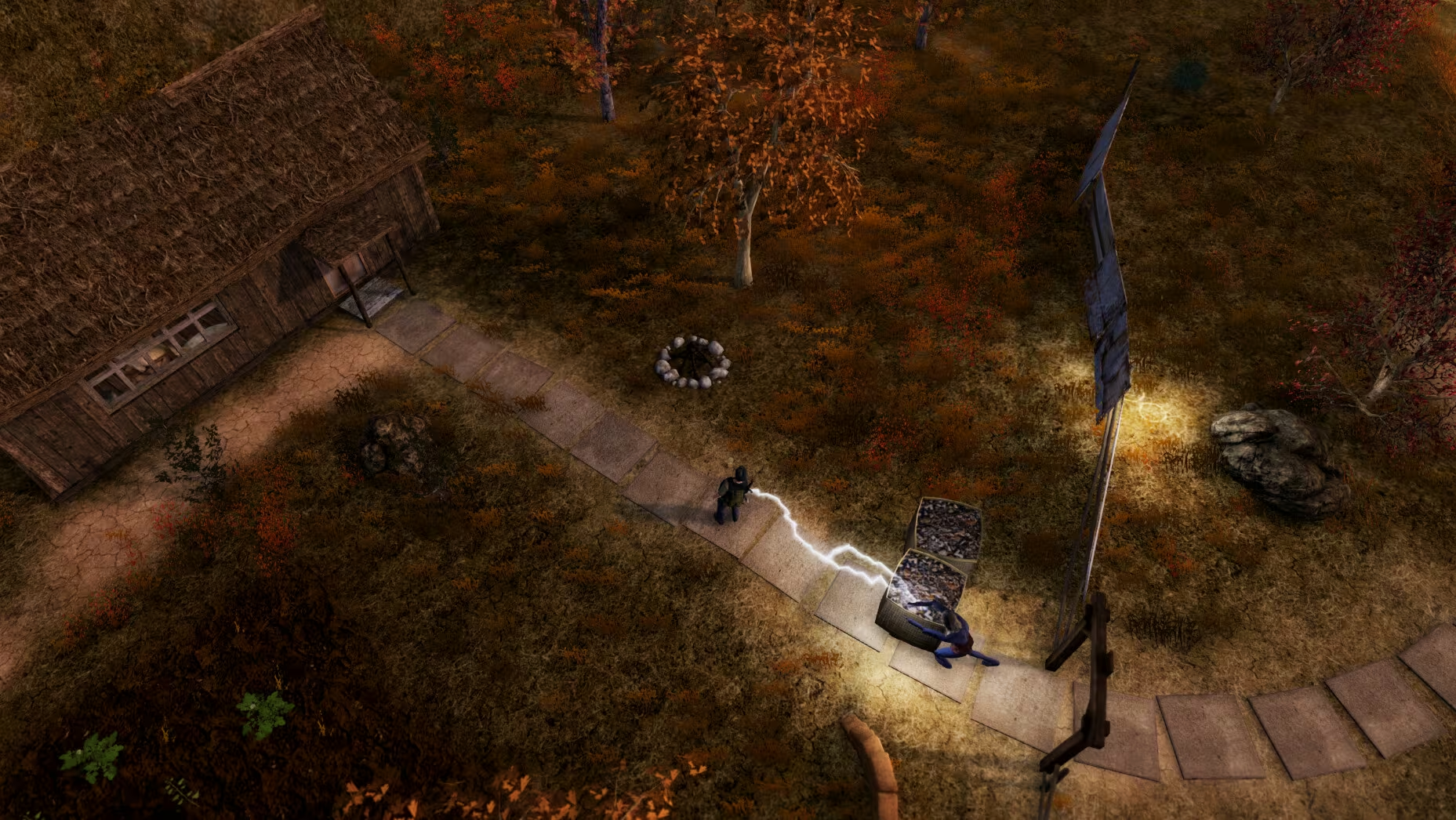
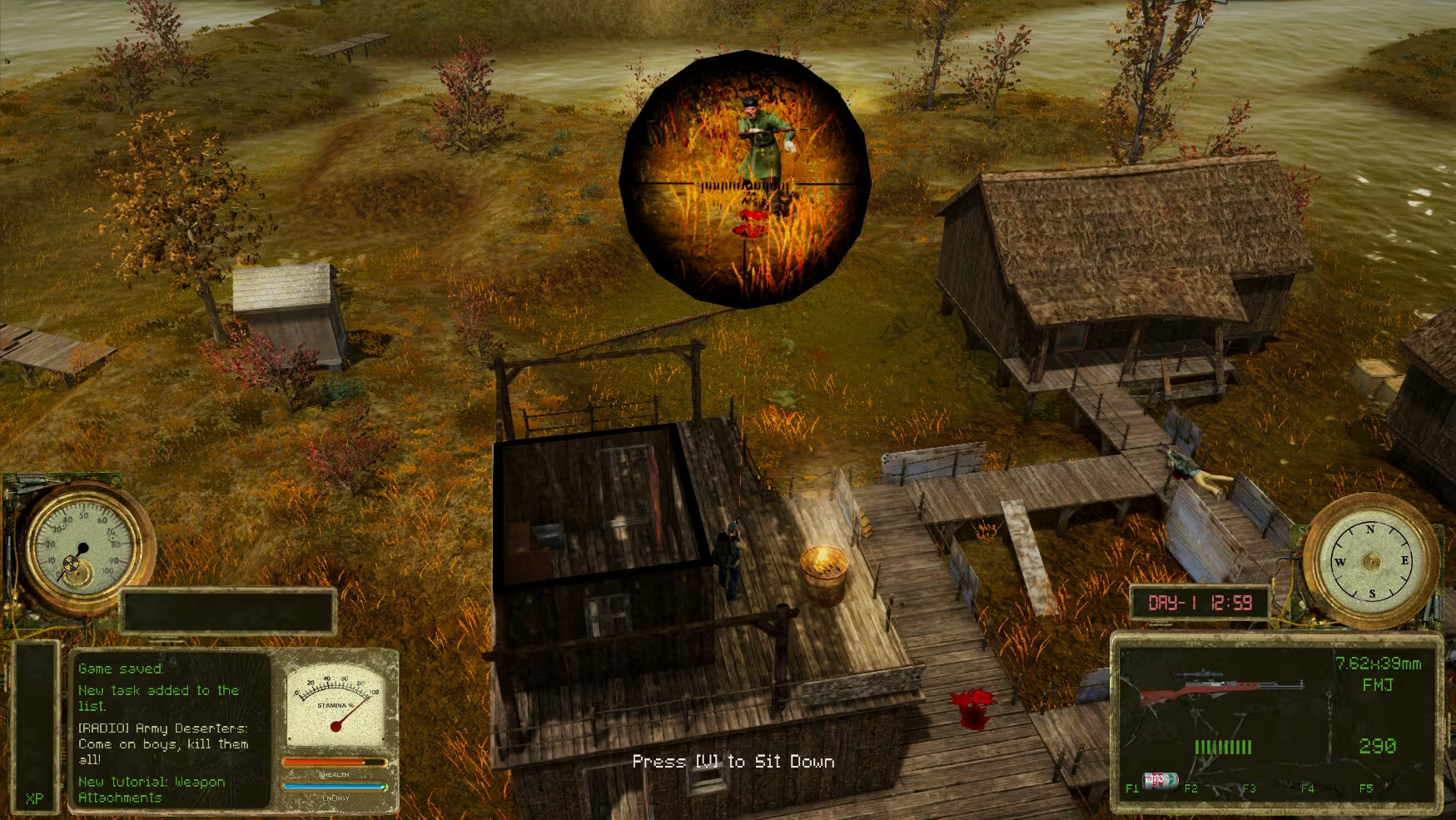
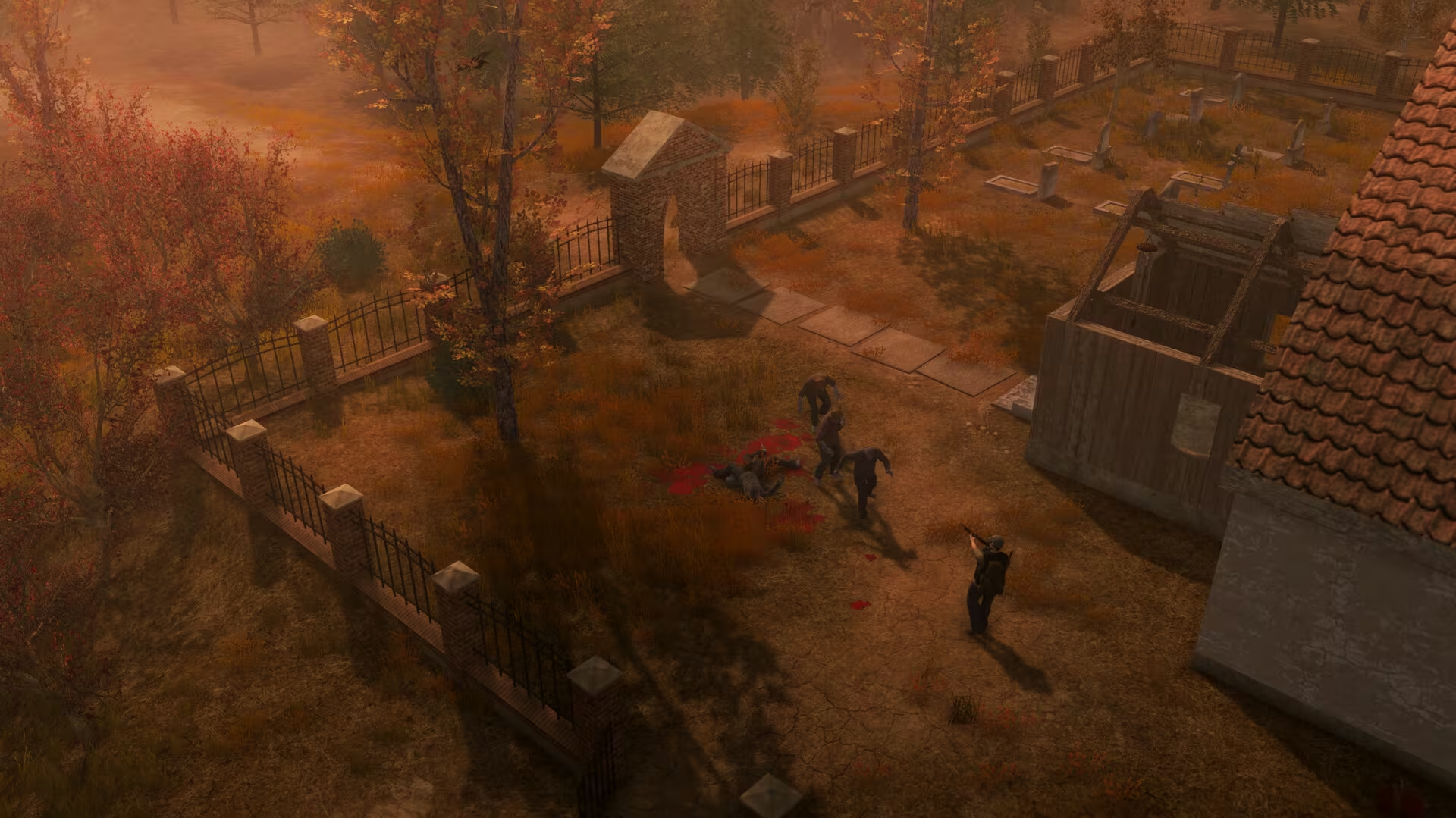
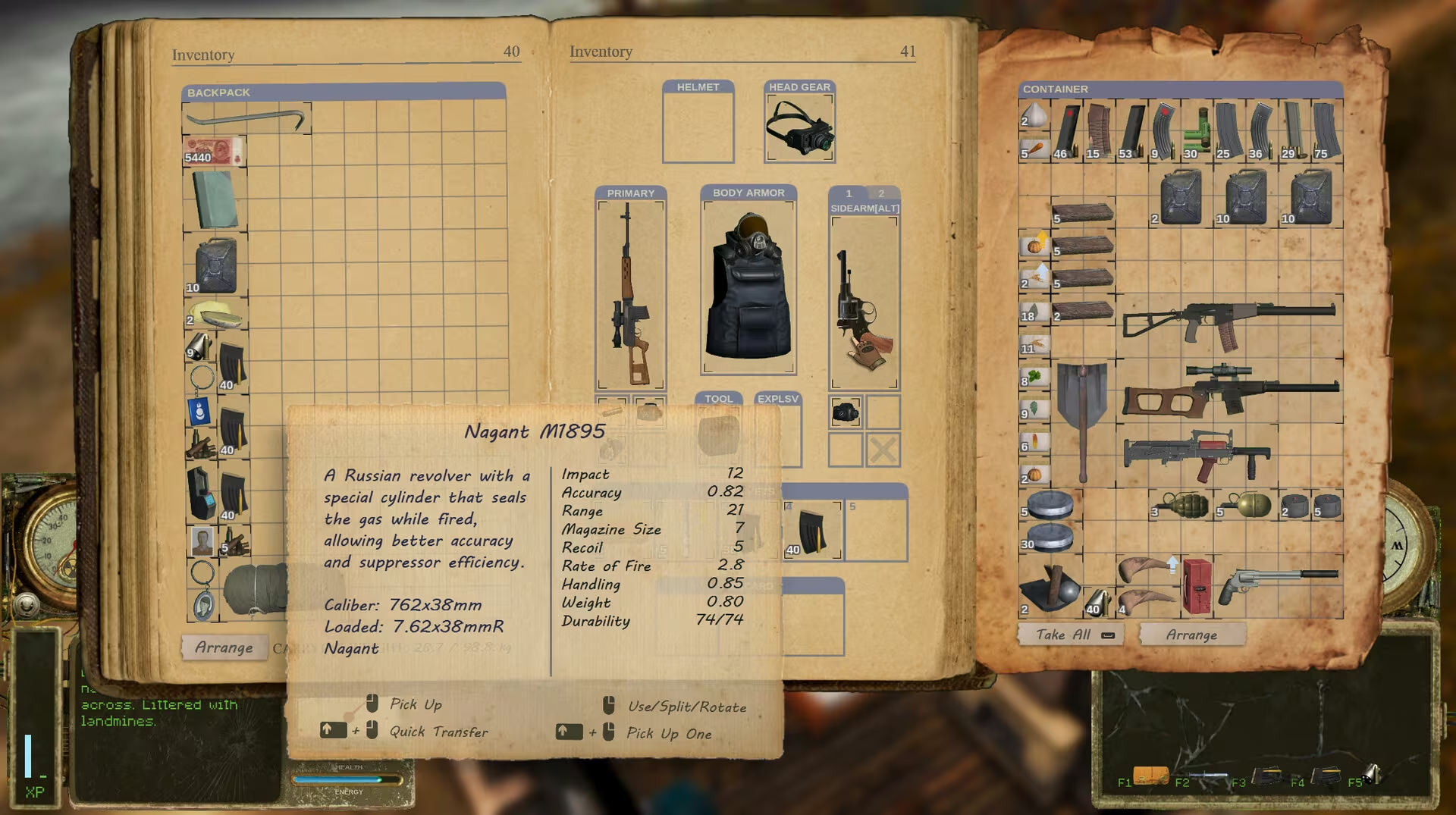
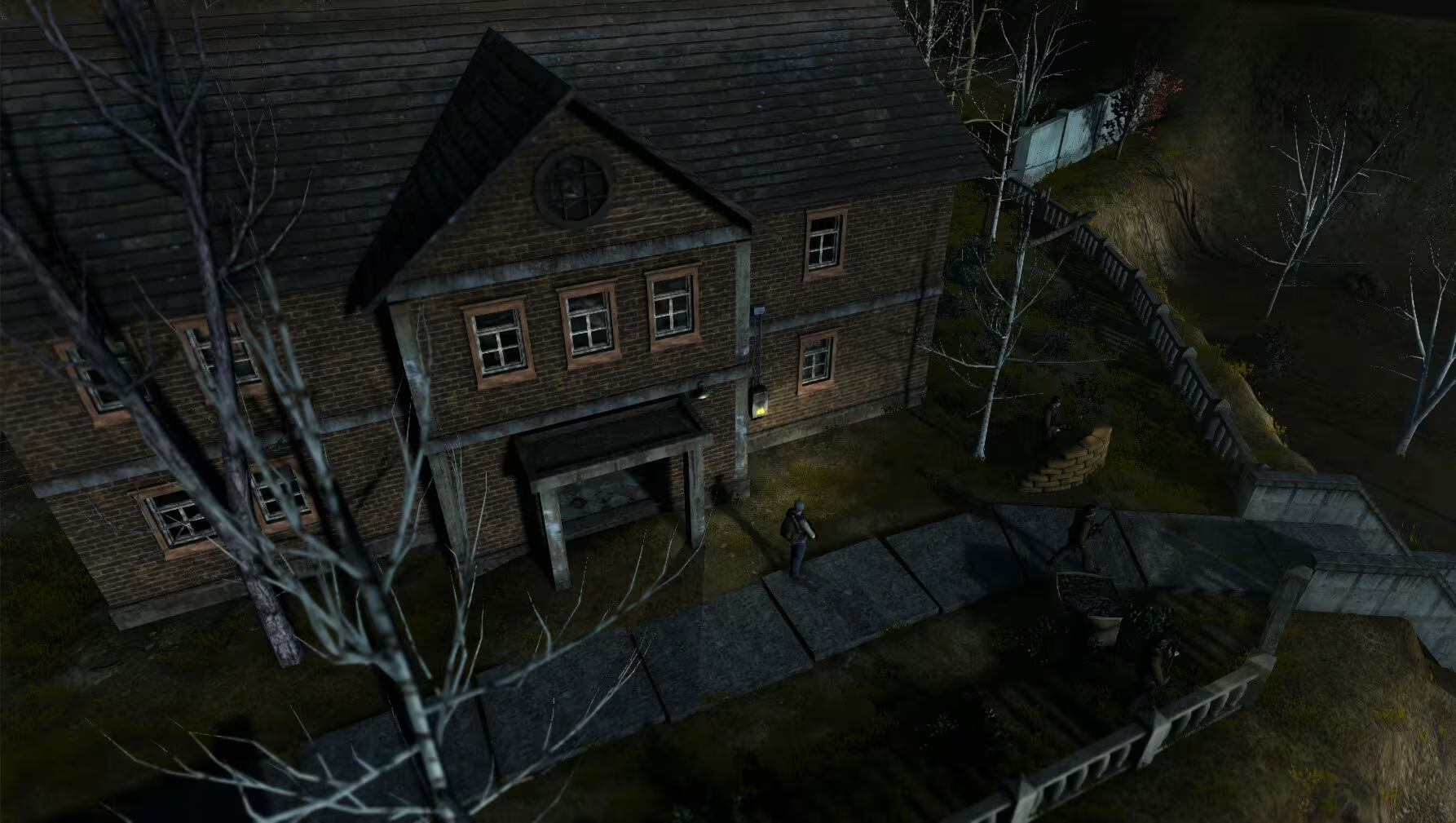
Tunguska: The Visitation is a single player top-down shooter RPG. Seek fortune as a Ghoul Hunter in an abandoned Soviet Exclusion Zone. Use your grit and ingenuity to survive deadly radiation, mysterious anomalies, and poisonous mutants. Go in guns-blazing, or stay in the shadows - your choice.

Global score

88/100

Genres

Action, Adventure, Indie, Role-playing (RPG)

Similar games

    Pros

    • Deep immersion and atmosphere
    • Meaningful player choice and exploration
    • Challenging and strategic combat
    • Active and responsive solo developer
    • Rich crafting and progression systems

    Cons

    • Some clunky controls and jank reported
    • Limited social or cooperative gameplay
    • Small maps with some backtracking
    • Some players find inventory management tedious
    • Dlc content not included in base game

    Analysis

    A very typical example of its motivational profile. Motivations that often define this kind of title include Fellowship, Cooperation, Leadership, Violence. Here, the score leans higher than usual among comparable games on Exploration, Survival, Story.

    How to use the graph
    Similar games map

    Each dot is a game. They are arranged from the same motivation profile as in the “Motivations” section below. Closer dots usually mean more similar reasons to play (exploration, competition, relaxation, etc.)—not that one game is “better” than another.

    • Larger dot with a light outline: the game you are viewing.
    • Colour: groups of games with comparable motivation patterns (statistical clusters).
    • Hover a dot to see the game name; click to open its page.
    • Scroll or double-click the chart to zoom out and see more games.

    Why don’t the axes read like a score? This view uses t-SNE: it only keeps who is close to whom. The scales are not “good to bad” or hours played—they separate groups on the map. Read distance between dots, not the axis numbers.

    Motivations

    • Autonomy
      4

      "Players have freedom to choose approach in quests, stealth or combat, and make meaningful choices affecting factions and story."

    • Competence
      4

      "Combat requires skill and strategy; game has challenging mechanics and meaningful feedback on player performance."

    • Competition
      -3

      "Focus is on personal exploration and progression without competitive or ranked multiplayer elements."

    • Continuation
      4

      "Players report long play sessions, habitual engagement, and returning to the game due to ongoing updates and content."

    • Cooperation
      -4

      "Gameplay is primarily single-player with limited or no multiplayer cooperation."

    • Creativity
      3

      "Crafting, farming, and base building allow player creativity and customization within the game systems."

    • Domination
      -4

      "Interactions are balanced with factions and NPCs; no evidence of power imposition or trash talk."

    • Escapism
      5

      "Strong immersion in a bleak, atmospheric world providing escape from real life stress and engagement."

    • Expectation
      -4

      "Players engage voluntarily out of intrinsic interest and appreciation for the developer's passion."

    • Experimenting
      4

      "Players explore different combat tactics, stealth, crafting, and quest solutions, encouraging experimentation."

    • Exploration
      5

      "Game emphasizes discovering new areas, secrets, and lore with curiosity-driven activities."

    • Expression
      2

      "Some customization through equipment and base building, but limited cosmetic self-expression."

    • Fantasy
      3

      "Fictional post-disaster Siberian zone with mutants and anomalies, blending sci-fi and realistic elements."

    • Fellowship
      -4

      "Primarily a solo experience with minimal social or community gameplay elements."

    • Growth
      4

      "Skill leveling, crafting mastery, and learning game mechanics provide personal development."

    • Health
      -4

      "Sedentary gameplay with no physical activity; some players report long sessions and fatigue."

    • Idle
      -3

      "Requires focused attention and strategic planning; not designed for casual or background play."

    • Intimacy
      -4

      "Limited social interaction; relationships with NPCs are functional and narrative-driven rather than emotional."

    • Leadership
      -4

      "No evidence of player leadership roles; gameplay is individual and self-directed."

    • Progression
      5

      "Strong emphasis on accumulating items, upgrades, skills, and completing quests."

    • Relaxation
      2

      "Atmosphere is immersive but tense; gameplay involves challenge and occasional frustration."

    • Sensation
      3

      "Sound design and visuals provide atmospheric stimulation and emotional engagement."

    • Status
      -4

      "No social status or recognition systems; focus is on individual achievement."

    • Story
      4

      "Narrative immersion with characters, lore, and branching quests enriches player experience."

    • Strategy
      4

      "Combat and quest approaches require planning, tactical thinking, and problem solving."

    • Thrill
      3

      "Combat and exploration provide suspense and tension, though not extreme or constant."

    • Value
      4

      "Players perceive strong value for price due to content, ongoing updates, and developer support."

    • Violence
      3

      "Combat involves shooting and melee violence against enemies and mutants."

    • Survival
      4

      "Resource management, threat avoidance, and strategic defense are core gameplay elements."

    Last update: 29/04/2026