Wanderstop Thumbnail

Wanderstop similar games & best alternatives
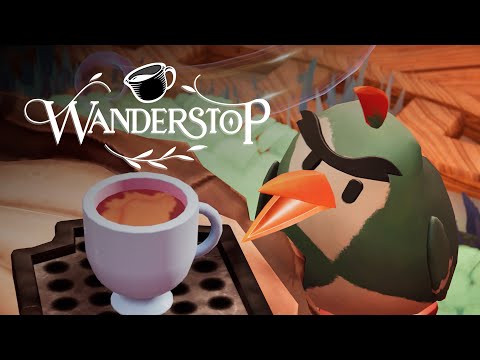
Wanderstop

PC (Microsoft Windows), Xbox Series X|S, PlayStation 5 • 2025

Related articles

Quick resume

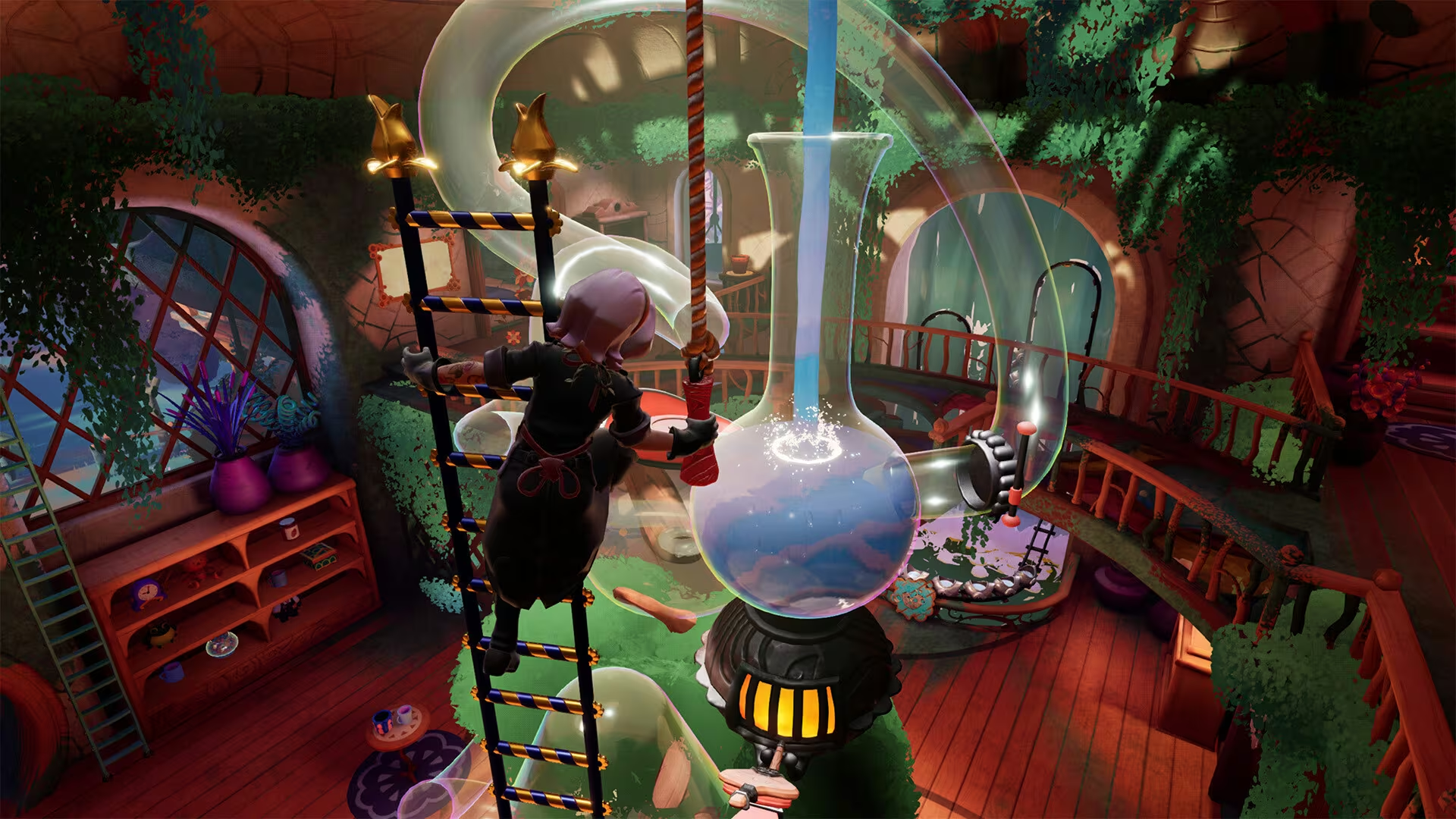
From the creator of The Stanley Parable and The Beginner’s Guide comes Wanderstop, a narrative-centric cozy game about change and tea.

Global score

93/100

Genres

Adventure, Indie, Simulator

Similar games

    Pros

    • Deep emotional narrative about burnout and healing
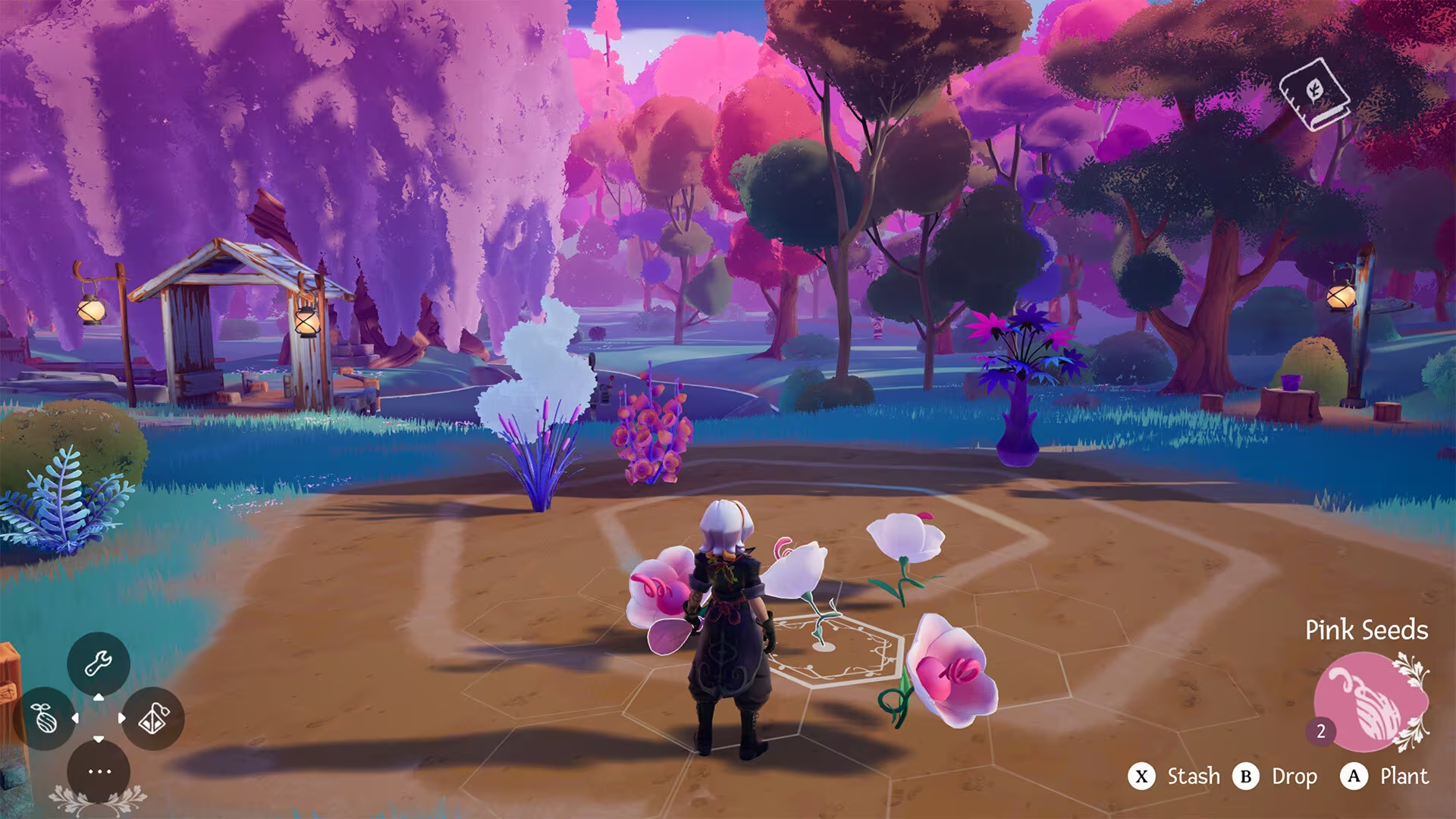
    • Beautiful art style and vibrant environments
    • Soothing soundtrack by c418
    • Relaxing, low-pressure gameplay
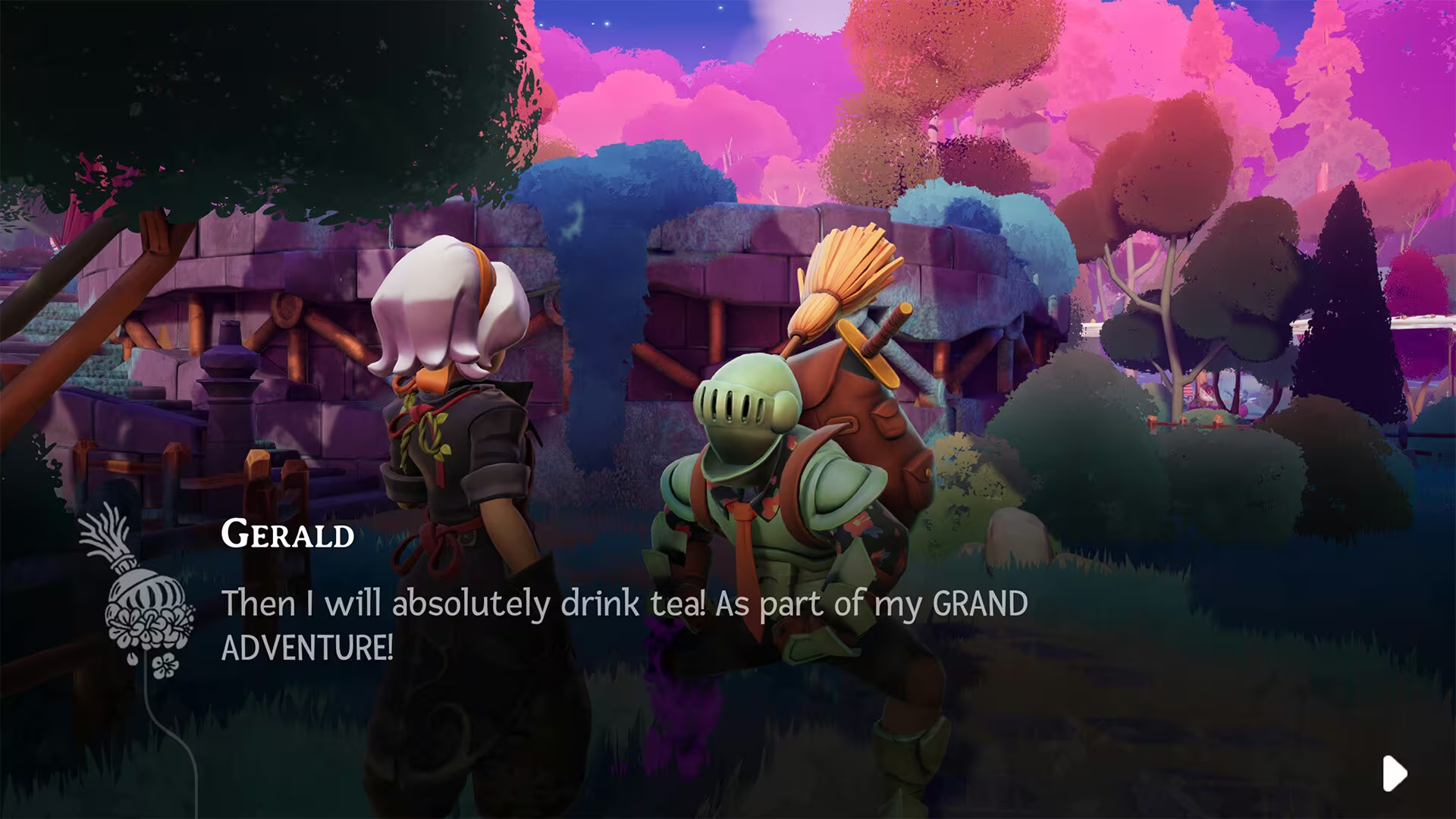
    • Meaningful character interactions

    Cons

    • Limited gameplay depth and challenge
    • Short overall length with limited replayability
    • Some players find pacing too slow or tasks repetitive
    • Lack of freeplay or endgame mode
    • Minor control and ui quirks

    Analysis

    Broadly representative of its motivational profile, with a few distinct shifts. Motivations that often define this kind of title include Intimacy, Survival, Violence, Competition. It leans lower than usual among comparable games on Thrill, Cooperation, Fellowship.

    How to use the graph
    Similar games map

    Each dot is a game. They are arranged from the same motivation profile as in the “Motivations” section below. Closer dots usually mean more similar reasons to play (exploration, competition, relaxation, etc.)—not that one game is “better” than another.

    • Larger dot with a light outline: the game you are viewing.
    • Colour: groups of games with comparable motivation patterns (statistical clusters).
    • Hover a dot to see the game name; click to open its page.
    • Scroll or double-click the chart to zoom out and see more games.

    Why don’t the axes read like a score? This view uses t-SNE: it only keeps who is close to whom. The scales are not “good to bad” or hours played—they separate groups on the map. Read distance between dots, not the axis numbers.

    Motivations

    • Autonomy
      4

      "Players have freedom to choose how to pace their gameplay, what tasks to do, and how to engage with the narrative and environment."

    • Competence
      1

      "Gameplay involves simple tea-making and farming mechanics with some puzzle elements, but overall low challenge and skill demand."

    • Competition
      -5

      "No competitive elements; focus is on personal pace and introspective experience without comparison to others."

    • Continuation
      3

      "Players often engage in long sessions, appreciating the relaxing atmosphere and narrative, though some note limited replayability."

    • Cooperation
      -5

      "Single-player experience focused on individual tasks and personal story; no multiplayer or teamwork."

    • Creativity
      2

      "Players can experiment with tea recipes and garden decoration, but within predefined systems and limited customization."

    • Domination
      -5

      "No elements of exerting control over others; interactions are respectful and narrative-driven."

    • Escapism
      5

      "Strong theme of escaping real-life stress and burnout; players use the game as a therapeutic, relaxing experience."

    • Expectation
      -4

      "Players engage voluntarily for intrinsic interest and emotional connection, not out of obligation or pressure."

    • Experimenting
      3

      "Encourages trying different tea blends and exploring dialogue options, though within a structured narrative."

    • Exploration
      3

      "Players discover new tea recipes, character stories, and environmental details, though map is small and changes over chapters."

    • Expression
      2

      "Some customization of the tea shop environment and photo placement allows for self-expression."

    • Fantasy
      1

      "Game has stylized, colorful art and some whimsical elements but grounded in realistic emotional themes."

    • Fellowship
      -3

      "Focus is on individual experience and narrative; some social connection through character interactions but no community play."

    • Growth
      4

      "Strong emphasis on personal development, healing from burnout, and emotional growth through narrative."

    • Health
      -4

      "Sedentary gameplay with no physical activity; promotes mental health reflection but not physical health."

    • Idle
      -2

      "Requires player attention to complete tasks and engage with story; not designed for background or idle play."

    • Intimacy
      3

      "Emotional connections with characters and introspective dialogue foster a sense of closeness and understanding."

    • Leadership
      -5

      "No leadership or management of others; player acts independently without directing others."

    • Progression
      1

      "Limited progression through unlocking tea recipes and story chapters; no long-term accumulation as items reset."

    • Relaxation
      5

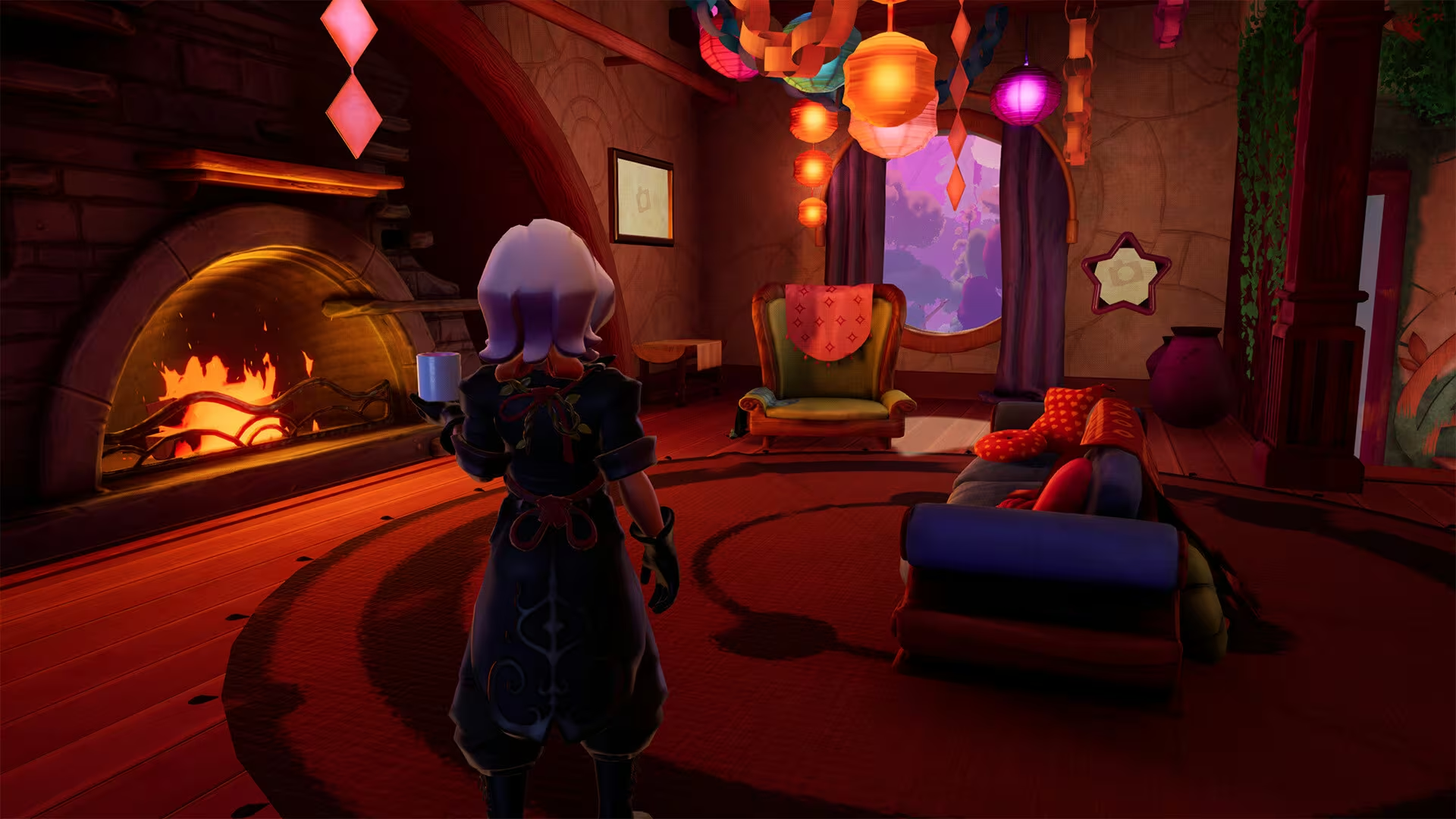
      "Core experience is calm, soothing, and designed to reduce stress and encourage mindfulness."

    • Sensation
      3

      "Enjoyable visuals, sound design, and music provide pleasant sensory stimulation."

    • Status
      -5

      "No social recognition or status systems; focus is on personal experience without external evaluation."

    • Story
      5

      "Narrative immersion is central, with deep emotional themes and character-driven storytelling."

    • Strategy
      1

      "Some light puzzle elements in tea-making and garden management, but overall straightforward gameplay."

    • Thrill
      -4

      "No suspense or risk; gameplay is predictable and designed for calm, not excitement."

    • Value
      3

      "Players generally feel the game offers good emotional and artistic value for its price and length."

    • Violence
      -5

      "No violence; gameplay centers on constructive and peaceful activities."

    • Survival
      -5

      "No threats or failure states; stable, low-risk environment."

    Last update: 29/04/2026