Vampire Therapist Thumbnail

Vampire Therapist similar games & best alternatives

Vampire Therapist

PC (Microsoft Windows), Mac, PlayStation 4, Xbox One, Xbox Series X|S, Nintendo Switch, PlayStation 5, Linux • 2024

Related articles

Quick resume

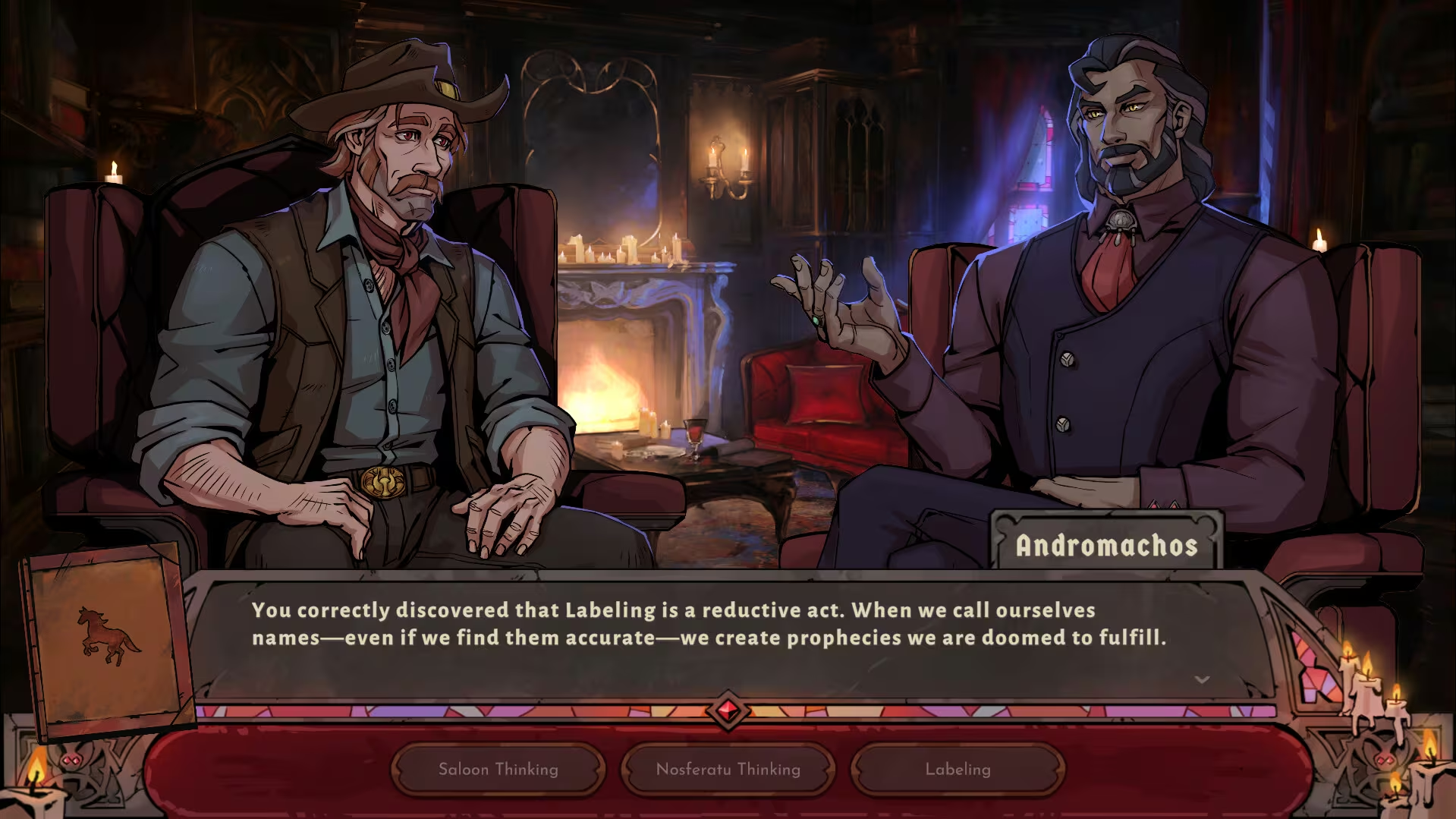
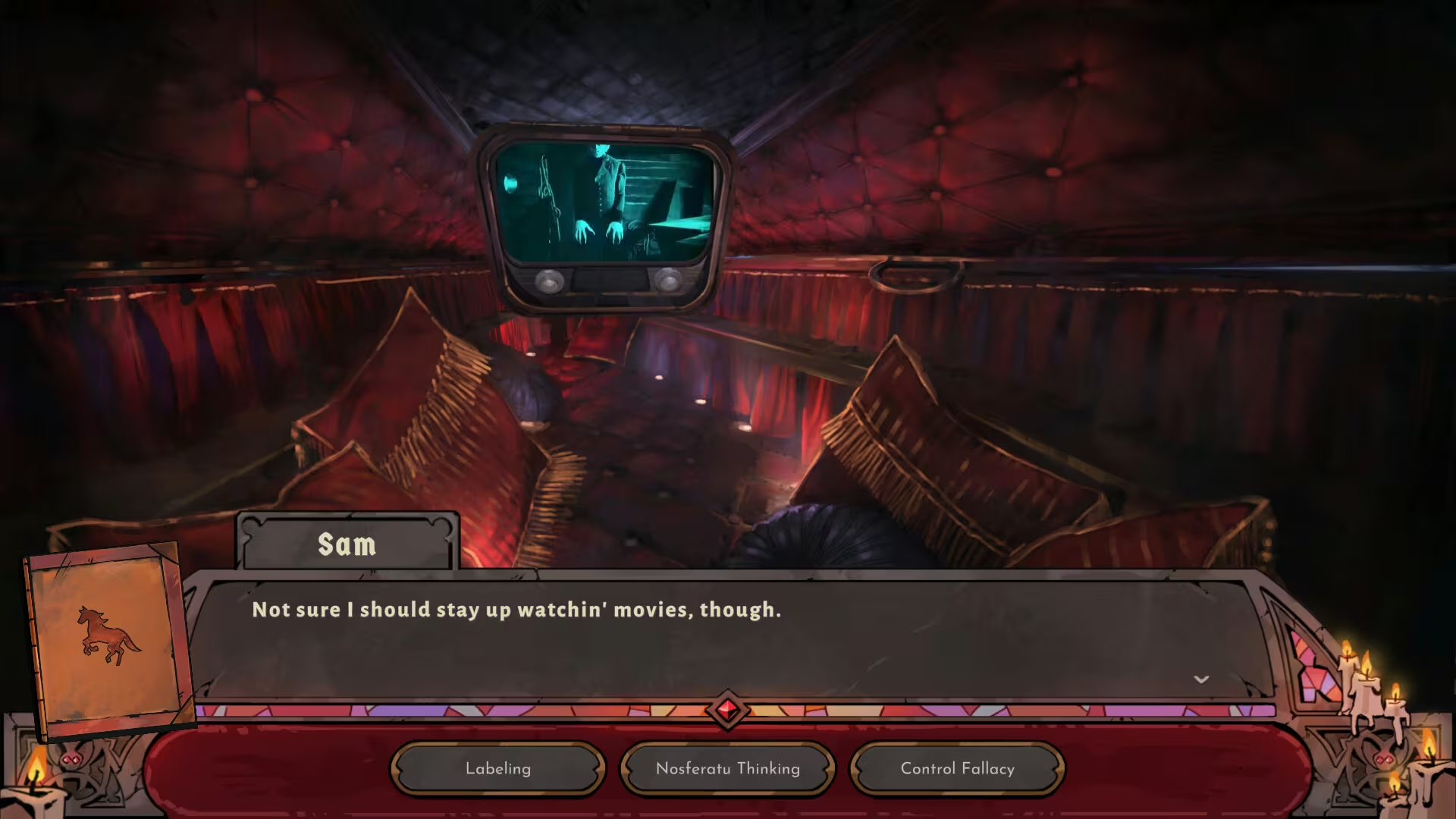
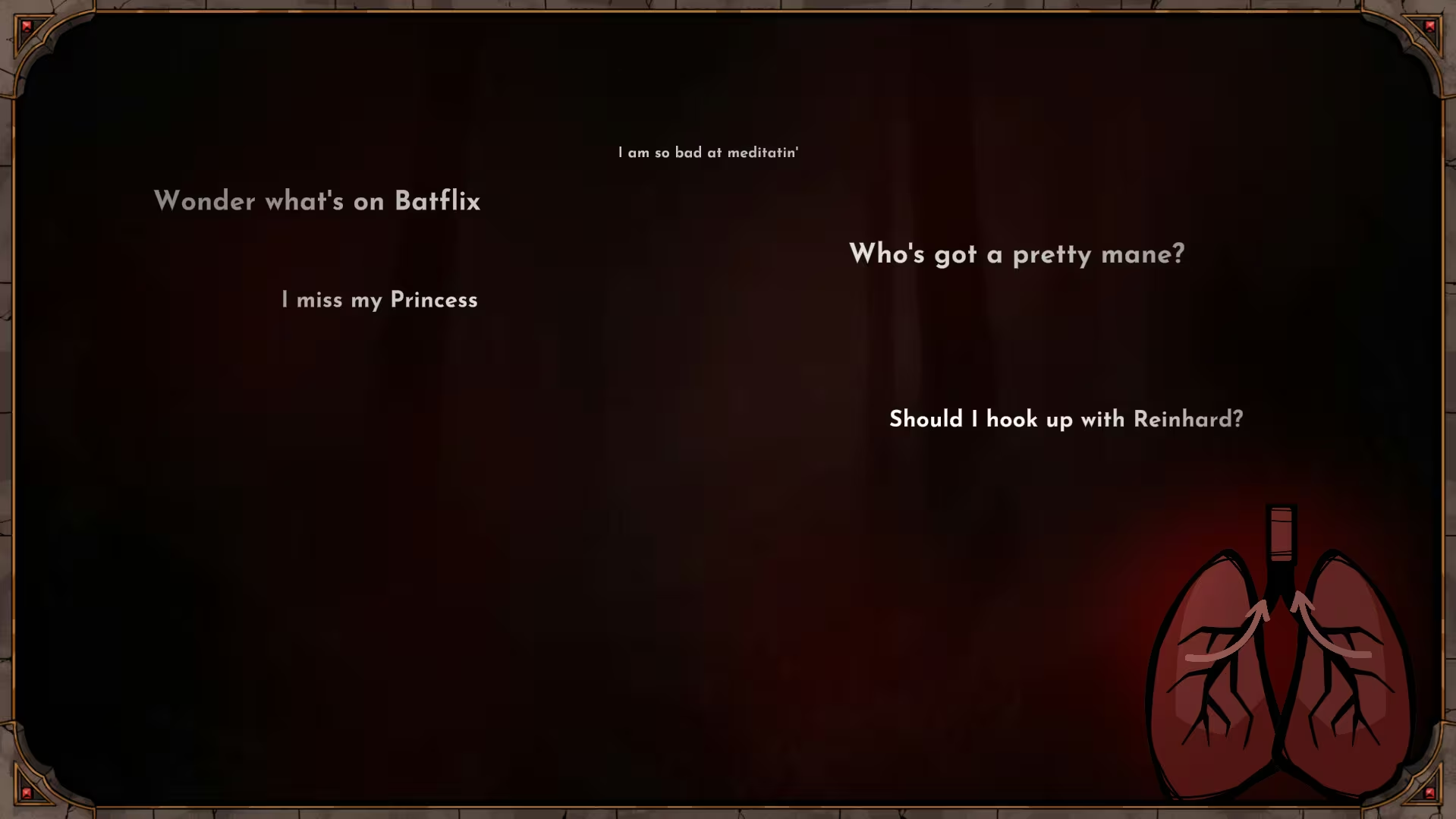
Guide vampires through centuries of emotional baggage, decades of delusions and the odd bout of self-loathing with real cognitive behavioral therapy concepts and become a Vampire Therapist! Even vampires need a shoulder to cry on when a neck to bite just won’t do.

Global score

95/100

Genres

Indie, Simulator, Adventure, Visual Novel

Similar games

    Pros

    • Unique blend of therapy and vampire fantasy
    • Excellent voice acting and writing
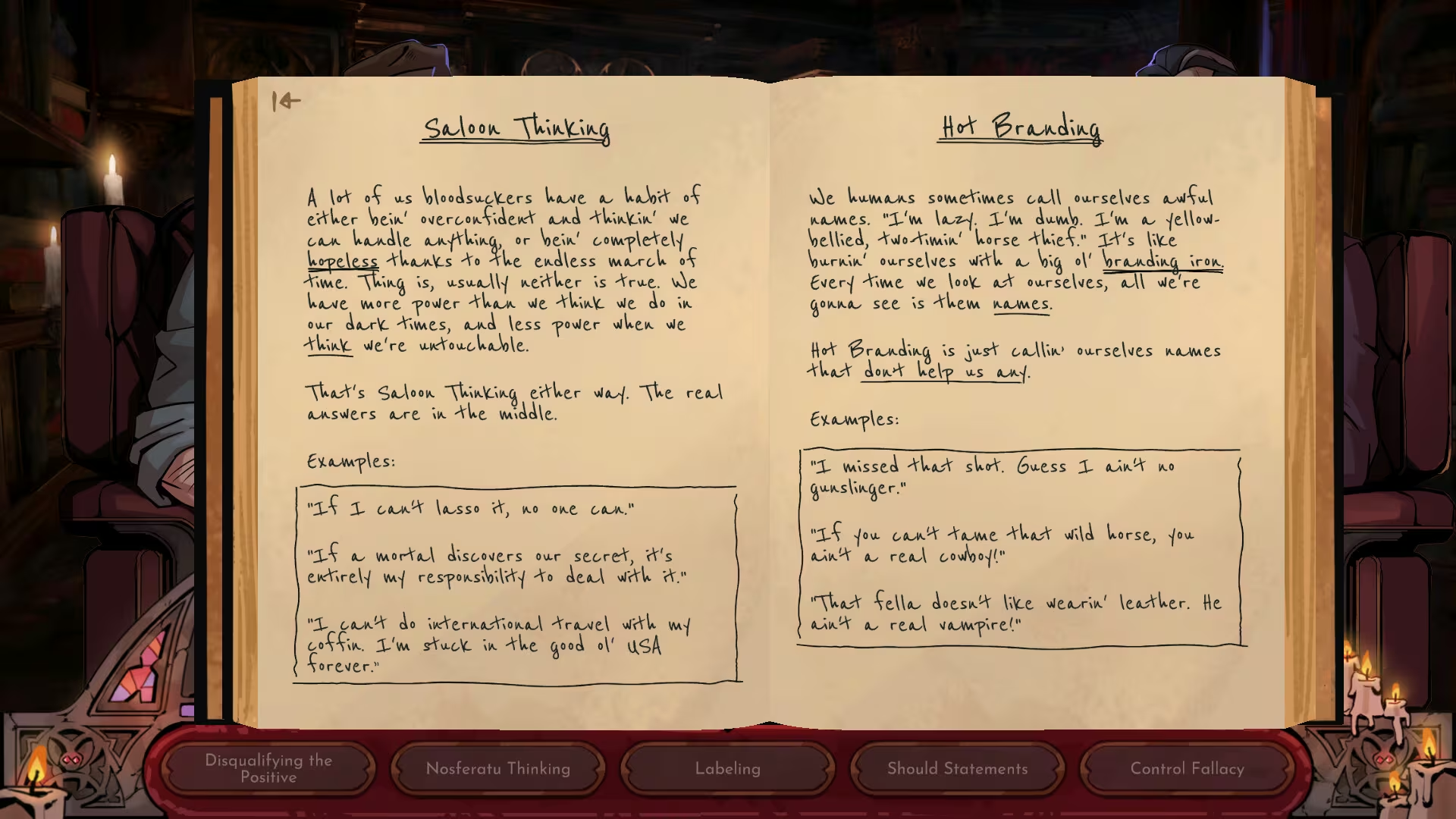
    • Educational on cognitive behavioral therapy
    • Emotional and narrative depth
    • Accessible gameplay with no fail states

    Cons

    • Limited player agency and choice impact
    • Some minor bugs and polish issues
    • Short overall length
    • Meditation and biting minigames can be frustrating
    • Some players may find humor or themes uncomfortable

    Analysis

    A very typical example of its motivational profile. Motivations that often define this kind of title include Intimacy, Survival, Violence, Competition. Here, the score leans higher than usual among comparable games on Strategy. It leans lower than usual among comparable games on Thrill, Fellowship.

    How to use the graph
    Similar games map

    Each dot is a game. They are arranged from the same motivation profile as in the “Motivations” section below. Closer dots usually mean more similar reasons to play (exploration, competition, relaxation, etc.)—not that one game is “better” than another.

    • Larger dot with a light outline: the game you are viewing.
    • Colour: groups of games with comparable motivation patterns (statistical clusters).
    • Hover a dot to see the game name; click to open its page.
    • Scroll or double-click the chart to zoom out and see more games.

    Why don’t the axes read like a score? This view uses t-SNE: it only keeps who is close to whom. The scales are not “good to bad” or hours played—they separate groups on the map. Read distance between dots, not the axis numbers.

    Motivations

    • Autonomy
      3

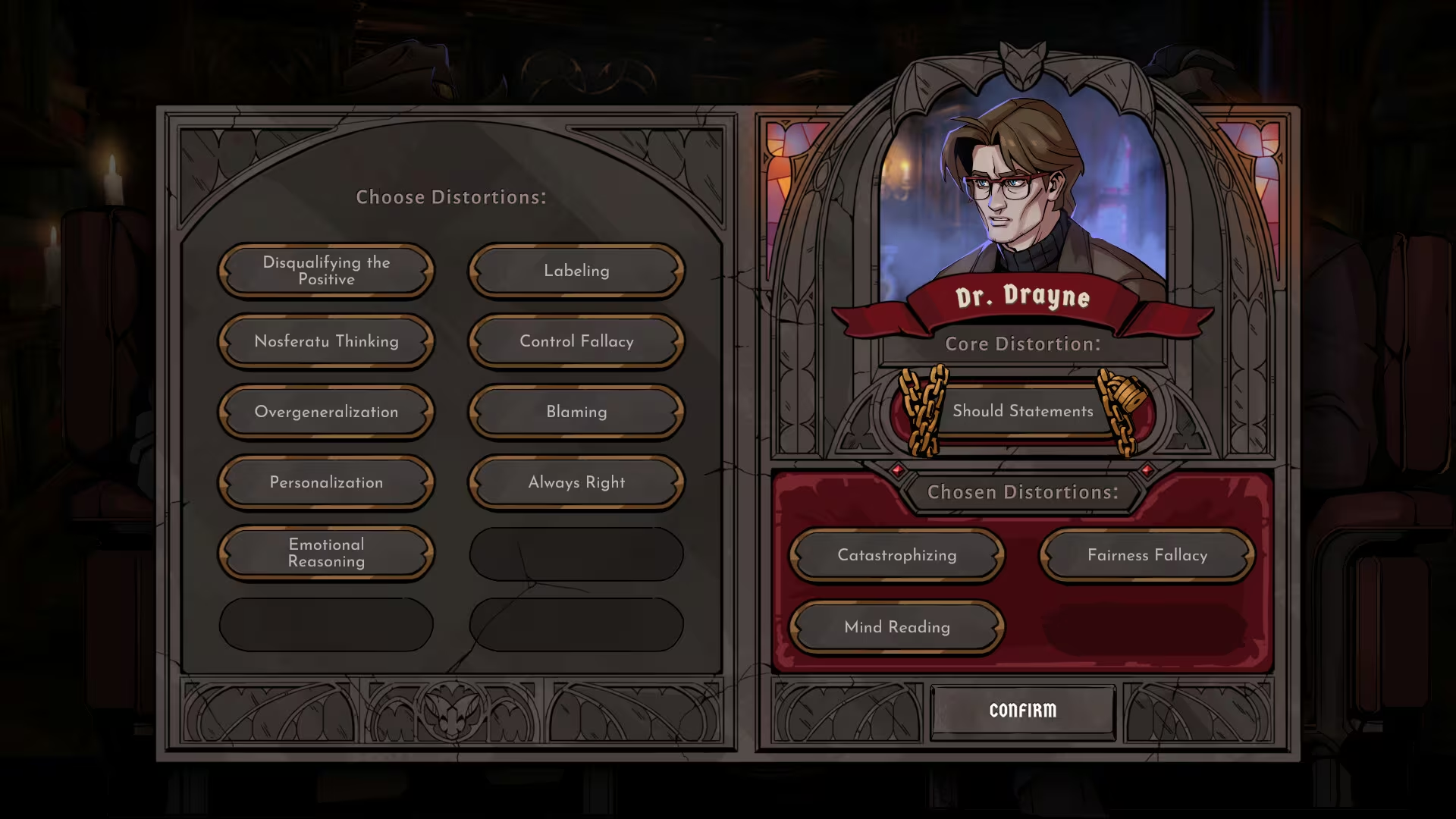
      "Players choose cognitive distortions to focus on and direct therapy sessions, reflecting personal decision-making within a structured narrative."

    • Competence
      3

      "Players engage in identifying cognitive distortions and applying therapy concepts, which requires learning and skill but with forgiving mechanics and no fail states."

    • Competition
      -3

      "Focus is on personal progress and understanding rather than competing against others; achievements reward personal mastery without social comparison."

    • Continuation
      4

      "Players report long sessions, emotional investment, and desire to continue playing and exploring characters' stories."

    • Cooperation
      -4

      "Gameplay centers on individual therapy sessions and personal reflection, with limited multiplayer or cooperative elements."

    • Creativity
      2

      "Players customize therapy approach by selecting cognitive distortions to address, but overall follow a narrative script with limited creative freedom."

    • Domination
      -5

      "Interactions emphasize empathy, support, and mutual respect rather than exerting control or superiority over others."

    • Escapism
      4

      "Players use the game as a meaningful escape to explore mental health concepts and emotional growth through a fantasy vampire setting."

    • Expectation
      -4

      "Players engage voluntarily out of personal interest in therapy, psychology, and narrative rather than obligation or external pressure."

    • Experimenting
      3

      "Players experiment with different cognitive distortions and therapy approaches as they progress, though within a guided structure."

    • Exploration
      2

      "Exploration is mostly narrative and character-driven rather than spatial; players discover new story elements and psychological concepts."

    • Expression
      1

      "Some self-expression through choice of therapy focus and dialogue options, but limited avatar or environment customization."

    • Fantasy
      4

      "Strong fantasy elements with vampire characters and supernatural setting blended with real-world psychological themes."

    • Fellowship
      -3

      "Primarily a single-player experience focused on individual therapy sessions and self-reflection rather than community or social identity."

    • Growth
      5

      "Core motivation is learning about cognitive distortions, personal development, and emotional insight through gameplay."

    • Health
      -4

      "Sedentary gameplay focused on mental health education rather than physical activity or rehabilitation."

    • Idle
      -3

      "Requires focused attention on dialogue and decision-making; not designed for casual or background play."

    • Intimacy
      2

      "Emotional intimacy is fostered through deep character interactions and meaningful conversations, though not focused on forming close personal relationships."

    • Leadership
      -4

      "Player acts as a supportive therapist rather than a leader or authority figure imposing decisions on others."

    • Progression
      3

      "Players progress through therapy sessions and unlock new cognitive distortions and story content, reflecting growth and accumulation."

    • Relaxation
      3

      "Generally calming and reflective experience with moments of emotional intensity balanced by humor and soothing audio."

    • Sensation
      2

      "Enjoyable voice acting, art, and sound design provide sensory stimulation, though gameplay is primarily cerebral."

    • Status
      -4

      "Achievements exist but social recognition or popularity is not a core focus; experience is personal and introspective."

    • Story
      5

      "Strong narrative immersion with well-developed characters, overarching plot, and emotional engagement."

    • Strategy
      3

      "Players use reasoning to identify cognitive distortions and select appropriate therapy approaches, requiring mental challenge."

    • Thrill
      -3

      "Gameplay is low risk and predictable, focusing on thoughtful reflection rather than suspense or excitement."

    • Value
      4

      "Players perceive high value in educational content, emotional impact, and unique experience relative to price."

    • Violence
      -5

      "Gameplay centers on constructive therapeutic interactions rather than combat or destruction."

    • Survival
      -4

      "Stable, low-risk environment focused on emotional challenges rather than physical survival or threat avoidance."

    Last update: 29/04/2026