Words for Evil Thumbnail

Words for Evil similar games & best alternatives
Words for Evil

PC (Microsoft Windows), Mac • 2014

Related articles

Quick resume

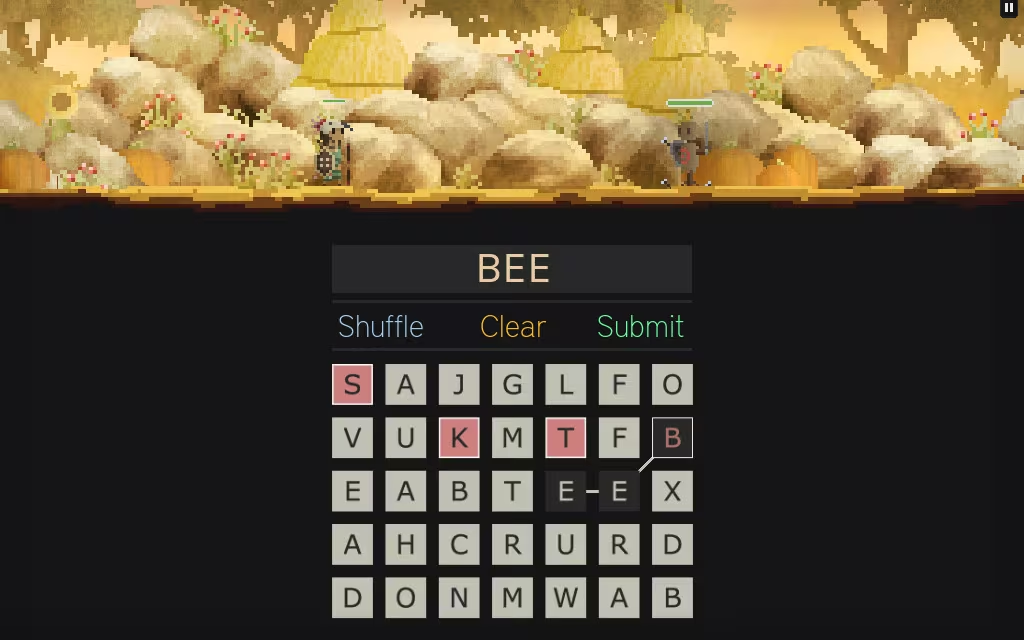
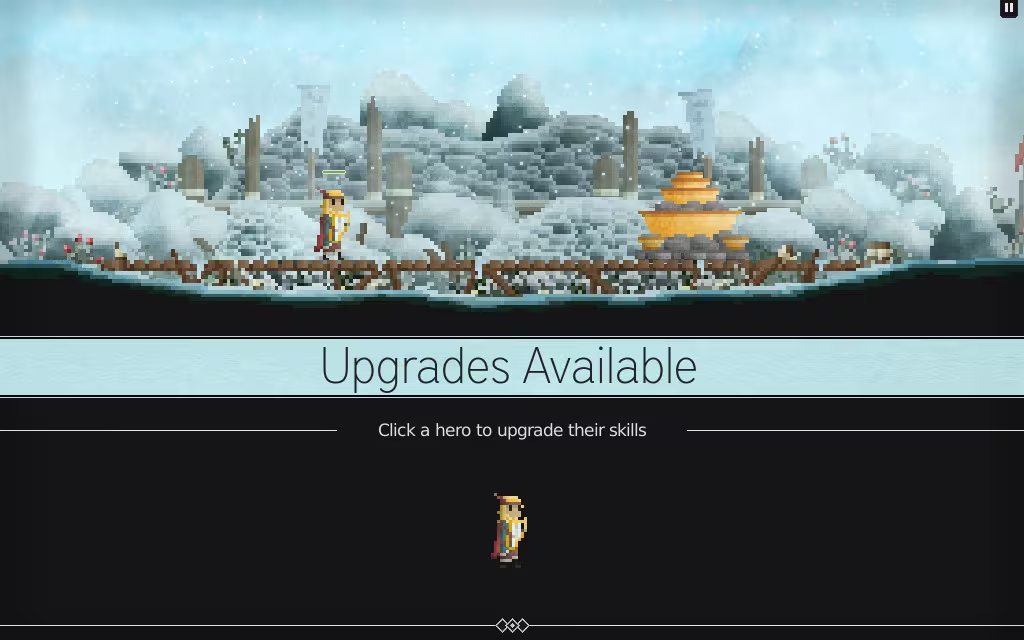
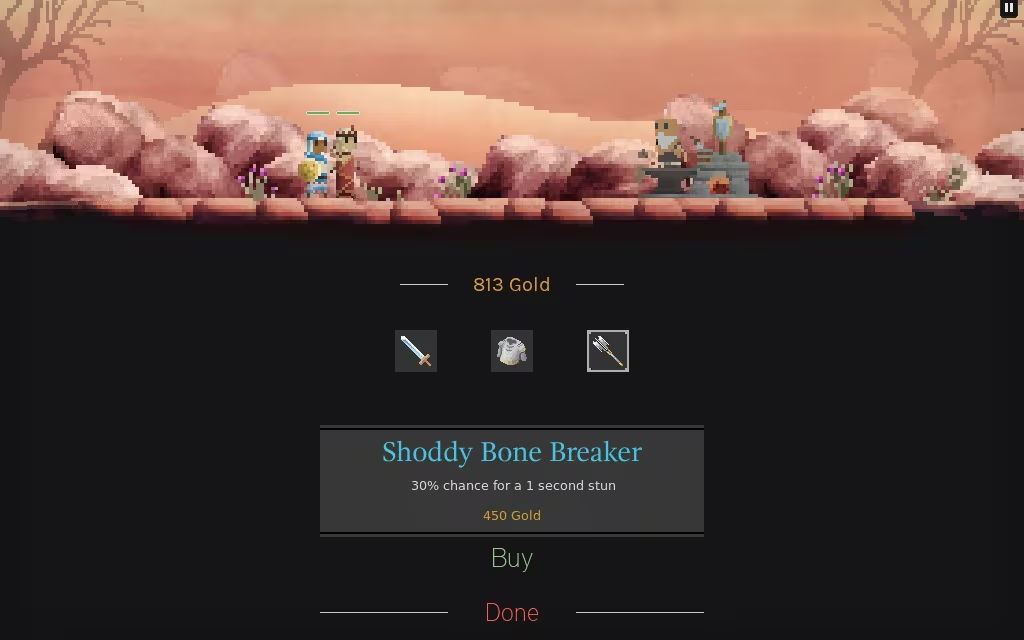
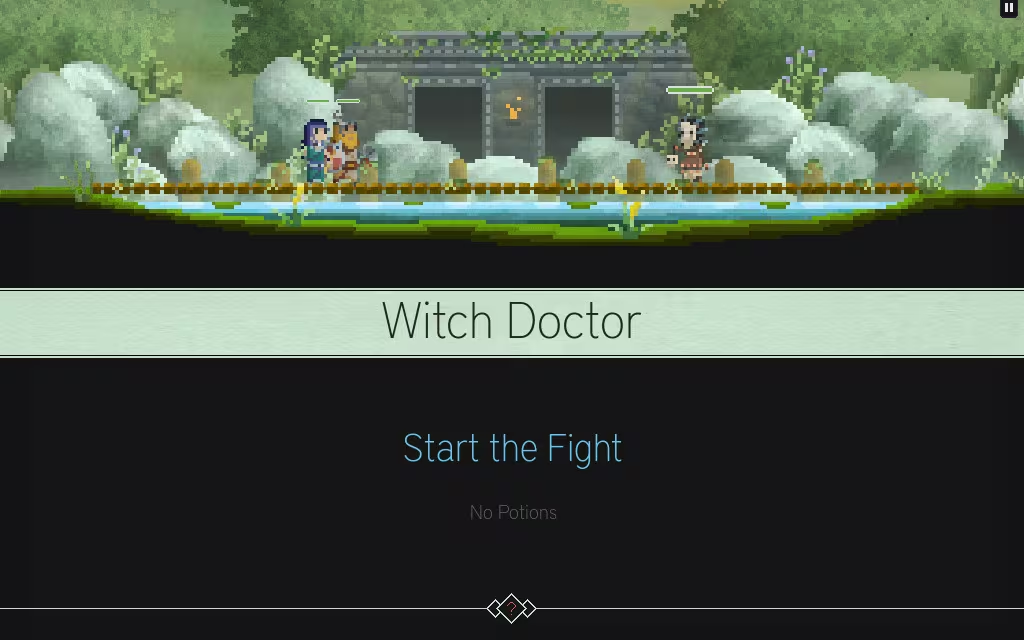
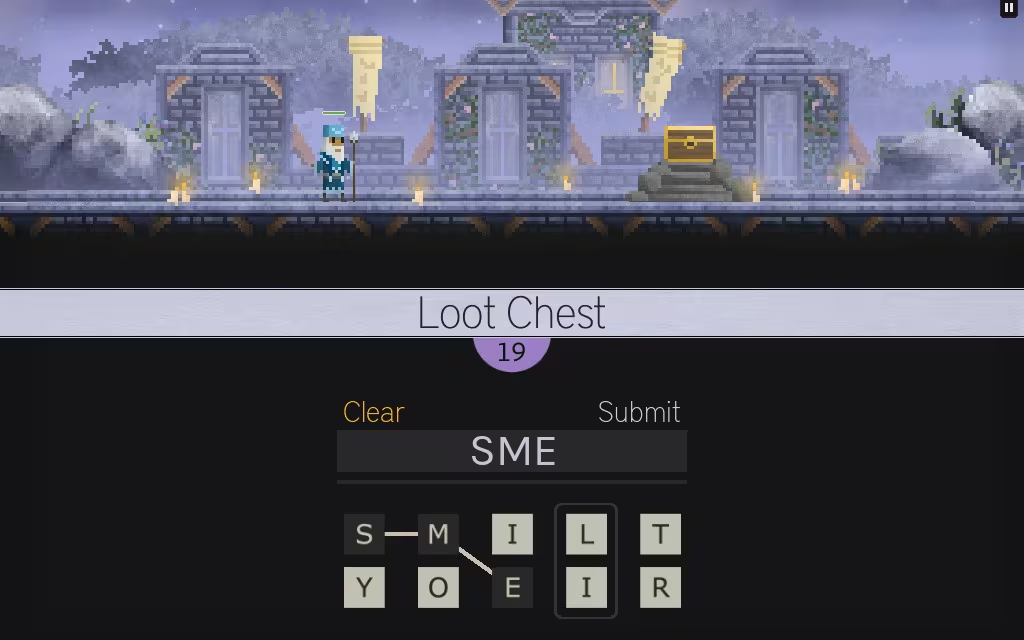
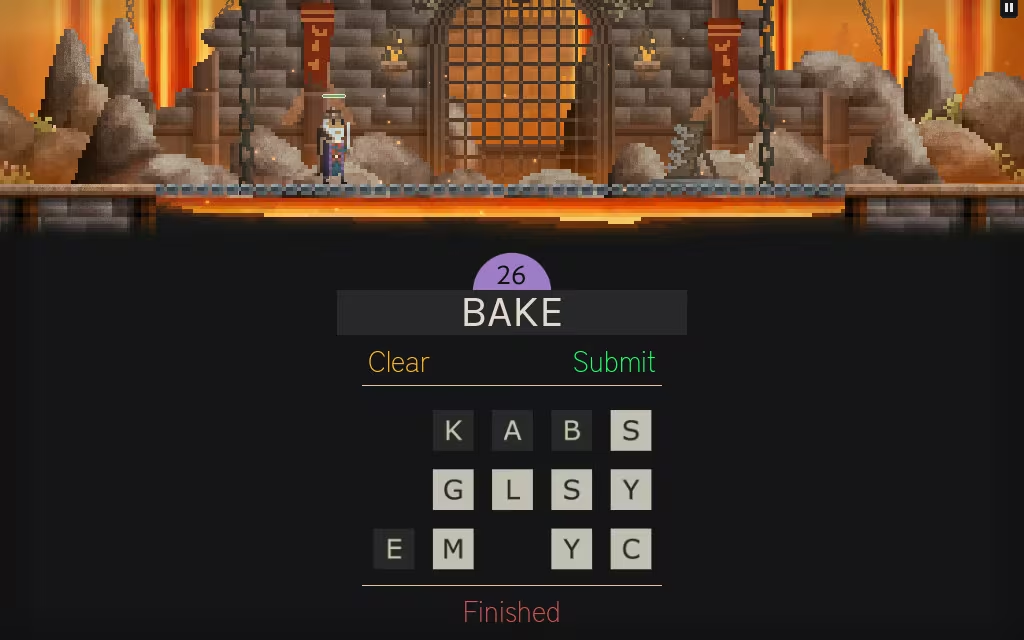
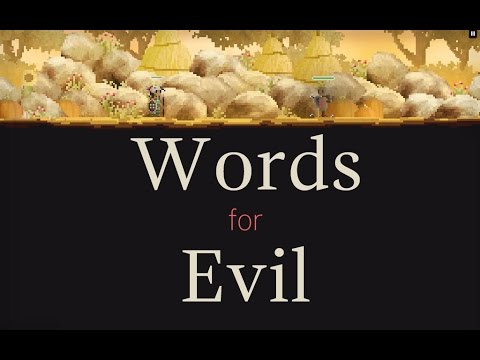
Words for Evil is a fast paced word game combined with a fantasy RPG. It features everything you expect from an RPG, including combat, hero progression, loot and more, all built on top of word game mechanics.

Global score

80/100

Genres

Action, Adventure, Casual, Indie, Role-playing (RPG), Puzzle

Similar games

    Pros

    • Addictive and fun word puzzle gameplay
    • Cute pixel art and relaxing music
    • Good value for price
    • Character progression and unlocks
    • Varied word challenges and rpg elements

    Cons

    • Small window size, no fullscreen
    • Some obscure or missing words
    • Limited narrative and exploration
    • Ui lacks clarity on equipment and stats
    • Can be stressful due to time pressure

    Analysis

    Less representative of its motivational profile, with noticeable differences. Motivations that often define this kind of title include Fellowship, Cooperation, Leadership, Violence. It leans lower than usual among comparable games on Story, Exploration, Sensation.

    How to use the graph
    Similar games map

    Each dot is a game. They are arranged from the same motivation profile as in the “Motivations” section below. Closer dots usually mean more similar reasons to play (exploration, competition, relaxation, etc.)—not that one game is “better” than another.

    • Larger dot with a light outline: the game you are viewing.
    • Colour: groups of games with comparable motivation patterns (statistical clusters).
    • Hover a dot to see the game name; click to open its page.
    • Scroll or double-click the chart to zoom out and see more games.

    Why don’t the axes read like a score? This view uses t-SNE: it only keeps who is close to whom. The scales are not “good to bad” or hours played—they separate groups on the map. Read distance between dots, not the axis numbers.

    Motivations

    • Autonomy
      3

      "Players can choose heroes, customize skill development, and decide on equipment purchases, but the game follows a fixed route with limited exploration."

    • Competence
      4

      "The game challenges players to quickly find words under time pressure and rewards skillful word formation and strategic use of abilities."

    • Competition
      -3

      "Focus is on individual progress and personal vocabulary skills; no evidence of player-vs-player or leaderboard competition."

    • Continuation
      3

      "Players report addictive qualities and replay value through unlocking characters and progressing, though some find it repetitive."

    • Cooperation
      -4

      "Gameplay centers on solo play with a party of heroes controlled by the player; no multiplayer or cooperative modes mentioned."

    • Creativity
      2

      "Players create words from randomized letter grids and can customize character skill builds, but within preset game mechanics."

    • Domination
      -5

      "No indication of exerting control over other players; interactions are single-player focused and balanced."

    • Escapism
      4

      "Players use the game as a relaxing distraction and stress relief, enjoying the fantasy pixel art and music."

    • Expectation
      -4

      "Players engage voluntarily for fun and vocabulary improvement; no reports of obligation or pressure to play."

    • Experimenting
      2

      "Players experiment with different heroes, skills, and word strategies, though gameplay follows established word puzzle routines."

    • Exploration
      -2

      "Game has fixed routes and limited worlds; exploration is minimal and mostly visual rather than spatial."

    • Expression
      1

      "Some character customization and unlocking, but limited cosmetic or expressive options."

    • Fantasy
      3

      "The game features fantasy RPG elements, pixel art monsters, and heroes, but gameplay is grounded in word puzzles."

    • Fellowship
      -4

      "No multiplayer or social community features; play is solitary with minimal social interaction."

    • Growth
      4

      "Players develop vocabulary, typing skills, and character abilities, showing clear learning and progression."

    • Health
      -5

      "Sedentary gameplay with no physical activity or health-related features."

    • Idle
      -4

      "Requires focused attention and fast typing; not suitable for passive or background play."

    • Intimacy
      -5

      "No evidence of forming close relationships or emotional sharing within the game."

    • Leadership
      -3

      "Player manages a party but no leadership over other players or group decision-making."

    • Progression
      4

      "Strong RPG progression with character leveling, unlocking heroes, and acquiring equipment."

    • Relaxation
      2

      "Some players find the game relaxing and meditative, though others find it stressful due to time pressure."

    • Sensation
      1

      "Enjoyable pixel art and music provide sensory pleasure, but overall sensory input is moderate and functional."

    • Status
      -5

      "No social recognition or status systems; achievements and badges are minimal or absent."

    • Story
      -3

      "Minimal narrative; gameplay is mostly context-free word puzzles with light RPG framing."

    • Strategy
      3

      "Players plan word formation and skill use strategically, though combat is fast-paced and sometimes chaotic."

    • Thrill
      2

      "Time pressure and last-stand puzzles create moments of tension and excitement."

    • Value
      4

      "Players perceive good value for the low price with many hours of gameplay and replayability."

    • Violence
      2

      "Combat involves defeating monsters with words; violence is stylized and non-graphic pixel art."

    • Survival
      3

      "Players must avoid death by quick word formation and resource management; last-stand mechanics add survival tension."

    Last update: 29/04/2026