Yu-Gi-Oh! Duel Links similar games & best alternatives
Yu-Gi-Oh! Duel Links
2017
Related articles
Quick resume
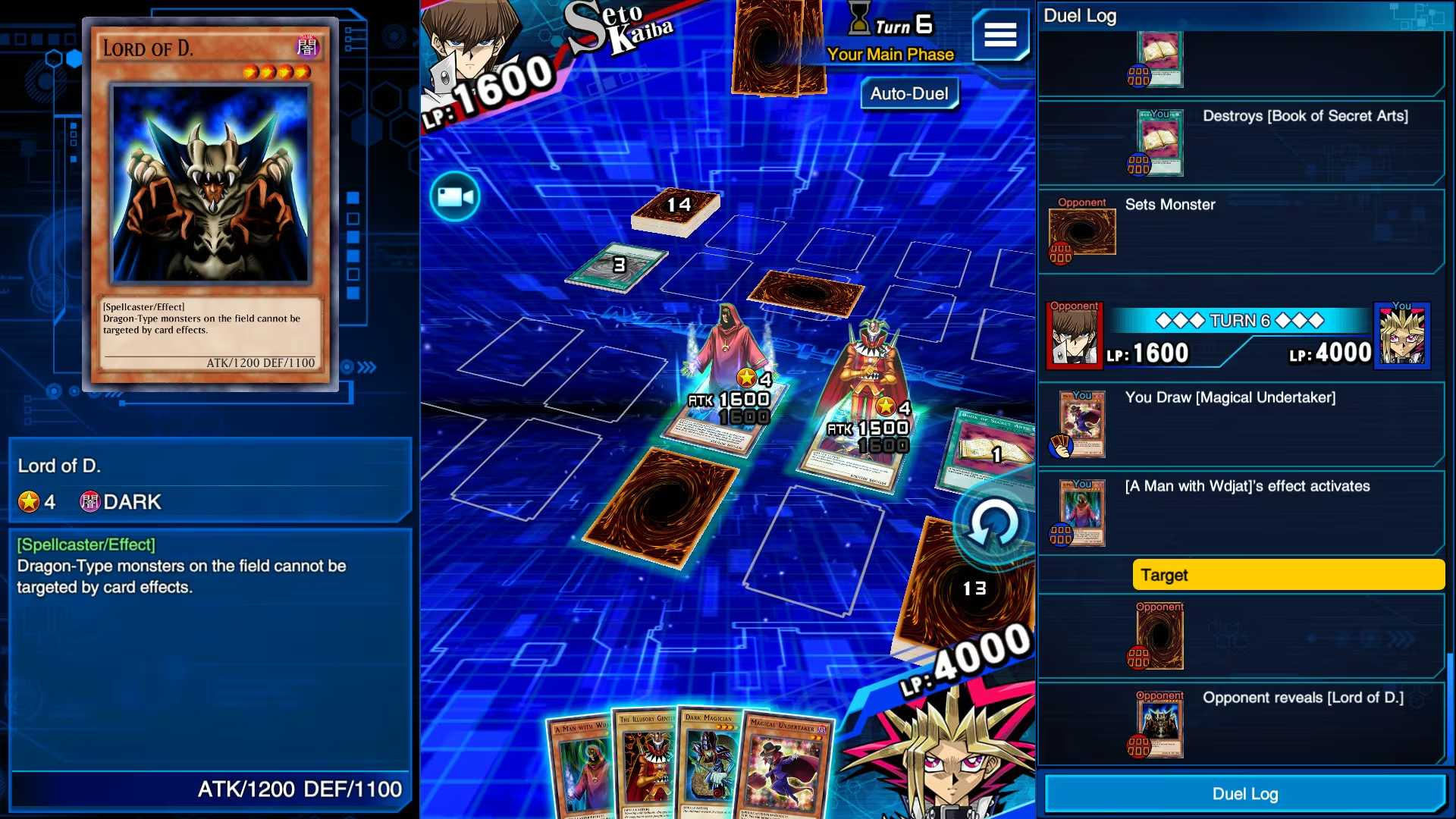
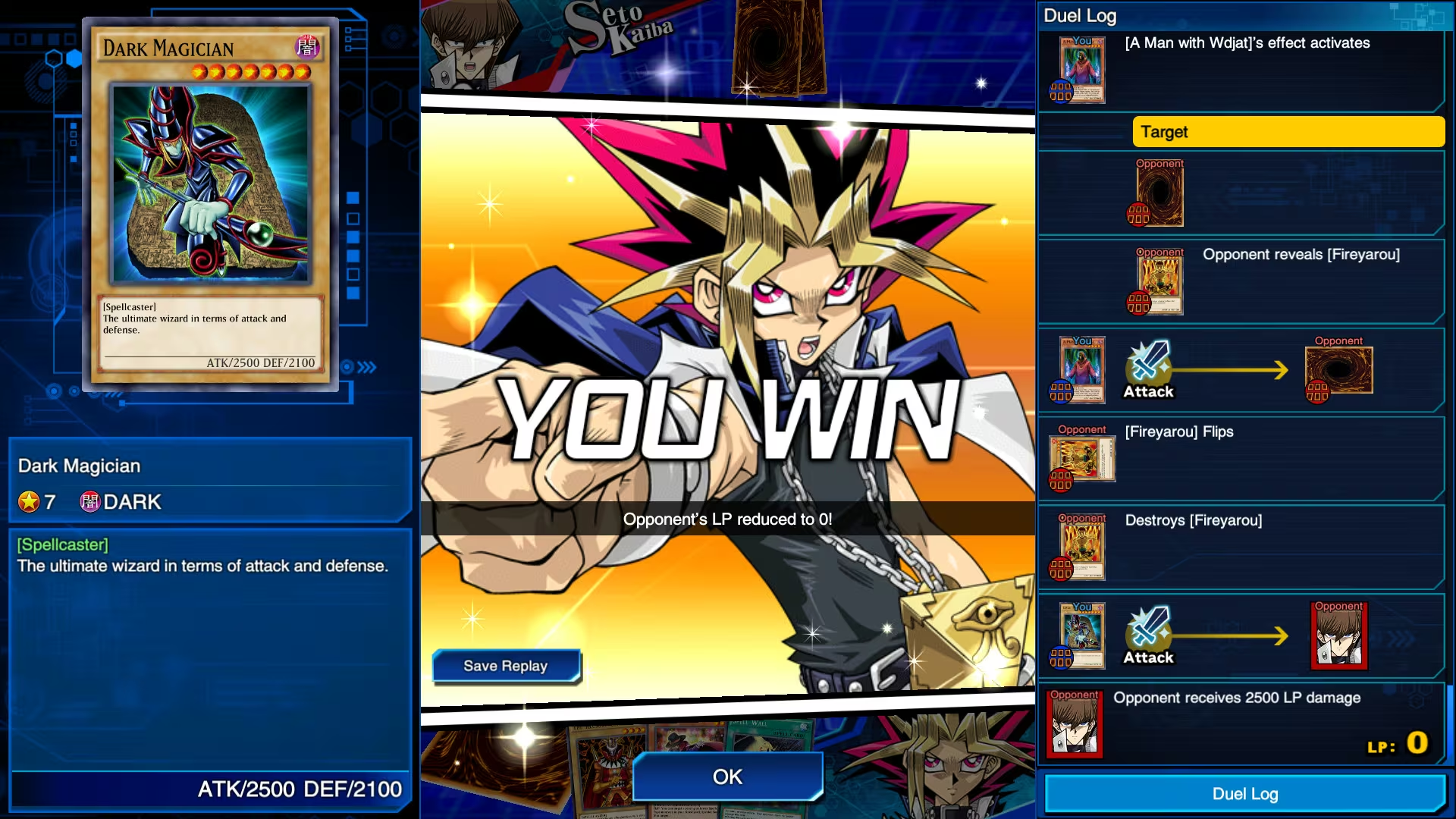
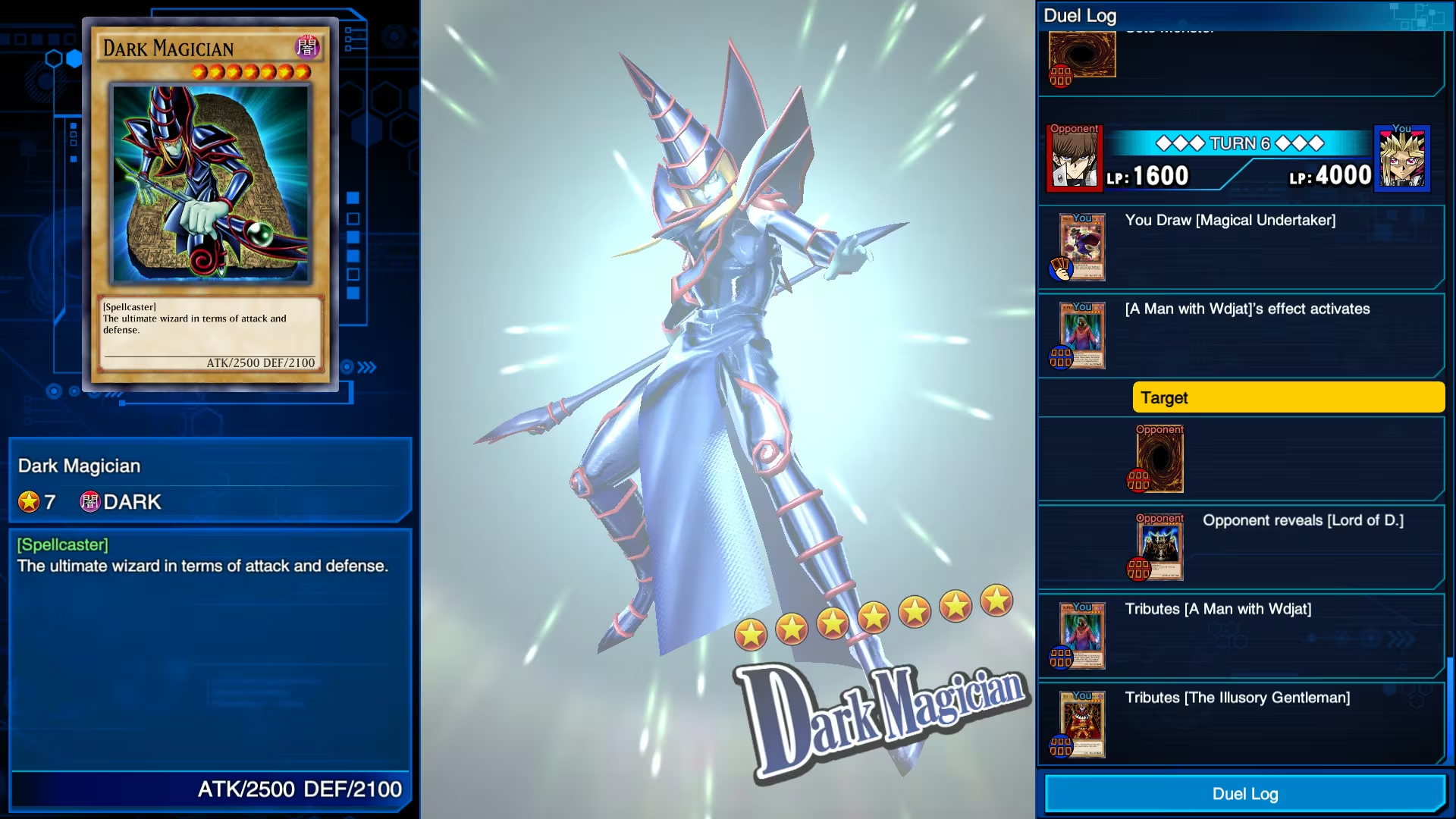
Take on Duelists around the world with "Yu-Gi-Oh! Duel Links"! Step into a world that crosses dimensions and connects all Duelists. In Duel World, any location transforms into a Duel Field where heated Duels unfold!
Global score
83/100
Genres
Strategy, Free To Play, Adventure, Turn-based strategy (TBS), Role-playing (RPG), Simulator, Quiz/Trivia, Card & Board Game
Similar games
Pros
- Nostalgic and accessible for yu-gi-oh! fans
- Fast-paced and strategic dueling
- Frequent updates and events
- Free-to-play friendly with generous rewards
- Cross-platform play and character variety
Cons
- Pay-to-win elements and grindy progression
- Limited cooperative or social gameplay
- Meta dominated by few decks reducing variety
- Pop-up overload and ui annoyances
- Restricted board size and simplified rules compared to full tcg
Analysis
Less representative of its motivational profile, with noticeable differences. Motivations that often define this kind of title include Competition, Status, Story, Expression. Here, the score leans higher than usual among comparable games on Domination, Story. It leans lower than usual among comparable games on Violence.
How to use the graph
Similar games map
Each dot is a game. They are arranged from the same motivation profile as in the “Motivations” section below. Closer dots usually mean more similar reasons to play (exploration, competition, relaxation, etc.)—not that one game is “better” than another.
- Larger dot with a light outline: the game you are viewing.
- Colour: groups of games with comparable motivation patterns (statistical clusters).
- Hover a dot to see the game name; click to open its page.
- Scroll or double-click the chart to zoom out and see more games.
Why don’t the axes read like a score? This view uses t-SNE: it only keeps who is close to whom. The scales are not “good to bad” or hours played—they separate groups on the map. Read distance between dots, not the axis numbers.
Motivations
-
Autonomy3
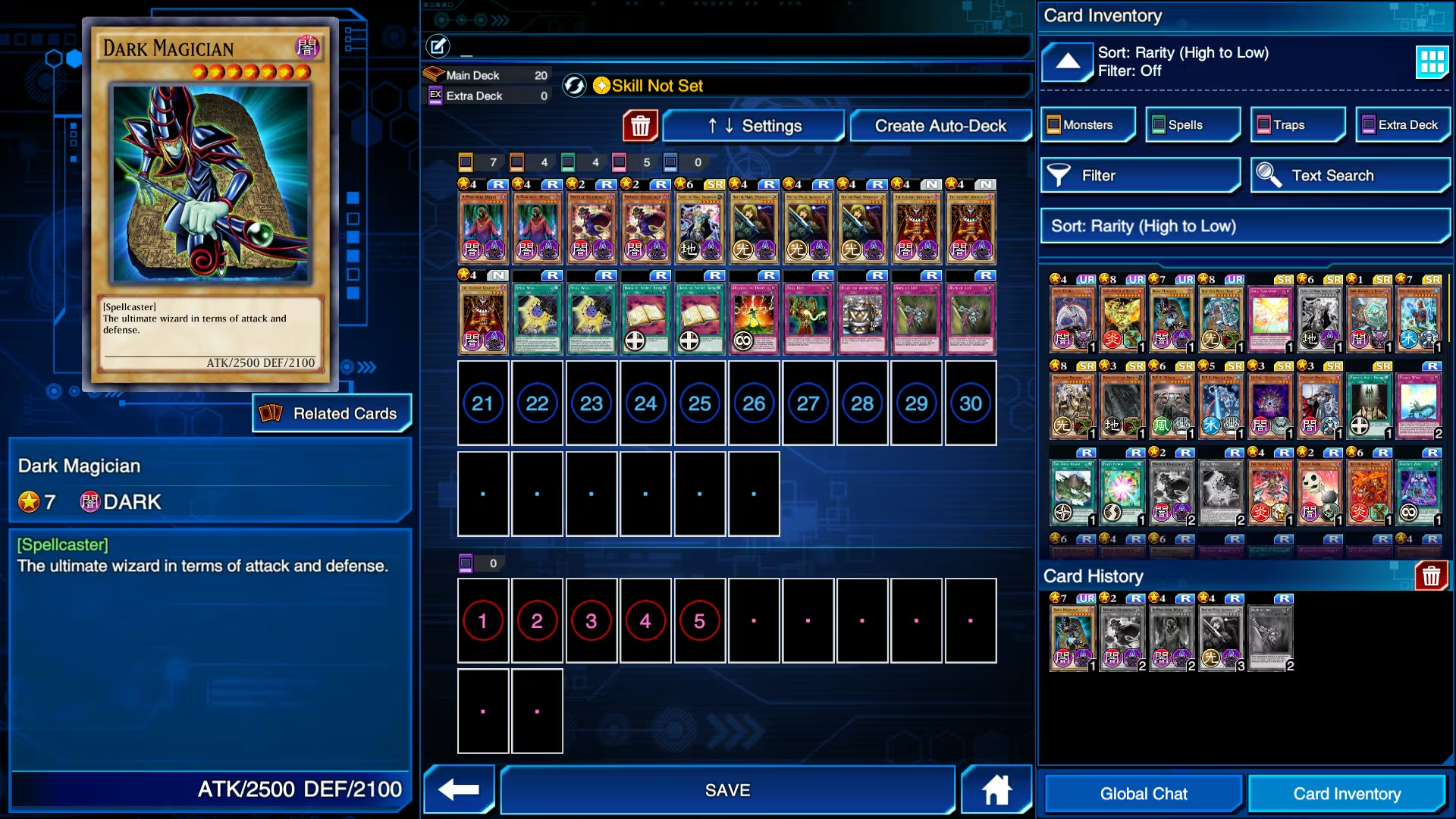
"Players can customize decks and choose characters with unique skills, allowing personal strategic decisions, though within some format constraints."
-
Competence4
"The game offers strategic depth and skill-based dueling with feedback and ranking systems, rewarding effective play and deck building."
-
Competition5
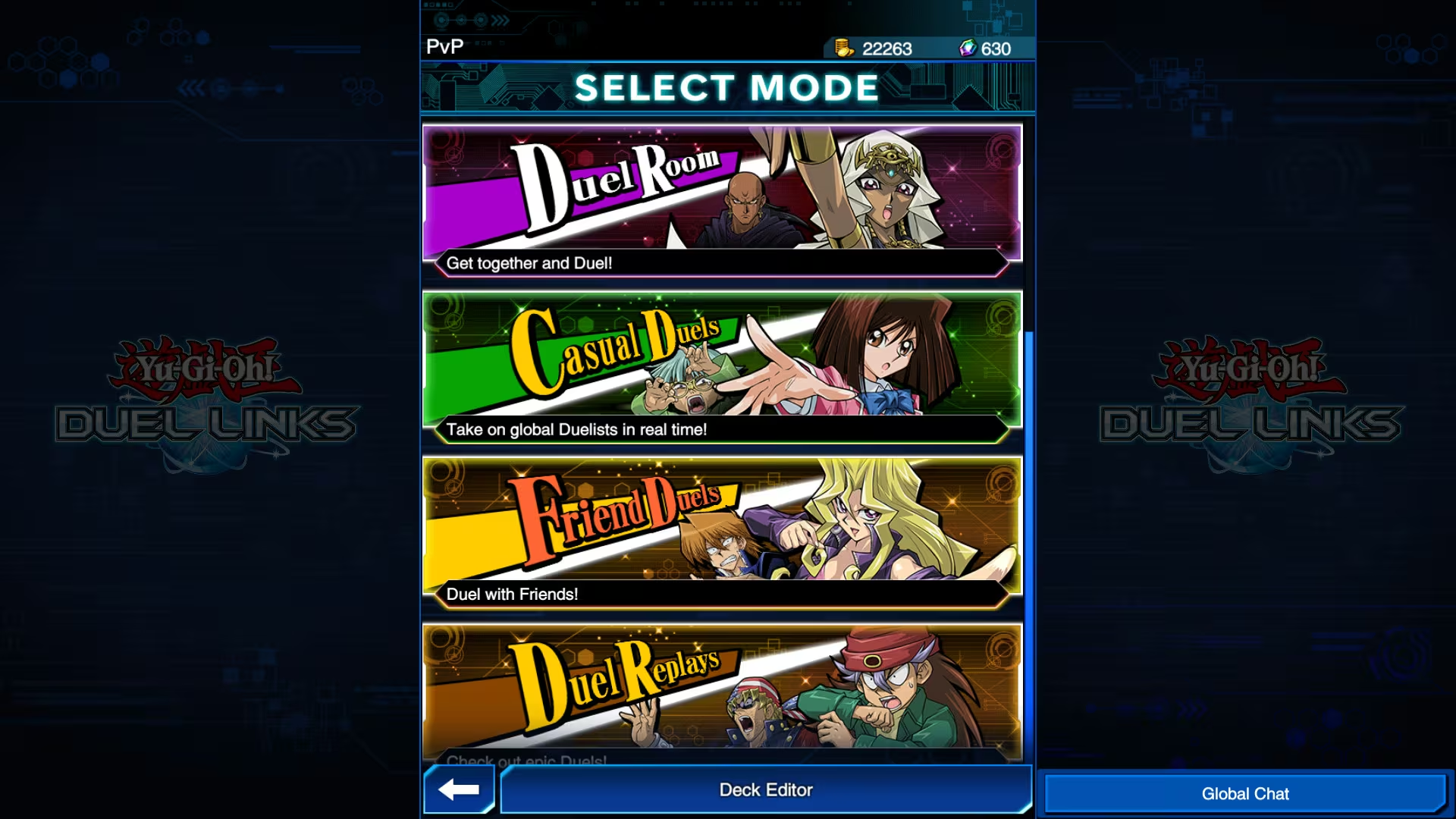
"Strong emphasis on ranked PvP, leaderboards, and competitive events where players compare skills and decks."
-
Continuation4
"Many players report long-term engagement, habitual play, and grinding for cards and achievements."
-
Cooperation-3
"Gameplay is primarily 1v1 dueling with limited cooperative modes; social interaction mostly through community and friend matches."
-
Creativity3
"Players build and modify decks with many cards and character skills, enabling creative strategic expression."
-
Domination2
"Some players enjoy dominating opponents in ranked matches, but interactions are generally balanced and respectful."
-
Escapism3
"Players use the game for nostalgia, distraction, and immersion in the Yu-Gi-Oh! universe."
-
Expectation-4
"Most players engage voluntarily out of personal interest and fandom rather than obligation."
-
Experimenting4
"Players experiment with different decks, skills, and strategies, encouraged by frequent updates and events."
-
Exploration2
"Exploration is limited to discovering new cards, characters, and duel worlds, rather than physical or open-world exploration."
-
Expression3
"Customization of decks, card backs, and character choices allows personal expression."
-
Fantasy4
"Strong fantasy element through anime characters, voice acting, and fictional card effects."
-
Fellowship2
"Community and friend interactions exist but are not the core focus; social connection is moderate."
-
Growth4
"Players develop strategic skills, deck building knowledge, and game mastery over time."
-
Health-5
"Sedentary gameplay typical of digital card games, no physical activity involved."
-
Idle-3
"Requires active attention during duels; some auto-duel features reduce constant focus but overall engagement is needed."
-
Intimacy-4
"Social interactions are mostly surface-level; no close relationship building within the game."
-
Leadership-4
"No significant leadership roles; players act individually or in equal competition."
-
Progression5
"Strong focus on collecting cards, leveling characters, and upgrading decks."
-
Relaxation3
"Many players find the game relaxing and enjoyable, though some report frustration with grind and RNG."
-
Sensation3
"Enjoyable animations, voice acting, and sound effects provide sensory stimulation."
-
Status4
"Ranked play and leaderboards provide social recognition and status among players."
-
Story3
"Includes narrative elements and character interactions from the anime, enhancing immersion."
-
Strategy5
"Highly strategic gameplay requiring planning, deck building, and tactical decision-making."
-
Thrill3
"Fast-paced duels and risk of losing provide excitement and suspense."
-
Value1
"Free-to-play friendly with frequent rewards, but some players note grind and pay-to-win aspects."
-
Violence-4
"Focus on card dueling and strategy rather than combat or destruction."
-
Survival1
"Some resource management and life point survival in duels, but low-risk compared to survival games."
Last update: 29/04/2026