Dominion Thumbnail

Dominion similar games & best alternatives

Dominion

PC (Microsoft Windows), iOS, Android • 2024

Related articles

Quick resume

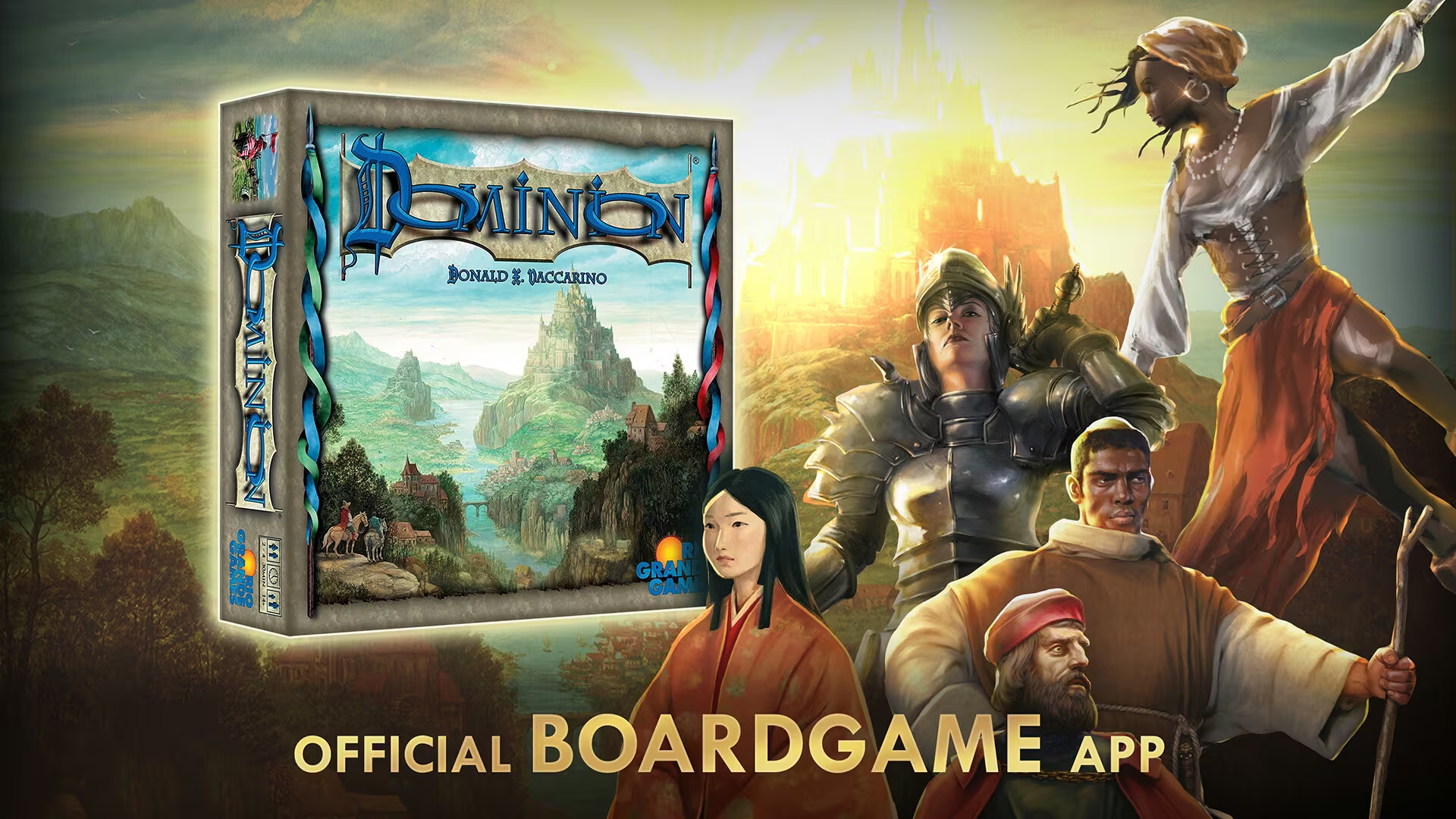
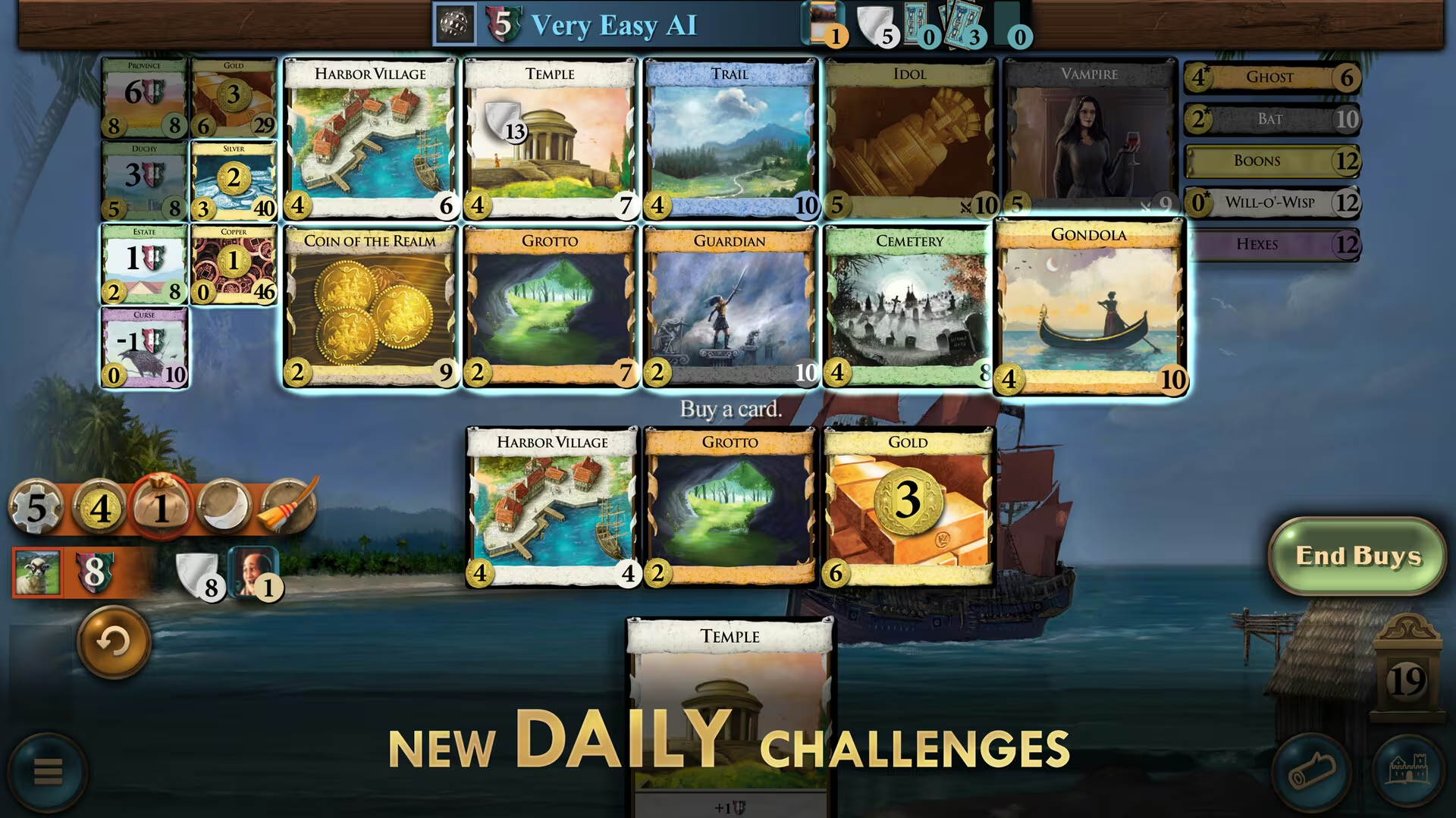
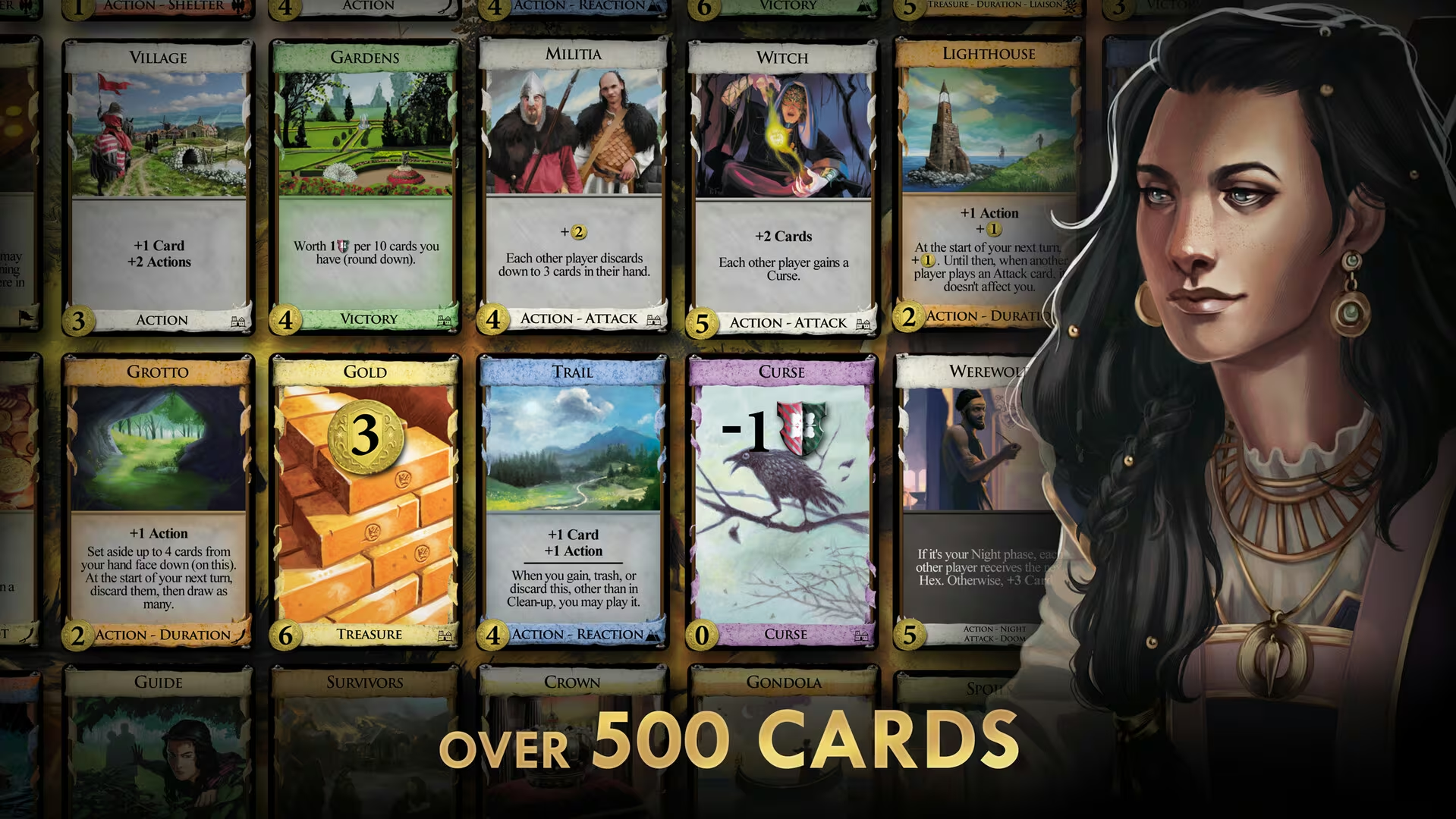
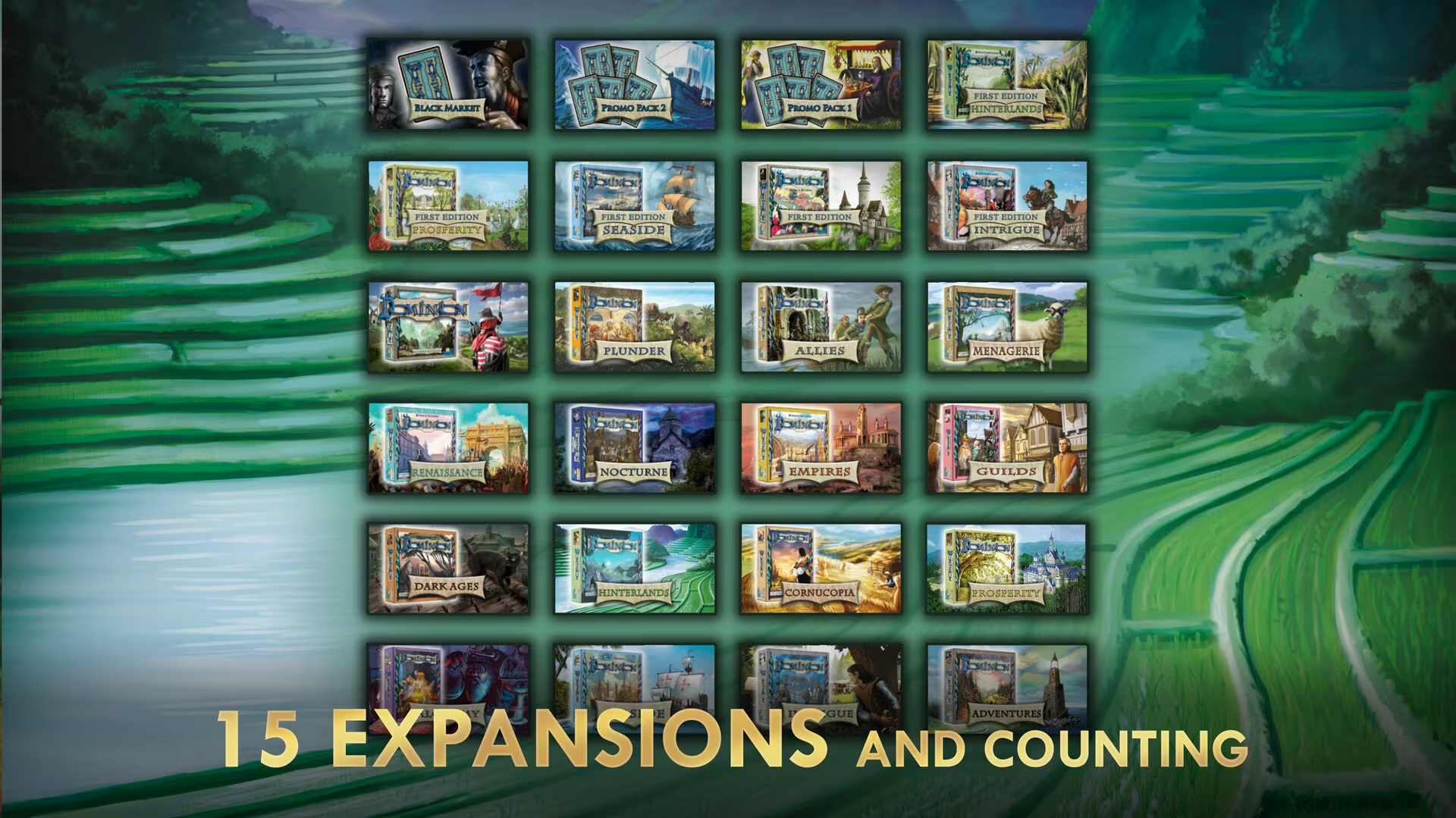
Expand a small kingdom to a mighty Dominion! Play the Spiel des Jahres winning boardgame beloved by millions around the world. Discover the game that defined a genre, Dominion was first to popularize deck-building and remains a staple of tabletop. This is the officially licensed implementation.

Global score

87/100

Genres

Strategy, Card & Board Game

Similar games

    Pros

    • Faithful digital adaptation of classic deckbuilder
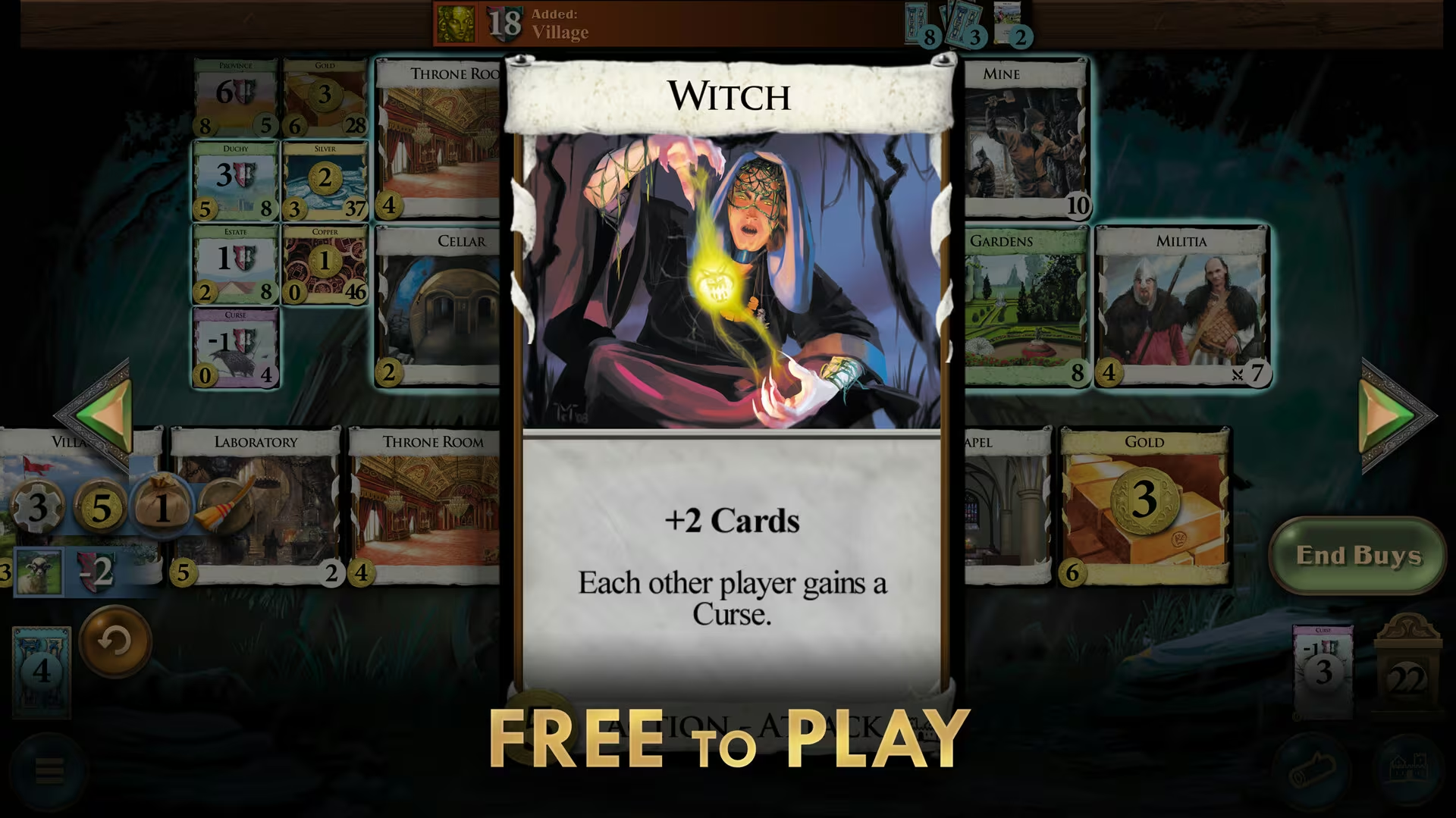
    • Free base game with rotating free expansions
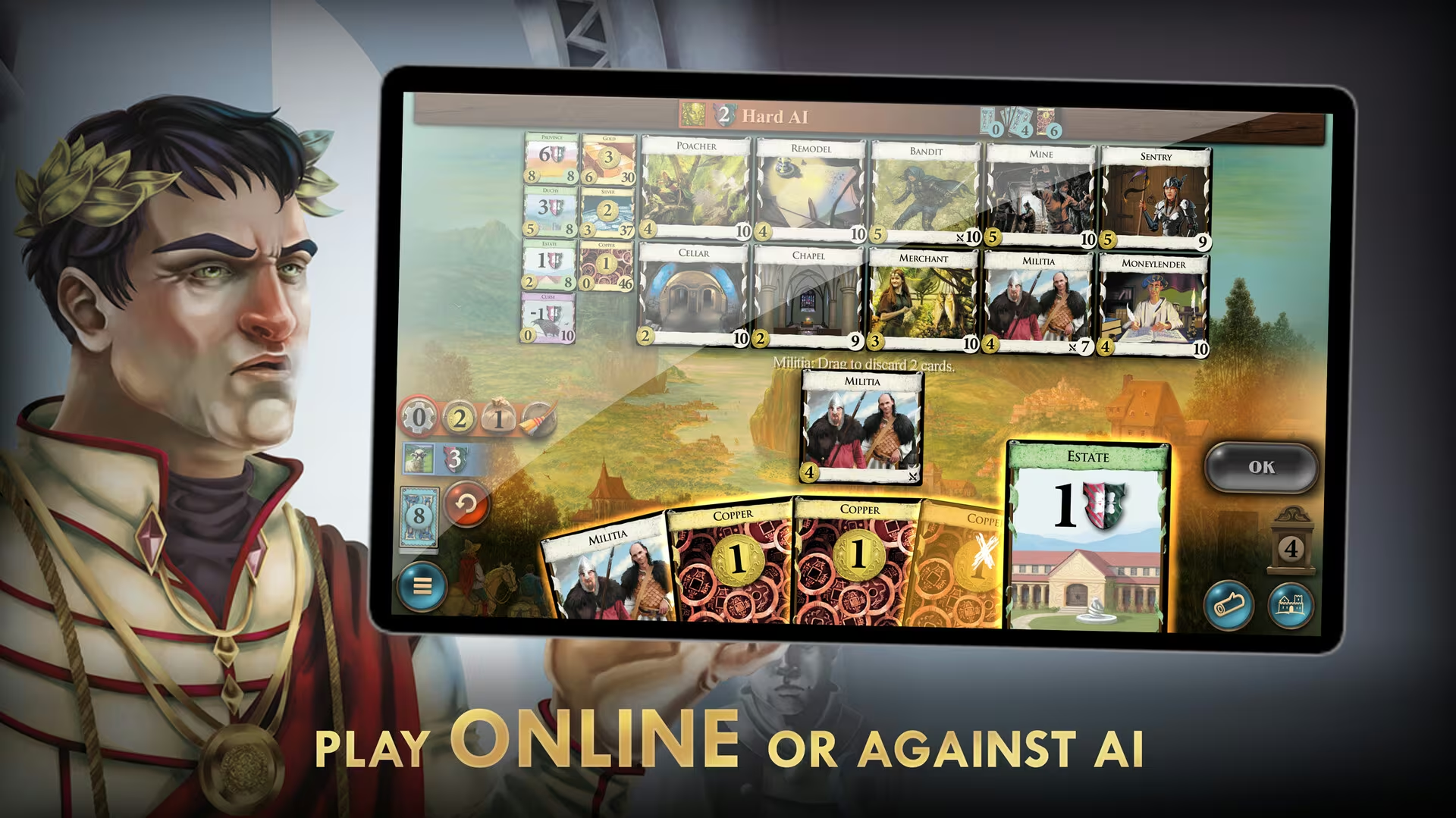
    • Challenging ai and multiplayer modes
    • Smooth ui and fast gameplay
    • High replayability and strategic depth

    Cons

    • Currently limited to 2-4 players
    • Some bugs and crashes in early access
    • Expansions can be pricey
    • Lack of in-game chat and social features
    • Minimal narrative or customization options

    Analysis

    Less representative of its motivational profile, with noticeable differences. Motivations that often define this kind of title include Competition, Fellowship, Domination, Status. It leans lower than usual among comparable games on Violence, Cooperation, Expression.

    How to use the graph
    Similar games map

    Each dot is a game. They are arranged from the same motivation profile as in the “Motivations” section below. Closer dots usually mean more similar reasons to play (exploration, competition, relaxation, etc.)—not that one game is “better” than another.

    • Larger dot with a light outline: the game you are viewing.
    • Colour: groups of games with comparable motivation patterns (statistical clusters).
    • Hover a dot to see the game name; click to open its page.
    • Scroll or double-click the chart to zoom out and see more games.

    Why don’t the axes read like a score? This view uses t-SNE: it only keeps who is close to whom. The scales are not “good to bad” or hours played—they separate groups on the map. Read distance between dots, not the axis numbers.

    Motivations

    • Autonomy
      4

      "Players make meaningful decisions about card purchases and deck building, with freedom to choose strategies and expansions."

    • Competence
      4

      "Challenging AI and strategic depth provide skill-based gameplay and learning opportunities."

    • Competition
      3

      "Includes multiplayer with ranked play and leaderboards; players compare skills and strategies."

    • Continuation
      4

      "High replayability with rotating expansions and addictive deckbuilding mechanics encourage long-term play."

    • Cooperation
      -4

      "Primarily competitive gameplay focused on individual deck building and outplaying opponents."

    • Creativity
      3

      "Players create unique decks each game by selecting cards from randomized expansions, experimenting with combos."

    • Domination
      2

      "Competitive nature encourages exerting superiority over opponents, but interactions are mostly balanced."

    • Escapism
      3

      "Provides distraction and immersion in a strategic card game world, away from real-life stress."

    • Expectation
      -3

      "Players engage voluntarily out of personal interest and enjoyment rather than obligation."

    • Experimenting
      4

      "High variety of cards and expansions encourages trying new strategies and deck combinations."

    • Exploration
      3

      "Discovering new card synergies and expansion sets drives curiosity and exploration."

    • Expression
      -2

      "Limited avatar or cosmetic customization; expression mainly through strategic choices."

    • Fantasy
      1

      "Light thematic elements in card art and effects, but mostly abstract strategic gameplay."

    • Fellowship
      2

      "Online multiplayer and community features foster social connection, though some players play solo."

    • Growth
      4

      "Players develop skills and strategies over time, learning card interactions and probabilities."

    • Health
      -4

      "Sedentary gameplay typical of digital card games with no physical activity involved."

    • Idle
      -3

      "Requires focused attention during turns; not designed for passive or background play."

    • Intimacy
      -3

      "Social interactions are mostly surface-level competitive exchanges rather than close relationships."

    • Leadership
      -2

      "No explicit leadership roles; players act independently or collaboratively in multiplayer."

    • Progression
      5

      "Core mechanic involves accumulating cards and upgrades to improve deck power and win."

    • Relaxation
      2

      "Smooth gameplay and UI provide flow, though some tension arises from competitive matches."

    • Sensation
      1

      "Moderate sensory stimulation from UI and sound effects; not focused on intense sensory thrills."

    • Status
      3

      "Ranked multiplayer and leaderboards provide social recognition and status among players."

    • Story
      -4

      "Gameplay is abstract and context-free with minimal narrative or plot immersion."

    • Strategy
      5

      "Highly strategic gameplay requiring planning, probability assessment, and tactical decision-making."

    • Thrill
      2

      "Some suspense and excitement from unpredictable card draws and opponent moves."

    • Value
      3

      "Free base game and reasonably priced expansions provide good value for time and money."

    • Violence
      -5

      "Non-violent gameplay focused on constructive deck building and resource management."

    • Survival
      1

      "Some resource management and risk avoidance in deck construction, but low threat environment."

    Last update: 29/04/2026