428: Shibuya Scramble similar games & best alternatives

428: Shibuya Scramble
2018
Related articles
Quick resume
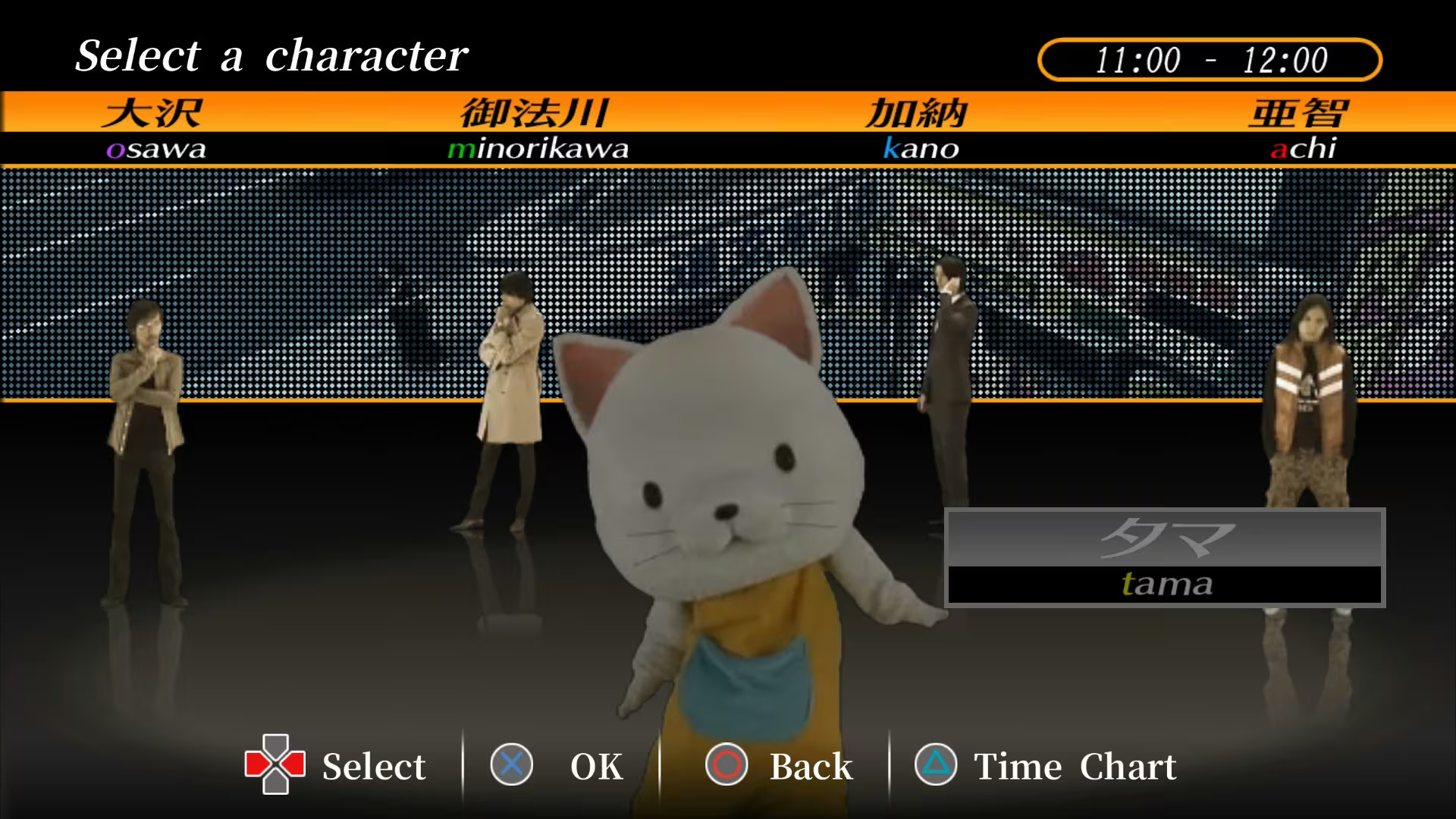
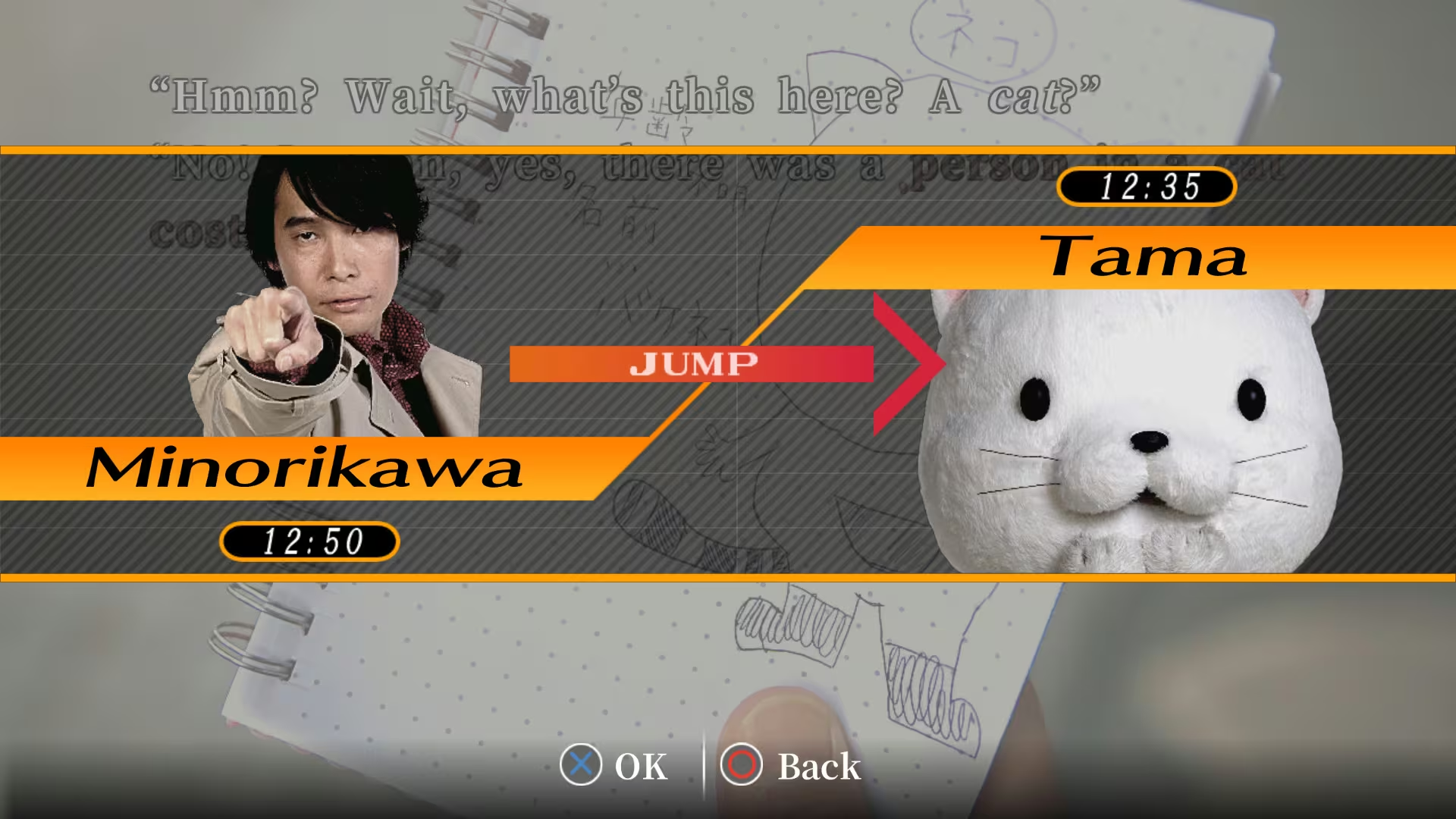
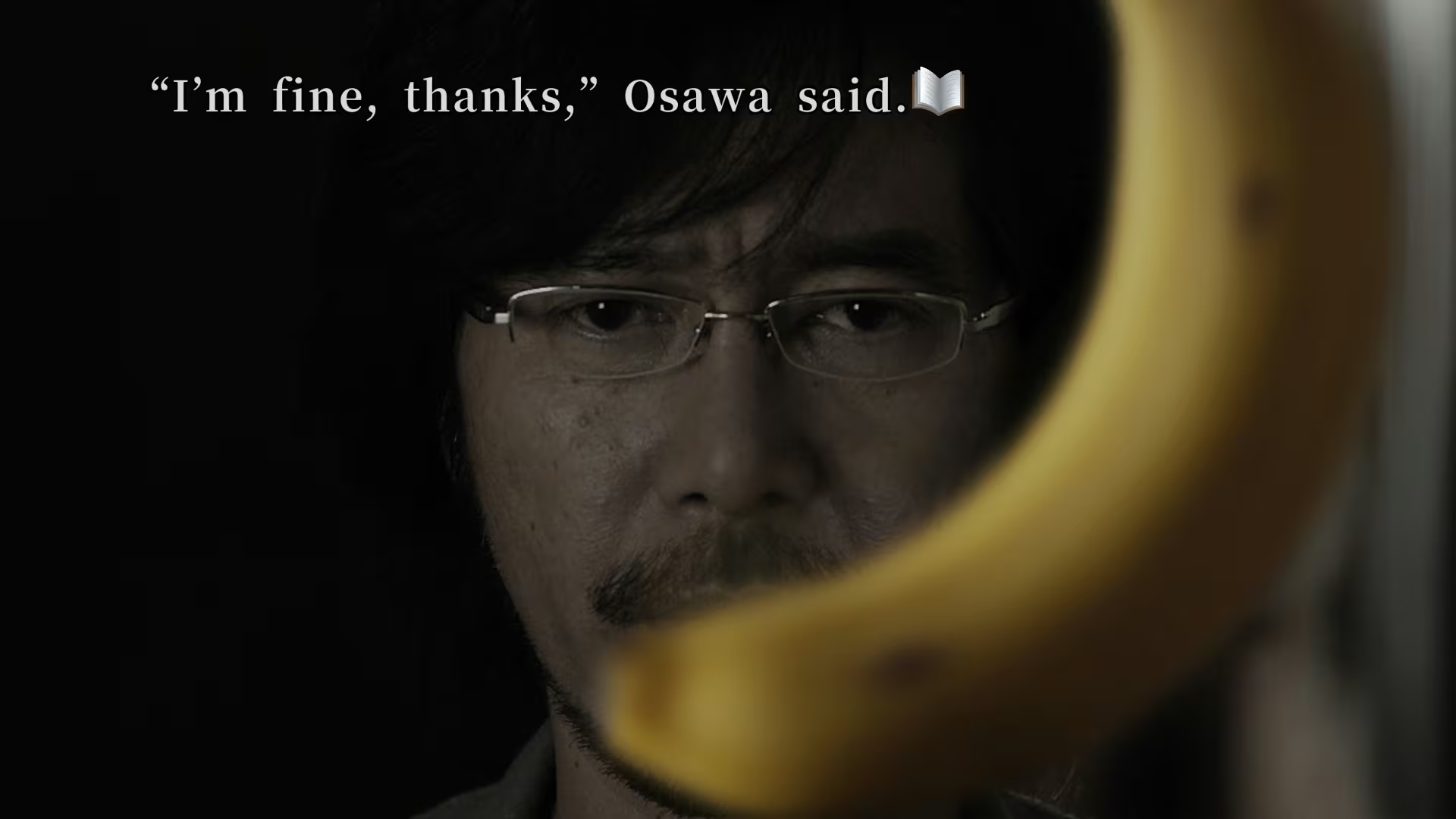
A kidnapping on the streets of Shibuya brings together a hot-blooded detective, hard-hitting journalist, former gang leader, the head researcher of a big pharma manufacturer and a part-timer stuck in cat costume for a series of events each more unexpected and outrageous than the last.
Global score
95/100
Genres
Adventure, Visual Novel
Similar games
Pros
- Complex and engaging story
- Multiple intertwined character perspectives
- Meaningful player choices with consequences
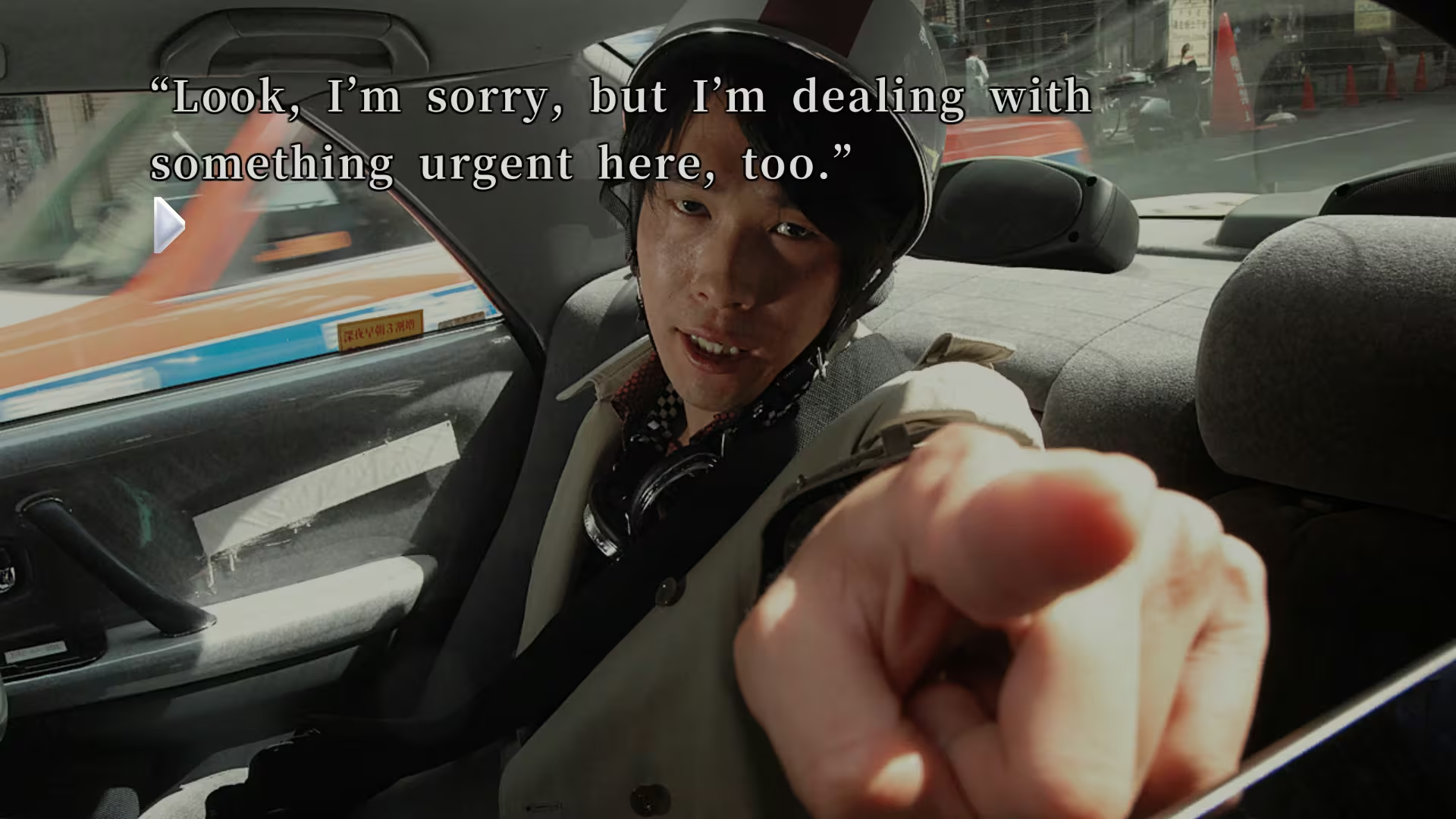
- Unique live-action visual style
- Extensive bonus content and replayability
Cons
- Lack of voice acting
- No fast-forward or skip text options
- Somewhat slow pacing early on
- Confusing progression due to keep out mechanics
- High price without frequent sales
Analysis
Less representative of its motivational profile, with noticeable differences. Motivations that often define this kind of title include Fellowship, Cooperation, Leadership, Violence. It leans lower than usual among comparable games on Fantasy, Violence, Expression.
How to use the graph
Similar games map
Each dot is a game. They are arranged from the same motivation profile as in the “Motivations” section below. Closer dots usually mean more similar reasons to play (exploration, competition, relaxation, etc.)—not that one game is “better” than another.
- Larger dot with a light outline: the game you are viewing.
- Colour: groups of games with comparable motivation patterns (statistical clusters).
- Hover a dot to see the game name; click to open its page.
- Scroll or double-click the chart to zoom out and see more games.
Why don’t the axes read like a score? This view uses t-SNE: it only keeps who is close to whom. The scales are not “good to bad” or hours played—they separate groups on the map. Read distance between dots, not the axis numbers.
Motivations
-
Autonomy4
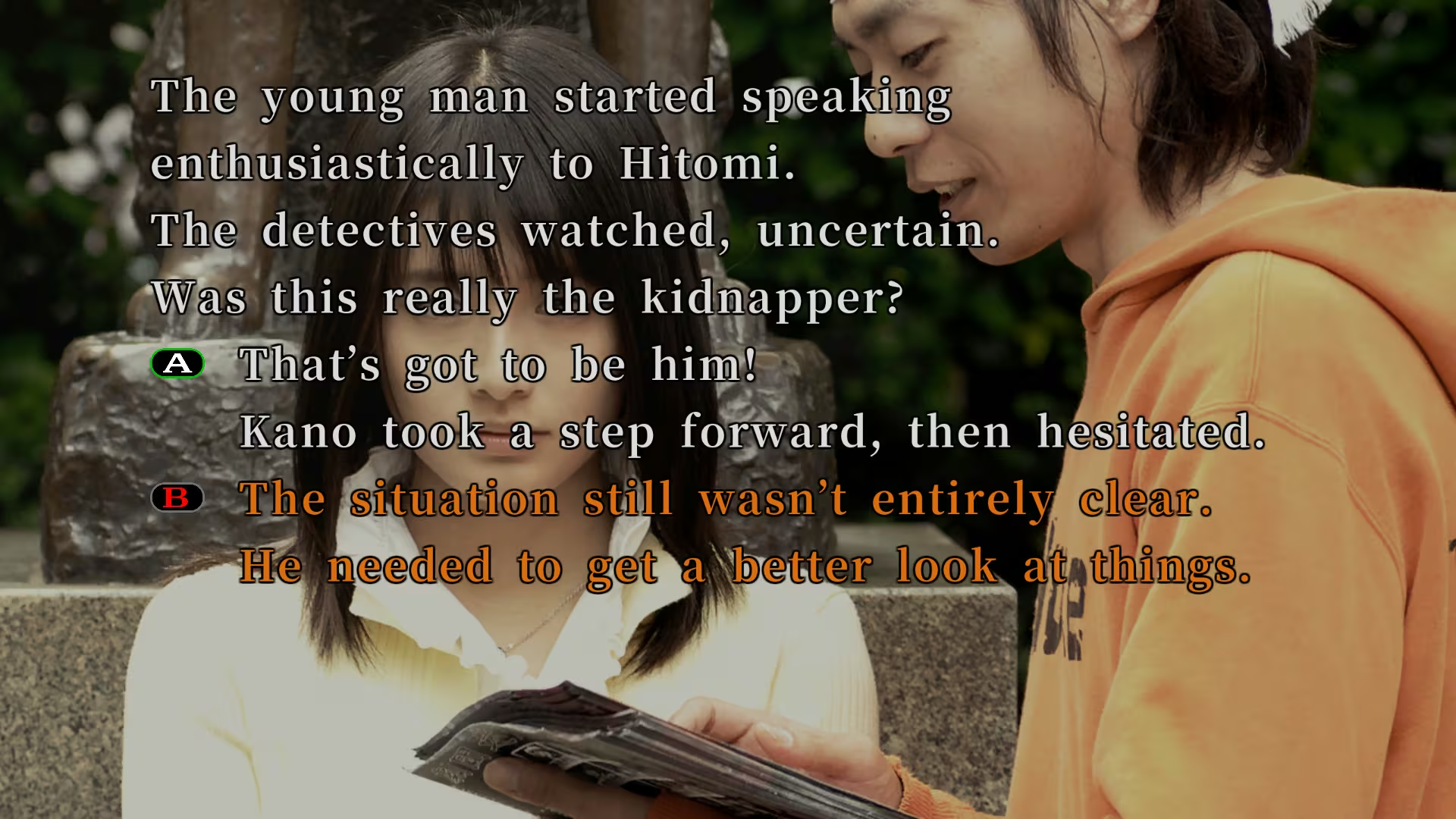
"Players make meaningful choices that affect multiple intertwined storylines, directing the fate of several protagonists."
-
Competence3
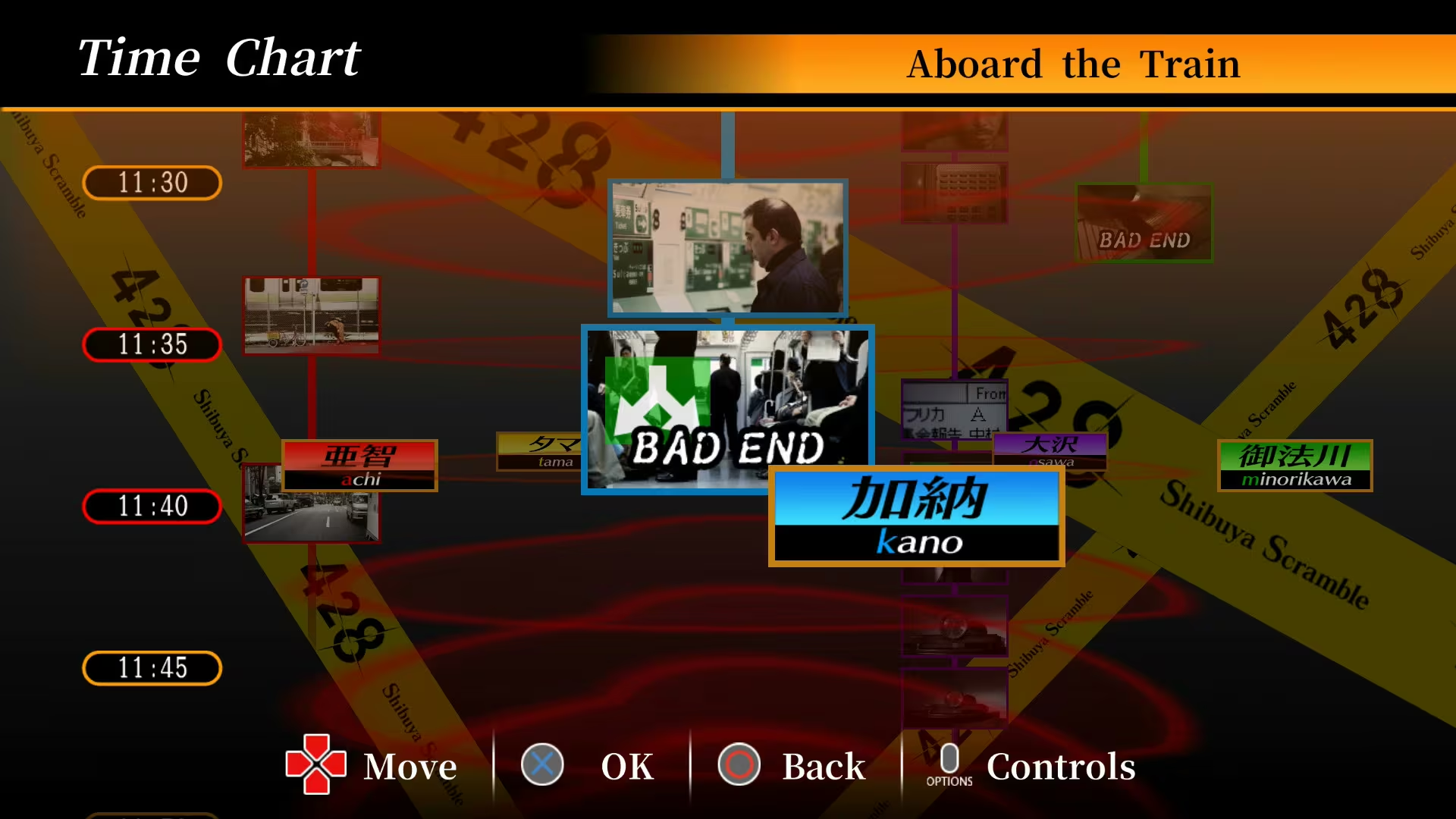
"Players engage in puzzle-like decision making to avoid bad endings and progress, requiring attention and skillful navigation of branching paths."
-
Competition-4
"Focus is on personal story progression and exploration of multiple endings without social comparison or ranked modes."
-
Continuation4
"Players often invest many hours, including replaying sections to unlock all endings and bonus content, showing strong attachment."
-
Cooperation-3
"Gameplay centers on individual decision making per character; no multiplayer or direct collaboration."
-
Creativity2
"Players creatively explore different choices and story branches, but within a fixed narrative structure."
-
Domination-5
"No evidence of exerting control or superiority over others; experience is solitary and narrative-driven."
-
Escapism4
"Immersive story and characters provide a strong escape from reality through engaging fiction and emotional involvement."
-
Expectation-4
"Players engage voluntarily out of interest and enjoyment, with no obligation or external pressure noted."
-
Experimenting4
"Players experiment with different choices and timelines to discover all endings and story outcomes."
-
Exploration3
"Players explore multiple character perspectives and branching storylines, uncovering secrets and alternate endings."
-
Expression-2
"Limited customization; players express themselves through choices but not through character or environment personalization."
-
Fantasy-3
"Story grounded in realistic settings and scenarios, despite some dramatic and suspenseful elements."
-
Fellowship-4
"Experience is primarily solitary with minimal social interaction or community engagement."
-
Growth3
"Players develop understanding of complex story mechanics and improve decision-making skills to progress."
-
Health-5
"Sedentary gameplay with no physical activity involved."
-
Idle-4
"Requires focused reading and attention; no casual or background play."
-
Intimacy-3
"Emotional connection to characters but limited social interaction or relationship building with others."
-
Leadership-5
"No leadership or group management elements; players follow narrative paths individually."
-
Progression4
"Players unlock multiple endings, bonus content, and story branches, showing clear progression."
-
Relaxation2
"Mix of tension and humor creates a balanced emotional experience with moments of flow and engagement."
-
Sensation3
"Live-action visuals and music provide sensory stimulation beyond typical visual novels."
-
Status-4
"No social status or recognition mechanics; experience is private and personal."
-
Story5
"Strong narrative focus with complex, interwoven plots and character development."
-
Strategy3
"Requires planning and logical thinking to navigate branching storylines and avoid bad endings."
-
Thrill4
"Suspenseful and tense moments throughout the story provide emotional excitement."
-
Value3
"Players perceive good value from extensive content, multiple endings, and replayability."
-
Violence-2
"Some violent themes in story but gameplay focuses on narrative choices rather than combat or destruction."
-
Survival3
"Players must avoid bad endings and keep characters alive through correct choices, simulating survival."
Last update: 29/04/2026