60 Seconds! Thumbnail

60 Seconds! similar games & best alternatives
60 Seconds!

PC (Microsoft Windows), Mac, PlayStation 4, Xbox One, Android, Nintendo Switch • 2015

Related articles

Quick resume

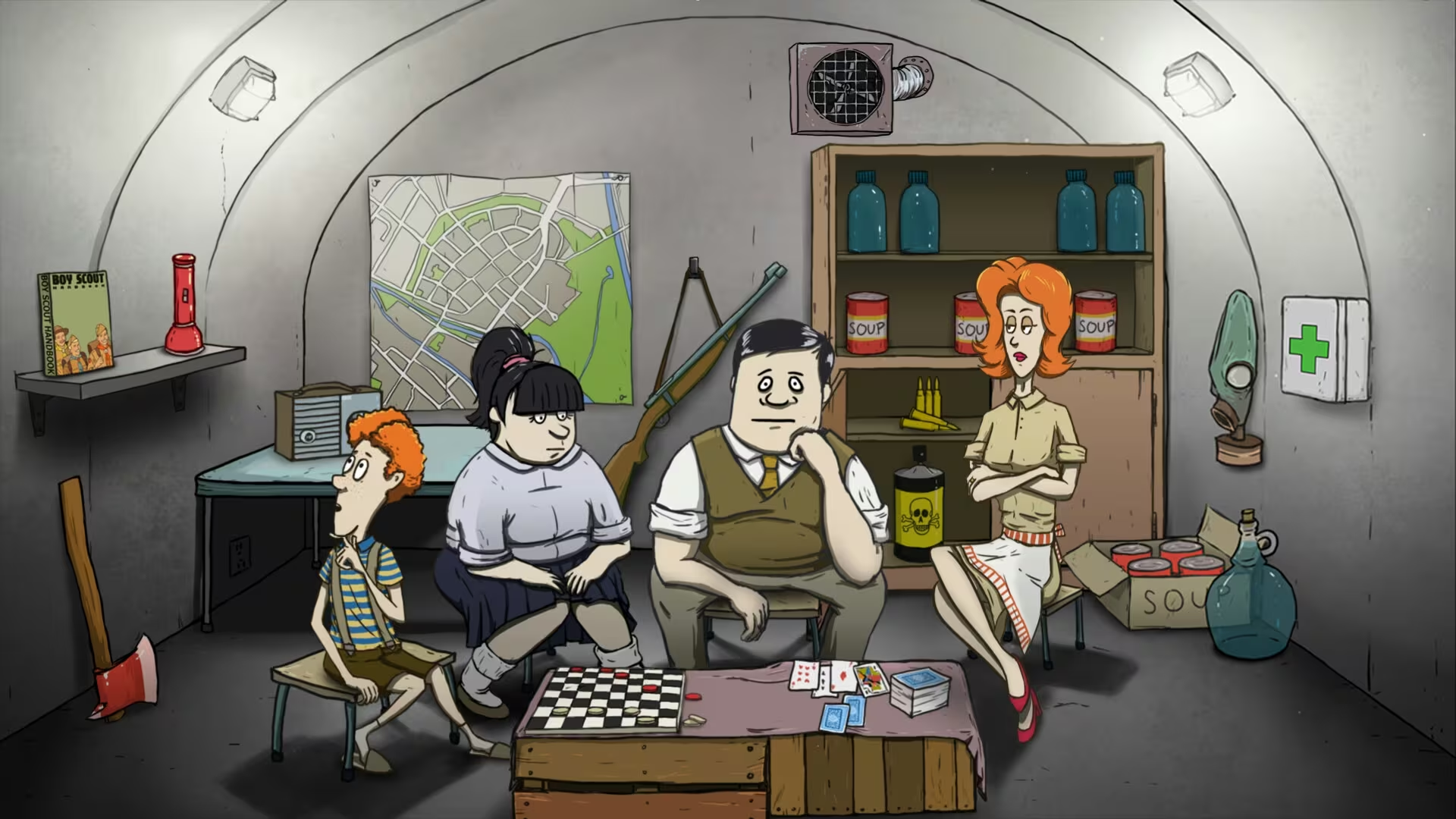
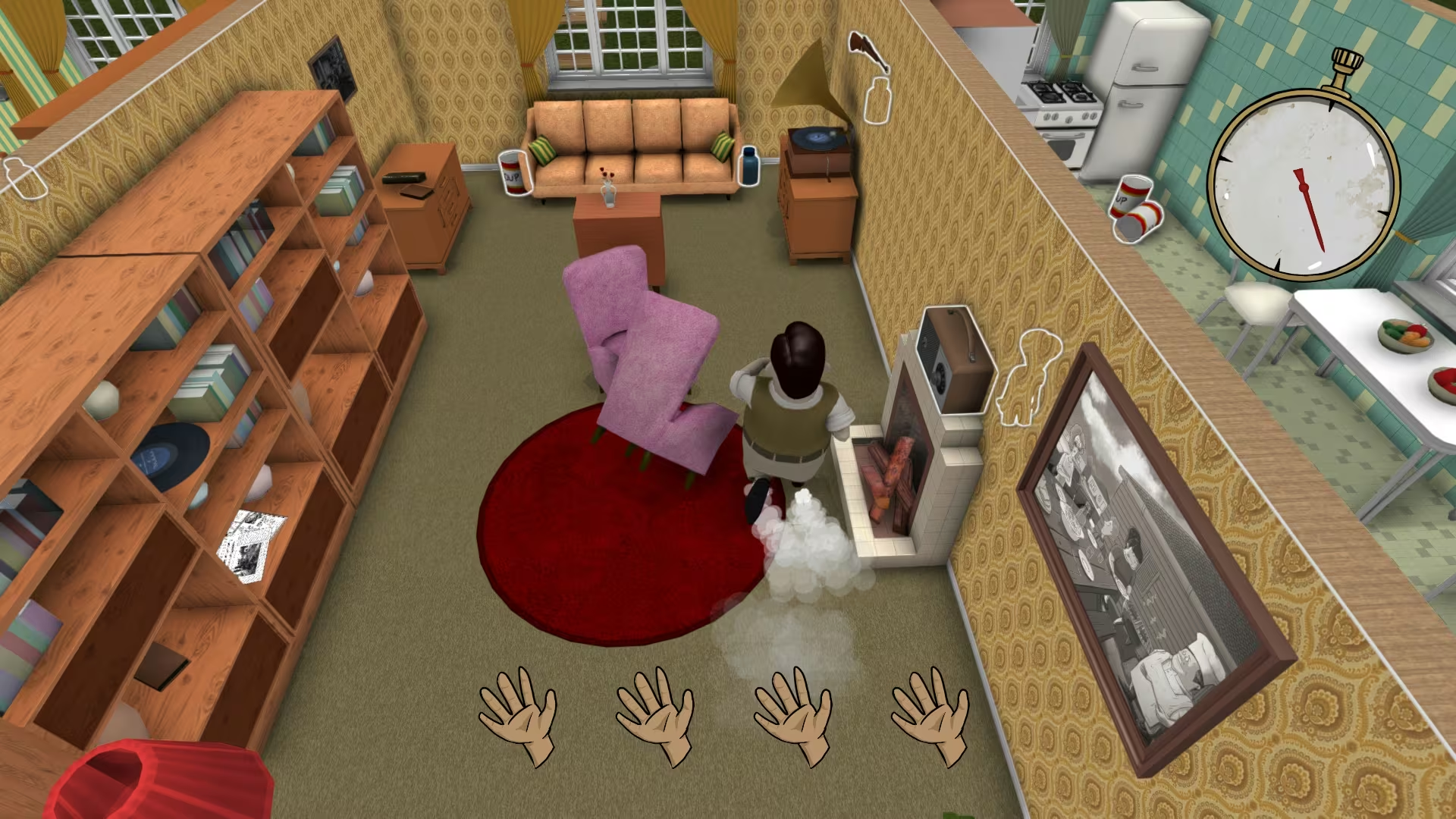
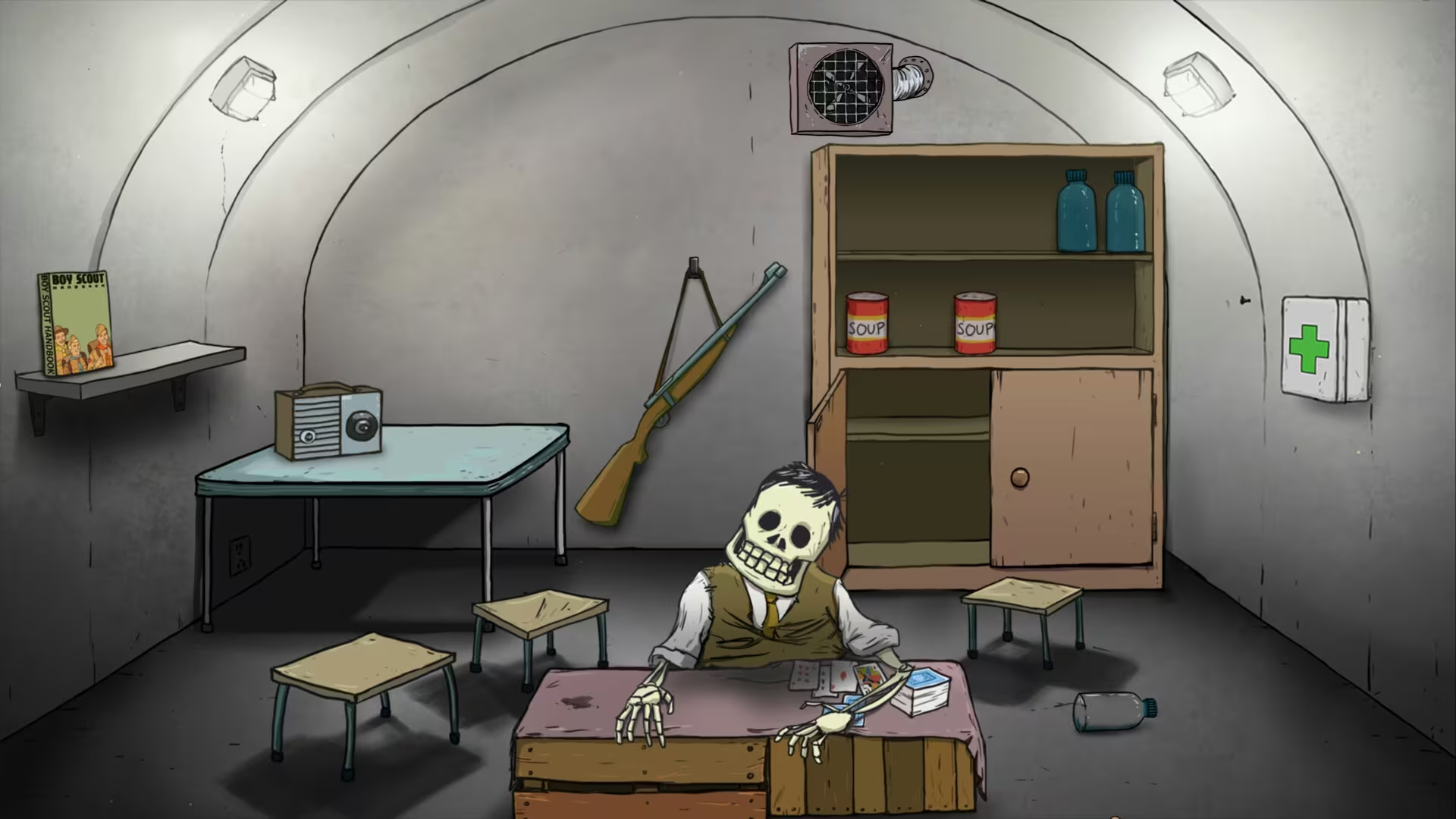
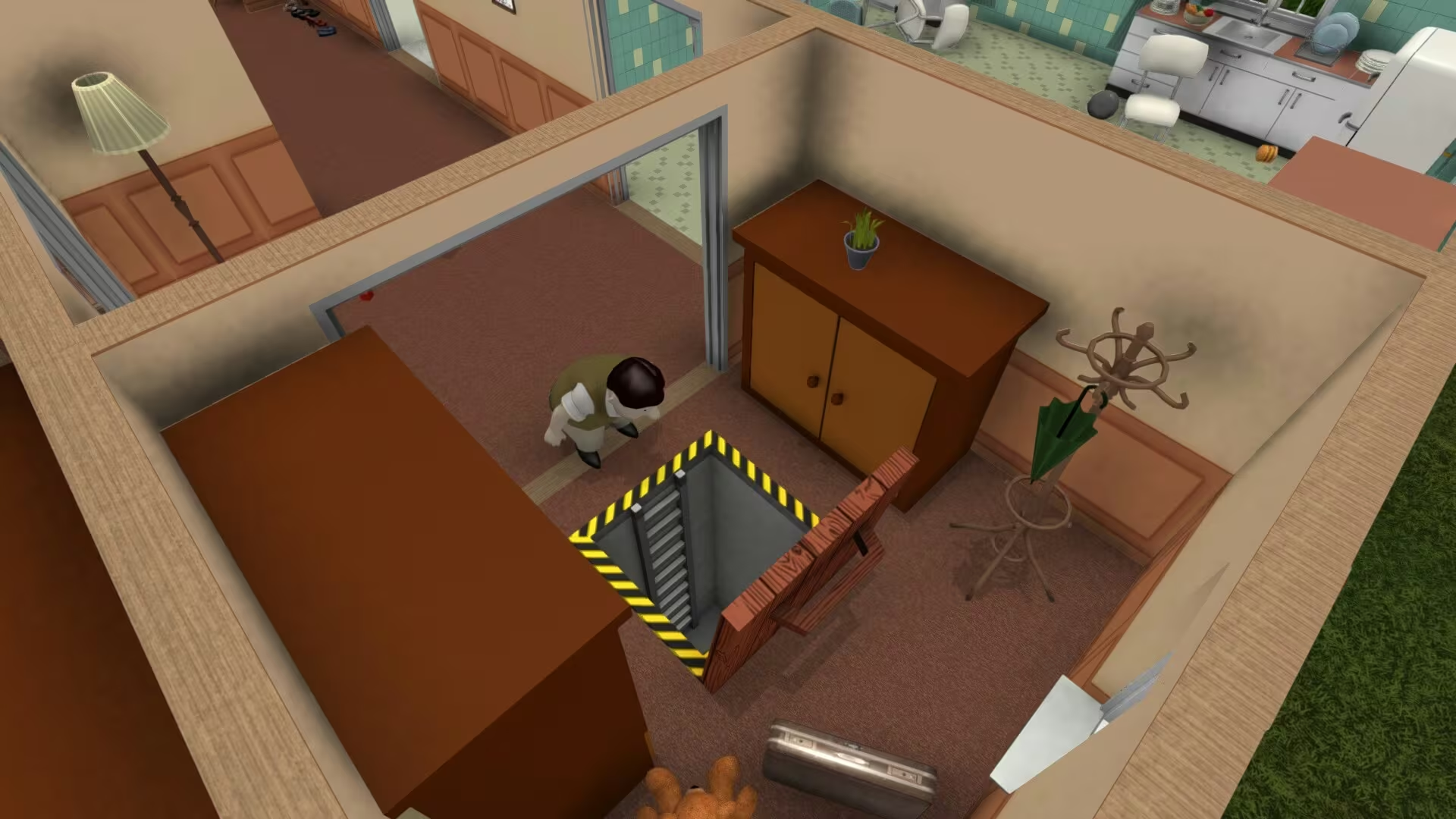
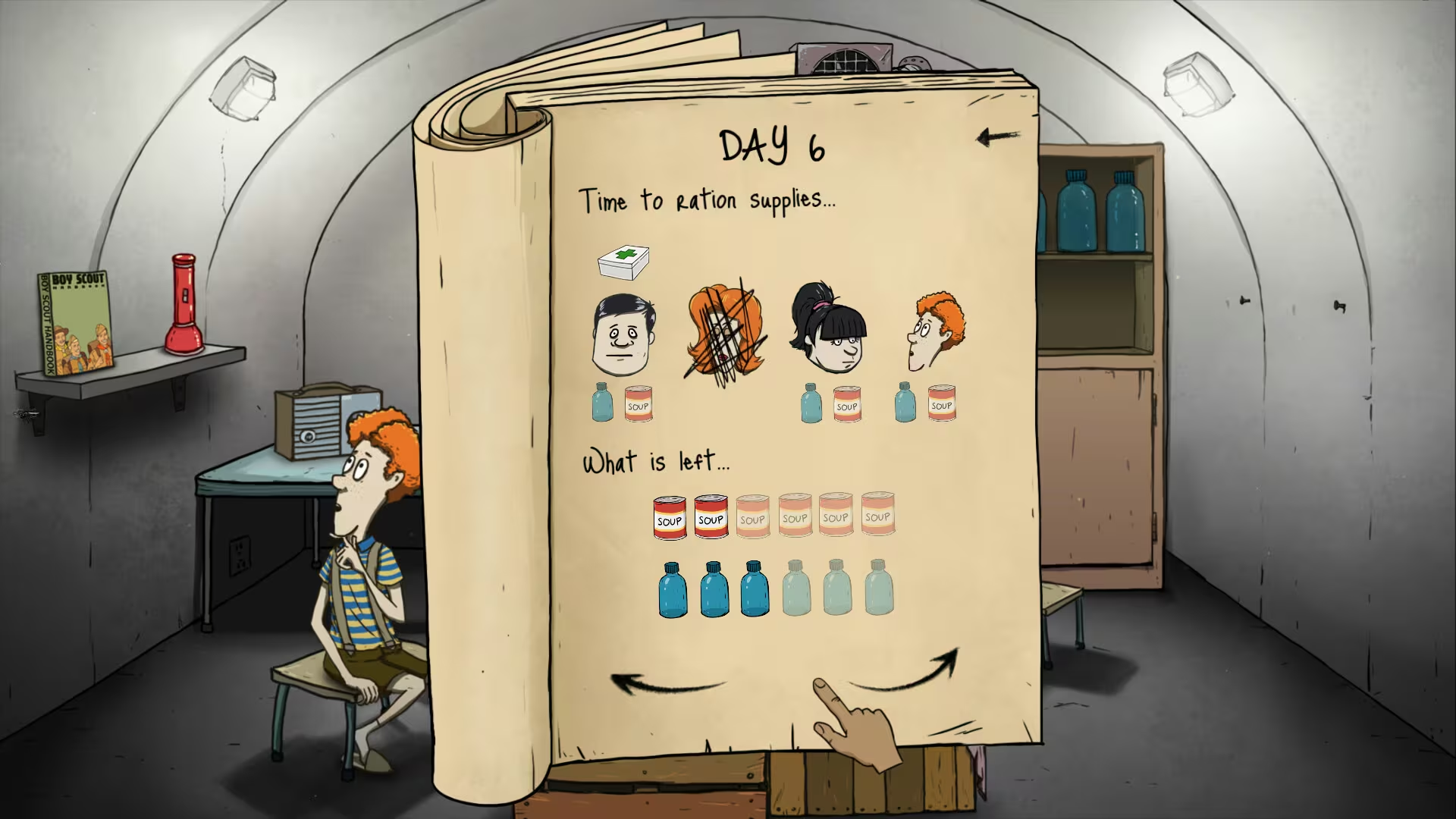
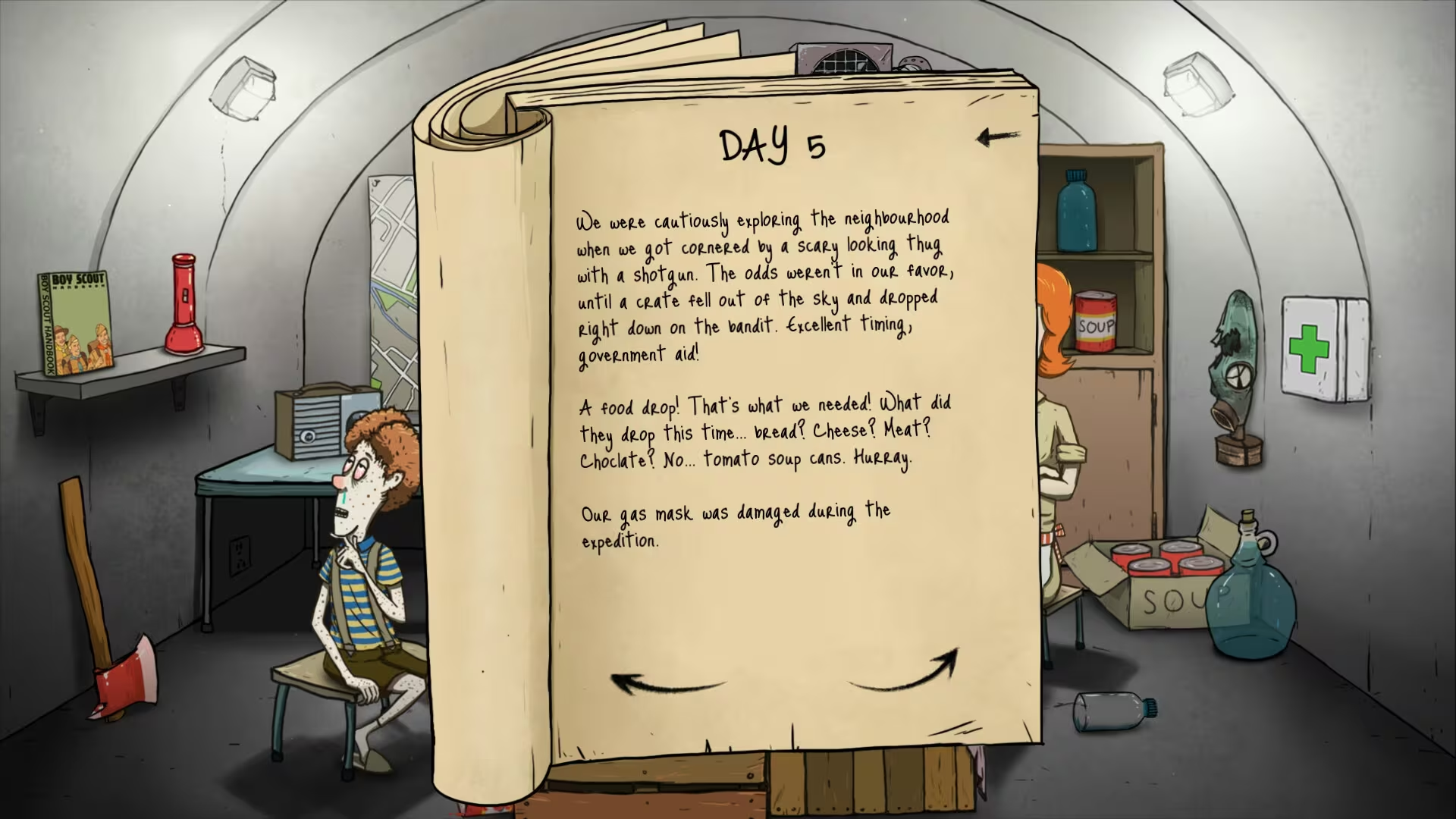
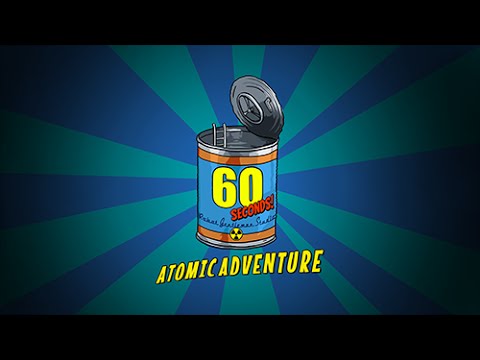
60 Seconds! is a dark comedy atomic adventure of scavenge and survival. Collect supplies and rescue your family before the nuke hits. Stay alive in your fallout shelter. Make difficult decisions, ration food and hunt mutant cockroaches. And maybe survive. Or not.

Global score

85/100

Genres

Adventure, Casual, Indie, Simulator, Strategy

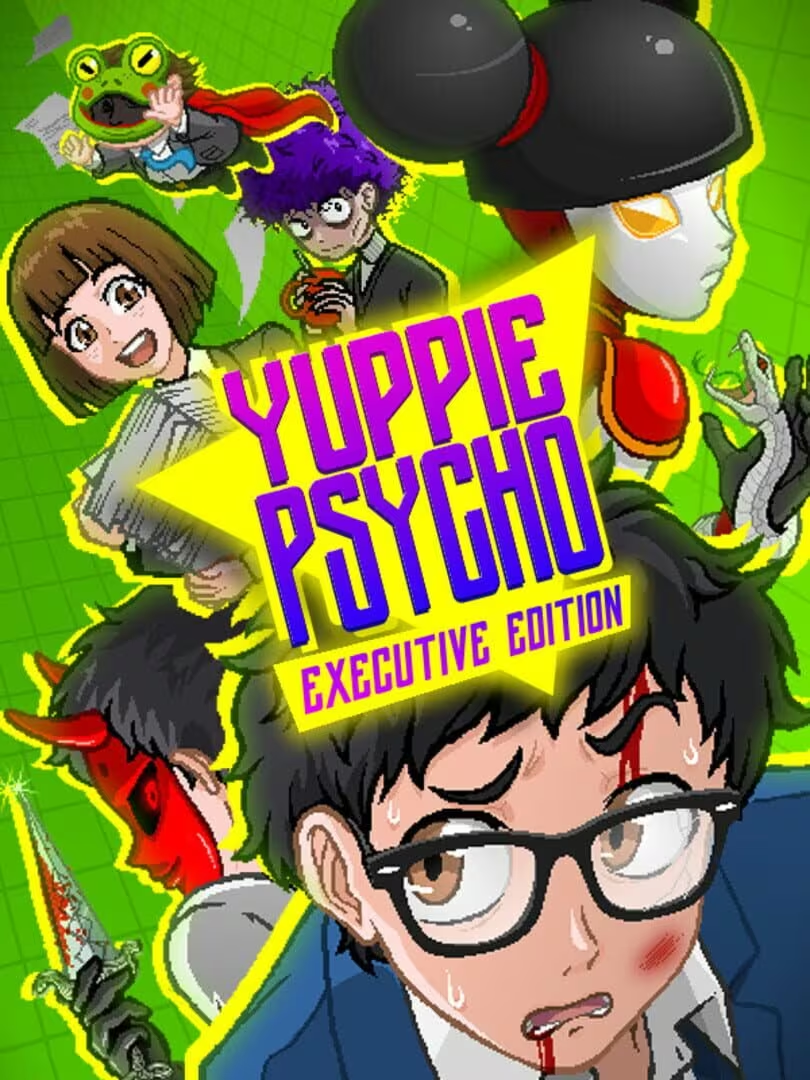
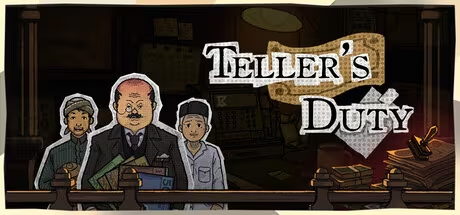
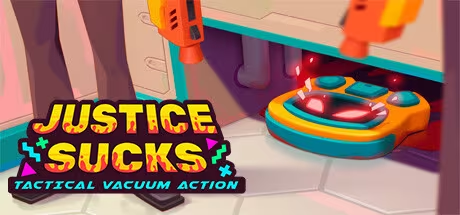
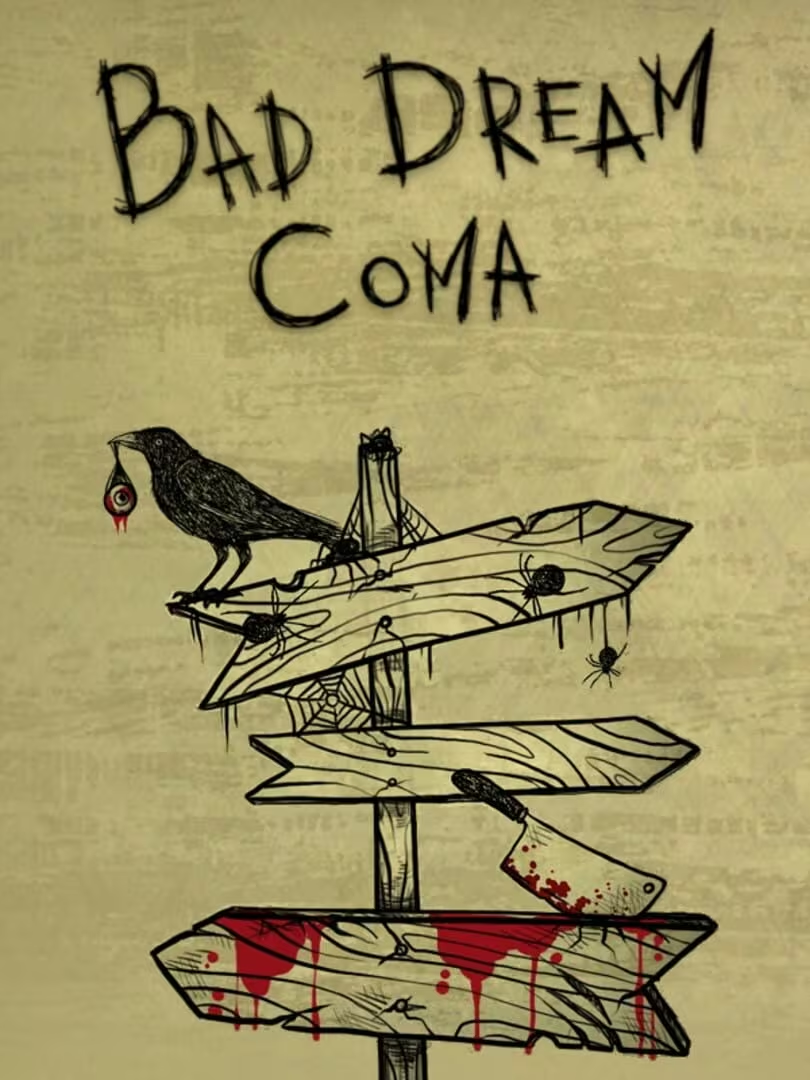
Similar games

    Pros

    • Humorous dark survival theme
    • Multiple endings and replayability
    • Engaging strategic decision making
    • Simple but charming art style
    • Frequent updates and challenges

    Cons

    • Some randomness can frustrate players
    • Limited physical exploration
    • Repetitive events over time
    • Clunky controls during scavenging phase
    • Lack of multiplayer or social features

    Analysis

    Broadly representative of its motivational profile, with a few distinct shifts. Motivations that often define this kind of title include Leadership, Survival, Violence, Strategy. Here, the score leans higher than usual among comparable games on Survival. It leans lower than usual among comparable games on Exploration, Fellowship.

    How to use the graph
    Similar games map

    Each dot is a game. They are arranged from the same motivation profile as in the “Motivations” section below. Closer dots usually mean more similar reasons to play (exploration, competition, relaxation, etc.)—not that one game is “better” than another.

    • Larger dot with a light outline: the game you are viewing.
    • Colour: groups of games with comparable motivation patterns (statistical clusters).
    • Hover a dot to see the game name; click to open its page.
    • Scroll or double-click the chart to zoom out and see more games.

    Why don’t the axes read like a score? This view uses t-SNE: it only keeps who is close to whom. The scales are not “good to bad” or hours played—they separate groups on the map. Read distance between dots, not the axis numbers.

    Motivations

    • Autonomy
      4

      "Players make critical decisions on what to collect and how to survive, with meaningful choices affecting outcomes."

    • Competence
      3

      "Requires strategic resource management and decision making, though some randomness affects predictability."

    • Competition
      -3

      "Focus is on personal survival and decision making rather than competing against others."

    • Continuation
      3

      "High replay value with multiple endings and challenges encourages repeated play despite some repetitiveness."

    • Cooperation
      -4

      "Gameplay centers on managing a family unit independently, with no multiplayer or teamwork."

    • Creativity
      2

      "Players creatively decide item and family member selection and survival strategies, but within fixed game structures."

    • Domination
      -5

      "No elements of exerting control over others; interactions are narrative and survival focused."

    • Escapism
      4

      "Provides a humorous, darkly comic escape into a post-apocalyptic survival scenario."

    • Expectation
      -4

      "Players engage voluntarily for fun and challenge, not out of obligation."

    • Experimenting
      3

      "Encourages trying different strategies, item combinations, and choices to discover various endings."

    • Exploration
      -2

      "Limited physical exploration; focus is on decision making and resource management in known environments."

    • Expression
      1

      "Some customization like hats and item choices allow modest self-expression."

    • Fantasy
      2

      "Set in a fictional post-nuclear world with exaggerated dark humor and mutant events."

    • Fellowship
      -5

      "Single-player experience with minimal social interaction or community involvement."

    • Growth
      2

      "Players learn survival strategies and improve decision making over repeated playthroughs."

    • Health
      -5

      "Sedentary gameplay with no physical activity involved."

    • Idle
      -3

      "Requires active attention and decision making throughout play sessions."

    • Intimacy
      -4

      "Focus on family survival narrative but limited emotional or social bonding mechanics."

    • Leadership
      3

      "Player leads and manages family members’ actions and survival decisions."

    • Progression
      3

      "Progression through accumulating resources, surviving days, and unlocking endings and achievements."

    • Relaxation
      1

      "Some tension from survival decisions but overall lighthearted tone and humor provide balance."

    • Sensation
      2

      "Cartoonish visuals and sound design provide enjoyable sensory experience."

    • Status
      -4

      "No social status or recognition systems; focus is on personal survival."

    • Story
      4

      "Strong narrative focus with multiple endings and event-driven storytelling."

    • Strategy
      4

      "Requires planning, resource allocation, and tactical decision making under uncertainty."

    • Thrill
      3

      "Tense moments during scavenging and survival create suspense and excitement."

    • Value
      3

      "Good perceived value for price, especially with frequent updates and replayability."

    • Violence
      1

      "Some combat elements against raiders and mutants, but not a primary focus."

    • Survival
      5

      "Core gameplay is about managing resources and decisions to survive nuclear fallout."

    Last update: 29/04/2026