Dave's Fun Algebra Class: Remastered Thumbnail

Dave's Fun Algebra Class: Remastered similar games & best alternatives

Dave's Fun Algebra Class: Remastered

PC (Microsoft Windows), Mac • 2024

Related articles

Quick resume

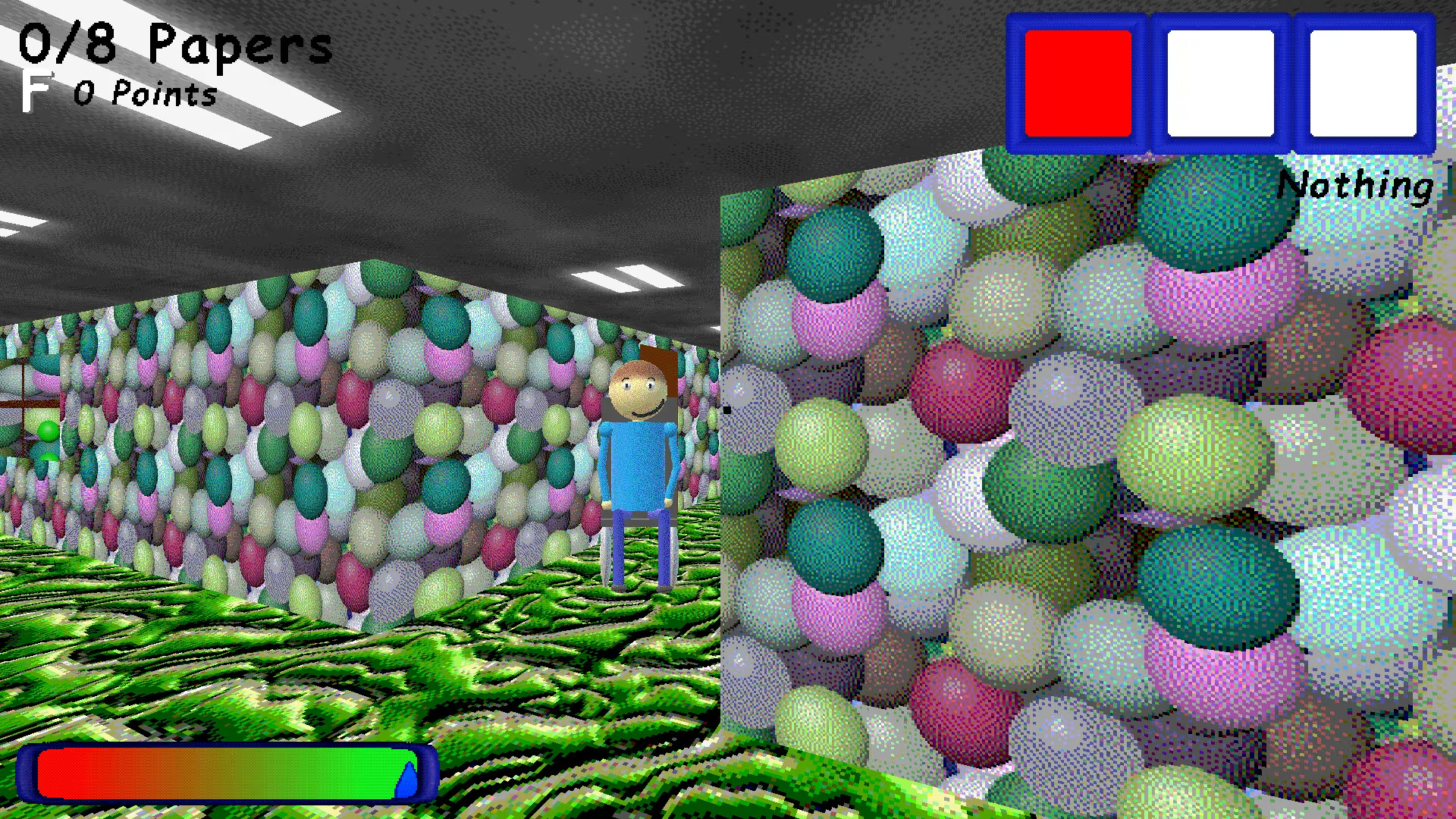
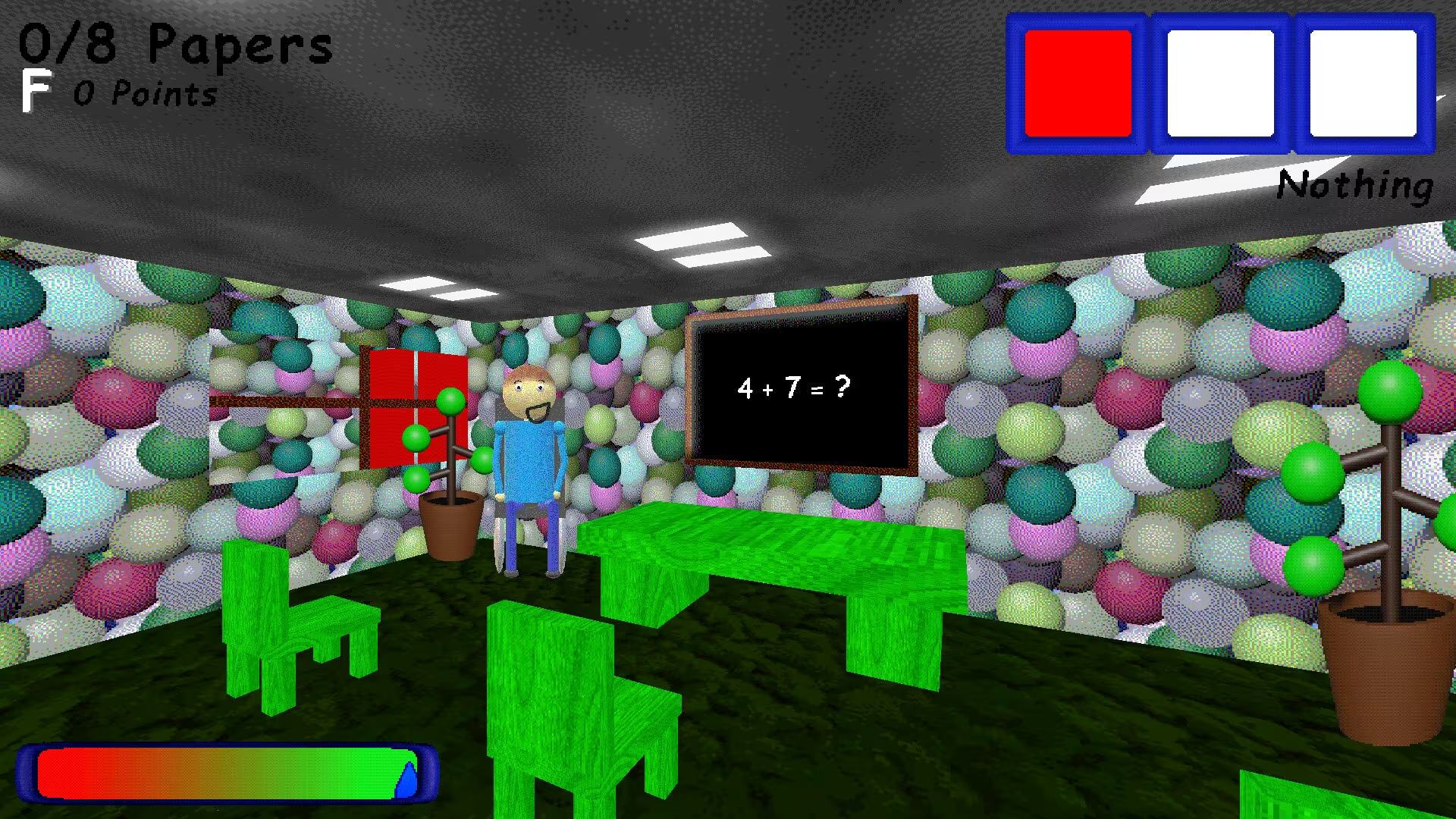
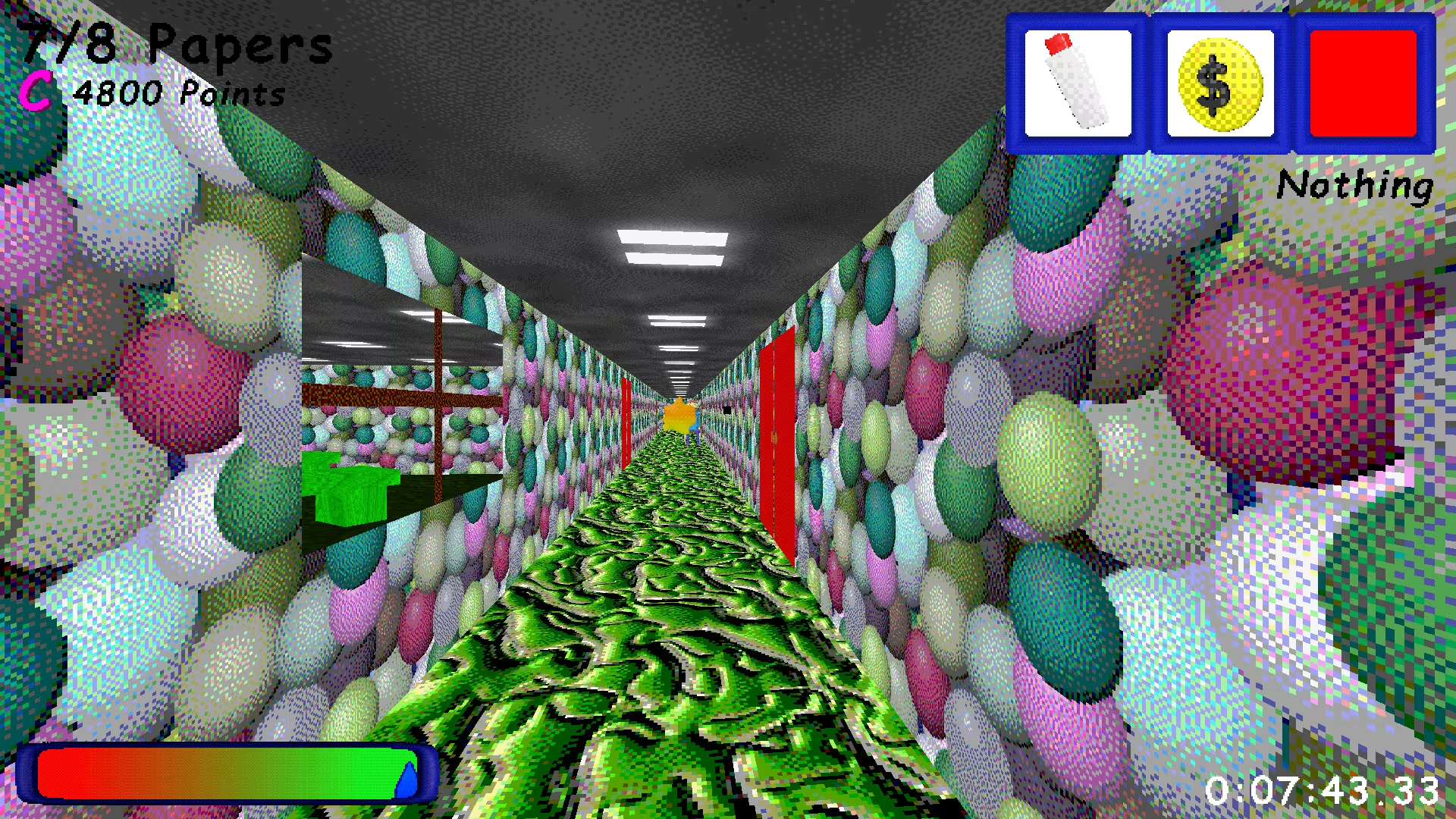
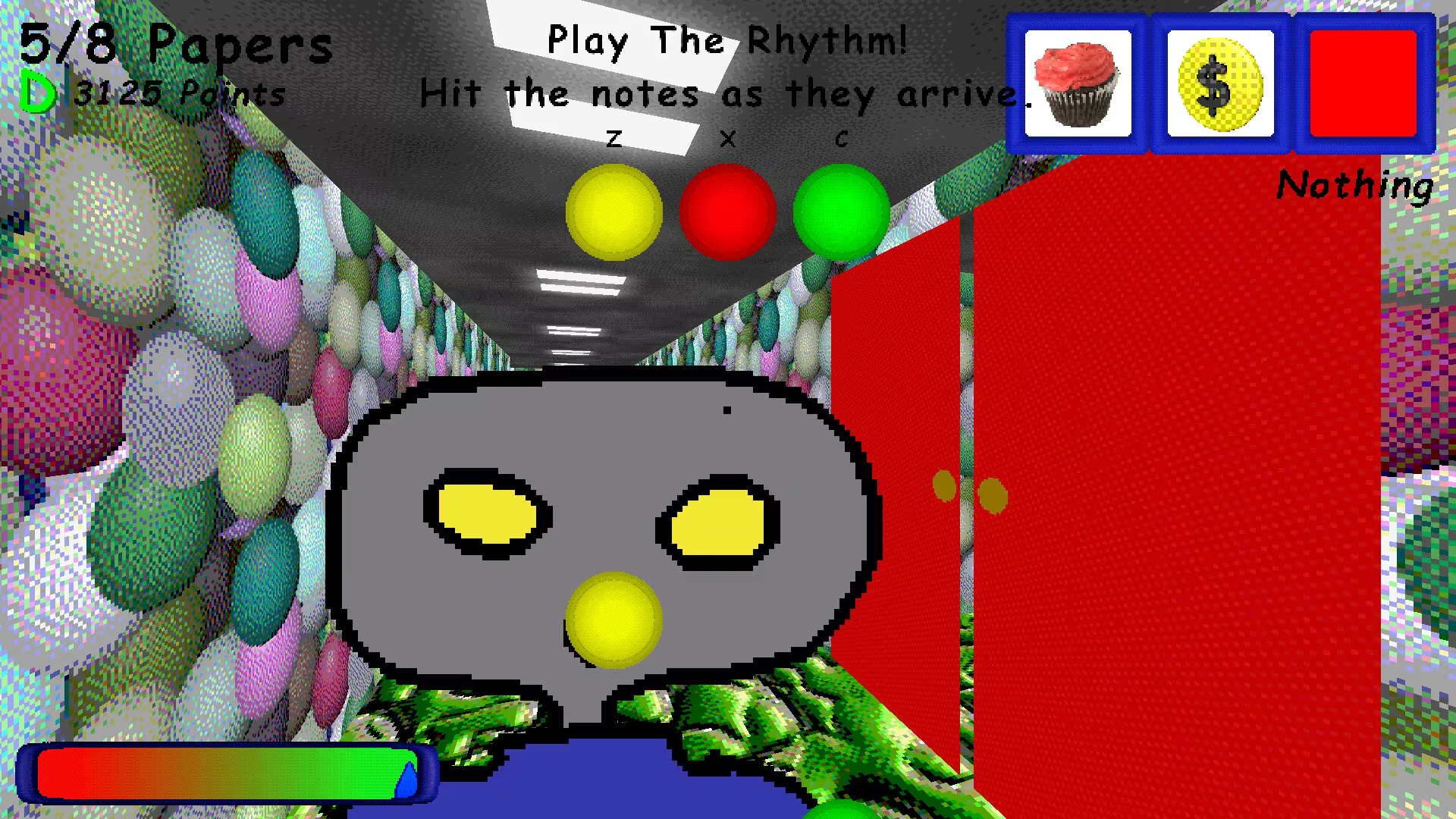
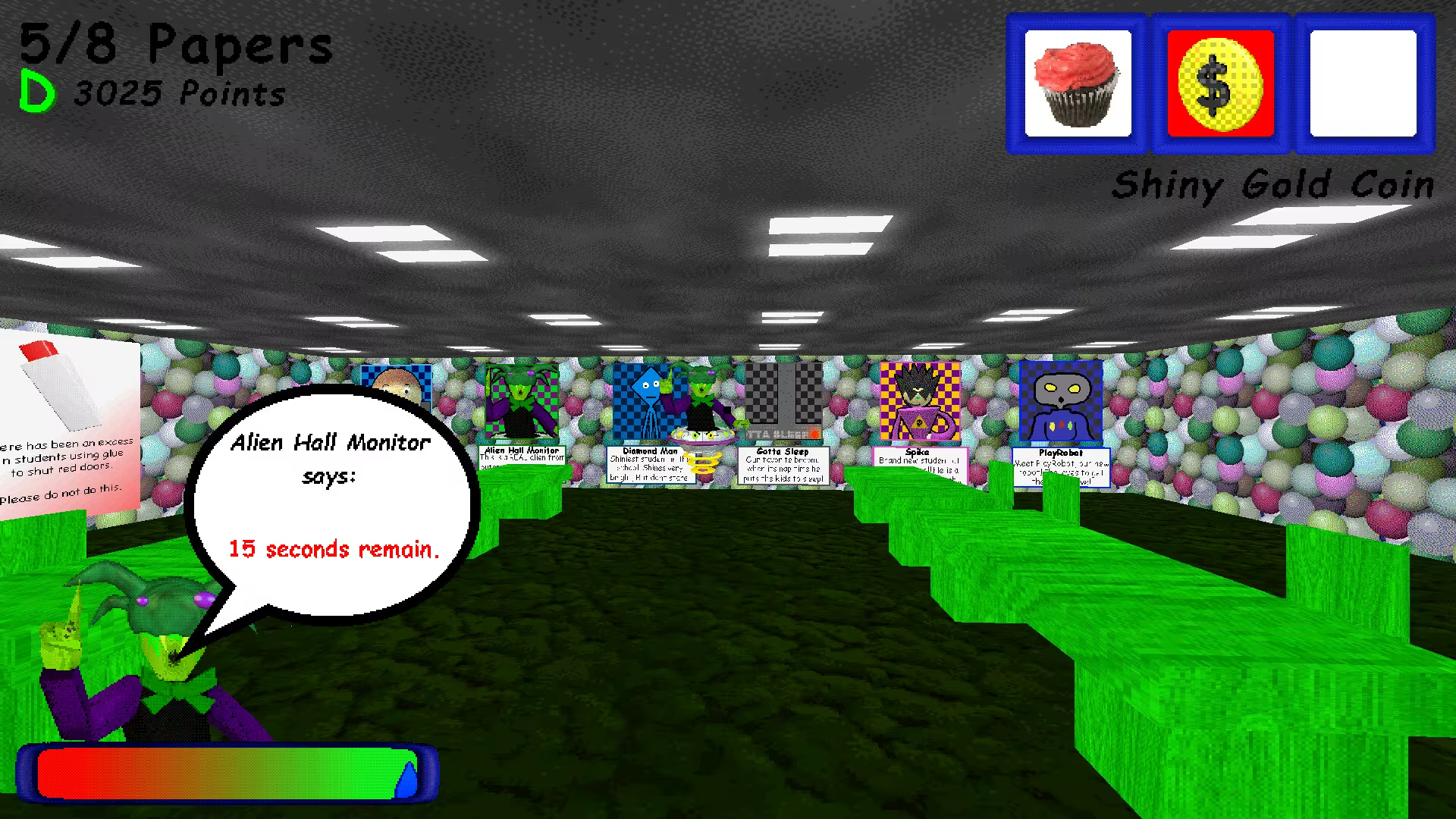
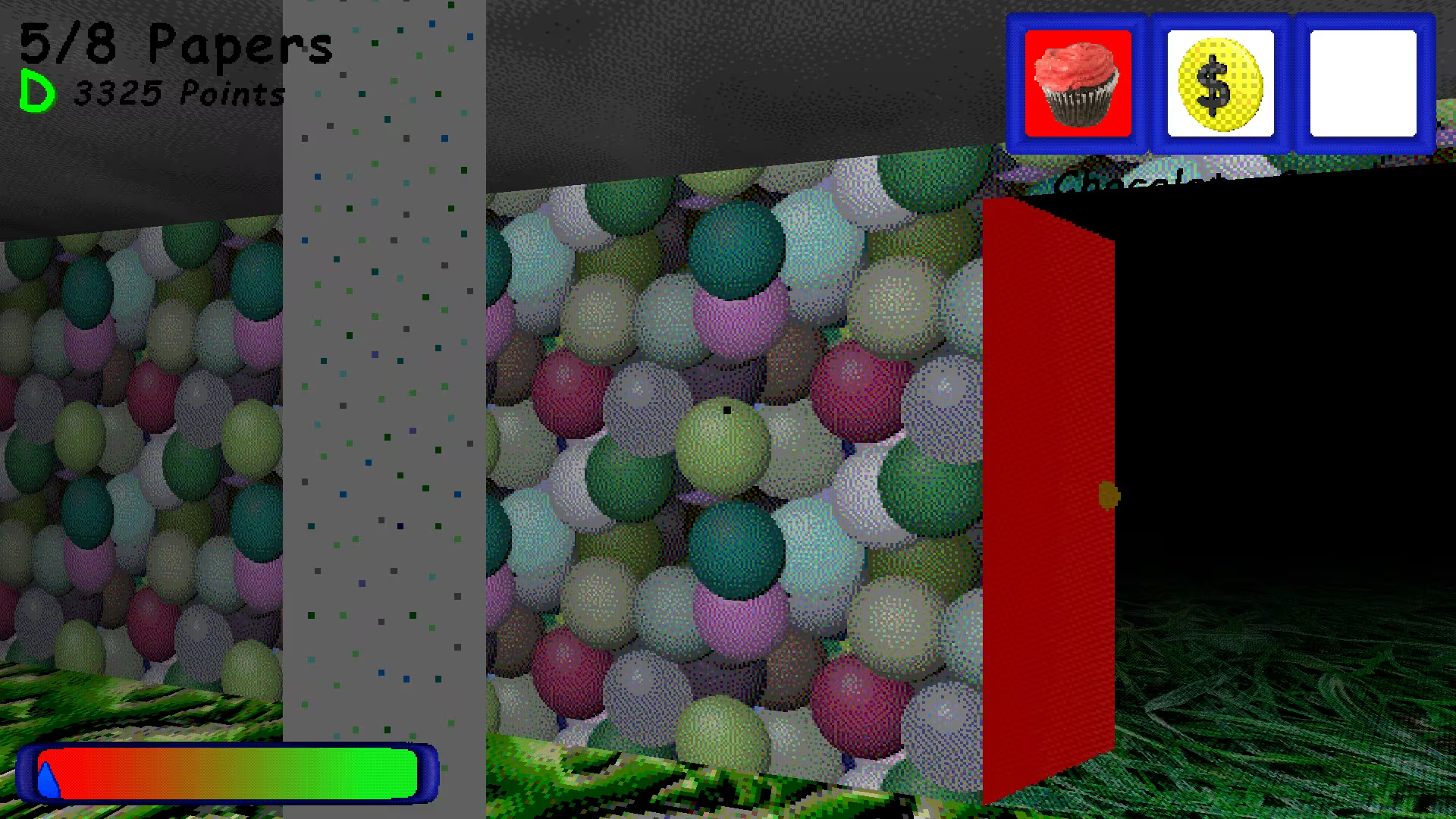
Dave's Fun Algebra Class: Remastered is a strategy-based indie game inspired by Baldi's Basics, featuring chaotic and intense gameplay mixed with an old-school psychedelic artstyle. Solve math problems, meet Dave's friends, and uncover the secrets of Dave's school.

Global score

88/100

Genres

Action, Indie, Strategy

Similar games

    Pros

    • Free to play
    • Challenging and rewarding gameplay
    • High replayability
    • Unique characters and modes
    • Engaging soundtrack

    Cons

    • Frustrating rng elements
    • High difficulty spikes
    • Some bugs and technical issues
    • Annoying enemy mechanics
    • Lack of polish in audio and visuals

    Analysis

    A very typical example of its motivational profile. Motivations that often define this kind of title include Relaxation, Survival, Violence, Fellowship. Here, the score leans higher than usual among comparable games on Value. It leans lower than usual among comparable games on Expression, Creativity.

    How to use the graph
    Similar games map

    Each dot is a game. They are arranged from the same motivation profile as in the “Motivations” section below. Closer dots usually mean more similar reasons to play (exploration, competition, relaxation, etc.)—not that one game is “better” than another.

    • Larger dot with a light outline: the game you are viewing.
    • Colour: groups of games with comparable motivation patterns (statistical clusters).
    • Hover a dot to see the game name; click to open its page.
    • Scroll or double-click the chart to zoom out and see more games.

    Why don’t the axes read like a score? This view uses t-SNE: it only keeps who is close to whom. The scales are not “good to bad” or hours played—they separate groups on the map. Read distance between dots, not the axis numbers.

    Motivations

    • Autonomy
      3

      "Players have freedom to explore different modes and use various items and strategies, though some RNG elements limit full control."

    • Competence
      4

      "Game is described as challenging with skill-based mechanics; players feel rewarded by mastering difficult modes and mechanics."

    • Competition
      -3

      "No evidence of player-vs-player competition or leaderboards; focus is on personal achievement and overcoming game challenges."

    • Continuation
      4

      "Many players report high replayability and addictive qualities, returning repeatedly despite frustration."

    • Cooperation
      -5

      "Game is single-player focused with no cooperative multiplayer or teamwork elements."

    • Creativity
      1

      "Some customization in gameplay modes and strategies, but mostly follows established structures similar to Baldi's Basics."

    • Domination
      -5

      "No social dominance or power over others; gameplay is individual and not about exerting control over other players."

    • Escapism
      4

      "Players use the game as a fun distraction and stress relief, enjoying its humor and challenge."

    • Expectation
      -4

      "Players engage voluntarily out of personal interest and enjoyment, not due to obligation or external pressure."

    • Experimenting
      3

      "Players explore different modes, items, and strategies, experimenting with mechanics to improve performance."

    • Exploration
      2

      "Some exploration of game environments and secrets, but mostly within a familiar school map setting."

    • Expression
      -2

      "Limited character or environment customization; mostly uses preset assets and designs."

    • Fantasy
      3

      "Game features imaginative and surreal elements like a wheelchair-bound antagonist and exaggerated characters."

    • Fellowship
      -4

      "Minimal social interaction; players mostly experience the game solo without community integration."

    • Growth
      4

      "Players develop skills and knowledge over time, especially mastering difficult modes and mechanics."

    • Health
      -5

      "Game is sedentary with no physical activity or health-related features."

    • Idle
      -4

      "Requires focused attention and continuous engagement; not suitable for passive or background play."

    • Intimacy
      -5

      "No evidence of forming close relationships or emotional sharing within the game."

    • Leadership
      -5

      "No leadership or management roles; gameplay is individual without guiding others."

    • Progression
      3

      "Players collect items, achievements, and unlock modes, showing a sense of advancement."

    • Relaxation
      -2

      "Game is often described as tense and frustrating, with high difficulty and RNG elements causing stress."

    • Sensation
      3

      "Enjoyable audio and visual elements contribute to sensory stimulation and emotional engagement."

    • Status
      -4

      "No social recognition or ranking systems; achievements are personal and not publicly ranked."

    • Story
      2

      "Contains some lore and narrative elements, but story is not the main focus."

    • Strategy
      4

      "Players must plan and use logic to navigate challenges, manage items, and avoid enemies."

    • Thrill
      4

      "Game provides suspense and tension through chase sequences and difficult encounters."

    • Value
      5

      "Game is free with substantial content, providing high perceived value for time invested."

    • Violence
      2

      "Includes chase and avoidance of hostile characters, but no graphic violence; some combat-like mechanics."

    • Survival
      4

      "Players must avoid threats and manage resources to survive and progress."

    Last update: 29/04/2026