Decision: Red Daze Thumbnail

Decision: Red Daze similar games & best alternatives

Decision: Red Daze

PC (Microsoft Windows) • 2022

Related articles

Quick resume

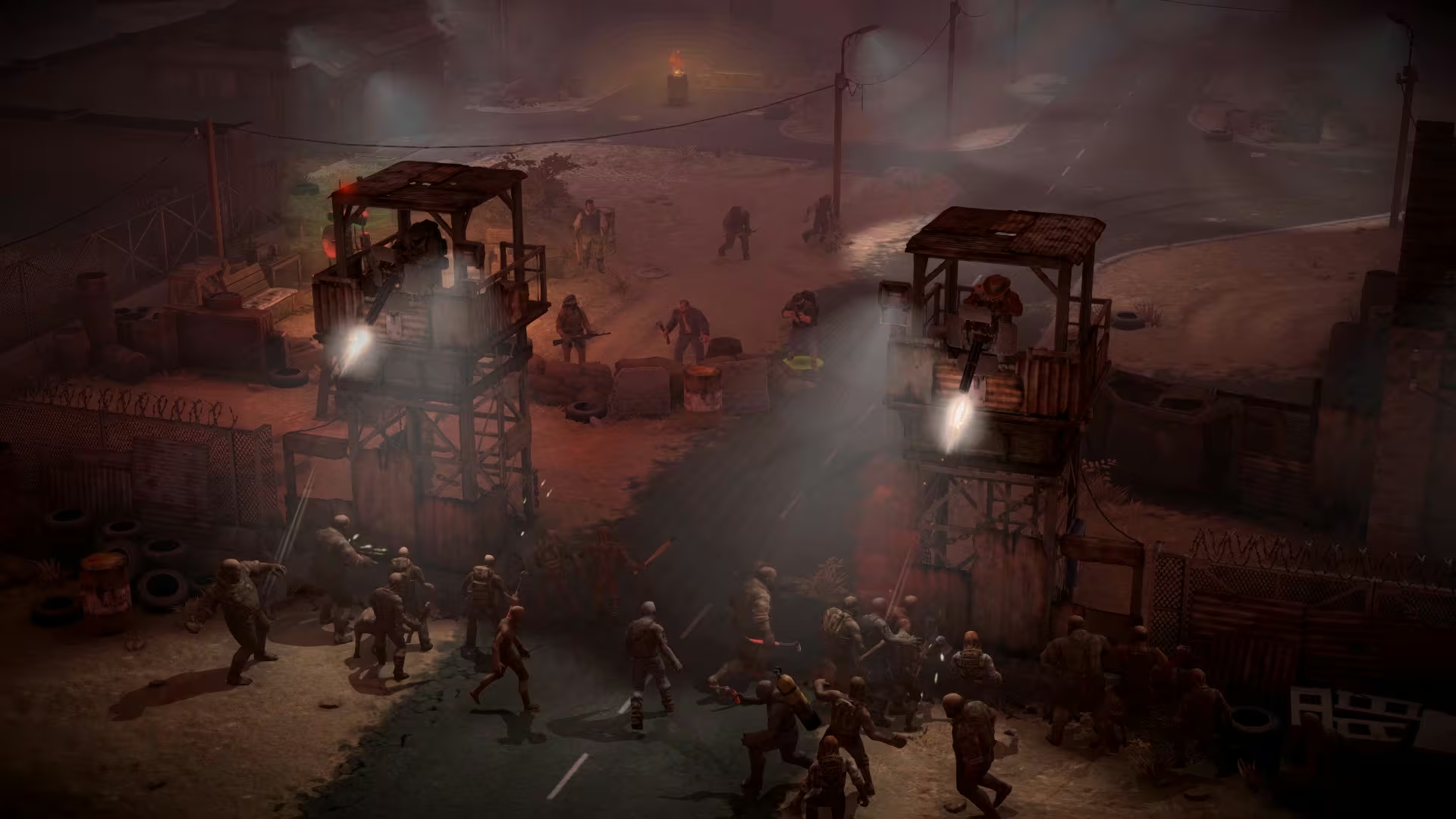
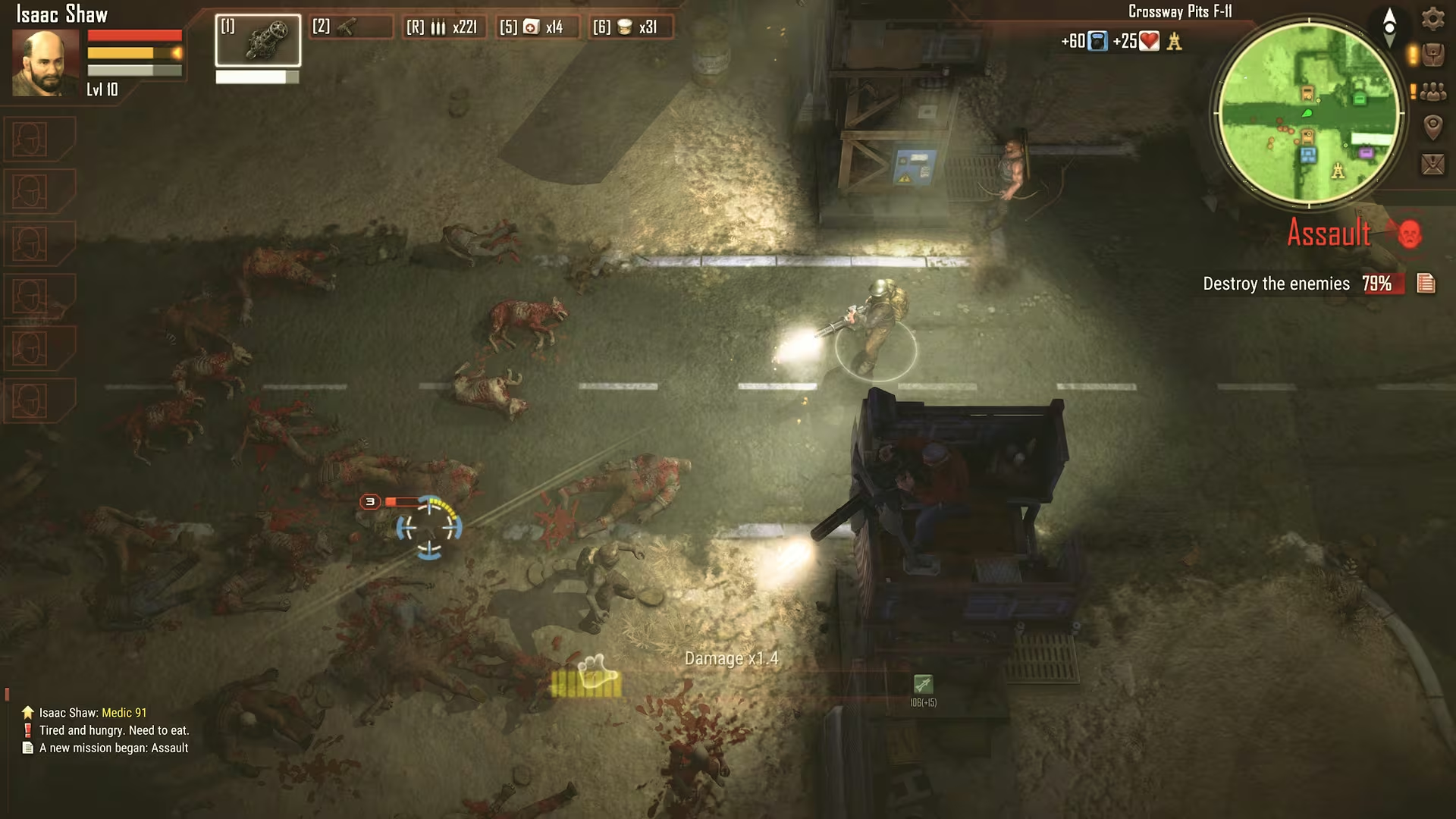
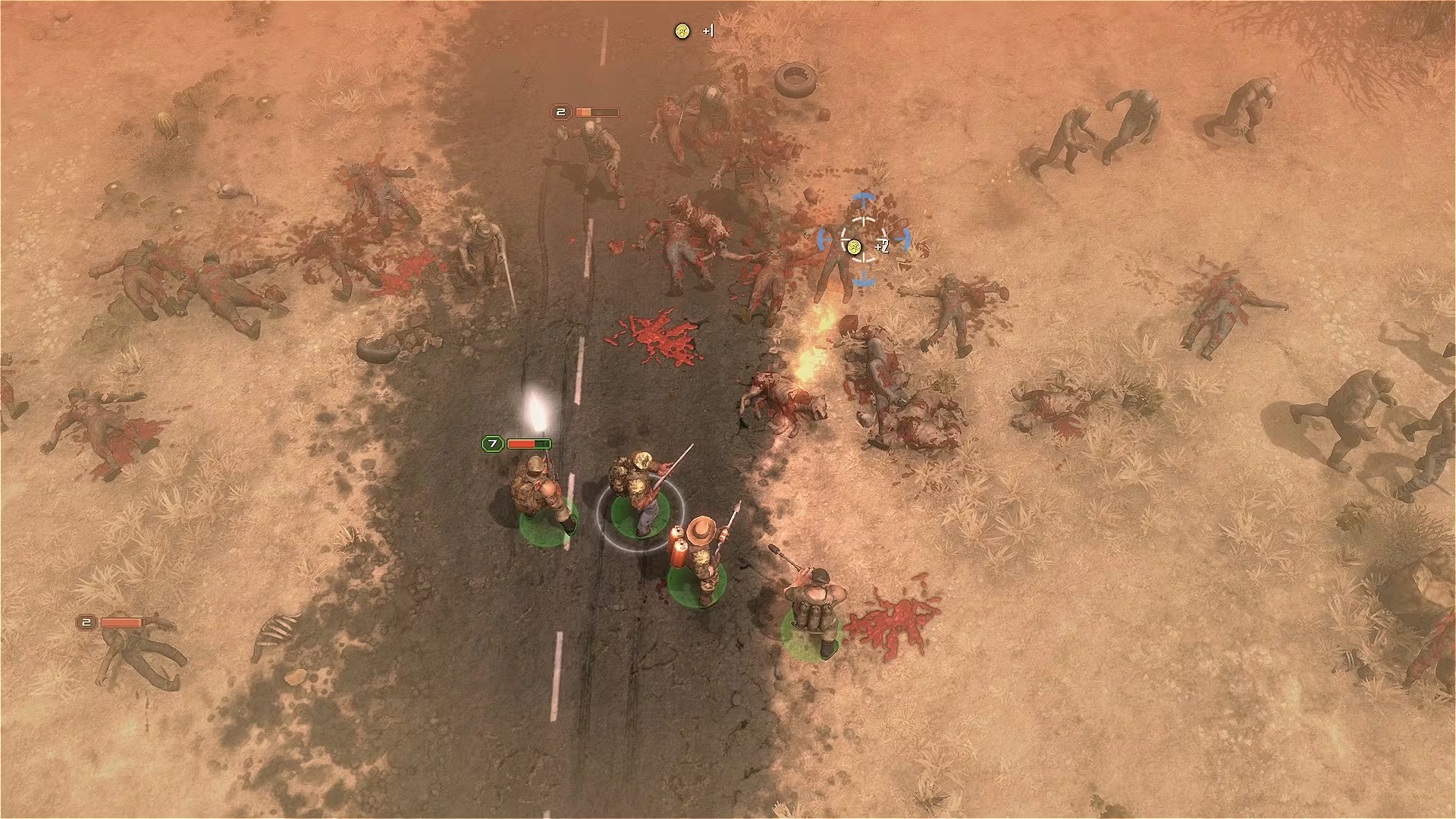
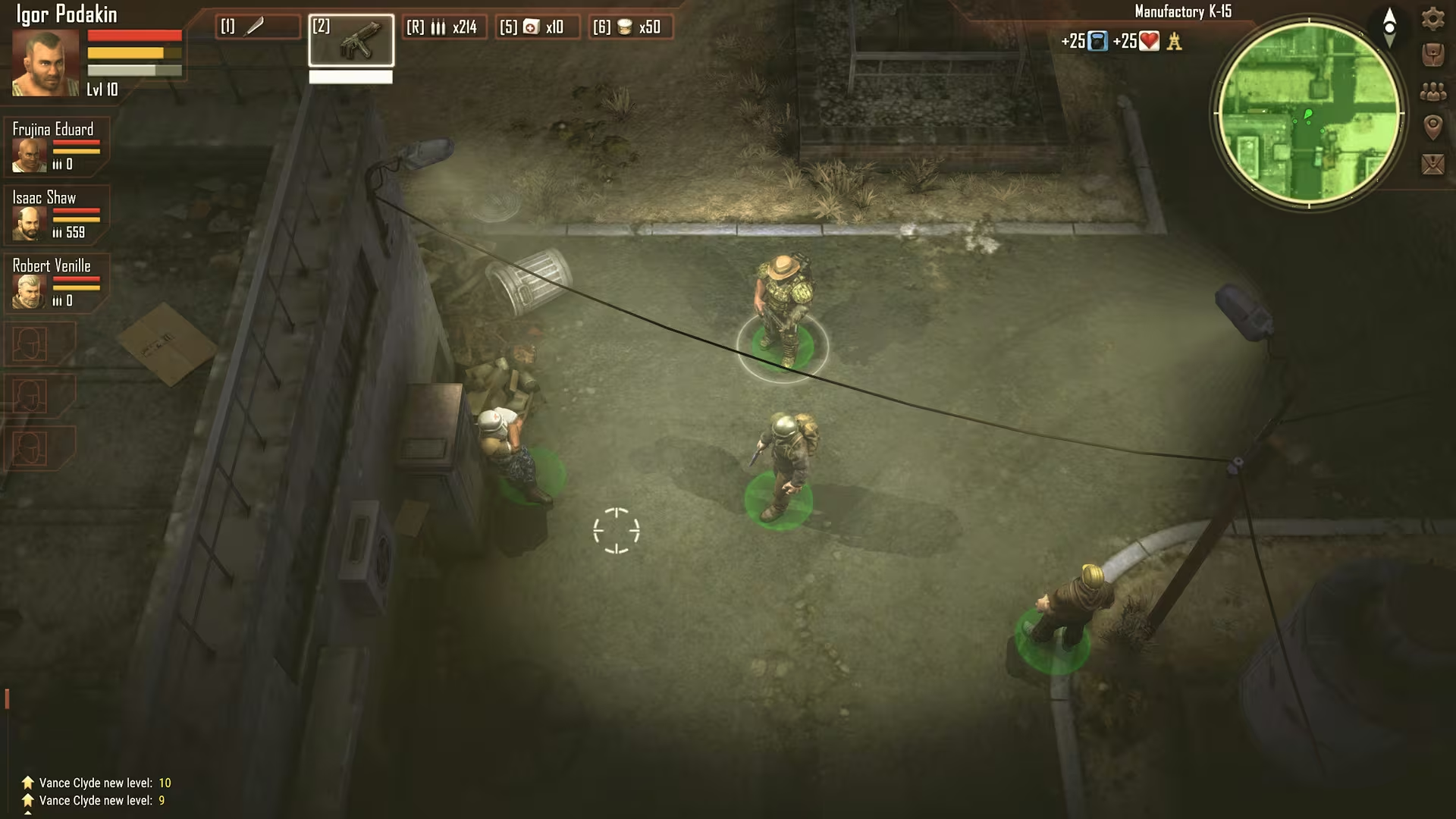
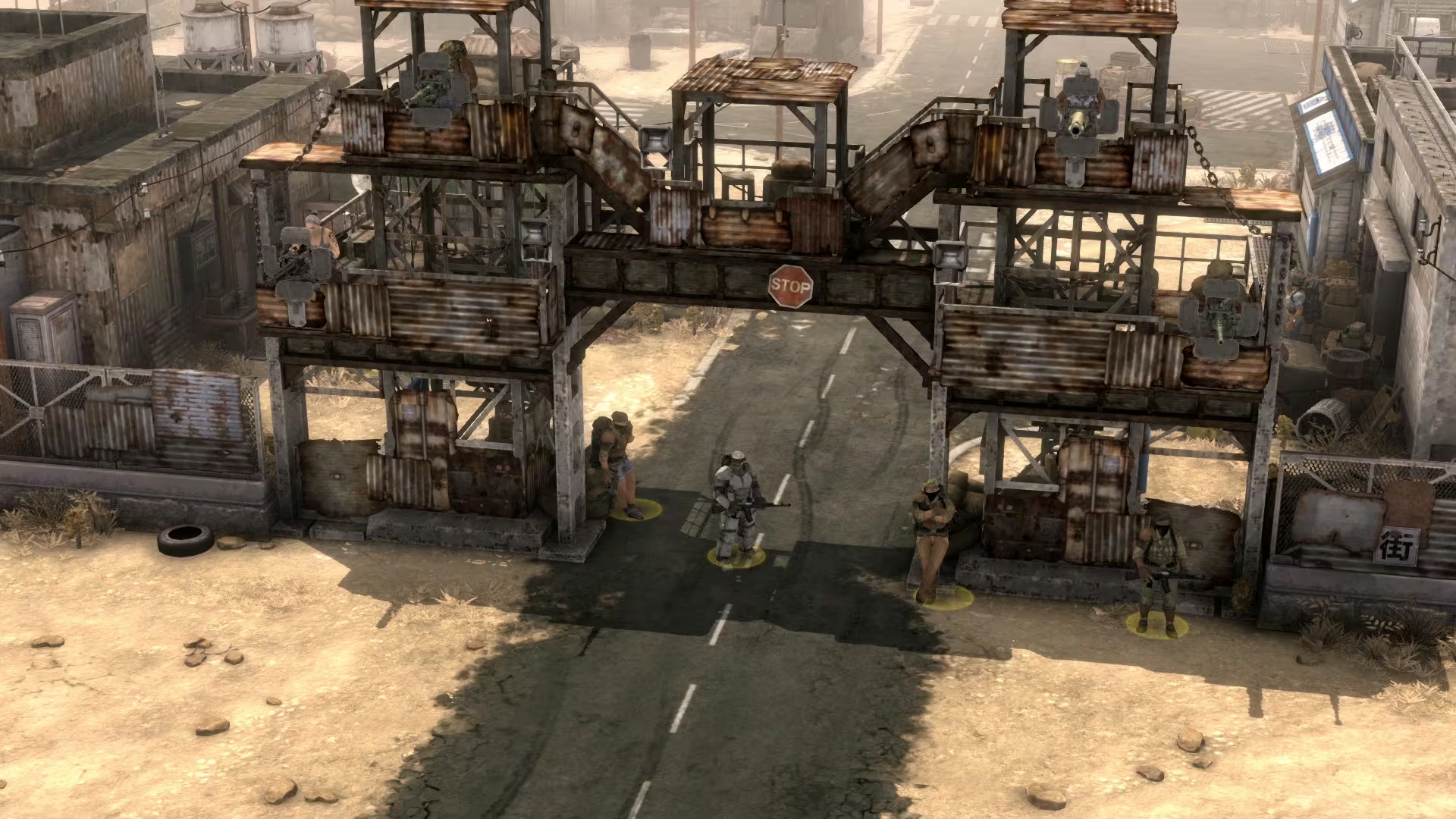
Decision: Red Daze is an action RPG with a unique mix of survival and tower defense mechanics. Explore an apocalyptic wasteland, build a safe haven, and lead your team of specialists in a hopeless world, searching for a cure for the infectious disease that turns people into monsters.

Global score

74/100

Genres

Action, Indie, Role-playing (RPG), Strategy

Similar games

    Pros

    • Engaging squad and base management
    • Satisfying combat and progression
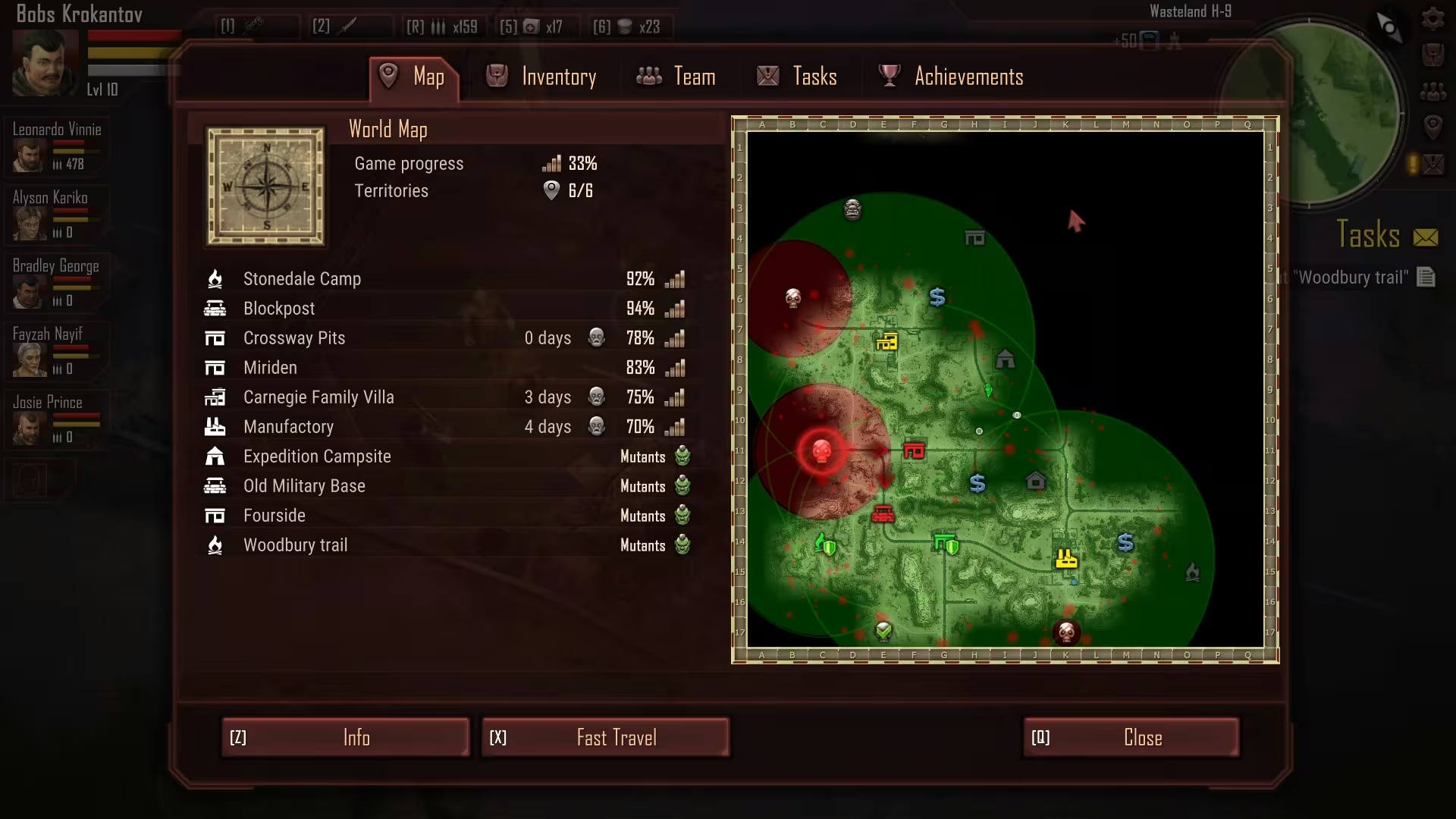
    • Large map with exploration
    • Nostalgic appeal for series fans
    • Good value for price

    Cons

    • Early game stamina and sleep mechanics frustrating
    • Ai companions can be ineffective
    • Inventory and ui management clunky
    • Some bugs and glitches reported
    • Limited character customization

    Analysis

    A very typical example of its motivational profile. Motivations that often define this kind of title include Leadership, Survival, Violence, Strategy. Here, the score leans higher than usual among comparable games on Cooperation, Relaxation. It leans lower than usual among comparable games on Creativity.

    How to use the graph
    Similar games map

    Each dot is a game. They are arranged from the same motivation profile as in the “Motivations” section below. Closer dots usually mean more similar reasons to play (exploration, competition, relaxation, etc.)—not that one game is “better” than another.

    • Larger dot with a light outline: the game you are viewing.
    • Colour: groups of games with comparable motivation patterns (statistical clusters).
    • Hover a dot to see the game name; click to open its page.
    • Scroll or double-click the chart to zoom out and see more games.

    Why don’t the axes read like a score? This view uses t-SNE: it only keeps who is close to whom. The scales are not “good to bad” or hours played—they separate groups on the map. Read distance between dots, not the axis numbers.

    Motivations

    • Autonomy
      4

      "Players can switch between multiple survivors and manage their squads and settlements, showing control over actions and decisions."

    • Competence
      3

      "Players level up characters, improve skills, and manage resources, indicating engagement with skill development and overcoming challenges."

    • Competition
      -3

      "Focus is on personal progression and managing own settlements and squads rather than competing against other players."

    • Continuation
      4

      "Many players report long play sessions and habitual play, with progression and exploration motivating continued engagement."

    • Cooperation
      2

      "Players manage squads of survivors cooperating to achieve goals, but mostly single-player with AI teammates."

    • Creativity
      1

      "Some customization in equipping survivors and upgrading settlements, but limited building options and predefined structures."

    • Domination
      -4

      "Interactions are balanced with AI companions and no evidence of exerting control or superiority over others."

    • Escapism
      4

      "Players use the game as a relaxing distraction and immersive zombie survival experience."

    • Expectation
      -4

      "Players engage voluntarily out of interest and nostalgia for the series, not out of obligation."

    • Experimenting
      3

      "Players try different survivors, tactics, and manage multiple settlements, exploring game mechanics."

    • Exploration
      4

      "Game encourages discovering new settlements, bosses, and map areas."

    • Expression
      1

      "Limited character customization mostly through equipment and squad composition."

    • Fantasy
      3

      "Zombie apocalypse setting with mutants and supernatural elements provides imaginative fiction experience."

    • Fellowship
      -3

      "Primarily single-player experience with AI companions, limited social connection."

    • Growth
      4

      "Players develop character skills, improve settlements, and learn game mechanics."

    • Health
      -4

      "Game involves sedentary play with no physical activity or rehab elements."

    • Idle
      -3

      "Requires continuous attention for combat, resource management, and base upgrading."

    • Intimacy
      -4

      "No evidence of close social relationships or emotional sharing."

    • Leadership
      3

      "Players lead squads and manage settlements, guiding decision-making."

    • Progression
      5

      "Strong emphasis on accumulating items, upgrades, and expanding settlements."

    • Relaxation
      3

      "Players find the game relaxing and enjoyable despite some tension from combat."

    • Sensation
      2

      "Visual and auditory feedback from combat and explosions provide sensory stimulation."

    • Status
      -4

      "Achievements and progression are mostly personal with minimal social recognition."

    • Story
      1

      "Some narrative elements and quests exist but story is minimal and mostly text-based."

    • Strategy
      3

      "Players plan squad composition, resource management, and base upgrades requiring problem solving."

    • Thrill
      2

      "Combat and boss fights provide moments of suspense and excitement."

    • Value
      4

      "Players report good value for time and money with many hours of gameplay."

    • Violence
      4

      "Combat involves killing zombies and mutants with weapons and explosives."

    • Survival
      4

      "Players manage resources, stamina, and defend settlements to avoid failure."

    Last update: 29/04/2026