Disney Princess: Enchanted Journey Thumbnail

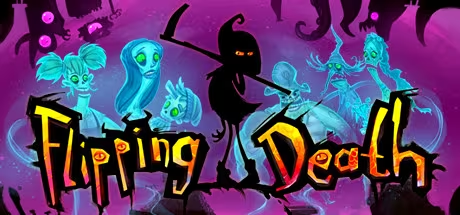
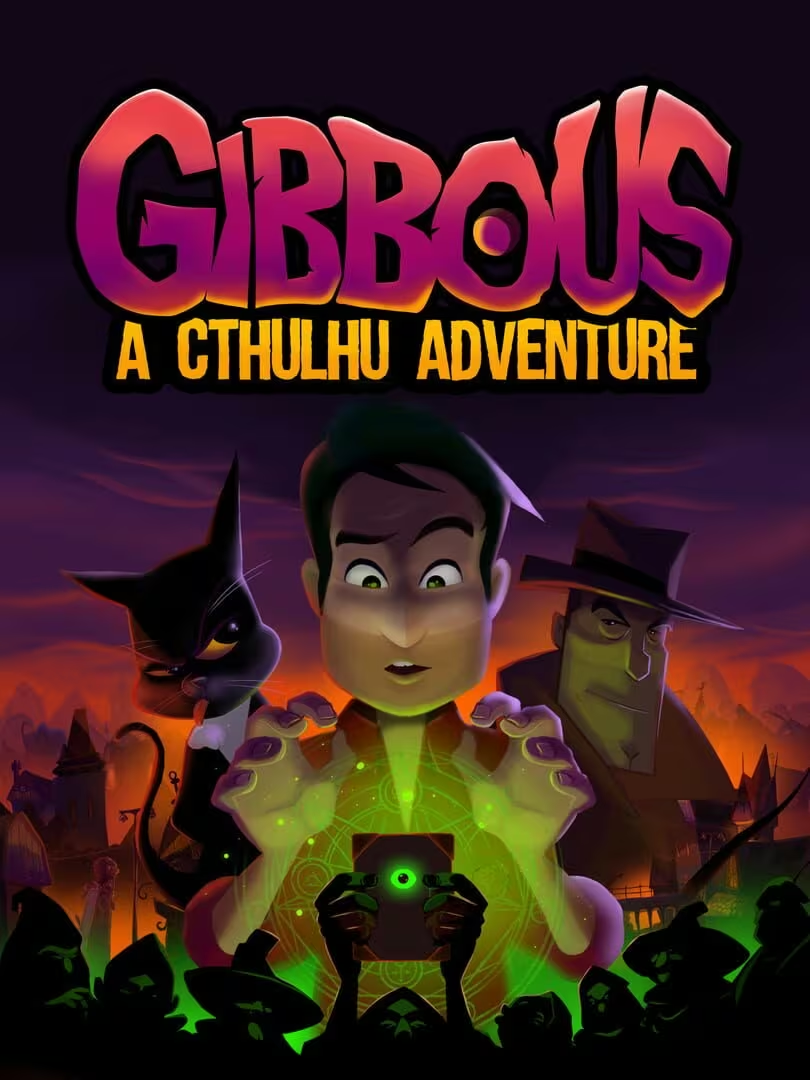
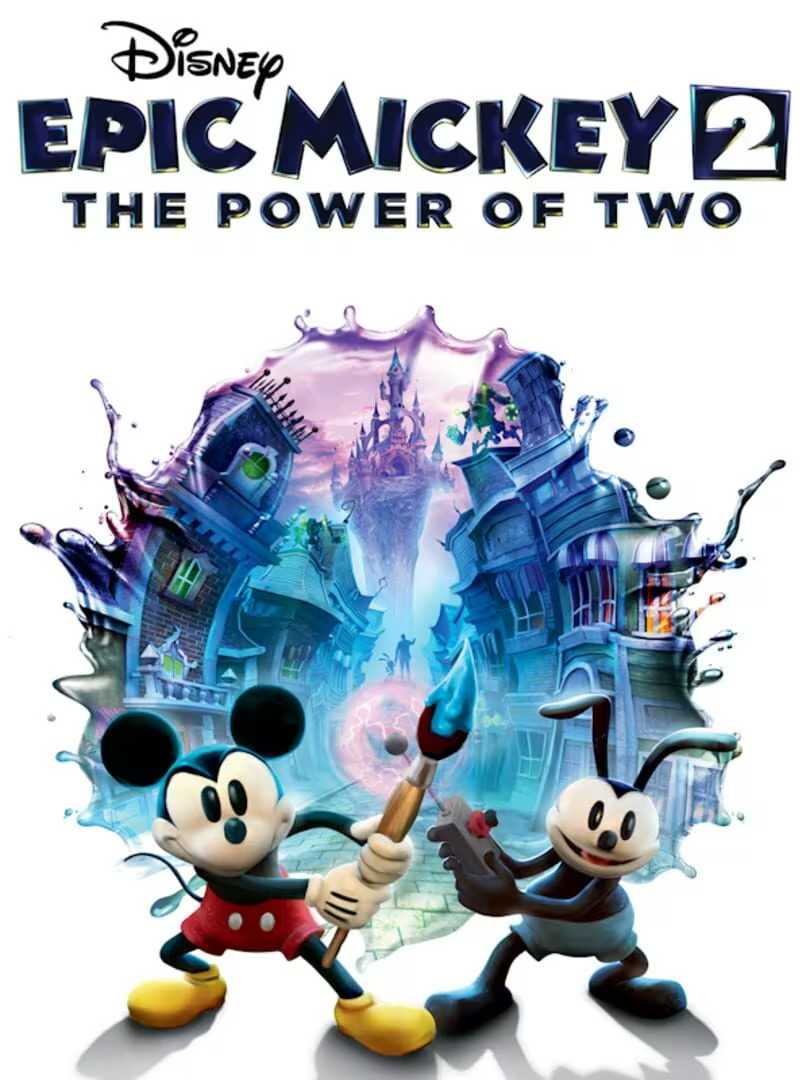
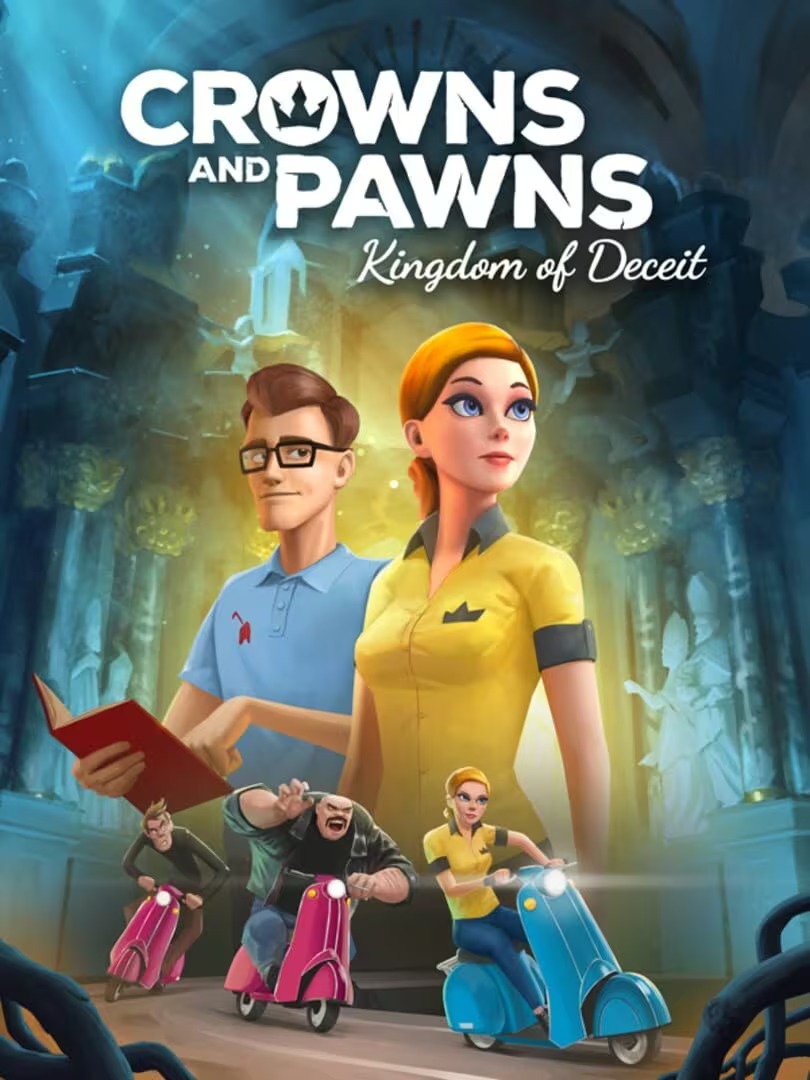
Disney Princess: Enchanted Journey similar games & best alternatives
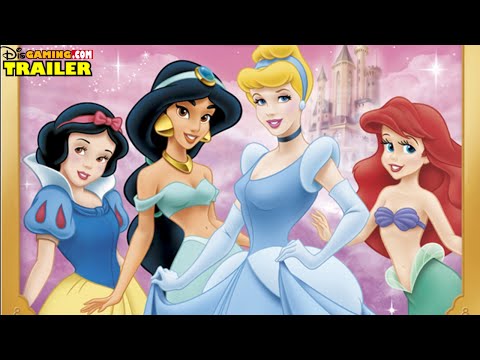
Disney Princess: Enchanted Journey

PC (Microsoft Windows), PlayStation 2, Wii • 2014

Related articles

Quick resume

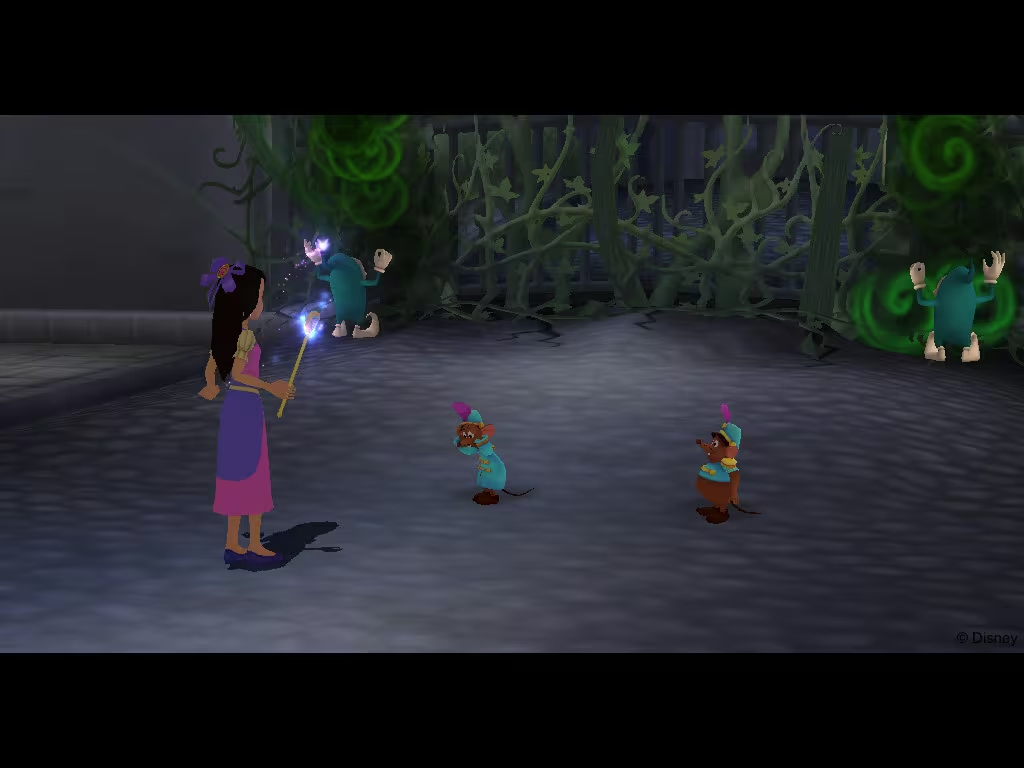
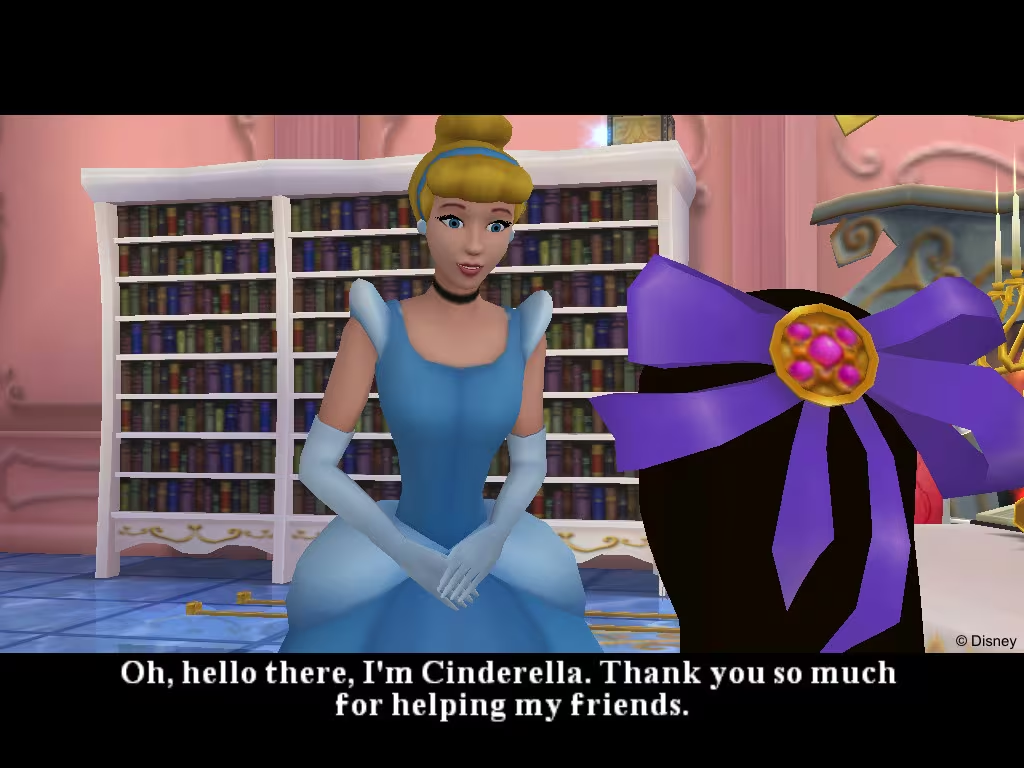
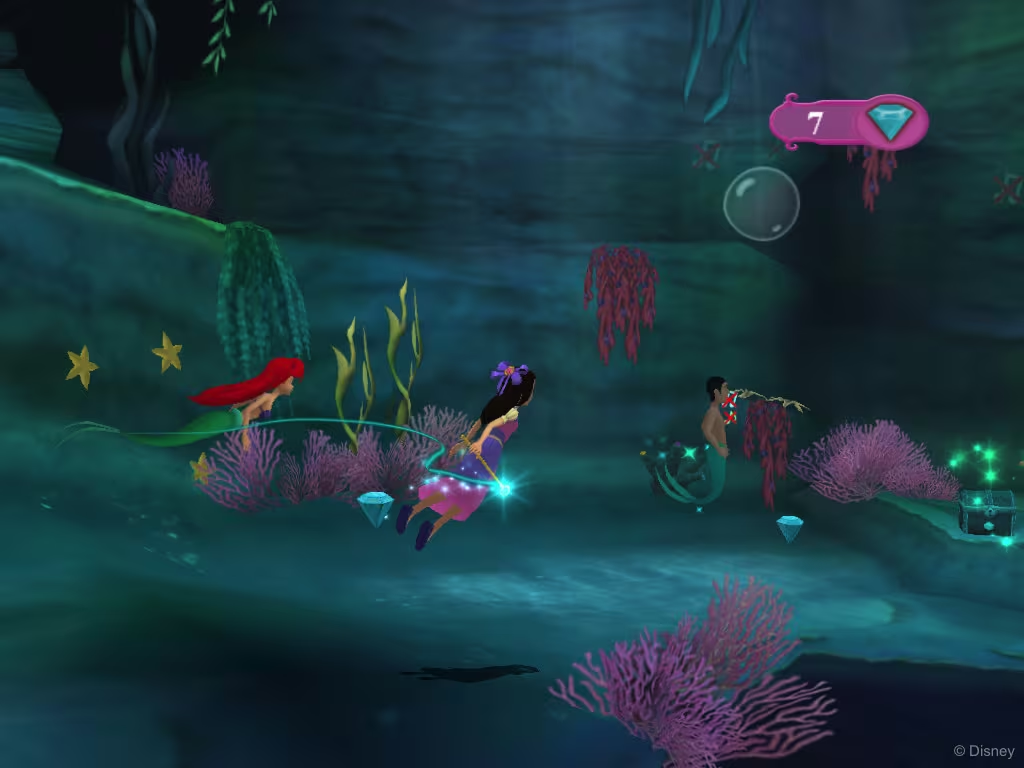
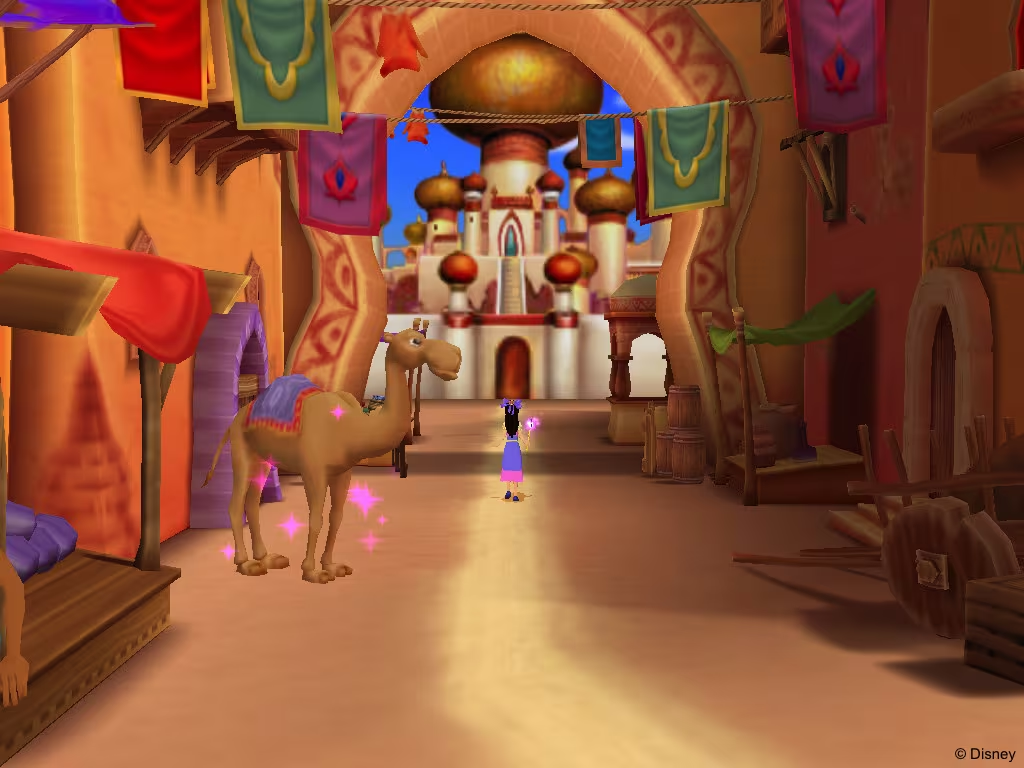
In Disney Princess: Enchanted Journey, players are transported to environments based on classic films as they discover the courage, trust, and friendship needed to become a real princess, while attempting to save each kingdom from evil.

Global score

93/100

Genres

Adventure, Puzzle

Similar games

    Pros

    • Strong nostalgia and emotional comfort
    • Child-friendly and accessible gameplay
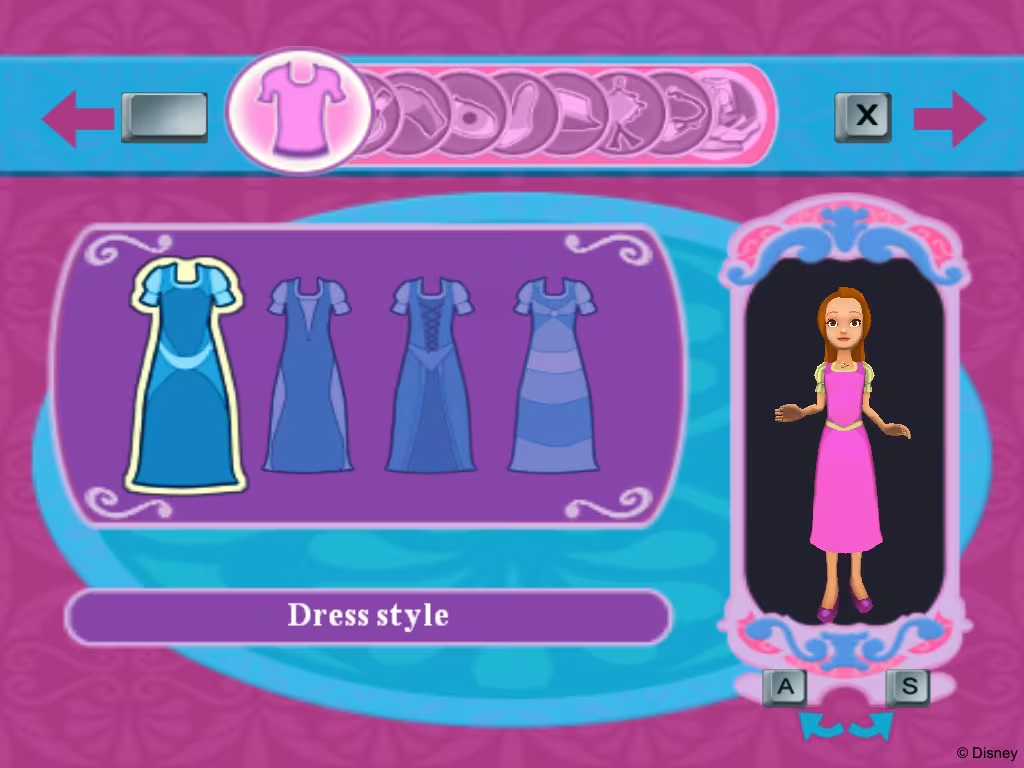
    • Character customization options
    • Colorful and magical disney princess worlds
    • Relaxing and calming experience

    Cons

    • Clunky and awkward pc controls
    • Short game length
    • Dated graphics and audio
    • Minimal challenge and strategic depth
    • No controller support or multiplayer

    Analysis

    Broadly representative of its motivational profile, with a few distinct shifts. Motivations that often define this kind of title include Intimacy, Survival, Violence, Competition. Here, the score leans higher than usual among comparable games on Cooperation. It leans lower than usual among comparable games on Thrill, Strategy.

    How to use the graph
    Similar games map

    Each dot is a game. They are arranged from the same motivation profile as in the “Motivations” section below. Closer dots usually mean more similar reasons to play (exploration, competition, relaxation, etc.)—not that one game is “better” than another.

    • Larger dot with a light outline: the game you are viewing.
    • Colour: groups of games with comparable motivation patterns (statistical clusters).
    • Hover a dot to see the game name; click to open its page.
    • Scroll or double-click the chart to zoom out and see more games.

    Why don’t the axes read like a score? This view uses t-SNE: it only keeps who is close to whom. The scales are not “good to bad” or hours played—they separate groups on the map. Read distance between dots, not the axis numbers.

    Motivations

    • Autonomy
      3

      "Players can customize their character and choose the order of princess worlds to explore, indicating some freedom in decision-making."

    • Competence
      1

      "Gameplay is simple and easy, designed for children with minimal challenge, but some puzzles and tasks provide light skill engagement."

    • Competition
      -5

      "No evidence of competitive elements; focus is on personal, casual play without comparison to others."

    • Continuation
      2

      "Players report nostalgia-driven repeated play and long sessions, though the game is short and easy to complete."

    • Cooperation
      1

      "Some players mention playing with siblings or friends, but no in-game cooperative mechanics are described."

    • Creativity
      3

      "Character customization with outfits and accessories allows for creative self-expression."

    • Domination
      -5

      "No indications of exerting control or superiority over others; interactions are non-competitive and friendly."

    • Escapism
      4

      "Strong nostalgia and emotional comfort reported; players use the game to relax and escape real-life stress."

    • Expectation
      -4

      "Players engage voluntarily out of personal desire, nostalgia, or for their children; no obligation or pressure noted."

    • Experimenting
      1

      "Some exploration of different princess worlds and minor experimentation with character customization."

    • Exploration
      2

      "Players explore multiple princess realms and discover secrets, though worlds are small and familiar."

    • Expression
      3

      "Customization of character appearance and outfits supports personal expression."

    • Fantasy
      4

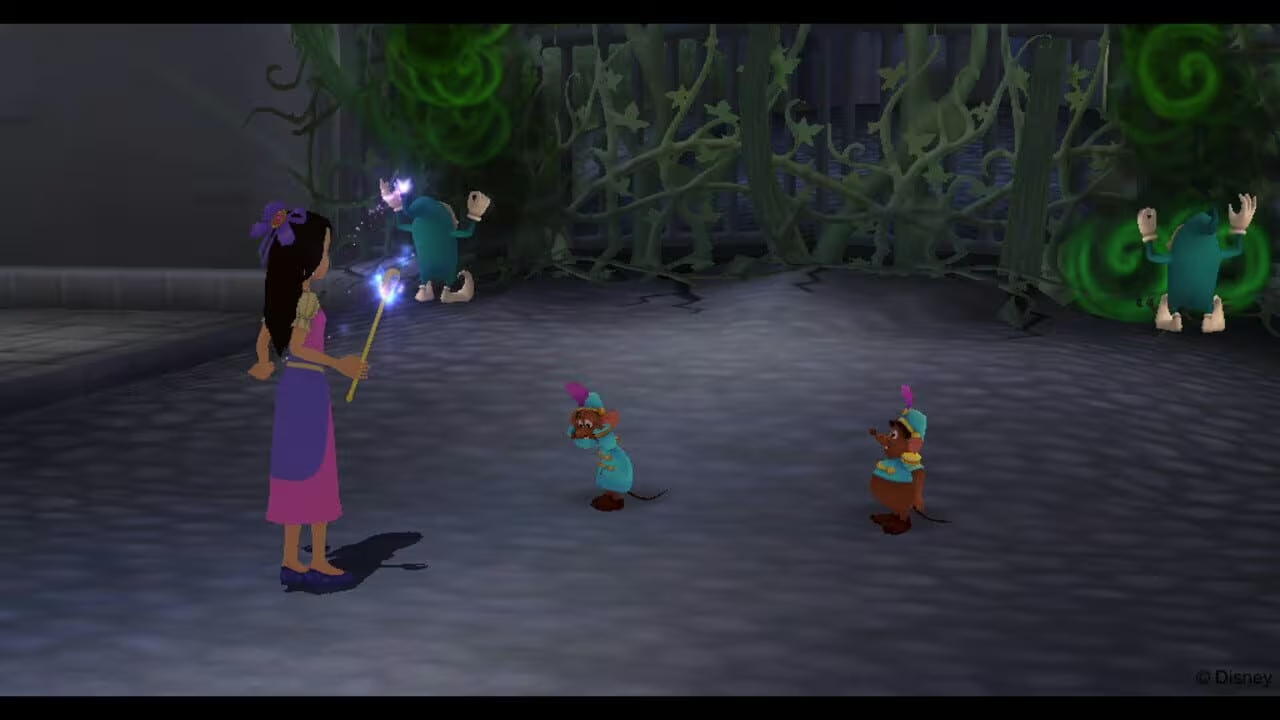
      "Set in Disney princess worlds with magic wands and fantasy creatures, providing imaginative fiction experience."

    • Fellowship
      1

      "Some social play with family or friends mentioned, but mostly individual experience."

    • Growth
      1

      "Light learning through simple puzzles and tasks; not focused on deep skill development."

    • Health
      -5

      "No physical activity involved; sedentary gameplay typical of PC games."

    • Idle
      -3

      "Requires player attention to complete tasks; not designed for idle or background play."

    • Intimacy
      1

      "Some emotional connection through nostalgia and family play, but limited evidence of deep social bonding."

    • Leadership
      -5

      "No leadership or management roles; gameplay is single-player and cooperative roles are minimal."

    • Progression
      2

      "Players collect gems and unlock outfits, though gems have no in-game use; light sense of progression."

    • Relaxation
      4

      "Many players describe the game as calming, relaxing, and a good way to unwind."

    • Sensation
      2

      "Colorful, magical environments and music provide sensory enjoyment, though graphics are dated."

    • Status
      -5

      "No social status or recognition systems; achievements are personal and not publicly ranked."

    • Story
      3

      "Simple narrative involving helping princesses and defeating bogs; story is light but engaging for children."

    • Strategy
      -2

      "Gameplay involves straightforward tasks and simple puzzles; minimal strategic depth."

    • Thrill
      -3

      "Game is low risk and low tension; no suspense or thrill elements."

    • Value
      1

      "Players appreciate nostalgia and family play value; some note short length and recommend buying on sale."

    • Violence
      -3

      "Combat is minimal and non-violent in tone; focus is on magical clearing of creatures rather than destruction."

    • Survival
      -5

      "No survival or threat mechanics; stable and safe game environment."

    Last update: 29/04/2026