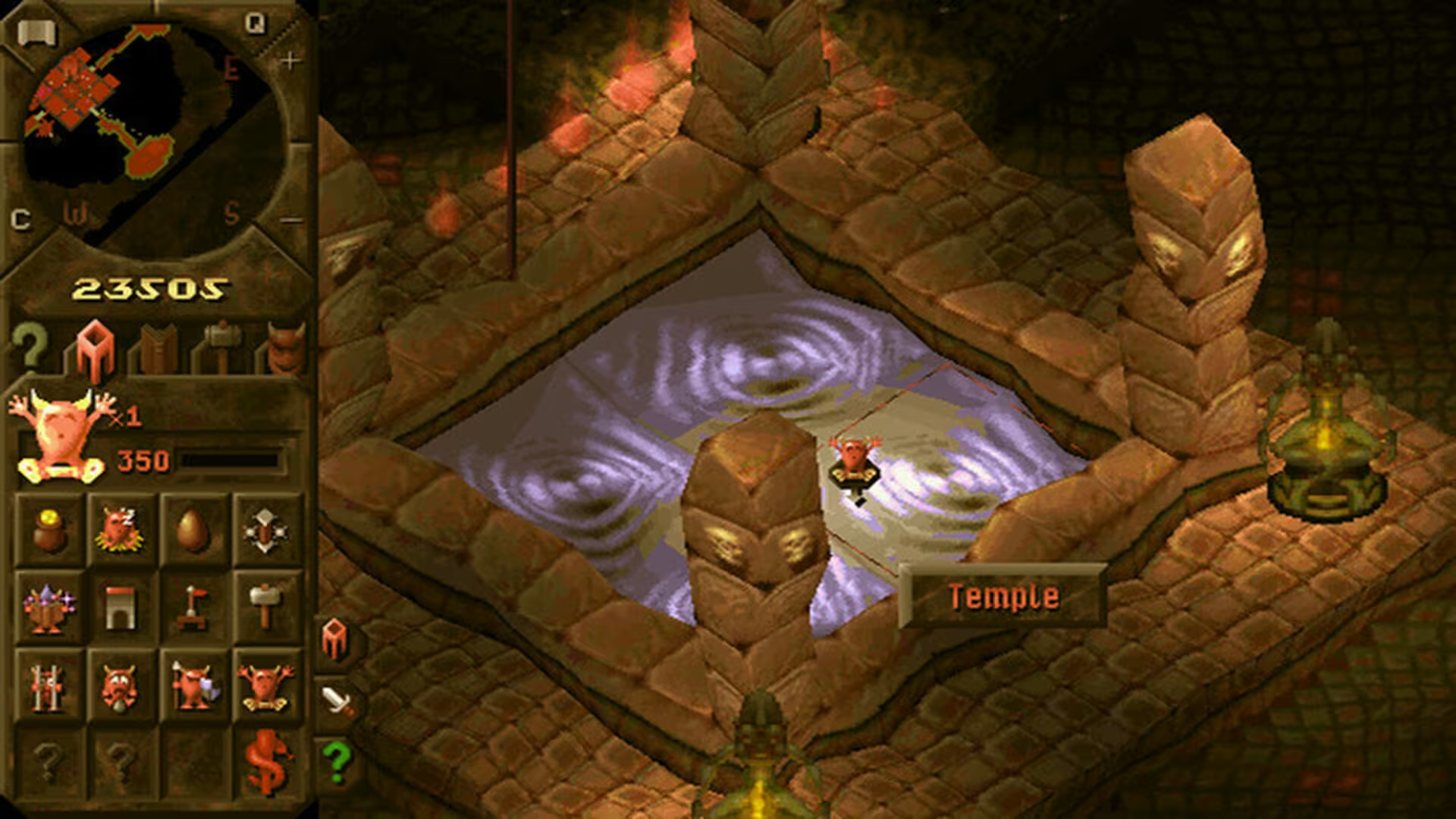
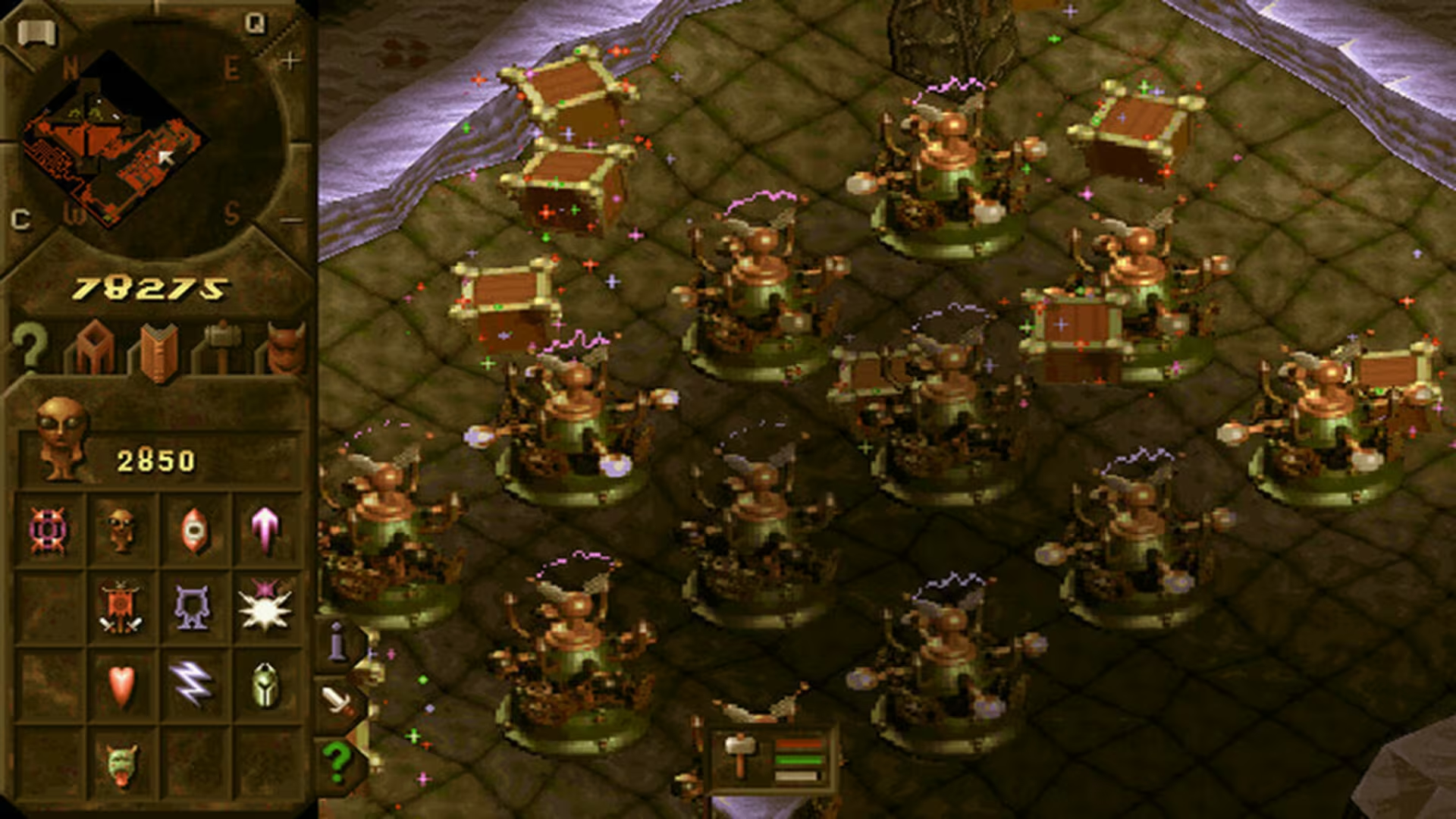
Dungeon Keeper Gold™ Thumbnail

Dungeon Keeper Gold™ similar games & best alternatives

Dungeon Keeper Gold™

PC (Microsoft Windows) • 2024

Related articles

Quick resume

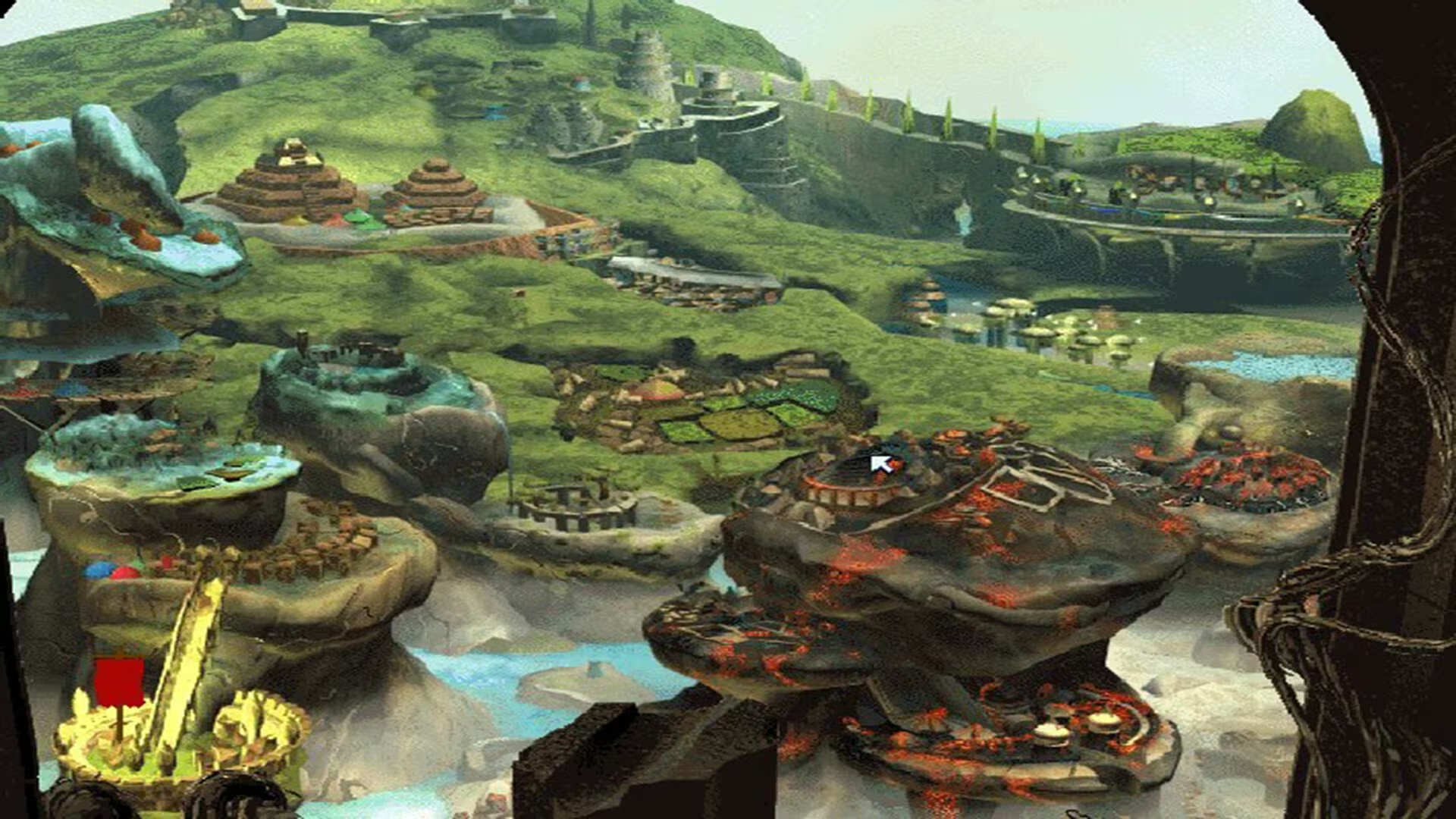
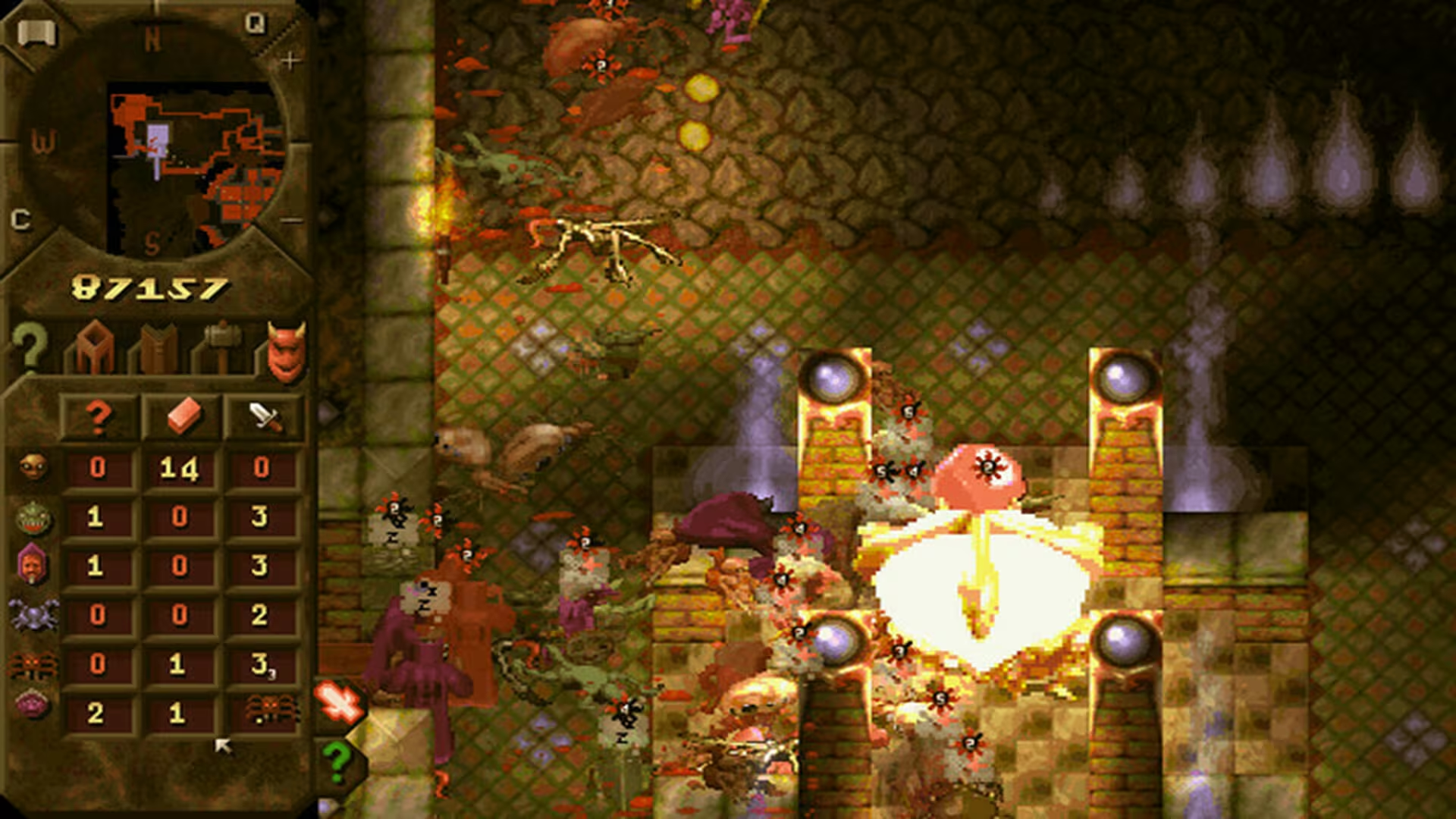
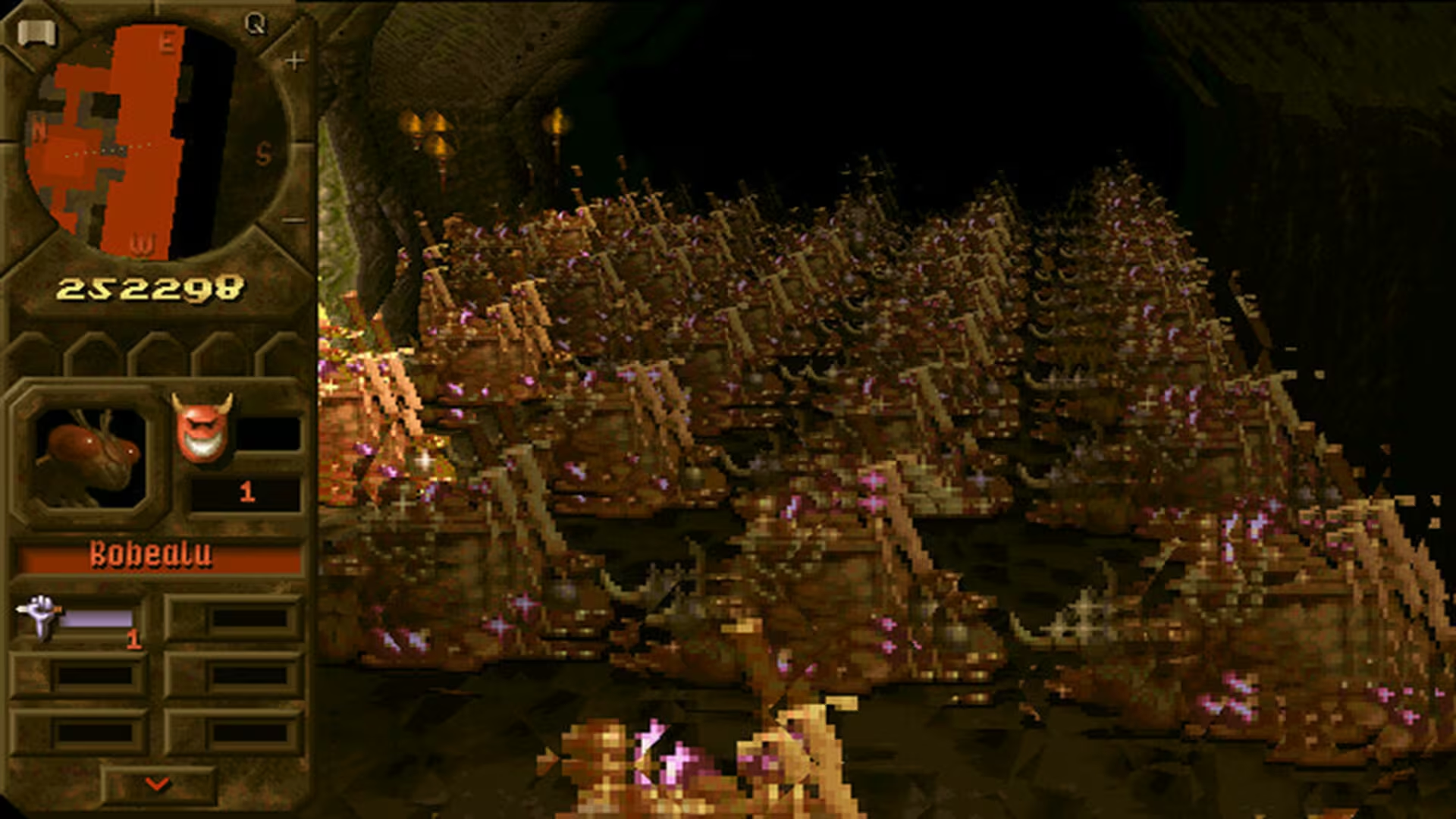
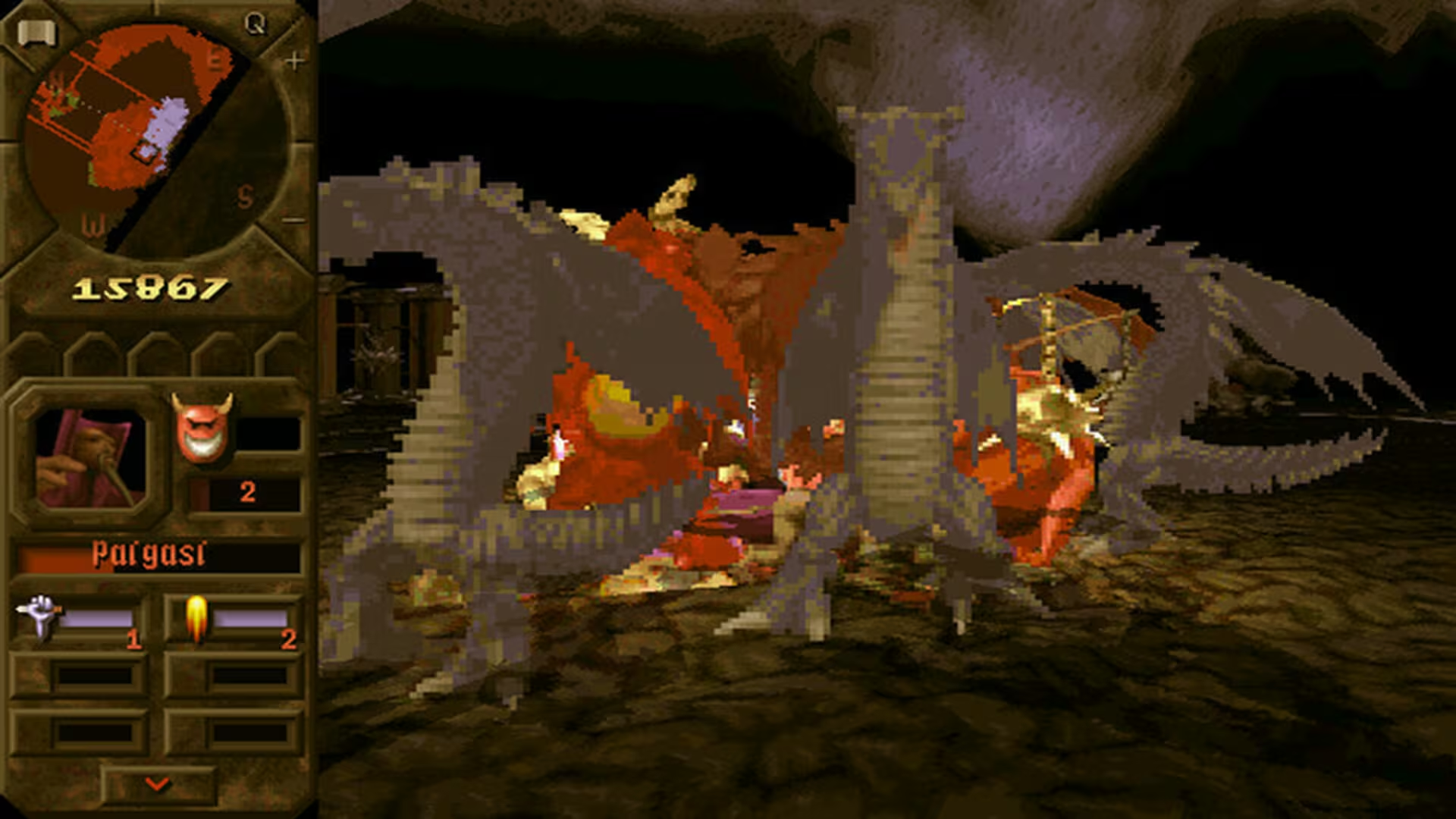
Build your dungeon & protect it with a labyrinth of dark corridors, a web of deadly traps, an arsenal of powerful spells, and an army of bloodthirsty demons

Global score

93/100

Genres

Role-playing (RPG), Strategy

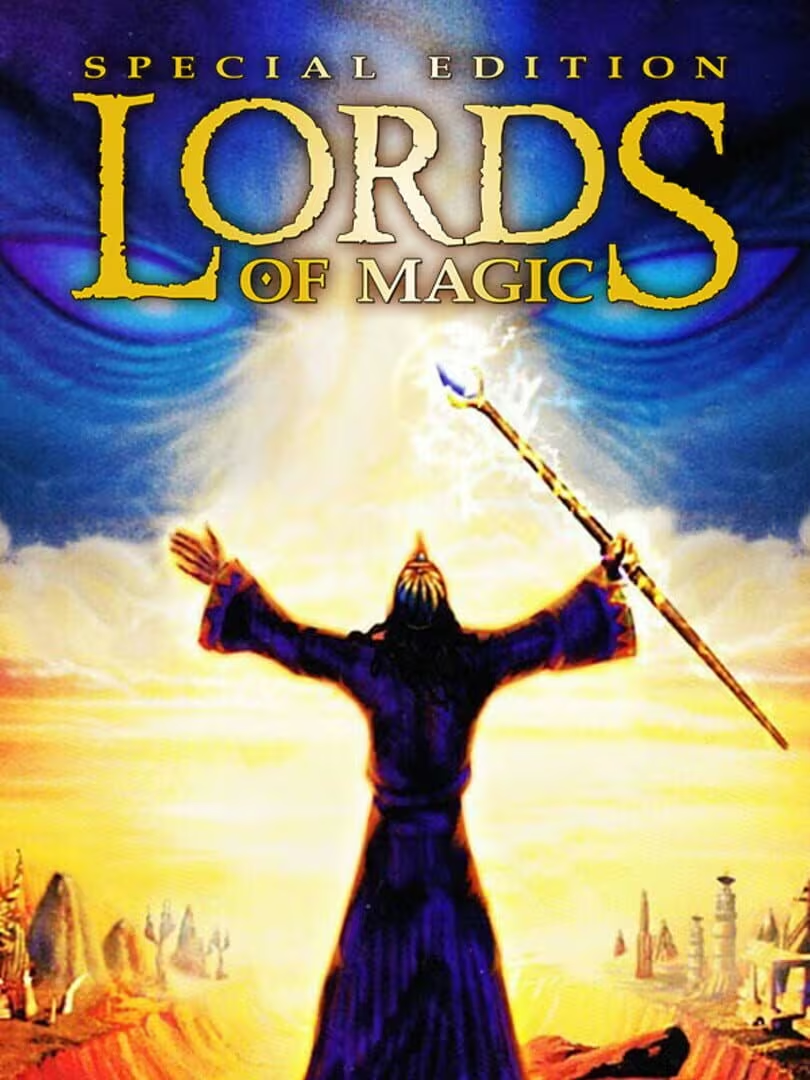
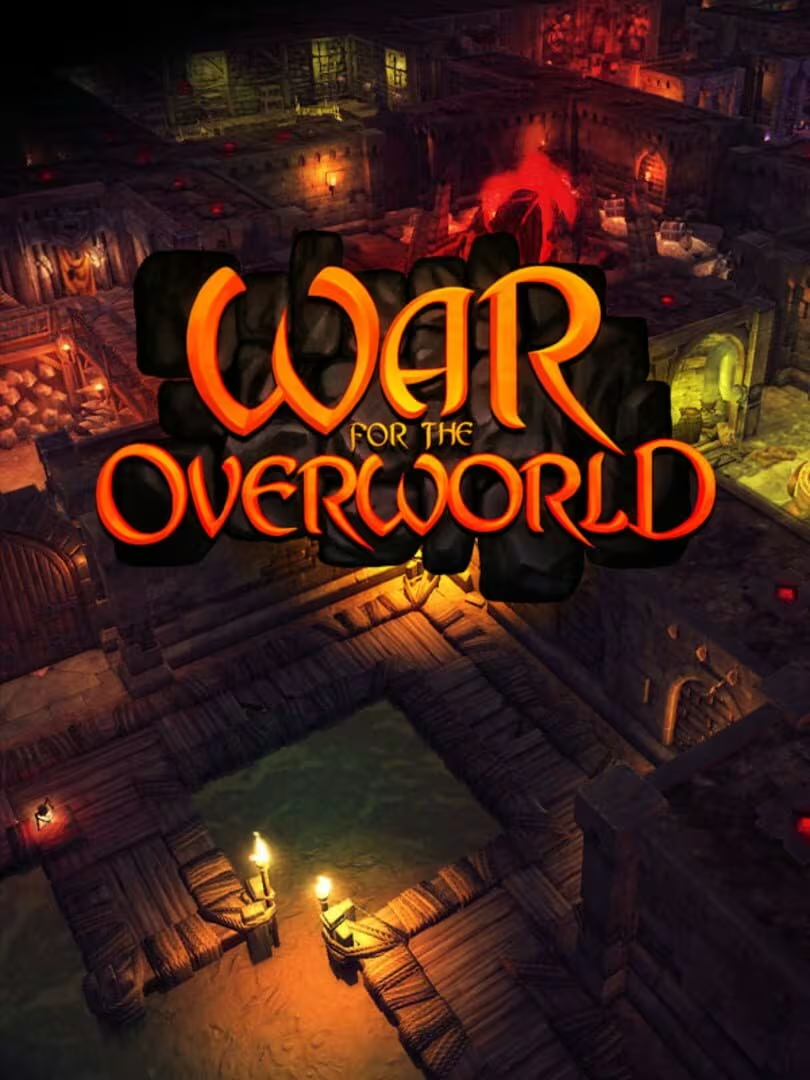
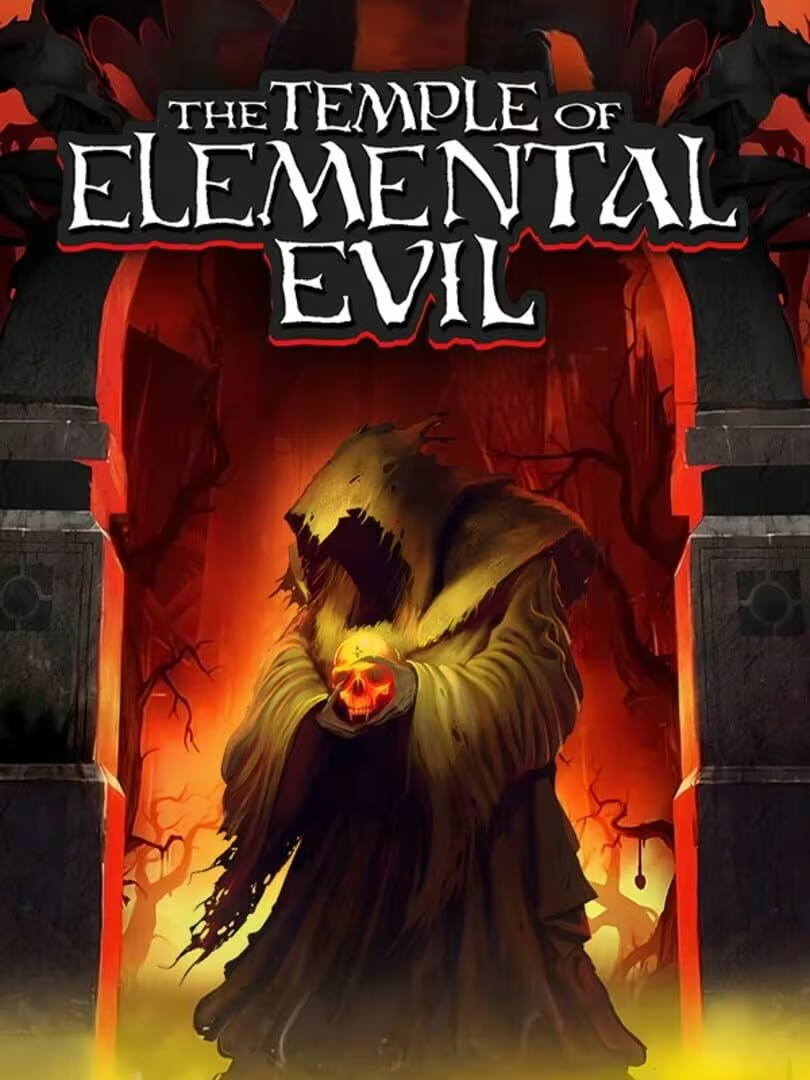
Similar games

    Pros

    • Unique villainous gameplay and dark humor
    • Strong nostalgic appeal and lasting engagement
    • Deep strategic and creative dungeon management
    • Active fan community with keeperfx mod improving experience
    • Affordable price for classic content

    Cons

    • Outdated graphics and interface without mods
    • Mouse and control issues in base dosbox port
    • Some bugs and crashes reported
    • Limited multiplayer and social features
    • Steep learning curve and occasional frustrating difficulty

    Analysis

    Broadly representative of its motivational profile, with a few distinct shifts. Motivations that often define this kind of title include Leadership, Survival, Violence, Strategy. Here, the score leans higher than usual among comparable games on Domination, Competition, Fantasy.

    How to use the graph
    Similar games map

    Each dot is a game. They are arranged from the same motivation profile as in the “Motivations” section below. Closer dots usually mean more similar reasons to play (exploration, competition, relaxation, etc.)—not that one game is “better” than another.

    • Larger dot with a light outline: the game you are viewing.
    • Colour: groups of games with comparable motivation patterns (statistical clusters).
    • Hover a dot to see the game name; click to open its page.
    • Scroll or double-click the chart to zoom out and see more games.

    Why don’t the axes read like a score? This view uses t-SNE: it only keeps who is close to whom. The scales are not “good to bad” or hours played—they separate groups on the map. Read distance between dots, not the axis numbers.

    Motivations

    • Autonomy
      4

      "Players have significant control over dungeon building, minion management, and strategic decisions, including direct possession of creatures."

    • Competence
      3

      "The game offers skill-based challenges, strategic planning, and requires learning complex mechanics, though some tasks can be repetitive."

    • Competition
      1

      "There is some multiplayer and skirmish mode, but most play is single-player focused with limited competitive elements."

    • Continuation
      4

      "Many players report long-term engagement, nostalgia-driven repeated playthroughs, and habitual returns to the game."

    • Cooperation
      -3

      "Gameplay is primarily single-player or independent; multiplayer exists but is niche and not a core focus."

    • Creativity
      4

      "Players design and customize dungeons, manage minions with different roles, and experiment with traps and layouts."

    • Domination
      2

      "Players exert control over creatures and conquer enemy dungeons, but social domination or trash talk is not emphasized."

    • Escapism
      4

      "The dark fantasy setting and villainous role provide strong escapism and immersion away from real life."

    • Expectation
      -4

      "Players engage out of personal desire, nostalgia, and intrinsic interest rather than obligation or external pressure."

    • Experimenting
      3

      "Players try different strategies, creature combinations, and dungeon layouts to overcome challenges."

    • Exploration
      2

      "Some exploration of dungeon maps and secrets occurs, but many levels have linear or puzzle-like designs."

    • Expression
      3

      "Players express themselves through dungeon design and minion management, though customization is limited to game assets."

    • Fantasy
      5

      "Strong fantasy theme with imaginative creatures, dark humor, and playing as an evil dungeon lord."

    • Fellowship
      -3

      "Community exists but gameplay is mostly solitary; social interaction is limited."

    • Growth
      3

      "Players develop skills, learn game mechanics, and improve strategies over time."

    • Health
      -5

      "Sedentary gameplay with no physical activity involved."

    • Idle
      -3

      "Requires focused attention and strategic management rather than casual or background play."

    • Intimacy
      -4

      "Minimal social or emotional connection; interactions are mostly game mechanics based."

    • Leadership
      3

      "Players lead and manage minions and creatures within their dungeon, directing their actions."

    • Progression
      4

      "Strong progression through unlocking rooms, creatures, spells, and leveling minions."

    • Relaxation
      1

      "Some players find it relaxing, but the game also involves tension and challenge."

    • Sensation
      1

      "Visuals and audio are dated but atmospheric; sensory stimulation is moderate."

    • Status
      -3

      "Little emphasis on social recognition or status; achievements and leaderboards are minimal."

    • Story
      3

      "Narrative and dark humor are present, with a storyline across campaigns and characterful narration."

    • Strategy
      4

      "Requires planning, resource management, and tactical decision-making."

    • Thrill
      2

      "Some suspense and challenge from enemy attacks and dungeon defense, but not high-intensity thrills."

    • Value
      4

      "Highly regarded for its nostalgic value and gameplay depth at a low price point."

    • Violence
      3

      "Combat and destruction of heroes and enemies are core gameplay elements."

    • Survival
      3

      "Players must defend their dungeon and manage resources to avoid failure."

    Last update: 29/04/2026